Epitelioma escamoso múltiplo autocurativo (também conhecido como doença de Ferguson-Smith (FSD)) é uma síndrome rara de câncer de pele hereditário caracterizada pelo desenvolvimento de múltiplos tumores de pele localmente invasivos, semelhantes a ceratoacantomas da face e membros, que geralmente cicatrizam espontaneamente após vários meses, deixando cicatrizes perfuradas.
Introdução
O que você precisa saber de cara
Epitelioma escamoso múltiplo autocurativo (também conhecido como doença de Ferguson-Smith (FSD)) é uma síndrome rara de câncer de pele hereditário caracterizada pelo desenvolvimento de múltiplos tumores de pele localmente invasivos, semelhantes a ceratoacantomas da face e membros, que geralmente cicatrizam espontaneamente após vários meses, deixando cicatrizes perfuradas.
Escala de raridade
<1/50kMuito rara
1/20kRara
1/10kPouco freq.
1/5kIncomum
1/2k
Encontrou um erro ou informação desatualizada? Sugira uma correção →
Entender a doença
Do básico ao detalhe, leia no seu ritmo
Preparando trilha educativa...
Sinais e sintomas
O que aparece no corpo e com que frequência cada sintoma acontece
Partes do corpo afetadas
+ 7 sintomas em outras categorias
Características mais comuns
Os sintomas variam de pessoa para pessoa. Abaixo estão as 10 características clínicas mais associadas, ordenadas por frequência.
Linha do tempo da pesquisa
Encontrou um erro ou informação desatualizada? Sugira uma correção →
Genética e causas
O que está alterado no DNA e como passa nas famílias
Genes associados
1 gene identificado com associação a esta condição. Padrão de herança: Autosomal dominant.
Transmembrane serine/threonine kinase forming with the TGF-beta type II serine/threonine kinase receptor, TGFBR2, the non-promiscuous receptor for the TGF-beta cytokines TGFB1, TGFB2 and TGFB3. Transduces the TGFB1, TGFB2 and TGFB3 signal from the cell surface to the cytoplasm and is thus regulating a plethora of physiological and pathological processes including cell cycle arrest in epithelial and hematopoietic cells, control of mesenchymal cell proliferation and differentiation, wound healing,
Cell membraneCell junction, tight junctionCell surfaceMembrane raft
Loeys-Dietz syndrome 1
An aortic aneurysm syndrome with widespread systemic involvement, characterized by arterial tortuosity and aneurysms, hypertelorism, and bifid uvula or cleft palate. Physical findings include prominent joint laxity, easy bruising, wide and atrophic scars, velvety and translucent skin with easily visible veins, spontaneous rupture of the spleen or bowel, and catastrophic complications of pregnancy, including rupture of the gravid uterus and the arteries, either during pregnancy or in the immediate postpartum period. Some patients have craniosynostosis, exotropy, micrognathia and retrognathia, structural brain abnormalities, and intellectual deficit.
Variantes genéticas (ClinVar)
565 variantes patogênicas registradas no ClinVar.
Classificação de variantes (ClinVar)
Distribuição de 47 variantes classificadas pelo ClinVar.
Vias biológicas (Reactome)
10 vias biológicas associadas aos genes desta condição.
Diagnóstico
Os sinais que médicos procuram e os exames que confirmam
Tratamento e manejo
Remédios, cuidados de apoio e o que precisa acompanhar
Onde tratar no SUS
Hospitais de referência no Brasil e o protocolo oficial do SUS (PCDT)
🇧🇷 Atendimento SUS — Epitelioma escamoso múltiplo autorremitente
Selecione um estado ou use sua localização para ver resultados.
Dados de DATASUS/CNES, SBGM, ABNeuro e Ministério da Saúde. Sempre confirme a disponibilidade diretamente com o estabelecimento.
Pesquisa ativa
Ensaios clínicos abertos e novidades científicas recentes
Pesquisa e ensaios clínicos
Nenhum ensaio clínico registrado para esta condição.
Publicações mais relevantes
Decoding clinical diversity in monogenic TGFBR1 and TGFBR2 mutations: insights into the interplay of molecular mechanisms and hypomorphicity.
Several autosomal-dominant monogenic disorders have been conclusively associated with mutations in TGFBR1 and TGFBR2, key receptors of the Transforming Growth Factor-β (TGFβ) signaling pathway. Although these disorders share a common cardiovascular connective tissue manifestation, different mutations present with strikingly distinctive clinical presentations leading to distinct disorders, including Loeys-Dietz syndrome Marfan syndrome type 2 (MFS2), and Thoracic Aortic Aneurysms and Dissections (TAAD). In addition, some mutations lead to Shprintzen-Goldberg syndrome which is characterized by skeletal deformities and intellectual disabilities in addition to the cardiovascular involvement, or vascular Ehlers-Danlos Syndrome (vEDS) that is associated with spontaneous rupture of the main arteries and internal organs. Furthermore, Multiple Self-healing Squamous Epithelioma (MSSE), a rare familial skin cancer, is linked to mutations in these genes. This significant phenotypic variability observed in these disorders could be attributed to various factors, ranging from the nature of the mutation including its location within the protein, the variable functional impact of the mutations (hypomorphicity), the level of disruption to the intricate interactions between signaling pathways, and the influence of modifier genes or environmental factors. In addition to haploinsufficiency, the impairment of TGFβ signaling could be exacerbated in other scenarios, such as the dominant-negative effects, in which a mutant allele disrupts the normal activity of the wild-type protein by forming non-functional receptor oligomers, hindering their trafficking. This review sheds light on these hereditary disorders, highlighting the broad spectrum of their clinical presentations associated with mutations in the same gene, their pathophysiology, and underlying molecular mechanisms. Most crucially, it underscores the critical gaps in our current understanding while proposing compelling directions for future research. This review also emphasizes the pressing need to unravel the complex genotype-phenotype correlations, which could pave the way for more precise diagnostic and therapeutic strategies.
Multiple Self-Healing Squamous Epithelioma and Loeys-Dietz syndrome: a single TGFBR1 variant, two phenotypes in one patient.
Multiple Self-Healing Squamous Epithelioma of Ferguson-Smith (OMIM 132800) is a syndrome increasing the risk of developing keratoacanthomas, which are locally aggressive skin tumours. Loeys-Dietz syndrome is a connective tissue disease characterised by arterial fragility. There is no increased risk of skin tumours classically described.Both phenotypes have been associated with a different pathogenic variant of the TGFBR1 gene involved in the TGFbeta signalling pathway. We present the case of a patient with both phenotypes. This appears to be caused by a single likely pathogenic variant within TGFBR1: c.1421G>A (p.Cyst474Tyr) in the protein domain of the serine-threonine protein kinase.This is the fourth reported case exhibiting this dual clinical presentation with a single genetic variant in this same region.
Multiple Keratoacanthoma-like Syndromes: Case Report and Literature Review.
Keratoacanthoma (KA) is a fast-growing skin tumor subtype that can be observed as a solitary lesion or rarely as multiple lesions in the context of rare genetic syndromes. Syndromes with multiple keratoacanthoma-like lesions have been documented as multiple self-healing squamous epithelioma (Ferguson-Smith syndrome), eruptive keratoacanthoma of Grzybowski, multiple familial keratoacanthoma of Witten and Zak Muir-Torre syndrome, and incontinentia pigmenti. The treatment approach of those entities is challenging due to the numerous lesions, the lesions' undefined nature, and the co-existence of other malignant skin tumors. Herein, we report a case of a 40-year-old woman who developed multiple treatment-resistant Ferguson-Smith-like keratoacanthomas with a co-existing large and ulcerated invasive squamous cell carcinoma and microcystic adnexal carcinoma on the scalp. Multiple keratoacanthomas on her extremities were successfully treated with oral acitretin (0.5 mg/kg/day) in combination with topical Fluorouracil (5-FU) 5%, while excision and plastic surgery restoration were performed to treat the ulcerated cancer lesion on her scalp. Due to the interesting nature of this rare syndrome, we performed a literature review including case reports and case series on multiple-KA-like lesions syndromes and focusing on diagnosis and therapy approaches. We also conducted a comparison of patient reports, which included assessing the clinical appearance of the lesions and evaluating the success and progress or the failure of various treatment approaches that were implemented.
Coexistence of multiple self-healing squamous epithelioma and features of Loeys-Dietz syndrome caused by a pathogenic missense variant in the kinase domain of TGFBR1.
Truncating variants in the penultimate exon of TGFBR1 escaping nonsense-mediated mRNA decay cause Loeys-Dietz syndrome.
Pathogenic variants in TGFBR1 are a common cause of Loeys-Dietz syndrome (LDS) characterized by life-threatening aortic and arterial disease. Generally, these are missense changes in highly conserved amino acids in the serine-threonine kinase domain. Conversely, nonsense, frameshift, or specific missense changes in the ligand-binding extracellular domain cause multiple self-healing squamous epithelioma (MSSE) lacking the cardiovascular phenotype. Here, we report on two novel variants in the penultimate exon 8 of TGFBR1 were identified in 3 patients from two unrelated LDS families: both were predicted to cause frameshift and premature stop codons (Gln448Profs*15 and Cys446Asnfs*4) resulting in truncated TGFBR1 proteins lacking the last 43 and 56 amino acid residues, respectively. These were classified as variants of uncertain significance based on current criteria. Transcript expression analyses revealed both mutant alleles escaped nonsense-mediated mRNA decay. Functional characterization in patient's dermal fibroblasts showed paradoxically enhanced TGFβ signaling, as observed for pathogenic missense TGFBR1 changes causative of LDS. In summary, we expanded the allelic repertoire of LDS-associated TGFBR1 variants to include truncating variants escaping nonsense-mediated mRNA decay. Our data highlight the importance of functional studies in variants interpretation for correct clinical diagnosis.
Publicações recentes
Decoding clinical diversity in monogenic TGFBR1 and TGFBR2 mutations: insights into the interplay of molecular mechanisms and hypomorphicity.
Multiple Self-Healing Squamous Epithelioma and Loeys-Dietz syndrome: a single TGFBR1 variant, two phenotypes in one patient.
Multiple Keratoacanthoma-like Syndromes: Case Report and Literature Review.
Coexistence of multiple self-healing squamous epithelioma and features of Loeys-Dietz syndrome caused by a pathogenic missense variant in the kinase domain of TGFBR1.
Truncating variants in the penultimate exon of TGFBR1 escaping nonsense-mediated mRNA decay cause Loeys-Dietz syndrome.
📚 EuropePMC21 artigos no totalmostrando 11
Decoding clinical diversity in monogenic TGFBR1 and TGFBR2 mutations: insights into the interplay of molecular mechanisms and hypomorphicity.
Frontiers in cell and developmental biologyMultiple Self-Healing Squamous Epithelioma and Loeys-Dietz syndrome: a single TGFBR1 variant, two phenotypes in one patient.
BMJ case reportsMultiple Keratoacanthoma-like Syndromes: Case Report and Literature Review.
Medicina (Kaunas, Lithuania)Coexistence of multiple self-healing squamous epithelioma and features of Loeys-Dietz syndrome caused by a pathogenic missense variant in the kinase domain of TGFBR1.
Clinical and experimental dermatologyTruncating variants in the penultimate exon of TGFBR1 escaping nonsense-mediated mRNA decay cause Loeys-Dietz syndrome.
European journal of human genetics : EJHGMultiple Self-Healing Squamous Epithelioma (MSSE): A Digenic Trait Associated with Loss of Function Mutations in TGFBR1 and Variants at a Second Linked Locus on the Long Arm of Chromosome 9.
GenesUnique Mechanism by Which TGFBR1 Variants Cause 2 Distinct System Diseases - Loeys-Dietz Syndrome and Multiple Self-Healing Squamous Epithelioma.
Circulation reportsFeatures of multiple self-healing squamous epithelioma and Loeys-Dietz syndrome in a patient with a novel TGFBR1 variant.
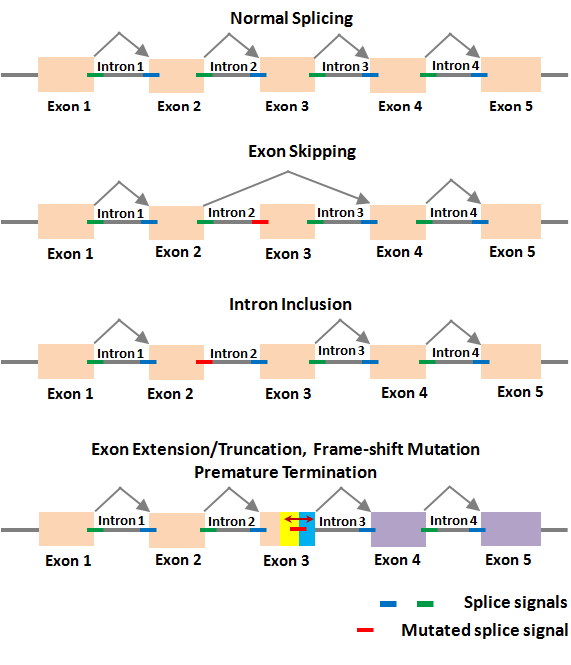
American journal of medical genetics. Part ADistinct variants affecting differential splicing of TGFBR1 exon 5 cause either Loeys-Dietz syndrome or multiple self-healing squamous epithelioma.
European journal of human genetics : EJHGLate-Onset Multiple Self-Healing Squamous Epithelioma Ferguson-Smith Recurrence Induced by Radiotherapy.
Case reports in dermatologyKeratoacanthoma (KA): An update and review.
Journal of the American Academy of DermatologyAssociações
Organizações que acompanham esta doença — pra ter apoio e orientação
Ainda não temos associações cadastradas para Epitelioma escamoso múltiplo autorremitente.
É de uma associação que acompanha esta doença? Fale com a gente →
Comunidades
Grupos ativos de quem convive com esta doença aqui no Raras
Ainda não existe comunidade no Raras para Epitelioma escamoso múltiplo autorremitente
Pacientes, familiares e cuidadores se organizam em comunidades pra compartilhar experiências, fazer perguntas e se apoiar. Você pode ser o primeiro.
Tire suas dúvidas
Perguntas, dicas e experiências compartilhadas aqui na página
Participe da discussão
Faça login para postar dúvidas, compartilhar experiências e interagir com especialistas.
Fazer loginDoenças relacionadas
Doenças com sintomas parecidos — ajudam quem ainda está buscando diagnóstico
Referências e fontes
Bases de dados externas citadas neste artigo
Publicações científicas
Artigos indexados no PubMed ligados a esta doença no grafo RarasNet — título, periódico e PMID direto da fonte, sem intermediação de IA.
- Decoding clinical diversity in monogenic TGFBR1 and TGFBR2 mutations: insights into the interplay of molecular mechanisms and hypomorphicity.
- Multiple Self-Healing Squamous Epithelioma and Loeys-Dietz syndrome: a single TGFBR1 variant, two phenotypes in one patient.
- Multiple Keratoacanthoma-like Syndromes: Case Report and Literature Review.
- Coexistence of multiple self-healing squamous epithelioma and features of Loeys-Dietz syndrome caused by a pathogenic missense variant in the kinase domain of TGFBR1.
- Truncating variants in the penultimate exon of TGFBR1 escaping nonsense-mediated mRNA decay cause Loeys-Dietz syndrome.
Bases de dados e fontes oficiais
Identificadores e referências canônicas usadas para montar este verbete.
- ORPHA:65748(Orphanet)
- OMIM OMIM:132800(OMIM)
- MONDO:0007566(MONDO)
- GARD:3090(GARD (NIH))
- Variantes catalogadas(ClinVar)
- Busca completa no PubMed(PubMed)
- Q18556880(Wikidata)
Dados compilados pelo RarasNet a partir de fontes abertas (Orphanet, OMIM, MONDO, PubMed/EuropePMC, ClinicalTrials.gov, DATASUS, PCDT/MS). Este conteúdo é informativo e não substitui avaliação médica.
Conteúdo mantido por Agente Raras · Médicos e pesquisadores podem colaborar