
Um problema na forma como o corpo produz os ácidos biliares, caracterizado por uma doença leve no fígado (onde a bile não consegue fluir direito), dificuldade para absorver gorduras e/ou problemas neurológicos.
Introdução
O que você precisa saber de cara
Um problema na forma como o corpo produz os ácidos biliares, caracterizado por uma doença leve no fígado (onde a bile não consegue fluir direito), dificuldade para absorver gorduras e/ou problemas neurológicos.
Escala de raridade
<1/50kMuito rara
1/20kRara
1/10kPouco freq.
1/5kIncomum
1/2k
Encontrou um erro ou informação desatualizada? Sugira uma correção →
Entender a doença
Do básico ao detalhe, leia no seu ritmo
Preparando trilha educativa...
Sinais e sintomas
O que aparece no corpo e com que frequência cada sintoma acontece
Partes do corpo afetadas
+ 19 sintomas em outras categorias
Características mais comuns
Os sintomas variam de pessoa para pessoa. Abaixo estão as 42 características clínicas mais associadas, ordenadas por frequência.
Linha do tempo da pesquisa
Encontrou um erro ou informação desatualizada? Sugira uma correção →
Genética e causas
O que está alterado no DNA e como passa nas famílias
Genes associados
1 gene identificado com associação a esta condição. Padrão de herança: Autosomal recessive.
Curadoria gene-doença
fontes oficiaisCatalyzes the interconversion of (R)- and (S)-stereoisomers of alpha-methyl-branched-chain fatty acyl-CoA esters (PubMed:10655068, PubMed:11060359, PubMed:7649182). Acts only on coenzyme A thioesters, not on free fatty acids, and accepts as substrates a wide range of alpha-methylacyl-CoAs, including pristanoyl-CoA, trihydroxycoprostanoyl-CoA (an intermediate in bile acid synthesis), and arylpropionic acids like the anti-inflammatory drug ibuprofen (2-(4-isobutylphenyl)propionic acid) but neither
PeroxisomeMitochondrion
Alpha-methylacyl-CoA racemase deficiency
A rare autosomal recessive peroxisomal disorder characterized by elevated plasma concentrations of pristanic acid C27-bile-acid intermediates, and adult onset of variable neurodegenerative symptoms affecting the central and peripheral nervous systems. Features may include seizures, visual failure, sensorimotor neuropathy, spasticity, migraine, and white matter hyperintensities on brain imaging.
Variantes genéticas (ClinVar)
35 variantes patogênicas registradas no ClinVar.
Classificação de variantes (ClinVar)
Distribuição de 211 variantes classificadas pelo ClinVar.
Vias biológicas (Reactome)
4 vias biológicas associadas aos genes desta condição.
Diagnóstico
Os sinais que médicos procuram e os exames que confirmam
Tratamento e manejo
Remédios, cuidados de apoio e o que precisa acompanhar
Onde tratar no SUS
Hospitais de referência no Brasil e o protocolo oficial do SUS (PCDT)
🇧🇷 Atendimento SUS — Defeito congênito da síntese de ácidos biliares tipo 4
Centros de Referência SUS
24 centros habilitados pelo SUS para Defeito congênito da síntese de ácidos biliares tipo 4
Centros para Defeito congênito da síntese de ácidos biliares tipo 4
Detalhes dos centros
Hospital Universitário Prof. Edgard Santos (HUPES)
R. Dr. Augusto Viana, s/n - Canela, Salvador - BA, 40110-060 · CNES 0003808
Serviço de Referência
Hospital Infantil Albert Sabin
R. Tertuliano Sales, 544 - Vila União, Fortaleza - CE, 60410-794 · CNES 2407876
Serviço de Referência
Hospital de Apoio de Brasília (HAB)
AENW 3 Lote A Setor Noroeste - Plano Piloto, Brasília - DF, 70684-831 · CNES 0010456
Serviço de Referência
Hospital Estadual Infantil e Maternidade Alzir Bernardino Alves (HIABA)
Av. Min. Salgado Filho, 918 - Soteco, Vila Velha - ES, 29106-010 · CNES 6631207
Serviço de Referência
Hospital das Clínicas da UFG
Rua 235 QD. 68 Lote Área, Nº 285, s/nº - Setor Leste Universitário, Goiânia - GO, 74605-050 · CNES 2338424
Serviço de Referência
Hospital Universitário da UFJF
R. Catulo Breviglieri, Bairro - s/n - Santa Catarina, Juiz de Fora - MG, 36036-110 · CNES 2297442
Atenção Especializada
Hospital das Clínicas da UFMG
Av. Prof. Alfredo Balena, 110 - Santa Efigênia, Belo Horizonte - MG, 30130-100 · CNES 2280167
Serviço de Referência
Hospital Universitário Julio Müller (HUJM)
R. Luis Philippe Pereira Leite, s/n - Alvorada, Cuiabá - MT, 78048-902 · CNES 2726092
Atenção Especializada
Hospital Universitário João de Barros Barreto
R. dos Mundurucus, 4487 - Guamá, Belém - PA, 66073-000 · CNES 2337878
Serviço de Referência
Hospital Universitário Lauro Wanderley (HULW)
R. Tabeliao Estanislau Eloy, 585 - Castelo Branco, João Pessoa - PB, 58050-585 · CNES 0002470
Atenção Especializada
Instituto de Medicina Integral Prof. Fernando Figueira (IMIP)
R. dos Coelhos, 300 - Boa Vista, Recife - PE, 50070-902 · CNES 0000647
Serviço de Referência
Hospital Pequeno Príncipe
R. Des. Motta, 1070 - Água Verde, Curitiba - PR, 80250-060 · CNES 3143805
Serviço de Referência
Hospital Universitário Regional de Maringá (HUM)
Av. Mandacaru, 1590 - Parque das Laranjeiras, Maringá - PR, 87083-240 · CNES 2216108
Atenção Especializada
Hospital de Clínicas da UFPR
R. Gen. Carneiro, 181 - Alto da Glória, Curitiba - PR, 80060-900 · CNES 2364980
Serviço de Referência
Hospital Universitário Pedro Ernesto (HUPE-UERJ)
Blvd. 28 de Setembro, 77 - Vila Isabel, Rio de Janeiro - RJ, 20551-030 · CNES 2280221
Serviço de Referência
Instituto Nacional de Saúde da Mulher, da Criança e do Adolescente Fernandes Figueira (IFF/Fiocruz)
Av. Rui Barbosa, 716 - Flamengo, Rio de Janeiro - RJ, 22250-020 · CNES 2269988
Serviço de Referência
Hospital São Lucas da PUCRS
Av. Ipiranga, 6690 - Jardim Botânico, Porto Alegre - RS, 90610-000 · CNES 2232928
Serviço de Referência
Hospital de Clínicas de Porto Alegre (HCPA)
Rua Ramiro Barcelos, 2350 Bloco A - Av. Protásio Alves, 211 - Bloco B e C - Santa Cecília, Porto Alegre - RS, 90035-903 · CNES 2237601
Serviço de Referência
Hospital Universitário da UFSC (HU-UFSC)
R. Profa. Maria Flora Pausewang - Trindade, Florianópolis - SC, 88036-800 · CNES 2560356
Serviço de Referência
Hospital das Clínicas da FMUSP
R. Dr. Ovídio Pires de Campos, 225 - Cerqueira César, São Paulo - SP, 05403-010 · CNES 2077485
Serviço de Referência
Hospital de Base de São José do Rio Preto
Av. Brg. Faria Lima, 5544 - Vila Sao Jose, São José do Rio Preto - SP, 15090-000 · CNES 2079798
Atenção Especializada
Hospital de Clínicas da UNICAMP
R. Vital Brasil, 251 - Cidade Universitária, Campinas - SP, 13083-888 · CNES 2748223
Serviço de Referência
Hospital de Clínicas de Ribeirão Preto (HCRP-USP)
R. Ten. Catão Roxo, 3900 - Vila Monte Alegre, Ribeirão Preto - SP, 14015-010 · CNES 2082187
Serviço de Referência
UNIFESP / Hospital São Paulo
R. Napoleão de Barros, 715 - Vila Clementino, São Paulo - SP, 04024-002 · CNES 2688689
Serviço de Referência
Dados de DATASUS/CNES, SBGM, ABNeuro e Ministério da Saúde. Sempre confirme a disponibilidade diretamente com o estabelecimento.
Pesquisa ativa
Ensaios clínicos abertos e novidades científicas recentes
Pesquisa e ensaios clínicos
Nenhum ensaio clínico registrado para esta condição.
Publicações mais relevantes
Treatment of Inborn Errors by Product Replacement: The Example of Inborn Errors of Bile Acid Synthesis.
Many inborn errors of metabolism affect pathways involved in the synthesis of a metabolite that has an important biochemical or physiological function, and adverse effects of the disorder can be attributed to the lack of this metabolite. Thus, there is the opportunity for treatment by 'product replacement'. One of the disorders in the pathways for the synthesis of bile acids from cholesterol, 3β-hydroxy-Δ5-C27-steroid dehydrogenase deficiency, causes cholestatic liver disease in infancy that can be treated very effectively with chenodeoxycholic acid (CDCA) and/or cholic acid (CA). There are several other enzyme deficiencies that can cause liver disease in infancy that improve with CDCA or CA or both (alongside a reduction of abnormal bile acids or alcohols); however, individuals with the same gene variant(s) may remain asymptomatic or have transient liver dysfunction that resolves spontaneously. In some disorders, the more usual presentation is with neurological disease later in childhood or in adolescence or adult life, for example, cerebrotendinous xanthomatosis (CTX), α-methylacyl-CoA racemase deficiency, and oxysterol 7α-hydroxylase deficiency. Treatment with CDCA has been dramatically effective in the neurological disease of CTX. In the disorders of peroxisome biogenesis, liver disease is a part of the clinical picture although neurological symptoms tend to be predominant. Treatment with CDCA and CA (or CA alone) leads to a reduction in the levels of C27 bile acids. Some trials suggest this treatment leads to significant improvement in clinical status and liver function tests; others do not. Defects in individual peroxisomal enzymes and transporters vary in their clinical presentations. Treatment of acyl-CoA oxidase 2 deficiency with ursodeoxycholic acid is discussed.
Syndromic retinitis pigmentosa.
Retinitis pigmentosa (RP) is a progressive inherited retinal dystrophy, characterized by the degeneration of photoreceptors, presenting as a rod-cone dystrophy. Approximately 20-30% of patients with RP also exhibit extra-ocular manifestations in the context of a syndrome. This manuscript discusses the broad spectrum of syndromes associated with RP, pathogenic mechanisms, clinical manifestations, differential diagnoses, clinical management approaches, and future perspectives. Given the diverse clinical and genetic landscape of syndromic RP, the diagnosis may be challenging. However, an accurate and timely diagnosis is essential for optimal clinical management, prognostication, and potential treatment. Broadly, the syndromes associated with RP can be categorized into ciliopathies, inherited metabolic disorders, mitochondrial disorders, and miscellaneous syndromes. Among the ciliopathies associated with RP, Usher syndrome and Bardet-Biedl syndrome are the most well-known. Less common ciliopathies include Cohen syndrome, Joubert syndrome, cranioectodermal dysplasia, asphyxiating thoracic dystrophy, Mainzer-Saldino syndrome, and RHYNS syndrome. Several inherited metabolic disorders can present with RP, including Zellweger spectrum disorders, adult Refsum disease, α-methylacyl-CoA racemase deficiency, certain mucopolysaccharidoses, ataxia with vitamin E deficiency, abetalipoproteinemia, several neuronal ceroid lipofuscinoses, mevalonic aciduria, PKAN/HARP syndrome, PHARC syndrome, and methylmalonic acidaemia with homocystinuria type cobalamin (cbl) C disease. Due to the mitochondria's essential role in supplying continuous energy to the retina, disruption of mitochondrial function can lead to RP, as seen in Kearns-Sayre syndrome, NARP syndrome, primary coenzyme Q10 deficiency, SSBP1-associated disease, and long chain 3-hydroxyacyl-CoA dehydrogenase deficiency. Lastly, Cockayne syndrome and PERCHING syndrome can present with RP, but they do not fit the abovementioned hierarchy and are thus categorized as miscellaneous. Several first-in-human clinical trials are underway or in preparation for some of these syndromic forms of RP.
ASYMPTOMATIC RETINAL DYSFUNCTION AND RETINAL ABNORMALITIES IN A PATIENT WITH ALPHA-METHYLACYL-COA RACEMASE DEFICIENCY.
The aim of this study was to present a case of a young female patient with asymptomatic retinal dysfunction associated with alpha-methylacyl-CoA (alpha-methylacyl-CoA racemase) racemase deficiency. This was a retrospective analysis of the medical notes of a single patient. Detailed slit-lamp examination was completed by Optos color fundus photography and enhanced depth imaging optical coherence tomography. Genetic testing was conducted to establish the diagnosis, and the patient was also referred to the Department of Neurology for further assessment. Dilated fundoscopy and ophthalmic imaging revealed bilateral retinal pigment epithelium abnormalities that could be associated with a genetic retinal disorder. Indeed, genetic testing showed that this lady was homozygous for alpha-methylacyl-CoA racemase (OMIM 604489; Gene ID 23600) variant NM 014324.6: c.154T>C; p.(Ser52Pro). She had no detectable neurological deficit. Alpha-methylacyl-CoA racemase deficiency is a rare genetic condition that can potentially contribute to retinal dystrophy through various mechanisms. In addition, it may lead to a wide spectrum of systemic signs and symptoms. Interestingly, in contrast to other reported studies, the patient was completely asymptomatic, with no evidence of systemic disorders.
The clinical and biochemical effectiveness and safety of cholic acid treatment for bile acid synthesis defects: a systematic review.
Bile acid synthesis defects (BASDs) can be severely disabling involving the liver and nervous system, potentially due to elevated levels of toxic C27-bile acid intermediates. Cholic acid (CA) supplementation is hypothesized to decrease bile acid production, stimulate bile secretion and -flow, and slowing down disease progression. This systematic review assesses the clinical and biochemical effectiveness, and safety of CA in BASDs patients. A systematic review of MEDLINE, Embase and clinical trial registries (ClinicalTrials.gov, ICTRP registry) using controlled MeSH- and Emtree terms. From 526 articles 70 publications were deemed eligible for inclusion based on title and abstract. 14 publications were included after full-text assessment comprising case reports and -series with 1-35 patients (162 patients in total) receiving 1 week to 16,5 years of CA treatment. All presented data on effectiveness, 8 studies also presented data on safety. The included population concerned patients with Zellweger spectrum disorders (n = 73), 3β-Hydroxy-Δ5-C27-steroid oxidoreductase deficiency (n = 62), cerebrotendinous xanthomatosis (n = 22), Δ4-3-oxosteroid 5β-reductase deficiency (n = 13), and α-methylacyl-CoA racemase deficiency (n = 3). Main outcomes concerned liver disease (12 studies), general physical examinations, biochemical outcomes, and safety (9 studies), and fat-soluble vitamin absorption (7 studies). The overall risk of bias score was considered to be critical (1 study), serious (4 studies), and moderate (9 studies). Major issues were missing data (10 studies), generalized data (8 studies), and no wash-out between treatments (4 studies). More controlled studies are required as the available data is insufficient to draw definite conclusions on the effectiveness and safety of CA treatment in BASD patients. Establishing an independent international disease registry could better utilize existing real-world data.
Variable clinical phenotypes of alpha-methylacyl-CoA racemase deficiency: Report of four cases and review of the literature.
Alpha-methylacyl-CoA-racemase (AMACR) deficiency (MIM#604489) is a peroxisomal disorder resulting in the accumulation of pristanic acid, dihydroxycholestanoic acid (DHCA), and trihydroxycholestanoic acid (THCA), with variable clinical features and age of onset from infancy to late adulthood. The purpose of this report is to define clinical variations and follow-up data in AMACR deficiency emphasizing treatment with a review of cases reported in the literature. Here, four patients, from two families, diagnosed with AMACR deficiency and showing phenotypic heterogeneity are presented. A 10-month-old-female presented with coagulopathy, hepatic dysfunction, and elevated pristanic acid, DHCA, and THCA levels. Genetic testing confirmed a homozygous variant c.596G>A in the AMACR gene. Her brother who had macrovesicular hepatosteatosis and elevated pristanic acid levels was diagnosed with family screening. The third patient presented with rhabdomyolysis following a strenuous exercise without any other complaint. Homozygous novel c.1006G>A variant was found on the AMACR gene. His asymptomatic sister carrying the same variant also had elevated pristanic acid levels. They had normal neuropsychologic evaluation. Dietary treatment with low phytanic and pristanic acid content was recommended to the patients but all showed poor compliance. The sibling pairs were followed for periods of 11 and 7 years, respectively. AMACR deficiency is usually described as an adult-onset disorder with neuropsychological problems. The characterization of natural history and new clinical phenotypes may support earlier diagnosis and treatment.
Publicações recentes
Significance of Genetic Testing in Diagnosing Cholestatic Disease in Infants.
Molecular mechanism of substrate transport by human peroxisomal ABCD3.
Variants in AKR1D1 and Infant Mortality: Should Bile Acid Screening be a Routine Part of Newborn Screening?
Pediatric Liver Transplant Complications: EBV-Associated Tumors and Infection Management Strategies.
Varied phenotypic presentation of congenital bile acid synthesis defect type 2 in a set of first-degree relatives with the same genetic mutation.
📚 EuropePMC4 artigos no totalmostrando 15
Treatment of Inborn Errors by Product Replacement: The Example of Inborn Errors of Bile Acid Synthesis.
Journal of inherited metabolic diseaseSyndromic retinitis pigmentosa.
Progress in retinal and eye researchThe clinical and biochemical effectiveness and safety of cholic acid treatment for bile acid synthesis defects: a systematic review.
Orphanet journal of rare diseasesVariable clinical phenotypes of alpha-methylacyl-CoA racemase deficiency: Report of four cases and review of the literature.
JIMD reportsα-Methylacyl-CoA Racemase Deficiency in a Patient with Ataxia, Spasticity, and Segmental Dystonia.
Movement disorders clinical practiceHistomorphometric and Immunohistochemical Diagnosis of Renal Cell Carcinoma: Review Article.
Mymensingh medical journal : MMJASYMPTOMATIC RETINAL DYSFUNCTION AND RETINAL ABNORMALITIES IN A PATIENT WITH ALPHA-METHYLACYL-COA RACEMASE DEFICIENCY.
Retinal cases & brief reportsDiagnostic Roles of Immunohistochemical Markers CK20, CD44, AMACR, and p53 in Urothelial Carcinoma In Situ.
Medicina (Kaunas, Lithuania)Spherical nucleic acid enzyme programmed network to accelerate CRISPR assays for electrochemiluminescence biosensing applications.
Biosensors & bioelectronicsAnalysis of clinicopathological and molecular features of ELOC(TCEB1)-mutant renal cell carcinoma.
Pathology, research and practiceLate onset AMACR deficiency with metabolic stroke-like episodes and seizures.
BMJ case reportsAsymptomatic retinal dysfunction in alpha-methylacyl-CoA racemase deficiency.
Molecular visionAlpha methyl acyl CoA racemase deficiency: Diagnosis with isolated elevated liver enzymes.
The Turkish journal of pediatricsIdentification and diagnostic value of phytanoyl- and pristanoyl-carnitine in plasma from patients with peroxisomal disorders.
Molecular genetics and metabolismGenetic mutations in accordance with a low malignant potential tumour are not demonstrated in clear cell papillary renal cell carcinoma.
Journal of clinical pathologyAssociações
Organizações que acompanham esta doença — pra ter apoio e orientação
Ainda não temos associações cadastradas para Defeito congênito da síntese de ácidos biliares tipo 4.
É de uma associação que acompanha esta doença? Fale com a gente →
Comunidades
Grupos ativos de quem convive com esta doença aqui no Raras
Ainda não existe comunidade no Raras para Defeito congênito da síntese de ácidos biliares tipo 4
Pacientes, familiares e cuidadores se organizam em comunidades pra compartilhar experiências, fazer perguntas e se apoiar. Você pode ser o primeiro.
Tire suas dúvidas
Perguntas, dicas e experiências compartilhadas aqui na página
Participe da discussão
Faça login para postar dúvidas, compartilhar experiências e interagir com especialistas.
Fazer loginDoenças relacionadas
Doenças com sintomas parecidos — ajudam quem ainda está buscando diagnóstico
Referências e fontes
Bases de dados externas citadas neste artigo
Publicações científicas
Artigos indexados no PubMed ligados a esta doença no grafo RarasNet — título, periódico e PMID direto da fonte, sem intermediação de IA.
- Treatment of Inborn Errors by Product Replacement: The Example of Inborn Errors of Bile Acid Synthesis.
- Syndromic retinitis pigmentosa.
- ASYMPTOMATIC RETINAL DYSFUNCTION AND RETINAL ABNORMALITIES IN A PATIENT WITH ALPHA-METHYLACYL-COA RACEMASE DEFICIENCY.
- The clinical and biochemical effectiveness and safety of cholic acid treatment for bile acid synthesis defects: a systematic review.
- Variable clinical phenotypes of alpha-methylacyl-CoA racemase deficiency: Report of four cases and review of the literature.
- Significance of Genetic Testing in Diagnosing Cholestatic Disease in Infants.
- Molecular mechanism of substrate transport by human peroxisomal ABCD3.
- Variants in AKR1D1 and Infant Mortality: Should Bile Acid Screening be a Routine Part of Newborn Screening?
- Pediatric Liver Transplant Complications: EBV-Associated Tumors and Infection Management Strategies.
- Varied phenotypic presentation of congenital bile acid synthesis defect type 2 in a set of first-degree relatives with the same genetic mutation.
Bases de dados e fontes oficiais
Identificadores e referências canônicas usadas para montar este verbete.
- ORPHA:79095(Orphanet)
- OMIM OMIM:214950(OMIM)
- MONDO:0008967(MONDO)
- GARD:10046(GARD (NIH))
- Variantes catalogadas(ClinVar)
- Busca completa no PubMed(PubMed)
- Q27164415(Wikidata)
Dados compilados pelo RarasNet a partir de fontes abertas (Orphanet, OMIM, MONDO, PubMed/EuropePMC, ClinicalTrials.gov, DATASUS, PCDT/MS). Este conteúdo é informativo e não substitui avaliação médica.
Conteúdo mantido por Agente Raras · Médicos e pesquisadores podem colaborar
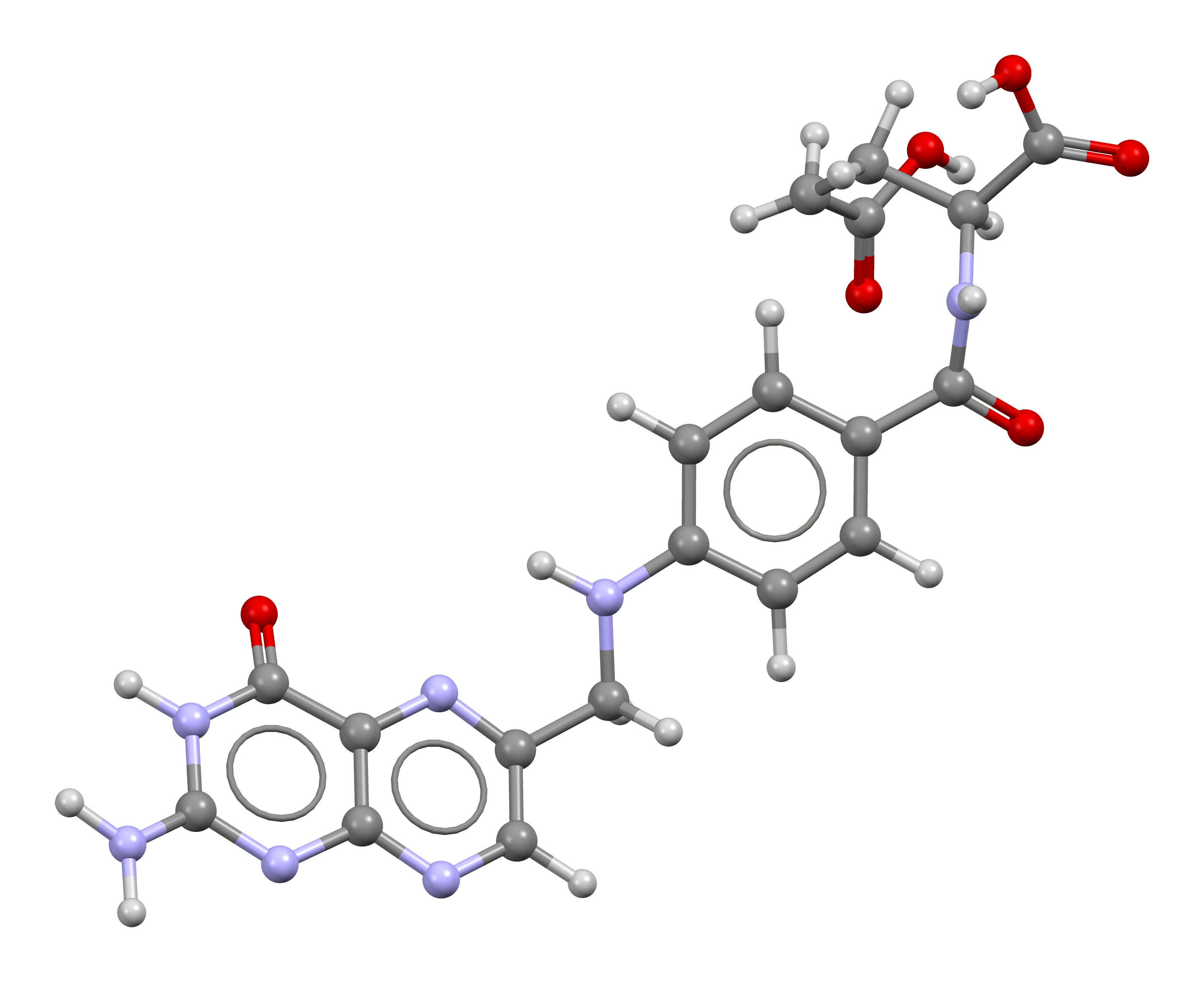
Defeito congênito da síntese de ácidos biliares tipo 4
📋 Origem dos dados
Esta página agrega dados de fontes públicas e oficiais. Dados sobre cobertura no SUS (PCDT, CEAF) são verificados ativamente por agente proativo (ver badge no infobox). Demais dados têm atribuição de fonte + data da última sincronização — clique para abrir o original.
- Doença rara (ontologia)
- fonte: Orphanet
- Identificador unificado
- fonte: MONDO
- Genética mendeliana
- fonte: OMIM
- Codificação WHO/SUS
- fonte: WHO ICD-10 / DATASUS
- CID-11 (futuro)
- fonte: WHO ICD-11
- NIH/GARD
- fonte: GARD (NIH)
- Indexação biomédica
- fonte: MeSH (NLM)
- Dado público estruturado
- fonte: Wikidata