
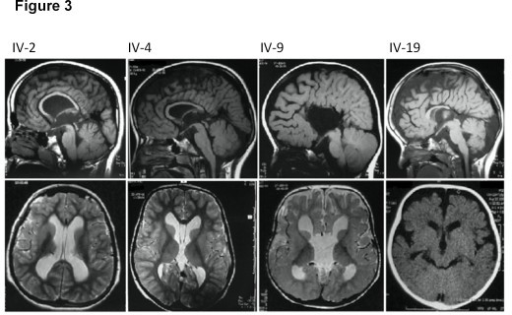
Uma síndrome caracterizada pela associação de acondroplasia grave com atraso no desenvolvimento e acantose nigricans. Ela foi descrita em quatro pessoas sem parentesco. Anomalias estruturais do sistema nervoso central, convulsões e perda auditiva também foram relatadas, juntamente com o encurvamento da clavícula, fêmur, tíbia e fíbula em alguns casos. A síndrome é causada por uma substituição Lys650Met na região quinase do receptor 3 do fator de crescimento de fibroblastos (codificado pelo gene FGFR3; 4p16.3).
Introdução
O que você precisa saber de cara
Uma síndrome caracterizada pela associação de acondroplasia grave com atraso no desenvolvimento e acantose nigricans. Ela foi descrita em quatro pessoas sem parentesco. Anomalias estruturais do sistema nervoso central, convulsões e perda auditiva também foram relatadas, juntamente com o encurvamento da clavícula, fêmur, tíbia e fíbula em alguns casos. A síndrome é causada por uma substituição Lys650Met na região quinase do receptor 3 do fator de crescimento de fibroblastos (codificado pelo gene FGFR3; 4p16.3).
Escala de raridade
<1/50kMuito rara
1/20kRara
1/10kPouco freq.
1/5kIncomum
1/2k
Encontrou um erro ou informação desatualizada? Sugira uma correção →
Entender a doença
Do básico ao detalhe, leia no seu ritmo
Preparando trilha educativa...
Sinais e sintomas
O que aparece no corpo e com que frequência cada sintoma acontece
Partes do corpo afetadas
+ 23 sintomas em outras categorias
Características mais comuns
Os sintomas variam de pessoa para pessoa. Abaixo estão as 58 características clínicas mais associadas, ordenadas por frequência.
Linha do tempo da pesquisa
Encontrou um erro ou informação desatualizada? Sugira uma correção →
Genética e causas
O que está alterado no DNA e como passa nas famílias
Genes associados
1 gene identificado com associação a esta condição. Padrão de herança: Autosomal dominant, Not applicable.
Curadoria gene-doença
fontes oficiaisTyrosine-protein kinase that acts as a cell-surface receptor for fibroblast growth factors and plays an essential role in the regulation of cell proliferation, differentiation and apoptosis. Plays an essential role in the regulation of chondrocyte differentiation, proliferation and apoptosis, and is required for normal skeleton development. Regulates both osteogenesis and postnatal bone mineralization by osteoblasts. Promotes apoptosis in chondrocytes, but can also promote cancer cell proliferat
Cell membraneCytoplasmic vesicleEndoplasmic reticulumSecreted
Achondroplasia
A frequent form of short-limb dwarfism. It is characterized by a long, narrow trunk, short extremities, particularly in the proximal (rhizomelic) segments, a large head with frontal bossing, hypoplasia of the midface and a trident configuration of the hands. ACH is an autosomal dominant disease.
Variantes genéticas (ClinVar)
416 variantes patogênicas registradas no ClinVar.
Classificação de variantes (ClinVar)
Distribuição de 35 variantes classificadas pelo ClinVar.
Vias biológicas (Reactome)
16 vias biológicas associadas aos genes desta condição.
Diagnóstico
Os sinais que médicos procuram e os exames que confirmam
Tratamento e manejo
Remédios, cuidados de apoio e o que precisa acompanhar
Onde tratar no SUS
Hospitais de referência no Brasil e o protocolo oficial do SUS (PCDT)
🇧🇷 Atendimento SUS — Síndrome de acondroplasia grave-perturbação do desenvolvimento-acantose nigricans
Centros de Referência SUS
37 centros habilitados pelo SUS para Síndrome de acondroplasia grave-perturbação do desenvolvimento-acantose nigricans
Centros para Síndrome de acondroplasia grave-perturbação do desenvolvimento-acantose nigricans
Detalhes dos centros
Hospital Universitário Prof. Edgard Santos (HUPES)
R. Dr. Augusto Viana, s/n - Canela, Salvador - BA, 40110-060 · CNES 0003808
Serviço de Referência
Hospital Infantil Albert Sabin
R. Tertuliano Sales, 544 - Vila União, Fortaleza - CE, 60410-794 · CNES 2407876
Serviço de Referência
Hospital Infantil Albert Sabin
R. Tertuliano Sales, 544 - Vila União, Fortaleza - CE, 60410-794 · CNES 2407876
Serviço de Referência
Hospital de Apoio de Brasília (HAB)
AENW 3 Lote A Setor Noroeste - Plano Piloto, Brasília - DF, 70684-831 · CNES 0010456
Serviço de Referência
Hospital de Apoio de Brasília (HAB)
AENW 3 Lote A Setor Noroeste - Plano Piloto, Brasília - DF, 70684-831 · CNES 0010456
Serviço de Referência
Hospital Estadual Infantil e Maternidade Alzir Bernardino Alves (HIABA)
Av. Min. Salgado Filho, 918 - Soteco, Vila Velha - ES, 29106-010 · CNES 6631207
Serviço de Referência
Hospital Estadual Infantil e Maternidade Alzir Bernardino Alves (HIABA)
Av. Min. Salgado Filho, 918 - Soteco, Vila Velha - ES, 29106-010 · CNES 6631207
Serviço de Referência
Hospital das Clínicas da UFG
Rua 235 QD. 68 Lote Área, Nº 285, s/nº - Setor Leste Universitário, Goiânia - GO, 74605-050 · CNES 2338424
Serviço de Referência
Hospital Universitário da UFJF
R. Catulo Breviglieri, Bairro - s/n - Santa Catarina, Juiz de Fora - MG, 36036-110 · CNES 2297442
Atenção Especializada
Hospital das Clínicas da UFMG
Av. Prof. Alfredo Balena, 110 - Santa Efigênia, Belo Horizonte - MG, 30130-100 · CNES 2280167
Serviço de Referência
Hospital das Clínicas da UFMG
Av. Prof. Alfredo Balena, 110 - Santa Efigênia, Belo Horizonte - MG, 30130-100 · CNES 2280167
Serviço de Referência
Hospital Universitário Julio Müller (HUJM)
R. Luis Philippe Pereira Leite, s/n - Alvorada, Cuiabá - MT, 78048-902 · CNES 2726092
Atenção Especializada
Hospital Universitário João de Barros Barreto
R. dos Mundurucus, 4487 - Guamá, Belém - PA, 66073-000 · CNES 2337878
Serviço de Referência
Hospital Universitário João de Barros Barreto
R. dos Mundurucus, 4487 - Guamá, Belém - PA, 66073-000 · CNES 2337878
Serviço de Referência
Hospital Universitário Lauro Wanderley (HULW)
R. Tabeliao Estanislau Eloy, 585 - Castelo Branco, João Pessoa - PB, 58050-585 · CNES 0002470
Atenção Especializada
Instituto de Medicina Integral Prof. Fernando Figueira (IMIP)
R. dos Coelhos, 300 - Boa Vista, Recife - PE, 50070-902 · CNES 0000647
Serviço de Referência
Instituto de Medicina Integral Prof. Fernando Figueira (IMIP)
R. dos Coelhos, 300 - Boa Vista, Recife - PE, 50070-902 · CNES 0000647
Serviço de Referência
Hospital Pequeno Príncipe
R. Des. Motta, 1070 - Água Verde, Curitiba - PR, 80250-060 · CNES 3143805
Serviço de Referência
Hospital Pequeno Príncipe
R. Des. Motta, 1070 - Água Verde, Curitiba - PR, 80250-060 · CNES 3143805
Serviço de Referência
Hospital Universitário Regional de Maringá (HUM)
Av. Mandacaru, 1590 - Parque das Laranjeiras, Maringá - PR, 87083-240 · CNES 2216108
Atenção Especializada
Hospital de Clínicas da UFPR
R. Gen. Carneiro, 181 - Alto da Glória, Curitiba - PR, 80060-900 · CNES 2364980
Serviço de Referência
Hospital de Clínicas da UFPR
R. Gen. Carneiro, 181 - Alto da Glória, Curitiba - PR, 80060-900 · CNES 2364980
Serviço de Referência
Hospital Universitário Pedro Ernesto (HUPE-UERJ)
Blvd. 28 de Setembro, 77 - Vila Isabel, Rio de Janeiro - RJ, 20551-030 · CNES 2280221
Serviço de Referência
Instituto Nacional de Saúde da Mulher, da Criança e do Adolescente Fernandes Figueira (IFF/Fiocruz)
Av. Rui Barbosa, 716 - Flamengo, Rio de Janeiro - RJ, 22250-020 · CNES 2269988
Serviço de Referência
Instituto Nacional de Saúde da Mulher, da Criança e do Adolescente Fernandes Figueira (IFF/Fiocruz)
Av. Rui Barbosa, 716 - Flamengo, Rio de Janeiro - RJ, 22250-020 · CNES 2269988
Serviço de Referência
Hospital São Lucas da PUCRS
Av. Ipiranga, 6690 - Jardim Botânico, Porto Alegre - RS, 90610-000 · CNES 2232928
Serviço de Referência
Hospital de Clínicas de Porto Alegre (HCPA)
Rua Ramiro Barcelos, 2350 Bloco A - Av. Protásio Alves, 211 - Bloco B e C - Santa Cecília, Porto Alegre - RS, 90035-903 · CNES 2237601
Serviço de Referência
Hospital de Clínicas de Porto Alegre (HCPA)
Rua Ramiro Barcelos, 2350 Bloco A - Av. Protásio Alves, 211 - Bloco B e C - Santa Cecília, Porto Alegre - RS, 90035-903 · CNES 2237601
Serviço de Referência
Hospital Universitário da UFSC (HU-UFSC)
R. Profa. Maria Flora Pausewang - Trindade, Florianópolis - SC, 88036-800 · CNES 2560356
Serviço de Referência
Hospital das Clínicas da FMUSP
R. Dr. Ovídio Pires de Campos, 225 - Cerqueira César, São Paulo - SP, 05403-010 · CNES 2077485
Serviço de Referência
Hospital das Clínicas da FMUSP
R. Dr. Ovídio Pires de Campos, 225 - Cerqueira César, São Paulo - SP, 05403-010 · CNES 2077485
Serviço de Referência
Hospital de Base de São José do Rio Preto
Av. Brg. Faria Lima, 5544 - Vila Sao Jose, São José do Rio Preto - SP, 15090-000 · CNES 2079798
Atenção Especializada
Hospital de Clínicas da UNICAMP
R. Vital Brasil, 251 - Cidade Universitária, Campinas - SP, 13083-888 · CNES 2748223
Serviço de Referência
Hospital de Clínicas da UNICAMP
R. Vital Brasil, 251 - Cidade Universitária, Campinas - SP, 13083-888 · CNES 2748223
Serviço de Referência
Hospital de Clínicas de Ribeirão Preto (HCRP-USP)
R. Ten. Catão Roxo, 3900 - Vila Monte Alegre, Ribeirão Preto - SP, 14015-010 · CNES 2082187
Serviço de Referência
Hospital de Clínicas de Ribeirão Preto (HCRP-USP)
R. Ten. Catão Roxo, 3900 - Vila Monte Alegre, Ribeirão Preto - SP, 14015-010 · CNES 2082187
Serviço de Referência
UNIFESP / Hospital São Paulo
R. Napoleão de Barros, 715 - Vila Clementino, São Paulo - SP, 04024-002 · CNES 2688689
Serviço de Referência
Dados de DATASUS/CNES, SBGM, ABNeuro e Ministério da Saúde. Sempre confirme a disponibilidade diretamente com o estabelecimento.
Pesquisa ativa
Ensaios clínicos abertos e novidades científicas recentes
Pesquisa e ensaios clínicos
Nenhum ensaio clínico registrado para esta condição.
Publicações mais relevantes
Associations Between Reproductive Disorders and Specific Physical, Mental, Personality, and Social Characteristics: A Narrative Review.
The present review aims to ascertain whether reproductive disorders are associated with specific physical, mental, personality, and social traits. This information may be used to support or reject the hypothesis on the origin of infecundity, which proposes that women/men with preferred characteristics, including high resource holding potential, genetic quality, and/or reproductive potential have advantage over women/men displaying less preferred traits in selecting partners with preferred traits. A literature search of the reported associations of endometriosis, polycystic ovary syndrome, diminished ovarian reserve in women < 35 years, and low semen quality with specific physical, mental, personality, and social characteristics was carried out using the PubMed database. Endometriosis is associated with lower body mass index and waist-to-hip ratio, greater breast-to-underbreast ratio, severe teenage acne, red hair, fair skin, nevi and freckles, light eyes, and high sensitivity to sun exposure. Polycystic ovary syndrome is linked to central adiposity, waist-to-hip ratio > 0.80, acne vulgaris, acanthosis nigricans, and hirsutism in both obese and lean women, and lower cognitive performance on memory, executive function, attention, information processing speed, and visuospatial skills. Diminished ovarian reserve in women < 35 years is associated with shorter cycle length and menstrual bleeding length, either shorter or longer than 4-6 days. Sperm quality is negatively correlated with body mass index, waist circumference, weight gain since age 17 years, extraversion, and psychoticism, but positively correlated with general intelligence. The four reproductive disorders analyzed are significantly associated with high levels of anxiety, stress, and/or depression, as well as economic burden (endometriosis) or lower socioeconomic status (polycystic ovary syndrome, diminished ovarian reserve, and low semen quality). This study discloses specific physical, mental, personality, and social traits associated with four reproductive disorders. More efforts are warranted to evaluate traits associated with reproductive disorders using a multiethnic and multicultural viewpoint.
De Novo Germline L858R EGFR Variants and Generalized Acanthosis Nigricans.
Acanthosis nigricans (AN) is commonly associated with impaired glucose tolerance, but early, severe presentation in individuals with normoglycemia may identify individuals at risk for systemic disease. While gain of function epidermal growth factor receptor (EGFR) pathogenic variants are associated with pulmonary cancers, their role in syndromic skin disease has not been clearly defined. This study identified activating EGFR variants that were associated with a syndrome characterized by generalized acquired keratoderma accentuated at flexural sites, woolly hair, palmoplantar keratoderma, and pulmonary disease with lung nodules, and the results suggest EGFR inhibitor therapeutic efficacy. To determine the genetic basis of early-onset, syndromic AN and assess response to pathogenesis-directed therapy. Patients included 2 individuals with normoglycemia with early-onset periorificial hyperpigmentation and flexural skin thickening that subsequently generalized and 1 individual with an original diagnosis of widespread epidermal nevus. Participants underwent whole-exome sequencing and studies of affected skin and keratinocytes. EGFR variant identification and assessment of pathway activation in lesional skin and keratinocytes, pulmonary function testing, lung imaging, and clinical response to EGFR inhibition. All 3 participants (aged 8, 18, and 17 years; 2 male individuals and 1 female individual) had an EGFR L858R variant, which arose as either de novo in generalized cases or a somatic variant in mosaic disease. Lesional skin and cultured keratinocytes demonstrated increased EGFR pathway activity, which was suppressed by pharmacologic inhibition in vitro. Systemic treatment with EGFR inhibitors was associated with skin disease regression, improvement in pulmonary disease, and resolution or reduction of the number of pulmonary nodules. The findings of this case series study define a syndromic disorder with increased risk of pulmonary disease and lung nodules in patients with acquired, generalized AN that is associated with activating EGFR variants. Pulmonary nodules are precursor lesions for lung cancer, and treatment with EGFR inhibitions is associated with near-complete resolution of skin and pulmonary disease. Early recognition of syndromic EGFR AN will permit identification of individuals at risk for systemic disease who are candidates for EGFR-targeted therapy.
Rabson-Mendenhall syndrome caused by a novel splice-site mutation (c.1123+2 T>C) of insulin receptor: A case report and review of literature.
Rabson-Mendenhall syndrome (RMS) is an extremely rare monogenic form of diabetes caused by mutations in the insulin receptor (INSR) gene, with only about 50 cases reported worldwide to date. Here, we report a case of RMS caused by a previously unreported c.1123+2 T>C splice mutation. The patient was diagnosed with acanthosis nigricans and hypertrichosis at birth, and the growth rate was slower than that of normal children. At age 5, the patient had severe hyperinsulinemia, congenital heart abnormalities, and pineal cysts. At age 13, he was diagnosed with diabetes and exhibited symptoms of hyperinsulinemia, low body weight, growth retardation, acanthosis nigricans, dental anomalies, an oversized penis, and a pineal cyst. Sequencing results indicated an INSR c.1123+2 T>C mutation, and bioinformatic analysis suggested that this mutation led to splicing abnormalities, thereby affecting INSR function. Both parents carried the mutated gene, whereas his brother had a normal genotype. Genetic diagnosis is vital in RMS; c.1123+2 T>C mutation of INSR causes pancreatic decline; current treatments show limited effectiveness.
Insulin Resistance, Metabolic Syndrome, and Inflammatory Skin Disease.
Background/Objectives: The skin is an important indicator of overall health, and its relationship with insulin resistance (IR) and metabolic syndrome (MetS) has garnered increasing attention. This review explores the connection between glucose dysregulation and various dermatological conditions, aiming to highlight integrative approaches for management. Methods: A comprehensive literature search was conducted in June and July 2024 across PubMed, Google Scholar, and Embase. Peer-reviewed studies on glucose dysregulation in dermatology were identified using terms such as "insulin," "metabolic syndrome," and "dermatological manifestations." Relevant studies were selected based on their contributions to understanding these relationships. Results: The review identified significant associations between glucose dysregulation, MetS, and conditions such as psoriasis, acne, acanthosis nigricans, seborrheic dermatitis, and hidradenitis suppurativa. Key findings indicated that elevated insulin levels and inflammatory markers correlate with the severity of these skin disorders. Notably, dietary interventions and probiotics show potential in modulating inflammation and improving metabolic health. Conclusions: There is a clear link between glucose dysregulation and several dermatological conditions, underscoring the importance of a holistic treatment approach. By addressing glucose control and incorporating lifestyle modifications, clinicians can improve patient outcomes and mitigate the complications associated with IR and MetS. Further research is essential to refine these integrative strategies and assess their effectiveness in clinical practice.
A de novo INSR variant in Type A insulin resistance syndrome: familial investigation and genetic implications.
Type A insulin resistance syndrome (TAIRS) is a rare autosomal dominant disorder associated with variants in the Insulin Receptor (INSR) gene. It is characterized by insulin resistance, hyperandrogenism, and acanthosis nigricans. The severity of the condition may be influenced by homozygosity or heterozygosity, with some female patients being misdiagnosed with polycystic ovary syndrome (PCOS). A 13-year-old female proband from a family was identified with hyperinsulinemia, hyperandrogenism, acanthosis nigricans, hirsutism, acne, oligomenorrhea, and masculinization. Exome sequencing and Sanger sequencing confirmed that the proband was a carrier of the INSR (NM_000208.2): c.3734 T > A(p.V1245E) variant. This variant is not listed in the Human Gene Mutation Database (HGMD) or ClinVar. The novel variant was predicted to be deleterious by the bioinformatic tools SIFT, MutationTaster, and Condel. According to the American College of Medical Genetics and Genomics (ACMG) criteria, it was evaluated as PM6, PM2_Supporting, and PP3, and classified as uncertain significance. The variant was not detected in the proband's parents or other family members, all of whom lacked the associated clinical phenotypes. The p.V1245E variant was found to be a de novo variant. SWISS-MODEL analysis suggested that the p.V1245E variant induces structural changes in the three-dimensional configuration of the INSR protein, potentially impairing its normal function. RT-qPCR revealed a significant reduction in INSR mRNA expression in the proband. In a 293 T cell model transfected with lentivirus carrying the p.V1245E variant, both Western blotting and RT-qPCR demonstrated decreased INSR mRNA and protein expression, while immunofluorescence showed reduced INSR protein levels with altered localization. Therefore, the ACMG evaluation (PS2, PS3, PM2_Supporting, PP3) was further upgraded to pathogenic. In conclusion, this de novo variant represents the pathogenic variant responsible for TAIRS in this family, expanding the variant spectrum of the INSR gene.
Publicações recentes
Clinical and Functional Characterization of Novel INSR Variants in Two Families With Severe Insulin Resistance Syndrome.
Clinical presentation and molecular characterization of a novel patient with variant POC1A-related syndrome.
Arg1201Gln mutation of insulin receptor impairs tyrosine kinase activity and causes insulin resistance: a case report.
Type A insulin resistance syndrome misdiagnosed as polycystic ovary syndrome: a case report.
Clinical characteristics of adolescent cases with Type A insulin resistance syndrome caused by heterozygous mutations in the β-subunit of the insulin receptor (INSR) gene.
📚 EuropePMCmostrando 122
Associations Between Reproductive Disorders and Specific Physical, Mental, Personality, and Social Characteristics: A Narrative Review.
Health science reportsRabson-Mendenhall syndrome caused by a novel splice-site mutation (c.1123+2 T>C) of insulin receptor: A case report and review of literature.
World journal of diabetesDe Novo Germline L858R EGFR Variants and Generalized Acanthosis Nigricans.
JAMA dermatologyInsulin Resistance, Metabolic Syndrome, and Inflammatory Skin Disease.
Journal of clinical medicineA de novo INSR variant in Type A insulin resistance syndrome: familial investigation and genetic implications.
GeneCoincidence of Autoimmune Diabetes Mellitus and Familial Partial Lipodystrophy.
JCEM case reports[Clinical features and variant spectrum of FGFR3-related disorders].
Zhongguo dang dai er ke za zhi = Chinese journal of contemporary pediatricsAssessment of Clinical Profile and Biochemical Parameters in Diverse Phenotypes of Polycystic Ovarian Syndrome.
Mymensingh medical journal : MMJBeyond PCOS: An Unusual Presentation of Type A Insulin Resistance Syndrome.
Journal of pediatric and adolescent gynecologyNew Perspectives on Nutraceutical Insulin Sensitizing Agents in the Treatment of Psoriasis and Other Dermatological Diseases.
International journal of molecular sciencesAcquired Generalized Lipodystrophy with Extensive Autoimmune Involvement: A Case Report and Review of the Literature.
Hormone research in paediatricsGenealogical Rabson-Mendenhall syndrome caused by INSR gene mutation.
American journal of physiology. Endocrinology and metabolismA Complex Clinical Situation in Polycystic Ovary Syndrome: HAIR-AN Syndrome ''Case Report".
Case reports in medicineRabson-Mendenhall syndrome presented as severe acanthosis nigricans in an infant harboring novel mutations in the INSR gene: a case report.
Frontiers in pediatricsRabson-Mendenhall Syndrome Nearly Misdiagnosed as Type 1 Diabetes Mellitus: A Case Report.
CureusNovel estrogen receptor-α gene inactivating missense variant in a woman: Therapeutic challenge and long-term follow-up data.
BonePre-gestational diabetes in a young woman with a pathogenic INSR missense mutation, p.(Met1180Lys).
Endocrinology, diabetes & metabolism case reportsInsulin resistant diabetes mellitus in a girl with mild Rabson-Mendenhall syndrome: efficacy of sodium glucose co-transporter 2 inhibitor.
Diabetology internationalMineralocorticoid Effects in Cushing's Disease: A Case Report.
CureusSkin as a Reflection of Gut Health: An Overview of Dermatological Manifestations in Primary Neoplastic and Autoimmune Gastrointestinal Disorders.
CureusRabson-Mendenhall Syndrome: Analysis of the Clinical Characteristics and Gene Mutations in 42 Patients.
Journal of the Endocrine SocietyHereditary Severe Insulin-resistance Syndrome and Acanthosis Nigricans Caused by Novel Mutations in the INSR Gene.
Journal of clinical research in pediatric endocrinologyPrimary disease of adipose tissue: When to think about and how to evaluate it in clinical practice?
Annales d'endocrinologieReview of facial acanthosis nigricans: Easy to diagnose and difficult to treat marker of hyperinsulinemia/metabolic syndrome.
Medical journal, Armed Forces IndiaA Novel Mutation in the INSR Gene Causes Severe Insulin Resistance and Rabson-Mendenhall Syndrome in a Paraguayan Patient.
International journal of molecular sciencesType A insulin resistance syndrome due to a novel heterozygous c.3486_3503del (p.Arg1163_Ala1168del) INSR gene mutation in an adolescent girl and her mother.
Archives of endocrinology and metabolismDistinct Reproductive Phenotypes Segregate With Differences in Body Weight in Adolescent Polycystic Ovary Syndrome.
Journal of the Endocrine SocietyHomeopathic Medicines in Third (Omicron) Wave of COVID-19: Prognostic Factor Research.
Homeopathy : the journal of the Faculty of HomeopathyCombination of metformin with liraglutide in treating HAIR-AN syndrome in children: A case report and literature review.
Zhong nan da xue xue bao. Yi xue ban = Journal of Central South University. Medical sciencesAlström Syndrome: A Rare Cause of Severe Insulin Resistance.
JCEM case reportsResolution of Hyperandrogenism, Insulin Resistance and Acanthosis Nigricans (HAIR-AN) Syndrome After Sleeve Gastrectomy.
JCEM case reportsA promising treatment for spontaneous ovarian hyperstimulation syndrome due to familial partial lipodystrophy: GnRH analogs combined with cyst aspiration.
Hormones (Athens, Greece)A Novel Leptin Receptor LEPR Variant in a Toddler With Early-Onset Fatal Obesity.
PediatricsUnravelling the pathogenesis of foramen magnum stenosis in patients with severe achondroplasia: a CT-based comparison with age-matched controls and FGFR3 craniosynostosis syndromes.
Child's nervous system : ChNS : official journal of the International Society for Pediatric NeurosurgeryCardiometabolic risk factors among children who are affected by overweight, obesity and severe obesity.
Frontiers in public healthA family with type A insulin resistance syndrome caused by a novel insulin receptor mutation.
Endocrinology, diabetes & metabolism case reportsA novel nonsense mutation in the insulin receptor gene in a patient with HAIR-AN syndrome and endometrial cancer.
Molecular genetics and metabolism reportsA novel missense ALMS1 variant causes aberrant splicing identified in a cohort of patients with Alström syndrome.
Frontiers in geneticsINSR novel mutations identified in a Chinese family with severe INSR-related insulin resistance syndromes: A case report.
MedicineEfficacy of individualized homeopathic medicines in irritable bowel syndrome: A double-blind randomized, placebo-controlled trial.
Explore (New York, N.Y.)Acanthosis Nigricans: Pointer of Endocrine Entities.
Diagnostics (Basel, Switzerland)[The 495th case: young female-hyperandrogenemia-severe insulin resistance].
Zhonghua nei ke za zhiHigh Prevalence of Cardiometabolic Comorbidities Among Children and Adolescents With Severe Obesity From a Large Metropolitan Centre (Hangzhou, China).
Frontiers in endocrinologyEstimation of Metabolic Syndrome in Acanthosis Nigricans - A Hospital Based Cross-Sectional Study.
Indian journal of dermatologyA novel variant site of Alstrom syndrome in a Chinese child: a case report.
Translational pediatricsClinico-investigative Study of Facial Acanthosis Nigricans.
Indian dermatology online journalFGFR3 overactivation in the brain is responsible for memory impairments in Crouzon syndrome mouse model.
The Journal of experimental medicineBiallelic POC1A variants cause syndromic severe insulin resistance with muscle cramps.
European journal of endocrinologyA Case of Nevoid Acanthosis Nigricans Successfully Treated with Topical Ketoconazole Plus Urea.
Acta dermatovenerologica Croatica : ADCSyndrome of Congenital Insulin Resistance Caused by a Novel INSR Gene Mutation.
Journal of clinical research in pediatric endocrinology[How to explore... hyperandrogenism associated with insulin resistance ? An example based on the HAIR-AN syndrome.].
Revue medicale de LiegeCutaneous manifestation of polycystic ovary syndrome.
Dermatology reportsAn African American Male Patient with Rare Type B Insulin Resistance Syndrome.
Laboratory medicineClinical signs, interventions, and treatment course of three different treatment protocols in patients with Crouzon syndrome with acanthosis nigricans.
Journal of neurosurgery. PediatricsClinico-investigative attributes of 122 patients with hirsutism: A 5-year retrospective study from India.
International journal of women's dermatologyComprehensive management of Crouzon syndrome: A case report with three-year follow-up.
Journal of orthodonticsRole of insulin and insulin resistance in androgen excess disorders.
World journal of diabetesClinical and Functional Characterization of Novel INSR Variants in Two Families With Severe Insulin Resistance Syndrome.
Frontiers in endocrinologySex Hormones, Metabolic Status, and Obesity in Female Patients with Acne Vulgaris Along with Clinical Correlation: An Observational Cross-Sectional Study.
Indian journal of dermatologyA New Mutation of the INSR Gene in a 13-Year-Old Girl with Severe Insulin Resistance Syndrome in China.
BioMed research internationalAn adolescent girl with coexisting ovarian mature cystic teratoma and HAIR-AN syndrome, an extreme subtype of polycystic ovarian syndrome.
Endocrinology, diabetes & metabolism case reportsSuccessful remission of type B insulin resistance syndrome without rituximab in an elderly male.
Endocrinology, diabetes & metabolism case reportsClinical presentation and molecular characterization of a novel patient with variant POC1A-related syndrome.
Clinical geneticsA Case of Successful Treatment with Unilateral Oophorectomy in a Patient with Resistant Polycystic Ovary Syndrome.
Case reports in endocrinologyDigenic Variants in the FGF21 Signaling Pathway Associated with Severe Insulin Resistance and Pseudoacromegaly.
Journal of the Endocrine SocietyCOVID-19 and diabetes mellitus: Unraveling the hypotheses that worsen the prognosis (Review).
Experimental and therapeutic medicineAcanthosis nigricans as a composite marker of cardiometabolic risk and its complex association with obesity and insulin resistance in Mexican American children.
PloS oneUnusual Glycemic Presentations in a Child with a Novel Heterozygous Intragenic INSR Deletion.
Hormone research in paediatrics[Recognize rare diseases by the adipose tissue : Lipodystrophy-actually simple but nevertheless often overlooked].
Der InternistEffect of recombinant human insulin-like growth factor 1 therapy in a child with 3-M syndrome-1 with CUL7 gene mutation.
Journal of pediatric endocrinology & metabolism : JPEMRabson-Mendenhall Syndrome in a brother-sister pair in Kuwait: Diagnosis and 5 year follow up.
Primary care diabetesType B insulin resistance syndrome associated with connective tissue disease and psoriasis.
Endocrinology, diabetes & metabolism case reportsTwo Novel Variants and One Previously Reported Variant in the Insulin Receptor Gene in Two Cases with Severe Insulin Resistance Syndrome.
Molecular syndromologyAssociation Between Type B Insulin Resistance Syndrome and Mixed Connective Tissue Disease in an Arab African Man.
Oman medical journalLiraglutide administration improves hormonal/metabolic profile and reproductive features in women with HAIR-AN syndrome.
Endocrinology, diabetes & metabolism case reportsA novel heterozygous mutation in the insulin receptor gene presenting with type A severe insulin resistance syndrome.
Journal of pediatric endocrinology & metabolism : JPEMArg1201Gln mutation of insulin receptor impairs tyrosine kinase activity and causes insulin resistance: a case report.
Gynecological endocrinology : the official journal of the International Society of Gynecological EndocrinologyType A insulin resistance syndrome misdiagnosed as polycystic ovary syndrome: a case report.
Journal of medical case reportsPostoperative expression of Cushing disease in a young male: metamorphosis of silent corticotroph adenoma?
Endocrinology, diabetes & metabolism case reportsFatty Liver and Autoimmune Hepatitis: Two Forms of Liver Involvement in Lipodystrophies.
GE Portuguese journal of gastroenterologyGnRH Agonist Improves Hyperandrogenism in an Adolescent Girl With an Insulin Receptor Gene Mutation.
Journal of the Endocrine SocietyMajewski dwarfism type II: an atypical neuroradiological presentation with a novel variant in the PCNT gene.
BMJ case reportsEffectiveness and Safety of Metformin versus Canthex™ in Patients with Acanthosis Nigricans: A Randomized, Double-blind Controlled Trial.
Indian journal of dermatologyPosterior Distraction First or Fronto-Orbital Advancement First for Severe Syndromic Craniosynostosis.
The Journal of craniofacial surgerySíndrome metabólico y aterosclerosis carotídea subclínica en niños y adolescentes mexicanos con acantosis nigricans.
Gaceta medica de MexicoClinical characteristics of adolescent cases with Type A insulin resistance syndrome caused by heterozygous mutations in the β-subunit of the insulin receptor (INSR) gene.
Journal of diabetesA new type of familial partial lipodystrophy: distinctive fat distribution and proteinuria.
Endocrine researchEvaluation of nonalcoholic fatty liver disease using magnetic resonance in obese children and adolescents.
Jornal de pediatriaAcanthosis nigricans and the metabolic syndrome.
Clinics in dermatologyImaging of Skeletal Disorders Caused by Fibroblast Growth Factor Receptor Gene Mutations.
Radiographics : a review publication of the Radiological Society of North America, IncPrevalence of dermatologic manifestations and metabolic biomarkers in women with polycystic ovary syndrome in north China.
Journal of cosmetic dermatologyA Mutation in INSR in a Child Presenting with Severe Acanthosis Nigricans.
Journal of clinical research in pediatric endocrinologySevere, Malignant Acanthosis Nigricans Associated with Adenocarcinoma of the Endometrium in a Young Obese Female.
Case reports in dermatologyHormonal therapies for acne.
Clinics in dermatologyMolecular mechanisms of insulin resistance in 2 cases of primary insulin receptor defect-associated diseases.
Pediatric diabetesMild achondroplasia/hypochondroplasia with acanthosis nigricans, normal development, and a p.Ser348Cys FGFR3 mutation.
American journal of medical genetics. Part ADiagnostic and management challenges from childhood, puberty through to transition in severe insulin resistance due to insulin receptor mutations.
Pediatric diabetesGlucagon-like peptide-1 analogues - an efficient therapeutic option for the severe insulin resistance of lipodystrophic syndromes: two case reports.
Journal of medical case reportsPalmoplantar Keratoderma in Costello Syndrome Responsive to Acitretin.
Pediatric dermatologyAchondroplasia: Development, pathogenesis, and therapy.
Developmental dynamics : an official publication of the American Association of AnatomistsSkin manifestations of Cushing's syndrome.
Reviews in endocrine & metabolic disordersRabson Mendenhall Syndrome caused by a novel missense mutation.
International journal of pediatric endocrinologyPediatric non-alcoholic fatty liver disease: Recent solutions, unresolved issues, and future research directions.
World journal of gastroenterologyLelis Syndrome: A Rare Cause of Acanthosis Nigricans.
Pediatric dermatologyParaneoplastic pemphigus as a presentation of acute myeloid leukemia: Early diagnosis and remission.
Hematology/oncology and stem cell therapyA Heterozygous ZMPSTE24 Mutation Associated with Severe Metabolic Syndrome, Ectopic Fat Accumulation, and Dilated Cardiomyopathy.
CellsPseudoacromegaly in congenital generalised lipodystrophy (Berardinelli-Seip syndrome).
BMJ case reportsFitting the pieces of the puzzle together: a case report of the Dunnigan-type of familial partial lipodystrophy in the adolescent girl.
BMC pediatrics[Acantosis nigricans in severe insulin resistance syndromes].
Anales de pediatria (Barcelona, Spain : 2003)First molecular diagnosis of Donohue syndrome in Africa: novel unusual insertion/deletion mutation in the INSR gene.
Molecular biology reportsCutaneous Findings and Systemic Associations in Women With Polycystic Ovary Syndrome.
JAMA dermatologyA novel homozygous missense mutation in the insulin receptor gene results in an atypical presentation of Rabson-Mendenhall syndrome.
European journal of medical geneticsThe prevalence of obstructive sleep apnea in symptomatic patients with syndromic craniosynostosis.
International journal of oral and maxillofacial surgeryFibroblast growth factor receptor signaling in kidney and lower urinary tract development.
Pediatric nephrology (Berlin, Germany)Successful rhIGF1 treatment for over 5 years in a patient with severe insulin resistance due to homozygous insulin receptor mutation.
Diabetic medicine : a journal of the British Diabetic Association[Detection and treatment of respiratory disorders in obese children: Obstructive sleep apnea syndrome and obesity hypoventilation syndrome].
Archives de pediatrie : organe officiel de la Societe francaise de pediatrieHyperandrogenism-Insulin Resistance-Acanthosis Nigricans Syndrome.
Case reports in endocrinologyIdentification and Functional Characterization of Two Novel Nonsense Mutations in the β-Subunit of INSR That Cause Severe Insulin Resistance Syndrome.
Hormone research in paediatrics[Familial partial lipodystrophy (Dunnigan syndrome) due to LMNA gene mutation: The first description of its clinical case in Russia].
Terapevticheskii arkhivCostello syndrome with severe nodulocystic acne: unexpected significant improvement of acanthosis nigricans after oral isotretinoin treatment.
Case reports in pediatricsDonohue syndrome: a new case with a new complication.
Journal of pediatric endocrinology & metabolism : JPEM[Familial partial lipodystrophy type 1. A rare or underdiagnosed syndrome?].
MedicinaAssociações
Organizações que acompanham esta doença — pra ter apoio e orientação
Ainda não temos associações cadastradas para Síndrome de acondroplasia grave-perturbação do desenvolvimento-acantose nigricans.
É de uma associação que acompanha esta doença? Fale com a gente →
Comunidades
Grupos ativos de quem convive com esta doença aqui no Raras
Ainda não existe comunidade no Raras para Síndrome de acondroplasia grave-perturbação do desenvolvimento-acantose nigricans
Pacientes, familiares e cuidadores se organizam em comunidades pra compartilhar experiências, fazer perguntas e se apoiar. Você pode ser o primeiro.
Tire suas dúvidas
Perguntas, dicas e experiências compartilhadas aqui na página
Participe da discussão
Faça login para postar dúvidas, compartilhar experiências e interagir com especialistas.
Fazer loginDoenças relacionadas
Doenças com sintomas parecidos — ajudam quem ainda está buscando diagnóstico
Referências e fontes
Bases de dados externas citadas neste artigo
Publicações científicas
Artigos indexados no PubMed ligados a esta doença no grafo RarasNet — título, periódico e PMID direto da fonte, sem intermediação de IA.
- Associations Between Reproductive Disorders and Specific Physical, Mental, Personality, and Social Characteristics: A Narrative Review.
- De Novo Germline L858R EGFR Variants and Generalized Acanthosis Nigricans.
- Rabson-Mendenhall syndrome caused by a novel splice-site mutation (c.1123+2 T>C) of insulin receptor: A case report and review of literature.
- Insulin Resistance, Metabolic Syndrome, and Inflammatory Skin Disease.
- A de novo INSR variant in Type A insulin resistance syndrome: familial investigation and genetic implications.
- Clinical and Functional Characterization of Novel INSR Variants in Two Families With Severe Insulin Resistance Syndrome.
- Clinical presentation and molecular characterization of a novel patient with variant POC1A-related syndrome.
- Arg1201Gln mutation of insulin receptor impairs tyrosine kinase activity and causes insulin resistance: a case report.
- Type A insulin resistance syndrome misdiagnosed as polycystic ovary syndrome: a case report.
- Clinical characteristics of adolescent cases with Type A insulin resistance syndrome caused by heterozygous mutations in the β-subunit of the insulin receptor (INSR) gene.
Bases de dados e fontes oficiais
Identificadores e referências canônicas usadas para montar este verbete.
- ORPHA:85165(Orphanet)
- OMIM OMIM:616482(OMIM)
- MONDO:0014658(MONDO)
- GARD:9443(GARD (NIH))
- Variantes catalogadas(ClinVar)
- Busca completa no PubMed(PubMed)
- Q259765(Wikidata)
Dados compilados pelo RarasNet a partir de fontes abertas (Orphanet, OMIM, MONDO, PubMed/EuropePMC, ClinicalTrials.gov, DATASUS, PCDT/MS). Este conteúdo é informativo e não substitui avaliação médica.
Conteúdo mantido por Agente Raras · Médicos e pesquisadores podem colaborar
Síndrome de acondroplasia grave-perturbação do desenvolvimento-acantose nigricans
📋 Origem dos dados
Esta página agrega dados de fontes públicas e oficiais. Dados sobre cobertura no SUS (PCDT, CEAF) são verificados ativamente por agente proativo (ver badge no infobox). Demais dados têm atribuição de fonte + data da última sincronização — clique para abrir o original.
- Doença rara (ontologia)
- fonte: Orphanet
- Identificador unificado
- fonte: MONDO
- Genética mendeliana
- fonte: OMIM
- Codificação WHO/SUS
- fonte: WHO ICD-10 / DATASUS
- CID-11 (futuro)
- fonte: WHO ICD-11
- NIH/GARD
- fonte: GARD (NIH)
- Dado público estruturado
- fonte: Wikidata