
A anemia hemolítica não esferocítica devido à deficiência de hexoquinase (NSHA devido à deficiência de HK1) é uma condição muito rara caracterizada principalmente por hemólise crônica grave, com início na infância. Aproximadamente 20 casos desta condição foram descritos até o momento. Os sinais e sintomas da deficiência de hexoquinase são muito semelhantes aos da deficiência de piruvato quinase, mas a anemia é geralmente mais grave. Alguns indivíduos afetados supostamente tiveram várias anormalidades além da NSHA, incluindo malformações múltiplas, panmielopatia e diabetes latente. Pode ser causada por mutações no gene HK1 e é herdada de maneira autossômica recessiva. O tratamento pode incluir transfusões de glóbulos vermelhos para pessoas com anemia grave.
Introdução
O que você precisa saber de cara
A anemia hemolítica não esferocítica devido à deficiência de hexoquinase (NSHA devido à deficiência de HK1) é uma condição muito rara caracterizada principalmente por hemólise crônica grave, com início na infância. Aproximadamente 20 casos desta condição foram descritos até o momento. Os sinais e sintomas da deficiência de hexoquinase são muito semelhantes aos da deficiência de piruvato quinase, mas a anemia é geralmente mais grave. Alguns indivíduos afetados supostamente tiveram várias anormalidades além da NSHA, incluindo malformações múltiplas, panmielopatia e diabetes latente. Pode ser causada por mutações no gene HK1 e é herdada de maneira autossômica recessiva. O tratamento pode incluir transfusões de glóbulos vermelhos para pessoas com anemia grave.
Escala de raridade
<1/50kMuito rara
1/20kRara
1/10kPouco freq.
1/5kIncomum
1/2k
Encontrou um erro ou informação desatualizada? Sugira uma correção →
Entender a doença
Do básico ao detalhe, leia no seu ritmo
Preparando trilha educativa...
Sinais e sintomas
O que aparece no corpo e com que frequência cada sintoma acontece
Partes do corpo afetadas
+ 8 sintomas em outras categorias
Características mais comuns
Os sintomas variam de pessoa para pessoa. Abaixo estão as 12 características clínicas mais associadas, ordenadas por frequência.
Linha do tempo da pesquisa
Encontrou um erro ou informação desatualizada? Sugira uma correção →
Genética e causas
O que está alterado no DNA e como passa nas famílias
Genes associados
1 gene identificado com associação a esta condição. Padrão de herança: Autosomal recessive.
Curadoria gene-doença
fontes oficiaisCatalyzes the phosphorylation of various hexoses, such as D-glucose, D-glucosamine, D-fructose, D-mannose and 2-deoxy-D-glucose, to hexose 6-phosphate (D-glucose 6-phosphate, D-glucosamine 6-phosphate, D-fructose 6-phosphate, D-mannose 6-phosphate and 2-deoxy-D-glucose 6-phosphate, respectively) (PubMed:1637300, PubMed:25316723, PubMed:27374331). Does not phosphorylate N-acetyl-D-glucosamine (PubMed:27374331). Mediates the initial step of glycolysis by catalyzing phosphorylation of D-glucose to
Mitochondrion outer membraneCytoplasm, cytosol
Anemia, congenital, non-spherocytic hemolytic, 5
An autosomal recessive disorder characterized by hemolytic anemia as the predominant clinical feature, and decreased red cell hexokinase activity.
Variantes genéticas (ClinVar)
108 variantes patogênicas registradas no ClinVar.
Vias biológicas (Reactome)
3 vias biológicas associadas aos genes desta condição.
Diagnóstico
Os sinais que médicos procuram e os exames que confirmam
Tratamento e manejo
Remédios, cuidados de apoio e o que precisa acompanhar
Onde tratar no SUS
Hospitais de referência no Brasil e o protocolo oficial do SUS (PCDT)
🇧🇷 Atendimento SUS — Anemia hemolítica não-esferocítica por deficiência de hexocinase
Selecione um estado ou use sua localização para ver resultados.
Dados de DATASUS/CNES, SBGM, ABNeuro e Ministério da Saúde. Sempre confirme a disponibilidade diretamente com o estabelecimento.
Pesquisa ativa
Ensaios clínicos abertos e novidades científicas recentes
Pesquisa e ensaios clínicos
Nenhum ensaio clínico registrado para esta condição.
Publicações mais relevantes
Pyruvate kinase deficiency in 29 Turkish patients with two novel intronic variants.
Pyruvate kinase (PK) is a key enzyme of anaerobic glycolysis. The genetic heterogeneity of PK deficiency (PKD) is high, and over 400 unique variants have been identified. Twenty-nine patients who had been diagnosed as PKD genetically in seven distinct paediatric haematology departments were evaluated. Fifteen of 23 patients (65.2%) had low PK levels. The PK:hexokinase ratio had 100% sensitivity for PKD diagnosis, superior to PK enzyme assay. Two novel intronic variants (c.695-1G>A and c.694+43C>T) have been described. PKD should be suspected in patients with chronic non-spherocytic haemolytic anaemia, even if enzyme levels are falsely normal. Total PKLR gene sequencing is necessary for the characterization of patients with PKD and for genetic counselling.
Biallelic hexokinase 1 (HK1) variants causative of non-spherocytic haemolytic anaemia: A case series with emphasis on the HK1 promoter variant and literature review.
The hexokinase (HK) enzyme plays a key role in red blood cell energy production. Hereditary non-spherocytic haemolytic anaemia (HNSHA) caused by HK deficiency is a rare disorder with only 12 different disease-associated variants identified. Here, we describe the clinical features and genotypes of four previously unreported patients with hexokinase 1 (HK1)-related HNSHA, yielding two novel truncating HK1 variants. The patients' phenotypes varied from mild chronic haemolytic anaemia to severe infantile-onset transfusion-dependent anaemia. Three of the patients had mild haemolytic disease caused by the common HK1 promoter c.-193A>G variant combined with an intragenic HK1 variant, emphasizing the importance of including this promoter variant in the haemolytic disease gene panels. HK activity was normal in a severely affected patient with a homozygous HK1 c.2599C>T, p.(His867Tyr) variant, but the affinity for ATP was reduced, hampering the HK function. In cases of HNSHA, kinetic studies should be considered in the functional studies of HK. We reviewed the literature of previously published patients to provide better insight into this rare disease and add to the understanding of genotype-phenotype correlation.
Novel pathogenic variant c.2714C>A (p. Thr905Lys) in the HK1 gene causing severe haemolytic anaemia with developmental delay in an Indian family.
Hexokinase (EC 2.7.1.1, Adenosine Tri Phosphate (ATP): D-hexose-6-phosphotransferase) is a crucial regulatory enzyme of the glycolytic pathway (Embden-Meyerhof pathway). Hexokinase deficiency is associated with chronic non-spherocytic haemolytic anaemia (HA) with some exceptional cases showing psychomotor/mental retardation and fetus death. The proband is a four-and-half-year-old female child born of a four-degree consanguineous marriage hailing from South India with autosomal recessive congenital HA associated with developmental delay. She was well till 3 months of her age post an episode of diarrhoea when she was noted to be severely anaemic and requiring regular transfusions. The common causes of HA, haemoglobinopathies, red cell membranopathies and common red cell enzymopathies (G6PD, GPI, PK and P5N) were ruled out. Targeted analysis of whole exome sequencing (WES) using an insilico gene panel for hereditary anaemia was performed to identify pathogenic variants in the patient. Next-generation sequencing revealed a novel homozygous variant in hexokinase gene c.2714C>A (p. Thr905Lys) in exon-18. The pathogenic nature of the variant p. Thr905Lys in the HK1 gene was confirmed collectively by biochemical and molecular studies. Insilico analysis (PolyPhen-2, Provean, Mutation Taster) predicted the variant to be severe disease causing. Multiple sequence alignment demonstrated the conservation of p. Thr905 across the species. The impact of the mutation on the protein structure was studied by PyMOL and Swiss Protein databank viewer.
The pyruvate kinase (PK) to hexokinase enzyme activity ratio and erythrocyte PK protein level in the diagnosis and phenotype of PK deficiency.
Diagnosis of pyruvate kinase deficiency (PKD), the most common cause of hereditary non-spherocytic haemolytic anaemia, remains challenging in routine practice and no biomarkers for clinical severity have been characterised. This prospective study enrolled 41 patients with molecularly confirmed PKD from nine North American centres to evaluate the diagnostic sensitivity of pyruvate kinase (PK) enzyme activity and PK:hexokinase (HK) enzyme activity ratio, and evaluate the erythrocyte PK (PK-R) protein level and erythrocyte metabolites as biomarkers for clinical severity. In this population not transfused for ≥90 days before sampling, the diagnostic sensitivity of the PK enzyme assay was 90% [95% confidence interval (CI) 77-97%], whereas the PK:HK ratio sensitivity was 98% (95% CI 87-100%). There was no correlation between PK enzyme activity and clinical severity. Transfusion requirements correlated with normalised erythrocyte ATP levels (r = 0·527, P = 0·0016) and PK-R protein levels (r = -0·527, P = 0·0028). PK-R protein levels were significantly higher in the never transfused [median (range) 40·1 (9·8-73·9)%] versus ever transfused [median (range) 7·7 (0·4-15·1)%] patients (P = 0·0014). The PK:HK ratio had excellent sensitivity for PK diagnosis, superior to PKLR exon sequencing. Given that the number of PKLR variants and genotype combinations limits prognostication based on molecular findings, PK-R protein level may be a useful prognostic biomarker of disease severity and merits further study.
A nonsense variant in the Hexokinase 1 gene (HK1) causing severe non-spherocytic haemolytic anaemia: genetic analysis exemplifies ambiguity due to multiple Isoforms.
Publicações recentes
Biallelic hexokinase 1 (HK1) variants causative of non-spherocytic haemolytic anaemia: A case series with emphasis on the HK1 promoter variant and literature review.
Novel pathogenic variant c.2714C>A (p. Thr905Lys) in the HK1 gene causing severe haemolytic anaemia with developmental delay in an Indian family.
The pyruvate kinase (PK) to hexokinase enzyme activity ratio and erythrocyte PK protein level in the diagnosis and phenotype of PK deficiency.
A nonsense variant in the Hexokinase 1 gene (HK1) causing severe non-spherocytic haemolytic anaemia: genetic analysis exemplifies ambiguity due to multiple Isoforms.
De novo variants in HK1 associated with neurodevelopmental abnormalities and visual impairment.
📚 EuropePMCmostrando 6
Pyruvate kinase deficiency in 29 Turkish patients with two novel intronic variants.
British journal of haematologyBiallelic hexokinase 1 (HK1) variants causative of non-spherocytic haemolytic anaemia: A case series with emphasis on the HK1 promoter variant and literature review.
British journal of haematologyNovel pathogenic variant c.2714C>A (p. Thr905Lys) in the HK1 gene causing severe haemolytic anaemia with developmental delay in an Indian family.
Journal of clinical pathologyThe pyruvate kinase (PK) to hexokinase enzyme activity ratio and erythrocyte PK protein level in the diagnosis and phenotype of PK deficiency.
British journal of haematologyA nonsense variant in the Hexokinase 1 gene (HK1) causing severe non-spherocytic haemolytic anaemia: genetic analysis exemplifies ambiguity due to multiple Isoforms.
British journal of haematologyA Case Report of Congenital Non-spherocytic Hemolytic Anemia in a Patient from India.
CureusAssociações
Organizações que acompanham esta doença — pra ter apoio e orientação
Ainda não temos associações cadastradas para Anemia hemolítica não-esferocítica por deficiência de hexocinase.
É de uma associação que acompanha esta doença? Fale com a gente →
Comunidades
Grupos ativos de quem convive com esta doença aqui no Raras
Ainda não existe comunidade no Raras para Anemia hemolítica não-esferocítica por deficiência de hexocinase
Pacientes, familiares e cuidadores se organizam em comunidades pra compartilhar experiências, fazer perguntas e se apoiar. Você pode ser o primeiro.
Tire suas dúvidas
Perguntas, dicas e experiências compartilhadas aqui na página
Participe da discussão
Faça login para postar dúvidas, compartilhar experiências e interagir com especialistas.
Fazer loginDoenças relacionadas
Doenças com sintomas parecidos — ajudam quem ainda está buscando diagnóstico
Referências e fontes
Bases de dados externas citadas neste artigo
Publicações científicas
Artigos indexados no PubMed ligados a esta doença no grafo RarasNet — título, periódico e PMID direto da fonte, sem intermediação de IA.
- Pyruvate kinase deficiency in 29 Turkish patients with two novel intronic variants.
- Biallelic hexokinase 1 (HK1) variants causative of non-spherocytic haemolytic anaemia: A case series with emphasis on the HK1 promoter variant and literature review.
- Novel pathogenic variant c.2714C>A (p. Thr905Lys) in the HK1 gene causing severe haemolytic anaemia with developmental delay in an Indian family.
- The pyruvate kinase (PK) to hexokinase enzyme activity ratio and erythrocyte PK protein level in the diagnosis and phenotype of PK deficiency.
- A nonsense variant in the Hexokinase 1 gene (HK1) causing severe non-spherocytic haemolytic anaemia: genetic analysis exemplifies ambiguity due to multiple Isoforms.
- De novo variants in HK1 associated with neurodevelopmental abnormalities and visual impairment.
Bases de dados e fontes oficiais
Identificadores e referências canônicas usadas para montar este verbete.
- ORPHA:90031(Orphanet)
- OMIM OMIM:235700(OMIM)
- MONDO:0009340(MONDO)
- GARD:3672(GARD (NIH))
- Variantes catalogadas(ClinVar)
- Busca completa no PubMed(PubMed)
- Q5749049(Wikidata)
Dados compilados pelo RarasNet a partir de fontes abertas (Orphanet, OMIM, MONDO, PubMed/EuropePMC, ClinicalTrials.gov, DATASUS, PCDT/MS). Este conteúdo é informativo e não substitui avaliação médica.
Conteúdo mantido por Agente Raras · Médicos e pesquisadores podem colaborar
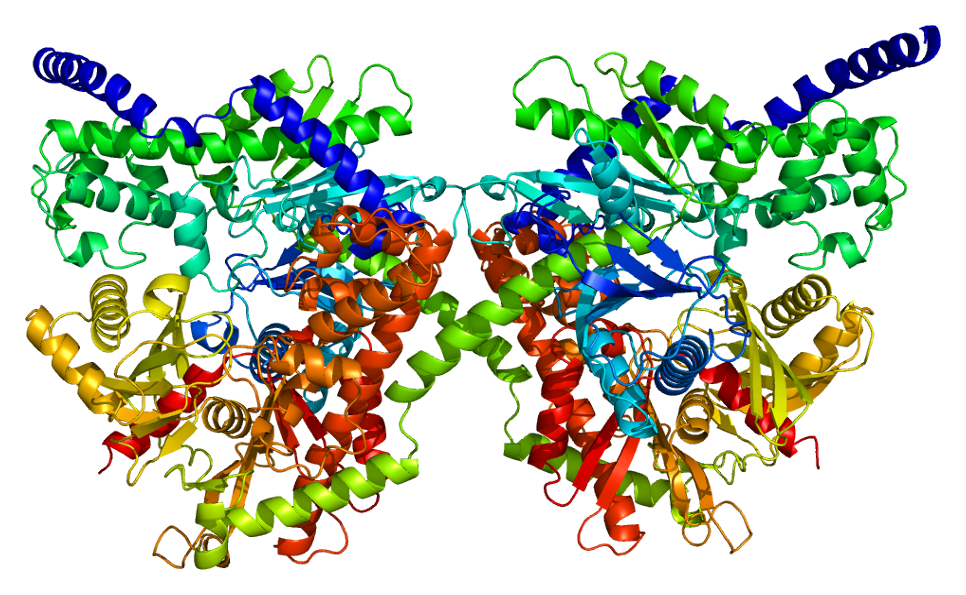
Anemia hemolítica não-esferocítica por deficiência de hexocinase
📋 Origem dos dados
Esta página agrega dados de fontes públicas e oficiais. Dados sobre cobertura no SUS (PCDT, CEAF) são verificados ativamente por agente proativo (ver badge no infobox). Demais dados têm atribuição de fonte + data da última sincronização — clique para abrir o original.
- Doença rara (ontologia)
- fonte: Orphanet
- Identificador unificado
- fonte: MONDO
- Genética mendeliana
- fonte: OMIM
- Codificação WHO/SUS
- fonte: WHO ICD-10 / DATASUS
- CID-11 (futuro)
- fonte: WHO ICD-11
- NIH/GARD
- fonte: GARD (NIH)
- Indexação biomédica
- fonte: MeSH (NLM)
- Dado público estruturado
- fonte: Wikidata
- Reposicionamento
- fonte: Drug Repurposing Hub