O hiperinsulinismo congênito isolado (CHI), uma doença endócrina rara, é a causa mais comum de hipoglicemia grave e persistente em recém-nascidos e na primeira infância. Caracteriza-se por uma produção excessiva ou descontrolada de insulina (inapropriada para o nível de açúcar no sangue) e por episódios repetidos de hipoglicemia profunda (níveis muito baixos de açúcar no sangue), que exigem tratamento rápido e intensivo para prevenir sequelas neurológicas. O CHI abrange duas formas diferentes: o hiperinsulinismo difuso sensível ao diazoxide e o hiperinsulinismo resistente ao diazoxide.
Introdução
O que você precisa saber de cara
O hiperinsulinismo congênito é uma condição que faz com que indivíduos tenham níveis anormalmente altos de insulina. A insulina é um hormônio que ajuda a controlar os níveis de glicose no sangue, também chamada açúcar no sangue. Pessoas com essa condição têm episódios frequentes de baixo nível de glicose no sangue (hipoglicemia). Em bebês e crianças pequenas, esses episódios são caracterizados por falta de energia (letargia), irritabilidade ou dificuldade para se alimentar. Episódios repetidos de baixo nível de glicose no sangue aumentam o risco de complicações graves, como dificuldades respiratórias, convulsões, deficiência intelectual, perda de visão, dano cerebral e coma.
A gravidade do hiperinsulinismo congênito varia amplamente entre as pessoas afetadas, mesmo entre membros da mesma família. Cerca de 60 por cento dos bebês com essa condição apresentam um episódio de hipoglicemia dentro do primeiro mês de vida. Outras crianças afetadas desenvolvem hipoglicemia na primeira infância. Ao contrário dos episódios típicos de hipoglicemia, que ocorrem com mais frequência após períodos sem alimento (jejum) ou após exercício, os episódios de hipoglicemia em pessoas com hiperinsulinismo congênito também podem ocorrer após a alimentação.
Fonte: MedlinePlus Genetics (NLM/NIH), traduzidoO hiperinsulinismo congênito isolado (CHI), uma doença endócrina rara, é a causa mais comum de hipoglicemia grave e persistente em recém-nascidos e na primeira infância. Caracteriza-se por uma produção excessiva ou descontrolada de insulina (inapropriada para o nível de açúcar no sangue) e por episódios repetidos de hipoglicemia profunda (níveis muito baixos de açúcar no sangue), que exigem tratamento rápido e intensivo para prevenir sequelas neurológicas. O CHI abrange duas formas diferentes: o hiperinsulinismo difuso sensível ao diazoxide e o hiperinsulinismo resistente ao diazoxide.
Tem tratamento?
Escala de raridade
<1/50kMuito rara
1/20kRara
1/10kPouco freq.
1/5kIncomum
1/2k
Encontrou um erro ou informação desatualizada? Sugira uma correção →
Entender a doença
Do básico ao detalhe, leia no seu ritmo
Preparando trilha educativa...
Sinais e sintomas
O que aparece no corpo e com que frequência cada sintoma acontece
Partes do corpo afetadas
+ 44 sintomas em outras categorias
Características mais comuns
Os sintomas variam de pessoa para pessoa. Abaixo estão as 110 características clínicas mais associadas, ordenadas por frequência.
Linha do tempo da pesquisa
Encontrou um erro ou informação desatualizada? Sugira uma correção →
Genética e causas
O que está alterado no DNA e como passa nas famílias
Genes associados
9 genes identificados com associação a esta condição. Padrão de herança: Autosomal dominant, Autosomal recessive.
3-alpha-hydroxyacyl-CoA dehydrogenase deficiency
An autosomal recessive, metabolic disorder with various clinical presentations including hypoglycemia, hepatoencephalopathy, myopathy or cardiomyopathy, and in some cases sudden death.
Maturity-onset diabetes of the young 1
A form of diabetes that is characterized by an autosomal dominant mode of inheritance, onset in childhood or early adulthood (usually before 25 years of age), a primary defect in insulin secretion and frequent insulin-independence at the beginning of the disease.
Hepatic adenomas familial
Rare benign liver tumors of presumable epithelial origin that develop in an otherwise normal liver. Hepatic adenomas may be single or multiple. They consist of sheets of well-differentiated hepatocytes that contain fat and glycogen and can produce bile. Bile ducts or portal areas are absent. Kupffer cells, if present, are reduced in number and are non-functional. Conditions associated with adenomas are insulin-dependent diabetes mellitus and glycogen storage diseases (types 1 and 3).
Leucine-induced hypoglycemia
Rare cause of hypoglycemia and is described as a condition in which symptomatic hypoglycemia is provoked by high protein feedings. Hypoglycemia is also elicited by administration of oral or intravenous infusions of a single amino acid, leucine.
Symptomatic deficiency in lactate transport
Deficiency of lactate transporter may result in an acidic intracellular environment created by muscle activity with consequent degeneration of muscle and release of myoglobin and creatine kinase. This defect might compromise extreme performance in otherwise healthy individuals.
Hyperinsulinemic hypoglycemia, familial, 2
A form of hyperinsulinemic hypoglycemia, a clinically and genetically heterogeneous disorder characterized by inappropriate insulin secretion from the pancreatic beta-cells in the presence of low blood glucose levels. HHF2 is a common cause of persistent hypoglycemia in infancy. Unless early and aggressive intervention is undertaken, brain damage from recurrent episodes of hypoglycemia may occur. HHF2 inheritance can be autosomal dominant or autosomal recessive.
Hyperinsulinemic hypoglycemia, familial, 6
A form of hyperinsulinemic hypoglycemia, a clinically and genetically heterogeneous disorder characterized by inappropriate insulin secretion from the pancreatic beta-cells in the presence of low blood glucose levels. HHF6 is an autosomal dominant form characterized by hypoglycemia due to congenital hyperinsulinism combined with persistent hyperammonemia. Clinical features include loss of consciousness due to hypoglycemia, hypoglycemic seizures, and mental retardation.
Medicamentos e terapias
Mecanismo: Glucagon receptor agonist
Mecanismo: Somatostatin receptor agonist
Mecanismo: Somatostatin receptor agonist
Mecanismo: Glucagon receptor agonist
Mecanismo: Glucagon-like peptide 1 receptor antagonist
Variantes genéticas (ClinVar)
339 variantes patogênicas registradas no ClinVar.
Classificação de variantes (ClinVar)
Distribuição de 1 variantes classificadas pelo ClinVar.
Vias biológicas (Reactome)
25 vias biológicas associadas aos genes desta condição.
Diagnóstico
Os sinais que médicos procuram e os exames que confirmam
Tratamento e manejo
Remédios, cuidados de apoio e o que precisa acompanhar
Onde tratar no SUS
Hospitais de referência no Brasil e o protocolo oficial do SUS (PCDT)
🇧🇷 Atendimento SUS — Hiperinsulinismo isolado congênito
Centros de Referência SUS
24 centros habilitados pelo SUS para Hiperinsulinismo isolado congênito
Centros para Hiperinsulinismo isolado congênito
Detalhes dos centros
Hospital Universitário Prof. Edgard Santos (HUPES)
R. Dr. Augusto Viana, s/n - Canela, Salvador - BA, 40110-060 · CNES 0003808
Serviço de Referência
Hospital Infantil Albert Sabin
R. Tertuliano Sales, 544 - Vila União, Fortaleza - CE, 60410-794 · CNES 2407876
Serviço de Referência
Hospital de Apoio de Brasília (HAB)
AENW 3 Lote A Setor Noroeste - Plano Piloto, Brasília - DF, 70684-831 · CNES 0010456
Serviço de Referência
Hospital Estadual Infantil e Maternidade Alzir Bernardino Alves (HIABA)
Av. Min. Salgado Filho, 918 - Soteco, Vila Velha - ES, 29106-010 · CNES 6631207
Serviço de Referência
Hospital das Clínicas da UFG
Rua 235 QD. 68 Lote Área, Nº 285, s/nº - Setor Leste Universitário, Goiânia - GO, 74605-050 · CNES 2338424
Serviço de Referência
Hospital Universitário da UFJF
R. Catulo Breviglieri, Bairro - s/n - Santa Catarina, Juiz de Fora - MG, 36036-110 · CNES 2297442
Atenção Especializada
Hospital das Clínicas da UFMG
Av. Prof. Alfredo Balena, 110 - Santa Efigênia, Belo Horizonte - MG, 30130-100 · CNES 2280167
Serviço de Referência
Hospital Universitário Julio Müller (HUJM)
R. Luis Philippe Pereira Leite, s/n - Alvorada, Cuiabá - MT, 78048-902 · CNES 2726092
Atenção Especializada
Hospital Universitário João de Barros Barreto
R. dos Mundurucus, 4487 - Guamá, Belém - PA, 66073-000 · CNES 2337878
Serviço de Referência
Hospital Universitário Lauro Wanderley (HULW)
R. Tabeliao Estanislau Eloy, 585 - Castelo Branco, João Pessoa - PB, 58050-585 · CNES 0002470
Atenção Especializada
Instituto de Medicina Integral Prof. Fernando Figueira (IMIP)
R. dos Coelhos, 300 - Boa Vista, Recife - PE, 50070-902 · CNES 0000647
Serviço de Referência
Hospital Pequeno Príncipe
R. Des. Motta, 1070 - Água Verde, Curitiba - PR, 80250-060 · CNES 3143805
Serviço de Referência
Hospital Universitário Regional de Maringá (HUM)
Av. Mandacaru, 1590 - Parque das Laranjeiras, Maringá - PR, 87083-240 · CNES 2216108
Atenção Especializada
Hospital de Clínicas da UFPR
R. Gen. Carneiro, 181 - Alto da Glória, Curitiba - PR, 80060-900 · CNES 2364980
Serviço de Referência
Hospital Universitário Pedro Ernesto (HUPE-UERJ)
Blvd. 28 de Setembro, 77 - Vila Isabel, Rio de Janeiro - RJ, 20551-030 · CNES 2280221
Serviço de Referência
Instituto Nacional de Saúde da Mulher, da Criança e do Adolescente Fernandes Figueira (IFF/Fiocruz)
Av. Rui Barbosa, 716 - Flamengo, Rio de Janeiro - RJ, 22250-020 · CNES 2269988
Serviço de Referência
Hospital São Lucas da PUCRS
Av. Ipiranga, 6690 - Jardim Botânico, Porto Alegre - RS, 90610-000 · CNES 2232928
Serviço de Referência
Hospital de Clínicas de Porto Alegre (HCPA)
Rua Ramiro Barcelos, 2350 Bloco A - Av. Protásio Alves, 211 - Bloco B e C - Santa Cecília, Porto Alegre - RS, 90035-903 · CNES 2237601
Serviço de Referência
Hospital Universitário da UFSC (HU-UFSC)
R. Profa. Maria Flora Pausewang - Trindade, Florianópolis - SC, 88036-800 · CNES 2560356
Serviço de Referência
Hospital das Clínicas da FMUSP
R. Dr. Ovídio Pires de Campos, 225 - Cerqueira César, São Paulo - SP, 05403-010 · CNES 2077485
Serviço de Referência
Hospital de Base de São José do Rio Preto
Av. Brg. Faria Lima, 5544 - Vila Sao Jose, São José do Rio Preto - SP, 15090-000 · CNES 2079798
Atenção Especializada
Hospital de Clínicas da UNICAMP
R. Vital Brasil, 251 - Cidade Universitária, Campinas - SP, 13083-888 · CNES 2748223
Serviço de Referência
Hospital de Clínicas de Ribeirão Preto (HCRP-USP)
R. Ten. Catão Roxo, 3900 - Vila Monte Alegre, Ribeirão Preto - SP, 14015-010 · CNES 2082187
Serviço de Referência
UNIFESP / Hospital São Paulo
R. Napoleão de Barros, 715 - Vila Clementino, São Paulo - SP, 04024-002 · CNES 2688689
Serviço de Referência
Dados de DATASUS/CNES, SBGM, ABNeuro e Ministério da Saúde. Sempre confirme a disponibilidade diretamente com o estabelecimento.
Pesquisa ativa
Ensaios clínicos abertos e novidades científicas recentes
Ensaios em destaque
Com ensaio aberto em 4 países. O ponto verde marca onde há vaga agora.
🟢 Recrutando agora
3 pesquisas recrutando participantes. Converse com seu médico sobre a possibilidade de participar.
Outros ensaios clínicos
35 ensaios clínicos encontrados, 6 ativos.
Publicações mais relevantes
[Exercise-induced hyperinsulinism: genetic basis and clinical management].
Exercise-induced hyperinsulinism, also known as monocarboxylate transporter 1 hyperinsulinemia, is a rare subtype of congenital hyperinsulinism caused by gain-of-function variants in the SLC16A1 gene, which encodes monocarboxylate transporter 1. Fewer than 20 cases have been reported in the literature. In this review, the genetic pathogenesis, current diagnosis, and treatment of exercise-induced hyperinsulinism are systematically reviewed to improve clinicians' understanding of the disease. 运动诱发性高胰岛素血症,也称为单羧酸转运体1型高胰岛素血症,是一种罕见的先天性高胰岛素血症亚型,由编码单羧酸转运体1的SLC16A1基因功能获得性变异所致。目前文献报道的病例不足20例。该文对运动诱发性高胰岛素血症的遗传发病机制、当前诊断和治疗进行系统综述,以提高临床医生对该病的认识。.
From Isolation to Support: A Parent's Journey with Congenital Hyperinsulinism.
Adult-Onset Nesidioblastosis: A Challenging Diagnosis Revealed by Endoscopic Ultrasonography.
BACKGROUND Nesidioblastosis is one of the possible causes of endogenous hyperinsulinemic hypoglycemia. This diagnosis usually occurs in infants, but in rare cases it can affect adult patients. Due to its rarity, diagnostic confirmation can be challenging and clinically overlap with other diagnoses associated with hypoglycemic symptoms, often requiring management at a specialized center. CASE REPORT In this article, we present the case of a 27-year-old female patient who had experienced clinical symptoms of hypoglycemia of unknown origin for several years. Macroscopically, no focal pancreatic lesions were identified on computed tomography, magnetic resonance imaging, or ⁶⁸Gallium DOTA-D-Phe1-Tyr3-Octreotide imaging. However, endoscopic ultrasonography revealed nonspecific heterogeneous pancreatic tissue measuring 8.2×6.8 mm in the body and tail of the pancreas. Subsequent histopathologic examination of a small tissue sample demonstrated an increased number of b cells with enlarged hyperchromatic nuclei or prominent nucleoli. The exocrine portion of the pancreas was preserved. This case report highlights the diagnostic challenges associated with identifying nesidioblastosis in an adult patient and outlines our diagnostic approach, therapeutic strategy, and clinical outcomes. CONCLUSIONS Nesidioblastosis should be considered a potential cause of hyperinsulinemic hypoglycemia in adult patients who exhibit persistent hypoglycemic symptoms without macroscopic correlates on imaging methods. Endoscopic ultrasonography may serve as a valuable modality for enhancing visualization of pancreatic tissue heterogeneity, particularly when no unequivocal lesion is detectable on other imaging techniques. Based on our experience, distal pancreatectomy alone appears sufficiently effective in eliminating hypoglycemic symptoms without inducing exocrine or endocrine pancreatic insufficiency.
Congenital Hyperinsulinism in Neonates: Diagnostic Challenges and Management in Two Cases With KCNJ11 and ABCC8 Mutation.
We report two cases of persistent neonatal hypoglycemia associated with mutations in the KCNJ11 and ABCC8 genes, encoding the Kir6.2 and SUR1 subunits of the adenosine triphosphate-sensitive potassium channel. In both cases, symptoms were non-specific and initially attributed to other conditions, including suspected infection. Standard treatment with enteral and parenteral glucose infusions failed to restore euglycemia. Diazoxide was administered without a clinical response. Both patients were then treated with octreotide, resulting in stabilization of glycemic levels. Genetic testing confirmed the presence of pathogenic variants consistent with congenital hyperinsulinism. Early identification and targeted management were crucial to achieving metabolic control.
Pancreatectomy Outcomes in Pediatric Hyperinsulinism: A Retrospective Single-Center Experience.
Hyperinsulinism (HI) is the most frequent cause of persistent hypoglycemia in neonates and infants. Untreated, this condition can cause permanent neurological impairment. Medical therapies such as diazoxide and octreotide are effective in some cases, but patients with severe KATP-adenosine triphosphate sensitive potassium channel mutations are often unresponsive, requiring surgery. This study evaluates surgical outcomes in HI patients at our institution and compares them with those reported in the contemporary literature. A retrospective review of 14 patients who underwent pancreatectomy for HI between 2008 and 2023 was performed. Collected data included demographics, genetic findings, imaging, surgical approach, operative details, complications, and long-term outcomes. Eleven patients (78.6%) had congenital and three (21.4%) noncongenital HI. ABCC8 or KCNJ11 mutations were identified in 50% of cases. The functional imaging localized focal disease in three noncongenital HI patients. Near-total pancreatectomy was performed in cases of diffuse disease, while subtotal resection was performed in cases of focal lesions. One patient died from sepsis. At 10-y mean follow-up, 38.4% developed diabetes mellitus, 30.8% had recurrent hypoglycemia, and 30.8% remained euglycemic. Neurodevelopmental delay occurred in 30.8%. Pancreatectomy (near total and subtotal) remains an essential treatment for refractory (diazoxide unresponsive) HI. Our results, aligned with international experience, emphasize the value of early genetic testing, functional and advanced imaging, and multidisciplinary long-term care.
Publicações recentes
[Genetic analysis of a Chinese pedigree affected with Isolated growth hormone deficiency due to variant of CHRHR gene].
Congenital isolated unilateral pulmonary artery agenesis: a case report and literature review.
IGF-I bioavailability in congenital isolated growth hormone deficiency.
[Olfactory bulbs aplasia as a reason of isolated congenital anosmia in a 9-year-old child (clinical case)].
Clinical insights of the TBX19 C.856 C>T variant: a case report and literature review on neonatal isolated ACTH deficiency.
📚 EuropePMCmostrando 192
Adult-Onset Nesidioblastosis: A Challenging Diagnosis Revealed by Endoscopic Ultrasonography.
The American journal of case reportsCongenital Hyperinsulinism in Neonates: Diagnostic Challenges and Management in Two Cases With KCNJ11 and ABCC8 Mutation.
CureusPancreatectomy Outcomes in Pediatric Hyperinsulinism: A Retrospective Single-Center Experience.
The Journal of surgical researchNon-coding variants in intron 2 of HK1 associated with hyperinsulinism with variable clinical phenotype.
The Journal of clinical endocrinology and metabolismDouble trouble: When focal and diffuse hyperinsulinism occur simultaneously.
Hormone research in paediatricsRobotic surgery for pancreatic disorders in children: Insights from two centers.
Journal of pediatric surgeryCongenital hyperinsulinism in an individual with CHARGE syndrome and a pathogenic CHD7 variant.
JCEM case reportsTrisomy 13 as a risk factor for pulmonary hypertension induced by diazoxide.
Annals of pediatric cardiologyClinical Presentation and Molecular Characteristics of Kabuki Syndrome With Congenital Hyperinsulinism: A Retrospective Study.
CureusFunctional evaluation of pancreatic islets from patients with Beckwith-Wiedemann syndrome and congenital hyperinsulinism.
The Journal of clinical endocrinology and metabolismPI3K inhibition with alpelisib: a new hope for congenital hyperinsulinism.
Annals of medicine and surgery (2012)Hyperinsulinemia After Extensive Small Bowel Resection and Total Parenteral Nutrition in a Neonate: A Case Study.
Nutrition and metabolic insightsDeterminants of Hyperinsulinism Severity in Children with Beckwith-Wiedemann Syndrome.
The Journal of clinical endocrinology and metabolismRobotic versus Open Pancreatectomy for Focal Congenital Hyperinsulinism in Infants: A Single-Center Study.
European journal of pediatric surgery : official journal of Austrian Association of Pediatric Surgery ... [et al] = Zeitschrift fur KinderchirurgieCells Co-Producing Insulin and Glucagon in Congenital Hyperinsulinism.
Life (Basel, Switzerland)[Exercise-induced hyperinsulinism: genetic basis and clinical management].
Zhongguo dang dai er ke za zhi = Chinese journal of contemporary pediatricsGermline and somatic mutations in histologically atypical congenital hyperinsulinism.
Frontiers in endocrinologyEvaluation of Congenital Hyperinsulinism Using 18F-FDOPA PET.
PET clinicsPaired-Like Homeobox 2B (PHOX2B) Mutation and the Hidden Endocrine Puzzle: Hyperinsulinism in Congenital Central Hypoventilation Syndrome.
CureusNecrotizing enterocolitis following a single very low dose of octreotide in a patient with congenital hyperinsulinism: a case successfully managed with 18F-DOPA PET/CT-guided surgery.
Clinical pediatric endocrinology : case reports and clinical investigations : official journal of the Japanese Society for Pediatric EndocrinologyFrom Isolation to Support: A Parent's Journey with Congenital Hyperinsulinism.
Indian pediatricsGenetic and Clinical Characterisation of Congenital Hyperinsulinism: Identification of a Novel ABCC8 Variant.
Clinical endocrinologyComprehensive Genetic Testing for Clinical Decision-Making in a Patient With Congenital Hyperinsulinism.
Genetics research[Unsolved dental problems in children with congenital hyperinsulin].
StomatologiiaDulaglutide as a Bridging Therapy Before Insulin for Diabetes Following Pancreatectomy on Congenital Hyperinsulinism.
JCEM case reportsNationwide Epidemiology and Genetic Background of Persistent Nonsyndromic Congenital Hyperinsulinism in Slovakia.
Hormone research in paediatricsEndoCompass Project: Research Roadmap for Diabetes, Obesity, and Metabolism.
Hormone research in paediatricsProtein losing enteropathy due to congenital disorder of glycosylation: A case report.
SAGE open medical case reportsRare Causes of Hypoglycemia-Lessons from Case Reports.
JCEM case reportsClinicopathologic Characterization of Liver Biopsies of Patients with Congenital Hyperinsulinism Presenting with Neonatal Cholestasis.
Pediatric and developmental pathology : the official journal of the Society for Pediatric Pathology and the Paediatric Pathology SocietyCongenital hyperinsulinism due to NEUROD1 gene mutation.
Annals of pediatric endocrinology & metabolismAdvances in Pharmacotherapy for Congenital Hyperinsulinism.
Paediatric drugsExpanding the phenotype of CARS1 variants to include congenital hyperinsulinism.
BMC medical genomicsContinuous subcutaneous octreotide infusion in congenital hyperinsulinism: practical application and insights in infancy and early childhood.
Journal of diabetes and metabolic disordersTreatment of Congenital Hyperinsulinism With a Novel, Long-acting Glucagon Analogue.
JCEM case reportsCase Report: Food-based enteral formula in the nutritional management of children with hyperinsulinism: single center retrospective case series.
Frontiers in endocrinologyKCNJ11 readthrough variant in a patient with congenital hyperinsulinism.
Clinical pediatric endocrinology : case reports and clinical investigations : official journal of the Japanese Society for Pediatric EndocrinologyIdentification and rescue of congenital hyperinsulinism-associated ABCC8 mutations that impair KATP channel trafficking.
The Journal of biological chemistryPostoperative complications following surgery for congenital hyperinsulinism and insulinomas in pediatric patients.
Pediatric surgery internationalReal-world experience with the use of diazoxide among people living with congenital hyperinsulinism and their caregivers.
Frontiers in endocrinologyNeonatal Congenital Hyperinsulinism: A Case-Based Contribution to the Understanding of a Rare Disorder.
CureusStructural basis of insulin receptor antagonism by bivalent site 1-site 2 ligands.
bioRxiv : the preprint server for biologyBiparental and Androgenetic Somatic Mosaicism with Presentation of Non-Syndromic Severe Neonatal Hyperinsulinemia.
International journal of molecular sciencesPersistent hyperinsulinemic hypoglycemia of infancy treated at the Hospital Infantil de Especialidades de Chihuahua.
Boletin medico del Hospital Infantil de MexicoCharacterization of congenital hyperinsulinism in Argentina: Clinical features, genetic findings, and treatment outcomes.
PloS one[68Ga] labelled Exendin for radioguided surgery of intrapancreatic insulin producing lesions in patients with congenital hyperinsulinism.
EJNMMI researchMaturity-Onset Diabetes of the Young Associated With a Pathogenic ABCC8 Variant: Expanding the Phenotypic Spectrum.
AACE endocrinology and diabetesRare pediatric insulinoma case diagnosed by endoscopic ultrasonography: insights into endogenous hyperinsulinemic hypoglycemia.
Journal of pediatric endocrinology & metabolism : JPEMCongenital Hyperinsulinemic Hypoglycemia With a New HADH Mutation and Pancreatic Overexpression of GLP-1 Receptors.
The Journal of clinical endocrinology and metabolismPrevalence and risk factors of thrombosis in patients with congenital hyperinsulinism: a retrospective analysis.
Frontiers in endocrinologyHyperinsulinism-hyperammonemia syndrome associated with GLUD1 gene mutation: a case series.
Journal of medical case reportsManagement strategy for congenital hyperinsulinism with atrial septal defect and diazoxide-induced pulmonary hypertension.
Clinical pediatric endocrinology : case reports and clinical investigations : official journal of the Japanese Society for Pediatric EndocrinologyAn Unusual Liver and Kidney Involvement in Congenital Hyperinsulinism with <italic>HNF1A</italic> Mutation: A Case Report.
Hormone research in paediatricsIdentification of an ABCC8 variant in a kindred with transient diazoxide responsive hyperinsulinism.
Endocrinology, diabetes & metabolism case reportsSevere transient neonatal hyperinsulinism: First Peruvian case series.
SAGE open medical case reportsVDAC1 is a target for pharmacologically induced insulin hypersecretion in β cells.
Cell reportsAlpelisib Therapy in 2 Patients With Congenital Hyperinsulinism.
JCEM case reportsRedo surgery for persistent hyperinsulinemic hypoglycemia of infancy in the age of laparoscopic pancreatectomy.
Annals of Saudi medicineSearching for protein partners of short-chain 3-hydroxyacyl-CoA dehydrogenase (SCHAD) reveals keratin 8 as a novel candidate for interaction in pancreatic β-cells.
BMC molecular and cell biologySevere Neonatal Anemia with Multi-Organ Failure, Extreme Placentomegaly, and Placental Megaloblastic Erythroblastosis as Features in Identifying Congenital Dyserythropoietic Anemia Type 1: A Case Report.
NeonatologyBayliss-Starling Prize Lecture: KATP channel pathophysiology - a whole-body odyssey.
The Journal of physiologyA Dual Etiology of Neonatal Hypoglycemia Secondary to FOXA2 Heterozygous Deletion.
Hormone research in paediatricsContinuous Glucose Monitoring in the Management of Congenital Hyperinsulinism: A National User-satisfaction Survey, UK.
The Journal of clinical endocrinology and metabolismDeveloping a congenital hyperinsulinism prioritized research agenda: a patient-driven international collaborative research network.
Frontiers in endocrinologyComprehensive clinical and molecular characterization with long-term outcomes in 40 patients with congenital hyperinsulinism.
EndocrineCongenital hyperinsulinemic hypoglycaemia in a neonate: a rare homozygous ABCC8 gene mutation.
BMJ case reportsGlobal Disparities in Congenital Hyperinsulinism Care.
Endocrinology and metabolism clinics of North AmericaDiagnosis, Therapy and Follow-Up of Type 1 Diabetes Mellitus in Children and Adolescents.
Experimental and clinical endocrinology & diabetes : official journal, German Society of Endocrinology [and] German Diabetes AssociationNon-surgical Treatment May be Appropriate for Most Chinese Children With Monogenic Congenital Hyperinsulinism Based on a Retrospective Study of 121 Patients.
Pediatric diabetesNecrolytic migratory erythema following prolonged continuous subcutaneous dasiglucagon administration: a rare dermatologic adverse event.
Endocrinology, diabetes & metabolism case reportsNeonatal hypoglycaemia in the offsprings of parents with maturity-onset diabetes of the young (MODY).
Journal of pediatric endocrinology & metabolism : JPEMParadoxical Maturity-Onset Diabetes of the Young Arising From Loss-of-Function Mutations in ATP-Sensitive Potassium Channels.
DiabetesClinical and epidemiological profile of congenital hyperinsulinism in Brazil.
Frontiers in endocrinologyCongenital Hyperinsulinism India Association: An Approach to Address the Challenges and Opportunities of a Rare Disease.
Medical sciences (Basel, Switzerland)Diagnostic and Surgical Management of Nesidioblastosis in a 42-Year-Old Man with Refractory Hypoglycemia.
The American journal of case reportsSuccessful Management of an Infant with Congenital Focal Hyperinsulinism with No Apparent Lesion During Surgery.
Sisli Etfal Hastanesi tip bulteniNeonatal Cholestasis Associated With Transient Congenital Hyperinsulinism: A Case Report.
CureusThe genetics of low and high birthweight and their relationship with cardiometabolic disease.
DiabetologiaAI-based discovery and cryoEM structural elucidation of a KATP channel pharmacochaperone.
eLifeReassessing Pancreatectomy in Diffuse Congenital Hyperinsulinism: A Tale of 2 Brothers With Homozygous KCNJ11 Variants.
JCEM case reportsGlobal, multi-center, repeat-dose, phase 2 study of RZ358 (ersodetug), an insulin receptor antibody, for congenital hyperinsulinism.
Med (New York, N.Y.)Large copy number variants are an important cause of congenital hyperinsulinism that should be screened for during routine testing.
Frontiers in endocrinologyNon-coding cis-regulatory variants in HK1 cause congenital hyperinsulinism with variable disease severity.
Genome medicineCase Report: The importance of genetic counseling for families with hyperinsulinism.
Frontiers in pediatricsCase report: Kabuki syndrome and persistent hypoglycemia in neonates.
Journal of family medicine and primary careCongenital Hyperinsulinism and Long QT Syndrome Attributable to a Variant in KCNE1.
Hormone research in paediatricsTarget deconvolution of an insulin hypersecretion-inducer acting through VDAC1 with a distinct transcriptomic signature in beta-cells.
bioRxiv : the preprint server for biologyReverse Phenotyping: Addressing Refractory Seizures From an Endocrine Perspective.
CureusSevere congenital hyperinsulinism with progressive neurological deterioration due to novel HADH-GHSR digenic mutations: the first case report.
Pediatric endocrinology, diabetes, and metabolismCongenital hyperinsulinism in the Ukraine: a 10-year national study.
Frontiers in endocrinologyCase report: Duplication of the GCK gene is a novel cause of nesidioblastosis: evidence from a case with Silver-Russell syndrome-like phenotype related to chromosome 7.
Frontiers in endocrinologyManagement of Neonatal Hyperinsulinemic Hypoglycemia: Trends Over Nine Years.
Rhode Island medical journal (2013)Loss of β-Cell KATP Reduces Ca2+ Sensitivity of Insulin Secretion and Trpm5 Expression.
DiabetesMild Congenital Hyperinsulinism Caused by Mutation in Human Glucokinase Gene.
JCEM case reportsDiazoxide toxicity in congenital hyperinsulinism: A case report.
World journal of clinical pediatricsA Focal Form of Diazoxide-resistant Congenital Hyperinsulinism with Good Response to Long-acting Somatostatin.
Journal of the ASEAN Federation of Endocrine SocietiesPersistent hypoglycemia in congenital syphilis: hyperinsulinemic hypoglycemia with a focal pancreatic lesion.
Journal of pediatric endocrinology & metabolism : JPEMThe p.(Gly111Arg) ABCC8 Variant: A Founder Mutation Causing Congenital Hyperinsulinism in the Indian Agarwal Community.
Clinical geneticsDasiglucagon in Children With Congenital Hyperinsulinism Up to 1 Year of Age: Results From a Randomized Clinical Trial.
The Journal of clinical endocrinology and metabolismOctreotide efficacy and safety in children with hyperinsulinism: evidence from two Chinese centers.
European journal of pediatricsContinuous Glucose Monitoring-Derived Glycemic Phenotyping of Childhood Hypoglycemia Due to Hyperinsulinism: A Year-long Prospective Nationwide Observational Study.
Journal of diabetes science and technologyOccult Nesidioblastosis Detected by 111In-Pentetreotide Single-Photon Emission Computed Tomography.
Acta medica OkayamaRecognition of Hyperinsulinaemic Hypoglycaemia in Infants with Congenital Central Hypoventilation Syndrome.
Hormone research in paediatricsThe combination of next generation sequencing and technological devices allows a precision medicine approach in congenital hyperinsulinism: the case of a pregnant mother and the child she gave birth.
Acta diabetologicaNesidioblastosis in Pregnancy: Navigating the Diagnostic and Therapeutic Challenges of a Rare Condition.
CureusCase report: A novel HNF1A variant linked to gestational diabetes, congenital hyperinsulinism, and diazoxide hypersensitivity.
Frontiers in endocrinologyUpdate on the Role of [18F]FDOPA PET/CT.
Seminars in nuclear medicineLow-Level Mosaic GCK Mutations in Children With Diazoxide-Unresponsive Congenital Hyperinsulinism.
The Journal of clinical endocrinology and metabolismLiving Donor Liver Transplantation for Congenital Portosystemic Shunt Presenting With Hyperinsulinemic Hypoglycemia.
Pediatric transplantationBiomarkers and Diagnostic Thresholds for Congenital Hyperinsulinism.
Clinical endocrinologyContinuous glucose monitoring in patients with inherited metabolic disorders at risk for Hypoglycemia and Nutritional implications.
Reviews in endocrine & metabolic disordersNeonatal hyperinsulinism: a retrospective study of presentation and management in a tertiary neonatal intensive care unit in the UK.
Archives of disease in childhood. Fetal and neonatal editionHyperinsulinemic Hypoglycemia Due to an Insulinoma in a 2-Year-Old Child.
JCEM case reportsNovel ABCC8 mutation in the genetic diagnosis of familial hyperinsulinaemic hypoglycaemia.
BMJ case reportsGlucokinase (GCK) in diabetes: from molecular mechanisms to disease pathogenesis.
Cellular & molecular biology lettersEffective and safe use of sirolimus in hyperinsulinemic hypoglycaemia refractory to medical and surgical therapy: a case series and review of literature.
Journal of pediatric endocrinology & metabolism : JPEMA tale of two sisters - delayed diagnosis of genetic hyperinsulinaemic hypoglycaemia.
Endocrinology, diabetes & metabolism case reportsA case of congenital hyperinsulinism presenting with diabetes after long-term diazoxide therapy.
Diabetology internationalCongenital Hyperinsulinism and Novel KDM6A Duplications -Resolving Pathogenicity With Genome and Epigenetic Analyses.
The Journal of clinical endocrinology and metabolismInfant of a diabetic mother: clinical presentation, diagnosis and treatment.
Pediatric endocrinology, diabetes, and metabolismClinical management of diazoxide-unresponsive congenital hyperinsulinism: A single-center experience.
Clinical pediatric endocrinology : case reports and clinical investigations : official journal of the Japanese Society for Pediatric EndocrinologyA case of diffuse congenital hyperinsulinism in which continuous glucose monitoring contributed to the choice of a treatment strategy following a subtotal pancreatectomy.
Clinical pediatric endocrinology : case reports and clinical investigations : official journal of the Japanese Society for Pediatric EndocrinologyClinical and Genetic Characteristics of Congenital Hyperinsulinism in Norway: A Nationwide Cohort Study.
The Journal of clinical endocrinology and metabolismCase report: Exceptional transmission of congenital hyperinsulinism from a focal CHI mother to her diffuse CHI dichorionic diamniotic twins.
Frontiers in endocrinologyEtiology of the Neonatal Hypoglycemias.
Advances in pediatricsThe Birth Prevalence of Congenital Hyperinsulinism: A Narrative Review of the Epidemiology of a Rare Disease.
Hormone research in paediatricsNon-invasive quantification of stem cell-derived islet graft size and composition.
DiabetologiaClinical and Molecular Characterization of Hyperinsulinism in Kabuki Syndrome.
Journal of the Endocrine SocietyCongenital Hyperinsulinism of a Large Italian Cohort: A Retrospective Study.
Hormone research in paediatricsProposed Screening for Congenital Hyperinsulinism in Newborns: Perspective from a Neonatal-Perinatal Medicine Group.
Journal of clinical medicineCongenital Hyperinsulinism Caused by Mutations in ABCC8 Gene Associated with Early-Onset Neonatal Hypoglycemia: Genetic Heterogeneity Correlated with Phenotypic Variability.
International journal of molecular sciencesPreviously undiagnosed genetic disease in adult patient with hepatic masses and reported history of congenital hyperinsulinism.
BMJ case reports[Clinical characteristics and prognosis of 5 children with maturity onset of diabetes of the young 12 subtype].
Zhonghua er ke za zhi = Chinese journal of pediatricsFirst Accuracy and User-Experience Evaluation of New Continuous Glucose Monitoring System for Hypoglycemia Due to Hyperinsulinism.
Journal of diabetes science and technologyChromosome 20p11.2 deletions cause congenital hyperinsulinism via the loss of FOXA2 or its regulatory elements.
European journal of human genetics : EJHGCongenital Hyperinsulinism - Notes for the General Pediatrician.
Indian pediatricsCharacterization of the zebrafish as a model of ATP-sensitive potassium channel hyperinsulinism.
BMJ open diabetes research & careIdiopathic Pathological Ketotic Hypoglycemia: Finding the Needle in a Haystack.
Hormone research in paediatrics[Congenital hyperinsulinism : contributions of chemistry, therapeutic response, genetics and imaging].
Revue medicale de LiegeRole of beta-hydroxybutyrate measurement in the evaluation of plasma glucose concentrations in newborn infants.
Archives of disease in childhood. Fetal and neonatal editionA loss-of-function mutation in KCNJ11 causing sulfonylurea-sensitive diabetes in early adult life.
DiabetologiaFocal and diffuse nesidioblastosis simulating insulinoma.
Medicina clinicaHyperinsulinemia in Sotos Syndrome with a de novo NSD1 Deletion.
Journal of clinical research in pediatric endocrinologyGenotype-histotype-phenotype correlations in hyperinsulinemic hypoglycemia.
Histology and histopathologyCongenital Hyperinsulinism in Humans and Insulin Secretory Dysfunction in Mice Caused by Biallelic DNAJC3 Variants.
International journal of molecular sciencesAdjuvant Alpelisib Therapy for Congenital Hyperinsulinism.
The New England journal of medicineExpert management of congenital portosystemic shunts and their complications.
JHEP reports : innovation in hepatologyA synonymous KCNJ11 variant leading to MODY13: A case report and literature review.
Molecular genetics and metabolism reportsFunctional characterization of inactivating ABCC8 variants causing congenital hyperinsulinism.
Clinical geneticsGenetic variants of ABCC8 and clinical manifestations in eight Chinese children with hyperinsulinemic hypoglycemia.
BMC endocrine disordersGenetic diagnosis and clinical analysis of 17α-hydroxylase/17, 20-lyase deficiency combined with type 2 diabetes mellitus: A case report.
MedicineNesidioblastosis and Subsequent Diabetes Mellitus in a Dog with Hyperinsulinemic Hypoglycemia Treated with Partial Pancreatectomy.
Journal of the American Animal Hospital AssociationCongenital hyperinsulinism patient with ABCC8 and KCNJ11 double heterozygous variants: a case report with 6 years follow-up.
Journal of pediatric endocrinology & metabolism : JPEMPituitary stalk interruption syndrome and liver cirrhosis associated with diabetes and an inactivating KCNJ11 gene mutation: a case report and literature review.
Frontiers in endocrinologyHypoglycemia in Children Referred to a Tertiary Care Pediatric Endocrine Clinic: Age-Dependent Etiological Variations.
Hormone research in paediatricsDasiglucagon: A New Hope for Diazoxide-unresponsive, Nonfocal Congenital Hyperinsulinism?
The Journal of clinical endocrinology and metabolismCongenital hyperinsulinism.
Tidsskrift for den Norske laegeforening : tidsskrift for praktisk medicin, ny raekkeLow-dose diazoxide is safe and effective in infants with transient hyperinsulinism.
Clinical endocrinologyLow-dose diazoxide therapy in hyperinsulinaemic hypoglycaemia.
Clinical endocrinologyGenotype-phenotype correlation in Taiwanese children with diazoxide-unresponsive congenital hyperinsulinism.
Frontiers in endocrinologyStandardised practices in the networked management of congenital hyperinsulinism: a UK national collaborative consensus.
Frontiers in endocrinology[Focal congenital hyperinsulinism].
Orvosi hetilapThe use of CGM to identify hypoglycemia and glycemic patterns in congenital hyperinsulinism.
Journal of pediatric endocrinology & metabolism : JPEMAn expanded clinical spectrum of hypoinsulinaemic hypoketotic hypoglycaemia.
Orphanet journal of rare diseasesChallenges of a drug shortage.
Journal of pediatric nursingDasiglucagon for the Treatment of Congenital Hyperinsulinism: A Randomized Phase 3 Trial in Infants and Children.
The Journal of clinical endocrinology and metabolismPIGO-CDG: A case study with a new genotype, expansion of the phenotype, literature review, and nosological considerations.
JIMD reportsSiblings With HNF4A Congenital Hyperinsulinism From Possible Parental Gonadal Mosaicism.
JCEM case reportsPersistent Hypoglycemia and Hyperinsulinism in a Patient With KMT2D-Associated Kabuki Syndrome.
JCEM case reportsA Case of Congenital Disorder of Glycosylation Type 1b Presenting as Hyperinsulinemic Hypoglycemia and Failure to Thrive.
JCEM case reportsClinical Case Report of Non-Diabetic Hypoglycemia Due to a Combination of Germline Mutations in the MEN1 and ABCC8 Genes.
GenesCongenital hyperinsulinism and surgical outcome in a single tertiary center in Brazil.
Jornal de pediatriaCircularity of islets is a distinct marker for the pathological diagnosis of adult non-neoplastic hyperinsulinemic hypoglycemia using surgical specimens.
Diagnostic pathologyEvaluation and management of neonatal onset hyperinsulinemic hypoglycemia: a single neonatal center experience.
The journal of maternal-fetal & neonatal medicine : the official journal of the European Association of Perinatal Medicine, the Federation of Asia and Oceania Perinatal Societies, the International Society of Perinatal ObstetriciansExpanding the p.(Arg85Trp) Variant-Specific Phenotype of HNF4A: Features of Glycogen Storage Disease, Liver Cirrhosis, Impaired Mitochondrial Function, and Glomerular Changes.
Molecular syndromologySupernumerary chromosome 6 marker associated with paternal uniparental isodisomy of chromosome 6 in a patient with a syndromic disorder of insulin secretion.
European journal of medical geneticsPhenotypic Characterization of Congenital Hyperinsulinism Due to Novel Activating Glucokinase Mutations.
DiabetesThe Rising Incidence of Hyperinsulinemic Hypoglycemia: Connection With Maternal Health.
Endocrine practice : official journal of the American College of Endocrinology and the American Association of Clinical EndocrinologistsReducing kidney uptake of radiolabelled exendin-4 using variants of the renally cleavable linker MVK.
EJNMMI radiopharmacy and chemistryAbnormal glucose homeostasis and fasting intolerance in patients with congenital porto-systemic shunts.
Frontiers in endocrinologyInsulin Signaling Through the Insulin Receptor Increases Linear Growth Through Effects on Bone and the GH-IGF-1 Axis.
The Journal of clinical endocrinology and metabolismThe behaviour change behind a successful pilot of hypoglycaemia reduction with HYPO-CHEAT.
Digital healthA Very Rare Case of Diabetes Mellitus Occurring in a Patient With Hyperinsulinism Hyperammonemia Syndrome.
AACE clinical case reportsNovel Use of Dasiglucagon, a Soluble Glucagon Analog, for the Treatment of Hyperinsulinemic Hypoglycemia Secondary to Suspected Insulinoma: A Case Report.
Hormone research in paediatricsInternational Guidelines for the Diagnosis and Management of Hyperinsulinism.
Hormone research in paediatricsCL-705G: a novel chemical Kir6.2-specific KATP channel opener.
Frontiers in pharmacologyDeficiency of the metabolic enzyme SCHAD in pancreatic β-cells promotes amino acid-sensitive hypoglycemia.
The Journal of biological chemistryAn Uncommon Cause of Recurrent Presyncope, Dizziness, and Tachycardia: A Case Report of Diffuse, Adult-Onset Nesidioblastosis/Non-Insulinoma Pancreatogenous Hypoglycemia Syndrome (NIPHS).
BiomedicinesDiffuse, Adult-Onset Nesidioblastosis/Non-Insulinoma Pancreatogenous Hypoglycemia Syndrome (NIPHS): Review of the Literature of a Rare Cause of Hyperinsulinemic Hypoglycemia.
BiomedicinesNeonatal hypoglycemia: lack of evidence for a safe management.
Frontiers in endocrinologyOptimization of a Glucagon-Like Peptide 1 Receptor Antagonist Antibody for Treatment of Hyperinsulinism.
DiabetesA novel mutation in the KCNJ11 gene (p.Val36Glu), predisposes to congenital hyperinsulinemia.
GeneAssociações
Organizações que acompanham esta doença — pra ter apoio e orientação
Ainda não temos associações cadastradas para Hiperinsulinismo isolado congênito.
É de uma associação que acompanha esta doença? Fale com a gente →
Doença com base genética
Um médico geneticista pode ajudar no diagnóstico de Hiperinsulinismo isolado congênito e no aconselhamento genético da família.
Doenças relacionadas
Doenças com sintomas parecidos — ajudam quem ainda está buscando diagnóstico
Perguntas frequentes
O que as famílias mais perguntam sobre esta doença — cada resposta com a fonte de onde saiu
É uma doença rara que causa hipoglicemia grave e contínua devido à produção excessiva de insulina pelas células beta do pâncreas. Essa alteração se manifesta principalmente no período neonatal e na primeira infância.
Referências
Fontes citadas no texto, publicações do grafo e bases de dados usadas neste verbete
10 publicações do grafo RarasNet (PubMed) · 6 bases de dados. Títulos, periódicos e PMIDs vêm direto da fonte, sem intermediação de IA.
Dados compilados pelo RarasNet a partir de fontes abertas (Orphanet, OMIM, MONDO, PubMed/EuropePMC, ClinicalTrials.gov, DATASUS, PCDT/MS). Este conteúdo é informativo e não substitui avaliação médica.
Citar este verbete
Raras. (s.d.). Hiperinsulinismo isolado congênito. Em Raras — Enciclopédia de Doenças Raras do Brasil. https://raras.org/doenca/hiperinsulinismo-isolado-congenito
Formato APA. Conteúdo sob CC BY 4.0 — reuso livre com atribuição.
Conteúdo mantido por Agente Raras · Médicos e pesquisadores podem colaborar
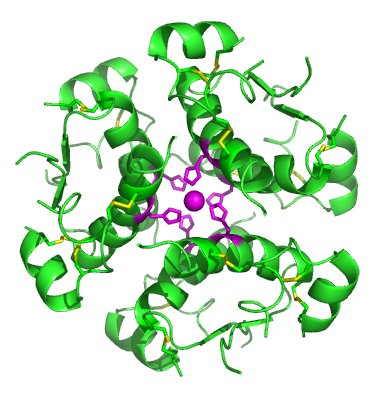
Hiperinsulinismo isolado congênito
📋 Origem dos dados
Esta página agrega dados de fontes públicas e oficiais. Dados sobre cobertura no SUS (PCDT, CEAF) são verificados ativamente por agente proativo (ver badge no infobox). Demais dados têm atribuição de fonte + data da última sincronização — clique para abrir o original.
- Doença rara (ontologia)
- fonte: Orphanet
- Identificador unificado
- fonte: MONDO
- NIH/GARD
- fonte: GARD (NIH)
- Indexação biomédica
- fonte: MeSH (NLM)
- Dado público estruturado
- fonte: Wikidata
- Moléculas estudadas na doença
- fonte: OpenTargets
- Ensaios clínicos
- fonte: ClinicalTrials.gov

