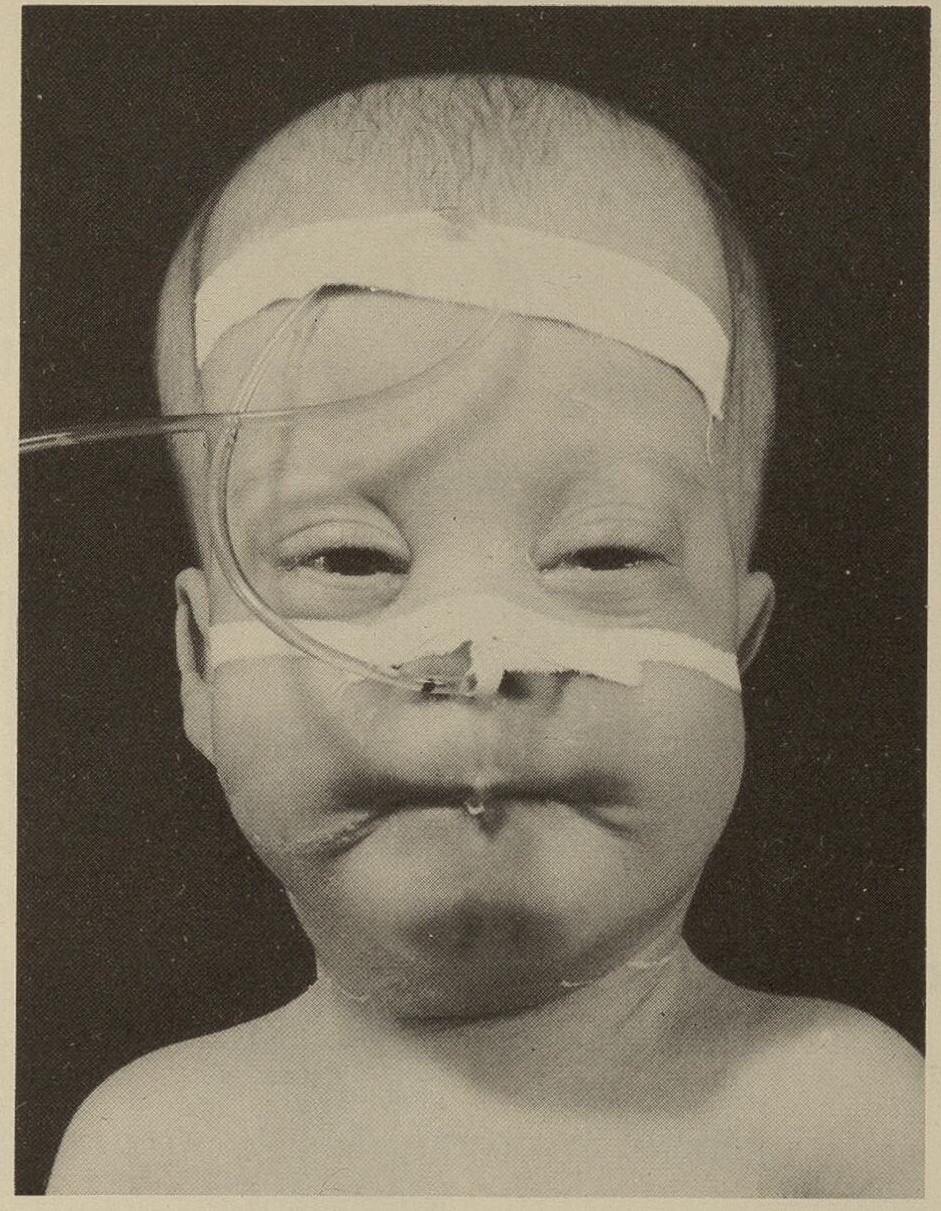
É a forma mais grave das doenças relacionadas à formação dos peroxissomos. Caracteriza-se por problemas na migração das células nervosas no cérebro, alterações na forma do rosto e da cabeça, fraqueza muscular intensa, convulsões em recém-nascidos e problemas no funcionamento do fígado.
Introdução
O que você precisa saber de cara
A Síndrome Zellweger é uma doença genética grave que afeta a formação dos peroxissomos, estruturas fundamentais das células. Desde os primeiros dias de vida, a família costuma notar fraqueza muscular intensa, crises convulsivas, alterações no rosto e problemas no fígado. A condição não tem cura e não possui protocolo de tratamento com medicamentos específicos fornecidos pelo SUS, focando os cuidados no alívio dos sintomas e reabilitação. O acompanhamento pela rede pública inclui exames especializados, como sequenciamento genético e suporte multidisciplinar.
É a forma mais grave das doenças relacionadas à formação dos peroxissomos. Caracteriza-se por problemas na migração das células nervosas no cérebro, alterações na forma do rosto e da cabeça, fraqueza muscular intensa, convulsões em recém-nascidos e problemas no funcionamento do fígado.
Escala de raridade
<1/50kMuito rara
1/20kRara
1/10kPouco freq.
1/5kIncomum
1/2k
Encontrou um erro ou informação desatualizada? Sugira uma correção →
Entender a doença
Do básico ao detalhe, leia no seu ritmo
Preparando trilha educativa...
Sinais e sintomas
O que aparece no corpo e com que frequência cada sintoma acontece
Partes do corpo afetadas
+ 141 sintomas em outras categorias
Características mais comuns
Os sintomas variam de pessoa para pessoa. Abaixo estão as 336 características clínicas mais associadas, ordenadas por frequência.
Linha do tempo da pesquisa
Encontrou um erro ou informação desatualizada? Sugira uma correção →
Genética e causas
O que está alterado no DNA e como passa nas famílias
Genes associados
14 genes identificados com associação a esta condição. Padrão de herança: Autosomal recessive.
Peroxisome biogenesis disorder complementation group 9
A peroxisomal disorder arising from a failure of protein import into the peroxisomal membrane or matrix. The peroxisome biogenesis disorders (PBD group) are genetically heterogeneous with at least 14 distinct genetic groups as concluded from complementation studies. Include disorders are: Zellweger syndrome (ZWS), neonatal adrenoleukodystrophy (NALD), infantile Refsum disease (IRD), and classical rhizomelic chondrodysplasia punctata (RCDP). ZWS, NALD and IRD are distinct from RCDP and constitute a clinical continuum of overlapping phenotypes known as the Zellweger spectrum (PBD-ZSS).
Peroxisome biogenesis disorder complementation group 11
A peroxisomal disorder arising from a failure of protein import into the peroxisomal membrane or matrix. The peroxisome biogenesis disorders (PBD group) are genetically heterogeneous with at least 14 distinct genetic groups as concluded from complementation studies. Include disorders are: Zellweger syndrome (ZWS), neonatal adrenoleukodystrophy (NALD), infantile Refsum disease (IRD), and classical rhizomelic chondrodysplasia punctata (RCDP). ZWS, NALD and IRD are distinct from RCDP and constitute a clinical continuum of overlapping phenotypes known as the Zellweger spectrum (PBD-ZSS).
Peroxisome biogenesis disorder complementation group 3
A peroxisomal disorder arising from a failure of protein import into the peroxisomal membrane or matrix. The peroxisome biogenesis disorders (PBD group) are genetically heterogeneous with at least 14 distinct genetic groups as concluded from complementation studies. Include disorders are: Zellweger syndrome (ZWS), neonatal adrenoleukodystrophy (NALD), infantile Refsum disease (IRD), and classical rhizomelic chondrodysplasia punctata (RCDP). ZWS, NALD and IRD are distinct from RCDP and constitute a clinical continuum of overlapping phenotypes known as the Zellweger spectrum (PBD-ZSS).
Peroxisome biogenesis disorder complementation group 5
A peroxisomal disorder arising from a failure of protein import into the peroxisomal membrane or matrix. The peroxisome biogenesis disorders (PBD group) are genetically heterogeneous with at least 14 distinct genetic groups as concluded from complementation studies. Include disorders are: Zellweger syndrome (ZWS), neonatal adrenoleukodystrophy (NALD), infantile Refsum disease (IRD), and classical rhizomelic chondrodysplasia punctata (RCDP). ZWS, NALD and IRD are distinct from RCDP and constitute a clinical continuum of overlapping phenotypes known as the Zellweger spectrum (PBD-ZSS).
Peroxisome biogenesis disorder complementation group 14
A peroxisomal disorder arising from a failure of protein import into the peroxisomal membrane or matrix. The peroxisome biogenesis disorders (PBD group) are genetically heterogeneous with at least 14 distinct genetic groups as concluded from complementation studies. Include disorders are: Zellweger syndrome (ZWS), neonatal adrenoleukodystrophy (NALD), infantile Refsum disease (IRD), and classical rhizomelic chondrodysplasia punctata (RCDP). ZWS, NALD and IRD are distinct from RCDP and constitute a clinical continuum of overlapping phenotypes known as the Zellweger spectrum (PBD-ZSS).
Peroxisome biogenesis disorder complementation group 12
A peroxisomal disorder arising from a failure of protein import into the peroxisomal membrane or matrix. The peroxisome biogenesis disorders (PBD group) are genetically heterogeneous with at least 14 distinct genetic groups as concluded from complementation studies. Include disorders are: Zellweger syndrome (ZWS), neonatal adrenoleukodystrophy (NALD), infantile Refsum disease (IRD), and classical rhizomelic chondrodysplasia punctata (RCDP). ZWS, NALD and IRD are distinct from RCDP and constitute a clinical continuum of overlapping phenotypes known as the Zellweger spectrum (PBD-ZSS).
Peroxisome biogenesis disorder complementation group 4
A peroxisomal disorder arising from a failure of protein import into the peroxisomal membrane or matrix. The peroxisome biogenesis disorders (PBD group) are genetically heterogeneous with at least 14 distinct genetic groups as concluded from complementation studies. Include disorders are: Zellweger syndrome (ZWS), neonatal adrenoleukodystrophy (NALD), infantile Refsum disease (IRD), and classical rhizomelic chondrodysplasia punctata (RCDP). ZWS, NALD and IRD are distinct from RCDP and constitute a clinical continuum of overlapping phenotypes known as the Zellweger spectrum (PBD-ZSS).
Peroxisome biogenesis disorder complementation group K
A peroxisomal disorder arising from a failure of protein import into the peroxisomal membrane or matrix. The peroxisome biogenesis disorders (PBD group) are genetically heterogeneous with at least 14 distinct genetic groups as concluded from complementation studies. Include disorders are: Zellweger syndrome (ZWS), neonatal adrenoleukodystrophy (NALD), infantile Refsum disease (IRD), and classical rhizomelic chondrodysplasia punctata (RCDP). ZWS, NALD and IRD are distinct from RCDP and constitute a clinical continuum of overlapping phenotypes known as the Zellweger spectrum (PBD-ZSS).
Peroxisome biogenesis disorder complementation group 7
A peroxisomal disorder arising from a failure of protein import into the peroxisomal membrane or matrix. The peroxisome biogenesis disorders (PBD group) are genetically heterogeneous with at least 14 distinct genetic groups as concluded from complementation studies. Include disorders are: Zellweger syndrome (ZWS), neonatal adrenoleukodystrophy (NALD), infantile Refsum disease (IRD), and classical rhizomelic chondrodysplasia punctata (RCDP). ZWS, NALD and IRD are distinct from RCDP and constitute a clinical continuum of overlapping phenotypes known as the Zellweger spectrum (PBD-ZSS).
Peroxisome biogenesis disorder complementation group 1
A peroxisomal disorder arising from a failure of protein import into the peroxisomal membrane or matrix. The peroxisome biogenesis disorders (PBD group) are genetically heterogeneous with at least 14 distinct genetic groups as concluded from complementation studies. Include disorders are: Zellweger syndrome (ZWS), neonatal adrenoleukodystrophy (NALD), infantile Refsum disease (IRD), and classical rhizomelic chondrodysplasia punctata (RCDP). ZWS, NALD and IRD are distinct from RCDP and constitute a clinical continuum of overlapping phenotypes known as the Zellweger spectrum (PBD-ZSS).
Peroxisome biogenesis disorder complementation group 13
A peroxisomal disorder arising from a failure of protein import into the peroxisomal membrane or matrix. The peroxisome biogenesis disorders (PBD group) are genetically heterogeneous with at least 14 distinct genetic groups as concluded from complementation studies. Include disorders are: Zellweger syndrome (ZWS), neonatal adrenoleukodystrophy (NALD), infantile Refsum disease (IRD), and classical rhizomelic chondrodysplasia punctata (RCDP). ZWS, NALD and IRD are distinct from RCDP and constitute a clinical continuum of overlapping phenotypes known as the Zellweger spectrum (PBD-ZSS).
Peroxisome biogenesis disorder 14B
An autosomal recessive peroxisome biogenesis disorder characterized clinically by mild intellectual disability, congenital cataracts, progressive hearing loss, and polyneuropathy. Additionally, recurrent migraine-like episodes following mental stress or physical exertion, not a common feature in peroxisome disorders, are observed.
Peroxisome biogenesis disorder complementation group 8
A peroxisomal disorder arising from a failure of protein import into the peroxisomal membrane or matrix. The peroxisome biogenesis disorders (PBD group) are genetically heterogeneous with at least 14 distinct genetic groups as concluded from complementation studies. Include disorders are: Zellweger syndrome (ZWS), neonatal adrenoleukodystrophy (NALD), infantile Refsum disease (IRD), and classical rhizomelic chondrodysplasia punctata (RCDP). ZWS, NALD and IRD are distinct from RCDP and constitute a clinical continuum of overlapping phenotypes known as the Zellweger spectrum (PBD-ZSS).
Peroxisome biogenesis disorder 2A
A fatal peroxisome biogenesis disorder belonging to the Zellweger disease spectrum and characterized clinically by severe neurologic dysfunction with profound psychomotor retardation, severe hypotonia and neonatal seizures, craniofacial abnormalities, liver dysfunction, and biochemically by the absence of peroxisomes. Additional features include cardiovascular and skeletal defects, renal cysts, ocular abnormalities, and hearing impairment. Most severely affected individuals with the classic form of the disease (classic Zellweger syndrome) die within the first year of life.
Variantes genéticas (ClinVar)
392 variantes patogênicas registradas no ClinVar.
Vias biológicas (Reactome)
6 vias biológicas associadas aos genes desta condição.
Diagnóstico
Os sinais que médicos procuram e os exames que confirmam
Tratamento e manejo
Remédios, cuidados de apoio e o que precisa acompanhar
Onde tratar no SUS
Hospitais de referência no Brasil e o protocolo oficial do SUS (PCDT)
🇧🇷 Atendimento SUS — Síndrome Zellweger
Selecione um estado ou use sua localização para ver resultados.
Dados de DATASUS/CNES, SBGM, ABNeuro e Ministério da Saúde. Sempre confirme a disponibilidade diretamente com o estabelecimento.
Pesquisa ativa
Ensaios clínicos abertos e novidades científicas recentes
Ensaios em destaque
Com ensaio aberto em 2 países. O ponto verde marca onde há vaga agora.
🟢 Recrutando agora
2 pesquisas recrutando participantes. Converse com seu médico sobre a possibilidade de participar.
Outros ensaios clínicos
8 ensaios clínicos encontrados, 3 ativos.
Publicações mais relevantes
Dysregulated lipid metabolism and hypomyelination in postnatal peroxisome-deficient Pex2 knockout Zellweger mice.
Peroxisomes are dynamic organelles that play a crucial role in cellular metabolism, particularly in fatty acid degradation, cholesterol homeostasis and reactive oxygen species metabolism. Their dysfunction is associated with severe neurological disorders, including Zellweger spectrum disorders (ZSD) and X-linked adrenoleukodystrophy (X-ALD). In this study, we investigated the relationship between cholesterol homeostasis and myelination in postnatal peroxisome-deficient Pex2 knockout mice. We dissected the central nervous system (CNS) of 10-day-old (P10) control and Pex2 -/- mice into five regions: spinal cord, brainstem, cerebellum, diencephalon and cerebral cortex. Catalase activity, a marker enzyme of peroxisomes, was significantly increased in CNS regions of Pex2 -/- mice, indicating an oxidative imbalance. Proteomic analysis revealed significant alterations in peroxisomal proteins and pathways related to neurodegenerative diseases, cholesterol and fatty acid metabolism and mRNA processing. Cholesterol biosynthesis was particularly dysregulated: enzyme activities, mRNA, and protein levels were reduced in white matter regions but increased in the cerebral cortex. The elevated desmosterol levels in the brain of Pex2 -/- mice indicate impaired cholesterol synthesis. Sphingolipid metabolism was also altered in the peroxisome-deficient CNS, as the protein levels of enzymes dihydroceramide desaturase 1, ceramide synthase 2, fatty acid 2-hydroxylase, and UDP-glycosyltransferase 8 were significantly decreased. Myelination was significantly reduced throughout the CNS, as evidenced by decreased activities of the myelin marker 2',3'-cyclic nucleotide 3'-phosphodiesterase (CNP) and decreased mRNA and protein levels of myelin-associated proteins. The consistent decrease in ribosomal protein S6 phosphorylation in the CNS of Pex2 -/- mice suggests that decreased mechanistic target of rapamycin complex 1 (mTORC1) activity contributes to hypomyelination. Gene expression analysis revealed an upregulation of pro-inflammatory cytokines and altered expression of some homeostatic and disease-associated microglial (DAM) genes. However, full DAM activation was not yet observed in Pex2 -/- mice at P10. In conclusion, this study shows that systemic peroxisome deficiency leads to severe hypomyelination and dysregulation of cholesterol and fatty acid metabolism in the CNS, providing new insights into the pathophysiology of peroxisomal disorders.
Identification of Potential Therapeutic Agents for Primary Amebic Meningoencephalitis Using Text Mining and Bioinformatics Analyses.
Naegleria fowleri, the brain-eating ameba, causes primary amebic meningoencephalitis (PAM), a fatal infectious disease that affects the central nervous system (CNS). We aimed to evaluate the functions and potential drugs targeting PAM using text mining and bioinformatics analyses. PAM-associated genes were identified using a disease database and mined from literature. To identify candidate drugs targeting PAM, 218 genes were analyzed using PanDrugs, drug Manually Annotated Targets and Drugs Online Resource (MATADOR), and the drug Comparative Toxicogenomics Database (CTD) by text mining. Kyoto Encyclopedia of Genes and Genomes (KEGG) and Gene Ontology (GO) functional analyses were performed to examine the mechanism of action of PAM. The GO functions of genes involved in PAM identified by text mining were leukocyte differentiation and the regulation of cytokine production. Disease-related PAM analyses indicated association with Zellweger syndrome, peroxisomal disease, periodontitis, and leishmaniasis. KEGG enrichment included pathways related to inflammatory bowel disease, malaria, interleukin (IL)-17 signaling pathway, Yersinia infection, Chagas disease, amebiasis, rheumatoid arthritis, pathogenic Escherichia coli infection, lipids, atherosclerosis, and peroxisomes. In addition, arsenic trioxide, bortezomib, dasatinib, bosutinib, bevacizumab, paclitaxel, midostaurin, tamoxifen, copanlisib, and pazopanib were identified as potential drugs targeting PAM using PanDrugs software. Our analyses revealed that text mining-related PAM genes were enriched in several pathways, such as peroxisomes and protein localization. We suggest that PAM is linked to other diseases, such as Zellweger's syndrome, leishmaniasis, and periodontitis, and provide potential drugs for effective treatment.
Identification of a new frameshift homozygous variant of PEX3 gene in a preterm infant with profound global developmental delay and bilateral ptosis: a case report and updated literature review.
Loss-of-function mutations in PEX3 have been associated with Zellweger syndrome (ZS), a severe form of peroxisome biogenesis disorder (PBD) characterized by significant global developmental delay, muscle weakness with bilateral ptosis, cholestasis, hypotonia, and seizures. ZS can be life-threatening if manifested in the neonatal period. This study presents a unique case of a male infant with severe ZS whose condition deteriorated despite intensive supportive treatment. Through whole-exome sequencing, an intronic variant NM_003630.2:c.288-10T > A, located 10 nucleotides before exon 4 of the PEX3 gene, was identified. Sanger sequencing revealed a homozygous variant in the infant and a heterozygous variant in both parents. Further analysis confirmed the abnormal transcript of the PEX3 gene caused by a frameshift variant resulting from the PEX3 gene c.288-10T > A mutation. This modification led to a splicing error that deleted exon 4, causing a direct splicing of exons 3 and 5. This alteration produced a truncated protein comprising 32 incorrect amino acids. We systematically summarized common phenotypes across 10 reported PEX3-related Zellweger spectrum disorder (ZSD) cases (including the current patient): profound global developmental delay (9/10), bilateral ptosis/ocular motility dysfunction (7/10), and hypotonia (7/10). These consistent phenotypes reflect genotype-phenotype correlation in PEX3-related ZSD, providing valuable clues for early clinical suspicion and diagnosis. We report the first Chinese case of severe ZSD caused by the PEX3 variant [c.288-10T > A: p.P97Ffs*33], broadening the spectrum of severe ZSDs associated with pathogenic PEX3 variants. Our summary of 10 PEX3-related ZSD cases identifies three core phenotypes—profound global developmental delay, bilateral ptosis, and hypotonia—that aid early clinical suspicion and targeted genetic testing. The online version contains supplementary material available at 10.1186/s12887-025-06472-0.
What Peroxisomes (Don't) do to Mitochondria.
Mitochondria and peroxisomes have long been recognized as interconnected. More than half a century ago it was observed that both types of cell organelles exhibit defects in peroxisome biogenesis disorders. Remarkably, until today, the molecular basis of this connection remains elusive. This Short Review aims to highlight some of the functional links between peroxisomes and mitochondria, and how genetic defects in peroxisomes may impact mitochondria.
New multiplex LC-MS/MS method for lipid biomarker analysis of inherited neurodegenerative metabolic diseases.
A significant number of inherited neurodegenerative metabolic diseases (NMDs) arise from altered lipid metabolism, including impaired degradation of sphingolipids and dysfunction in organelle-related machineries involved in lipid processing and trafficking. These lipid dysregulations profoundly impact cellular membranes, signaling pathways, and myelin integrity, contributing to the complex and multisystemic clinical phenotypes characteristic of NMD, which often complicate diagnosis and delay treatment initiation. Here, we present a high-throughput, multiplex LC-MS/MS method for the analysis of an extended panel of NMD biomarkers in plasma and dried blood spots. One-step sample extraction and targeted LC-MS/MS acquisitions in positive and negative ionization allowed the simultaneous measurement of 13 diagnostic biomarkers associated with GM1 and GM2 gangliosidosis, Fabry, Gaucher, and Krabbe diseases, acid sphingomyelinase deficiency, Niemann-Pick disease type C, X-linked adrenoleukodystrophy, peroxisomal biogenesis disorders (Zellweger syndrome), metachromatic leukodystrophy, and mental retardation, enteropathy, deafness, neuropathy, ichthyosis, keratoderma (MEDNIK)/MEDNIK-like syndromes, a disorder of cellular trafficking. The method was analytically and clinically validated, confirming the diagnosis of all targeted NMDs in samples from 89 patients. Additionally, the method allowed the differentiation of X-linked adrenoleukodystrophy from peroxisomal biogenesis disorder and revealed the elevation of C18- and C16-sulfatides in Krabbe disease and MEDNIK syndrome, respectively. This multiplex assay enhances diagnostic efficiency and expands the discovery of novel biomarkers, enabling the quantification of diagnostic markers for a wide range of NMDs. The method is suitable for diagnosis of NMD, as a first- or second-tier test in neonatal screening, as confirmatory testing of variant of unknown significance in genetic panels and for longitudinal monitoring in treatable diseases.
Publicações recentes
Dysregulated lipid metabolism and hypomyelination in postnatal peroxisome-deficient Pex2 knockout Zellweger mice.
🥈 ObservacionalIdentification of Potential Therapeutic Agents for Primary Amebic Meningoencephalitis Using Text Mining and Bioinformatics Analyses.
What Peroxisomes (Don't) do to Mitochondria.
Identification of a new frameshift homozygous variant of PEX3 gene in a preterm infant with profound global developmental delay and bilateral ptosis: a case report and updated literature review.
🥇 Revisão sistemáticaNew multiplex LC-MS/MS method for lipid biomarker analysis of inherited neurodegenerative metabolic diseases.
📚 EuropePMC333 artigos no totalmostrando 195
Dysregulated lipid metabolism and hypomyelination in postnatal peroxisome-deficient Pex2 knockout Zellweger mice.
Frontiers in molecular neuroscienceIdentification of Potential Therapeutic Agents for Primary Amebic Meningoencephalitis Using Text Mining and Bioinformatics Analyses.
Analytical cellular pathology (Amsterdam)What Peroxisomes (Don't) do to Mitochondria.
Contact (Thousand Oaks (Ventura County, Calif.))Identification of a new frameshift homozygous variant of PEX3 gene in a preterm infant with profound global developmental delay and bilateral ptosis: a case report and updated literature review.
BMC pediatricsNew multiplex LC-MS/MS method for lipid biomarker analysis of inherited neurodegenerative metabolic diseases.
Journal of lipid researchLate diagnosis of Heimler syndrome and review of the genetic and phenotypic spectrum.
Ophthalmic geneticsEarly diagnosis of Zellweger syndrome through a Nationwide Liver Disease Registry System (CIRCLe).
Pediatrics international : official journal of the Japan Pediatric SocietyDetection of a Novel Homozygous PEX5 Stop-Loss Variant Associated with Zellweger Syndrome in a Highly Endogamic Family.
The application of clinical geneticsUrine organic acid analysis as a tool in evaluation for Zellweger Spectrum disorder: A retrospective study.
Molecular genetics and metabolismMolecular mechanism of substrate transport by human peroxisomal ABCD3.
bioRxiv : the preprint server for biologyDrosophila models uncover substrate channeling effects on phospholipids and sphingolipids in peroxisomal biogenesis disorders.
PloS oneComparison of Caregiver-Reported Dietary Intake Methods in Zellweger Spectrum Disorder.
NutrientsSpectrum of genetic alterations in patients with peroxisome biogenesis defects in the Iranian population: a case series study.
BMC medical genomicsEffectiveness and Safety of High-Dose Oral Phenobarbital in Children With Recurrent and Treatment-Refractory Seizures.
Clinical pediatricsUsing multiple modalities to confirm diagnosis in patients with suspected peroxisome biogenesis disorders.
Molecular genetics and metabolismSpatial characterization of RPE structure and lipids in the PEX1-p.Gly844Asp mouse model for Zellweger spectrum disorder.
Journal of lipid researchCholesterol ensures ciliary polycystin-2 localization to prevent polycystic kidney disease.
Life science allianceZellweger spectrum disorder presenting with opsoclonus-myoclonus-ataxia syndrome: a case report on immunotherapy.
Acta neurologica BelgicaZellweger syndrome; identification of mutations in PEX19 and PEX26 gene in Saudi families.
Annals of medicinePeroxisomal dysfunction interferes with odontogenesis and leads to developmentally delayed teeth and defects in distinct dental cells in Pex11b-deficient mice.
PloS oneSubacute Neuropathy Post-Liver Transplantation in Zellweger Spectrum Disorder: A Case Report.
American journal of medical genetics. Part ANormal very long-chain fatty acids level in a patient with peroxisome biogenesis disorders: a case report.
BMC pediatricsBiallelic Deletion of PEX26 Exon 4 in a Boy with Phenotypic Features of both Zellweger Syndrome and Infantile Refsum Disease.
Molecular syndromologyNewborn Screening for X-Linked Adrenoleukodystrophy (X-ALD): Biochemical, Molecular, and Clinical Characteristics of Other Genetic Conditions.
GenesA novel splice variant in intron 10 of PEX6 is associated with Zellweger Syndrome in a Chinese neonate.
GenePigmentary retinal dystrophy associated with peroxisome biogenesis disorder-Zellweger syndrome spectrum.
Oxford medical case reportsMixed coagulopathy in patient with peroxisomal disorder, Zellweger syndrome.
Pediatric blood & cancerSystematic study of ophthalmological findings in 10 patients with PEX1-mediated Zellweger spectrum disorder.
Ophthalmic genetics[A case of Zellweger syndrome caused by PEX13 gene variation].
Zhonghua er ke za zhi = Chinese journal of pediatricsSafety and tolerance of the ketogenic diet in patients with Zellweger Syndrome.
Epilepsy & behavior reportsZellweger Syndrome: A Case Report.
JNMA; journal of the Nepal Medical AssociationPeroxisome deficiency underlies failures in hepatic immune cell development and antigen presentation in a severe Zellweger disease model.
Cell reportsPlasma C24:0- and C26:0-lysophosphatidylcholines are reliable biomarkers for the diagnosis of peroxisomal β-oxidation disorders.
Journal of lipid researchThe Pathophysiology of Inherited Renal Cystic Diseases.
Genes[Zellweger syndrome caused by PEX6 gene variation in 2 cases and literature review].
Zhonghua er ke za zhi = Chinese journal of pediatricsLiver Transplantation for Zellweger Syndrome.
Indian journal of pediatricsThe subset of peroxisomal tail-anchored proteins do not reach peroxisomes via ER, instead mitochondria can be involved.
PloS oneAbnormal activation of MAPKs pathways and inhibition of autophagy in a group of patients with Zellweger spectrum disorders and X-linked adrenoleukodystrophy.
Orphanet journal of rare diseasesSevere Zellweger spectrum disorder due to a novel missense variant in the PEX13 gene: A case report and the literature review.
Molecular genetics & genomic medicineWorld-Renowned "Swiss" Pediatricians, Their Syndromes, and Matching Imaging Findings: A Historical Perspective.
Children (Basel, Switzerland)Zellweger's Syndrome With PEX6 Gene Mutation in Mixteco Neonates Due to Possible Founder Effect.
CureusDried blood spot-based newborn screening for bile acid synthesis disorders, Zellweger spectrum disorder, and Niemann-Pick type C1 by detection of bile acid metabolites.
Molecular genetics and metabolismA new test method for biochemical analysis of plasmalogens in dried blood spots and erythrocytes from patients with peroxisomal disorders.
Journal of inherited metabolic diseaseZellweger Spectrum Disorder: Ophthalmic Findings from a New Natural History Study Cohort and Scoping Literature Review.
OphthalmologyAutosomal dominant Zellweger spectrum disorder caused by de novo variants in PEX14 gene.
Genetics in medicine : official journal of the American College of Medical GeneticsNovel PEX1 mutations in fibroblasts from children with Zellweger spectrum disorders exhibit temperature sensitive characteristics.
Epilepsy & behavior : E&BUncombable Hair in a Case of Zellweger Syndrome - A New Association.
Indian dermatology online journalA Case Study Through an Audiological Perspective on a Pediatric Patient Diagnosed with Zellweger Syndrome.
Indian journal of otolaryngology and head and neck surgery : official publication of the Association of Otolaryngologists of IndiaMultivariate analysis and model building for classifying patients in the peroxisomal disorders X-linked adrenoleukodystrophy and Zellweger syndrome in Chinese pediatric patients.
Orphanet journal of rare diseasesA homozygous Gly470Ala variant in PEX6 causes severe Zellweger spectrum disorder.
American journal of medical genetics. Part AThe origin of long-chain fatty acids required for de novo ether lipid/plasmalogen synthesis.
Journal of lipid researchNovel mutation causing Zellweger syndrome.
BMJ case reportsLoss of Pex1 in Inner Ear Hair Cells Contributes to Cochlear Synaptopathy and Hearing Loss.
CellsDevelopment of a system adapted for the diagnosis and evaluation of peroxisomal disorders by measuring bile acid intermediates.
Brain & developmentDiagnostic Odyssey in an Adult Patient with Ophthalmologic Abnormalities and Hearing Loss: Contribution of RNA-Seq to the Diagnosis of a PEX1 Deficiency.
International journal of molecular sciences[A case of mild Zellweger spectrum disorder first diagnosed as Usher syndrome].
[Zhonghua yan ke za zhi] Chinese journal of ophthalmologyControl of mitochondrial dynamics and apoptotic pathways by peroxisomes.
Frontiers in cell and developmental biologyHigh incidence of null variants identified from newborn screening of X-linked adrenoleukodystrophy in Taiwan.
Molecular genetics and metabolism reportsHypomorphic mutation of PEX3 with peroxisomal mosaicism reveals the oscillating nature of peroxisome biogenesis coupled with differential metabolic activities.
Molecular genetics and metabolismGenotype-phenotype correlations and disease mechanisms in PEX13-related Zellweger spectrum disorders.
Orphanet journal of rare diseasesInsights into the Structure and Function of the Pex1/Pex6 AAA-ATPase in Peroxisome Homeostasis.
CellsCharacterization of Severity in Zellweger Spectrum Disorder by Clinical Findings: A Scoping Review, Meta-Analysis and Medical Chart Review.
CellsCase Report: Zellweger Syndrome and Humoral Immunodeficiency: The Relevance of Newborn Screening for Primary Immunodeficiency.
Frontiers in pediatricsEarly Neuroimaging in Zellweger Spectrum Disorders.
Neurology IndiaClinical, neuroradiological, and molecular characterization of patients with atypical Zellweger spectrum disorder caused by PEX16 mutations: a case series.
NeurogeneticsAn Infant with Blended Phenotype of Zellweger Spectrum Disorder and Congenital Muscular Dystrophy.
Annals of Indian Academy of NeurologyQuantitative Proteomics and Differential Protein Abundance Analysis after the Depletion of PEX3 from Human Cells Identifies Additional Aspects of Protein Targeting to the ER.
International journal of molecular sciencesPrenatal diagnosis of zellweger syndrome by fetal MRI: a case report.
Radiology case reportsVery long chain acylcarnitines and lysophosphatidylcholines in screening of peroxisomal disease in children by tandem mass spectrometry.
Zhejiang da xue xue bao. Yi xue ban = Journal of Zhejiang University. Medical sciencesIMPAIRMENT OF PEROXISOME BIOGENESIS IN THE SPECTRUM OF ZELLWEGER SYNDROME (CLINICAL CASE).
Georgian medical newsDiagnostic challenges and disease management in patients with a mild Zellweger spectrum disorder phenotype.
Molecular genetics and metabolismA Retrospective Study of Hearing Loss in Patients Diagnosed with Peroxisome Biogenesis Disorders in the Zellweger Spectrum.
Ear and hearingCholbam® and Zellweger spectrum disorders: treatment implementation and management.
Orphanet journal of rare diseasesThe Nitric Oxide Donor, S-Nitrosoglutathione, Rescues Peroxisome Number and Activity Defects in PEX1G843D Mild Zellweger Syndrome Fibroblasts.
Frontiers in cell and developmental biologyPEX26 gene genotype-phenotype correlation in neonates with Zellweger syndrome.
Translational pediatricsMitochondria as emergency landing for abandoned peroxins.
EMBO reportsThe biochemical basis of mitochondrial dysfunction in Zellweger Spectrum Disorder.
EMBO reportsLC-MS Based Platform Simplifies Access to Metabolomics for Peroxisomal Disorders.
MetabolitesZebrafish model of human Zellweger syndrome reveals organ-specific accumulation of distinct fatty acid species and widespread gene expression changes.
Molecular genetics and metabolismCompound heterozygous p. Arg949Trp and p. Gly970Ala mutations deteriorated the function of PEX1p: A study on PEX1 in a patient with Zellweger syndrome.
Journal of cellular biochemistryA novel mutation in the PEX26 gene in a family from Dagestan with members affected by Zellweger spectrum disorder.
Molecular genetics and metabolism reportsA Chinese newborn with Zellweger syndrome and compound heterozygous mutations novel in the PEX1 gene: a case report and literature review.
Translational pediatricsPipecolic Acid Quantification Using Gas Chromatography-coupled Mass Spectrometry.
Bio-protocolDepletion of HNRNPA1 induces peroxisomal autophagy by regulating PEX1 expression.
Biochemical and biophysical research communicationsDiagnosis and Management of Renal Cystic Disease of the Newborn: Core Curriculum 2021.
American journal of kidney diseases : the official journal of the National Kidney FoundationZellweger Syndrome Disorders: From Severe Neonatal Disease to Atypical Adult Presentation.
Advances in experimental medicine and biologyPeroxisomal Dysfunction and Oxidative Stress in Neurodegenerative Disease: A Bidirectional Crosstalk.
Advances in experimental medicine and biologyExpanded Carrier Screening and the Complexity of Implementation.
Obstetrics and gynecologyHigh Dose Versus Low Dose Syngeneic Hepatocyte Transplantation in Pex1-G844D NMRI Mouse Model is Safe but Does Not Achieve Long Term Engraftment.
CellsFunctional Peroxisomes Are Essential for Efficient Cholesterol Sensing and Synthesis.
Frontiers in cell and developmental biologyOverwhelming sepsis in a neonate affected by Zellweger syndrome due to a compound heterozygosis in PEX 6 gene: a case report.
BMC medical geneticsA founder mutation in PEX12 among Egyptian patients in peroxisomal biogenesis disorder.
Neurological sciences : official journal of the Italian Neurological Society and of the Italian Society of Clinical NeurophysiologyGenome sequencing identifies a rare case of moderate Zellweger spectrum disorder caused by a PEX3 defect: Case report and literature review.
Molecular genetics and metabolism reportsFirst Case of Peroxisomal D-bifunctional Protein Deficiency with Novel HSD17B4 Mutations and Progressive Neuropathy in Korea.
Journal of Korean medical scienceSerum very long-chain fatty acids (VLCFA) levels as predictive biomarkers of diseases severity and probability of survival in peroxisomal disorders.
PloS onePeroxisome-Deficiency and HIF-2α Signaling Are Negative Regulators of Ketohexokinase Expression.
Frontiers in cell and developmental biologyLongitudinal study of Pex1-G844D NMRI mouse model: A robust pre-clinical model for mild Zellweger spectrum disorder.
Biochimica et biophysica acta. Molecular basis of diseaseMild form of Zellweger Spectrum Disorders (ZSD) due to variants in PEX1: Detailed clinical investigation in a 9-years-old female.
Molecular genetics and metabolism reportsRecent insights into peroxisome biogenesis and associated diseases.
Journal of cell scienceInsufficiency of ciliary cholesterol in hereditary Zellweger syndrome.
The EMBO journalBlenderized Tube Feeding: Health Outcomes and Review of Homemade and Commercially Prepared Products.
Nutrition in clinical practice : official publication of the American Society for Parenteral and Enteral NutritionExome sequencing identifies PEX6 mutations in three cases diagnosed with Retinitis Pigmentosa and hearing impairment.
Molecular visionAccurate and live peroxisome biogenesis evaluation achieved by lentiviral expression of a green fluorescent protein fused to a peroxisome targeting signal 1.
Histochemistry and cell biologyTwo different missense mutations of PEX genes in two similar patients with severe Zellweger syndrome: an argument on the genotype-phenotype correlation.
Journal of pediatric endocrinology & metabolism : JPEMOpen-label Phase 3 Continuation Study of Cholic Acid in Patients With Inborn Errors of Bile Acid Synthesis.
Journal of pediatric gastroenterology and nutritionNeonate with classic Zellweger syndrome.
International journal of pediatrics & adolescent medicineGenetic Deciphering of Early-Onset and Severe Retinal Dystrophy Associated with Sensorineural Hearing Loss.
Advances in experimental medicine and biologyA Genetic Screen for Genes That Impact Peroxisomes in Drosophila Identifies Candidate Genes for Human Disease.
G3 (Bethesda, Md.)Mild Zellweger syndrome due to functionally confirmed novel PEX1 variants.
Journal of applied geneticsStructural Mapping of Missense Mutations in the Pex1/Pex6 Complex.
International journal of molecular sciencesA longitudinal study of retinopathy in the PEX1-Gly844Asp mouse model for mild Zellweger Spectrum Disorder.
Experimental eye researchChinese patients with adrenoleukodystrophy and Zellweger spectrum disorder presenting with hereditary spastic paraplegia.
Parkinsonism & related disordersLiver disease predominates in a mouse model for mild human Zellweger spectrum disorder.
Biochimica et biophysica acta. Molecular basis of diseaseHepatic symptoms and histology in 13 patients with a Zellweger spectrum disorder.
Journal of inherited metabolic diseaseCorrespondence Reply to Kitaoka et al.
Pediatric neurologyChondrodisplasia Punctata of Hip Joints on Routine Radiography Provided a Diagnostic Clue of Zellweger Syndrome.
Pediatric neurologyChondrodysplasia Punctata: A Clue to the Zellweger Spectrum Disorders.
Pediatric neurologyInherited metabolic disorders presenting as hypoxic ischaemic encephalopathy: A case series of patients presenting at a tertiary care hospital in Pakistan.
JPMA. The Journal of the Pakistan Medical AssociationCarrier frequency estimation of Zellweger spectrum disorder using ExAC database and bioinformatics tools.
Genetics in medicine : official journal of the American College of Medical GeneticsThe cholic acid extension study in Zellweger spectrum disorders: Results and implications for therapy.
Journal of inherited metabolic diseaseMetabolic liver diseases presenting with neonatal cholestasis: at the crossroad between old and new paradigms.
European journal of pediatricsDifferential distribution of peroxisomal proteins points to specific roles of peroxisomes in the murine retina.
Molecular and cellular biochemistryThe many faces of peroxisomal disorders: Lessons from a large Arab cohort.
Clinical geneticsA newly identified mutation in the PEX26 gene is associated with a milder form of Zellweger spectrum disorder.
Cold Spring Harbor molecular case studiesIsoform-specific domain organization determines conformation and function of the peroxisomal biogenesis factor PEX26.
Biochimica et biophysica acta. Molecular cell researchZellweger spectrum disorder patient-derived fibroblasts with the PEX1-Gly843Asp allele recover peroxisome functions in response to flavonoids.
Journal of cellular biochemistryNeonatal punctate calcifications associated with maternal mixed connective tissue disorder (MCTD).
BMJ case reportsApplication of machine learning algorithms for the differential diagnosis of peroxisomal disorders.
Journal of biochemistry[The importance of semiology and biochemistry in the diagnostic management of a peroxisomal biogenesis disorder].
Revista de neurologiaA clinical case of Zellweger syndrome in a patient with a previous history of ocular medulloepithelioma.
Saudi journal of ophthalmology : official journal of the Saudi Ophthalmological SocietyEthical considerations about changing parental attitude towards end-of-life care in twins with lethal disease.
Sudanese journal of paediatricsExpanding the spectrum of PEX16 mutations and novel insights into disease mechanisms.
Molecular genetics and metabolism reportsAtypical PEX16 peroxisome biogenesis disorder with mild biochemical disruptions and long survival.
Brain & developmentInduction of peroxisomal changes in oligodendrocytes treated with 7-ketocholesterol: Attenuation by α-tocopherol.
BiochimieSuper-resolution imaging reveals the sub-diffraction phenotype of Zellweger Syndrome ghosts and wild-type peroxisomes.
Scientific reportsRenal oxalate stones in children with Zellweger spectrum disorders.
Saudi journal of anaesthesiaPEX5 regulates autophagy via the mTORC1-TFEB axis during starvation.
Experimental & molecular medicineBrain MRI in a newborn with Zellweger syndrome: ADC quantitation in white matter disease.
Child's nervous system : ChNS : official journal of the International Society for Pediatric NeurosurgeryHistologic and ultrastructural features in early and advanced phases of Zellweger spectrum disorder (infantile Refsum disease).
Ultrastructural pathologyLiving-donor liver transplantation for mild Zellweger spectrum disorder: Up to 17 years follow-up.
Pediatric transplantationLipidomic Analysis: From Archaea to Mammals.
LipidsPeroxisomal disorders: Improved laboratory diagnosis, new defects and the complicated route to treatment.
Molecular and cellular probesA metabolomic map of Zellweger spectrum disorders reveals novel disease biomarkers.
Genetics in medicine : official journal of the American College of Medical GeneticsScimitar-like ossification of patellae led to diagnosis of Zellweger syndrome in newborn: a case report.
Clinical imagingPexophagy: Molecular Mechanisms and Implications for Health and Diseases.
Molecules and cellsStippled Chondral Calcifications of the Patella in Zellweger Syndrome.
The Journal of pediatricsAllelic Expression Imbalance Promoting a Mutant PEX6 Allele Causes Zellweger Spectrum Disorder.
American journal of human geneticsImpaired neurogenesis and associated gliosis in mouse brain with PEX13 deficiency.
Molecular and cellular neurosciencesCoagulopathy in Zellweger spectrum disorders: a role for vitamin K.
Journal of inherited metabolic diseaseMild Zellweger syndrome due to a novel PEX6 mutation: correlation between clinical phenotype and in silico prediction of variant pathogenicity.
Journal of applied geneticsOral Cholic Acid Is Efficacious and Well Tolerated in Patients With Bile Acid Synthesis and Zellweger Spectrum Disorders.
Journal of pediatric gastroenterology and nutritionOral Cholic Acid in Zellweger Spectrum Disorders: A Word of Caution.
Journal of pediatric gastroenterology and nutritionDevelopment and validation of a severity scoring system for Zellweger spectrum disorders.
Clinical geneticsNovel PEX26 Mutation Causing Zellweger Syndrome Presenting as Feeding Intolerance and Hypotonia.
Pediatric neurologyIdentification of a novel mutation in PEX10 in a patient with attenuated Zellweger spectrum disorder: a case report.
Journal of medical case reportsEvaluation of C26:0-lysophosphatidylcholine and C26:0-carnitine as diagnostic markers for Zellweger spectrum disorders.
Journal of inherited metabolic diseaseBiochemical and genetic characterization of an unusual mild PEX3-related Zellweger spectrum disorder.
Molecular genetics and metabolismMitochondrial adventures at the organelle society.
Biochemical and biophysical research communicationsZellweger syndrome: Depiction of MRI findings in early infancy at 3.0 Tesla.
The neuroradiology journalNovel compound heterozygous mutations in the PEX1 gene in two Chinese newborns with Zellweger syndrome based on whole exome sequencing.
Clinica chimica acta; international journal of clinical chemistryClinical and Laboratory Diagnosis of Peroxisomal Disorders.
Methods in molecular biology (Clifton, N.J.)Generation of Peroxisome-Deficient Somatic Animal Cell Mutants.
Methods in molecular biology (Clifton, N.J.)Biochemical and clinical profiles of 52 Tunisian patients affected by Zellweger syndrome.
Pediatrics and neonatologyBile acid analysis in human disorders of bile acid biosynthesis.
Molecular aspects of medicineAtaxic form of autosomal recessive PEX10-related peroxisome biogenesis disorders with a novel compound heterozygous gene mutation and characteristic clinical phenotype.
Journal of the neurological sciencesAllosteric modulation of peroxisomal membrane protein recognition by farnesylation of the peroxisomal import receptor PEX19.
Nature communicationsNewly born peroxisomes are a hybrid of mitochondrial and ER-derived pre-peroxisomes.
NatureDetection of unusual very-long-chain fatty acid and ether lipid derivatives in the fibroblasts and plasma of patients with peroxisomal diseases using liquid chromatography-mass spectrometry.
Molecular genetics and metabolismPeroxisome biogenesis and human peroxisome-deficiency disorders.
Proceedings of the Japan Academy. Series B, Physical and biological sciencesDISCOVERY OF FUNCTIONAL AND DISEASE PATHWAYS BY COMMUNITY DETECTION IN PROTEIN-PROTEIN INTERACTION NETWORKS.
Pacific Symposium on Biocomputing. Pacific Symposium on BiocomputingDiagnosis of a mild peroxisomal phenotype with next-generation sequencing.
Molecular genetics and metabolism reportsPeroxisomal protein PEX13 functions in selective autophagy.
EMBO reportsMitochondrial changes and oxidative stress in a mouse model of Zellweger syndrome neuropathogenesis.
NeuroscienceThe use of targeted genomic capture and massively parallel sequencing in diagnosis of Chinese Leukoencephalopathies.
Scientific reportsDiagnostic and prognostic value of in vivo proton MR spectroscopy for Zellweger syndrome spectrum patients.
Journal of inherited metabolic diseaseCholic acid therapy in Zellweger spectrum disorders.
Journal of inherited metabolic diseasePrenatal observation of nystagmus, cataracts, and brain abnormalities in a case of Zellweger spectrum disorder syndrome.
Prenatal diagnosisA novel method for determining peroxisomal fatty acid β-oxidation.
Journal of inherited metabolic diseaseSpectrum of PEX1 and PEX6 variants in Heimler syndrome.
European journal of human genetics : EJHGLipidomic analysis of fibroblasts from Zellweger spectrum disorder patients identifies disease-specific phospholipid ratios.
Journal of lipid researchZellweger syndrome with severe malnutrition, immunocompromised state and opportunistic infections.
BMJ case reportsClinical and Biochemical Pitfalls in the Diagnosis of Peroxisomal Disorders.
NeuropediatricsSterol Carrier Protein-2, a Nonspecific Lipid-Transfer Protein, in Intracellular Cholesterol Trafficking in Testicular Leydig Cells.
PloS oneEye movement abnormalities in a patient with Zellweger spectrum disorder.
Neurological sciences : official journal of the Italian Neurological Society and of the Italian Society of Clinical NeurophysiologyPeroxisome biogenesis disorders in the Zellweger spectrum: An overview of current diagnosis, clinical manifestations, and treatment guidelines.
Molecular genetics and metabolismAbsence of biochemical evidence at an early age delays diagnosis in a patient with a clinically severe peroxisomal biogenesis disorder.
European journal of paediatric neurology : EJPN : official journal of the European Paediatric Neurology SocietySynthetic High-Density Lipoprotein-Like Nanocarrier Improved Cellular Transport of Lysosomal Cholesterol in Human Sterol Carrier Protein-Deficient Fibroblasts.
Journal of medicinal foodLow bone mineral density is a common feature of Zellweger spectrum disorders.
Molecular genetics and metabolismFirst Japanese case of Zellweger syndrome with a mutation in PEX14.
Pediatrics international : official journal of the Japan Pediatric SocietyZellweger spectrum disorders: clinical overview and management approach.
Orphanet journal of rare diseasesEarly Onset Hepatocellular Disease in an Infant with Zellweger Syndrome.
Acta medica IranicaHeimler Syndrome Is Caused by Hypomorphic Mutations in the Peroxisome-Biogenesis Genes PEX1 and PEX6.
American journal of human geneticsInduced pluripotent stem cell models of Zellweger spectrum disorder show impaired peroxisome assembly and cell type-specific lipid abnormalities.
Stem cell research & therapyZellweger spectrum disorders: clinical manifestations in patients surviving into adulthood.
Journal of inherited metabolic diseaseViolent death in a rare peroxisomal disease--Zellweger syndrome.
Forensic science internationalAssociações
Organizações que acompanham esta doença — pra ter apoio e orientação
Ainda não temos associações cadastradas para Síndrome Zellweger.
É de uma associação que acompanha esta doença? Fale com a gente →
Doença com base genética
Um médico geneticista pode ajudar no diagnóstico de Síndrome Zellweger e no aconselhamento genético da família.
Doenças relacionadas
Doenças com sintomas parecidos — ajudam quem ainda está buscando diagnóstico
Perguntas frequentes
O que as famílias mais perguntam sobre esta doença — cada resposta com a fonte de onde saiu
A Síndrome Zellweger é a manifestação mais grave do grupo de doenças da biogênese dos peroxissomos. Ela se manifesta logo no período neonatal com comprometimento neurológico, facial, muscular e disfunção hepática.
Referências
Fontes citadas no texto, publicações do grafo e bases de dados usadas neste verbete
5 publicações do grafo RarasNet (PubMed) · 7 bases de dados. Títulos, periódicos e PMIDs vêm direto da fonte, sem intermediação de IA.
Dados compilados pelo RarasNet a partir de fontes abertas (Orphanet, OMIM, MONDO, PubMed/EuropePMC, ClinicalTrials.gov, DATASUS, PCDT/MS). Este conteúdo é informativo e não substitui avaliação médica.
Citar este verbete
Raras. (s.d.). Síndrome Zellweger. Em Raras — Enciclopédia de Doenças Raras do Brasil. https://raras.org/doenca/sindrome-zellweger
Formato APA. Conteúdo sob CC BY 4.0 — reuso livre com atribuição.
Conteúdo mantido por Agente Raras · Médicos e pesquisadores podem colaborar
Síndrome Zellweger
📋 Origem dos dados
Esta página agrega dados de fontes públicas e oficiais. Dados sobre cobertura no SUS (PCDT, CEAF) são verificados ativamente por agente proativo (ver badge no infobox). Demais dados têm atribuição de fonte + data da última sincronização — clique para abrir o original.
- Doença rara (ontologia)
- fonte: Orphanet
- Identificador unificado
- fonte: MONDO
- Codificação WHO/SUS
- fonte: WHO ICD-10 / DATASUS
- CID-11 (futuro)
- fonte: WHO ICD-11
- NIH/GARD
- fonte: GARD (NIH)
- Indexação biomédica
- fonte: MeSH (NLM)
- Dado público estruturado
- fonte: Wikidata
- Reposicionamento
- fonte: Drug Repurposing Hub
- Ensaios clínicos
- fonte: ClinicalTrials.gov

