
Uma síndrome de deficiência de creatina, caracterizada por atraso global no desenvolvimento e/ou deficiência intelectual (dificuldade de aprendizado e raciocínio), atraso significativo na fala, comportamentos autistas ou hiperativos, convulsões e diversos tipos de problemas que afetam o controle dos movimentos do corpo.
Introdução
O que você precisa saber de cara
Uma síndrome de deficiência de creatina, caracterizada por atraso global no desenvolvimento e/ou deficiência intelectual (dificuldade de aprendizado e raciocínio), atraso significativo na fala, comportamentos autistas ou hiperativos, convulsões e diversos tipos de problemas que afetam o controle dos movimentos do corpo.
Escala de raridade
<1/50kMuito rara
1/20kRara
1/10kPouco freq.
1/5kIncomum
1/2k
Encontrou um erro ou informação desatualizada? Sugira uma correção →
Entender a doença
Do básico ao detalhe, leia no seu ritmo
Preparando trilha educativa...
Sinais e sintomas
O que aparece no corpo e com que frequência cada sintoma acontece
Partes do corpo afetadas
+ 19 sintomas em outras categorias
Características mais comuns
Os sintomas variam de pessoa para pessoa. Abaixo estão as 45 características clínicas mais associadas, ordenadas por frequência.
Linha do tempo da pesquisa
Encontrou um erro ou informação desatualizada? Sugira uma correção →
Genética e causas
O que está alterado no DNA e como passa nas famílias
Genes associados
1 gene identificado com associação a esta condição. Padrão de herança: Autosomal recessive.
Curadoria gene-doença
fontes oficiaisConverts guanidinoacetate to creatine, using S-adenosylmethionine as the methyl donor (PubMed:24415674, PubMed:26003046, PubMed:26319512). Important in nervous system development (PubMed:24415674)
Cerebral creatine deficiency syndrome 2
An autosomal recessive disorder characterized by developmental delay and regression, intellectual disability, severe disturbance of expressive and cognitive speech, intractable seizures, movement disturbances, severe depletion of creatine and phosphocreatine in the brain, and accumulation of guanidinoacetic acid in brain and body fluids.
Variantes genéticas (ClinVar)
233 variantes patogênicas registradas no ClinVar.
Vias biológicas (Reactome)
2 vias biológicas associadas aos genes desta condição.
Diagnóstico
Os sinais que médicos procuram e os exames que confirmam
Tratamento e manejo
Remédios, cuidados de apoio e o que precisa acompanhar
Onde tratar no SUS
Hospitais de referência no Brasil e o protocolo oficial do SUS (PCDT)
🇧🇷 Atendimento SUS — Deficiência de guanidinoacetato metiltransferase
Selecione um estado ou use sua localização para ver resultados.
Dados de DATASUS/CNES, SBGM, ABNeuro e Ministério da Saúde. Sempre confirme a disponibilidade diretamente com o estabelecimento.
Pesquisa ativa
Ensaios clínicos abertos e novidades científicas recentes
Ensaios em destaque
🟢 Recrutando agora
1 pesquisa recrutando participantes. Converse com seu médico sobre a possibilidade de participar.
Outros ensaios clínicos
Publicações mais relevantes
A CNS-Directed, AAV9 Gene Therapy Restores Expression and Biochemical Function of Guanidinoacetate Methyltransferase in Models of GAMT Deficiency.
Guanidinoacetate methyltransferase (GAMT) is an essential enzyme in the biosynthesis of creatine, an important molecule in energy recycling. GAMT loss of function leads to GAMT deficiency (GAMT-D), an autosomal recessive disorder resulting in low creatine levels and the accumulation of a toxic intermediate, guanidinoacetate (GAA). GAMT-D patients present with intellectual disability and epilepsy, emphasizing the detrimental consequences of disturbed creatine metabolisms in the central nervous system (CNS). Current treatments are not curative and may not restore creatine metabolism in the brain. Here, we present a proof-of concept study testing the first CNS-directed, Adeno-associated virus serotype 9 (AAV9)-based gene therapy for the treatment of GAMT-D. the delivery of GAMT construct to cellular models of GAMT-D effectively restored protein and mRNA expression of GAMT while increasing intracellular creatine content and decreasing GAA accumulation. In murine models of GAMT-D, treatment with scAAV9.hGAMT, delivered intrathecally, resulted in increased creatine content as well as significant decreases in GAA accumulation in the CNS and peripheral organs. Overall, we found that scAAV9.hGAMT represents a promising gene therapy for treating GAMT-D, warranting further investigation in animal models to determine an appropriate therapeutic window for both efficacy and safety that allows for translation into human patients in the future.
Guanidinoacetate methyltransferase deficiency presenting as epileptic encephalopathy: A clinical vignette.
GAMT Deficiency: Clinical Presentation, Treatment, Diagnosis, Animal Models, Preclinical and Clinical Developments.
Guanidinoacetate Methyl Transferase (GAMT) deficiency is a rare disease characterized by neurodevelopmental derangements, epilepsy, and movement disorders. The condition arises from the combined effect of postnatal brain creatine (Cr) depletion and guanidinoacetate (GAA) toxicity. Consequently, current treatment relies on Cr supplementation and metabolic management to reduce GAA accumulation by limiting its synthesis through ornithine supplementation and precursor reduction. Although effective in preventing the severe GAMT phenotype, the therapy is limited in normalizing these metabolites' concentrations. Recently, interest has been growing in approaches aimed at restoring the mutant enzyme as the primary step toward a cure. Some of these approaches have been investigated at the preclinical level and are here summarized. Interestingly, a mouse model that replicates most of the patients' features is now available in various labs, and the strong commitment of the Association for Creatine Deficiency has fostered the coordination and support of many of these models' initiatives. This review introduces readers to the complexity of this ultrarare condition, describes current therapeutic approaches, provides information about the most accurate methods for an early diagnosis, and outlines the main features of the available animal models. Finally, some current preclinical investigations are described, along with some preliminary expectations of emerging data.
Establishing a core outcome set for creatine transporter deficiency and guanidinoacetate methyltransferase deficiency.
Creatine transporter (CTD) and guanidinoacetate methyltransferase (GAMT) deficiencies are rare inborn errors of creatine metabolism, resulting in cerebral creatine deficiency. Patients with either condition commonly exhibit intellectual and developmental disabilities, often accompanied by behavior problems, delayed speech, seizures, and motor impairments. There is currently no efficacious treatment for CTD, while current management for GAMT requires lifelong treatment with a protein restricted diet and intake of high amounts of oral supplements. Efforts to conduct clinical trials on potential treatments for these disorders are made more difficult by the lack of clinical and patient-derived meaningful outcomes. A core outcome set (COS) can facilitate consistent use of outcomes in studies. The current effort included patient and caregiver perspectives into the outcome selection of a COS for CTD and GAMT. We partnered with caregivers and health professionals to establish the first COS for CTD and GAMT. The COS developed includes seven outcomes ("Adaptive Functioning", "Cognitive Functioning", "Emotional Dysregulation", "MRS Brain Creatine", "Seizure/Convulsions", "Expressive Communication", and "Fine Motor Functions") for both CTD and GAMT, and an additional outcome for GAMT ("Serum/Plasma Guanidinoacetate") that are important to stakeholders and consequently should be considered for measurement in every clinical trial. Caregivers were valued partners throughout the COS development process, which increased community engagement and facilitated caregiver empowerment. Development of this COS illustrates a patient-centered approach for clinical trial readiness for CTD and GAMT that if utilized will make clinical trial results comparable, minimize bias in clinical trial outcome selection, and promote efficient use of resources.
Outcomes in Early-Treated Guanidinoacetate Methyltransferase Deficiency: A Sibling Cohort Study.
Guanidinoacetate methyltransferase deficiency (GAMT-D), a rare inborn error of creatine metabolism, is a disabling neurodevelopmental disorder due to the combined effect of cerebral creatine depletion and guanidinoacetate accumulation. Existing therapies efficiently improve both of the biochemical abnormalities. The goal of this study was to provide evidence for the crucial role of age at treatment initiation in clinical outcomes in affected individuals. In a mixed-method interview-based and questionnaire-based cohort study, 4 sibling pairs with GAMT-D (case group) and 8 healthy, age-matched sibling pairs (control group) were enrolled. In the case group, each younger sibling was diagnosed and treated earlier than their older sibling. Interviews with parents in the case group were performed to ascertain major perceived differences between the siblings and to construct a questionnaire that was completed by the parents for each child in both groups. In the case group, all younger, earlier treated siblings had distinctly better outcomes in all ascertained domains compared with their older siblings, including development, cognition, school level, motor skills, coordination, adaptive functioning, behavior, needs or supportive measures, and seizures. Remarkably, in the case group, the outcomes in 2 children treated as neonates were not different from the healthy controls; the outcomes in 2 other children treated since infancy were better compared with those treated after the age of 2 years. The favorable outcome observed in patients with GAMT-D when treatment is initiated in the presymptomatic period or early infancy should serve as a compelling argument for those programs that have not already implemented newborn screening of GAMT-D.
Publicações recentes
Guanidinoacetate methyltransferase deficiency presenting as epileptic encephalopathy: A clinical vignette.
Establishing a core outcome set for creatine transporter deficiency and guanidinoacetate methyltransferase deficiency.
Outcomes in Early-Treated Guanidinoacetate Methyltransferase Deficiency: A Sibling Cohort Study.
🥇 Revisão sistemáticaHow a patient-led advocacy organization supports the road to diagnosis and treatment of creatine transporter deficiency.
Establishing a Core Outcome Set for Creatine Transporter Deficiency and Guanidinoacetate Methyltransferase Deficiency.
📚 EuropePMC45 artigos no totalmostrando 57
A CNS-Directed, AAV9 Gene Therapy Restores Expression and Biochemical Function of Guanidinoacetate Methyltransferase in Models of GAMT Deficiency.
International journal of molecular sciencesGuanidinoacetate methyltransferase deficiency presenting as epileptic encephalopathy: A clinical vignette.
Epileptic disorders : international epilepsy journal with videotapeGAMT Deficiency: Clinical Presentation, Treatment, Diagnosis, Animal Models, Preclinical and Clinical Developments.
International journal of molecular sciencesEstablishing a core outcome set for creatine transporter deficiency and guanidinoacetate methyltransferase deficiency.
Orphanet journal of rare diseasesDynamic electro-clinical features in Guanidinoacetate N-methyltransferase deficiency: A familial case series.
Epilepsia openThe importance of residual newborn screening dried blood spots, 2025 revision: A position statement of the American College of Medical Genetics and Genomics (ACMG).
Genetics in medicine : official journal of the American College of Medical GeneticsOutcomes in Early-Treated Guanidinoacetate Methyltransferase Deficiency: A Sibling Cohort Study.
Neurology. GeneticsChild Neurology: Creatine Biosynthesis Disorder in an Adolescent With Capgras Syndrome and Reduplicative Paramnesia.
Neurology[Two cases of creatine deficiency syndrome caused by GAMT gene mutations and literature review].
Zhongguo dang dai er ke za zhi = Chinese journal of contemporary pediatricsHow a patient-led advocacy organization supports the road to diagnosis and treatment of creatine transporter deficiency.
Frontiers in neuroscienceTargeting AGAT gene expression - a drug screening approach for the treatment of GAMT deficiency.
Expert opinion on drug discoveryClinGen variant curation expert panel recommendations for classification of variants in GAMT, GATM and SLC6A8 for cerebral creatine deficiency syndromes.
Molecular genetics and metabolismElectro-clinical features and long-term outcomes in guanidinoacetate methyltransferase (GAMT) deficiency.
European journal of paediatric neurology : EJPN : official journal of the European Paediatric Neurology SocietyEvidence of an intracellular creatine-sensing mechanism that modulates creatine biosynthesis via AGAT expression in human HAP1 cells.
Scientific reportsGAMT Deficiency Among Pediatric Population: Clinical and Molecular Characteristics and Management.
Child neurology openCreatine mapping of the brain at 3T by CEST MRI.
Magnetic resonance in medicineEvidence and Recommendation for Guanidinoacetate Methyltransferase Deficiency Newborn Screening.
PediatricsPreclinical and clinical developments in enzyme-loaded red blood cells: an update.
Expert opinion on drug deliveryGuanidinoacetate Methyltransferase Deficiency: A Treatable Cause of Developmental Delay Diagnosed by Magnetic Resonance Spectroscopy.
Annals of Indian Academy of NeurologyCreatine Deficiency Disorders: Phenotypes, Genotypes, Diagnosis, and Treatment Outcomes.
Turkish archives of pediatricsGuanidinoacetate (GAA) is a potent GABAA receptor GABA mimetic: Implications for neurological disease pathology.
Journal of neurochemistryDevelopment of a Universal Second-Tier Newborn Screening LC-MS/MS Method for Amino Acids, Lysophosphatidylcholines, and Organic Acids.
Analytical chemistryExpanding the neuroimaging findings of guanidinoacetate methyltransferase deficiency in an Iranian girl with a homozygous frameshift variant in the GAMT.
NeurogeneticsPhenotypic and Molecular Spectrum of Guanidinoacetate N-Methyltransferase Deficiency: An Analytical Study of a Case Series and a Scoping Review of 53 Cases of Guanidinoacetate N-Methyltransferase.
Journal of microscopy and ultrastructureGene therapy for guanidinoacetate methyltransferase deficiency restores cerebral and myocardial creatine while resolving behavioral abnormalities.
Molecular therapy. Methods & clinical developmentMethod modification to reduce false positives for newborn screening of guanidinoacetate methyltransferase deficiency.
Molecular genetics and metabolismCerebral creatine deficiency disorders - A clinical, genetic and follow up study from India.
Brain & developmentCreatine metabolism in patients with urea cycle disorders.
Molecular genetics and metabolism reportsIntellectual Disability and Brain Creatine Deficit: Phenotyping of the Genetic Mouse Model for GAMT Deficiency.
GenesProspective identification by neonatal screening of patients with guanidinoacetate methyltransferase deficiency.
Molecular genetics and metabolismAdult GAMT deficiency: A literature review and report of two siblings.
Molecular genetics and metabolism reportsCardiac expression and location of hexokinase changes in a mouse model of pure creatine deficiency.
American journal of physiology. Heart and circulatory physiologyCase Series of Creatine Deficiency Syndrome due to Guanidinoacetate Methyltransferase Deficiency.
Annals of Indian Academy of NeurologyCoexistence of guanidinoacetate methyltransferase (GAMT) deficiency and neuroleptic malignant syndrome without creatine kinase elevation.
Brain & developmentPresence of guanidinoacetate may compensate creatine absence and account for less statin-induced muscle damage in GAMT-deficient compared to AGAT-deficient mice.
Amino acidsMagnetic resonance imaging reveals specific anatomical changes in the brain of Agat- and Gamt-mice attributed to creatine depletion and guanidinoacetate alteration.
Journal of inherited metabolic diseaseTargeted cerebrospinal fluid analysis for inborn errors of metabolism on an LC-MS/MS analysis platform.
Journal of inherited metabolic diseaseA novel mutation in two cousins with guanidinoacetate methyltransferase (GAMT) deficiency presented with autism.
The Turkish journal of pediatricsCross-talk between guanidinoacetate neurotoxicity, memory and possible neuroprotective role of creatine.
Biochimica et biophysica acta. Molecular basis of diseasePrimary creatine deficiency syndrome as a potential missed diagnosis in children with psychomotor delay and seizure: case presentation with two novel variants and literature review.
Acta neurologica BelgicaLC-MS/MS measurements of urinary guanidinoacetic acid and creatine: Method optimization by deleting derivatization step.
Clinica chimica acta; international journal of clinical chemistryTreatment outcome of twenty-two patients with guanidinoacetate methyltransferase deficiency: An international retrospective cohort study.
European journal of paediatric neurology : EJPN : official journal of the European Paediatric Neurology SocietyDi-acetyl creatine ethyl ester, a new creatine derivative for the possible treatment of creatine transporter deficiency.
Neuroscience lettersFirst reported Chinese case of guanidinoacetate methyltransferase deficiency in a 4-year-old child.
Clinica chimica acta; international journal of clinical chemistryGuanidinoacetate methyltransferase (GAMT) deficiency: a rare but treatable epilepsy.
Practical neurologyLaboratory diagnosis of creatine deficiency syndromes: a technical standard and guideline of the American College of Medical Genetics and Genomics.
Genetics in medicine : official journal of the American College of Medical GeneticsCreatine Deficiency Syndrome could be Missed Easily: A Case Report of Guanidinoacetate Methyltransferase Deficiency Presented with Neurodevelopmental Delay, Seizures, and Behavioral Changes, but Normal Structural MRI.
Annals of clinical and laboratory scienceA three-tier algorithm for guanidinoacetate methyltransferase (GAMT) deficiency newborn screening.
Molecular genetics and metabolismSystemic availability of guanidinoacetate affects GABAA receptor function and seizure threshold in GAMT deficient mice.
Amino acidsCreatine synthesis and exchanges between brain cells: What can be learned from human creatine deficiencies and various experimental models?
Amino acidsReview: Human guanidinoacetate n-methyl transferase (GAMT) deficiency: A treatable inborn error of metabolism.
Pakistan journal of pharmaceutical sciencesCreatine biosynthesis and transport in health and disease.
BiochimieA pilot study to estimate incidence of guanidinoacetate methyltransferase deficiency in newborns by direct sequencing of the GAMT gene.
GeneBiosynthesis of homoarginine (hArg) and asymmetric dimethylarginine (ADMA) from acutely and chronically administered free L-arginine in humans.
Amino acidsCarrier frequency of guanidinoacetate methyltransferase deficiency in the general population by functional characterization of missense variants in the GAMT gene.
Molecular genetics and genomics : MGGExpanded newborn screening by mass spectrometry: New tests, future perspectives.
Mass spectrometry reviewsMild guanidinoacetate increase under partial guanidinoacetate methyltransferase deficiency strongly affects brain cell development.
Neurobiology of diseaseAssociações
Organizações que acompanham esta doença — pra ter apoio e orientação
Ainda não temos associações cadastradas para Deficiência de guanidinoacetato metiltransferase.
É de uma associação que acompanha esta doença? Fale com a gente →
Comunidades
Grupos ativos de quem convive com esta doença aqui no Raras
Ainda não existe comunidade no Raras para Deficiência de guanidinoacetato metiltransferase
Pacientes, familiares e cuidadores se organizam em comunidades pra compartilhar experiências, fazer perguntas e se apoiar. Você pode ser o primeiro.
Tire suas dúvidas
Perguntas, dicas e experiências compartilhadas aqui na página
Participe da discussão
Faça login para postar dúvidas, compartilhar experiências e interagir com especialistas.
Fazer loginDoenças relacionadas
Doenças com sintomas parecidos — ajudam quem ainda está buscando diagnóstico
Referências e fontes
Bases de dados externas citadas neste artigo
Publicações científicas
Artigos indexados no PubMed ligados a esta doença no grafo RarasNet — título, periódico e PMID direto da fonte, sem intermediação de IA.
- A CNS-Directed, AAV9 Gene Therapy Restores Expression and Biochemical Function of Guanidinoacetate Methyltransferase in Models of GAMT Deficiency.
- Guanidinoacetate methyltransferase deficiency presenting as epileptic encephalopathy: A clinical vignette.
- GAMT Deficiency: Clinical Presentation, Treatment, Diagnosis, Animal Models, Preclinical and Clinical Developments.
- Establishing a core outcome set for creatine transporter deficiency and guanidinoacetate methyltransferase deficiency.
- Outcomes in Early-Treated Guanidinoacetate Methyltransferase Deficiency: A Sibling Cohort Study.
- How a patient-led advocacy organization supports the road to diagnosis and treatment of creatine transporter deficiency.
- Establishing a Core Outcome Set for Creatine Transporter Deficiency and Guanidinoacetate Methyltransferase Deficiency.
Bases de dados e fontes oficiais
Identificadores e referências canônicas usadas para montar este verbete.
- ORPHA:382(Orphanet)
- OMIM OMIM:612736(OMIM)
- MONDO:0012999(MONDO)
- GARD:2578(GARD (NIH))
- Variantes catalogadas(ClinVar)
- Busca completa no PubMed(PubMed)
- Q5613758(Wikidata)
Dados compilados pelo RarasNet a partir de fontes abertas (Orphanet, OMIM, MONDO, PubMed/EuropePMC, ClinicalTrials.gov, DATASUS, PCDT/MS). Este conteúdo é informativo e não substitui avaliação médica.
Conteúdo mantido por Agente Raras · Médicos e pesquisadores podem colaborar
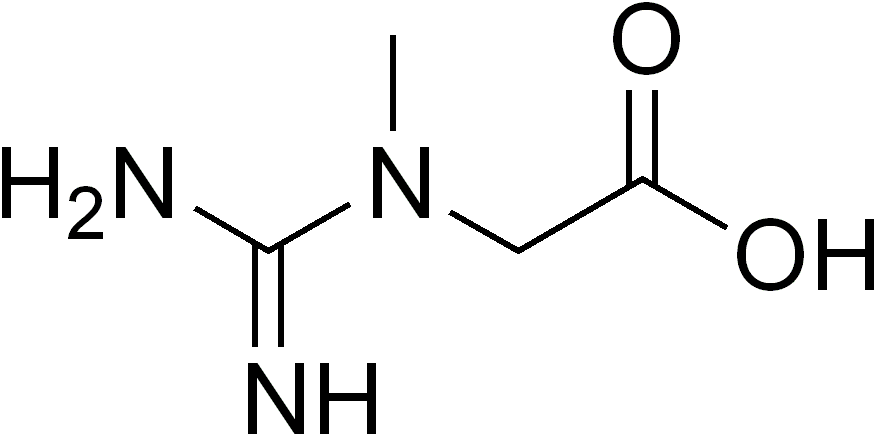
Deficiência de guanidinoacetato metiltransferase
📋 Origem dos dados
Esta página agrega dados de fontes públicas e oficiais. Dados sobre cobertura no SUS (PCDT, CEAF) são verificados ativamente por agente proativo (ver badge no infobox). Demais dados têm atribuição de fonte + data da última sincronização — clique para abrir o original.
- Doença rara (ontologia)
- fonte: Orphanet
- Identificador unificado
- fonte: MONDO
- Genética mendeliana
- fonte: OMIM
- Codificação WHO/SUS
- fonte: WHO ICD-10 / DATASUS
- CID-11 (futuro)
- fonte: WHO ICD-11
- NIH/GARD
- fonte: GARD (NIH)
- Indexação biomédica
- fonte: MeSH (NLM)
- Dado público estruturado
- fonte: Wikidata
- Ensaios clínicos
- fonte: ClinicalTrials.gov