
Uma doença neurológica que piora com o tempo, definida por características específicas no tecido cerebral que mostram lesões no tronco cerebral e nos gânglios da base.
Introdução
O que você precisa saber de cara
Uma doença neurológica que piora com o tempo, definida por características específicas no tecido cerebral que mostram lesões no tronco cerebral e nos gânglios da base.
Tem tratamento?
Escala de raridade
<1/50kMuito rara
1/20kRara
1/10kPouco freq.
1/5kIncomum
1/2k
Encontrou um erro ou informação desatualizada? Sugira uma correção →
Entender a doença
Do básico ao detalhe, leia no seu ritmo
Preparando trilha educativa...
Sinais e sintomas
O que aparece no corpo e com que frequência cada sintoma acontece
Partes do corpo afetadas
+ 93 sintomas em outras categorias
Características mais comuns
Os sintomas variam de pessoa para pessoa. Abaixo estão as 232 características clínicas mais associadas, ordenadas por frequência.
Linha do tempo da pesquisa
Encontrou um erro ou informação desatualizada? Sugira uma correção →
Genética e causas
O que está alterado no DNA e como passa nas famílias
Genes associados
13 genes identificados com associação a esta condição. Padrão de herança: Autosomal recessive, Mitochondrial inheritance, X-linked recessive.
Curadoria gene-doença
fontes oficiaisAminoacyl-tRNA synthetase that catalyzes the specific attachment of isoleucine to its cognate tRNA (tRNA(Ile))
Mitochondrion matrix
Cataracts, growth hormone deficiency, sensory neuropathy, sensorineural hearing loss, and skeletal dysplasia
An autosomal recessive disorder characterized by cataracts, short-stature secondary to growth hormone deficiency, sensorineural hearing deficit, peripheral sensory neuropathy, skeletal dysplasia, scoliosis, and facial dysmorphism.
Core subunit of the mitochondrial membrane respiratory chain NADH dehydrogenase (Complex I) which catalyzes electron transfer from NADH through the respiratory chain, using ubiquinone as an electron acceptor (PubMed:14595656, PubMed:8644732). Essential for the catalytic activity and assembly of complex I (PubMed:14595656, PubMed:8644732)
Mitochondrion inner membrane
Leber hereditary optic neuropathy
A maternally inherited form of Leber hereditary optic neuropathy, a mitochondrial disease resulting in bilateral painless loss of central vision due to selective degeneration of the retinal ganglion cells and their axons. The disorder shows incomplete penetrance and male predominance. Cardiac conduction defects and neurological defects have also been described in some LHON patients. LHON results from primary mitochondrial DNA mutations affecting the respiratory chain complexes.
Core subunit of the mitochondrial membrane respiratory chain NADH dehydrogenase (Complex I) which catalyzes electron transfer from NADH through the respiratory chain, using ubiquinone as an electron acceptor (PubMed:16996290). Essential for the catalytic activity and assembly of complex I (PubMed:16996290)
Mitochondrion inner membrane
Leber hereditary optic neuropathy
A maternally inherited form of Leber hereditary optic neuropathy, a mitochondrial disease resulting in bilateral painless loss of central vision due to selective degeneration of the retinal ganglion cells and their axons. The disorder shows incomplete penetrance and male predominance. Cardiac conduction defects and neurological defects have also been described in some LHON patients. LHON results from primary mitochondrial DNA mutations affecting the respiratory chain complexes.
Core subunit of the mitochondrial membrane respiratory chain NADH dehydrogenase (Complex I) which catalyzes electron transfer from NADH through the respiratory chain, using ubiquinone as an electron acceptor (PubMed:1959619). Essential for the catalytic activity and assembly of complex I (PubMed:1959619, PubMed:26929434)
Mitochondrion inner membrane
Leber hereditary optic neuropathy
A maternally inherited form of Leber hereditary optic neuropathy, a mitochondrial disease resulting in bilateral painless loss of central vision due to selective degeneration of the retinal ganglion cells and their axons. The disorder shows incomplete penetrance and male predominance. Cardiac conduction defects and neurological defects have also been described in some LHON patients. LHON results from primary mitochondrial DNA mutations affecting the respiratory chain complexes.
Core subunit of the mitochondrial membrane respiratory chain NADH dehydrogenase (Complex I) which catalyzes electron transfer from NADH through the respiratory chain, using ubiquinone as an electron acceptor (PubMed:15250827). Essential for the catalytic activity and assembly of complex I (PubMed:15250827)
Mitochondrion inner membrane
Leber hereditary optic neuropathy
A maternally inherited form of Leber hereditary optic neuropathy, a mitochondrial disease resulting in bilateral painless loss of central vision due to selective degeneration of the retinal ganglion cells and their axons. The disorder shows incomplete penetrance and male predominance. Cardiac conduction defects and neurological defects have also been described in some LHON patients. LHON results from primary mitochondrial DNA mutations affecting the respiratory chain complexes.
Core subunit of the mitochondrial membrane respiratory chain NADH dehydrogenase (Complex I) which catalyzes electron transfer from NADH through the respiratory chain, using ubiquinone as an electron acceptor (PubMed:25118196). Essential for the catalytic activity of complex I (PubMed:25118196)
Mitochondrion inner membrane
Leigh syndrome
An early-onset progressive neurodegenerative disorder characterized by the presence of focal, bilateral lesions in one or more areas of the central nervous system including the brainstem, thalamus, basal ganglia, cerebellum and spinal cord. Clinical features depend on which areas of the central nervous system are involved and include subacute onset of psychomotor retardation, hypotonia, ataxia, weakness, vision loss, eye movement abnormalities, seizures, and dysphagia.
Subunit a, of the mitochondrial membrane ATP synthase complex (F(1)F(0) ATP synthase or Complex V) that produces ATP from ADP in the presence of a proton gradient across the membrane which is generated by electron transport complexes of the respiratory chain (Probable). ATP synthase complex consist of a soluble F(1) head domain - the catalytic core - and a membrane F(1) domain - the membrane proton channel (PubMed:37244256). These two domains are linked by a central stalk rotating inside the F(1
Mitochondrion inner membrane
Neuropathy, ataxia, and retinitis pigmentosa
A syndrome characterized by variable combination of developmental delay, psychomotor retardation, hearing loss, optic atrophy and retinitis pigmentosa, dementia, seizures, ataxia, proximal neurogenic muscle weakness, and sensory neuropathy.
Core subunit of the mitochondrial membrane respiratory chain NADH dehydrogenase (Complex I) which catalyzes electron transfer from NADH through the respiratory chain, using ubiquinone as an electron acceptor (PubMed:15250827, PubMed:8344246, PubMed:8644732). Essential for the catalytic activity and assembly of complex I (PubMed:15250827, PubMed:8344246, PubMed:8644732)
Mitochondrion inner membrane
Leber hereditary optic neuropathy
A maternally inherited form of Leber hereditary optic neuropathy, a mitochondrial disease resulting in bilateral painless loss of central vision due to selective degeneration of the retinal ganglion cells and their axons. The disorder shows incomplete penetrance and male predominance. Cardiac conduction defects and neurological defects have also been described in some LHON patients. LHON results from primary mitochondrial DNA mutations affecting the respiratory chain complexes.
May play a role in RNA metabolism in both nuclei and mitochondria. In the nucleus binds to HNRPA1-associated poly(A) mRNAs and is part of nmRNP complexes at late stages of mRNA maturation which are possibly associated with nuclear mRNA export. Positively modulates nuclear export of mRNAs containing the EIF4E sensitivity element (4ESE) by binding simultaneously to both EIF4E and the 4ESE and acting as a platform for assembly for the RNA export complex (PubMed:19262567, PubMed:28325843). Also bind
MitochondrionNucleusNucleus, nucleoplasmNucleus inner membraneNucleus outer membrane
Mitochondrial complex IV deficiency, nuclear type 5
An autosomal recessive, severe mitochondrial disease with multisystemic manifestations and early onset. Clinical features include delayed psychomotor development, impaired intellectual development with speech delay, mild dysmorphic facial features, hypotonia, ataxia, and seizures. Brain imaging shows bilaterally symmetrical necrotic lesions in subcortical brain regions. Mortality is high, due to episodes of severe metabolic acidosis and coma.
Medicamentos e terapias
Mecanismo: Quinone reductase 1 modulator
Variantes genéticas (ClinVar)
166 variantes patogênicas registradas no ClinVar.
Classificação de variantes (ClinVar)
Distribuição de 3.443 variantes classificadas pelo ClinVar.
Vias biológicas (Reactome)
44 vias biológicas associadas aos genes desta condição.
Diagnóstico
Os sinais que médicos procuram e os exames que confirmam
Tratamento e manejo
Remédios, cuidados de apoio e o que precisa acompanhar
Onde tratar no SUS
Hospitais de referência no Brasil e o protocolo oficial do SUS (PCDT)
🇧🇷 Atendimento SUS — Síndrome Leigh
Selecione um estado ou use sua localização para ver resultados.
Dados de DATASUS/CNES, SBGM, ABNeuro e Ministério da Saúde. Sempre confirme a disponibilidade diretamente com o estabelecimento.
Pesquisa ativa
Ensaios clínicos abertos e novidades científicas recentes
Ensaios em destaque
🟢 Recrutando agora
5 pesquisas recrutando participantes. Converse com seu médico sobre a possibilidade de participar.
Outros ensaios clínicos
20 ensaios clínicos encontrados, 6 ativos.
Publicações mais relevantes
Mostrando amostra de 200 publicações de um total de 899
Transplantation of encapsulated mitochondria alleviates dysfunction in mitochondrial and Parkinson's disease models.
Mitochondrial transplantation holds significant potential for the treatment of mitochondrial diseases. However, how to efficiently deliver exogenous mitochondria to somatic cells or tissues remains unresolved. We present a mitochondrial transplantation approach to deliver mitochondria into the cells and tissues of mice and monkeys with high efficiency, based on encapsulating mitochondria with vesicles derived from the plasma membrane of erythrocytes. Treatment with encapsulated mitochondria complemented the loss, deletion, or mutation of mitochondrial DNA, thereby rescuing the associated bioenergetic and biochemical defects in patient-derived cells with mitochondrial disorders. Furthermore, mitochondrial capsules rescued the mitochondrial DNA depletion syndrome and Leigh syndrome in Dguok-/- and Ndufs4-/- mouse models, respectively. Moreover, in a mouse model of Parkinson's disease, mitochondrial capsules rescued neuron loss, improved motor skills, and restored mitochondrial function in the affected brain regions. Our study demonstrates the potential of this mitochondrial capsule as a treatment for mitochondrial disorders and proposes an "organelle therapy" strategy in regenerative medicine.
COG5 deficiency disrupts cellular copper homeostasis and underlies the impaired mitochondrial OXPHOS function.
COG5, a subunit of the conserved oligomeric Golgi (COG) complex, plays a critical role in retrograde trafficking within the Golgi apparatus. Dysfunction of COG5 is associated with various human disorders, yet the underlying pathogenic mechanisms remain poorly understood. To investigate the mechanisms, we conducted proteomic analyses using COG5-deficient and rescue cell models, which revealed a potential link between COG5 dysfunction and mitochondrial oxidative phosphorylation (OXPHOS) deficiency. Using COG5-deficient cell models and patient-derived cells harboring COG5 variants, we biochemically validated the involvement of COG5 in mitochondrial OXPHOS, particularly in the regulation of complex I content. These models also exhibited elevated cellular copper levels. Notably, the significant reduction in OXPHOS complexes could be rescued by either restoring COG5 expression or administering a copper chelator. We further demonstrated that excessive cellular copper disrupts the function of mitochondrial iron-sulfur clusters, potentially leading to complex I assembly defects. Additionally, we identified a patient with biallelic COG5 variants presenting with a distinct subtype of mitochondrial disease (Leigh syndrome), a phenotype not previously associated with COG5-related disorders. These findings provide novel mechanistic insights into the role of COG5, extending beyond its established function in Golgi-mediated glycosylation modifications. Our results underscore the importance of COG5 in mitochondrial function through a copper-dependent pathway, offering new perspectives on its contribution to cellular homeostasis and disease pathogenesis.
Acute Neurological Complications After Transplantation in Methylmalonic Acidemia: A 35-Patient French Cohort.
Transplantation is an effective therapeutic option to improve quality of life in patients with severe methylmalonic acidemia (MMA). However, data regarding neurological complications following transplantation remain limited. A retrospective, single-center study was conducted at Necker Hospital (France), including MMA patients who underwent kidney (KT), liver (LT), or liver-kidney transplantation (LKT) between 2007 and 2022. Our aim was to evaluate acute neurological complications occurring after transplantation, focusing on clinical features, laboratory parameters and neuroimaging. Sensorineural complications were also assessed. Thirty-five patients were included, 21 had undergone LKT, 10 LT and 4 KT. The median age at transplantation was 10.1 years, with a median follow-up of 5 years. Tacrolimus was used in 91% of patients. Acute neurological complications likely related to MMA occurred in 17% of patients. They include Leigh syndrome with identifiable triggers, observed in 4 patients (2 early and 2 late-post-transplantation), leading to one early- and one late-onset death. Stroke-like episodes occurred in 2 patients. Non-epileptic myoclonus, likely related to calcineurin inhibitor (CNI), were reported in 31% of patients. Pre-transplant brain MRI showed nonspecific abnormalities in 31% of patients and remained stable afterwards. Post-transplant ophthalmological data available for 17 patients showed 3 optic atrophies. No acute vision or hearing loss was reported. Although transplantation improves metabolic control in MMA, acute neurological complications can still occur following a triggering event, even years after transplantation. The risk may arise from sensitivity to CNI-induced neurotoxicity. Pre- and post-transplant neuroimaging, emergency metabolic protocols, and tailored immunosuppression are essential for long-term management.
Pluripotent stem-cell-based screening uncovers sildenafil as a mitochondrial disease therapy.
Mitochondrial disease encompasses inherited disorders affecting mitochondrial function. A severe and untreatable form of mitochondrial disease is Leigh syndrome (LS), causing psychomotor regression and metabolic crises. To accelerate drug discovery for LS, we screen a library of 5,632 repurposable compounds in neural cells from LS-patient-derived induced pluripotent stem cells (iPSCs). We identify phosphodiesterase type 5 (PDE5) inhibitors as leads and prioritize sildenafil for its clinical safety. Sildenafil corrects mitochondrial membrane potential defects, restores neurodevelopmental pathways, and normalizes calcium responses in LS brain organoids. In small and large mammalian models of LS, sildenafil extends lifespan and ameliorates disease phenotypes. Off-label treatment on an individual basis with sildenafil in six LS patients improves their motor function and resistance to metabolic crises. Collectively, the findings highlight the potential of iPSC-driven drug discovery and position sildenafil as a promising drug candidate for mitochondrial disease.
[Decreased plasma citrulline is a biochemical marker in newborn screening for MT-ATP6-associated mitochondrial disease: two case reports and a literature review].
This report describes the potential diagnostic value of decreased plasma citrulline (pCit) levels for the early recognition of MT-ATP6-related mitochondrial disease. Two cases were reported, and relevant literature was reviewed. Case 1: Onset occurred at 3 months of age with an acute presentation that rapidly progressed to metabolic crisis, multiorgan failure, and central respiratory failure, resulting in death in early infancy. Case 2: Onset occurred at 6 months of age with progressive developmental delay. Brain magnetic resonance imaging revealed bilateral symmetric basal ganglia lesions, and Leigh syndrome was diagnosed. Following citrulline supplementation and comprehensive intervention, improvements were observed in intellectual development and metabolic indices. Both patients carried the MT-ATP6 variant m.8993T>G (p.L156R), confirming MT-ATP6-associated mitochondrial disease. This case series indicates that decreased pCit on newborn screening is an early biochemical marker of MT-ATP6-associated mitochondrial disease. Early diagnosis and metabolic intervention are beneficial for prognosis. 该文报道血浆瓜氨酸(plasma citrulline, pCit)浓度降低对于MT⁃ATP6基因相关线粒体病早期识别的价值。病例1,3月龄急性起病,迅速进展为代谢危象、多器官功能衰竭及中枢性呼吸衰竭而夭折。病例2,6月龄发病,逐步出现发育落后,影像学显示双侧基底节对称性病变,诊断为Leigh综合征,在补充瓜氨酸及综合干预后,智能发育和代谢指标均得到改善。2例患儿均存在MT⁃ATP6基因m.8993T>G(p.L156R)变异,确诊为MT⁃ATP6基因相关线粒体病。该病例系列提示,新生儿疾病筛查pCit浓度降低应警惕线粒体MT⁃ATP6基因相关线粒体病可能,早期诊断和代谢干预有利于改善预后。.
Publicações recentes
Clinical and genetic analysis of Chinese patients with Leigh syndrome caused by biallelic loss-of-function variants of the NDUFAF6 gene.
Neurological manifestations and genotype-phenotype correlations in NDUFAF6-associated mitochondrial disease.
Bi-allelic variants in NDUFA5 cause a mitochondriopathy with complex I deficiency.
🥉 Relato de casoTransplantation of encapsulated mitochondria alleviates dysfunction in mitochondrial and Parkinson's disease models.
Integrated molecular and clinical profiling of primary mitochondrial oxidative phosphorylation disorders in an Indian cohort: Insights from genetics, neuroimaging, and machine learning.
📚 EuropePMC757 artigos no totalmostrando 194
Transplantation of encapsulated mitochondria alleviates dysfunction in mitochondrial and Parkinson's disease models.
CellIntegrated molecular and clinical profiling of primary mitochondrial oxidative phosphorylation disorders in an Indian cohort: Insights from genetics, neuroimaging, and machine learning.
MitochondrionCOG5 deficiency disrupts cellular copper homeostasis and underlies the impaired mitochondrial OXPHOS function.
PLoS geneticsAcute Neurological Complications After Transplantation in Methylmalonic Acidemia: A 35-Patient French Cohort.
Journal of inherited metabolic diseasePluripotent stem-cell-based screening uncovers sildenafil as a mitochondrial disease therapy.
CellNew Neuroimaging Findings in Enoyl-CoA Hydratase Short-Chain 1 (ECHS1) Deficiency.
Cureus[Decreased plasma citrulline is a biochemical marker in newborn screening for MT-ATP6-associated mitochondrial disease: two case reports and a literature review].
Zhongguo dang dai er ke za zhi = Chinese journal of contemporary pediatricsThe Citric Acid Cycle Modulates Neurologic Health and Is a Therapeutic Target of Dietary and Genetic Modification in Metabolic Disease.
GenesGenerative AI Accelerates Genotype-Phenotype Characterization of a 1600-Case Leigh Syndrome Virtual Cohort from Published Literature.
BiologyThe succinate prodrug NV354 prevents brain lesions and late-stage motor dysfunction in mitochondrial complex I deficiency.
iScienceIdentifying NDUFA12 mutation in a Saudi family: An unusual presentation of mitochondrial Complex I deficiency mimicking as idiopathic intracranial hypertension in a patient with papilledema and visual loss.
Journal of family & community medicineRemimazolam-based anesthesia with intraoperative motor evoked potential monitoring in a patient with Leigh syndrome undergoing scoliosis surgery: a case report.
JA clinical reportsExpanding the Phenotypic Spectrum of NDUFS6-Related Disease: From Neonatal Mitochondrial Encephalopathy to Childhood-Onset Axonal Neuropathy.
International journal of molecular sciencesGenetic regulators of neuronal survival across metabolic environments.
bioRxiv : the preprint server for biologyAn Apparently Isolated Optic Neuropathy Associated with Biallelic Variants in SLC25A46 Gene Encoding the Mitochondrial Ugo1-Like Protein.
Neuro-ophthalmology (Aeolus Press)Largely Distinct Post-Translational Modifications Differentiate Skeletal Muscle Wasting Caused by Cancer, Dexamethasone and Aging.
Journal of cachexia, sarcopenia and muscleLeigh Syndrome Pathomechanism Involves Region-Specific Innate Immune Activation in Ndufs4 Knockout Mice.
Cellular and molecular neurobiologyEpilepsy Phenotype and EEG Finding of Rhythmic High-Amplitude Delta With Superimposed Spikes (RHADS) in Succinate Dehydrogenase Deficiency.
JIMD reportsLeigh Syndrome Complicated by Takotsubo Cardiomyopathy: A Case Report and Literature Review.
Neuro endocrinology lettersTargeting mitochondrial deubiquitinase USP30 to induce mitophagy in heteroplasmic mitochondrial diseases.
Pharmacological reports : PRNDUFS4, a mitochondrial complex I subunit, is essential for T-cell metabolic fitness and immune function.
Frontiers in immunologyUltrasound-assisted gene therapy mitigates Leigh syndrome pathology.
Brain : a journal of neurologyCongenital Inborn Errors of Metabolism: Clinical and Imaging Pearls.
Radiographics : a review publication of the Radiological Society of North America, IncEnergy Metabolism Under Stress: Late-Stage Leigh Syndrome Reveals Profound Cardiometabolic Perturbations in Ndufs4 KO Mice.
Journal of inherited metabolic diseasePrimary cortical neurons precipitate and extrude large mitochondria-associated calcium-phosphate sheets with a bone-precursor-like ultrastructure.
Molecular brainSWATH-MS reveals tissue-specific proteomic changes in a Leigh syndrome mouse model.
Molecular genetics and metabolismThe Path to Precision Medicine in Leigh Syndrome Spectrum: A Four-Decade Chronicle of Genetic Discovery and Targeted Treatment.
Frontiers in bioscience (Scholar edition)Mitochondrial tRNA-Derived Diseases.
International journal of molecular sciencesProfiles of paediatric patients experiencing stroke-like episodes associated with mitochondrial disease.
Frontiers in neurologyFrom Severe Neonatal Encephalopathy to Slowly Neurologic Progressive Disease: Pyruvate Dehydrogenase Deficiency Related to PDHA1 Variants.
Journal of child neurologyImpaired Complex I dysregulates neural/glial precursors and corpus callosum development revealing postnatal defects in Leigh syndrome mice.
EMBO molecular medicineCounseling and Prognostic Challenges in Survivorship and Mortality in Primary Mitochondrial Disease: Reshaping a Once Bleak Landscape.
Pediatric neurologyIdentification of Intronic Variants in NDUFA3 as a Cause of Leigh Syndrome by Whole Genome Sequencing and RNA Sequencing.
Neurology. GeneticsHydrogen Sulfide Signaling in Neurodegenerative Movement Disorders.
Handbook of experimental pharmacologyKnowledge of the underlying genetic defect and detailed phenotype can prevent complications from general anaesthesia in Leigh syndrome.
Indian journal of anaesthesiaFatal Presentation of Leigh Syndrome in a Neonate: Comprehensive Neuroimaging Findings With MT-ND5 Mutation.
CureusCapillary Leak Syndrome and Inflammatory Bowel Diseases Like-Symptoms in Leigh Syndrome.
The Tohoku journal of experimental medicineDysfunctional LHX6 pallido-subthalamic projections mediate epileptic events in a mouse model of Leigh syndrome.
The Journal of clinical investigationFrom Congenital Torticollis to Leigh Syndrome: A Case Report of Diagnostic Evolution in an Infant.
Children (Basel, Switzerland)VPS13D-Related Disorders: Description of New Variant and Phenotypic Spectrum Based on Age of Onset.
Cerebellum (London, England)Expanding research and care for Leigh syndrome: efforts of a patient-led advocacy organization.
Research involvement and engagementHypocitrullinemia as an Early Diagnostic Biomarker for MT-ATP6 Mitochondrial Diseases.
Journal of molecular neuroscience : MNPathological PNPase variants with altered RNA binding and degradation activity affect the phenotype of bacterial and human cell models.
NAR molecular medicineFunctional characterization of SDHB variants clarifies hereditary pheochromocytoma and paraganglioma risk and genotype-phenotype relationships.
The Journal of clinical investigationRecessive variants in mitochondrial Complex I nuclear subunits are an underrated cause of optic atrophy.
Brain : a journal of neurologyMT-ATP6 variant as a cause of adult-onset hereditary spastic paraparesis: A case report and literature review.
Journal of neuromuscular diseasesComplex IV deficiency due to COX4I1 deep intronic and de novo variants results in progressive motor impairment and Leigh syndrome.
MitochondrionMitochondrial Leigh syndrome: the state of the art.
Archives de pediatrie : organe officiel de la Societe francaise de pediatrieAI-powered neuroimaging markers: a new era in paediatric Leigh syndrome diagnosis.
Annals of medicine and surgery (2012)The evolving landscape of mitochondrial base editing: advances in precision, modeling, and therapeutic potential.
MitochondrionProgressive spinal cord involvement in Leigh syndrome due to an NDUFV1 variant.
Radiology case reportsSevere Chemoradiotherapy Toxicity in a Pediatric Patient with Leigh Syndrome and Grade IV Isocitrate Dehydrogenase-Mutant Astrocytoma: A Case Report.
The American journal of case reportsPathogenesis of mtDNA point mutation m.10191T>C affecting complex I function is a multifactorial process leading to metabolic remodeling of mitochondria.
Biochimica et biophysica acta. Molecular basis of diseaseBiallelic NDUFA9 variants cause a progressive neurodevelopmental disorder with prominent dystonia and mitochondrial complex I deficiency.
Brain communicationsSemaglutide and the pathogenesis of progressive neurodegenerative disease: the central role of mitochondria.
Frontiers in neuroendocrinologyIdentification of novel NDUFA3 variants in a patient with mitochondrial disorders.
Pediatric researchCase Report: Biallelic variants in MRPS36, encoding a component of the 2-oxoglutarate dehydrogenase complex, cause leigh syndrome.
Frontiers in pediatricsLeigh Syndrome Due to the Variant c.1019T>C in COX15.
Movement disorders clinical practiceA STOP-Gain RNF213 Variant Causes Chorea, Stroke-Like Episodes, and Leigh Syndrome-Like Encephalopathy.
Movement disorders : official journal of the Movement Disorder SocietyGenetic and Clinical Investigations of C12orf65 Gene Mutations in Three Chinese Pedigrees.
Journal of neuro-ophthalmology : the official journal of the North American Neuro-Ophthalmology Society[Clinical characteristics analysis of mitochondrial short-chain enoyl-CoA hydratase 1 deficiency with ECHS1 gene c.489G>A compound heterozygous variants].
Zhonghua er ke za zhi = Chinese journal of pediatricsMotor Neuropathy in a Patient With Mitochondrial Disease and a Novel TTC19 Variant: An Underrecognized Phenotypic Feature.
Journal of the peripheral nervous system : JPNSImproved AAV9-based gene therapy design for SURF1-related Leigh syndrome with minimal toxicity.
Molecular therapy. Methods & clinical developmentEfficacy and Safety of 5-Aminolevulinic Acid Hydrochloride Combined with Sodium Ferrous Citrate in Pediatric Patients with Leigh Syndrome and Central Nervous System Disorders: An Initial Exploratory Trial with a Double-Blind Placebo-Controlled Period, Followed by an Open-Label Period and a Subsequent Long-Term Administration Study.
Life (Basel, Switzerland)Reduced complex I activity in the retinal pigment epithelium, but not in rod photoreceptors, affects light signaling without impacting cell survival.
The Journal of biological chemistryFrequency enrichment of coding variants in a French-Canadian founder population and its implication for inflammatory bowel diseases.
medRxiv : the preprint server for health sciencesndufs2-/- zebrafish have impaired survival, neuromuscular activity, morphology, and one-carbon metabolism treatable with folic acid.
bioRxiv : the preprint server for biologyZagociguat prevented stressor-induced neuromuscular dysfunction, improved mitochondrial physiology, and increased exercise capacity in diverse mitochondrial respiratory chain disease zebrafish models.
Frontiers in pharmacologyPioglitazone Ameliorates Mitochondrial Oxidative Stress and Inflammation via AMPK-Dependent Inhibition of Mitochondrial Fission in Leigh Syndrome.
Cell proliferationMultiplexed quantum sensing reveals coordinated thermomagnetic regulation of mitochondria.
bioRxiv : the preprint server for biologyClinical features, disease burden and impact on quality of life in participants with mitochondrial encephalomyopathy.
Frontiers in neurologyThe genotype/phenotype conundrum of inherited mitochondrial disorders: Insights from a survey of mtDNA mutations associated with Leigh syndrome in complex I.
Biochimica et biophysica acta. Molecular basis of diseaseDeep Brain Stimulation in Leigh-Like Syndrome Due to DNM1 Pathogenic Variant.
Tremor and other hyperkinetic movements (New York, N.Y.)Metabolic Effects of Succinate Dehydrogenase Loss in Cancer.
Journal of cellular physiologyNDUFV1 mutation presenting as isolated progressive optic neuropathy: a unique manifestation of mitochondrial complex I deficiency.
BMJ case reportsRespiratory complex III2 assembles complex I via toxic intermediate in mitochondrial disease.
bioRxiv : the preprint server for biologyNeuronal branching in stem cell models of mitochondrial and neurological diseases.
Stem cells (Dayton, Ohio)Expanding the Clinical, Pathological, and Molecular Phenotypes of Tetratricopeptide 19 (TTC19) Gene Mutations: A Case Report from India.
Neurology IndiaThe xenobiotic detoxification pathway - glycine conjugation - is downregulated in a mouse model of Leigh syndrome.
Biochemical and biophysical research communicationsDisruption of Lrpprc affects B cell development and proliferation in a mouse model of Leigh Syndrome French Canadian type.
Journal of rare diseases (Berlin, Germany)Rare presentation of dandy-walker variant syndrome associated with leigh syndrome: a promising therapeutic approach for prognosis in children related in a case report.
Oxford medical case reportsClinical, metabolic, and genetic characteristics of 42 children with mitochondrial short-chain enoyl-CoA hydratase 1 deficiency in China.
Molecular genetics and metabolismBi-allelic mutations in FASTKD5 are associated with cytochrome c oxidase deficiency and early- to late-onset Leigh syndrome.
American journal of human geneticsHepatic bioenergetics and metabolism in mitochondrial disease: insights from the Ndufs4 KO mouse model.
Metabolomics : Official journal of the Metabolomic SocietyDisruption of adaptive immunity does not attenuate disease in the Ndufs4(-/-) model of Leigh syndrome.
PloS oneAutosomal dominant HK1-related neurodevelopmental disorder with visual defects and brain anomalies (NEDVIBA): An emerging mitochondrial disorder.
Genetics in medicine openNdufs4-/- mice: a testing ground for longevity interventions.
GeroScienceA mitochondrial disease model is generated and corrected using engineered base editors in rat zygotes.
Nature biotechnologyEvaluating the feasibility of gene replacement strategies to treat MTRFR deficiency.
Disease models & mechanismsDeficiency in the conserved ECHS1 gene causes Leigh syndrome by impairing mitochondrial respiration efficiency and suppressing ADRB2-PKA signaling.
Biochimica et biophysica acta. Molecular basis of diseaseClinical Phenotype and Neuroimaging Findings in Siblings with COX15 Deficiency: Case Report and Review of Previously Reported Cases.
Movement disorders clinical practiceExploring the Phenotypic Heterogeneity and Bioenergetic Profile of the m.13513G>A mtDNA Substitution: A Heteroplasmy Perspective.
International journal of molecular sciencesReprogramming of two induced pluripotent stem cell clones from a patient with a novel MT-ATP6/8 mutation (m.8570 T > C).
Stem cell researchSafe use of sugammadex and 5% dextrose in 0.45% saline in Leigh syndrome.
Indian journal of anaesthesiaComplex Metabolomic Changes in a Combined Defect of Glycosylation and Oxidative Phosphorylation in a Patient with Pathogenic Variants in PGM1 and NDUFA13.
CellsCase Report: Unusual Neurological Features of Leigh Syndrome due to m.8993T>G Pathogenic Variant in the MT-ATP6 Gene.
American journal of medical genetics. Part ACompound Heterozygous MRPS14 Variants Associated With Leigh Syndrome.
Annals of clinical and translational neurologyFatal Acute Necrotizing Encephalopathy in a 17-Year-Old Girl with COVID-19: A Case Report.
The American journal of case reportsPleiotropic effects of MORC2 derive from its epigenetic signature.
Brain : a journal of neurologyThe therapeutic potential of a polyunsaturated fatty acid-enriched high-fat diet in Leigh syndrome: Insights from a preclinical model.
Biochimica et biophysica acta. Molecular basis of diseaseNDUFS8-Related Leigh Syndrome Mimicking a Leukodystrophy.
Journal of child neurologyMitochondrial complex I deficiency in a 4-year-old boy due to compound heterozygous NDUFV1 mutation: a case report of a new pathogenic variant.
Oxford medical case reportsAdult-Onset Bilateral Optic Neuropathy in a Patient with Non-Familial Childhood-Onset Generalized Dystonia Associated with Mitochondrial DNA 14459G>A Mutation: A Case Report and Review of Literature.
Neuro-ophthalmology (Aeolus Press)The wide phenotypic spectrum of thiamine metabolism dysfunction syndrome 5 and its treatment.
Orphanet journal of rare diseasesA leigh syndrome mutation perturbs long-range energy coupling in respiratory complex I.
Chemical scienceLeigh Syndrome: A Comprehensive Review of the Disease and Present and Future Treatments.
BiomedicinesMitochondrial DNA Pathogenic Variants in Ophthalmic Diseases: A Review.
GenesAdult-onset Leigh syndrome with recurrent seizures and peripheral neuropathy due to the 9176T > C mutation: a case report and literature review.
BMC neurologySmall-molecule hypoxia therapy in mitochondrial disease.
CellNatural History of Patients With Mitochondrial ATPase Deficiency Due to Pathogenic Variants of MT-ATP6 and MT-ATP8.
NeurologyEctopic protein lysine methacrylation contributes to defects caused by loss of HIBCH or ECHS1.
Cell reportsTwo tales of therapeutic innovations for Leigh syndrome spectrum.
Journal of neurogeneticsTrends in Research on Hypertrophic Cardiomyopathy and Mitochondria From 2003 to 2023: A Bibliometric Analysis.
Health science reportsHypoxyStat, a small-molecule form of hypoxia therapy that increases oxygen-hemoglobin affinity.
CellBiallelic NDUFA13 variants lead to a neurodevelopmental phenotype with gradual neurological impairment.
Brain communications[Combined oxidative phosphorylation deficiency type 7 caused by C12orf65 gene mutations: a case report and literature review].
Zhongguo dang dai er ke za zhi = Chinese journal of contemporary pediatricsAdult Leigh Syndrome Associated with the m.15635T>C Mitochondrial DNA Variant Affecting the Cytochrome b (MT-CYB) Gene.
International journal of molecular sciencesOverview of neuroimaging in primary mitochondrial disorders.
Pediatric radiologyEvaluating the efficacy of vatiquinone in preclinical models of Leigh syndrome and GPX4 deficiency.
Orphanet journal of rare diseasesClinical spectrum, treatment and outcomes of the m.10197G>A mutation in MT-ND3: a case report, systematic review and meta-analysis.
Orphanet journal of rare diseasesMitochondrial DNA or Genomic DNA Variant(s): Utility of Exhaustive Sequencing in Leigh Syndrome.
American journal of medical genetics. Part AFrom Diabetes to Neuropathy: A Diagnostic Journey to Leigh Syndrome.
Iranian journal of child neurologyNovel intronic variant in NDUFS7 gene results in mitochondrial complex I assembly defect with early basal ganglia and midbrain involvement with progressive neuroimaging findings.
MitochondrionRegardless of the genotype, Leigh syndrome requires comprehensive work-up for clinical or subclinical multisystem involvement.
Parkinsonism & related disordersCharacterization of Factors Associated With Death in Deceased Patients With Mitochondrial Disorders: A Multicenter Cross-Sectional Survey.
NeurologyNADH Reductive Stress and Its Correlation with Disease Severity in Leigh Syndrome: A Pilot Study Using Patient Fibroblasts and a Mouse Model.
BiomoleculesPrecise modelling of mitochondrial diseases using optimized mitoBEs.
NatureWhen the Expected Scenario Did Not Occur: A Novel NDUFA12 Mutation Resembling Neuromyelitis Optica Spectrum Disorder.
Journal of child neurologyComplex I deficiency remains the most frequent cause of Leigh syndrome spectrum.
Brain communicationsMitochondrial disorder diagnosis and management- what the pediatric neurologist wants to know.
European journal of paediatric neurology : EJPN : official journal of the European Paediatric Neurology Society[Study of the feasibility of polar body transfer combined with preimplantation genetic testing for blocking the intergenerational transmission of mitochondrial genetic diseases].
Zhonghua yi xue yi chuan xue za zhi = Zhonghua yixue yichuanxue zazhi = Chinese journal of medical geneticsE4F1 coordinates pyruvate metabolism and the activity of the elongator complex to ensure translation fidelity during brain development.
Nature communicationsBiallelic variants in the NDUFAF6 cause mitochondrial respiratory complex assembly defects associated with Leigh syndrome in probands.
Molecular genetics and metabolism reportsNdufs4 inactivation in glutamatergic neurons reveals swallow-breathing discoordination in a mouse model of Leigh syndrome.
Experimental neurologyCombined in silico/in vitro approaches for identifying modulators of the activity of the p.Tyr110Cys Carnitine O-Acetyltransferase (CRAT) variant associated to an early onset case of Leigh syndrome.
Acta pharmacologica SinicaNDUFAF5 variants cause early onset Leigh syndrome.
Parkinsonism & related disordersIdentification of a novel pathogenic gene, NDUFA3, in Leigh Syndrome through whole exome sequencing.
NeurogeneticsSURF1 Deficiency: Expanding on Disease Phenotype and Assessing Disease Burden by Describing Clinical and Biochemical Phenotype.
American journal of medical genetics. Part ADNAJC30 variants can also manifest phenotypically as Leigh/LHON overlap syndrome.
Neurologia i neurochirurgia polskaLNC-ing Genetics in Mitochondrial Disease.
Non-coding RNAWDR45-related encephalopathy mimicking Leigh syndrome associated with complex I deficiency: a case report.
European journal of human genetics : EJHGEnhancing genomic disorder prediction through Feynman Concordance and Interpolated Nearest Centroid techniques.
Scientific reportsLeigh Syndrome Caused by Compound Heterozygous Variants c.1162A_C and c.1138G_C in the NDUFV1 Gene: A Case Report.
CureusComprehensive review on leucine-rich pentatricopeptide repeat-containing protein (LRPPRC, PPR protein): A burgeoning target for cancer therapy.
International journal of biological macromolecules[Clinical characteristics of children with MT-TK gene m.8344A>G variation].
Zhonghua er ke za zhi = Chinese journal of pediatricsA Comprehensive Approach to the Diagnosis of Leigh Syndrome Spectrum.
Diagnostics (Basel, Switzerland)Ndufs4 knockout mice with isolated complex I deficiency engage a futile adaptive brain response.
Biochimica et biophysica acta. Proteins and proteomicsIncreased ketone levels as a key magnetic resonance spectroscopic findings during acute exacerbation in ECHS1-related Leigh syndrome.
Radiology case reportsDisease models of Leigh syndrome: From yeast to organoids.
Journal of inherited metabolic diseaseBi-Allelic Splicing Variant, c.153-2A > C in TOMM7 Is Associated With Leigh Syndrome.
American journal of medical genetics. Part APrimary mitochondrial diseases.
Handbook of clinical neurologyLeigh has no Brakes: Impaired Inhibition in a Mouse Model of Leigh Syndrome Leads to Enhanced Seizure Sensitivity.
Epilepsy currentsCharacterization of Shy1, the Schizosaccharomyces pombe homolog of human SURF1.
Scientific reports[Leigh syndrome caused by the mitochondrial m.8993T>G mutation with hypocitrullinemia: a report of four cases and literature review].
Zhongguo dang dai er ke za zhi = Chinese journal of contemporary pediatricsCharacterization of two iPSC lines from patients with maternally inherited leigh (MILS) and neuropathy, ataxia, and retinitis pigmentosa (NARP) syndrome carrying the MT-ATP6 m.8993 T>G mutation at different degrees of heteroplasmy.
Stem cell researchSevere mitochondrial encephalomyopathy caused by de novo variants in OPA1 gene.
Frontiers in geneticsCannabidiol ameliorates mitochondrial disease via PPARγ activation in preclinical models.
Nature communicationsMitochondria transfer-based therapies reduce the morbidity and mortality of Leigh syndrome.
Nature metabolismIARS2 mutations lead to Leigh syndrome with a combined oxidative phosphorylation deficiency.
Orphanet journal of rare diseasesdldhcri3 zebrafish exhibit altered mitochondrial ultrastructure, morphology, and dysfunction partially rescued by probucol or thiamine.
JCI insightPhenotypic assessment of Cox10 variants and their implications for Leigh Syndrome.
BMC research notesEffects of idebenone treatment in a patient with DNAJC30-associated Leigh Syndrome.
Neurologia i neurochirurgia polskaLeigh Syndrome due to MT-ATP6 Variants: A Case Presentation and the Review of the Literature.
Molecular syndromologyThe clinical and genetic spectrum of mitochondrial diseases in China: A multicenter retrospective cross-sectional study.
Clinical geneticsEndocrine Disorders in Children with Primary Mitochondrial Diseases: Single Center Experience.
Journal of clinical research in pediatric endocrinologyA Method for Producing Induced Pluripotent Stem Cell-Derived Cardiomyocytes from Leigh Syndrome Patients for Its Application in Disease Modeling and Drug Validation.
Methods in molecular biology (Clifton, N.J.)Demographic characteristics, diagnostic challenges, treatment patterns, and caregiver burden of mitochondrial diseases: a retrospective cross-sectional study.
Orphanet journal of rare diseasesCranial and spinal nerve enhancement in SURF1-associated Leigh syndrome.
Pediatric radiologyMechanisms and Future Research Perspectives on Mitochondrial Diseases Associated with Isoleucyl-tRNA Synthetase Gene Mutations.
GenesA Fatal Case of 3-Hydroxyisobutyryl-CoA Hydrolase Deficiency in a Term Infant with Severe High Anion Gap Acidosis and Review of the Literature.
Case reports in geneticsStructural robustness of the NADH binding site in NADH:ubiquinone oxidoreductase (complex I).
Biochimica et biophysica acta. BioenergeticsPrimary cilia formation requires the Leigh syndrome-associated mitochondrial protein NDUFAF2.
The Journal of clinical investigationEvaluating the efficacy of vatiquinone in preclinical models of mitochondrial disease.
Research squareExclusion of sulfide:quinone oxidoreductase from mitochondria causes Leigh-like disease in mice by impairing sulfide metabolism.
The Journal of clinical investigationInfantile Epileptic Spasms Syndrome Complicated by Leigh Syndrome and Leigh-Like Syndrome: A Retrospective, Nationwide, Multicenter Case Series.
Pediatric neurologyLate-Onset Leigh Syndrome With Protracted Gastrointestinal Manifestations: A Rare Case Report.
CureusFurther delineation of short-chain enoyl-CoA hydratase deficiency in the Pacific population.
Molecular genetics and metabolismNew Case of Spinocerebellar Ataxia, Autosomal Recessive 4, Due to VPS13D Variants.
International journal of molecular sciencesSynthetic aporphine alkaloids are potential therapeutics for Leigh syndrome.
Scientific reportsIsolation of Mitochondria for Mitochondrial Supercomplex Analysis from Small Tissue and Cell Culture Samples.
Journal of visualized experiments : JoVEThe Blood-Brain Barrier Is Unaffected in the Ndufs4-/- Mouse Model of Leigh Syndrome.
International journal of molecular sciencesHuman induced pluripotent stem cells (hiPSCs) derived cells reflect tissue specificity found in patients with Leigh syndrome French Canadian variant (LSFC).
Frontiers in geneticsPyruvate dehydrogenase-E1α deficiency presenting as generalized dystonia: A genetic diagnosis with important clinical implications.
Clinical neurology and neurosurgeryBiallelic Variants of MRPS36 Cause a New Form of Leigh Syndrome.
Movement disorders : official journal of the Movement Disorder SocietyInterferon-gamma contributes to disease progression in the Ndufs4(-/-) model of Leigh syndrome.
Neuropathology and applied neurobiologyBiallelic NDUFA4 Deletion Causes Mitochondrial Complex IV Deficiency in a Patient with Leigh Syndrome.
GenesNDUFV1-Related Mitochondrial Complex-1 Disorders: A Retrospective Case Series and Literature Review.
Pediatric neurologyBacterial muropeptides promote OXPHOS and suppress mitochondrial stress in mammals.
Cell reportsA novel mitochondrial DNA variant in MT-ND6: m.14430A>C p.(Trp82Gly) identified in a patient with Leigh syndrome and complex I deficiency.
Molecular genetics and metabolism reportsIncidental Finding of MEGDEL Syndrome at a Tertiary Care Center in Saudi Arabia.
CureusSulfide catabolism in hibernation and neuroprotection.
Nitric oxide : biology and chemistryDigenic Leigh syndrome on the background of the m.11778G>A Leber hereditary optic neuropathy variant.
Brain : a journal of neurologyAlternative splicing expands the clinical spectrum of NDUFS6-related mitochondrial disorders.
Genetics in medicine : official journal of the American College of Medical GeneticsGeneration of a human induced pluripotent stem cell line NTUHi004-A from a patient with Leigh syndrome harboring a homozygous missense mutation c.836 T > G (p.Met279Arg) in NDUFAF5 gene.
Stem cell researchAssociações
Organizações que acompanham esta doença — pra ter apoio e orientação
Ainda não temos associações cadastradas para Síndrome Leigh.
É de uma associação que acompanha esta doença? Fale com a gente →
Comunidades
Grupos ativos de quem convive com esta doença aqui no Raras
Ainda não existe comunidade no Raras para Síndrome Leigh
Pacientes, familiares e cuidadores se organizam em comunidades pra compartilhar experiências, fazer perguntas e se apoiar. Você pode ser o primeiro.
Tire suas dúvidas
Perguntas, dicas e experiências compartilhadas aqui na página
Participe da discussão
Faça login para postar dúvidas, compartilhar experiências e interagir com especialistas.
Fazer loginDoenças relacionadas
Doenças com sintomas parecidos — ajudam quem ainda está buscando diagnóstico
Referências e fontes
Bases de dados externas citadas neste artigo
Publicações científicas
Artigos indexados no PubMed ligados a esta doença no grafo RarasNet — título, periódico e PMID direto da fonte, sem intermediação de IA.
- Transplantation of encapsulated mitochondria alleviates dysfunction in mitochondrial and Parkinson's disease models.
- COG5 deficiency disrupts cellular copper homeostasis and underlies the impaired mitochondrial OXPHOS function.
- Acute Neurological Complications After Transplantation in Methylmalonic Acidemia: A 35-Patient French Cohort.
- Pluripotent stem-cell-based screening uncovers sildenafil as a mitochondrial disease therapy.
- [Decreased plasma citrulline is a biochemical marker in newborn screening for MT-ATP6-associated mitochondrial disease: two case reports and a literature review].Zhongguo dang dai er ke za zhi = Chinese journal of contemporary pediatrics· 2026· PMID 41766156mais citado
- Clinical and genetic analysis of Chinese patients with Leigh syndrome caused by biallelic loss-of-function variants of the NDUFAF6 gene.
- Neurological manifestations and genotype-phenotype correlations in NDUFAF6-associated mitochondrial disease.
- Bi-allelic variants in NDUFA5 cause a mitochondriopathy with complex I deficiency.
- Integrated molecular and clinical profiling of primary mitochondrial oxidative phosphorylation disorders in an Indian cohort: Insights from genetics, neuroimaging, and machine learning.
Bases de dados e fontes oficiais
Identificadores e referências canônicas usadas para montar este verbete.
- ORPHA:506(Orphanet)
- OMIM OMIM:256000(OMIM)
- MONDO:0009723(MONDO)
- GARD:6877(GARD (NIH))
- Variantes catalogadas(ClinVar)
- Busca completa no PubMed(PubMed)
- Artigo Wikipedia(Wikipedia)
- Q1815019(Wikidata)
Dados compilados pelo RarasNet a partir de fontes abertas (Orphanet, OMIM, MONDO, PubMed/EuropePMC, ClinicalTrials.gov, DATASUS, PCDT/MS). Este conteúdo é informativo e não substitui avaliação médica.
Conteúdo mantido por Agente Raras · Médicos e pesquisadores podem colaborar
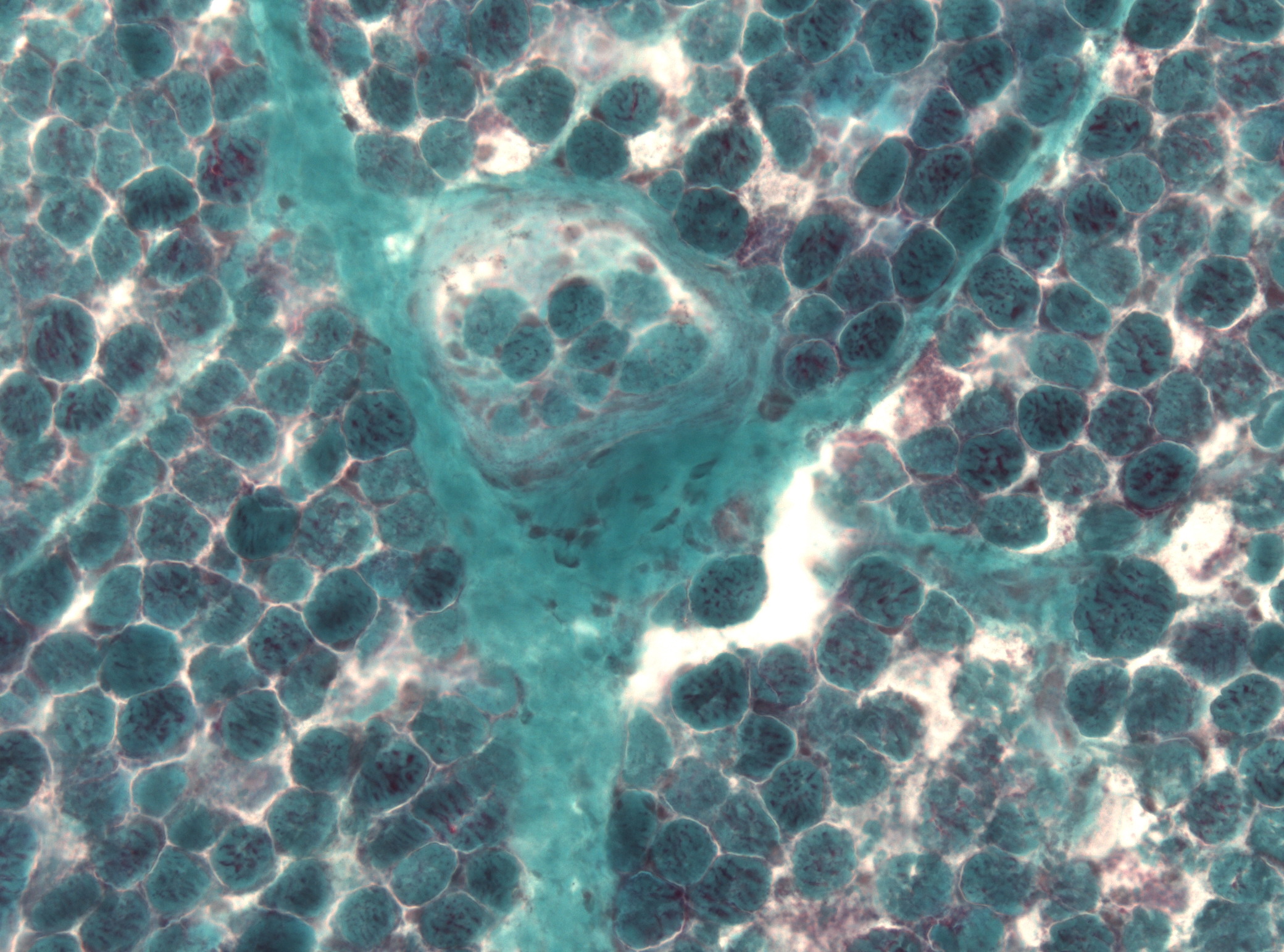
Síndrome Leigh
📋 Origem dos dados
Esta página agrega dados de fontes públicas e oficiais. Dados sobre cobertura no SUS (PCDT, CEAF) são verificados ativamente por agente proativo (ver badge no infobox). Demais dados têm atribuição de fonte + data da última sincronização — clique para abrir o original.
- Doença rara (ontologia)
- fonte: Orphanet
- Identificador unificado
- fonte: MONDO
- Genética mendeliana
- fonte: OMIM
- Codificação WHO/SUS
- fonte: WHO ICD-10 / DATASUS
- CID-11 (futuro)
- fonte: WHO ICD-11
- NIH/GARD
- fonte: GARD (NIH)
- Indexação biomédica
- fonte: MeSH (NLM)
- Dado público estruturado
- fonte: Wikidata
- Medicamentos (literatura)
- fonte: Orphanet
- Ensaios clínicos
- fonte: ClinicalTrials.gov