
É uma síndrome hereditária rara caracterizada por um envelhecimento precoce, que geralmente começa entre os 20 e 30 anos de idade. Os principais sinais e sintomas incluem: catarata nos dois olhos, baixa estatura, cabelos do couro cabeludo que ficam grisalhos e mais finos, problemas de pele característicos e o surgimento adiantado de outras doenças relacionadas à idade.
Introdução
O que você precisa saber de cara
É uma síndrome hereditária rara caracterizada por um envelhecimento precoce, que geralmente começa entre os 20 e 30 anos de idade. Os principais sinais e sintomas incluem: catarata nos dois olhos, baixa estatura, cabelos do couro cabeludo que ficam grisalhos e mais finos, problemas de pele característicos e o surgimento adiantado de outras doenças relacionadas à idade.
Escala de raridade
<1/50kMuito rara
1/20kRara
1/10kPouco freq.
1/5kIncomum
1/2k
Encontrou um erro ou informação desatualizada? Sugira uma correção →
Entender a doença
Do básico ao detalhe, leia no seu ritmo
Preparando trilha educativa...
Sinais e sintomas
O que aparece no corpo e com que frequência cada sintoma acontece
Partes do corpo afetadas
+ 40 sintomas em outras categorias
Características mais comuns
Os sintomas variam de pessoa para pessoa. Abaixo estão as 84 características clínicas mais associadas, ordenadas por frequência.
Linha do tempo da pesquisa
Encontrou um erro ou informação desatualizada? Sugira uma correção →
Genética e causas
O que está alterado no DNA e como passa nas famílias
Genes associados
1 gene identificado com associação a esta condição. Padrão de herança: Autosomal recessive.
Curadoria gene-doença
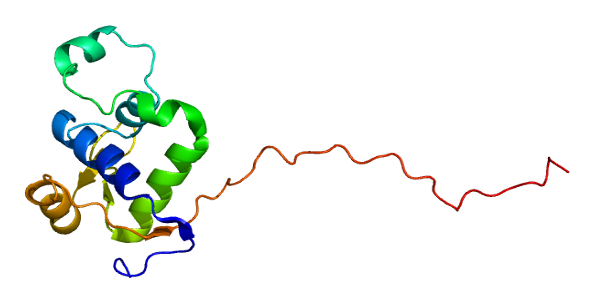
fontes oficiaisMultifunctional enzyme that has magnesium and ATP-dependent 3'-5' DNA-helicase activity on partially duplex substrates (PubMed:9224595, PubMed:9288107, PubMed:9611231). Also has 3'->5' exonuclease activity towards double-stranded (ds)DNA with a 5'-overhang (PubMed:11863428). Has no nuclease activity towards single-stranded (ss)DNA or blunt-ended dsDNA (PubMed:11863428). Helicase activity is most efficient with (d)ATP, but (d)CTP will substitute with reduced efficiency; strand displacement is enh
Nucleus, nucleolusNucleusNucleus, nucleoplasmChromosome
Werner syndrome
A rare autosomal recessive progeroid syndrome characterized by the premature onset of multiple age-related disorders, including atherosclerosis, cancer, non-insulin-dependent diabetes mellitus, ocular cataracts and osteoporosis. The major cause of death, at a median age of 47, is myocardial infarction.
Variantes genéticas (ClinVar)
574 variantes patogênicas registradas no ClinVar.
Classificação de variantes (ClinVar)
Distribuição de 3.734 variantes classificadas pelo ClinVar.
Vias biológicas (Reactome)
17 vias biológicas associadas aos genes desta condição.
Diagnóstico
Os sinais que médicos procuram e os exames que confirmam
Tratamento e manejo
Remédios, cuidados de apoio e o que precisa acompanhar
Onde tratar no SUS
Hospitais de referência no Brasil e o protocolo oficial do SUS (PCDT)
🇧🇷 Atendimento SUS — Síndrome Werner
Selecione um estado ou use sua localização para ver resultados.
Dados de DATASUS/CNES, SBGM, ABNeuro e Ministério da Saúde. Sempre confirme a disponibilidade diretamente com o estabelecimento.
Pesquisa ativa
Ensaios clínicos abertos e novidades científicas recentes
Ensaios em destaque
Pesquisa e ensaios clínicos
7 ensaios clínicos encontrados, 1 ativos.
Publicações mais relevantes
Deficiency of Werner RecQ-type DNA helicase causes premature malnutrition in zebrafish.
Werner syndrome is a genetic progeria characterized by premature aging symptoms, but its early-onset pathology remains unclear. We generated wrn truncation mutant (wrn -/-) zebrafish using CRISPR/Cas9 and identified two premature mortality phases: 7-21 and 60-90 days post-fertilization (dpf). Time-course transcriptomics revealed two wrn -/- subgroups. One showed the reduced expression of intestinal and pancreatic exocrine genes at 7-9 dpf, while the other maintained normal expression initially but eventually showed reduced pancreatic exocrine genes by 21-35 dpf. The prematurely dying wrn -/- larvae exhibited intestinal villi and pancreatic defects, along with DNA damage, cell-cycle arrest, and apoptosis. They also had lower glycogen, glucose, and fat levels compared to wild-type and late-dying wrn -/- larvae, suggesting malnutrition. Notably, excess feeding partially improved their survival. These findings reveal early pathological features in the zebrafish model of Werner syndrome.
Unraveling syndrome-driven osteosarcoma: genetic insights and therapeutic frontiers.
Osteosarcoma is a highly malignant bone tumor, and a subset of cases is closely associated with hereditary syndromes. These syndrome-related osteosarcomas exhibit unique clinical features, molecular mechanisms, and therapeutic challenges. This review summarizes the current understanding of specific types of syndrome-related osteosarcomas, including those associated with Rothmund-Thomson syndrome, Li-Fraumeni syndrome, secondary osteosarcoma in retinoblastoma survivors, Werner syndrome, and Bloom syndrome. These syndromes are typically characterized by specific gene mutations or chromosomal instability, significantly increasing the risk of osteosarcoma development. However, the rarity and heterogeneity of syndrome-related osteosarcomas pose significant challenges for diagnosis and treatment, including difficulties in early detection, incomplete elucidation of molecular mechanisms, and limitations of conventional therapeutic approaches. This article aims to systematically review the clinical characteristics, molecular mechanisms, and therapeutic challenges of these syndromes, providing a comprehensive reference for clinicians and directions for future research.
Novel Homozygous Variants in CIDEC and WRN in a Young Female with Lipodystrophy and Thyroid Cancer.
Autosomal recessive familial partial lipodystrophy type 5 (FPLD5) due to a homozygous NP_001186481.1; p.E186* CIDEC variant has previously been reported in a 19-year-old female with diabetes mellitus, hypertriglyceridemia, and hepatic steatosis. Now, we report an 18-year-old Hispanic female who presented with FPL, along with hirsutism, acanthosis nigricans, and marked insulin resistance, and was found to have an extremely rare homozygous variant in CIDEC (NM_001199623.2:c.224G>T; NP_001186552.1; p.Ser75Ile) by whole exome sequencing. She also harbored a novel homozygous variant in WRN (NM_000553.4:c.1856T>G; NP_000544; p.Leu619Arg). Both serine 75 of the CIDEC protein and leucine 619 of the WRN protein were well conserved across species. She developed an invasive papillary thyroid carcinoma at the age of 17 years. Our report confirms the previously reported association of the biallelic CIDEC variant with the FPL phenotype and also highlights the extremely rare possibility of co-occurrence of FPLD5 with thyroid cancer, a clinical feature of Werner syndrome. Thus, our patient may not only need surveillance for the metabolic complications of FPLD5, such as diabetes, hypertriglyceridemia, and hepatic steatosis, but also for WRN-associated neoplasms and features of premature aging.
WRN structural flexibility showcased through fragment-based lead discovery of inhibitors.
WRN helicase is an established synthetic lethal target for inhibition in the treatment of microsatellite instability-high (MSI-H) and mismatch repair deficient (MMRd) cancers. The identification of helicase inhibitors is challenging as high-throughput biochemical screening campaigns typically return few validated hits that are often inactive in cell-based assays. Herein, we highlight the power of non-covalent fragment-based lead discovery in locating new druggable allosteric sites on WRN, enabling us to bypass the challenging behavior of WRN during high-throughput screening hampering hit identification. During the fragment optimization process, structures of WRN with key prioritized fragments reveal multiple conformations of WRN with significant domain rotations up to 180°, including a WRN conformation not previously described. Rooted in a combination of biochemical, biophysical, and structural approaches, we present the detailed analyses of optimized chemical matter evolved from screening hits and the unique ability of WRN to accommodate diverse conformations as detailed by structural characterization.
Prognostic Significance of DNA Repair Gene mRNA Expression in Early-Stage Breast Cancer: Insights into Clinical Relevance.
The prognostic and therapeutic roles of biological markers in early-stage breast cancer (eBC) warrant further investigation. Non-Breast Cancer (BRCA) genes, along with moderate- and low-penetrance breast cancer risk variant genes, are crucial for maintaining genome stability, yet their prognostic significance in eBC remains unclear. This study aimed to evaluate the impact of non-BRCA genes on clinical outcomes in eBC patients. Significant correlations were observed between the messenger ribonucleic acid (mRNA) expression levels of the genes Ataxia-telangiectasia mutated (ATM), Bloom helicase gene (BLM), and WRN RecQ Like Helicase (WRN) and patient prognosis. High mRNA expression of ATM was associated with longer metastasis-free survival (MFS). Conversely, lower mRNA expression of BLM correlated with favorable outcomes, particularly in triple-negative tumors. Additionally, high levels of WRN mRNA expression were linked to significantly longer MFS compared to low expression levels. This study highlights the prognostic significance of ATM, BLM, and WRN in predicting survival outcomes in eBC patients. The prognostic significance of various biological and non-BRCA genetic in early-stage breast cancer (eBC) remains unclear and warrants further investigation. This study therefore aimed to evaluate the prognostic impact of these genes on clinical outcomes in breast cancer. Patients included in this study were subdivided into two groups based on low and high messenger ribonucleic acid (mRNA) expression levels. Statistical analysis, including Kaplan-Meier curves, univariable, and multivariable Cox regression analyses, was performed to assess metastasis-free survival (MFS) of mRNA expression of non-BRCA genes. Subgroup analyses were also conducted among four different molecular subtypes of eBC. Our analysis revealed significant correlations between mRNA-expression levels of Ataxia-telangiectasia mutated (ATM), Bloom helicase gene (BLM), and WRN RecQ Like Helicase (WRN) and patient prognosis. High mRNA expression of ATM correlated with longer MFS in the entire cohort (p = 0.022, Log Rank), and in luminal-B-like tumors (p = 0.036). Lower mRNA expression of BLM was associated with favorable outcomes (p = 0.011, Log Rank), particularly in triple-negative eBC (p = 0.030, Log Rank). Finally, high levels of WRN mRNA expression correlated with significantly longer MFS compared to low mRNA expression levels (p = 0.009, Log Rank). This study underscores the prognostic significance of moderate penetrance breast cancer risk variant genes, such as ATM, BLM, and WRN, for survival outcomes in eBC.
Publicações recentes
Ocular Manifestations in Patients with Werner Syndrome.
Targeting WRN helicase in MSI-H tumors: Synthetic lethality, small molecule discovery, and therapeutic perspectives.
Discovery of WRN helicase inhibitors by 3D-CNN docking and ML consensus from traditional Chinese medicine monomers.
Preferential correction of target genes by 5'-tailed duplexes with an antisense editor strand.
📚 EuropePMC680 artigos no totalmostrando 198
Prognostic Significance of DNA Repair Gene mRNA Expression in Early-Stage Breast Cancer: Insights into Clinical Relevance.
Oncology researchDeficiency of Werner RecQ-type DNA helicase causes premature malnutrition in zebrafish.
iScienceDiscovery and Preclinical Evaluations of Potent, Selective, and Allosteric Covalent WRN Inhibitors with Improved PK Properties.
ACS medicinal chemistry lettersNovel Werner Syndrome RecQ DNA Helicase (WRN) Inhibitors for Cancer Treatment.
ACS medicinal chemistry lettersMicrosatellite instable cancer cells acquire on-target resistance mutations to WRN helicase inhibitors.
Molecular cancer therapeuticsUnraveling syndrome-driven osteosarcoma: genetic insights and therapeutic frontiers.
Orphanet journal of rare diseasesStructural insights into WRN helicase reveal conformational states and opportunities for MSI-H cancer drug discovery.
Communications biologyNovel Homozygous Variants in CIDEC and WRN in a Young Female with Lipodystrophy and Thyroid Cancer.
International journal of molecular sciencesThe Werner syndrome RECQ helicase as a therapeutic target: new insights.
Expert opinion on therapeutic targetsWRN structural flexibility showcased through fragment-based lead discovery of inhibitors.
Nature communicationsTumorigenic p53N236S balances aging and tumorigenesis via regulating DREAM/MMB and downstream telomere DNA replication pathways.
Journal of molecular cell biologyEfficacy and safety of SGLT2 inhibitor on insulin resistance and hyperglycemia in Werner syndrome-A case report.
Journal of diabetes investigationTargeting DNA Damage Repair Pathways Beyond PARP Inhibition.
Targeted oncologyThe Relationship Between Insulin Resistance and Cancer in Humans.
Hormone and metabolic research = Hormon- und Stoffwechselforschung = Hormones et metabolismeThe bacterial MRE11-RAD50 and DNA2-WRN homologs process replication forks at distinct and separate loci on the chromosome.
FEBS lettersDNA repair helicases: from mechanistic understanding to therapeutic implications.
NAR cancerAI-assisted delivery of novel covalent WRN inhibitors from a non-covalent fragment screen.
Bioorganic & medicinal chemistry lettersEditor's Note: Werner Syndrome Helicase Has a Critical Role in DNA Damage Responses in the Absence of a Functional Fanconi Anemia Pathway.
Cancer researchMolecular Mechanisms of Proliferative Senescence and Genomic Instability in Werner Syndrome and the WRN Gene Network.
Cytogenetic and genome researchIdentification of VVD-214/RO7589831, a Clinical-Stage, Covalent Allosteric Inhibitor of WRN Helicase for the Treatment of MSI-High Cancers.
Journal of medicinal chemistryTargeted degradation of Werner syndrome helicase (WRN) via ligand-directed covalent hydrophobic tagging.
European journal of medicinal chemistryWRN and WRNIP1 ATPases impose high fidelity on translesion synthesis by Y-family DNA polymerases.
eLifeHigh-throughput evaluation of novel WRN inhibitors.
SLAS discovery : advancing life sciences R & DDNA double-strand break end resection factors and WRN facilitate mitotic DNA synthesis in human cells.
Nature communicationsTargeting the Werner syndrome protein in microsatellite instability cancers: mechanisms and therapeutic potential.
Clinical and experimental medicineA case of rapid-progressing liver cirrhosis complicated by Werner syndrome.
Clinical journal of gastroenterologyAn overview of RecQ helicases and related diseases.
AgingTargeting WRN helicase: Discovery and development of its selective inhibitors.
Bioorganic chemistryWerner syndrome due to homozygous WRN mutation through chromosome 8 region of homozygosity in a consanguineous family.
Geriatrics & gerontology internationalQuinazoline Derivative kzl052 Suppresses Prostate Cancer by Targeting WRN Helicase to Stabilize DNA Replication Forks.
International journal of molecular sciencesThioguanine-coordinated assembly for synthetic lethality of colorectal cancer with defective mismatch repair.
Chemical communications (Cambridge, England)Post-Translational Modifications of the Werner Syndrome Protein WRN.
Cytogenetic and genome researchWhole Exome Sequencing Identifies a Novel Frameshift Mutation of the WRN Gene in a Werner Syndrome Family and Functional Analysis.
Molecular genetics & genomic medicineSynthetic Lethality as Emerging Treatment for Cancer: An Example by Using the Werner Syndrome Helicase (WRN) Inhibitors.
ACS medicinal chemistry lettersTargeting Werner Syndrome Helicase with Small Molecules in Mismatch Repair-Deficient Cancers.
ACS medicinal chemistry lettersWRN as a Novel Target of Synthetic Lethality: Current Advances and Future Perspectives.
Journal of medicinal chemistryDesign and synthesis of 2-amino-4-(trifluoromethyl)pyrimidine derivatives as potential Werner-dependent antiproliferative agents.
Molecular diversityTargeting Werner Helicase: A novel combination strategy for MSI colorectal cancer.
Biochemical pharmacologyValidation, Key Pharmacophores, and X-ray Cocrystal Structures of Novel Biochemically and Cellularly Active WRN Inhibitors Derived from a DNA-Encoded Library Screen.
Journal of medicinal chemistryNicotinamide Riboside Supplementation Benefits in Patients With Werner Syndrome: A Double-Blind Randomized Crossover Placebo-Controlled Trial.
Aging cellInvestigating telomere length in progeroid syndromes: implications for aging disorders.
AgingCEBPA-associated familial acute myeloid leukemia mimicking Werner syndrome: a case report.
Frontiers in geneticsWerner syndrome exonuclease promotes gut regeneration and causes age-associated gut hyperplasia in Drosophila.
PLoS biologyA Rare Cause of Acute Pancreatitis: Two Siblings With Werner Syndrome.
JCEM case reportsWerner helicase as a therapeutic target in mismatch repair deficient colorectal cancer.
DNA repairDecreased mitochondrial NAD+ in WRN deficient cells links to dysfunctional proliferation.
AgingCrystal-storing histiocytosis of multiple myeloma with a novel multi-exon deletion of WRN: A case report and mini review of literature.
Pathology, research and practiceDiscovery of novel quinazoline derivatives containing trifluoromethyl against cell proliferation by targeting werner helicase.
Molecular diversityPLK1 phosphorylates WRN at replication forks.
The Journal of pharmacology and experimental therapeuticsExtrachromosomal circular DNA: a double-edged sword in cancer progression and age-related diseases.
Human cellA Rare Presentation of Five Primary Cancers in a Patient With Werner Syndrome: A Case Report and Literature Review.
CureusDiscovery of novel WRN inhibitors for treating MSI-H colorectal cancers.
Bioorganic & medicinal chemistry lettersGenetic and Epigenetic Insights into Werner Syndrome.
Cytogenetic and genome researchLong-term follow-up of a case of bilateral elbow ulcers in a patient with Werner syndrome treated with pedicled radial forearm flaps.
Case reports in plastic surgery & hand surgeryFor early diagnosis of young patients with Werner syndrome: Indication for genetic testing.
Geriatrics & gerontology internationalEstablishment and application of a zebrafish model of Werner syndrome identifies sapanisertib as a potential antiaging drug.
Proceedings of the National Academy of Sciences of the United States of AmericaPhosphorylation-dependent WRN-RPA interaction promotes recovery of stalled forks at secondary DNA structure.
Nature communicationsAmelioration of premature aging in Werner syndrome stem cells by targeting SHIP/AKT pathway.
Cell & bioscienceA Review of Telomere Attrition in Cancer and Aging: Current Molecular Insights and Future Therapeutic Approaches.
CancersrDNA Copy Number Variation and Methylation During Normal and Premature Aging.
Aging cellSynergistic protection of nascent DNA at stalled forks by MSANTD4 and BRCA1/2-RAD51.
Nature chemical biologyEfficacy of eribulin monotherapy for bone marrow carcinomatosis of breast cancer in a patient with Werner syndrome.
Geriatrics & gerontology internationalSpecific Monitoring the DNA Helicase Function via Anchor-Embedded DNA Probe.
Advanced science (Weinheim, Baden-Wurttemberg, Germany)Application and research progress of synthetic lethality in the development of anticancer therapeutic drugs.
Frontiers in oncologyLess frequent skin ulcers among patients with Werner syndrome treated with pioglitazone: findings from the Japanese Werner Syndrome Registry.
AgingQuinazoline derivatives inhibit cell growth of prostate cancer as a WRN helicase dependent manner by regulating DNA damage repair and microsatellite instability.
Bioorganic chemistryDesign, synthesis, and structure-activity relationship studies of triazolo-pyrimidine derivatives as WRN inhibitors for the treatment of MSI tumors.
European journal of medicinal chemistryWerner syndrome RECQ helicase participates in and directs maintenance of the protein complexes of constitutive heterochromatin in proliferating human cells.
Agingp21 Regulates Wnt-Notch balance via DREAM/MMB/Rb-E2F1 and maintains intestinal stem cell homeostasis.
Cell death discoverySwitch-like phosphorylation of WRN integrates end-resection with RAD51 metabolism at collapsed replication forks.
Nucleic acids researchPeri-operative considerations for a pregnant patient with Werner syndrome and pre-eclampsia.
Anaesthesia reportsUSP50 suppresses alternative RecQ helicase use and deleterious DNA2 activity during replication.
Nature communicationsInterdependence between Nuclear Pore Gatekeepers and Genome Caretakers: Cues from Genome Instability Syndromes.
International journal of molecular sciencesPromotion of DNA end resection by BRCA1-BARD1 in homologous recombination.
NatureMechanism of BRCA1-BARD1 function in DNA end resection and DNA protection.
NaturePROTAC-mediated conditional degradation of the WRN helicase as a potential strategy for selective killing of cancer cells with microsatellite instability.
Scientific reportsWRN Nuclease-Mediated EcDNA Clearance Enhances Antitumor Therapy in Conjunction with Trehalose Dimycolate/Mesoporous Silica Nanoparticles.
Advanced science (Weinheim, Baden-Wurttemberg, Germany)Recommendations for cancer screening and surveillance in patients with Werner syndrome.
Geriatrics & gerontology internationalSNORD88B-mediated WRN nucleolar trafficking drives self-renewal in liver cancer initiating cells and hepatocarcinogenesis.
Nature communicationsWRN Helicase: Is There More to MSI-H than Immunotherapy?
Cancer discoveryWRN inhibition leads to its chromatin-associated degradation via the PIAS4-RNF4-p97/VCP axis.
Nature communicationsJames German and the Quest to Understand Human RECQ Helicase Deficiencies.
CellsHigh-Throughput Covalent Modifier Screening with Acoustic Ejection Mass Spectrometry.
Journal of the American Chemical SocietyGenomic and Transcriptomic Analysis of a Patient with Early-Onset Colorectal Cancer and Therapy-Induced Focal Nodular Hyperplasia: A Case Report.
Journal of personalized medicine'Werner Syndrome foot'-A case series of four Irish Traveller siblings with Werner Syndrome, diabetes mellitus and complex foot disease.
Diabetic medicine : a journal of the British Diabetic AssociationKBM-mediated interactions with KU80 promote cellular resistance to DNA replication stress in CHO cells.
DNA repairRecQ helicase expression in patients with telomeropathies.
Molecular biology reportsRetrotransposons in Werner syndrome-derived macrophages trigger type I interferon-dependent inflammation in an atherosclerosis model.
Nature communicationsIntegrated liver and serum proteomics uncover sexual dimorphism and alteration of several immune response proteins in an aging Werner syndrome mouse model.
AgingDevelopment of a Prognostic Risk Model Based on Oxidative Stress-related Genes for Platinum-resistant Ovarian Cancer Patients.
Recent patents on anti-cancer drug discoveryDesign and synthesis of N-aryl-2-trifluoromethyl-quinazoline-4-amine derivatives as potential Werner-dependent antiproliferative agents.
Molecular diversityWRN inhibitors squeeze cancer cell vulnerability.
Nature reviews. Drug discoveryDiscovery of WRN inhibitor HRO761 with synthetic lethality in MSI cancers.
NatureChemoproteomic discovery of a covalent allosteric inhibitor of WRN helicase.
NatureDNA repair deficiencies and neurodegeneration.
DNA repairWerner Syndrome and Diabetes: Opportunities for Precision Medicine.
Diabetes careNovel WRN Helicase Inhibitors Selectively Target Microsatellite-Unstable Cancer Cells.
Cancer discoveryTargeting ATP-binding site of WRN Helicase: Identification of novel inhibitors through pocket analysis and Molecular Dynamics-Enhanced virtual screening.
Bioorganic & medicinal chemistry lettersDiscovering potential WRN inhibitors from natural product database through computational methods.
Journal of molecular graphics & modellingWRN exonuclease imparts high fidelity on translesion synthesis by Y family DNA polymerases.
Genes & developmentDietary restriction fails to extend lifespan of Drosophila model of Werner syndrome.
G3 (Bethesda, Md.)Premature aging in genetic diseases: what conclusions can be drawn for physiological aging.
Frontiers in agingBreast cancer in a Hispanic patient with Werner syndrome.
Journal of radiology case reportsChallenges for the Discovery of Non-Covalent WRN Helicase Inhibitors.
ChemMedChemDiscovery of thiophen-2-ylmethylene bis-dimedone derivatives as novel WRN inhibitors for treating cancers with microsatellite instability.
Bioorganic & medicinal chemistryA Novel Variant in the WRN Gene Detected in a Case of Early-Onset Severe Insulin Resistance Displaying Some but Not All Hallmarks of Progeroid Werner Syndrome.
Diabetes careWRN loss accelerates abnormal adipocyte metabolism in Werner syndrome.
Cell & bioscienceCRL2APPBP2-mediated TSPYL2 degradation counteracts human mesenchymal stem cell senescence.
Science China. Life sciencesThe function of Bazhen decoction in rescuing progeroid cell senescence via facilitating G-quadruplex resolving and telomere elongation.
Journal of ethnopharmacologyWerner Syndrome Caused by Homozygous Frameshift Variant c.1578del in WRN.
Acta medica LituanicaSclerosing epithelioid fibrosarcoma associated with WRN gene variant presenting as chronic dyspnea and pathologic cervical fracture: a case report and review of the literature.
Journal of medical case reportsThe dual role of the DREAM/G2M pathway in non-tumorigenic immortalization of senescent cells.
FEBS open bioSex differences in symptom presentation and their impact on diagnostic accuracy in Werner syndrome.
Geriatrics & gerontology internationalCase of Werner syndrome complicated with Sjögren's syndrome and Hashimoto's thyroiditis presenting sclerosing panniculitis-like symptoms.
Geriatrics & gerontology internationalWerner helicase mediates the senescence and cell cycle of leukemia cells by regulating DNA repair pathways.
International journal of biological macromoleculesWRN Is a Promising Synthetic Lethal Target for Cancers with Microsatellite Instability (MSI).
Cancer treatment and researchComprehensive mapping of cell fates in microsatellite unstable cancer cells supports dual targeting of WRN and ATR.
Genes & developmentFlame-like Calcifications in Werner Syndrome.
JCEM case reportsThe identification of a novel mutation (p.I223fs) in WRN associated with Werner syndrome.
EndocrineModified iPOND revealed the role of mutant p53 in promoting helicase function and telomere maintenance.
AgingEarly-onset diabetes mellitus as a presenting feature of Werner's syndrome in an Indian family.
Molecular genetics & genomic medicineSenescence-associated inflammation and inhibition of adipogenesis in subcutaneous fat in Werner syndrome.
AgingSenescence, regulators of alternative splicing and effects of trametinib treatment in progeroid syndromes.
GeroSciencePHOSPHORYLATION-DEPENDENT ASSOCIATION OF WRN WITH RPA IS REQUIRED FOR RECOVERY OF REPLICATION FORKS STALLED AT SECONDARY DNA STRUCTURES.
bioRxiv : the preprint server for biologyssDNA reeling is an intermediate step in the reiterative DNA unwinding activity of the WRN-1 helicase.
The Journal of biological chemistryBrain and/or Spinal Cord Tumors Accompanied with Other Diseases or Syndromes.
Advances in experimental medicine and biologyWerner syndrome associated with poorly differentiated thyroid carcinoma and systemic sclerosis-like skin manifestations: A case report.
Modern rheumatology case reportsIdentification of 2-Sulfonyl/Sulfonamide Pyrimidines as Covalent Inhibitors of WRN Using a Multiplexed High-Throughput Screening Assay.
BiochemistryCancer aneuploidies are shaped primarily by effects on tumour fitness.
NatureWerner syndrome as a crossroads between lipodystrophy, escleroderma-like changes and torpid ulcers in lower limbs.
Endocrinologia, diabetes y nutricionA rapid and highly sensitive immunosorbent assay to monitor helicases unwinding diverse nucleic acid structures.
The AnalystRenal dysfunction, malignant neoplasms, atherosclerotic cardiovascular diseases, and sarcopenia as key outcomes observed in a three-year follow-up study using the Werner Syndrome Registry.
AgingRecQ dysfunction contributes to social and depressive-like behavior and affects aldolase activity in mice.
Neurobiology of diseaseIdentification of Novel Senescent Markers in Small Extracellular Vesicles.
International journal of molecular sciencesCase of Werner syndrome with significant improvement of refractory skin ulcer despite fibroblast cellular senescence.
Geriatrics & gerontology internationalQuality of life in Werner syndrome and associated subjective foot/ankle symptoms: A cross-sectional survey.
Geriatrics & gerontology internationalCombination of untargeted and targeted proteomics for secretome analysis of L-WRN cells.
Analytical and bioanalytical chemistryA non-catalytic N-terminus domain of WRN prevents mitotic telomere deprotection.
Scientific reportsWRN suppresses p53/PUMA-induced apoptosis in colorectal cancer with microsatellite instability/mismatch repair deficiency.
Proceedings of the National Academy of Sciences of the United States of AmericaTargeting G-quadruplex for rescuing impaired chondrogenesis in WRN-deficient stem cells.
Cell & bioscienceWerner syndrome protein works as a dimer for unwinding and replication fork regression.
Nucleic acids researchRNaseH2A downregulation drives inflammatory gene expression via genomic DNA fragmentation in senescent and cancer cells.
Communications biologyWRN helicase and mismatch repair complexes independently and synergistically disrupt cruciform DNA structures.
The EMBO journalWerner helicase is required for proliferation and DNA damage repair in multiple myeloma.
Molecular biology reportsSynthetical lethality of Werner helicase and mismatch repair deficiency is mediated by p53 and PUMA in colon cancer.
Proceedings of the National Academy of Sciences of the United States of AmericaOptical coherence tomography findings in three patients with Werner syndrome.
BMC ophthalmologyAdult progeria: a new mutation in the WRN gene.
BMJ case reportsBiochemical and functional characterization of an exonuclease from Chaetomium thermophilum.
Biochemical and biophysical research communicationsResearch on Werner Syndrome: Trends from Past to Present and Future Prospects.
GenesWerner syndrome associated with acroosteolysis.
Dermatology online journalA homozygous missense variant in the WRN gene segregating in a family with progressive pulmonary failure with recurrent spontaneous pneumothorax and interstitial lung disease.
American journal of medical genetics. Part ALiterature-based translation from synthetic lethality screening into therapeutics targets: CD82 is a novel target for KRAS mutation in colon cancer.
Computational and structural biotechnology journalA rare syndrome mimicking scleroderma: Werner syndrome.
Modern rheumatology case reportsPeripheral neuropathies associated with DNA repair disorders.
Muscle & nerveWRN promotes bone development and growth by unwinding SHOX-G-quadruplexes via its helicase activity in Werner Syndrome.
Nature communicationsDNA fiber analyses to study functional importance of helicases and associated factors during replication stress.
Methods in enzymologyCase Report: A novel WRN mutation in Werner syndrome patient with diabetic foot disease and myelodysplastic syndrome.
Frontiers in endocrinologyPartial lipodystrophy, severe dyslipidaemia and insulin resistant diabetes as early signs of Werner syndrome.
Journal of clinical lipidologyWRN rescues replication forks compromised by a BRCA2 deficiency: Predictions for how inhibition of a helicase that suppresses premature aging tilts the balance to fork demise and chromosomal instability in cancer.
BioEssays : news and reviews in molecular, cellular and developmental biologyLifetime extension and the recent cause of death in Werner syndrome: a retrospective study from 2011 to 2020.
Orphanet journal of rare diseasesXPG in the Nucleotide Excision Repair and Beyond: a study on the different functional aspects of XPG and its associated diseases.
Molecular biology reportsNon-enzymatic function of WRN RECQL helicase regulates removal of topoisomerase-I-DNA covalent complexes and triggers NF-κB signaling in cancer.
Aging cellTargeted long-read sequencing identifies missing pathogenic variants in unsolved Werner syndrome cases.
Journal of medical geneticsA Werner Syndrome with Psychiatric Symptoms: Case Report.
Psychiatria DanubinaRadiotherapy and radiosensitivity syndromes in DNA repair gene mutations.
Klinicka onkologie : casopis Ceske a Slovenske onkologicke spolecnostiSHP2's gain-of-function in Werner syndrome causes childhood disease onset likely resulting from negative genetic interaction.
Clinical geneticsCombination immunotherapy of nivolumab plus ipilimumab in a lung cancer patient with Werner syndrome; a case report.
Respiratory medicine case reportsTreatment of osteoporosis associated with Werner syndrome: A three-case report.
Geriatrics & gerontology internationalA Patient with Werner's Syndrome Who Underwent Aortic Valve Replacement through Minimally Invasive Cardiac Surgery.
Annals of thoracic and cardiovascular surgery : official journal of the Association of Thoracic and Cardiovascular Surgeons of AsiaA high prevalence of myeloid malignancies in progeria with Werner syndrome is associated with p53 insufficiency.
Experimental hematologyR-Loop-Associated Genomic Instability and Implication of WRN and WRNIP1.
International journal of molecular sciencesParadoxical role of the major DNA repair protein, OGG1, in action-at-a-distance mutation induction by 8-oxo-7,8-dihydroguanine.
DNA repairDNA methylation signatures in Blood DNA of Hutchinson-Gilford Progeria syndrome.
Aging cellWerner syndrome in a Lebanese family.
American journal of medical genetics. Part ACancer-Predisposition Genetic Analysis in Children with Brain Tumors Treated at a Single Institution in Japan.
OncologyCalcification in Werner syndrome associated with lymphatic vessels aging.
AgingCharacterization of Stress Responses in a Drosophila Model of Werner Syndrome.
BiomoleculesMUT-7 Provides Molecular Insight into the Werner Syndrome Exonuclease.
CellsExamination of the body composition of patients with Werner syndrome using bioelectrical impedance analysis.
Geriatrics & gerontology internationalWRN helicase safeguards deprotected replication forks in BRCA2-mutated cancer cells.
Nature communicationsCDK2 phosphorylation of Werner protein (WRN) contributes to WRN's DNA double-strand break repair pathway choice.
Aging cellWerner syndrome presenting as early-onset diabetes: A case report.
Journal of diabetes investigationGeneralized lipoatrophy syndromes.
Presse medicale (Paris, France : 1983)Atherosclerosis and Cardiovascular Diseases in Progeroid Syndromes.
Journal of atherosclerosis and thrombosis[Basic science of Werner syndrome].
Nihon Ronen Igakkai zasshi. Japanese journal of geriatrics[Clinical advances in Werner syndrome].
Nihon Ronen Igakkai zasshi. Japanese journal of geriatricsHuman RecQL4 as a Novel Molecular Target for Cancer Therapy.
Cytogenetic and genome researchCrosstalk among DNA Damage, Mitochondrial Dysfunction, Impaired Mitophagy, Stem Cell Attrition, and Senescence in the Accelerated Ageing Disorder Werner Syndrome.
Cytogenetic and genome researchReactive Species in Progeroid Syndromes and Aging-Related Processes.
Antioxidants & redox signalingType I Interferon Induction in Cutaneous DNA Damage Syndromes.
Frontiers in immunologyThe WRN helicase: resolving a new target in microsatellite unstable cancers.
Current opinion in genetics & developmentAction-at-a-distance mutations at 5'-GpA-3' sites induced by oxidised guanine in WRN-knockdown cells.
MutagenesisDNA Damage-Induced Neurodegeneration in Accelerated Ageing and Alzheimer's Disease.
International journal of molecular sciencesCerebral pathological findings in long-lived patient with Werner syndrome and dementia.
Geriatrics & gerontology internationalMutations Involved in Premature-Ageing Syndromes.
The application of clinical geneticsGeneration of disease-specific and CRISPR/Cas9-mediated gene-corrected iPS cells from a patient with adult progeria Werner syndrome.
Stem cell researchSuccessful allogeneic stem cell transplantation of a patient with Werner syndrome and acute myeloid leukemia.
Leukemia researchGeneral anesthesia for old Werner syndrome patient: a case report.
Brazilian journal of anesthesiology (Elsevier)Associações
Organizações que acompanham esta doença — pra ter apoio e orientação
Ainda não temos associações cadastradas para Síndrome Werner.
É de uma associação que acompanha esta doença? Fale com a gente →
Comunidades
Grupos ativos de quem convive com esta doença aqui no Raras
Ainda não existe comunidade no Raras para Síndrome Werner
Pacientes, familiares e cuidadores se organizam em comunidades pra compartilhar experiências, fazer perguntas e se apoiar. Você pode ser o primeiro.
Tire suas dúvidas
Perguntas, dicas e experiências compartilhadas aqui na página
Participe da discussão
Faça login para postar dúvidas, compartilhar experiências e interagir com especialistas.
Fazer loginDoenças relacionadas
Doenças com sintomas parecidos — ajudam quem ainda está buscando diagnóstico
Referências e fontes
Bases de dados externas citadas neste artigo
Publicações científicas
Artigos indexados no PubMed ligados a esta doença no grafo RarasNet — título, periódico e PMID direto da fonte, sem intermediação de IA.
- Deficiency of Werner RecQ-type DNA helicase causes premature malnutrition in zebrafish.
- Unraveling syndrome-driven osteosarcoma: genetic insights and therapeutic frontiers.
- Novel Homozygous Variants in CIDEC and WRN in a Young Female with Lipodystrophy and Thyroid Cancer.
- WRN structural flexibility showcased through fragment-based lead discovery of inhibitors.
- Prognostic Significance of DNA Repair Gene mRNA Expression in Early-Stage Breast Cancer: Insights into Clinical Relevance.
- Ocular Manifestations in Patients with Werner Syndrome.
- Targeting WRN helicase in MSI-H tumors: Synthetic lethality, small molecule discovery, and therapeutic perspectives.
- Discovery of WRN helicase inhibitors by 3D-CNN docking and ML consensus from traditional Chinese medicine monomers.
- Preferential correction of target genes by 5'-tailed duplexes with an antisense editor strand.
- Werner Syndrome.
Bases de dados e fontes oficiais
Identificadores e referências canônicas usadas para montar este verbete.
- ORPHA:902(Orphanet)
- OMIM OMIM:277700(OMIM)
- MONDO:0010196(MONDO)
- GARD:7885(GARD (NIH))
- Variantes catalogadas(ClinVar)
- Busca completa no PubMed(PubMed)
- Artigo Wikipedia(Wikipedia)
- Q1154619(Wikidata)
Dados compilados pelo RarasNet a partir de fontes abertas (Orphanet, OMIM, MONDO, PubMed/EuropePMC, ClinicalTrials.gov, DATASUS, PCDT/MS). Este conteúdo é informativo e não substitui avaliação médica.
Conteúdo mantido por Agente Raras · Médicos e pesquisadores podem colaborar
Síndrome Werner
📋 Origem dos dados
Esta página agrega dados de fontes públicas e oficiais. Dados sobre cobertura no SUS (PCDT, CEAF) são verificados ativamente por agente proativo (ver badge no infobox). Demais dados têm atribuição de fonte + data da última sincronização — clique para abrir o original.
- Doença rara (ontologia)
- fonte: Orphanet
- Identificador unificado
- fonte: MONDO
- Genética mendeliana
- fonte: OMIM
- Codificação WHO/SUS
- fonte: WHO ICD-10 / DATASUS
- CID-11 (futuro)
- fonte: WHO ICD-11
- NIH/GARD
- fonte: GARD (NIH)
- Indexação biomédica
- fonte: MeSH (NLM)
- Dado público estruturado
- fonte: Wikidata
- Ensaios clínicos
- fonte: ClinicalTrials.gov