
A acidúria malônica é um distúrbio metabólico causado pela falta da enzima malonil-CoA descarboxilase (MCD).
Introdução
O que você precisa saber de cara
A acidúria malônica é um distúrbio metabólico causado pela falta da enzima malonil-CoA descarboxilase (MCD).
Escala de raridade
<1/50kMuito rara
1/20kRara
1/10kPouco freq.
1/5kIncomum
1/2k
Encontrou um erro ou informação desatualizada? Sugira uma correção →
Entender a doença
Do básico ao detalhe, leia no seu ritmo
Preparando trilha educativa...
Sinais e sintomas
O que aparece no corpo e com que frequência cada sintoma acontece
Partes do corpo afetadas
+ 11 sintomas em outras categorias
Características mais comuns
Os sintomas variam de pessoa para pessoa. Abaixo estão as 34 características clínicas mais associadas, ordenadas por frequência.
Linha do tempo da pesquisa
Triagem neonatal (Teste do Pezinho)
A triagem neonatal permite diagnóstico precoce e início imediato do tratamento.
Encontrou um erro ou informação desatualizada? Sugira uma correção →
Genética e causas
O que está alterado no DNA e como passa nas famílias
Genes associados
1 gene identificado com associação a esta condição. Padrão de herança: Autosomal recessive.
Curadoria gene-doença
fontes oficiaisCatalyzes the conversion of malonyl-CoA to acetyl-CoA. In the fatty acid biosynthesis MCD selectively removes malonyl-CoA and thus assures that methyl-malonyl-CoA is the only chain elongating substrate for fatty acid synthase and that fatty acids with multiple methyl side chains are produced. In peroxisomes it may be involved in degrading intraperoxisomal malonyl-CoA, which is generated by the peroxisomal beta-oxidation of odd chain-length dicarboxylic fatty acids. Plays a role in the metabolic
CytoplasmMitochondrion matrixPeroxisomePeroxisome matrix
Malonyl-CoA decarboxylase deficiency
Autosomal recessive disease characterized by abdominal pain, chronic constipation, episodic vomiting, metabolic acidosis and malonic aciduria.
Variantes genéticas (ClinVar)
134 variantes patogênicas registradas no ClinVar.
Vias biológicas (Reactome)
2 vias biológicas associadas aos genes desta condição.
Diagnóstico
Os sinais que médicos procuram e os exames que confirmam
Tratamento e manejo
Remédios, cuidados de apoio e o que precisa acompanhar
Onde tratar no SUS
Hospitais de referência no Brasil e o protocolo oficial do SUS (PCDT)
🇧🇷 Atendimento SUS — Acidúria malônica
Centros de Referência SUS
21 centros habilitados pelo SUS para Acidúria malônica
Centros para Acidúria malônica
Detalhes dos centros
Hospital Universitário Prof. Edgard Santos (HUPES)
R. Dr. Augusto Viana, s/n - Canela, Salvador - BA, 40110-060 · CNES 0003808
Serviço de Referência
Hospital de Apoio de Brasília (HAB)
AENW 3 Lote A Setor Noroeste - Plano Piloto, Brasília - DF, 70684-831 · CNES 0010456
Serviço de Referência
Hospital Estadual Infantil e Maternidade Alzir Bernardino Alves (HIABA)
Av. Min. Salgado Filho, 918 - Soteco, Vila Velha - ES, 29106-010 · CNES 6631207
Serviço de Referência
Hospital das Clínicas da UFG
Rua 235 QD. 68 Lote Área, Nº 285, s/nº - Setor Leste Universitário, Goiânia - GO, 74605-050 · CNES 2338424
Serviço de Referência
Hospital das Clínicas da UFMG
Av. Prof. Alfredo Balena, 110 - Santa Efigênia, Belo Horizonte - MG, 30130-100 · CNES 2280167
Serviço de Referência
NUPAD / Faculdade de Medicina UFMG
Av. Prof. Alfredo Balena, 189 - 5 andar - Centro, Belo Horizonte - MG, 30130-100 · CNES 2183226
Serviço de Referência
Hospital Universitário João de Barros Barreto
R. dos Mundurucus, 4487 - Guamá, Belém - PA, 66073-000 · CNES 2337878
Serviço de Referência
Hospital de Clínicas da Universidade Federal de Pernambuco
Av. Prof. Moraes Rego, 1235 - Cidade Universitária, Recife - PE, 50670-901 · CNES 2561492
Atenção Especializada
Instituto de Medicina Integral Prof. Fernando Figueira (IMIP)
R. dos Coelhos, 300 - Boa Vista, Recife - PE, 50070-902 · CNES 0000647
Serviço de Referência
Hospital de Clínicas da UFPR
R. Gen. Carneiro, 181 - Alto da Glória, Curitiba - PR, 80060-900 · CNES 2364980
Serviço de Referência
Hospital Universitário Pedro Ernesto (HUPE-UERJ)
Blvd. 28 de Setembro, 77 - Vila Isabel, Rio de Janeiro - RJ, 20551-030 · CNES 2280221
Serviço de Referência
Instituto Nacional de Saúde da Mulher, da Criança e do Adolescente Fernandes Figueira (IFF/Fiocruz)
Av. Rui Barbosa, 716 - Flamengo, Rio de Janeiro - RJ, 22250-020 · CNES 2269988
Serviço de Referência
Hospital Universitário Onofre Lopes (HUOL)
Av. Nilo Peçanha, 620 - Petrópolis, Natal - RN, 59012-300 · CNES 2408570
Atenção Especializada
Hospital São Lucas da PUCRS
Av. Ipiranga, 6690 - Jardim Botânico, Porto Alegre - RS, 90610-000 · CNES 2232928
Serviço de Referência
Hospital de Clínicas de Porto Alegre (HCPA)
Rua Ramiro Barcelos, 2350 Bloco A - Av. Protásio Alves, 211 - Bloco B e C - Santa Cecília, Porto Alegre - RS, 90035-903 · CNES 2237601
Serviço de Referência
Hospital Universitário da UFSC (HU-UFSC)
R. Profa. Maria Flora Pausewang - Trindade, Florianópolis - SC, 88036-800 · CNES 2560356
Serviço de Referência
Hospital das Clínicas da FMUSP
R. Dr. Ovídio Pires de Campos, 225 - Cerqueira César, São Paulo - SP, 05403-010 · CNES 2077485
Serviço de Referência
Hospital de Clínicas da UNICAMP
R. Vital Brasil, 251 - Cidade Universitária, Campinas - SP, 13083-888 · CNES 2748223
Serviço de Referência
Hospital de Clínicas de Ribeirão Preto (HCRP-USP)
R. Ten. Catão Roxo, 3900 - Vila Monte Alegre, Ribeirão Preto - SP, 14015-010 · CNES 2082187
Serviço de Referência
Instituto da Criança e do Adolescente (ICr-HCFMUSP)
Av. Dr. Enéas Carvalho de Aguiar, 647 - Cerqueira César, São Paulo - SP, 05403-000 · CNES 2081695
Serviço de Referência
UNIFESP / Hospital São Paulo
R. Napoleão de Barros, 715 - Vila Clementino, São Paulo - SP, 04024-002 · CNES 2688689
Serviço de Referência
Dados de DATASUS/CNES, SBGM, ABNeuro e Ministério da Saúde. Sempre confirme a disponibilidade diretamente com o estabelecimento.
Pesquisa ativa
Ensaios clínicos abertos e novidades científicas recentes
Ensaios em destaque
Pesquisa e ensaios clínicos
3 ensaios clínicos encontrados.
Publicações mais relevantes
Malonyl-CoA Decarboxylase: A Spotlight on Brain Aspects.
Malonyl-CoA decarboxylase (MCD) is an enzyme that controls malonyl-CoA levels and regulates fatty acid synthesis and oxidation. Although its physiological relevance in peripheral tissues is well known, the role of MCD in the central nervous system remains poorly understood. MCD is expressed in mitochondria, cytosol, and peroxisomes and may be regulated by PPAR-α, AMPK, and SIRT4 in tissues such as muscle, liver and kidney. In the brain, MCD expression varies during development and can respond to nutritional states. Inherited MCD deficiency (malonic aciduria) leads to the toxic accumulation of malonic acid and predominantly affects the central nervous system. The underlying mechanisms leading to brain damage in MCD patients remain unclear. Conversely, pharmacological modulation of MCD activity has been studied in obesity, diabetes, and ischemic injury, highlighting its therapeutic potential. There are still major gaps regarding MCD cellular distribution, regulatory pathways, and metabolic interaction with CPT1c (carnitine palmitoyltransferase 1c) in neural metabolism. A deeper understanding of the role of MCD in brain physiology and pathology may indicate novel therapeutic strategies targeting metabolic disorders that involve altered malonyl-CoA dynamics. Here, we discuss the current knowns and unknowns regarding MCD physiology, regulation, and pathophysiology, emphasizing brain aspects.
Dual molecular genetic diagnosis with combined malonic and methylmalonic aciduria (CMAMMA): implications of coexisting genetic disorders on clinical presentation.
Combined malonic and methylmalonic aciduria (CMAMMA) is an inherited metabolic disorder caused by ACSF3 variants leading to malonyl-CoA synthetase (MCS) deficiency. Despite its well-defined genetic basis, the clinical spectrum of CMAMMA remains highly variable. This study reports six patients from three unrelated families, aged 12 days to 30 years, presenting with heterogeneous clinical manifestations. Exome sequencing (ES) identified a homozygous ACSF3 variant, c.1470G>C [p.(Glu490Asp)], in five patients, and a novel variant, c.1145T>C [p.(Leu382Pro)], in one patient. Notably, in each family's index case, ES revealed additional pathogenic variants consistent with a dual molecular diagnosis: a homozygous CHRNG variant in one patient; compound heterozygous BTD variants in two siblings, confirming biotinidase deficiency; and a novel CDK10 frameshift variant, c.520_521del [p.(Lys174Glyfs*34)], in another patient. Half of the patients with CMAMMA demonstrated mild to moderate developmental delay. Notably, the sibling with both CMAMMA and biotinidase deficiency exhibited developmental delay, whereas the sibling with isolated CMAMMA had normal development. Symptomatic individuals showed clinical improvement following dietary protein restriction and carnitine supplementation. These findings highlight that CMAMMA may cause developmental delay, emphasizing the importance of early diagnosis and treatment. Furthermore, in patients with atypical features, high-throughput sequencing technologies offer a comprehensive approach to identifying additional pathogenic variants in genes beyond ACSF3.
Clinical, biochemical and genetic characteristics and long-term follow-up of five patients with malonyl-CoA decarboxylase deficiency.
Malonyl-CoA decarboxylase (MLYCD) deficiency, also known as malonic aciduria (MAD), is a rare autosomal recessive inherited metabolic defect. In this study, we aimed to investigate the clinical and molecular features of five patients with MAD in order to increase clinicians' awareness of the disease. Sanger sequencing was used to detect and genetically analyze the MLYCD variations in the preexisting patients and their parents. Five patients with MAD (5 months to 9.6 years old; two males and three females) rarely exhibited metabolic decompensation episodes or seizures. All patients exhibited varying degrees of developmental delay and hypotonia. Our study expands the spectrum of variants of the MLYCD gene. MLYCD gene variations were detected in all five patients, and five new variants were identified: c.60delG (p.Arg21Glyfs*52), c.928C > T (p.Arg310*), c.1293G > T (p.Trp431Cys), c.721T > C (p.Ser241Pro), and Exons 4-5 deletion. Additionally, there is no correlation between various genotypes and phenotypes. A high-medium-chain triglyceride and low-long-chain triglyceride diet supplemented with L-carnitine was effective in most patients and may improve cardiomyopathy and muscle weakness. Newborn screening may aid in the early diagnosis, treatment, and prognosis of this rare disorder.
Inborn Errors of Metabolism Associated With Autism Among Children: A Multicenter Study from Iran.
This study aimed to find the common inborn errors of metabolism in Iranian patients with autism spectrum disorder. In this cross-sectional multicenter study, 105 children and adolescents with autism spectrum disorder from six centers in different cities of Iran were enrolled between August, 2019 and October, 2020. Metabolic screening, including measuring plasma levels of amino acids, acylcarnitines, creatine, and guani-dinoacetate, and urinary levels of organic acids, purines, and pyrimidines was performed. Other data, including age, parental consanguinity, history of seizure, developmental mile-stones, and physical examination, were also recorded. An inborn error of metabolism was found in 13 (12.4%) patients. Five patients (4.8%) had cerebral creatine deficiency syndrome, 4 (3.8%) had arginine succinate aciduria, 2- methylbutyryl glycinuria, short-chain acyl-CoA dehydrogenase deficiency, and combined methylmalonic aciduria/malonic aciduria. There was a strong association between positive meta-bolic evaluation and parental consanguinity, history of seizures, microcephaly, and delayed development. Our results suggest that metabolic screening should be performed in the cases of autism associated with parental consanguinity, developmental delay, and a history of seizures. The assays to be considered as a screening panel include plasma or blood amino acids, acylcarnitines, creatine and guanidinoacetate, and urinary levels of organic acids.
Cardiovascular involvement in later-onset malonyl-CoA decarboxylase deficiency: Case studies and literature review.
Malonyl-CoA decarboxylase deficiency (MLYCDD) is an ultra-rare inherited metabolic disorder, characterized by multi-organ involvement manifesting during the first few months of life. Our aim was to describe the clinical, biochemical, and genetic characteristics of patients with later-onset MLYCDD. Clinical and biochemical characteristics of two patients aged 48 and 29 years with a confirmed molecular diagnosis of MLYCDD were examined. A systematic review of published studies describing the characteristics of cardiovascular involvement of patients with MLYCDD was performed. Two patients diagnosed with MLYCDD during adulthood were identified. The first presented with hypertrophic cardiomyopathy and ventricular pre-excitation and the second with dilated cardiomyopathy (DCM) and mild-to-moderate left ventricular (LV) systolic dysfunction. No other clinical manifestation typical of MLYCDD was observed. Both patients showed slight increase in malonylcarnitine in their plasma acylcarnitine profile, and a reduction in malonyl-CoA decarboxylase activity. During follow-up, no deterioration of LV systolic function was observed. The systematic review identified 33 individuals with a genetic diagnosis of MLYCDD (median age 6 months [IQR 1-12], 22 males [67%]). Cardiovascular involvement was observed in 64% of cases, with DCM the most common phenotype. A modified diet combined with levocarnitine supplementation resulted in the improvement of LV systolic function in most cases. After a median follow-up of 8 months, 3 patients died (two heart failure-related and one arrhythmic death). For the first time this study describes a later-onset phenotype of MLYCDD patients, characterized by single-organ involvement, mildly reduced enzyme activity, and a benign clinical course.
Publicações recentes
Malonyl-CoA Decarboxylase: A Spotlight on Brain Aspects.
📖 RevisãoClinical, biochemical and genetic characteristics and long-term follow-up of five patients with malonyl-CoA decarboxylase deficiency.
Inborn Errors of Metabolism Associated With Autism Among Children: A Multicenter Study from Iran.
ZBTB11 dysfunction: spectrum of brain abnormalities, biochemical signature and cellular consequences.
Heterogenous Clinical Landscape in a Consanguineous Malonic Aciduria Family.
🥉 Relato de caso📚 EuropePMC12 artigos no totalmostrando 24
Malonyl-CoA Decarboxylase: A Spotlight on Brain Aspects.
Brain sciencesDual molecular genetic diagnosis with combined malonic and methylmalonic aciduria (CMAMMA): implications of coexisting genetic disorders on clinical presentation.
Journal of pediatric endocrinology & metabolism : JPEMClinical, biochemical and genetic characteristics and long-term follow-up of five patients with malonyl-CoA decarboxylase deficiency.
Brain & developmentCardiovascular involvement in later-onset malonyl-CoA decarboxylase deficiency: Case studies and literature review.
European journal of medical geneticsInborn Errors of Metabolism Associated With Autism Among Children: A Multicenter Study from Iran.
Indian pediatricsZBTB11 dysfunction: spectrum of brain abnormalities, biochemical signature and cellular consequences.
Brain : a journal of neurologyHeterogenous Clinical Landscape in a Consanguineous Malonic Aciduria Family.
International journal of molecular sciencesMalonyl coenzyme A decarboxylase deficiency with a novel mutation.
Cardiology in the youngConsiderations of expanded carrier screening: Lessons learned from combined malonic and methylmalonic aciduria.
Molecular genetics & genomic medicineA Korean child diagnosed with malonic aciduria harboring a novel start codon mutation following presentation with dilated cardiomyopathy.
Molecular genetics & genomic medicineClinical, biochemical and molecular characteristics of malonyl-CoA decarboxylase deficiency and long-term follow-up of nine patients.
Molecular genetics and metabolismTypical or Atypical Hemolytic Uremic Syndrome and the Use of Eculizumab: 4 Illustrative Cases.
Journal of pediatric hematology/oncologyCombined malonic and methylmalonic aciduria due to ACSF3 mutations: Benign clinical course in an unselected cohort.
Journal of inherited metabolic diseaseTherapeutic plasma exchange in non-hematooncological disorders in pediatrics: A single center experience.
Transfusion and apheresis science : official journal of the World Apheresis Association : official journal of the European Society for HaemapheresisSelective Screening for Organic Acidurias and Amino Acidopathies in Pakistani Children.
Journal of the College of Physicians and Surgeons--Pakistan : JCPSPIdentification and Quantitation of Malonic Acid Biomarkers of In-Born Error Metabolism by Targeted Metabolomics.
Journal of the American Society for Mass Spectrometry"Classical organic acidurias": diagnosis and pathogenesis.
Clinical and experimental medicinePilot Experience with an External Quality Assurance Scheme for Acylcarnitines in Plasma/Serum.
JIMD reportsA new case of malonyl-CoA decarboxylase deficiency with mild clinical features.
American journal of medical genetics. Part AMetabolic Encephalopathy and Lipid Storage Myopathy Associated with a Presumptive Mitochondrial Fatty Acid Oxidation Defect in a Dog.
Frontiers in veterinary scienceProteomic and Biochemical Studies of Lysine Malonylation Suggest Its Malonic Aciduria-associated Regulatory Role in Mitochondrial Function and Fatty Acid Oxidation.
Molecular & cellular proteomics : MCPValproate therapy exacerbating intermediate phenotype of methylmalonic aciduria.
Journal of pediatric neurosciencesBiochemical, molecular and outcome analysis of eight chinese asymptomatic individuals with methyl malonic acidemia detected through newborn screening.
American journal of medical genetics. Part ADetection of inborn errors of metabolism using GC-MS: over 3 years of experience in southern China.
Journal of pediatric endocrinology & metabolism : JPEMAssociações
Organizações que acompanham esta doença — pra ter apoio e orientação
Ainda não temos associações cadastradas para Acidúria malônica.
É de uma associação que acompanha esta doença? Fale com a gente →
Comunidades
Grupos ativos de quem convive com esta doença aqui no Raras
Ainda não existe comunidade no Raras para Acidúria malônica
Pacientes, familiares e cuidadores se organizam em comunidades pra compartilhar experiências, fazer perguntas e se apoiar. Você pode ser o primeiro.
Tire suas dúvidas
Perguntas, dicas e experiências compartilhadas aqui na página
Participe da discussão
Faça login para postar dúvidas, compartilhar experiências e interagir com especialistas.
Fazer loginDoenças relacionadas
Doenças com sintomas parecidos — ajudam quem ainda está buscando diagnóstico
Referências e fontes
Bases de dados externas citadas neste artigo
Publicações científicas
Artigos indexados no PubMed ligados a esta doença no grafo RarasNet — título, periódico e PMID direto da fonte, sem intermediação de IA.
- Malonyl-CoA Decarboxylase: A Spotlight on Brain Aspects.
- Dual molecular genetic diagnosis with combined malonic and methylmalonic aciduria (CMAMMA): implications of coexisting genetic disorders on clinical presentation.
- Clinical, biochemical and genetic characteristics and long-term follow-up of five patients with malonyl-CoA decarboxylase deficiency.
- Inborn Errors of Metabolism Associated With Autism Among Children: A Multicenter Study from Iran.
- Cardiovascular involvement in later-onset malonyl-CoA decarboxylase deficiency: Case studies and literature review.
- ZBTB11 dysfunction: spectrum of brain abnormalities, biochemical signature and cellular consequences.
- Heterogenous Clinical Landscape in a Consanguineous Malonic Aciduria Family.
Bases de dados e fontes oficiais
Identificadores e referências canônicas usadas para montar este verbete.
- ORPHA:943(Orphanet)
- OMIM OMIM:248360(OMIM)
- MONDO:0009556(MONDO)
- GARD:3371(GARD (NIH))
- Variantes catalogadas(ClinVar)
- Busca completa no PubMed(PubMed)
- Q6744526(Wikidata)
Dados compilados pelo RarasNet a partir de fontes abertas (Orphanet, OMIM, MONDO, PubMed/EuropePMC, ClinicalTrials.gov, DATASUS, PCDT/MS). Este conteúdo é informativo e não substitui avaliação médica.
Conteúdo mantido por Agente Raras · Médicos e pesquisadores podem colaborar
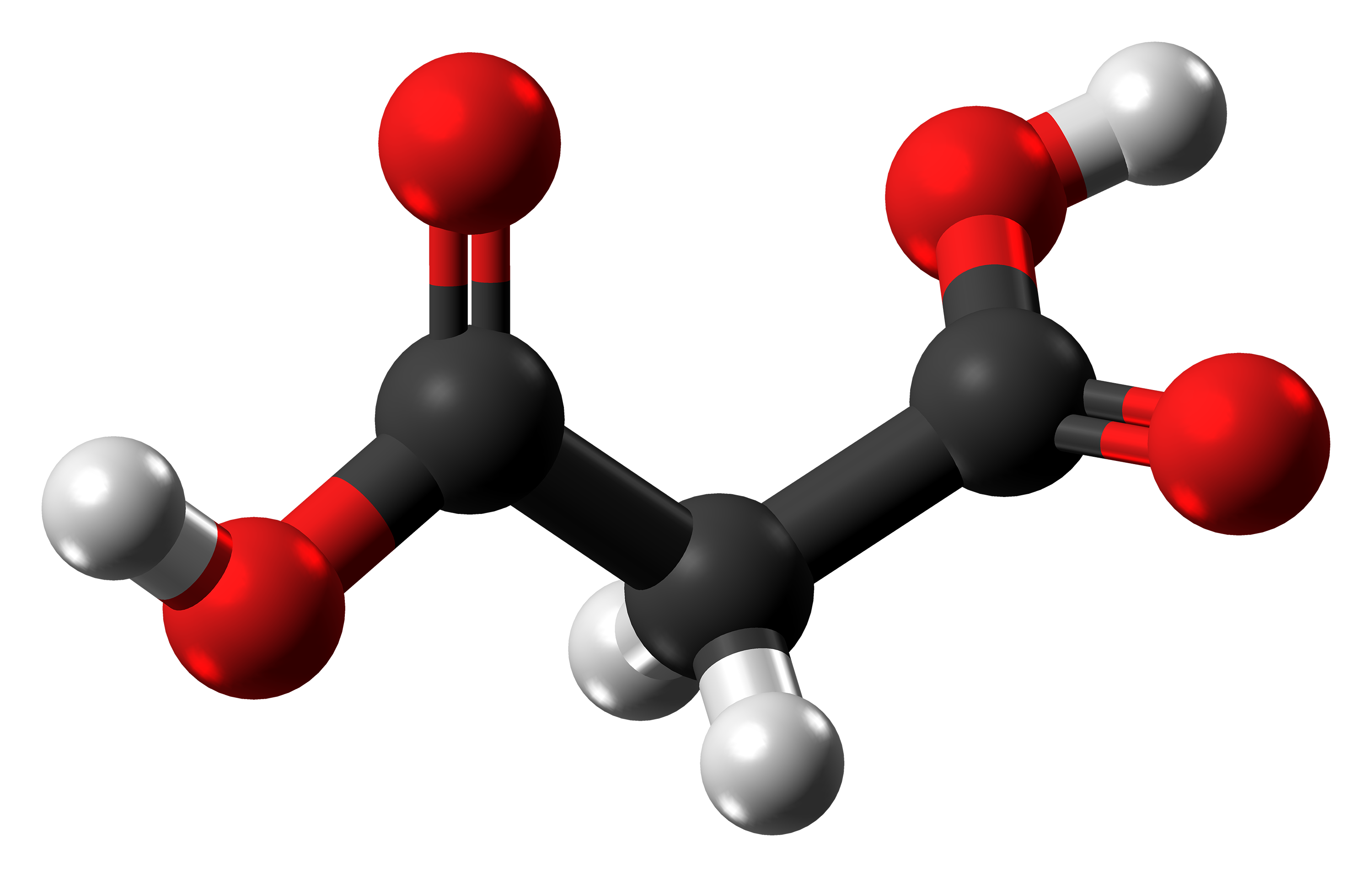
Acidúria malônica
📋 Origem dos dados
Esta página agrega dados de fontes públicas e oficiais. Dados sobre cobertura no SUS (PCDT, CEAF) são verificados ativamente por agente proativo (ver badge no infobox). Demais dados têm atribuição de fonte + data da última sincronização — clique para abrir o original.
- Doença rara (ontologia)
- fonte: Orphanet
- Identificador unificado
- fonte: MONDO
- Genética mendeliana
- fonte: OMIM
- Codificação WHO/SUS
- fonte: WHO ICD-10 / DATASUS
- CID-11 (futuro)
- fonte: WHO ICD-11
- NIH/GARD
- fonte: GARD (NIH)
- Indexação biomédica
- fonte: MeSH (NLM)
- Dado público estruturado
- fonte: Wikidata