
A Síndrome Fetal do Valproato (SFV) é uma condição que afeta o bebê durante a gestação, causada pela exposição ao ácido valproico (AVP), um medicamento anticonvulsivante. Ela se caracteriza por alterações específicas no rosto, malformações (problemas de nascença) e atraso no desenvolvimento, especialmente na fala e comunicação.
Introdução
O que você precisa saber de cara
A Síndrome Fetal do Valproato (SFV) é uma condição que afeta o bebê durante a gestação, causada pela exposição ao ácido valproico (AVP), um medicamento anticonvulsivante. Ela se caracteriza por alterações específicas no rosto, malformações (problemas de nascença) e atraso no desenvolvimento, especialmente na fala e comunicação.
Escala de raridade
<1/50kMuito rara
1/20kRara
1/10kPouco freq.
1/5kIncomum
1/2k
Encontrou um erro ou informação desatualizada? Sugira uma correção →
Entender a doença
Do básico ao detalhe, leia no seu ritmo
Preparando trilha educativa...
Sinais e sintomas
O que aparece no corpo e com que frequência cada sintoma acontece
Partes do corpo afetadas
+ 3 sintomas em outras categorias
Características mais comuns
Os sintomas variam de pessoa para pessoa. Abaixo estão as 8 características clínicas mais associadas, ordenadas por frequência.
Linha do tempo da pesquisa
Encontrou um erro ou informação desatualizada? Sugira uma correção →
Genética e causas
O que está alterado no DNA e como passa nas famílias
Nenhum gene associado encontrado
Os dados genéticos desta condição ainda estão sendo catalogados.
Diagnóstico
Os sinais que médicos procuram e os exames que confirmam
Tratamento e manejo
Remédios, cuidados de apoio e o que precisa acompanhar
Onde tratar no SUS
Hospitais de referência no Brasil e o protocolo oficial do SUS (PCDT)
🇧🇷 Atendimento SUS — Espectro clínico do valproato fetal
Selecione um estado ou use sua localização para ver resultados.
Dados de DATASUS/CNES, SBGM, ABNeuro e Ministério da Saúde. Sempre confirme a disponibilidade diretamente com o estabelecimento.
Pesquisa ativa
Ensaios clínicos abertos e novidades científicas recentes
Pesquisa e ensaios clínicos
Nenhum ensaio clínico registrado para esta condição.
Publicações mais relevantes
In vitro models of valproic acid to assess neurodevelopmental toxicity: A scoping review.
Valproic acid (VPA) is a first-line antiseizure medication (ASM) that is highly efficacious for treating generalized and focal epilepsy disorders. Unfortunately, due to its strong association with teratogenic effects culminating in fetal valproate spectrum disorder (FVSD), which may include neurocognitive and neurobehavioral deficits, the drug has become highly regulated/restricted for women of childbearing potential. This includes those who have been shown to respond well to the drug and respond poorly to alternative ASMs. Concurrently, VPA's neurotoxic, teratogenic mechanisms have been studied in vitro, and continued research may aid in providing depth to our understanding so that superior evidence-based care plans and novel drug designs can be made for patients with epilepsy disorders. This scoping review systematically assesses what in vitro studies have discovered regarding VPA's effects on neural cells and the proposed cellular neurotoxic mechanisms. Neurotoxicity studies have captured the cytotoxic, dysmorphological, genetic, and epigenetic effects in murine and human primary, immortalized, and stem cells in vitro. This includes extensive identification of many genes and gene pathways associated with neurodevelopmental disorders, a hallmark of FVSD. Although published studies have illuminated much about VPA's neurotoxic, teratogenic effects, a lack of standardization in testing methodologies renders making direct comparisons between the results of different studies challenging. Nevertheless, the recent use of human stem cell-based models provides a richer understanding of what cellular, molecular, genetic, and epigenetic effects are caused by VPA exposure. Future in vitro studies may improve their clinical translatability by administering clinically relevant concentrations of VPA to human stem cell-derived neural cells and fostering a better understanding of VPA's neural cell type-specific and epigenetic effects. In vitro VPA neurotoxicity studies on neurodevelopment show a clear potential to provide data that may help construct superior personalized evidence-based treatment plans and novel drug designs for women of childbearing potential with epilepsy disorders.
Prenatal exposure to valproic acid induces sex-specific alterations in rat cortical and hippocampal neuronal structure and function in vitro.
There are substantial differences in the characteristics of males and females with an autism spectrum disorder (ASD), yet there is little knowledge surrounding the mechanistic underpinnings of these differences. The valproic acid (VPA) rodent model is based upon the human fetal valproate spectrum disorder, which is associated with increased risk of developing ASD. This model, which displays significant social, learning, and memory alterations, has therefore been widely used to further our understanding of specific biological features of ASD. However, to date, almost all of the studies employing this model have used male rodents. To fill this knowledge gap, we evaluated sex differences for neuronal activity, morphology, and glycogen synthase kinase-3 (GSK-3) signaling in primary cortical (CTX) and hippocampal (HIP) neurons prepared from rats exposed to VPA in utero. In vivo, sex-specific VPA-induced alterations in the frontal CTX transcriptome at birth were also determined. Overall, VPA induced more robust changes in neuronal function and structure in the CTX than in the HIP. Male- and female-derived primary CTX neurons from rats exposed to prenatal VPA had elevated activity and showed more disorganized firing. In the HIP, only the female VPA neurons showed elevated firing, while the male VPA neurons exhibited disorganized activity. Dendritic arborization of CTX neurons from VPA rats was less complex in both sexes, though this was more pronounced in the females. Conversely, both female and male HIP neurons from VPA rats showed elevated complexity distal to the soma. Female VPA CTX neurons also had an elevated number of dendritic spines. The relative activity of the α and β isoforms of GSK-3 were suppressed in both female and male VPA CTX neurons, with no changes in the HIP neurons. On postnatal day 0, alterations in CTX genes associated with neuropeptides (e.g., penk, pdyn) and receptors (e.g., drd1, adora2a) were seen in both sexes, though they were downregulated in females and upregulated in males. Together these findings suggest that substantial sex differences in neuronal structure and function in the VPA model may have relevance to the reported sex differences in idiopathic ASD.
The lived experience of young adults with Fetal Valproate Spectrum Disorder, and the perspective of their parents: A qualitative study.
While research has investigated the physical and neurodevelopmental consequences following prenatal exposure to valproate, our understanding of individuals with a formal diagnosis of Fetal Valproate Spectrum Disorder (FVSD), particularly in the context of adulthood, remains limited. To investigate how symptoms and challenges of FVSD present in adulthood. 30 people took part in the study, including 13 young adults aged between 21 and 37 years, 15 mothers, and 2 fathers. In all cases, valproate had been used for the treatment of maternal epilepsy. Data were collected using semi-structured interviews and analysed using thematic analysis. Six broad themes were identified: 1. Health and development, 2. Employment, 3. Daily living and independence, 4. Social skills and relationships, 5. Access to services, and 6. Impact on families. Individuals with FVSD live with an array of physical, mental, and developmental challenges that extend well beyond childhood, significantly altering their life course and that of their families. Challenges in obtaining employment, achieving independent living, and navigating social and romantic relationships become increasingly significant as individuals with FVSD age. Despite their persistent need for support, services for adults with FVSD are either limited or entirely absent. Recommendations from families were provided regarding optimized support systems. This study highlights the lifelong physical, cognitive, emotional, social and behavioural symptoms associated with FVSD. Young adults and their parents desire further research regarding the condition along with improved support and health services in adulthood.
Neurodevelopmental outcomes in children and adults with Fetal Valproate Spectrum Disorder: A contribution from the ConcePTION project.
To describe the neurodevelopmental phenotype of older children and adults with a diagnosis of Fetal Valproate Spectrum Disorder (FVSD). In this cross-sectional study, 90 caregivers were recruited and completed a series of questionnaires regarding the neurodevelopmental outcomes of 146 individuals aged 7-37 years (M = 18.1), including individuals with a formal diagnosis of FVSD (n = 99), individuals exposed to Valproate but without an FVSD diagnosis (n = 24), and individuals not exposed to Valproate (N = 23). The mean dose of valproate exposure for individuals with an FVSD diagnosis was 1470 mg/day. Individuals with a diagnosis of FVSD showed significantly higher levels of moderate (43.4%) and severe (14.4%) cognitive impairment than other groups (p = 0.003), high levels of required formal educational support (77.6%), and poorer academic competence than individuals not exposed to Valproate (p = 0.001). Overall psychosocial problems (p = 0.02), internalising problems (p = 0.05) and attention problems (p = 0.001), but not externalising problems, were elevated in individuals with a diagnosis of FVSD. Rates of neurodevelopmental disorders, particularly autistic spectrum disorders (62.9%) and sensory problems (80.6%) are particularly central to the FVSD phenotype. There was no evidence of a statistical dose-dependent effect, possibly due to the high mean dose of exposure having a uniformly negative impact across the sample. Individuals with FVSD had required a significant number of health and child development services. Children and young adults with a diagnosis of FVSD are at an increased risk of a range of altered neurodevelopmental outcomes, highlighting the need for a multidisciplinary approach to clinical management across the lifespan.
Spontaneous Partial Regression of Bilateral Grade III Corneal Dermoids Associated With Fetal Valproate Spectrum Disorder.
The purpose of this study was to describe a rare case of a child with bilateral central corneal dermoids (grade III) in association with fetal valproate spectrum disorder (FVSD) and to report the spontaneous regression of these tumors. Clinical records of a 14-month-old child whose mother took sodium valproate all along her pregnancy were retrospectively reviewed. The diagnosis of FVSD was made based on phenotypic features and associated congenital malformations. Facial features included trigonocephaly, flat nose bridge and small upturned nose, cleft palate and lip, and micrognathia. Systemic anomalies included bilateral radial defects and club hands, pes equinovarus, hypospadias, secundum atrial septal defect, patent ductus arteriosus, and aortic insufficiency. Cytogenetic studies were normal. Ocular findings included bilateral central corneal dermoids sparing the limbus and peripheral cornea, bilateral aphakia, absence of left anterior chamber, and bilateral mass-like vitreal opacities. A computed tomography scan suggested minimal left microphthalmia. Owing to the high-risk category for general anesthesia and prioritization of other severe systemic anomalies, no ocular surgical intervention was performed. Over 5 years of follow-up, spontaneous partial regression of the corneal tumors was observed. The development of bilateral grade III corneal dermoids in a child with FVSD may be more than fortuitous and enlarges the list of ocular anomalies associated with FVSD. Corneal dermoids may regress spontaneously.
Publicações recentes
In vitro models of valproic acid to assess neurodevelopmental toxicity: A scoping review.
Prenatal exposure to valproic acid induces sex-specific alterations in rat cortical and hippocampal neuronal structure and function in vitro.
The lived experience of young adults with Fetal Valproate Spectrum Disorder, and the perspective of their parents: A qualitative study.
Neurodevelopmental outcomes in children and adults with Fetal Valproate Spectrum Disorder: A contribution from the ConcePTION project.
Spontaneous Partial Regression of Bilateral Grade III Corneal Dermoids Associated With Fetal Valproate Spectrum Disorder.
📚 EuropePMC5 artigos no totalmostrando 8
In vitro models of valproic acid to assess neurodevelopmental toxicity: A scoping review.
EpilepsiaPrenatal exposure to valproic acid induces sex-specific alterations in rat cortical and hippocampal neuronal structure and function in vitro.
Progress in neuro-psychopharmacology & biological psychiatryThe lived experience of young adults with Fetal Valproate Spectrum Disorder, and the perspective of their parents: A qualitative study.
Epilepsy & behavior : E&BNeurodevelopmental outcomes in children and adults with Fetal Valproate Spectrum Disorder: A contribution from the ConcePTION project.
Neurotoxicology and teratologySpontaneous Partial Regression of Bilateral Grade III Corneal Dermoids Associated With Fetal Valproate Spectrum Disorder.
CorneaEstablishing or Excluding a Diagnosis of Fetal Valproate Spectrum Disorder is a Multi-layered Process.
Irish medical journalTranscriptome meta-analysis of valproic acid exposure in human embryonic stem cells.
European neuropsychopharmacology : the journal of the European College of NeuropsychopharmacologyDiagnosis and management of individuals with Fetal Valproate Spectrum Disorder; a consensus statement from the European Reference Network for Congenital Malformations and Intellectual Disability.
Orphanet journal of rare diseasesAssociações
Organizações que acompanham esta doença — pra ter apoio e orientação
Ainda não temos associações cadastradas para Espectro clínico do valproato fetal.
É de uma associação que acompanha esta doença? Fale com a gente →
Comunidades
Grupos ativos de quem convive com esta doença aqui no Raras
Ainda não existe comunidade no Raras para Espectro clínico do valproato fetal
Pacientes, familiares e cuidadores se organizam em comunidades pra compartilhar experiências, fazer perguntas e se apoiar. Você pode ser o primeiro.
Tire suas dúvidas
Perguntas, dicas e experiências compartilhadas aqui na página
Participe da discussão
Faça login para postar dúvidas, compartilhar experiências e interagir com especialistas.
Fazer loginDoenças relacionadas
Doenças com sintomas parecidos — ajudam quem ainda está buscando diagnóstico
Referências e fontes
Bases de dados externas citadas neste artigo
Publicações científicas
Artigos indexados no PubMed ligados a esta doença no grafo RarasNet — título, periódico e PMID direto da fonte, sem intermediação de IA.
- In vitro models of valproic acid to assess neurodevelopmental toxicity: A scoping review.
- Prenatal exposure to valproic acid induces sex-specific alterations in rat cortical and hippocampal neuronal structure and function in vitro.
- The lived experience of young adults with Fetal Valproate Spectrum Disorder, and the perspective of their parents: A qualitative study.
- Neurodevelopmental outcomes in children and adults with Fetal Valproate Spectrum Disorder: A contribution from the ConcePTION project.
- Spontaneous Partial Regression of Bilateral Grade III Corneal Dermoids Associated With Fetal Valproate Spectrum Disorder.
Bases de dados e fontes oficiais
Identificadores e referências canônicas usadas para montar este verbete.
- ORPHA:1906(Orphanet)
- OMIM OMIM:609442(OMIM)
- MONDO:0012275(MONDO)
- GARD:5447(GARD (NIH))
- Busca completa no PubMed(PubMed)
- Q9081119(Wikidata)
Dados compilados pelo RarasNet a partir de fontes abertas (Orphanet, OMIM, MONDO, PubMed/EuropePMC, ClinicalTrials.gov, DATASUS, PCDT/MS). Este conteúdo é informativo e não substitui avaliação médica.
Conteúdo mantido por Agente Raras · Médicos e pesquisadores podem colaborar
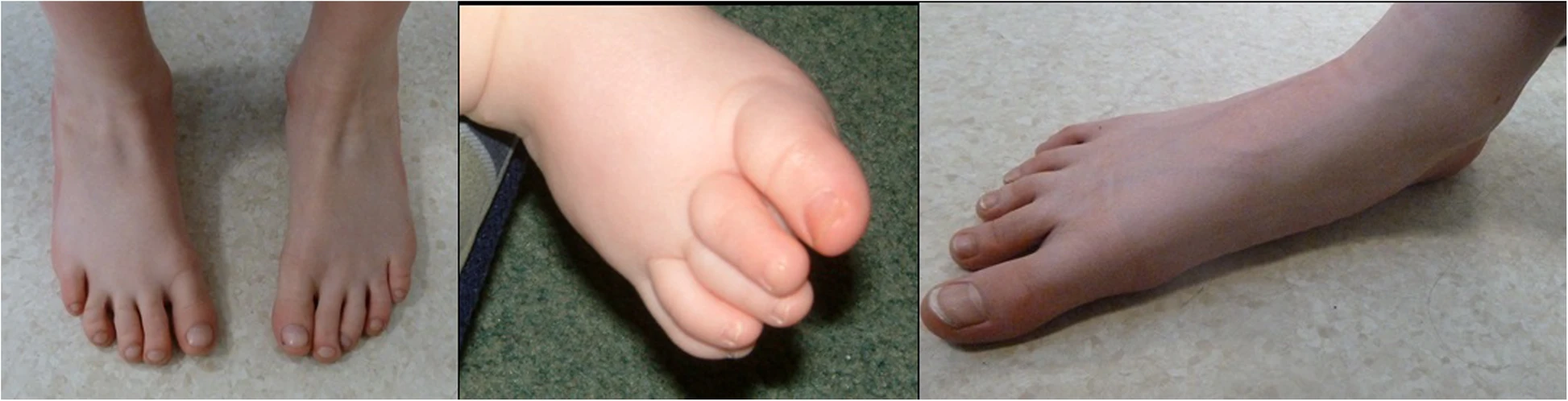
Espectro clínico do valproato fetal
📋 Origem dos dados
Esta página agrega dados de fontes públicas e oficiais. Dados sobre cobertura no SUS (PCDT, CEAF) são verificados ativamente por agente proativo (ver badge no infobox). Demais dados têm atribuição de fonte + data da última sincronização — clique para abrir o original.
- Doença rara (ontologia)
- fonte: Orphanet
- Identificador unificado
- fonte: MONDO
- Genética mendeliana
- fonte: OMIM
- Codificação WHO/SUS
- fonte: WHO ICD-10 / DATASUS
- CID-11 (futuro)
- fonte: WHO ICD-11
- NIH/GARD
- fonte: GARD (NIH)
- Indexação biomédica
- fonte: MeSH (NLM)
- Dado público estruturado
- fonte: Wikidata