
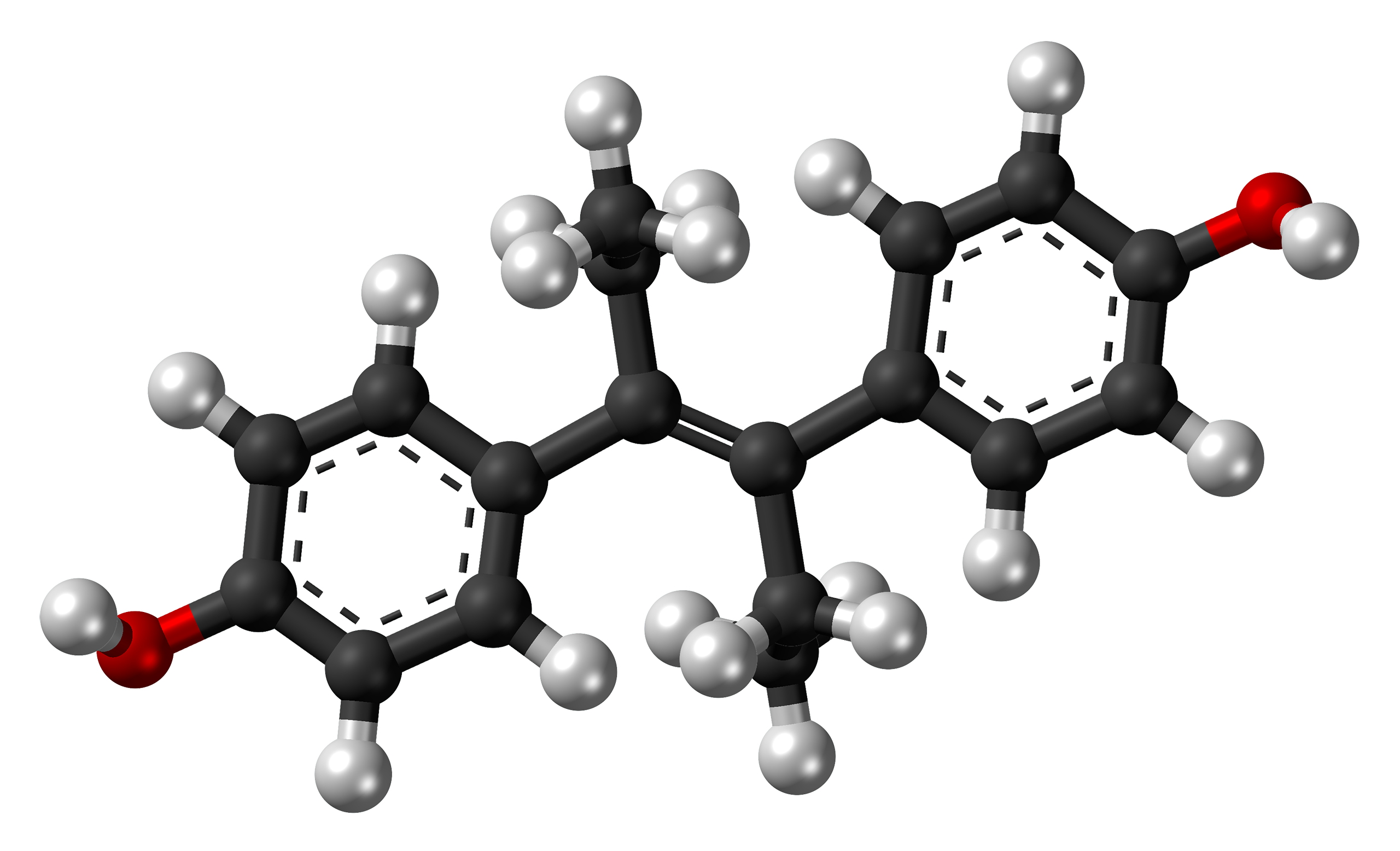
A síndrome do Dietilestilbestrol (DES) é um conjunto de problemas de má-formação que afeta filhos e netos de mulheres expostas ao DES durante a gravidez. Ela é caracterizada por problemas na formação dos órgãos reprodutores, diminuição da fertilidade e um risco maior de desenvolver um tipo raro de câncer, chamado carcinoma de células claras, na vagina e no colo do útero em mulheres jovens. Entre os problemas de formação nos órgãos reprodutores relatados na síndrome do DES estão: úteros pequenos e com formato de "T" (útero em T) e outras alterações no útero e nas tubas uterinas que aumentam o risco de abortos espontâneos em mulheres. Nos homens, podem ocorrer cistos no epidídimo, pênis de tamanho reduzido (microfalo), testículos que não descem para a bolsa escrotal (criptorquidia) ou testículos subdesenvolvidos (hipoplasia testicular). O DES, que é um estrogênio sintético não esteroide, foi amplamente receitado entre 1940 e 1970 para prevenir abortos espontâneos.
Introdução
O que você precisa saber de cara
A síndrome do Dietilestilbestrol (DES) é um conjunto de problemas de má-formação que afeta filhos e netos de mulheres expostas ao DES durante a gravidez. Ela é caracterizada por problemas na formação dos órgãos reprodutores, diminuição da fertilidade e um risco maior de desenvolver um tipo raro de câncer, chamado carcinoma de células claras, na vagina e no colo do útero em mulheres jovens. Entre os problemas de formação nos órgãos reprodutores relatados na síndrome do DES estão: úteros pequenos e com formato de "T" (útero em T) e outras alterações no útero e nas tubas uterinas que aumentam o risco de abortos espontâneos em mulheres. Nos homens, podem ocorrer cistos no epidídimo, pênis de tamanho reduzido (microfalo), testículos que não descem para a bolsa escrotal (criptorquidia) ou testículos subdesenvolvidos (hipoplasia testicular). O DES, que é um estrogênio sintético não esteroide, foi amplamente receitado entre 1940 e 1970 para prevenir abortos espontâneos.
Escala de raridade
<1/50kMuito rara
1/20kRara
1/10kPouco freq.
1/5kIncomum
1/2k
Encontrou um erro ou informação desatualizada? Sugira uma correção →
Entender a doença
Do básico ao detalhe, leia no seu ritmo
Preparando trilha educativa...
Sinais e sintomas
O que aparece no corpo e com que frequência cada sintoma acontece
Características mais comuns
Os sintomas variam de pessoa para pessoa. Abaixo estão as 19 características clínicas mais associadas, ordenadas por frequência.
Linha do tempo da pesquisa
Encontrou um erro ou informação desatualizada? Sugira uma correção →
Genética e causas
O que está alterado no DNA e como passa nas famílias
Nenhum gene associado encontrado
Os dados genéticos desta condição ainda estão sendo catalogados.
Diagnóstico
Os sinais que médicos procuram e os exames que confirmam
Tratamento e manejo
Remédios, cuidados de apoio e o que precisa acompanhar
Onde tratar no SUS
Hospitais de referência no Brasil e o protocolo oficial do SUS (PCDT)
🇧🇷 Atendimento SUS — Embriofetopatia por dietilstilbestrol
Selecione um estado ou use sua localização para ver resultados.
Dados de DATASUS/CNES, SBGM, ABNeuro e Ministério da Saúde. Sempre confirme a disponibilidade diretamente com o estabelecimento.
Pesquisa ativa
Ensaios clínicos abertos e novidades científicas recentes
Pesquisa e ensaios clínicos
Nenhum ensaio clínico registrado para esta condição.
Publicações mais relevantes
Recurrent viral capture of cellular phosphodiesterases that antagonize OAS-RNase L.
Phosphodiesterases (PDEs) encoded by viruses are putatively acquired by horizontal transfer of cellular PDE ancestor genes. Viral PDEs inhibit the OAS-RNase L antiviral pathway, a key effector component of the innate immune response. Although the function of these proteins is well-characterized, the origins of these gene acquisitions are less clear. Phylogenetic analysis revealed at least five independent PDE acquisition events by ancestral viruses. We found evidence that PDE-encoding genes were horizontally transferred between coronaviruses belonging to different genera. Three clades of viruses within Nidovirales: merbecoviruses (MERS-CoV), embecoviruses (HCoV-OC43), and toroviruses encode independently acquired PDEs, and a clade of rodent alphacoronaviruses acquired an embecovirus PDE via recent horizontal transfer. Among rotaviruses, the PDE of rotavirus A was acquired independently from rotavirus B and G PDEs, which share a common ancestor. Conserved motif analysis suggests a link between all viral PDEs and a similar ancestor among the mammalian AKAP7 proteins despite low levels of sequence conservation. Additionally, we used ancestral sequence reconstruction and structural modeling to reveal that sequence and structural divergence are not well-correlated among these proteins. Specifically, merbecovirus PDEs are as structurally divergent from the ancestral protein and the solved structure of human AKAP7 PDE as they are from each other. In contrast, comparisons of rotavirus B and G PDEs reveal virtually unchanged structures despite evidence for loss of function in one, suggesting impactful changes that lie outside conserved catalytic sites. These findings highlight the complex and volatile evolutionary history of viral PDEs and provide a framework to facilitate future studies.
Prenatal exposure to diethylstilbestrol has multigenerational effects on folliculogenesis.
Diethylstilbestrol (DES) is an estrogenic endocrine disrupting chemical (EDC) that was prescribed to millions of pregnant women worldwide, leading to increased rates of infertility in the exposed offspring. We have previously demonstrated that this reduced fertility persists for multiple generations in the mouse. However, how altered ovarian function contributes to this infertility is unknown. Therefore, this study sought to determine if DES exposure promotes two common ovarian disorders, primary ovarian insufficiency (POI) and polycystic ovary syndrome, contributing to the reduced fertility in DES offspring. Moreover, we investigated if these impacts are transgenerational. Gestating mice were exposed to 100 µg/kg DES, and ovarian morphology was observed in F1-F3 female descendants. F1 females trended towards fewer primordial and more secondary follicles and similarly, F2 females had fewer primordial and significantly more secondary follicles compared to controls. No differences in follicle proportions were observed in the F3. Moreover, DES exposure did not increase follicular cysts. These results show that DES accelerates folliculogenesis, indicative of a POI phenotype and that this is likely contributing to the reduced fertility observed in DES descendants. Moreover, this study highlights the ability of estrogenic EDCs to disrupt folliculogenesis, which may exacerbate the onset of POI in women already at risk. Undescended testicles are a relatively common condition, occurring in about 3% of full-term male infants, and can be found in as many as 30% of premature male neonates. This condition is the most common congenital defect affecting the male genitalia. Testicular descent through the inguinal canal normally starts during the 28th week of gestation. About 80% of undescended testes noted at birth will migrate into the scrotum by 3 months. Undescended testes that remain outside the scrotum by 6 months of age will likely require surgery. Cryptorchidism can be unilateral or bilateral (10%). In unilateral cryptorchidism, the right side is involved more often. Testicular descent through the inguinal canal normally starts during the 28th week of gestation. Around 70% of undescended testes are palpable, with 90% identifiable in the inguinal canal. More than 90% of patients with cryptorchidism will also have a concomitant patent processus vaginalis or indirect inguinal hernias. Long-term issues with untreated cryptorchidism include reduced male fertility (especially with bilateral cryptorchidism), testis atrophy, testicular torsion, increased risk of traumatic injury, and a higher risk of testicular cancer. Although the exact cause is indeterminate, it is believed to be a combination of maternal factors, genetics, hormonal variations, mechanical effects, neurotransmitter levels, and toxic environmental exposures. Multiple known risk factors contribute to the development of undescended testes. The most significant appears to be prematurity, but low birth weight and a family history of cryptorchidism are also quite significant. Other risk factors include the following: Associated congenital syndromes (Down, Noonan, and Prader–Willi). Cerebral palsy. Cosmetics use. Endocrine-disrupting drugs or toxins. Exposure to phthalate, di(2-ethylhexyl) phthalate . Genetic disorders . Ibuprofen use. In vitro fertilization. Increased alcohol consumption (5 or more drinks per week, which triples the risk). Low testosterone disorders (Kallmann syndrome, Klinefelter syndrome). Low placental weight. Maternal diabetes. Maternal diethylstilbestrol use or exposure. Maternal obesity. Neural tube defects. Pesticides exposure. Persistent Müllerian duct syndrome. Preeclampsia (especially severe). Small for gestational-age infants. Smoking. Twinning .
Phosphodiesterase and psychiatric disorders: a two-sample Mendelian randomization study.
Phosphodiesterases (PDEs) have been associated with psychiatric disorders in observational studies; however, the causality of associations remains unestablished. Specifically, cyclic nucleotide PDEs were collected from genome-wide association studies (GWASs), including PDEs obtained by hydrolyzing both cyclic adenosine monophosphate (cAMP) and cyclic guanosine monophosphate (cGMP) (PDE1A, PDE2A, and PDE3A), specific to cGMP (PDE5A, PDE6D, and PDE9A) and cAMP (PDE4D and PDE7A). We performed a bidirectional two-sample Mendelian randomization (MR) analysis to investigate the relationship between PDEs and nine psychiatric disorders. The inverse-variance-weighted (IVW) method, MR-Egger, and weighted median were used to estimate causal effects. The Cochran's Q test, MR-Egger intercept test, MR Steiger test, leave-one-out analyses, funnel plot, and MR pleiotropy residual sum and outlier (MR-PRESSO) were used for sensitivity analyses. The PDEs specific to cAMP were associated with higher-odds psychiatric disorders. For example, PDE4D and schizophrenia (SCZ) (odds ratios (OR) = 1.0531, PIVW = 0.0414), as well as major depressive disorder (MDD) (OR = 1.0329, PIVW = 0.0011). Similarly, PDE7A was associated with higher odds of attention-deficit/hyperactivity disorder (ADHD) (OR = 1.0861, PIVW = 0.0038). Exploring specific PDE subtypes and increase intracellular cAMP levels can inform the development of targeted interventions. We also observed PDEs (which hydrolyzes both cAMP and cGMP) was associated with psychiatric disorders [OR of PDE1A was 1.0836 for autism spectrum disorder; OR of PDE2A was 0.8968 for Tourette syndrome (TS) and 0.9449 for SCZ; and OR of PDE3A was 0.9796 for MDD; P < 0.05]. Furthermore, psychiatric disorders also had some causal effects on PDEs [obsessive-compulsive disorder on increased PDE6D and decreased PDE2A and PDE4D; anorexia nervosa on decreased PDE9A]. The results of MR were found to be robust using multiple sensitivity analysis. In this study, potential causal relationships between plasma PDE proteins and psychiatric disorders were established. Exploring other PDE subtypes not included in this study could provide a more comprehensive understanding of the role of PDEs in psychiatric disorders. The development of specific medications targeting PDE subtypes may be a promising therapeutic approach for treating psychiatric disorders.
Inhibition of phosphodiesterase 12 results in antiviral activity against several RNA viruses including SARS-CoV-2.
The 2',5'- oligoadenylate synthetase (OAS) - ribonuclease L (RNAseL) - phosphodiesterase 12 (PDE12) pathway is an essential interferon-induced effector mechanism against RNA virus infection. Inhibition of PDE12 leads to selective amplification of RNAseL activity in infected cells. We aimed to investigate PDE12 as a potential pan-RNA virus antiviral drug target and develop PDE12 inhibitors that elicit antiviral activity against a range of viruses. A library of 18 000 small molecules was screened for PDE12 inhibitor activity using a fluorescent probe specific for PDE12. The lead compounds (CO-17 or CO-63) were tested in cell-based antiviral assays using encephalomyocarditis virus (EMCV), hepatitis C virus (HCV), dengue virus (DENV), West Nile virus (WNV) and severe acute respiratory syndrome coronavirus 2 (SARS-CoV-2), in vitro. Cross reactivity of PDE12 inhibitors with other PDEs and in vivo toxicity were measured. In EMCV assays, CO-17 potentiated the effect of IFNα by 3 log10. The compounds were selective for PDE12 when tested against a panel of other PDEs and non-toxic at up to 42 mg kg-1 in rats in vivo. Thus, we have identified PDE12 inhibitors (CO-17 and CO-63), and established the principle that inhibitors of PDE12 have antiviral properties. Early studies suggest these PDE12 inhibitors are well tolerated at the therapeutic range, and reduce viral load in studies of DENV, HCV, WNV and SARS-CoV-2 in human cells and WNV in a mouse model.
Dysfunctional Ovarian Stem Cells Due to Neonatal Endocrine Disruption Result in PCOS and Ovarian Insufficiency in Adult Mice.
Polycystic ovarian syndrome (PCOS) is a common global cause of anovulatory infertility but underlying etiology leading to PCOS still remains elusive. Fetal and perinatal endocrine disruption reportedly affects germ cell nests (GCN) breakdown, meiosis, and primordial follicle (PF) assembly with unassembled oocytes in neonatal ovaries. We recently reported that very small embryonic-like stem cells (VSELs) and ovarian stem cells (OSCs) express ERα, ERβ and FSHR, undergo distinct cyclic changes and neo-oogenesis encompassing GCN formation, meiosis, and primordial follicle (PF) assembly on regular basis in adult mice ovaries and these GCN are arrested in pre-meiotic or early meiotic stage in aged ovaries. Present study was undertaken to evaluate whether neonatal exposure to endocrine disruption (estradiol E2 or diethylstilbestrol DES) affects ovarian stem cells and their differentiation (neo-oogenesis) and PF assembly in adult 100 days old ovaries. Neonatal exposure to E2 resulted in typical features of PCOS including hyperandrogenism, infertility, increased stromal compartment, absent corpus lutea, and cystic follicles whereas DES treated ovaries showed rapid recruitment of follicles in young ovaries and multi-ovular/cystic follicles. Ovary surface epithelial cells smears showed large numbers of growth-arrested GCN in zygotene/pachytene with increased expression of Mlh-1 and Scp-1 suggesting defects at synapsis and recombination stages during prophase-1 of meiosis. Being immortal and expression of ERα and ERβ makes VSELs directly vulnerable to carry developmental endocrine insults to adult life. Dysfunction of VSELs/OSCs possibly results in oocyte defects observed in our study in PCOS/POI besides the widely reported defects in granulosa cells.
Publicações recentes
Bioprospection of Piliostigma thonningii ethanol extract for anti-fibroid activity via molecular docking and in vivo hormonal evaluation in female wistar rats.
Clear cell adenocarcinoma of the cervix in a perimenopausal woman: a case report and immunohistochemical study.
Rare case of primary HPV negative vaginal cancer presenting in a young woman with normal cervix.
Prenatal diethylstilbestrol exposure and risk of benign breast disease: The National Cancer Institute Diethylstilbestrol Follow-up Study.
Conplastic FVB/N-mt129S6/SvEvTac mice: A new tool for cancer research.
📚 EuropePMCmostrando 21
Prenatal exposure to diethylstilbestrol has multigenerational effects on folliculogenesis.
Scientific reportsRecurrent viral capture of cellular phosphodiesterases that antagonize OAS-RNase L.
Proceedings of the National Academy of Sciences of the United States of AmericaPhosphodiesterase and psychiatric disorders: a two-sample Mendelian randomization study.
Journal of translational medicineInhibition of phosphodiesterase 12 results in antiviral activity against several RNA viruses including SARS-CoV-2.
The Journal of general virologyDysfunctional Ovarian Stem Cells Due to Neonatal Endocrine Disruption Result in PCOS and Ovarian Insufficiency in Adult Mice.
Stem cell reviews and reportsTesticular cancer in mice: interplay between stem cells and endocrine insults.
Stem cell research & therapyHigh incidence of Mayer-Rokitansky-Küster-Hauser syndrome syndrome in third-generation DES women.
TherapieTesticular Stem Cell Dysfunction Due to Environmental Insults Could Be Responsible for Deteriorating Reproductive Health of Men.
Reproductive sciences (Thousand Oaks, Calif.)Primary vaginal clear cell adenocarcinoma accompanied by Herlyn-Werner-Wunderlich syndrome without prenatal diethylstilbestrol exposure: a case report.
International journal of clinical and experimental pathologyNew frontiers of developmental endocrinology opened by researchers connecting irreversible effects of sex hormones on developing organs.
Differentiation; research in biological diversity"Idiopathic" partial androgen insensitivity syndrome in 11 grandsons of women treated by diethylstilbestrol during gestation: a multi-generational impact of endocrine disruptor contamination?
Journal of endocrinological investigationGenital tract and reproductive characteristics in daughters of women and men prenatally exposed to diethylstilbestrol (DES).
TherapieThe regulatory effect of genistein on P450 aromatase and follicle-stimulating hormone receptor in mouse experimental model of menopausal metabolic syndrome.
Journal of animal physiology and animal nutritionEnvironmental toxins and the impact of other endocrine disrupting chemicals in women's reproductive health.
JBRA assisted reproductionEffect of esculetin on bone metabolism in ovariectomized rats.
Journal of traditional Chinese medicine = Chung i tsa chih ying wen panEstablishment of a rat model for uterine leiomyomas based on Western and traditional Chinese medicine theories.
Brazilian journal of medical and biological research = Revista brasileira de pesquisas medicas e biologicasMaternal obesogenic diet induces endometrial hyperplasia, an early hallmark of endometrial cancer, in a diethylstilbestrol mouse model.
PloS oneUterus transplantation in France: for which patients?
European journal of obstetrics, gynecology, and reproductive biologyThe Role of Hox Genes in Female Reproductive Tract Development, Adult Function, and Fertility.
Cold Spring Harbor perspectives in medicineNeonatal exposure to xenoestrogens impairs the ovarian response to gonadotropin treatment in lambs.
Reproduction (Cambridge, England)Resveratrol, tryptophanum, glycine and vitamin E: a nutraceutical approach to sleep disturbance and irritability in peri- and post-menopause.
Minerva ginecologicaAssociações
Organizações que acompanham esta doença — pra ter apoio e orientação
Ainda não temos associações cadastradas para Embriofetopatia por dietilstilbestrol.
É de uma associação que acompanha esta doença? Fale com a gente →
Comunidades
Grupos ativos de quem convive com esta doença aqui no Raras
Ainda não existe comunidade no Raras para Embriofetopatia por dietilstilbestrol
Pacientes, familiares e cuidadores se organizam em comunidades pra compartilhar experiências, fazer perguntas e se apoiar. Você pode ser o primeiro.
Tire suas dúvidas
Perguntas, dicas e experiências compartilhadas aqui na página
Participe da discussão
Faça login para postar dúvidas, compartilhar experiências e interagir com especialistas.
Fazer loginDoenças relacionadas
Doenças com sintomas parecidos — ajudam quem ainda está buscando diagnóstico
Referências e fontes
Bases de dados externas citadas neste artigo
Publicações científicas
Artigos indexados no PubMed ligados a esta doença no grafo RarasNet — título, periódico e PMID direto da fonte, sem intermediação de IA.
- Recurrent viral capture of cellular phosphodiesterases that antagonize OAS-RNase L.Proceedings of the National Academy of Sciences of the United States of America· 2024· PMID 38277437mais citado
- Prenatal exposure to diethylstilbestrol has multigenerational effects on folliculogenesis.
- Phosphodiesterase and psychiatric disorders: a two-sample Mendelian randomization study.
- Inhibition of phosphodiesterase 12 results in antiviral activity against several RNA viruses including SARS-CoV-2.
- Dysfunctional Ovarian Stem Cells Due to Neonatal Endocrine Disruption Result in PCOS and Ovarian Insufficiency in Adult Mice.
- Bioprospection of Piliostigma thonningii ethanol extract for anti-fibroid activity via molecular docking and in vivo hormonal evaluation in female wistar rats.
- Clear cell adenocarcinoma of the cervix in a perimenopausal woman: a case report and immunohistochemical study.
- Rare case of primary HPV negative vaginal cancer presenting in a young woman with normal cervix.
- Prenatal diethylstilbestrol exposure and risk of benign breast disease: The National Cancer Institute Diethylstilbestrol Follow-up Study.
- Conplastic FVB/N-mt129S6/SvEvTac mice: A new tool for cancer research.
Bases de dados e fontes oficiais
Identificadores e referências canônicas usadas para montar este verbete.
- ORPHA:1916(Orphanet)
- MONDO:0016012(MONDO)
- GARD:1859(GARD (NIH))
- Busca completa no PubMed(PubMed)
- Q2003840(Wikidata)
Dados compilados pelo RarasNet a partir de fontes abertas (Orphanet, OMIM, MONDO, PubMed/EuropePMC, ClinicalTrials.gov, DATASUS, PCDT/MS). Este conteúdo é informativo e não substitui avaliação médica.
Conteúdo mantido por Agente Raras · Médicos e pesquisadores podem colaborar
Embriofetopatia por dietilstilbestrol
📋 Origem dos dados
Esta página agrega dados de fontes públicas e oficiais. Dados sobre cobertura no SUS (PCDT, CEAF) são verificados ativamente por agente proativo (ver badge no infobox). Demais dados têm atribuição de fonte + data da última sincronização — clique para abrir o original.
- Doença rara (ontologia)
- fonte: Orphanet
- Identificador unificado
- fonte: MONDO
- Codificação WHO/SUS
- fonte: WHO ICD-10 / DATASUS
- CID-11 (futuro)
- fonte: WHO ICD-11
- NIH/GARD
- fonte: GARD (NIH)
- Dado público estruturado
- fonte: Wikidata