
A deficiência da enzima glicogênio sintetase, também conhecida como doença de depósito de glicogênio (DDG) tipo 0, é uma condição genética hereditária que afeta o metabolismo do glicogênio. Ela se manifesta principalmente por baixos níveis de açúcar no sangue (hipoglicemia) quando a pessoa está em jejum. É importante notar que, a rigor, esta não é uma glicogenose, pois a falta da enzima resulta na diminuição das reservas de glicogênio no corpo.
Introdução
O que você precisa saber de cara
A deficiência da enzima glicogênio sintetase, também conhecida como doença de depósito de glicogênio (DDG) tipo 0, é uma condição genética hereditária que afeta o metabolismo do glicogênio. Ela se manifesta principalmente por baixos níveis de açúcar no sangue (hipoglicemia) quando a pessoa está em jejum. É importante notar que, a rigor, esta não é uma glicogenose, pois a falta da enzima resulta na diminuição das reservas de glicogênio no corpo.
Escala de raridade
<1/50kMuito rara
1/20kRara
1/10kPouco freq.
1/5kIncomum
1/2k
Encontrou um erro ou informação desatualizada? Sugira uma correção →
Entender a doença
Do básico ao detalhe, leia no seu ritmo
Preparando trilha educativa...
Sinais e sintomas
O que aparece no corpo e com que frequência cada sintoma acontece
Partes do corpo afetadas
+ 8 sintomas em outras categorias
Características mais comuns
Os sintomas variam de pessoa para pessoa. Abaixo estão as 18 características clínicas mais associadas, ordenadas por frequência.
Linha do tempo da pesquisa
Encontrou um erro ou informação desatualizada? Sugira uma correção →
Genética e causas
O que está alterado no DNA e como passa nas famílias
Genes associados
1 gene identificado com associação a esta condição. Padrão de herança: Autosomal recessive.
Curadoria gene-doença
fontes oficiaisGlycogen synthase participates in the glycogen biosynthetic process along with glycogenin and glycogen branching enzyme. Extends the primer composed of a few glucose units formed by glycogenin by adding new glucose units to it. In this context, glycogen synthase transfers the glycosyl residue from UDP-Glc to the non-reducing end of alpha-1,4-glucan
Glycogen storage disease 0
A metabolic disorder characterized by fasting hypoglycemia presenting in infancy or early childhood, high blood ketones and low alanine and lactate concentrations. Although feeding relieves symptoms, it often results in postprandial hyperglycemia and hyperlactatemia.
Variantes genéticas (ClinVar)
102 variantes patogênicas registradas no ClinVar.
Vias biológicas (Reactome)
3 vias biológicas associadas aos genes desta condição.
Diagnóstico
Os sinais que médicos procuram e os exames que confirmam
Tratamento e manejo
Remédios, cuidados de apoio e o que precisa acompanhar
Onde tratar no SUS
Hospitais de referência no Brasil e o protocolo oficial do SUS (PCDT)
🇧🇷 Atendimento SUS — Doença de armazenamento de glicogênio devida a deficiência de glicogênio sintetase hepática
Centros de Referência SUS
21 centros habilitados pelo SUS para Doença de armazenamento de glicogênio devida a deficiência de glicogênio sintetase hepática
Centros para Doença de armazenamento de glicogênio devida a deficiência de glicogênio sintetase hepática
Detalhes dos centros
Hospital Universitário Prof. Edgard Santos (HUPES)
R. Dr. Augusto Viana, s/n - Canela, Salvador - BA, 40110-060 · CNES 0003808
Serviço de Referência
Hospital de Apoio de Brasília (HAB)
AENW 3 Lote A Setor Noroeste - Plano Piloto, Brasília - DF, 70684-831 · CNES 0010456
Serviço de Referência
Hospital Estadual Infantil e Maternidade Alzir Bernardino Alves (HIABA)
Av. Min. Salgado Filho, 918 - Soteco, Vila Velha - ES, 29106-010 · CNES 6631207
Serviço de Referência
Hospital das Clínicas da UFG
Rua 235 QD. 68 Lote Área, Nº 285, s/nº - Setor Leste Universitário, Goiânia - GO, 74605-050 · CNES 2338424
Serviço de Referência
Hospital das Clínicas da UFMG
Av. Prof. Alfredo Balena, 110 - Santa Efigênia, Belo Horizonte - MG, 30130-100 · CNES 2280167
Serviço de Referência
NUPAD / Faculdade de Medicina UFMG
Av. Prof. Alfredo Balena, 189 - 5 andar - Centro, Belo Horizonte - MG, 30130-100 · CNES 2183226
Serviço de Referência
Hospital Universitário João de Barros Barreto
R. dos Mundurucus, 4487 - Guamá, Belém - PA, 66073-000 · CNES 2337878
Serviço de Referência
Hospital de Clínicas da Universidade Federal de Pernambuco
Av. Prof. Moraes Rego, 1235 - Cidade Universitária, Recife - PE, 50670-901 · CNES 2561492
Atenção Especializada
Instituto de Medicina Integral Prof. Fernando Figueira (IMIP)
R. dos Coelhos, 300 - Boa Vista, Recife - PE, 50070-902 · CNES 0000647
Serviço de Referência
Hospital de Clínicas da UFPR
R. Gen. Carneiro, 181 - Alto da Glória, Curitiba - PR, 80060-900 · CNES 2364980
Serviço de Referência
Hospital Universitário Pedro Ernesto (HUPE-UERJ)
Blvd. 28 de Setembro, 77 - Vila Isabel, Rio de Janeiro - RJ, 20551-030 · CNES 2280221
Serviço de Referência
Instituto Nacional de Saúde da Mulher, da Criança e do Adolescente Fernandes Figueira (IFF/Fiocruz)
Av. Rui Barbosa, 716 - Flamengo, Rio de Janeiro - RJ, 22250-020 · CNES 2269988
Serviço de Referência
Hospital Universitário Onofre Lopes (HUOL)
Av. Nilo Peçanha, 620 - Petrópolis, Natal - RN, 59012-300 · CNES 2408570
Atenção Especializada
Hospital São Lucas da PUCRS
Av. Ipiranga, 6690 - Jardim Botânico, Porto Alegre - RS, 90610-000 · CNES 2232928
Serviço de Referência
Hospital de Clínicas de Porto Alegre (HCPA)
Rua Ramiro Barcelos, 2350 Bloco A - Av. Protásio Alves, 211 - Bloco B e C - Santa Cecília, Porto Alegre - RS, 90035-903 · CNES 2237601
Serviço de Referência
Hospital Universitário da UFSC (HU-UFSC)
R. Profa. Maria Flora Pausewang - Trindade, Florianópolis - SC, 88036-800 · CNES 2560356
Serviço de Referência
Hospital das Clínicas da FMUSP
R. Dr. Ovídio Pires de Campos, 225 - Cerqueira César, São Paulo - SP, 05403-010 · CNES 2077485
Serviço de Referência
Hospital de Clínicas da UNICAMP
R. Vital Brasil, 251 - Cidade Universitária, Campinas - SP, 13083-888 · CNES 2748223
Serviço de Referência
Hospital de Clínicas de Ribeirão Preto (HCRP-USP)
R. Ten. Catão Roxo, 3900 - Vila Monte Alegre, Ribeirão Preto - SP, 14015-010 · CNES 2082187
Serviço de Referência
Instituto da Criança e do Adolescente (ICr-HCFMUSP)
Av. Dr. Enéas Carvalho de Aguiar, 647 - Cerqueira César, São Paulo - SP, 05403-000 · CNES 2081695
Serviço de Referência
UNIFESP / Hospital São Paulo
R. Napoleão de Barros, 715 - Vila Clementino, São Paulo - SP, 04024-002 · CNES 2688689
Serviço de Referência
Dados de DATASUS/CNES, SBGM, ABNeuro e Ministério da Saúde. Sempre confirme a disponibilidade diretamente com o estabelecimento.
Pesquisa ativa
Ensaios clínicos abertos e novidades científicas recentes
Pesquisa e ensaios clínicos
Nenhum ensaio clínico registrado para esta condição.
Publicações mais relevantes
Atractylodes macrocephala Koidz. water extract alleviates exercise-induced fatigue by activating mitochondrial biogenesis via the PGC-1α/NRF1/TFAM axis.
In Traditional Chinese Medicine (TCM), Atractylodes macrocephala Koidz. (Baizhu) is a fundamental herb for fortifying the spleen and replenishing qi, specifically used to treat syndromes characterized by weakness, and poor appetite due to spleen qi deficiency. Despite its long-standing use, the scientific basis for its anti-fatigue effect remains unclear. This study aimed to systematically evaluate the anti-peripheral fatigue activity of AMWE and elucidate its underlying mechanisms, thereby providing a scientific basis for its development as a functional food ingredient. A mouse model of peripheral fatigue was established over 33 days using forced swimming combined with intermittent fasting. During this period, mice were administered AMWE at doses of 0.75-3.0 g/kg body weight. The chemical composition of AMWE was characterized, and its effects on exercise performance, metabolic markers, muscle histology, and mitochondrial function were assessed. AMWE primarily contained 23.84 % polysaccharides (composed of 62.20 % glucose), 2.44 % Atractylenolide II, and 7.22 % Atractylenolide III. Treatment with AMWE improved physical condition, enhanced grip strength and exercise endurance, and increased liver and muscle glycogen storage. It also reduced anaerobic metabolites such as lactic acid (LA), lactate dehydrogenase (LDH), and blood urea nitrogen (BUN). AMWE ameliorated damage to the gastrocnemius and soleus muscles and elevated blood amino acid levels. Importantly, AMWE up-regulated the mRNA and protein expression of the PGC-1α/NRF1/TFAM axis, improved mitochondrial function, increased substrate levels of pyruvate (PA) and acetyl-CoA (A-CoA) in the TCA cycle, enhanced the activity of key enzymes pyruvate dehydrogenase (PDH) and citrate synthase (CS), and promoted ATP synthesis. AMWE exhibits significant anti-fatigue activity, which is achieved by promoting mitochondrial biogenesis and enhancing mitochondrial function via activation of the PGC-1α/NRF1/TFAM axis. The underlying mechanism is associated with the activation of the AMPK/SIRT1/PGC-1α signaling axis and the subsequent upregulation of downstream NRF1/TFAM, leading to improved TCA cycle flux and ATP production.
Skeletal muscle effects of antisense oligonucleotides targeting glycogen synthase 1 in a mouse model of Pompe disease.
Pompe disease (PD) is a progressive myopathy caused by the aberrant accumulation of glycogen in skeletal and cardiac muscle resulting from the deficiency of the enzyme acid alpha-glucosidase (GAA). Administration of recombinant human GAA as enzyme replacement therapy (ERT) works well in alleviating the cardiac manifestations of PD but loses sustained benefit in ameliorating the skeletal muscle pathology. The limited efficacy of ERT in skeletal muscle is partially attributable to its inability to curb the accumulation of new glycogen produced by the muscle enzyme glycogen synthase 1 (GYS1). Substrate reduction therapies aimed at knocking down GYS1 expression represent a promising avenue to improve Pompe myopathy. However, finding specific inhibitors for GYS1 is challenging given the presence of the highly homologous GYS2 in the liver. Antisense oligonucleotides (ASOs) are chemically modified oligomers that hybridise to their complementary target RNA to induce their degradation with exquisite specificity. In the present study, we show that ASO-mediated Gys1 knockdown in the Gaa-/- mouse model of PD led to a robust reduction in glycogen accumulation in skeletal muscle. In addition, combining Gys1 ASO with ERT slightly further reduced glycogen content in muscle, eliminated autophagic buildup and lysosomal dysfunction, and improved motor function in Gaa-/- mice. Our results provide a strong foundation for validation of the use of Gys1 ASO, alone or in combination with ERT, as a therapy for PD. We propose that early administration of Gys1 ASO in combination with ERT may be the key to preventative treatment options in PD. KEY POINTS: Antisense oligonucleotide (ASO) treatment in a mouse model of Pompe disease achieves robust knockdown of glycogen synthase (GYS1). ASO treatment reduces glycogen content in skeletal muscle. Combination of ASO and enzyme replacement therapy (ERT) further improves motor performance compared to ASO alone in a mouse model of Pompe disease. Glycogen storage diseases (GSDs) are inherited inborn errors of carbohydrate metabolism that result in abnormal glycogen storage. The onset can range from neonatal life to adulthood, and clinical manifestations result either from a failure to convert glycogen into energy or the toxic accumulation of glycogen. Glycogen is a branched polymer comprised of glucose monomers (see Image. Glycogen, Free Glucose Release, and Glycogen Storage Diseases, Figure 1). After a meal, the plasma glucose level rises, stimulating the storage of the excess in cytoplasmic glycogen. The liver contains the highest percentage of glycogen by weight (about 10%), whereas muscles can store about 2% by weight. Nevertheless, since the total muscle mass is greater than the liver mass, the total mass of glycogen in muscles is about twice that of the liver. When needed, the glycogen polymer can be broken down into glucose monomers and utilized for energy production. Defects in the enzymes and transporters for these processes cause GSDs. An increasing number of GSDs are being identified, but most are very rare. These subtypes are classified numerically in the order of recognition and identification of the enzyme defect causing the disorder. Classification of Glycogen Storage Disorder GSDs that primarily affect the liver include the following: Glycogen synthase-2 deficiency (GSD type 0a). Glucose-6-phosphatase deficiency (GSD type Ia). Glucose-6-phosphate transporter deficiency (GSD type Ib) . Glycogen debrancher deficiency (GSD type III) . Glycogen branching enzyme deficiency (GSD type IV) . Liver phosphorylase deficiency (GSD type VI) . Phosphorylase kinase deficiency (GSD type IXa). GLUT2 deficiency or Fanconi-Bickel disease. GSDs that primarily affect the skeletal muscles include the following: Muscle phosphorylase deficiency (GSD type V). Phosphofructokinase deficiency (GSD type VII). Phosphoglycerate mutase deficiency (GSD type X). Lactate dehydrogenase A deficiency (GSD type XI) . Aldolase A deficiency (GSD type XII); β-enolase deficiency (GSD type XIII). Phosphoglucomutase-1 deficiency (GSD type XIV). GSDs that affect both skeletal and cardiac muscles include the following: Lysosomal acid maltase deficiency (GSD type IIa). Lysosome-associated membrane protein 2 deficiency (GSD type IIb). Glycogenin-1 deficiency (GSD type XV). Muscle glycogen synthase deficiency (GSD type 0b).
Mitochondrial reprogramming in peripheral blood mononuclear cells of patients with glycogen storage disease type Ia.
Glycogen storage disease type Ia (GSDIa) is an inborn metabolic disorder caused by the deficiency of glucose-6-phospatase-α (G6Pase-α) leading to mitochondrial dysfunction. It remains unclear whether mitochondrial dysfunction is present in patients' peripheral blood mononuclear cells (PBMC) and whether dietary treatment can play a role. The aim of this study was to investigate mitochondrial function in PBMC of GSDIa patients. Ten GSDIa patients and 10 age-, sex- and fasting-time matched controls were enrolled. Expression of genes involved in mitochondrial function and activity of key fatty acid oxidation (FAO) and Krebs cycle proteins were assessed in PBMC. Targeted metabolomics and assessment of metabolic control markers were also performed. Adult GSDIa patients showed increased CPT1A, SDHB, TFAM, mTOR expression (p < 0.05) and increased VLCAD, CPT2 and citrate synthase activity in PBMC (p < 0.05). VLCAD activity directly correlated with WC (p < 0.01), BMI (p < 0.05), serum malonycarnitine levels (p < 0.05). CPT2 activity directly correlated with BMI (p < 0.05). Mitochondrial reprogramming is detectable in PBMC of GSDIa patients. This feature may develop as an adaptation to the liver enzyme defect and may be triggered by dietary (over)treatment in the frame of G6Pase-α deficiency. PBMC can represent an adequate mean to assess (diet-induced) metabolic disturbances in GSDIa.
Paternal eNOS deficiency in mice affects glucose homeostasis and liver glycogen in male offspring without inheritance of eNOS deficiency itself.
It was shown that maternal endothelial nitric oxide synthase (eNOS) deficiency causes fatty liver disease and numerically lower fasting glucose in female wild-type offspring, suggesting that parental genetic variants may influence the offspring's phenotype via epigenetic modifications in the offspring despite the absence of a primary genetic defect. The aim of the current study was to analyse whether paternal eNOS deficiency may cause the same phenotype as seen with maternal eNOS deficiency. Heterozygous (+/-) male eNOS (Nos3) knockout mice or wild-type male mice were bred with female wild-type mice. The phenotype of wild-type offspring of heterozygous male eNOS knockout mice was compared with offspring from wild-type parents. Global sperm DNA methylation decreased and sperm microRNA pattern altered substantially. Fasting glucose and liver glycogen storage were increased when analysing wild-type male and female offspring of +/- eNOS fathers. Wild-type male but not female offspring of +/- eNOS fathers had increased fasting insulin and increased insulin after glucose load. Analysing candidate genes for liver fat and carbohydrate metabolism revealed that the expression of genes encoding glucocorticoid receptor (Gr; also known as Nr3c1) and peroxisome proliferator-activated receptor gamma coactivator 1-alpha (Pgc1a; also known as Ppargc1a) was increased while DNA methylation of Gr exon 1A and Pgc1a promoter was decreased in the liver of male wild-type offspring of +/- eNOS fathers. The endocrine pancreas in wild-type offspring was not affected. Our study suggests that paternal genetic defects such as eNOS deficiency may alter the epigenome of the sperm without transmission of the paternal genetic defect itself. In later life wild-type male offspring of +/- eNOS fathers developed increased fasting insulin and increased insulin after glucose load. These effects are associated with increased Gr and Pgc1a gene expression due to altered methylation of these genes.
GYS1 or PPP1R3C deficiency rescues murine adult polyglucosan body disease.
Adult polyglucosan body disease (APBD) is an adult-onset neurological variant of glycogen storage disease type IV. APBD is caused by recessive mutations in the glycogen branching enzyme gene, and the consequent accumulation of poorly branched glycogen aggregates called polyglucosan bodies in the nervous system. There are presently no treatments for APBD. Here, we test whether downregulation of glycogen synthesis is therapeutic in a mouse model of the disease. We characterized the effects of knocking out two pro-glycogenic proteins in an APBD mouse model. APBD mice were crossed with mice deficient in glycogen synthase (GYS1), or mice deficient in protein phosphatase 1 regulatory subunit 3C (PPP1R3C), a protein involved in the activation of GYS1. Phenotypic and histological parameters were analyzed and glycogen was quantified. APBD mice deficient in GYS1 or PPP1R3C demonstrated improvements in life span, morphology, and behavioral assays of neuromuscular function. Histological analysis revealed a reduction in polyglucosan body accumulation and of astro- and micro-gliosis in the brains of GYS1- and PPP1R3C-deficient APBD mice. Brain glycogen quantification confirmed the reduction in abnormal glycogen accumulation. Analysis of skeletal muscle, heart, and liver found that GYS1 deficiency reduced polyglucosan body accumulation in all three tissues and PPP1R3C knockout reduced skeletal muscle polyglucosan bodies. GYS1 and PPP1R3C are effective therapeutic targets in the APBD mouse model. These findings represent a critical step toward the development of a treatment for APBD and potentially other glycogen storage disease type IV patients.
Publicações recentes
Hippo kinase NDR1 crosstalks with GSK3 and positively regulates type I interferon-mediated antiviral innate immunity.
Influence of syringic acid on schizophrenia in mice: Modulation of PI3K/AKT1/GSK3β signaling pathway, galectin-3 and MBP.
Protein persulfidation: The missing link in Alzheimer's disease defense mechanisms.
Phosphorylation of Cyclophilin-D is Not Required for Regulation of The Mitochondrial Permeability Transition Pore by GSK3β.
TRPA1 mediates ozone-induced murine model of COPD through the Wnt5a/GSK-3β/β-catenin pathway.
📚 EuropePMCmostrando 15
Atractylodes macrocephala Koidz. water extract alleviates exercise-induced fatigue by activating mitochondrial biogenesis via the PGC-1α/NRF1/TFAM axis.
Journal of ethnopharmacologySkeletal muscle effects of antisense oligonucleotides targeting glycogen synthase 1 in a mouse model of Pompe disease.
Clinical and translational medicineMitochondrial reprogramming in peripheral blood mononuclear cells of patients with glycogen storage disease type Ia.
Genes & nutritionPaternal eNOS deficiency in mice affects glucose homeostasis and liver glycogen in male offspring without inheritance of eNOS deficiency itself.
DiabetologiaGYS1 or PPP1R3C deficiency rescues murine adult polyglucosan body disease.
Annals of clinical and translational neurologyHepatic glycogen synthase (GYS2) deficiency: seven novel patients and seven novel variants.
JIMD reportsPERSISTENT ASYMPTOMATIC SEVERE HYPOGLYCAEMIA DUE TO TYPE 0A GLYCOGENOSIS - GENERAL AND ORO-DENTAL ASPECTS.
Acta endocrinologica (Bucharest, Romania : 2005)Mtrr hypomorphic mutation alters liver morphology, metabolism and fuel storage in mice.
Molecular genetics and metabolism reportsStructure and Regulation of Glycogen Synthase in the Brain.
Advances in neurobiologyBezafibrate induces autophagy and improves hepatic lipid metabolism in glycogen storage disease type Ia.
Human molecular geneticsGuaiacol as a drug candidate for treating adult polyglucosan body disease.
JCI insightLack of liver glycogen causes hepatic insulin resistance and steatosis in mice.
The Journal of biological chemistryThe variable clinical phenotype of three patients with hepatic glycogen synthase deficiency.
Journal of pediatric endocrinology & metabolism : JPEMPediatric patient with hyperketotic hypoglycemia diagnosed with glycogen synthase deficiency due to the novel homozygous mutation in GYS2.
Molecular genetics and metabolism reportsInvestigation and management of the hepatic glycogen storage diseases.
Translational pediatricsAssociações
Organizações que acompanham esta doença — pra ter apoio e orientação
Ainda não temos associações cadastradas para Doença de armazenamento de glicogênio devida a deficiência de glicogênio sintetase hepática.
É de uma associação que acompanha esta doença? Fale com a gente →
Comunidades
Grupos ativos de quem convive com esta doença aqui no Raras
Ainda não existe comunidade no Raras para Doença de armazenamento de glicogênio devida a deficiência de glicogênio sintetase hepática
Pacientes, familiares e cuidadores se organizam em comunidades pra compartilhar experiências, fazer perguntas e se apoiar. Você pode ser o primeiro.
Tire suas dúvidas
Perguntas, dicas e experiências compartilhadas aqui na página
Participe da discussão
Faça login para postar dúvidas, compartilhar experiências e interagir com especialistas.
Fazer loginDoenças relacionadas
Doenças com sintomas parecidos — ajudam quem ainda está buscando diagnóstico
Referências e fontes
Bases de dados externas citadas neste artigo
Publicações científicas
Artigos indexados no PubMed ligados a esta doença no grafo RarasNet — título, periódico e PMID direto da fonte, sem intermediação de IA.
- Atractylodes macrocephala Koidz. water extract alleviates exercise-induced fatigue by activating mitochondrial biogenesis via the PGC-1α/NRF1/TFAM axis.
- Skeletal muscle effects of antisense oligonucleotides targeting glycogen synthase 1 in a mouse model of Pompe disease.
- Mitochondrial reprogramming in peripheral blood mononuclear cells of patients with glycogen storage disease type Ia.
- Paternal eNOS deficiency in mice affects glucose homeostasis and liver glycogen in male offspring without inheritance of eNOS deficiency itself.
- GYS1 or PPP1R3C deficiency rescues murine adult polyglucosan body disease.
- Hippo kinase NDR1 crosstalks with GSK3 and positively regulates type I interferon-mediated antiviral innate immunity.
- Influence of syringic acid on schizophrenia in mice: Modulation of PI3K/AKT1/GSK3β signaling pathway, galectin-3 and MBP.
- Protein persulfidation: The missing link in Alzheimer's disease defense mechanisms.
- Phosphorylation of Cyclophilin-D is Not Required for Regulation of The Mitochondrial Permeability Transition Pore by GSK3β.
- TRPA1 mediates ozone-induced murine model of COPD through the Wnt5a/GSK-3β/β-catenin pathway.
Bases de dados e fontes oficiais
Identificadores e referências canônicas usadas para montar este verbete.
- ORPHA:2089(Orphanet)
- OMIM OMIM:240600(OMIM)
- MONDO:0009414(MONDO)
- GARD:2513(GARD (NIH))
- Variantes catalogadas(ClinVar)
- Busca completa no PubMed(PubMed)
- Q109676510(Wikidata)
Dados compilados pelo RarasNet a partir de fontes abertas (Orphanet, OMIM, MONDO, PubMed/EuropePMC, ClinicalTrials.gov, DATASUS, PCDT/MS). Este conteúdo é informativo e não substitui avaliação médica.
Conteúdo mantido por Agente Raras · Médicos e pesquisadores podem colaborar
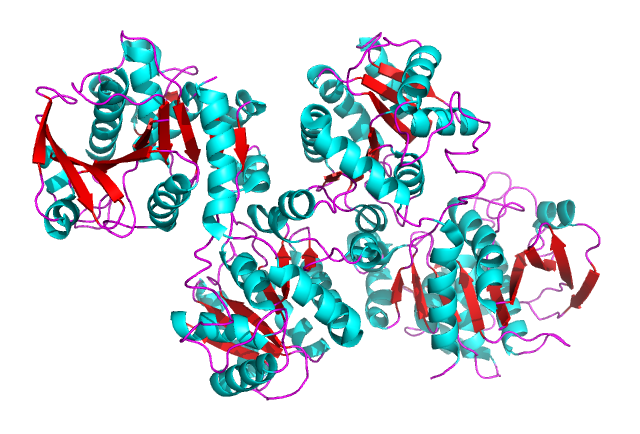
Doença de armazenamento de glicogênio devida a deficiência de glicogênio sintetase hepática
📋 Origem dos dados
Esta página agrega dados de fontes públicas e oficiais. Dados sobre cobertura no SUS (PCDT, CEAF) são verificados ativamente por agente proativo (ver badge no infobox). Demais dados têm atribuição de fonte + data da última sincronização — clique para abrir o original.
- Doença rara (ontologia)
- fonte: Orphanet
- Identificador unificado
- fonte: MONDO
- Genética mendeliana
- fonte: OMIM
- Codificação WHO/SUS
- fonte: WHO ICD-10 / DATASUS
- CID-11 (futuro)
- fonte: WHO ICD-11
- NIH/GARD
- fonte: GARD (NIH)
- Indexação biomédica
- fonte: MeSH (NLM)
- Dado público estruturado
- fonte: Wikidata