
A hialinose sistêmica infantil (ISH) é uma doença muito rara pertencente ao grupo heterogêneo de fibromatoses genéticas e é caracterizada por contraturas articulares progressivas, anormalidades cutâneas, dor crônica intensa e deposição generalizada de material hialino em muitos tecidos, como pele, músculo esquelético, músculo cardíaco, trato gastrointestinal, gânglios linfáticos, baço, tireóide e glândulas supra-renais.
Introdução
O que você precisa saber de cara
A hialinose sistêmica infantil (ISH) é uma doença muito rara pertencente ao grupo heterogêneo de fibromatoses genéticas e é caracterizada por contraturas articulares progressivas, anormalidades cutâneas, dor crônica intensa e deposição generalizada de material hialino em muitos tecidos, como pele, músculo esquelético, músculo cardíaco, trato gastrointestinal, gânglios linfáticos, baço, tireóide e glândulas supra-renais.
Escala de raridade
<1/50kMuito rara
1/20kRara
1/10kPouco freq.
1/5kIncomum
1/2k
Encontrou um erro ou informação desatualizada? Sugira uma correção →
Entender a doença
Do básico ao detalhe, leia no seu ritmo
Preparando trilha educativa...
Sinais e sintomas
O que aparece no corpo e com que frequência cada sintoma acontece
Partes do corpo afetadas
+ 8 sintomas em outras categorias
Características mais comuns
Os sintomas variam de pessoa para pessoa. Abaixo estão as 38 características clínicas mais associadas, ordenadas por frequência.
Linha do tempo da pesquisa
Encontrou um erro ou informação desatualizada? Sugira uma correção →
Genética e causas
O que está alterado no DNA e como passa nas famílias
Genes associados
1 gene identificado com associação a esta condição. Padrão de herança: Autosomal recessive.
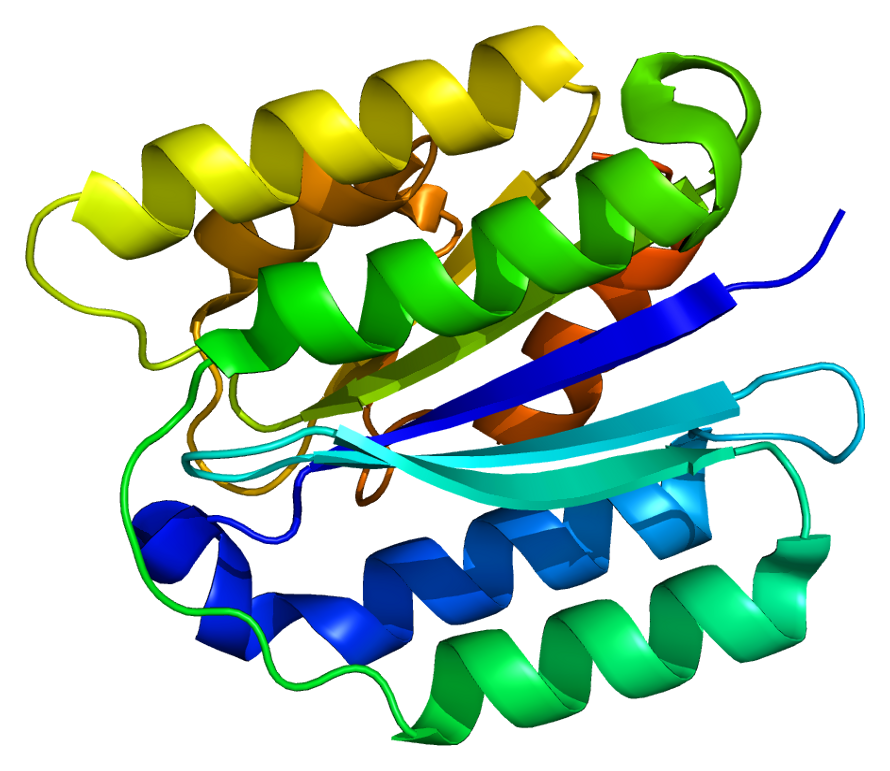
Necessary for cellular interactions with laminin and the extracellular matrix (Microbial infection) Receptor for the protective antigen (PA) of B.anthracis (PubMed:12700348, PubMed:15243628, PubMed:15326297). Binding of PA leads to heptamerization of the receptor-PA complex (PubMed:12700348, PubMed:15243628, PubMed:15326297). Upon binding of the PA of B.anthracis, the complex moves to glycosphingolipid-rich lipid rafts, where it is internalized via a clathrin-dependent pathway (PubMed:12551953,
Cell membraneEndoplasmic reticulum membraneSecreted
Hyaline fibromatosis syndrome
An autosomal recessive syndrome characterized by abnormal growth of hyalinized fibrous tissue usually affecting subcutaneous regions on the scalp, ears, neck, face, hands, and feet. The lesions appear as pearly papules or fleshy nodules. Additional features include gingival hypertrophy, progressive joint contractures resulting in severe limitation of mobility, osteopenia, and osteoporosis. Disease severity is variable. Some individuals manifest symptoms in infancy and have additional visceral or systemic involvement. Hyaline deposits in multiple organs, recurrent infections and intractable diarrhea often lead to early death. Surviving children may suffer from severely reduced mobility due to joint contractures. Other patients have later onset of a milder disorder affecting only the face and digits.
Variantes genéticas (ClinVar)
67 variantes patogênicas registradas no ClinVar.
Vias biológicas (Reactome)
1 via biológica associada aos genes desta condição.
Diagnóstico
Os sinais que médicos procuram e os exames que confirmam
Tratamento e manejo
Remédios, cuidados de apoio e o que precisa acompanhar
Onde tratar no SUS
Hospitais de referência no Brasil e o protocolo oficial do SUS (PCDT)
🇧🇷 Atendimento SUS — Hialinose sistêmica da infância
Selecione um estado ou use sua localização para ver resultados.
Dados de DATASUS/CNES, SBGM, ABNeuro e Ministério da Saúde. Sempre confirme a disponibilidade diretamente com o estabelecimento.
Pesquisa ativa
Ensaios clínicos abertos e novidades científicas recentes
Ensaios em destaque
Pesquisa e ensaios clínicos
3 ensaios clínicos encontrados, 1 ativos.
Publicações mais relevantes
Infantile Systemic Hyalinosis: A Familiar Symptom Unveiling an Unusual Disease.
Infantile systemic hyalinosis is a rare autosomal recessive disorder characterized by the widespread deposition of hyaline material in multiple organs leading to progressive multisystem involvement. Early clinical manifestations are often nonspecific and frequently result in diagnostic delay. We report a seven-month-old female infant born of a third-degree consanguineous marriage who presented with persistent watery diarrhea since early infancy with failure to thrive. Clinical examination showed coarse facial features, hyperpigmentation over joints, perianal rash, and markedly reduced joint mobility with preserved deep tendon reflexes. Laboratory evaluation showed anemia, neutrophilic leukocytosis, elevated inflammatory markers, hypoalbuminemia, and reduced immunoglobulin levels, while stool studies were non-contributory. Upper gastrointestinal endoscopy demonstrated scattered white mucosal lesions suggestive of lymphatic dilation or hyaline deposition. After the exclusion of infectious, metabolic, and malabsorptive causes, a genetic etiology was suspected. Whole exome sequencing identified a homozygous pathogenic frameshift mutation in the ANTXR2 gene (c.1074del; p.Ala359fs), confirming the diagnosis of infantile systemic hyalinosis. This case highlights the importance of considering rare genetic disorders in infants presenting with chronic diarrhea accompanied by joint contractures and skin lesions and emphasizes the role of early genetic testing for definitive diagnosis, appropriate counseling, and optimized supportive care. Hyaline fibromatosis syndrome (HFS) is characterized by hyaline deposits in the papillary dermis and other tissues. It can present at birth or in infancy with severe pain with movement, progressive joint contractures, and often severe motor disability, thickened skin, and hyperpigmented macules/patches over bony prominences of the joints. Gingival hypertrophy, skin nodules, pearly papules of the face and neck, and perianal masses are common. Complications including protein-losing enteropathy and inadequate weight gain can be life threatening. Cognitive development is normal. Some children with the severe form (also called infantile systemic hyalinosis) have a significant risk of morbidity or mortality in early childhood; some with a milder phenotype (also called juvenile hyaline fibromatosis) live well into adulthood with medical management. The diagnosis of HFS is established in a proband with characteristic clinical features and/or biallelic pathogenic variants in ANTXR2 identified by molecular genetic testing. Skin biopsy may show hyaline material accumulation in the dermis or nondiagnostic findings; intestinal biopsy may demonstrate hyaline material, villous atrophy, and lymphangiectasia. Skeletal radiographs may show osteopenia, periosteal reaction, and lucent lesions. Treatment of manifestations: Treatment of skin nodules as recommended by dermatologist and/or plastic surgeon; perianal masses may be resected; physical therapy for joint contractures can be considered although pain may be problematic; nonsteroidal anti-inflammatory drugs, gabapentin, and/or potentially baclofen for pain; gentle handling; splinting may reduce pain; consultation with a pain management specialist; early consideration of nasogastric tube, gastrostomy tube feeding, or parenteral nutrition under supervision of a gastroenterologist and nutritionist; nutrition tailored for the possibility of malabsorption or lymphangiectasia; hydration and albumin infusions for protein-losing enteropathy; lesions that obstruct the airway or interfere with feedings can be excised but may recur; anesthesiologists need to be aware of potential difficulties with endotracheal intubation; treatment of dental anomalies per dentist and/or oral surgeon; treatment of osteopenia and fractures per endocrinologist and orthopedist; infections are treated based on the site of infection and causative agent; consider family support to manage chronic medical conditions. Surveillance: The following as needed based on clinical presentation: examination for concerning lesions; history and examination for contracture progression and pain; assessment of bone health; serum albumin; evaluation for gastrointestinal malabsorption; stool studies; nutrition assessment; examination for oral lesions that affect feeding/nutrition and dental complications; assessment of frequency of infections and antibody levels. Cardiac assessment as needed based on results of initial cardiac workup. Assessment of family needs at each visit. HFS is inherited in an autosomal recessive manner. If both parents are known to be heterozygous for an ANTXR2 pathogenic variant, each sib of an affected individual has at conception a 25% chance of being affected, a 50% chance of being unaffected and a carrier, and a 25% chance of being unaffected and not a carrier. Once the ANTXR2 pathogenic variants have been identified in an affected family member, carrier testing for at-risk relatives and prenatal/preimplantation genetic testing are possible.
Infantile systemic Hyalinosis in a 6-month-old male: identification of homozygous ANTXR2 gene mutation.
This case report presents a 6-month-old male infant with a diagnosis of infantile systemic hyalinosis (ISH) and describes the diagnostic difficulties and findings of clinical examinations, laboratory analyses, and imaging studies. A 6-month-old male infant was admitted with abdominal distension, persistent diarrhea, and joint tenderness. His history included profuse watery diarrhea and a hospitalization for hypoalbuminemia. Upon arrival, he presented with multiple episodes of non-bloody diarrhea, oxygen desaturation, and signs of failure to thrive. Physical examination revealed joint swelling, spasticity, failure to thrive, short stature and developmental delays. Imaging studies including abdominal and pelvic ultrasound showed free fluid, intestinal distension, and renal microlithiasis. Imaging results included a chest X-ray showing mild interstitial markings and a brain MRI showing dilatation of subarachnoid space. Laboratory studies demonstrated an elevated white blood cell count (13 300 cells/mm3), high levels of ammonia, and relatively low hemoglobin. Ultimately, the diagnosis of ISH was confirmed by a homozygous ANTXR2 gene mutation. This case accentuates the need for an integrated approach to the diagnosis of nonspecific infant symptoms. Diagnosis should be made early and accurately with a high index of suspicion; it forms the cornerstone for any treatment or prevention of complications. Furthermore, the early recognition of ISH is important in effective management and family counseling with the aid of genetic analysis. The findings add to the knowledge about ISH and its clinical implications, pointing to the need for continued research into rare genetic disorders.
Genetic Insights Into Hyaline Fibromatosis Syndrome: A Case Report of an ANTXR2 Mutation Featuring a Rare Variant c.697+1G>A.
Hyaline fibromatosis syndrome (HFS) is a rare genetic disorder encompassing juvenile hyaline fibromatosis (JHF) and infantile systemic hyalinosis (ISH), caused by mutations in the anthrax toxin receptor 2 gene (ANTXR2). This condition leads to the accumulation of hyaline plaques in the skin and organs, resulting in symptoms such as skin lesions, joint contractures, and digestive issues, often culminating in early mortality due to infections or diarrhea. By 2005, 20 mutations in ANTXR2 linked to ISH and JHF had been documented, impairing cellular adhesion to the laminin matrix. In this study, we present a case of a 6-month-old Iranian female of western Asian ethnicity, born to consanguineous parents. She exhibited hyperpigmentation of the proximal interphalangeal (PIP) joints, knee flexion contractures, persistent diarrhea, and failure to thrive. Initial assessments suggested arthrogryposis; however, the presence of hyperpigmented nodules and perianal plaques prompted further investigation. Genetic analysis confirmed a homozygous mutation in ANTXR2 and incidental heterozygous mutations in the HEXA and PAH genes. The patient will undergo regular monitoring and may require immunosuppressive therapy and orthopedic interventions. Hyaline fibromatosis syndrome presents unique diagnostic challenges due to its overlap with other conditions like arthrogryposis. While arthrogryposis typically lacks systemic symptoms, HFS is marked by significant pain and systemic manifestations due to hyaline deposits in tissues. The case presented aligns with existing literature regarding HFS characteristics, including joint contractures and skin lesions. The identification of the c.697+1G>A mutation at a splice site within the ANTXR2 gene highlights potential mechanisms contributing to HFS pathology. This finding emphasizes the necessity for comprehensive genetic profiling when diagnosing rare syndromes. Furthermore, low allele frequencies of this variant across population databases underscore its rarity and potential significance in disease manifestation. Hyaline fibromatosis syndrome (HFS) is an uncommon autosomal recessive disorder that is marked by notable clinical features, such as the deposition of hyaline material in various tissues, joint contractures, and systemic complications. The case discussed illustrates the diagnostic challenges associated with HFS, particularly in a young patient who presented with atypical symptoms that initially indicated arthrogryposis. Genetic analysis revealed a homozygous mutation in the ANTXR2 gene, specifically the c.697+1G>A variant, which interferes with normal splicing and results in the absence of functional protein. This observation emphasizes the critical role of genetic testing in the precise diagnosis of rare syndromes and in differentiating them from other hereditary disorders.
Hyaline Fibromatosis Syndrome Presenting with Nasal Mass: A Case Report.
Hyaline fibromatosis syndrome (HFS) is a rare, autosomally-recesfvsive disease characterized by papulonodular skin lesions, soft tissue masses, joint contractures, gingival overgrowth, and osteolytic bone lesions. Mutations in capillary morphogenesis gene 2 are responsible for both these conditions. Generally, an autosomal recessive pattern is assumed to be the most common mode of inheritance. Here, we report an unusual case of a twenty-three-year-old female patient with HFS who reported with a chief complaint of growing nasal mass for three months. There was no history of pain or bleeding associated with the nasal mass. Due to the growing mass, she experienced right nasal obstruction, which compromised her quality of life. There was an unremarkable family history. Her physical examination revealed multiple asymptomatic pinkish-white papulonodular lesions located at multiple sites. Intra orally, she had generalized gingival enlargement. Her nasal examination revealed a right sided nasal mass, bright red in color. The lesion was soft on palpation. All the results of hematological and biochemical tests were normal. However, skeletal radiographic examination showed the joint contractures on her knees and elbows without the presence of osteolytic bone lesions. The nasal lesion was surgically excised and histopathological examination revealed features suggestive of HFS.
Hyaline fibromatosis syndrome: a rare, yet recognizable syndrome.
Hyaline fibromatosis syndrome is a rare autosomal recessive disorder caused by ANTXR2 pathogenic variants. The disorder is characterized by the deposition of amorphous hyaline material in connective tissues. The hallmarks of the disease are joint contractures, generalized skin stiffness, hyperpigmented papules over extensor surfaces of joints, fleshy perianal masses, severe diarrhea, and gingival hypertrophy. The severity of the disease varies and prognosis is poor. No specific treatment is yet available. Most patients with the severe form of the condition pass away before the second year of age. In this study, we describe the clinical and molecular findings of a cohort of seven hyaline fibromatosis syndrome patients who were diagnosed and followed up at a single tertiary reference center in Turkey. Genomic DNA was extracted by standard salting out method from peripheric blood samples of three patients. In one patient DNA extraction was performed on pathology slides since peripheric blood DNA was not available. All coding exons of the ANTXR2 were amplified and sequenced on ABI Prism 3500 Genetic Analyser. Sanger sequencing was performed in 3 patients and homozygous c.945T>G p.(Cys315Trp), c.1073dup p.(Ala359CysfsTer13), and c.1074del p.(Ala359HisfsTer50) variants were identified in ANTXR2. All patients passed away before the age of five years. HFS is a rare, progressive disorder with a broad phenotypic spectrum. HFS can be recognized easily with distinctive clinical features. Nevertheless, it has poor prognosis with increased mortality due to severe clinical decompensation.
Publicações recentes
Early Recognition of Infantile Systemic Hyalinosis in a Palestinian Infant: A Case Report.
Infantile Systemic Hyalinosis: A Familiar Symptom Unveiling an Unusual Disease.
Hyaline Fibromatosis Syndrome.
Infantile systemic Hyalinosis in a 6-month-old male: identification of homozygous ANTXR2 gene mutation.
Genetic Insights Into Hyaline Fibromatosis Syndrome: A Case Report of an ANTXR2 Mutation Featuring a Rare Variant c.697+1G>A.
📚 EuropePMC73 artigos no totalmostrando 42
Infantile Systemic Hyalinosis: A Familiar Symptom Unveiling an Unusual Disease.
CureusInfantile systemic Hyalinosis in a 6-month-old male: identification of homozygous ANTXR2 gene mutation.
Oxford medical case reportsGenetic Insights Into Hyaline Fibromatosis Syndrome: A Case Report of an ANTXR2 Mutation Featuring a Rare Variant c.697+1G>A.
Clinical case reportsInfantile Systemic Hyalinosis: A Case Report with a Brief Review.
Indian dermatology online journalA Rare Presentation of a 12-Year-Old With Systemic Infantile Hyalinosis: A Case Report and Review of the Literature.
Cureus[Infantile systemic hyalinosis].
Dermatologie (Heidelberg, Germany)Effect of Paediatric Rehabilitation in Infantile Systemic Hyalinosis: A Case Report.
CureusHyaline Fibromatosis Syndrome: Early Outcomes Following Major Craniofacial Mass Excision.
The Journal of craniofacial surgeryBeyond Skin Deep: A Case Report of Infantile Systemic Hyalinosis in a Six-Month-Old Infant.
CureusHyaline fibromatosis syndrome: a rare, yet recognizable syndrome.
The Turkish journal of pediatricsInvestigating the Influence of ANTXR2 Gene Mutations on Protective Antigen Binding for Heightened Anthrax Resistance.
GenesHyaline Fibromatosis Syndrome Diagnosed by Whole Genome Sequencing.
Journal of pediatric health care : official publication of National Association of Pediatric Nurse Associates & PractitionersInfantile Systemic Hyalinosis: A Case Report and Literature Review.
CureusZimmermann-Laband syndrome and infantile systemic hyalinosis: an enigma with two separate terms with overlapping features: a case report.
BMC pediatricsHyaline Fibromatosis Syndrome Presenting with Nasal Mass: A Case Report.
Ear, nose, & throat journalOverlapping Hyaline Fibromatosis Syndrome: A Rare Case of Juvenile Hyaline Fibromatosis and Infantile Systemic Hyalinosis.
CureusHyaline fibromatosis syndrome with a novel 4.41-kb deletion in ANTXR2 gene: A case report and literature review.
Molecular genetics & genomic medicineInfantile Systemic Hyalinosis Presenting as Pseudo-Paralysis in Infancy: Study of Six Cases.
Journal of pediatric geneticsA Severe Case of Infantile Systemic Hyalinosis in an Asian Child: A Product of Consanguinity.
CureusInfantile systemic hyalinosis: Variable grades of severity.
African journal of paediatric surgery : AJPSHyaline fibromatosis syndrome: A rare case of multifocal intra-articular involvement.
Clinical imagingThe physical education and the Infantile Systemic Hyalinosis: A case report.
HeliyonClinical aspects of Hyaline Fibromatosis Syndrome and identification of a novel mutation.
Molecular genetics & genomic medicineInfantile Systemic Hyalinosis.
JAMA dermatologyHyaline fibromatosis syndrome: Clinical update and phenotype-genotype correlations.
Human mutationJuvenile Hyaline Fibromatosis.
Contemporary clinical dentistryProtein-losing enteropathy and joint contractures caused by a novel homozygous ANTXR2 mutation.
Advances in genomics and geneticsLooking beyond the exome: a phenotype-first approach to molecular diagnostic resolution in rare and undiagnosed diseases.
Genetics in medicine : official journal of the American College of Medical GeneticsInfantile systemic hyalinosis: a report of two new cases, one with prolonged survival.
European journal of dermatology : EJDDiagnosis implications of the whole genome sequencing in a large Lebanese family with hyaline fibromatosis syndrome.
BMC genetics[Infantile systemic hyalinosis: a case report and literature review].
Zhonghua er ke za zhi = Chinese journal of pediatricsInfantile Systemic Hyalinosis: Novel Founder Mutation in the Initiation Codon among "Malis (Farmers)" in Jodhpur.
Indian journal of pediatricsHyaline Fibromatosis Syndrome: A Rare Inherited Disorder.
Indian journal of dermatologyIdentical Twins with Infantile Systemic Hyalinosis: Case study and review of literature.
Journal of orthopaedic case reportsInfantile systemic hyalinosis: Report of two severe cases from Saudi Arabia and review of the literature.
Intractable & rare diseases researchHyaline fibromatosis syndrome: cutaneous manifestations.
Anais brasileiros de dermatologiaSystemic Hyalinosis With Heterozygous CMG2 Mutations: A Case Report and Review of Literature.
The American Journal of dermatopathologyInfantile Systemic Hyalinosis with Mutation in ANTXR2.
Indian journal of pediatricsInfantile systemic hyalinosis in identical twins.
Intractable & rare diseases researchTreatment of Massive Labial and Gingival Hypertrophy in a Patient With Infantile Systemic Hyalinosis-A Case Report.
Journal of oral and maxillofacial surgery : official journal of the American Association of Oral and Maxillofacial SurgeonsInfantile Systemic Hyalinosis: Report of 17-year Experience.
Iranian journal of pediatricsInfantile systemic hyalinosis in an Iranian family with a mutation in the CMG2/ANTXR2 gene.
Clinical and experimental dermatologyAssociações
Organizações que acompanham esta doença — pra ter apoio e orientação
Ainda não temos associações cadastradas para Hialinose sistêmica da infância.
É de uma associação que acompanha esta doença? Fale com a gente →
Comunidades
Grupos ativos de quem convive com esta doença aqui no Raras
Ainda não existe comunidade no Raras para Hialinose sistêmica da infância
Pacientes, familiares e cuidadores se organizam em comunidades pra compartilhar experiências, fazer perguntas e se apoiar. Você pode ser o primeiro.
Tire suas dúvidas
Perguntas, dicas e experiências compartilhadas aqui na página
Participe da discussão
Faça login para postar dúvidas, compartilhar experiências e interagir com especialistas.
Fazer loginDoenças relacionadas
Doenças com sintomas parecidos — ajudam quem ainda está buscando diagnóstico
Referências e fontes
Bases de dados externas citadas neste artigo
Publicações científicas
Artigos indexados no PubMed ligados a esta doença no grafo RarasNet — título, periódico e PMID direto da fonte, sem intermediação de IA.
- Infantile Systemic Hyalinosis: A Familiar Symptom Unveiling an Unusual Disease.
- Infantile systemic Hyalinosis in a 6-month-old male: identification of homozygous ANTXR2 gene mutation.
- Genetic Insights Into Hyaline Fibromatosis Syndrome: A Case Report of an ANTXR2 Mutation Featuring a Rare Variant c.697+1G>A.
- Hyaline Fibromatosis Syndrome Presenting with Nasal Mass: A Case Report.
- Hyaline fibromatosis syndrome: a rare, yet recognizable syndrome.
- Early Recognition of Infantile Systemic Hyalinosis in a Palestinian Infant: A Case Report.
- Hyaline Fibromatosis Syndrome.
Bases de dados e fontes oficiais
Identificadores e referências canônicas usadas para montar este verbete.
- ORPHA:2176(Orphanet)
- OMIM OMIM:236490(OMIM)
- MONDO:0016331(MONDO)
- GARD:6807(GARD (NIH))
- Variantes catalogadas(ClinVar)
- Busca completa no PubMed(PubMed)
- Q6029067(Wikidata)
Dados compilados pelo RarasNet a partir de fontes abertas (Orphanet, OMIM, MONDO, PubMed/EuropePMC, ClinicalTrials.gov, DATASUS, PCDT/MS). Este conteúdo é informativo e não substitui avaliação médica.
Conteúdo mantido por Agente Raras · Médicos e pesquisadores podem colaborar
Hialinose sistêmica da infância
📋 Origem dos dados
Esta página agrega dados de fontes públicas e oficiais. Dados sobre cobertura no SUS (PCDT, CEAF) são verificados ativamente por agente proativo (ver badge no infobox). Demais dados têm atribuição de fonte + data da última sincronização — clique para abrir o original.
- Doença rara (ontologia)
- fonte: Orphanet
- Identificador unificado
- fonte: MONDO
- Genética mendeliana
- fonte: OMIM
- Codificação WHO/SUS
- fonte: WHO ICD-10 / DATASUS
- CID-11 (futuro)
- fonte: WHO ICD-11
- NIH/GARD
- fonte: GARD (NIH)
- Indexação biomédica
- fonte: MeSH (NLM)
- Dado público estruturado
- fonte: Wikidata
- Ensaios clínicos
- fonte: ClinicalTrials.gov