
A síndrome artrogripose-disfunção renal-colestase (ARC) é um distúrbio multissistêmico, caracterizado por artrogripose múltipla congênita neurogênica, disfunção tubular renal e colestase neonatal com baixa atividade sérica da gama-glutamil transferase.
Introdução
O que você precisa saber de cara
A síndrome artrogripose-disfunção renal-colestase (ARC) é um distúrbio multissistêmico, caracterizado por artrogripose múltipla congênita neurogênica, disfunção tubular renal e colestase neonatal com baixa atividade sérica da gama-glutamil transferase.
Escala de raridade
<1/50kMuito rara
1/20kRara
1/10kPouco freq.
1/5kIncomum
1/2k
Encontrou um erro ou informação desatualizada? Sugira uma correção →
Entender a doença
Do básico ao detalhe, leia no seu ritmo
Preparando trilha educativa...
Sinais e sintomas
O que aparece no corpo e com que frequência cada sintoma acontece
Partes do corpo afetadas
+ 19 sintomas em outras categorias
Características mais comuns
Os sintomas variam de pessoa para pessoa. Abaixo estão as 62 características clínicas mais associadas, ordenadas por frequência.
Linha do tempo da pesquisa
Encontrou um erro ou informação desatualizada? Sugira uma correção →
Genética e causas
O que está alterado no DNA e como passa nas famílias
Genes associados
2 genes identificados com associação a esta condição. Padrão de herança: Autosomal recessive.
May play a role in vesicle-mediated protein trafficking to lysosomal compartments and in membrane docking/fusion reactions of late endosomes/lysosomes. Required for proper trafficking and targeting of the collagen-modifying enzyme lysyl hydroxylase 3 (LH3) to intracellular collagen (PubMed:28017832). Mediates phagolysosomal fusion in macrophages (PubMed:18474358). Proposed to be involved in endosomal maturation implicating VIPAS39. In epithelial cells, the VPS33B:VIPAS39 complex may play a role
Late endosome membraneLysosome membraneEarly endosomeCytoplasmic vesicle, clathrin-coated vesicleRecycling endosome
Arthrogryposis, renal dysfunction, and cholestasis 1
An autosomal recessive multisystem disorder with characteristics of congenital joint contractures, renal tubular dysfunction, neonatal cholestasis with bile duct hypoplasia and low gamma glutamyl transpeptidase activity, severe failure to thrive, ichthyosis, and a defect in platelet alpha-granule biogenesis. Most patients do not survive past the first year of life.
Proposed to be involved in endosomal maturation implicating in part VPS33B. In epithelial cells, the VPS33B:VIPAS39 complex may play a role in the apical RAB11A-dependent recycling pathway and in the maintenance of the apical-basolateral polarity (PubMed:20190753). May play a role in lysosomal trafficking, probably via association with the core HOPS complex in a discrete population of endosomes; the functions seems to be independent of VPS33B (PubMed:19109425). May play a role in vesicular traff
CytoplasmCytoplasmic vesicleEarly endosomeRecycling endosomeLate endosome
Arthrogryposis, renal dysfunction and cholestasis syndrome 2
A multisystem disorder, characterized by neurogenic arthrogryposis multiplex congenita, renal tubular dysfunction and neonatal cholestasis with bile duct hypoplasia and low gamma glutamyl transpeptidase activity. Platelet dysfunction is common.
Variantes genéticas (ClinVar)
183 variantes patogênicas registradas no ClinVar.
Vias biológicas (Reactome)
2 vias biológicas associadas aos genes desta condição.
Diagnóstico
Os sinais que médicos procuram e os exames que confirmam
Tratamento e manejo
Remédios, cuidados de apoio e o que precisa acompanhar
Onde tratar no SUS
Hospitais de referência no Brasil e o protocolo oficial do SUS (PCDT)
🇧🇷 Atendimento SUS — Síndrome de artrogripose-disfunção renal-colestase
Selecione um estado ou use sua localização para ver resultados.
Dados de DATASUS/CNES, SBGM, ABNeuro e Ministério da Saúde. Sempre confirme a disponibilidade diretamente com o estabelecimento.
Pesquisa ativa
Ensaios clínicos abertos e novidades científicas recentes
Pesquisa e ensaios clínicos
Nenhum ensaio clínico registrado para esta condição.
Publicações mais relevantes
A novel homozygous splice-site variant in VPS33B identified as a cause of bleeding.
Mild-to-moderate bleeding disorders are underdiagnosed, with many individuals classified as having no clear cause for their bleeding. Accurate diagnosis remains challenging and requires comprehensive clinical assessment, detailed laboratory testing, and advanced genetic testing. This study aimed to elucidate the relevance of an integrated approach for diagnosing patients with mild-to-moderate bleeding disorders by reevaluating 2 cases previously labeled with an undefined cause. Two young siblings with unexplained bleeding tendencies were referred for evaluation. Bleeding score were assessed using the International Society on Thrombosis and Haemostasis bleeding assessment tool questionnaire. Platelet phenotyping included blood count, blood film, coagulation tests, light transmission aggregometry, flow cytometry, western blotting, and transmission electron microscopy. Genetic analysis involved whole-exome sequencing (WES) and pathogenicity assessment of candidate variants. Both siblings exhibited mild-to-moderate bleeding (bleeding score, 11 and 3, respectively). Blood count, coagulation factor tests, and light transmission aggregometry response to several agonists were normal. Blood film showed large and hypogranular platelets. Flow cytometry revealed reduced α-granule secretion upon ADP and TRAP6 stimulation. WES identified a homozygous variant in VPS33B (c.1225+5G>C) predicted to disrupt splicing. Immunoblotting confirmed null VPS33B expression and reduced von Willebrand factor levels. Transmission electron microscopy showed abnormal vacuole content and significantly reduced α-granules, while δ-granules and mitochondria remained intact. This study reports a novel homozygous variant in VPS33B, leading to platelet dysfunction and bleeding diathesis based on α-granule defect and syndromic manifestations. Our findings highlight the importance of an integrated diagnostic approach, including WES, and expand the clinical and genetic spectrum of arthrogryposis, renal dysfunction, and cholestasis syndrome.
Bilateral Renal Fungal Bezoars and Perinephric Abscess in an Infant With Arthrogryposis-Renal Dysfunction-Cholestasis Syndrome: A Clinico-pathologic Case Report.
The patients with Arthrogryposis-Renal dysfunction-Cholestasis (ARC) syndrome have genetic susceptibility to the opportunistic infections due to the involvement of VPS33B (vacuolar protein sorting 33 homolog B) in phagolysosome fusion in macrophages. Detailed pathologic studies in ARC patients are missing in literature due to the lack of autopsy. We described the first autopsy case of ARC syndrome in a 2-month-old male infant. His death was due to recurrent sepsis and multiorgan failure despite the appropriate poly-antibiotic therapy and supportive care. The autopsy showed invasive renal candidiasis including bilateral destructive pyelonephritis, pelvic obstructive fungal bezoars, and right large perinephric abscess. The main other findings included severe chronic liver changes and pneumonia. Liver exhibited intrahepatocyte cholestasis, large multinucleated hepatocytes, diffuse portal, bridging and perivenular fibrosis, and interlobular bile duct proliferation. The neuropathologic examination was unremarkable. This case report highlights 3 novel findings. The ARC syndrome-related immunodeficiency may predispose to renal fungal bezoars and perinephric abscess. Cholestatic stress may result in the proliferation of interlobular ducts as an adaptive response. Absence of spinal motor neuron degeneration suggests that the neurogenic amyotrophy is due to the lack of synaptic vesicle trafficking and membrane fusion rather than the defect in cell survival-related autophagosome-lysosome fusion.
VIPAS39 related arthrogryposis-renal dysfunction-cholestasis syndrome-case report and systematic review.
Arthrogryposis-renal dysfunction-cholestasis (ARC) syndrome, a rare autosomal recessive disorder, exhibits genetic heterogeneity with the VIPAS39 gene pathological variants being a distinct contributor. We present two related patients from Kosovo, describing the clinical, genetic, and therapeutic aspects of the syndrome. The identified novel VIPAS39 pathological variants (c.762G > A; c.1064_1082delinsAGTG) emphasize the complex phenotypic expression of ARC syndrome. A systematic literature review identified 8 VIPAS39-related ARC cases with notable variability in clinical features. Prognostically, patients fell into severe and milder groups, with some reaching adolescence. Our report aligns with others noting milder ARC courses and emphasizes the value of genetic testing, especially in atypical presentations. Challenges included incomplete literature data, early mortality affecting diagnostic workup, and limited VIPAS39-related ARC cases. Comparisons with the more prevalent VPS33B pathological variants revealed no distinct clinical differences. Our study expands understanding of ARC syndrome, highlighting its genetic diversity and clinical variability. Milder presentations underscore diagnostic challenges and the potential prevalence of undiagnosed cases. Increased awareness and comprehensive genetic testing are crucial for early and accurate diagnosis.
Diagnostic algorithm for neonatal intrahepatic cholestasis integrating single-gene testing and next-generation sequencing in East Asia.
Advances in molecular genetics have uncovered causative genes responsible for neonatal cholestasis. Panel-based next-generation sequencing has been used clinically in infants with neonatal cholestasis. We aimed to evaluate the clinical application of single-gene testing and next-generation sequencing and to develop a diagnostic algorithm for neonatal intrahepatic cholestasis. From January 2010 to July 2021, patients suspected of having neonatal intrahepatic cholestasis were tested at the Seoul National University Hospital. If there was a clinically suspected disease, single-gene testing was performed. Alternatively, if it was clinically difficult to differentiate, a neonatal cholestasis gene panel test containing 34 genes was performed. Of the total 148 patients examined, 49 (33.1%) were received a confirmed genetic diagnosis, including 14 with Alagille syndrome, 14 with neonatal intrahepatic cholestasis caused by citrin deficiency, 7 with Dubin-Johnson syndrome, 5 with arthrogryposis-renal dysfunction-cholestasis syndrome, 5 with progressive familial intrahepatic cholestasis type II, 1 with Rotor syndrome, 1 with Niemann-Pick disease type C, 1 with Kabuki syndrome, and 1 with Phenylalanyl-tRNA synthetase subunit alpha mutation. Sixteen novel pathogenic or likely pathogenic variants of neonatal cholestasis were observed in this study. Based on the clinical characteristics and laboratory findings, we developed a diagnostic algorithm for neonatal intrahepatic cholestasis by integrating single-gene testing and next-generation sequencing. Alagille syndrome and neonatal intrahepatic cholestasis caused by citrin deficiency were the most common diseases associated with genetic neonatal cholestasis. Single-gene testing and next-generation sequencing are important and complementary tools for the diagnosis of genetic neonatal cholestasis.
Arthrogryposis, renal dysfunction, cholestasis syndrome with a novel mutation in two siblings.
This current case series adds to the spectrum of Arthrogryposis renal dysfunction cholestasis (ARC)-associated variants. Increased awareness and early genetic testing for ARC are suggested in cases with failure to thrive, renal tubular dysfunction, and rickets, even when the degree of cholestasis is mild. Prompt identification and intervention may improve the quality of life.
Publicações recentes
Histomorphological Features of a Liver Explant From an Adult With Arthrogryposis-Renal Dysfunction-Cholestasis Syndrome: A Case Report and Literature Review.
A novel homozygous splice-site variant in VPS33B identified as a cause of bleeding.
Bilateral Renal Fungal Bezoars and Perinephric Abscess in an Infant With Arthrogryposis-Renal Dysfunction-Cholestasis Syndrome: A Clinico-pathologic Case Report.
VIPAS39 related arthrogryposis-renal dysfunction-cholestasis syndrome-case report and systematic review.
Arthrogryposis, renal dysfunction, cholestasis syndrome with a novel mutation in two siblings.
📚 EuropePMC12 artigos no totalmostrando 32
A novel homozygous splice-site variant in VPS33B identified as a cause of bleeding.
Journal of thrombosis and haemostasis : JTHBilateral Renal Fungal Bezoars and Perinephric Abscess in an Infant With Arthrogryposis-Renal Dysfunction-Cholestasis Syndrome: A Clinico-pathologic Case Report.
Pediatric and developmental pathology : the official journal of the Society for Pediatric Pathology and the Paediatric Pathology SocietyVIPAS39 related arthrogryposis-renal dysfunction-cholestasis syndrome-case report and systematic review.
Orphanet journal of rare diseasesArthrogryposis, renal dysfunction, cholestasis syndrome with a novel mutation in two siblings.
Clinical case reportsDiagnostic algorithm for neonatal intrahepatic cholestasis integrating single-gene testing and next-generation sequencing in East Asia.
Journal of gastroenterology and hepatologyArthrogryposis, renal dysfunction, cholestasis syndrome in a neonate: an uncommon association of common problems.
BMJ case reportsThe Sec1-Munc18 protein VPS33B forms a uniquely bidirectional complex with VPS16B.
The Journal of biological chemistryOne case of arthrogryposis-renal dysfunction-cholestasis (ARC) syndrome featuring an incomplete and mild phenotype.
BMC nephrologyPlatelet VPS16B is dependent on VPS33B expression, as determined in two siblings with arthrogryposis, renal dysfunction, and cholestasis syndrome.
Journal of thrombosis and haemostasis : JTHNovel gene mutations in three Japanese patients with ARC syndrome associated mild phenotypes: a case series.
Journal of medical case reports[Arthrogryposis–renal dysfunction–cholestasis syndrome].
Orvosi hetilapA New Aberration in the VPS33B Gene Leads to Full-Symptom ARCS1.
The American journal of case reportsA Novel VPS33B Variant Identified by Exome Sequencing in a Patient with Arthrogryposis-Renal Dysfunction-Cholestasis Syndrome.
Pediatric gastroenterology, hepatology & nutritionA Novel VPS33B Mutation Causing a Mild Phenotype of Arthrogryposis, Renal dysfunction, and Cholestasis Syndrome.
Journal of pediatric gastroenterology and nutritionCORVET, CHEVI and HOPS - multisubunit tethers of the endo-lysosomal system in health and disease.
Journal of cell scienceNovel VPS33B mutation in a patient with autosomal recessive keratoderma-ichthyosis-deafness syndrome.
American journal of medical genetics. Part ASorting machineries: how platelet-dense granules differ from α-granules.
Bioscience reportsArthrogryposis, renal dysfunction and cholestasis (ARC) syndrome: a rare association with high GGT level and absent kidney.
BMJ case reportsIdentification of genes and signaling pathways associated with arthrogryposis‑renal dysfunction‑cholestasis syndrome using weighted correlation network analysis.
International journal of molecular medicineSevere renal Fanconi and management strategies in Arthrogryposis-Renal dysfunction-Cholestasis syndrome: a case report.
BMC nephrologyVPS33B and VIPAR are essential for epidermal lamellar body biogenesis and function.
Biochimica et biophysica acta. Molecular basis of disease[Clinical features and VPS33B mutations in a family affected by arthrogryposis, renal dysfunction, and cholestasis syndrome].
Zhongguo dang dai er ke za zhi = Chinese journal of contemporary pediatricsA Novel VPS33B Mutation in a Patient with Arthrogryposis-Renal Dysfunction-Cholestasis Syndrome.
Pediatric dermatologyα-granule biogenesis: from disease to discovery.
PlateletsVps33b is crucial for structural and functional hepatocyte polarity.
Journal of hepatology[The complex phenotype of ARC syndrome: A new case].
Archives de pediatrie : organe officiel de la Societe francaise de pediatrieARC Syndrome-Linked Vps33B Protein Is Required for Inflammatory Endosomal Maturation and Signal Termination.
ImmunityArthrogryposis-renal tubular dysfunction-cholestasis syndrome: a cause of neonatal cholestasis. Case report.
Archivos argentinos de pediatriaNovel VIPAS39 mutation in a syndromic patient with arthrogryposis, renal tubular dysfunction and intrahepatic cholestasis.
European journal of medical geneticsThe Role of Platelets and ε-Aminocaproic Acid in Arthrogryposis, Renal Dysfunction, and Cholestasis (ARC) Syndrome Associated Hemorrhage.
Pediatric blood & cancerCharacterization of the Mammalian CORVET and HOPS Complexes and Their Modular Restructuring for Endosome Specificity.
The Journal of biological chemistryVPS33B regulates protein sorting into and maturation of α-granule progenitor organelles in mouse megakaryocytes.
BloodAssociações
Organizações que acompanham esta doença — pra ter apoio e orientação
Ainda não temos associações cadastradas para Síndrome de artrogripose-disfunção renal-colestase.
É de uma associação que acompanha esta doença? Fale com a gente →
Comunidades
Grupos ativos de quem convive com esta doença aqui no Raras
Ainda não existe comunidade no Raras para Síndrome de artrogripose-disfunção renal-colestase
Pacientes, familiares e cuidadores se organizam em comunidades pra compartilhar experiências, fazer perguntas e se apoiar. Você pode ser o primeiro.
Tire suas dúvidas
Perguntas, dicas e experiências compartilhadas aqui na página
Participe da discussão
Faça login para postar dúvidas, compartilhar experiências e interagir com especialistas.
Fazer loginDoenças relacionadas
Doenças com sintomas parecidos — ajudam quem ainda está buscando diagnóstico
Referências e fontes
Bases de dados externas citadas neste artigo
Publicações científicas
Artigos indexados no PubMed ligados a esta doença no grafo RarasNet — título, periódico e PMID direto da fonte, sem intermediação de IA.
- A novel homozygous splice-site variant in VPS33B identified as a cause of bleeding.
- Bilateral Renal Fungal Bezoars and Perinephric Abscess in an Infant With Arthrogryposis-Renal Dysfunction-Cholestasis Syndrome: A Clinico-pathologic Case Report.Pediatric and developmental pathology : the official journal of the Society for Pediatric Pathology and the Paediatric Pathology Society· 2025· PMID 39856600mais citado
- VIPAS39 related arthrogryposis-renal dysfunction-cholestasis syndrome-case report and systematic review.
- Diagnostic algorithm for neonatal intrahepatic cholestasis integrating single-gene testing and next-generation sequencing in East Asia.
- Arthrogryposis, renal dysfunction, cholestasis syndrome with a novel mutation in two siblings.
- Histomorphological Features of a Liver Explant From an Adult With Arthrogryposis-Renal Dysfunction-Cholestasis Syndrome: A Case Report and Literature Review.
Bases de dados e fontes oficiais
Identificadores e referências canônicas usadas para montar este verbete.
- ORPHA:2697(Orphanet)
- MONDO:0017123(MONDO)
- GARD:794(GARD (NIH))
- Variantes catalogadas(ClinVar)
- Busca completa no PubMed(PubMed)
- Q4797658(Wikidata)
Dados compilados pelo RarasNet a partir de fontes abertas (Orphanet, OMIM, MONDO, PubMed/EuropePMC, ClinicalTrials.gov, DATASUS, PCDT/MS). Este conteúdo é informativo e não substitui avaliação médica.
Conteúdo mantido por Agente Raras · Médicos e pesquisadores podem colaborar
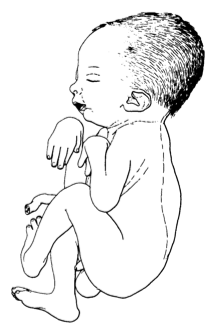
Síndrome de artrogripose-disfunção renal-colestase
📋 Origem dos dados
Esta página agrega dados de fontes públicas e oficiais. Dados sobre cobertura no SUS (PCDT, CEAF) são verificados ativamente por agente proativo (ver badge no infobox). Demais dados têm atribuição de fonte + data da última sincronização — clique para abrir o original.
- Doença rara (ontologia)
- fonte: Orphanet
- Identificador unificado
- fonte: MONDO
- Codificação WHO/SUS
- fonte: WHO ICD-10 / DATASUS
- CID-11 (futuro)
- fonte: WHO ICD-11
- NIH/GARD
- fonte: GARD (NIH)
- Indexação biomédica
- fonte: MeSH (NLM)
- Dado público estruturado
- fonte: Wikidata