
Displasia epifisária múltipla, tipo Beighton, é uma displasia esquelética (uma alteração no desenvolvimento dos ossos) caracterizada por um desenvolvimento anormal das extremidades dos ossos (as epífises), geralmente leve. A condição também está associada a miopia progressiva, afinamento da retina, cataratas com bordas recortadas, surdez condutiva e dedos curtos e grossos.
Introdução
O que você precisa saber de cara
Displasia epifisária múltipla, tipo Beighton, é uma displasia esquelética (uma alteração no desenvolvimento dos ossos) caracterizada por um desenvolvimento anormal das extremidades dos ossos (as epífises), geralmente leve. A condição também está associada a miopia progressiva, afinamento da retina, cataratas com bordas recortadas, surdez condutiva e dedos curtos e grossos.
Encontrou um erro ou informação desatualizada? Sugira uma correção →
Entender a doença
Do básico ao detalhe, leia no seu ritmo
Preparando trilha educativa...
Sinais e sintomas
O que aparece no corpo e com que frequência cada sintoma acontece
Partes do corpo afetadas
+ 5 sintomas em outras categorias
Características mais comuns
Os sintomas variam de pessoa para pessoa. Abaixo estão as 15 características clínicas mais associadas, ordenadas por frequência.
Linha do tempo da pesquisa
Encontrou um erro ou informação desatualizada? Sugira uma correção →
Genética e causas
O que está alterado no DNA e como passa nas famílias
Genes associados
1 gene identificado com associação a esta condição.
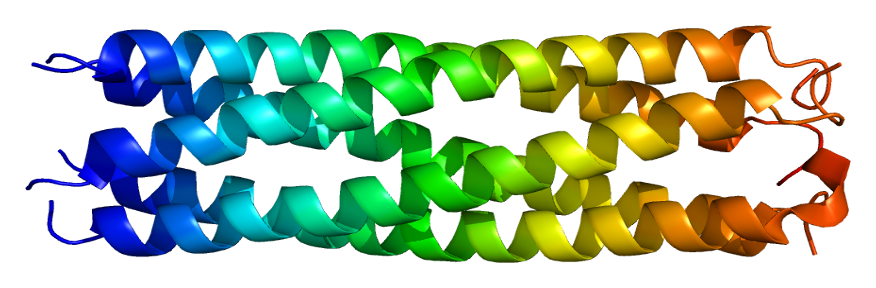
Type II collagen is specific for cartilaginous tissues. It is essential for the normal embryonic development of the skeleton, for linear growth and for the ability of cartilage to resist compressive forces
Secreted, extracellular space, extracellular matrix
Spondyloepiphyseal dysplasia congenital type
Disorder characterized by disproportionate short stature and pleiotropic involvement of the skeletal and ocular systems.
Variantes genéticas (ClinVar)
1.449 variantes patogênicas registradas no ClinVar.
Classificação de variantes (ClinVar)
Distribuição de 59 variantes classificadas pelo ClinVar.
Vias biológicas (Reactome)
13 vias biológicas associadas aos genes desta condição.
Diagnóstico
Os sinais que médicos procuram e os exames que confirmam
Tratamento e manejo
Remédios, cuidados de apoio e o que precisa acompanhar
Onde tratar no SUS
Hospitais de referência no Brasil e o protocolo oficial do SUS (PCDT)
🇧🇷 Atendimento SUS — Displasia epifisária múltipla, tipo Beighton
Selecione um estado ou use sua localização para ver resultados.
Dados de DATASUS/CNES, SBGM, ABNeuro e Ministério da Saúde. Sempre confirme a disponibilidade diretamente com o estabelecimento.
Pesquisa ativa
Ensaios clínicos abertos e novidades científicas recentes
Pesquisa e ensaios clínicos
Nenhum ensaio clínico registrado para esta condição.
Publicações mais relevantes
Echocardiographic abnormalities and joint hypermobility in Chinese patients with Osteogenesis imperfecta.
Very little is known about the characteristics of echocardiographic abnormalities and joint hypermobility in Chinese patients with osteogenesis imperfecta (OI). The aim of our study was to investigate the characteristics, prevalence and correlation of echocardiographic abnormalities and joint hypermobility in Chinese patients with OI. A cross-sectional comparative study was conducted in pediatric and adult OI patients who were matched in age and sex with healthy controls. Transthoracic echocardiography was performed in all patients and controls, and parameters were indexed for body surface area (BSA). The Beighton score was used to evaluate the degree of joint hypermobility. A total of 48 patients with OI (25 juveniles and 23 adults) and 129 age- and sex-matched healthy controls (79 juveniles and 50 adults) were studied. Four genes (COL1A1, COL1A2, IFITM5, and WNT1) and 39 different mutation loci were identified in our study. Mild valvular regurgitation was the most common cardiac abnormality: mild mitral and tricuspid regurgitation was found in 12% and 36% of pediatric OI patients, respectively; among 23 OI adults, 13% and 17% of patients had mild mitral and tricuspid regurgitation, respectively, and 4% had mild aortic regurgitation. In multiple regression analysis, OI was the key predictor of left atrium diameter (LAD) (β=-3.670, P < 0.001) and fractional shortening (FS) (β = 3.005, P = 0.037) in juveniles, whereas for adults, OI was a significant predictor of LAD (β=-3.621, P < 0.001) and left ventricular mass (LVM) (β = 58.928, P < 0.001). The percentages of generalized joint hypermobility in OI juveniles and adults were 56% and 20%, respectively. Additionally, only in the OI juvenile group did the results of the Mann‒Whitney U test show that the degree of joint hypermobility was significantly different between the echocardiographic normal and abnormal groups (P = 0.004). Mild valvular regurgitation was the most common cardiac abnormality in both OI juveniles and adults. Compared with OI adults, OI juveniles had more prevalent and wider joint hypermobility. Echocardiographic abnormalities may imply that the impairment of type I collagen is more serious in OI. Baseline echocardiography should be performed in OI patients as early as possible.
Kazimierz S. Kozlowski, 1928.
This history page in the series "Leaders in MSK Radiology" is dedicated to the achievements of the Polish radiologist Kazimierz Kozlowski, whose name is associated with the Kozlowski type of spondylometaphyseal dysplasia.
The evolution of the nosology of osteogenesis imperfecta.
Osteogenesis imperfecta (OI) is a relatively common genetic skeletal disorder with an estimated frequency of 1 in 20 000 worldwide. The manifestations are diverse and although individually rare, the several different forms contribute to the production of a significant number of affected individuals with considerable morbidity and mortality. During the last decade, there have been extensive molecular investigations into the etiology of OI and these advances have direct relevance to the medical management of the disorder, and the purpose of this review is to document the history and evolution of the nosology of OI. The current nosology, based on molecular concepts, which are crucial in the identification of genotype-phenotype correlations in persons with OI, is also outlined. The successive revisions of the nosology and classification of OI have highlighted the importance of the nomenclature of the condition in order for it to be recognized by clinicians, scientists and patient advocacy groups. In this way, improved counseling of patients and individualized, tailored therapeutic approaches based on the underlying pathophysiology of the individual's type of OI have been facilitated.
Broadening the phenotypic spectrum of Beta3GalT6-associated phenotypes.
Biallelic mutations in B3GALT6, coding for a galactosyltransferase involved in the synthesis of glycosaminoglycans (GAGs), have been associated with various clinical conditions, causing spondyloepimetaphyseal dysplasia with joint laxity type 1 (SEMDJL1 or SEMDJL Beighton type), Al-Gazali syndrome (ALGAZ), and a severe progeroid form of Ehlers-Danlos syndrome (EDSSPD2). In the 2017 Ehlers-Danlos syndrome (EDS) classification, Beta3GalT6-related disorders were grouped in the spondylodysplastic EDSs together with spondylodysplastic EDSs due to B4GALT7 and SLC39A13 mutations. Herein, we describe a patient with a previously unreported homozygous pathogenic B3GALT6 variant resulting in a complex phenotype more severe than spondyloepimetaphyseal dysplasia with joint laxity type 1, and having dural ectasia and aortic dilation as additionally associated features, further broadening the phenotypic spectrum of the Beta3GalT6-related syndromes. We also document the utility of repeating sequencing in patients with uninformative exomes, particularly when performed by using "first generations" enrichment capture methods.
Namaqualand hip dysplasia in South Africa: The molecular determinant elucidated.
Namaqualand hip dysplasia (NHD) is a mild form of spondyloepiphyseal dysplasia in which progressive arthropathy of the hip joint is a major manifestation. The disorder was documented in a multigenerational South African (SA) family with antecedents from Namaqualand, a region in the north-west of the country. Linkage analysis revealed a locus that includes the collagen type II gene, COL2A1. To identify the pathogenic COL2A1 variant causing NHD in an SA family. One affected male with a clear diagnosis of NHD was selected for whole-exome sequencing (WES) on the Ion Torrent Proton platform. A probe-based assay and direct cycle sequencing were used to confirm that the prioritised variant segregated with the phenotype in the NHD family and was not present in unrelated controls from the same population. WES identified one heterozygous variant, c.2014G>T; p.(Gly672Cys), in the coding sequence of the COL2A1 gene. The variant segregated with NHD in 23 affected family members and was previously reported in a Caucasian male with Perthes disease-like presentation. It is now possible to provide a molecular diagnosis of NHD before hip problems present. The large, clinically well-characterised NHD family is a valuable resource that could provide more insight into the mechanisms responsible for the variable expression observed in individuals with this variant.
Publicações recentes
Genotype-phenotype correlations in PSACH/EDM1 patients with COMP gene variants: a comprehensive review of 830 cases.
Human pluripotent stem cell model of multiple epiphyseal dysplasia with MATN3 mutation identifies altered matrix organisation and upregulation of the cholesterol biosynthesis pathway.
Elevated MMP9 Expression-A Potential In Vitro Biomarker for COMPopathies.
Exome Sequencing Identifies a Novel Splicing Variant in COL9A3 Resulting in Multiple Epiphyseal Dysplasia: A Case Report.
From Protein Misfolding to Extracellular Matrix Disorganisation: Understanding Disease Pathology in Rare Skeletal Dysplasias.
📚 EuropePMCmostrando 9
Echocardiographic abnormalities and joint hypermobility in Chinese patients with Osteogenesis imperfecta.
Orphanet journal of rare diseasesKazimierz S. Kozlowski, 1928.
Seminars in musculoskeletal radiologyBroadening the phenotypic spectrum of Beta3GalT6-associated phenotypes.
American journal of medical genetics. Part ANamaqualand hip dysplasia in South Africa: The molecular determinant elucidated.
South African medical journal = Suid-Afrikaanse tydskrif vir geneeskundeThe evolution of the nosology of osteogenesis imperfecta.
Clinical geneticsSevere Peripheral Joint Laxity is a Distinctive Clinical Feature of Spondylodysplastic-Ehlers-Danlos Syndrome (EDS)-B4GALT7 and Spondylodysplastic-EDS-B3GALT6.
GenesDetecting genetic modifiers of spondyloepimetaphyseal dysplasia with joint laxity in the Caucasian Afrikaner community.
Human molecular geneticsSMD Kozlowski type caused by p.Arg594His substitution in TRPV4 reveals abnormal ossification and notochordal remnants in discs and vertebrae.
European journal of medical geneticsSpondyloepimetaphyseal dysplasia with joint laxity (Beighton type): A unique South African disorder.
South African medical journal = Suid-Afrikaanse tydskrif vir geneeskundeAssociações
Organizações que acompanham esta doença — pra ter apoio e orientação
Ainda não temos associações cadastradas para Displasia epifisária múltipla, tipo Beighton.
É de uma associação que acompanha esta doença? Fale com a gente →
Comunidades
Grupos ativos de quem convive com esta doença aqui no Raras
Ainda não existe comunidade no Raras para Displasia epifisária múltipla, tipo Beighton
Pacientes, familiares e cuidadores se organizam em comunidades pra compartilhar experiências, fazer perguntas e se apoiar. Você pode ser o primeiro.
Tire suas dúvidas
Perguntas, dicas e experiências compartilhadas aqui na página
Participe da discussão
Faça login para postar dúvidas, compartilhar experiências e interagir com especialistas.
Fazer loginDoenças relacionadas
Doenças com sintomas parecidos — ajudam quem ainda está buscando diagnóstico
Referências e fontes
Bases de dados externas citadas neste artigo
Publicações científicas
Artigos indexados no PubMed ligados a esta doença no grafo RarasNet — título, periódico e PMID direto da fonte, sem intermediação de IA.
- Echocardiographic abnormalities and joint hypermobility in Chinese patients with Osteogenesis imperfecta.
- Kazimierz S. Kozlowski, 1928.
- The evolution of the nosology of osteogenesis imperfecta.
- Broadening the phenotypic spectrum of Beta3GalT6-associated phenotypes.
- Namaqualand hip dysplasia in South Africa: The molecular determinant elucidated.South African medical journal = Suid-Afrikaanse tydskrif vir geneeskunde· 2020· PMID 33404007mais citado
- Genotype-phenotype correlations in PSACH/EDM1 patients with COMP gene variants: a comprehensive review of 830 cases.
- Human pluripotent stem cell model of multiple epiphyseal dysplasia with MATN3 mutation identifies altered matrix organisation and upregulation of the cholesterol biosynthesis pathway.
- Elevated MMP9 Expression-A Potential In Vitro Biomarker for COMPopathies.
- Exome Sequencing Identifies a Novel Splicing Variant in COL9A3 Resulting in Multiple Epiphyseal Dysplasia: A Case Report.
- From Protein Misfolding to Extracellular Matrix Disorganisation: Understanding Disease Pathology in Rare Skeletal Dysplasias.
Bases de dados e fontes oficiais
Identificadores e referências canônicas usadas para montar este verbete.
- ORPHA:166011(Orphanet)
- OMIM OMIM:132450(OMIM)
- MONDO:0007562(MONDO)
- GARD:17012(GARD (NIH))
- Variantes catalogadas(ClinVar)
- Busca completa no PubMed(PubMed)
- Q55780563(Wikidata)
Dados compilados pelo RarasNet a partir de fontes abertas (Orphanet, OMIM, MONDO, PubMed/EuropePMC, ClinicalTrials.gov, DATASUS, PCDT/MS). Este conteúdo é informativo e não substitui avaliação médica.
Conteúdo mantido por Agente Raras · Médicos e pesquisadores podem colaborar
Displasia epifisária múltipla, tipo Beighton
📋 Origem dos dados
Esta página agrega dados de fontes públicas e oficiais. Dados sobre cobertura no SUS (PCDT, CEAF) são verificados ativamente por agente proativo (ver badge no infobox). Demais dados têm atribuição de fonte + data da última sincronização — clique para abrir o original.
- Doença rara (ontologia)
- fonte: Orphanet
- Identificador unificado
- fonte: MONDO
- Genética mendeliana
- fonte: OMIM
- NIH/GARD
- fonte: GARD (NIH)
- Indexação biomédica
- fonte: MeSH (NLM)
- Dado público estruturado
- fonte: Wikidata