
A Síndrome do Excesso de Aromatase é uma doença endócrina genética rara, caracterizada por níveis elevados de estrogênio devido ao aumento da atividade da aromatase fora das glândulas sexuais. Em homens, a condição leva a uma puberdade precoce com características femininas, que se manifesta antes ou no início da puberdade com desenvolvimento das mamas (ginecomastia), um crescimento rápido e adiantado (estirão de crescimento precoce), amadurecimento acelerado dos ossos (o que leva a uma baixa estatura na idade adulta), e pode haver uma diminuição leve na produção de hormônios sexuais, pois o cérebro não estimula os testículos o suficiente. Em mulheres, pode haver puberdade precoce ou a paciente pode não apresentar sintoma algum.
Introdução
O que você precisa saber de cara
A Síndrome do Excesso de Aromatase é uma doença endócrina genética rara, caracterizada por níveis elevados de estrogênio devido ao aumento da atividade da aromatase fora das glândulas sexuais. Em homens, a condição leva a uma puberdade precoce com características femininas, que se manifesta antes ou no início da puberdade com desenvolvimento das mamas (ginecomastia), um crescimento rápido e adiantado (estirão de crescimento precoce), amadurecimento acelerado dos ossos (o que leva a uma baixa estatura na idade adulta), e pode haver uma diminuição leve na produção de hormônios sexuais, pois o cérebro não estimula os testículos o suficiente. Em mulheres, pode haver puberdade precoce ou a paciente pode não apresentar sintoma algum.
Escala de raridade
<1/50kMuito rara
1/20kRara
1/10kPouco freq.
1/5kIncomum
1/2k
Encontrou um erro ou informação desatualizada? Sugira uma correção →
Entender a doença
Do básico ao detalhe, leia no seu ritmo
Preparando trilha educativa...
Sinais e sintomas
O que aparece no corpo e com que frequência cada sintoma acontece
Partes do corpo afetadas
+ 12 sintomas em outras categorias
Características mais comuns
Os sintomas variam de pessoa para pessoa. Abaixo estão as 20 características clínicas mais associadas, ordenadas por frequência.
Linha do tempo da pesquisa
Encontrou um erro ou informação desatualizada? Sugira uma correção →
Genética e causas
O que está alterado no DNA e como passa nas famílias
Genes associados
1 gene identificado com associação a esta condição. Padrão de herança: Autosomal dominant.
A cytochrome P450 monooxygenase that catalyzes the conversion of C19 androgens, androst-4-ene-3,17-dione (androstenedione) and testosterone to the C18 estrogens, estrone and estradiol, respectively (PubMed:27702664, PubMed:2848247). Catalyzes three successive oxidations of C19 androgens: two conventional oxidations at C19 yielding 19-hydroxy and 19-oxo/19-aldehyde derivatives, followed by a third oxidative aromatization step that involves C1-beta hydrogen abstraction combined with cleavage of th
Endoplasmic reticulum membraneMicrosome membrane
Aromatase excess syndrome
An autosomal dominant disorder characterized by increased extraglandular aromatization of steroids that presents with heterosexual precocity in males and isosexual precocity in females.
Variantes genéticas (ClinVar)
114 variantes patogênicas registradas no ClinVar.
Classificação de variantes (ClinVar)
Distribuição de 17 variantes classificadas pelo ClinVar.
Vias biológicas (Reactome)
3 vias biológicas associadas aos genes desta condição.
Diagnóstico
Os sinais que médicos procuram e os exames que confirmam
Tratamento e manejo
Remédios, cuidados de apoio e o que precisa acompanhar
Onde tratar no SUS
Hospitais de referência no Brasil e o protocolo oficial do SUS (PCDT)
🇧🇷 Atendimento SUS — Síndrome de excesso de aromatase
Selecione um estado ou use sua localização para ver resultados.
Dados de DATASUS/CNES, SBGM, ABNeuro e Ministério da Saúde. Sempre confirme a disponibilidade diretamente com o estabelecimento.
Pesquisa ativa
Ensaios clínicos abertos e novidades científicas recentes
Pesquisa e ensaios clínicos
Nenhum ensaio clínico registrado para esta condição.
Publicações mais relevantes
Olfactory Receptor Gene Deletions: A Novel Genetic Findings in Idiopathic Prepubertal Gynecomastia and Juvenile Macromastia.
Prepubertal gynecomastia (PG) and juvenile macromastia (JM) are rare breast overgrowth phenotypes arising from hormonal or genetic abnormalities. While many cases reflect physiological or endocrine variation, a subset may involve increased peripheral aromatization driven by genomic factors. The molecular basis remains unknown in many idiopathic cases. We evaluated whether copy number variations (CNVs) in CYP19A1 and other estrogen-related genes are associated with PG or JM. We performed a cross-sectional study of 17 patients suspected of aromatase excess syndrome: 10 boys with PG and 7 girls with JM. Clinical and hormonal data at diagnosis and follow-up were reviewed. After excluding numerical and structural chromosomal anomalies, genome-wide oligonucleotide array comparative genomic hybridization (aCGH) was analyzed in Agilent Genomics Workbench (GRCh37/hg19). CNVs were interrogated across estrogen-related genes, including CYP19A1. As comparators, 988 individuals evaluated by aCGH at the same center for unrelated indications and without breast overgrowth served as controls. No pathogenic CNVs were observed in CYP19A1 or the other estrogen-related genes. By contrast, a recurrent 65.2-kilobase (kb) deletion spanning the OR4P4-OR4S2-OR4C6 olfactory receptor cluster at 11q11 occurred in 40.0% (4/10) of PG and 57.1% (4/7) of JM cases, in this cohort, overall, versus 3.4% (34/988) of controls, suggesting a strong association. Estimated risk ratio was 11-fold higher in PG and 16-fold higher in JM. Although estrogen-gene CNVs were not detected, the OR4P4-OR4S2-OR4C6 deletion may represent an under-recognized genomic contributor to idiopathic PG and JM. Prospective studies with tissue-level validation and functional assays are needed to confirm clinical significance and clarify mechanism.
Long term effects of aromatase inhibitor treatment in patients with aromatase excess syndrome.
Aromatase excess syndrome (AEXS) is a rare, autosomal dominant disorder, characterized by enhanced aromatization of androgens and estrogen excess. In males it is characterized by pre-/peripubertal gynecomastia, hypogonadotropic hypogonadism, advanced bone age and short adult height. Only a few female patients have been described so far. We report on a family with four members with AEXS and present the long-term effects of aromatase inhibitor use in three of them. Genetic analysis showed a monoallelic 0.3-Mb deletion in 15q21, involving parts of CYP19A1, GLDN and DMXL2 in all four patients with AEXS. The index patient (male, 8 years old) presented with gynecomastia and accelerated growth and bone age. With start of puberty, estradiol levels increased, while testosterone levels remained low. Gynecomastia progressed and a mastectomy was performed twice. Presuming AEXS, a therapy with letrozole was initiated at the age of 19 years. Low-dose letrozole treatment was associated with an increase in testicular volume, increase in virilization and improvement in physical strength and libido. His brother (age 3 years) presented with accelerated growth and bone age. Treatment with letrozole, which was started at the age of 7 years, resulted in achieving an adult height of 179 cm and prevented the appearance of gynecomastia. His sister (age 6 years), who presented with premature thelarche and accelerated growth and bone age, was treated with an estrogen receptor modulator and a GnRH analog followed by letrozole treatment. Menarche occurred at age 13.5 years and adult height was 158 cm. Their father had an early, accelerated growth with an adult height of 171 cm, a delayed puberty and no gynecomastia. In vitro studies provided evidence for involvement of aromatase induction in atypical cells and an increased range of potential mechanisms regulating aromatase activity due to the presence of the mutated allele. In conclusion, we observed a phenotypic variability within family members with AEXS carrying the same CYP19A1 microdeletion. When started early, treatment with letrozole was found to prevent the development of gynecomastia and increase adult height in one patient. In adult life, low-dose letrozole treatment resulted in improved physical strength and libido in the index patient.
[Further progress of the etiology,diagnosis and treatment of peripheral precocious puberty].
Peripheral precocious puberty(PPP),also known as puberty independent from hypothalamic-pituitary axis activation,is stimulated by hormones from other sources, with only partial sexual characteristics development but without mature sexual function. The secondary sexual characteristics development occurs before 7.5 years of age in girls and before 9 years of age in boys. Clinical manifestations are diverse, and PPP has varied etiology including congenital adrenal hyperplasia, McCune-Albright syndrome, ovarian cyst, adrenal tumor, ovarian tumor, testicular tumor, human chorionic gonadotropin producing tumor, familial male precocious puberty, aromatase excess syndrome, and environmental estrogen. Early identification of etiology, accurate differential diagnosis and prenatal gene screening play a significant role in the prevention, diagnosis and treatment of the disease. 外周性性早熟又称非促性腺激素释放激素依赖性性早熟,指非下丘脑-垂体-性腺轴激活,而是由其他来源的激素刺激引起的男孩在9岁前、女孩在7.5岁前出现第二性征发育,但不具备完整的性发育过程,仅有部分性征发育。外周性性早熟临床表现多样,常见的病因包括先天性肾上腺皮质增生症、McCune-Albright综合征、卵巢囊肿、肾上腺肿瘤、卵巢肿瘤、睾丸肿瘤、分泌人绒毛膜促性腺激素肿瘤、家族性男性性早熟、家族性芳香化酶活性增高及环境雌激素等。早期识别病因、精准鉴别诊断、产前基因筛查对该病的预防及诊治具有非常重要的意义。.
Local aromatase excess with recruitment of unusual promoters of CYP19A1 gene in prepubertal patients with gynecomastia.
Gynecomastia may be due to aromatase excess in several diseases such as obesity and cancer. Aromatase excess syndrome (AEXS) is an autosomal dominant disorder caused by overexpression of CYP19A1. Germinal mutations occurring in AEXS include various genomic rearrangements including duplication, deletion, and inversion identified in the upstream region of CYP19A1. Aromatase overexpression caused by a CYP19A1 somatic mutation has been rarely described. Breast adipose tissue biopsies or surgical specimens were obtained from 19 subjects with gynecomastia. Aromatase quantification was performed by digital PCR and CYP19A1 sequencing by RACE PCR products. We observed localized aromatase overexpression (>10 fold greater than normal) in breast adipose tissue from three prepubertal males with gynecomastia out of the 19 cases. One carried a chromosomal rearrangement between CYP19A1 and DMXL2, consistent with AEXS. In the 2 others, the first exon of CYP19A1 contained 11 different tissue-specific promoter subtypes, specifically I.4 or I.3 normally expressed by adipose tissue, but also the placental I.2 promoter and the more ubiquitous I.7 which is usually expressed in breast cancer, uterine, and endothelial tissues. No differences in clinical or biochemical characteristics were observed between these 3 subjects and 16 others without aromatase overexpression. We describe two cases of aromatase overexpression in breast adipose tissue associated with nonspecific promoter recruitment. Further investigations are necessary to understand the mechanisms involved in aberrant promoter selection.
Congenital disorders of estrogen biosynthesis and action.
Estrogens regulate pubertal development and reproductive function in women, spermatogenesis in men, and bone turnover and metabolic conditions in individuals of both sexes. Estradiol, the major estrogen in humans, is synthesized from testosterone by the action of aromatase and exerts its effects though binding to estrogen receptors. Germline loss- and gain-of-function variants in CYP19A1, the gene encoding aromatase, lead to aromatase deficiency and aromatase excess syndrome, respectively. Germline loss-of-function variants in ESR1, the gene encoding estrogen receptor α, are known to cause of estrogen insensitivity/resistance. In addition, rare variants in ESR1 and ESR2 have been implicated in various disease phenotypes. Clinical studies on these rare endocrine disorders provided clues to understand the biological functions of estrogens in the human body. This review introduces the genetic basis, phenotypes, and current management procedures of congenital disorders in estrogen biosynthesis and action.
Publicações recentes
Olfactory Receptor Gene Deletions: A Novel Genetic Findings in Idiopathic Prepubertal Gynecomastia and Juvenile Macromastia.
Long term effects of aromatase inhibitor treatment in patients with aromatase excess syndrome.
[Further progress of the etiology,diagnosis and treatment of peripheral precocious puberty].
Local aromatase excess with recruitment of unusual promoters of CYP19A1 gene in prepubertal patients with gynecomastia.
Congenital disorders of estrogen biosynthesis and action.
📚 EuropePMC16 artigos no totalmostrando 8
Olfactory Receptor Gene Deletions: A Novel Genetic Findings in Idiopathic Prepubertal Gynecomastia and Juvenile Macromastia.
Hormone research in paediatricsLong term effects of aromatase inhibitor treatment in patients with aromatase excess syndrome.
Frontiers in endocrinology[Further progress of the etiology,diagnosis and treatment of peripheral precocious puberty].
Zhonghua yu fang yi xue za zhi [Chinese journal of preventive medicine]Local aromatase excess with recruitment of unusual promoters of CYP19A1 gene in prepubertal patients with gynecomastia.
Journal of pediatric endocrinology & metabolism : JPEMCongenital disorders of estrogen biosynthesis and action.
Best practice & research. Clinical endocrinology & metabolismLong-term Effect of Aromatase Inhibition in Aromatase Excess Syndrome.
The Journal of clinical endocrinology and metabolism[A clinical case of aromatase excess syndrome associated with 15Q21.2 duplication].
Problemy endokrinologiiAromatase excess syndrome in a Chinese boy due to a novel duplication at 15q21.2.
Journal of pediatric endocrinology & metabolism : JPEMAssociações
Organizações que acompanham esta doença — pra ter apoio e orientação
Ainda não temos associações cadastradas para Síndrome de excesso de aromatase.
É de uma associação que acompanha esta doença? Fale com a gente →
Comunidades
Grupos ativos de quem convive com esta doença aqui no Raras
Ainda não existe comunidade no Raras para Síndrome de excesso de aromatase
Pacientes, familiares e cuidadores se organizam em comunidades pra compartilhar experiências, fazer perguntas e se apoiar. Você pode ser o primeiro.
Tire suas dúvidas
Perguntas, dicas e experiências compartilhadas aqui na página
Participe da discussão
Faça login para postar dúvidas, compartilhar experiências e interagir com especialistas.
Fazer loginDoenças relacionadas
Doenças com sintomas parecidos — ajudam quem ainda está buscando diagnóstico
Referências e fontes
Bases de dados externas citadas neste artigo
Publicações científicas
Artigos indexados no PubMed ligados a esta doença no grafo RarasNet — título, periódico e PMID direto da fonte, sem intermediação de IA.
- Olfactory Receptor Gene Deletions: A Novel Genetic Findings in Idiopathic Prepubertal Gynecomastia and Juvenile Macromastia.
- Long term effects of aromatase inhibitor treatment in patients with aromatase excess syndrome.
- [Further progress of the etiology,diagnosis and treatment of peripheral precocious puberty].Zhonghua yu fang yi xue za zhi [Chinese journal of preventive medicine]· 2023· PMID 37357219mais citado
- Local aromatase excess with recruitment of unusual promoters of CYP19A1 gene in prepubertal patients with gynecomastia.
- Congenital disorders of estrogen biosynthesis and action.Best practice & research. Clinical endocrinology & metabolism· 2022· PMID 34538723mais citado
Bases de dados e fontes oficiais
Identificadores e referências canônicas usadas para montar este verbete.
- ORPHA:178345(Orphanet)
- OMIM OMIM:139300(OMIM)
- MONDO:0007690(MONDO)
- GARD:12494(GARD (NIH))
- Variantes catalogadas(ClinVar)
- Busca completa no PubMed(PubMed)
- Q4795508(Wikidata)
Dados compilados pelo RarasNet a partir de fontes abertas (Orphanet, OMIM, MONDO, PubMed/EuropePMC, ClinicalTrials.gov, DATASUS, PCDT/MS). Este conteúdo é informativo e não substitui avaliação médica.
Conteúdo mantido por Agente Raras · Médicos e pesquisadores podem colaborar
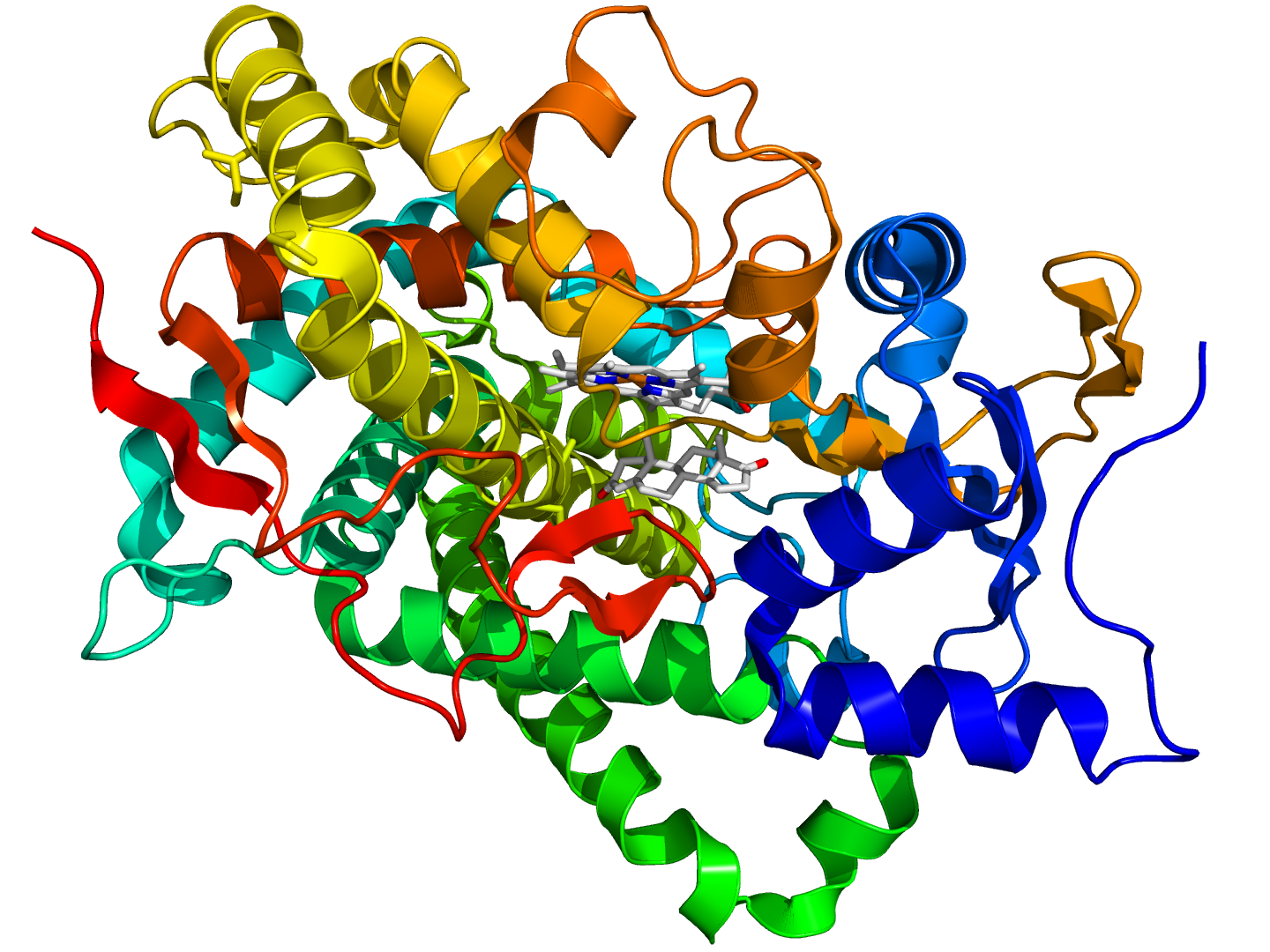
Síndrome de excesso de aromatase
📋 Origem dos dados
Esta página agrega dados de fontes públicas e oficiais. Dados sobre cobertura no SUS (PCDT, CEAF) são verificados ativamente por agente proativo (ver badge no infobox). Demais dados têm atribuição de fonte + data da última sincronização — clique para abrir o original.
- Doença rara (ontologia)
- fonte: Orphanet
- Identificador unificado
- fonte: MONDO
- Genética mendeliana
- fonte: OMIM
- Codificação WHO/SUS
- fonte: WHO ICD-10 / DATASUS
- CID-11 (futuro)
- fonte: WHO ICD-11
- NIH/GARD
- fonte: GARD (NIH)
- Indexação biomédica
- fonte: MeSH (NLM)
- Dado público estruturado
- fonte: Wikidata