
Doença metabólica hereditária que tem como base a interrupção do processo metabólico da prolina.
Introdução
O que você precisa saber de cara
Doença metabólica hereditária que tem como base a interrupção do processo metabólico da prolina.
Encontrou um erro ou informação desatualizada? Sugira uma correção →
Entender a doença
Do básico ao detalhe, leia no seu ritmo
Preparando trilha educativa...
Sinais e sintomas
O que aparece no corpo e com que frequência cada sintoma acontece
Partes do corpo afetadas
+ 136 sintomas em outras categorias
Características mais comuns
Os sintomas variam de pessoa para pessoa. Abaixo estão as 364 características clínicas mais associadas, ordenadas por frequência.
Linha do tempo da pesquisa
Encontrou um erro ou informação desatualizada? Sugira uma correção →
Genética e causas
O que está alterado no DNA e como passa nas famílias
Genes associados
7 genes identificados com associação a esta condição.
Bifunctional enzyme that converts glutamate to glutamate 5-semialdehyde, an intermediate in the biosynthesis of proline, ornithine and arginine
MitochondrionMitochondrion matrix
Cutis laxa, autosomal recessive, 3A
A syndrome characterized by facial dysmorphism with a progeroid appearance, large and late-closing fontanel, cutis laxa, joint hyperlaxity, athetoid movements and hyperreflexia, pre- and postnatal growth retardation, intellectual deficit, developmental delay, and ophthalmologic abnormalities.
Oxidoreductase that catalyzes the last step in proline biosynthesis, which corresponds to the reduction of pyrroline-5-carboxylate to L-proline using NAD(P)H (PubMed:16730026, PubMed:19648921, PubMed:23024808, PubMed:28258219). At physiologic concentrations, has higher specific activity in the presence of NADH (PubMed:16730026, PubMed:23024808). Involved in the cellular response to oxidative stress (PubMed:16730026, PubMed:19648921)
Mitochondrion
Cutis laxa, autosomal recessive, 2B
A disorder characterized by an excessive congenital skin wrinkling, a large fontanelle with delayed closure, a typical facial appearance with downslanting palpebral fissures, a general connective tissue weakness, and varying degrees of growth and developmental delay and neurological abnormalities. Patients do not manifest metabolic abnormalities.
Subunit of the V1 complex of vacuolar(H+)-ATPase (V-ATPase), a multisubunit enzyme composed of a peripheral complex (V1) that hydrolyzes ATP and a membrane integral complex (V0) that translocates protons (PubMed:32001091, PubMed:33065002). V-ATPase is responsible for acidifying and maintaining the pH of intracellular compartments and in some cell types, is targeted to the plasma membrane, where it is responsible for acidifying the extracellular environment (PubMed:32001091)
Apical cell membraneCytoplasmic vesicle, secretory vesicle, synaptic vesicle membraneCytoplasmic vesicle, clathrin-coated vesicle membrane
Cutis laxa, autosomal recessive, 2C
A form of cutis laxa, a disorder characterized by an excessive congenital skin wrinkling, a large fontanelle with delayed closure, a typical facial appearance with downslanting palpebral fissures, and a general connective tissue weakness. Most ARCL2C patients exhibit severe hypotonia as well as cardiovascular involvement.
Converts proline to delta-1-pyrroline-5-carboxylate
Mitochondrion matrix
Hyperprolinemia 1
An inborn error of proline metabolism resulting in elevated levels of proline in the plasma and urine. The disorder is generally benign and most affected individuals are clinically asymptomatic. Some patients, however, have neurologic manifestations, including epilepsy and intellectual disability. Association with certain forms of schizophrenia have been reported.
Irreversible conversion of delta-1-pyrroline-5-carboxylate (P5C), derived either from proline or ornithine, to glutamate. This is a necessary step in the pathway interconnecting the urea and tricarboxylic acid cycles. The preferred substrate is glutamic gamma-semialdehyde, other substrates include succinic, glutaric and adipic semialdehydes
Mitochondrion matrix
Hyperprolinemia 2
An inborn error of proline metabolism resulting in elevated plasma levels of proline and delta-1-pyrroline-5-carboxylate (P5C). The condition is considered to be benign, but affected individuals can exhibit neurological manifestations that vary in severity. Clinical signs include seizures, intellectual deficit and mild developmental delay.
Catalytic subunit of the V1 complex of vacuolar(H+)-ATPase (V-ATPase), a multisubunit enzyme composed of a peripheral complex (V1) that hydrolyzes ATP and a membrane integral complex (V0) that translocates protons (PubMed:8463241). V-ATPase is responsible for acidifying and maintaining the pH of intracellular compartments and in some cell types, is targeted to the plasma membrane, where it is responsible for acidifying the extracellular environment (PubMed:32001091). In aerobic conditions, invol
CytoplasmCytoplasm, cytosolCytoplasmic vesicle, secretory vesicleCytoplasmic vesicle, clathrin-coated vesicle membraneLysosome
Cutis laxa, autosomal recessive, 2D
A form of cutis laxa, a disorder characterized by an excessive congenital skin wrinkling, a large fontanelle with delayed closure, a typical facial appearance with downslanting palpebral fissures, and a general connective tissue weakness. Most ARCL2D patients exhibit severe hypotonia as well as cardiovascular and neurologic involvement.
Subunit of the V0 complex of vacuolar(H+)-ATPase (V-ATPase), a multisubunit enzyme composed of a peripheral complex (V1) that hydrolyzes ATP and a membrane integral complex (V0) that translocates protons (By similarity). V-ATPase is responsible for acidifying and maintaining the pH of intracellular compartments and in some cell types, is targeted to the plasma membrane, where it is responsible for acidifying the extracellular environment (By similarity). Essential component of the endosomal pH-s
Cell membraneEndosome membrane
Cutis laxa, autosomal recessive, 2A
A disorder characterized by an excessive congenital skin wrinkling, a large fontanelle with delayed closure, a typical facial appearance with downslanting palpebral fissures, a general connective tissue weakness, and varying degrees of growth and developmental delay and neurological abnormalities. Some affected individuals develop seizures and mental deterioration later in life, whereas the skin phenotype tends to become milder with age. At the molecular level, an abnormal glycosylation of serum proteins is observed in many cases.
Variantes genéticas (ClinVar)
412 variantes patogênicas registradas no ClinVar.
Vias biológicas (Reactome)
10 vias biológicas associadas aos genes desta condição.
Diagnóstico
Os sinais que médicos procuram e os exames que confirmam
Tratamento e manejo
Remédios, cuidados de apoio e o que precisa acompanhar
Onde tratar no SUS
Hospitais de referência no Brasil e o protocolo oficial do SUS (PCDT)
🇧🇷 Atendimento SUS — Doença do metabolismo da prolina
Centros de Referência SUS
21 centros habilitados pelo SUS para Doença do metabolismo da prolina
Centros para Doença do metabolismo da prolina
Detalhes dos centros
Hospital Universitário Prof. Edgard Santos (HUPES)
R. Dr. Augusto Viana, s/n - Canela, Salvador - BA, 40110-060 · CNES 0003808
Serviço de Referência
Hospital de Apoio de Brasília (HAB)
AENW 3 Lote A Setor Noroeste - Plano Piloto, Brasília - DF, 70684-831 · CNES 0010456
Serviço de Referência
Hospital Estadual Infantil e Maternidade Alzir Bernardino Alves (HIABA)
Av. Min. Salgado Filho, 918 - Soteco, Vila Velha - ES, 29106-010 · CNES 6631207
Serviço de Referência
Hospital das Clínicas da UFG
Rua 235 QD. 68 Lote Área, Nº 285, s/nº - Setor Leste Universitário, Goiânia - GO, 74605-050 · CNES 2338424
Serviço de Referência
Hospital das Clínicas da UFMG
Av. Prof. Alfredo Balena, 110 - Santa Efigênia, Belo Horizonte - MG, 30130-100 · CNES 2280167
Serviço de Referência
NUPAD / Faculdade de Medicina UFMG
Av. Prof. Alfredo Balena, 189 - 5 andar - Centro, Belo Horizonte - MG, 30130-100 · CNES 2183226
Serviço de Referência
Hospital Universitário João de Barros Barreto
R. dos Mundurucus, 4487 - Guamá, Belém - PA, 66073-000 · CNES 2337878
Serviço de Referência
Hospital de Clínicas da Universidade Federal de Pernambuco
Av. Prof. Moraes Rego, 1235 - Cidade Universitária, Recife - PE, 50670-901 · CNES 2561492
Atenção Especializada
Instituto de Medicina Integral Prof. Fernando Figueira (IMIP)
R. dos Coelhos, 300 - Boa Vista, Recife - PE, 50070-902 · CNES 0000647
Serviço de Referência
Hospital de Clínicas da UFPR
R. Gen. Carneiro, 181 - Alto da Glória, Curitiba - PR, 80060-900 · CNES 2364980
Serviço de Referência
Hospital Universitário Pedro Ernesto (HUPE-UERJ)
Blvd. 28 de Setembro, 77 - Vila Isabel, Rio de Janeiro - RJ, 20551-030 · CNES 2280221
Serviço de Referência
Instituto Nacional de Saúde da Mulher, da Criança e do Adolescente Fernandes Figueira (IFF/Fiocruz)
Av. Rui Barbosa, 716 - Flamengo, Rio de Janeiro - RJ, 22250-020 · CNES 2269988
Serviço de Referência
Hospital Universitário Onofre Lopes (HUOL)
Av. Nilo Peçanha, 620 - Petrópolis, Natal - RN, 59012-300 · CNES 2408570
Atenção Especializada
Hospital São Lucas da PUCRS
Av. Ipiranga, 6690 - Jardim Botânico, Porto Alegre - RS, 90610-000 · CNES 2232928
Serviço de Referência
Hospital de Clínicas de Porto Alegre (HCPA)
Rua Ramiro Barcelos, 2350 Bloco A - Av. Protásio Alves, 211 - Bloco B e C - Santa Cecília, Porto Alegre - RS, 90035-903 · CNES 2237601
Serviço de Referência
Hospital Universitário da UFSC (HU-UFSC)
R. Profa. Maria Flora Pausewang - Trindade, Florianópolis - SC, 88036-800 · CNES 2560356
Serviço de Referência
Hospital das Clínicas da FMUSP
R. Dr. Ovídio Pires de Campos, 225 - Cerqueira César, São Paulo - SP, 05403-010 · CNES 2077485
Serviço de Referência
Hospital de Clínicas da UNICAMP
R. Vital Brasil, 251 - Cidade Universitária, Campinas - SP, 13083-888 · CNES 2748223
Serviço de Referência
Hospital de Clínicas de Ribeirão Preto (HCRP-USP)
R. Ten. Catão Roxo, 3900 - Vila Monte Alegre, Ribeirão Preto - SP, 14015-010 · CNES 2082187
Serviço de Referência
Instituto da Criança e do Adolescente (ICr-HCFMUSP)
Av. Dr. Enéas Carvalho de Aguiar, 647 - Cerqueira César, São Paulo - SP, 05403-000 · CNES 2081695
Serviço de Referência
UNIFESP / Hospital São Paulo
R. Napoleão de Barros, 715 - Vila Clementino, São Paulo - SP, 04024-002 · CNES 2688689
Serviço de Referência
Dados de DATASUS/CNES, SBGM, ABNeuro e Ministério da Saúde. Sempre confirme a disponibilidade diretamente com o estabelecimento.
Pesquisa ativa
Ensaios clínicos abertos e novidades científicas recentes
Ensaios em destaque
🟢 Recrutando agora
1 pesquisa recrutando participantes. Converse com seu médico sobre a possibilidade de participar.
Outros ensaios clínicos
0 ensaios clínicos encontrados.
Publicações mais relevantes
Integrated multi-omics analyses elucidate the key regulatory networks in response to Tomato brown rugose fruit virus infection in Solanum lycopersicum L.
This study analyzed the transcriptome, proteome and ubiquitylome of ToBRFV-infected tomato plants and verified the antiviral roles of SlCHS, SlPAO, and SlCCoAOMT in tomato plants through TRV-VIGS assays. Tomato brown rugose fruit virus (ToBRFV) infection causes leaf mottling and fruit wrinkling, significantly affecting tomato quality. Understanding the mechanisms of tomato plants in combating ToBRFV infection is fundamental to the development of effective strategies for viral disease control and management. To investigate the effects of ToBRFV infection on the gene regulatory network of tomato plants, we performed transcriptome, proteome and ubiquitylome sequencing on ToBRFV-infected tomato plants. A total of 874 differentially expressed genes (DEGs) and 675 differentially expressed proteins (DEPs) were identified. Most of them were involved in hormone signal transduction, MAPK signaling pathway, flavonoid biosynthesis, arginine and proline metabolism, and phenylalanine metabolism, and some of these proteins were modified by ubiquitination. Furthermore, virus-induced gene silencing (VIGS) assays revealed that silencing SlCCoAOMT or SlCHS, two flavonoid biosynthesis-related genes, enhanced tomato resistance to ToBRFV infection, while silencing SlPAO, an arginine and proline metabolism-related gene, promoted ToBRFV infection. These results reveal the key regulatory networks of tomato in response to ToBRFV infection, and identify SlCCoAOMT, SlCHS and SlPAO as potential candidate genes for disease-resistant breeding.
Bacillus amyloliquefaciens induces autophagy-mediated defense, phytohormonal modulation, and metabolic reprogramming in Oryza sativa to counteract Rhizoctonia solani sheath blight.
Bacillus amyloliquefaciens (SN13) priming boosts rice resistance to sheath blight through activation of autophagy, regulation ofphytohormone signaling, and metabolic reprogramming. Sheath blight disease, caused by Rhizoctonia solani, poses a major threat to rice productivity worldwide. The present study examines how phytohormone signalling networks coordinate with SN13-mediated defense and reshape metabolic pathways during pathogen challenge. Glasshouse experiments revealed that SN13 inoculation markedly improved physiological resilience under R. solani infection, as evidenced by enhanced chlorophyll content, reduced lipid peroxidation, and lower accumulation of proline and total soluble sugars. Improved antioxidative capacity and efficient ROS detoxification was further confirmed through DAB and NBT staining. Gene expression profiling demonstrated substantial induction of autophagy-related and phytohormone-responsive genes, particularly under combined SN13-salicylic acid (SA) or SN13-jasmonic acid (JA) treatments. While pathogen infection alone suppressed autophagy and disrupted endogenous hormone balance, SN13 reinstated ATG gene expression, stabilized auxin, JA, and cytokinin signaling, and mitigated cellular damage. Collectively, these findings demonstrate that SN13 enhances rice tolerance to sheath blight by coordinating autophagy, phytohormonal cross-regulation, and metabolic reprogramming, thus offering a promising eco-friendly strategy for sustainable disease management.
Early administration of renin-angiotensin system inhibitors improves survival and cardiac remodeling in heart failure with preserved ejection fraction.
Heart failure with preserved ejection fraction (HFpEF) is a major cardiovascular disease that accounts for 50% of all cases of heart failure. Patients with HFpEF have limited therapeutic options because of the complex pathogenesis of this disease. Decreased nitric oxide (NO) levels and increased renin-angiotensin system (RAS) activity may be associated with HFpEF pathogenesis. However, whether soluble guanylate cyclase (sGC) stimulators and RAS inhibitors protect against HFpEF remains unclear. This study aimed to evaluate the preventive effects of RAS inhibitors captopril (Cap) and/or sacubitril/valsartan (Sac/Val) and sGC stimulator vericiguat (Ver) on HFpEF progression. HFpEF was induced in 8-week-old male Wistar rats through intake of L-arginine methyl ester and a high-fat diet. Results showed that the survival rate after 8 weeks of treatment was 100% in the normal diet (Cont group), Cap, and Sac/Val groups, whereas it was approximately 20% in the HFpEF and Ver groups. No significant differences in the left ventricular systolic function were found. In addition, histochemistry revealed that myocardial hypertrophy and interstitial fibrosis obviously increased in the HFpEF group but not in the Cap and Sac/Val groups compared with the Cont group. Furthermore, RNA sequencing analysis showed that the expression of genes related to inflammatory response, hypertrophy, and extracellular matrix-receptor interaction increased in the HFpEF group and decreased in the Cap and Sac/Val groups. In conclusion, early administration of Cap or Sac/Val may reduce the risk of developing HFpEF by inhibiting the RAS pathway rather than the NO-sGC-cGMP pathway.
Small proline-rich protein 1A is a novel target of peroxisome proliferator-activated receptor gamma in steatotic liver disease.
Peroxisome proliferator-activated receptor gamma (PPARγ) is a central regulator of lipid homeostasis; however, the specific downstream effectors mediating hepatic steatosis remain incompletely defined. In this study, we investigated the molecular basis, by which PPARγ regulates the expression of small proline-rich protein 1 A (SPRR1A) during the development of fatty liver. We initially performed a bioinformatic re-analysis of publicly available microarray datasets to characterize the gene expression profiles associated with hepatic steatosis in leptin-deficient type 2 diabetic (ob/ob) mice and patients with metabolic dysfunction-associated steatotic liver disease (MASLD). SPRR1A expression was markedly elevated in steatotic livers of both human patients and mouse models. This induction was substantially attenuated in ob/ob mice lacking hepatic Pparg, indicating a PPARγ-dependent regulatory mechanism. Consistently, increased hepatic Sprr1a expression was observed in several experimental models of fatty liver disease, including genetic (db/db), dietary (high-fat and Western diets), and alcohol-induced models. In silico transcriptomic analyses of publicly archived human liver samples further demonstrated significantly higher SPRR1A expression in patients with fatty liver disorders, including MASLD, than in non-steatotic controls. Reporter gene and electrophoretic mobility shift analyses demonstrated that PPARγ directly activated Sprr1a transcription through a conserved PPARγ-responsive element in its promoter. Collectively, these results identify Sprr1a as a previously unrecognized transcriptional target of PPARγ in the context of hepatic steatosis.
Sex-based multiomics analysis uncovers metabolic and molecular mediators linking MASH and atherosclerosis.
Atherosclerotic cardiovascular disease (ASCVD) is the leading cause of death in patients with metabolic dysfunction-associated steatohepatitis (MASH). No therapy targets both diseases simultaneously, and a roadblock for discovering new treatments is the lack of animal models that recapitulate both diseases, especially in females. Male and female Ldlr -/- mice (n = 8-13) were fed a western diet (WD), modified choline-deficient high-fat diet (mCDHFD), or modified MASH-inducing diet (mMASHD) containing equivalent physiological levels of cholesterol. Comprehensive multiomics including metabolomics, lipidomics, and transcriptomics, alongside histopathological and biochemical analyses, were integrated to characterize concurrent MASH and atherosclerosis. Transcriptomics was validated in other mouse models and integrated with human data (n = 79). While mCDHFD induced MASH-fibrosis in both sexes, WD was effective only in males, whereas mMASHD primarily affected females. mCDHFD induced concurrent MASH and atherosclerosis in both sexes, while WD effectively recapitulated disease co-occurrence only in males. Correlation analyses highlighted links between MASH and atherosclerosis, identifying circulating cholesterol and C-C motif chemokine ligand 2 (CCL2) as potential predictors of coexisting disease (p <0.04). Integrated metabolomic and transcriptomic analyses identified arginine-proline, glycine-serine, glutathione, and sphingolipid metabolism (p <0.03) as key dysregulated pathways, with sphinganine emerging as a predictor of disease severity. Hepatic itaconate and lactate levels were positively correlated with disease severity, whereas glycine, carnitine, 2-aminomuconic acid, and thiamine pyrophosphate were negatively associated (p <0.04). Lipidomic analyses revealed dysregulated polyunsaturated fatty acid, steryl ester, and dihexosylceramide metabolism. Integration of mouse and human transcriptomes revealed similarities in metabolic and proinflammatory/proatherogenic pathways. This sex-based multiomics analysis establishes a murine model of concurrent MASH and atherosclerosis, reveals sex-specific dietary responses, and identifies metabolic and transcriptional pathways with potential utility as biomarkers and therapeutic targets. This study addresses the critical need for an animal model that replicates both metabolic dysfunction-associated steatohepatitis (MASH) and atherosclerotic cardiovascular disease, particularly in females, to facilitate therapeutic development. Using male and female Ldlr -/- mice, we found that different diets containing equivalent physiological levels of cholesterol induce sex-specific responses, with a modified choline-deficient high-fat diet effectively modeling both diseases in both sexes, while a western diet is effective only in males. Multiomics analyses identified key metabolic and inflammatory pathways linking MASH and atherosclerosis that mirror transcriptomic signatures found in humans, and highlight circulating cholesterol, CCL2, and sphinganine as potential biomarkers. These findings establish a translational model and reveal sex-specific metabolic pathways that will advance our understanding of the shared pathophysiology of MASH and atherosclerosis, and facilitate the development of dual therapeutic approaches, addressing an urgent unmet clinical need.
Publicações recentes
Molecular docking, 3D-QASR and molecular dynamics simulations of thiazoles Pin1 inhibitors.
Metabolic epilepsy in hyperprolinemia type II due to a novel nonsense ALDH4A1 gene variant.
Crosstalk Among Disrupted Glutamatergic and Cholinergic Homeostasis and Inflammatory Response in Mechanisms Elicited by Proline in Astrocytes.
Proline-induced changes in acetylcholinesterase activity and gene expression in zebrafish brain: reversal by antipsychotic drugs.
Cytoskeleton of cortical astrocytes as a target to proline through oxidative stress mechanisms.
📚 EuropePMCmostrando 200
Metabolic reprogramming induced by CRP deficiency or human CRP transgenic in influenza-infected mice.
Frontiers in immunologyIntegrated multi-omics analyses elucidate the key regulatory networks in response to Tomato brown rugose fruit virus infection in Solanum lycopersicum L.
Plant cell reportsInvestigating the role of FKBP4 in testis germ cell tumor via integrated in silico approach.
In silico pharmacologyMicroglia cause HIV-induced transcriptional and metabolic changes in human neural organoids.
Communications biologyFusarium oxysporum f. sp. cubense Race 4 Effector, Foc4-305, Targets a Proline-Rich Protein in Banana and Contributes to Virulence.
Journal of agricultural and food chemistryBacillus amyloliquefaciens induces autophagy-mediated defense, phytohormonal modulation, and metabolic reprogramming in Oryza sativa to counteract Rhizoctonia solani sheath blight.
Plant cell reportsElucidating the Anti-thrombotic Mechanism of Equiseti hiemalis Herba through Integrated Pharmacology.
Current pharmaceutical designThe ROS-triggered antibacterial mechanism of zinc oxide nanoparticles against Xanthomonas citri subsp. citri for citrus canker management.
Pesticide biochemistry and physiologyArginine improves growth and health status of post-larval Litopenaeus vannamei by modulating amino acid metabolism and enhancing antioxidative defense.
Amino acidsMass drug administration of praziquantel lowers the susceptibility of school-aged children to Schistosoma mansoni in endemic areas.
Frontiers in immunologyFluorogenic Ligand Enables Identification of NSD3-Overexpressed Tumors by Targeting the PWWP1 Domain of NSD3.
Analytical chemistryEarly administration of renin-angiotensin system inhibitors improves survival and cardiac remodeling in heart failure with preserved ejection fraction.
PloS oneIntegrated Genome-wide Association and Single-cell Transcriptomic Analysis Identifies OAT as Therapeutic Targets for Periodontitis.
InflammationProteomic mapping of Rosa damascena nanovesicles reveals plastid mitochondrial metabolic convergence and antimicrobial peptides.
Plant signaling & behaviorA synbiotic combination of arabinogalactan and Bacteroides thetaiotaomicron ameliorates ulcerative colitis in mice.
Food research international (Ottawa, Ont.)Chronic Pyraclostrobin Exposure-Induced Developmental Toxicity and ABC Transporter-Associated Metabolism Disorders during Zebrafish Embryo-Larval Stages.
Journal of agricultural and food chemistryProline/serine-rich coiled-coil 1 alleviates atherosclerosis via remodeling tryptophan metabolism mediated by Akkermansia muciniphila.
Experimental & molecular medicineSmall proline-rich protein 1A is a novel target of peroxisome proliferator-activated receptor gamma in steatotic liver disease.
Cellular signallingEvaluating the Impact of Phosphorylation on the Dynamics of the Tau Protein Proline-Rich Region.
Journal of chemical theory and computationSex-based multiomics analysis uncovers metabolic and molecular mediators linking MASH and atherosclerosis.
JHEP reports : innovation in hepatologySerum Prolidase Activity and its Association with Oxidative Stress and Inflammation in Silicosis.
Nigerian journal of clinical practiceUltra-performance liquid chromatography-mass spectrometry analysis of post-mortem brain tissue reveals specific amino acid profile dysregulation in Parkinson's disease and Alzheimer's disease patients.
NPJ Parkinson's diseaseRed Blood Cell Metabolomic Signatures in β-Thalassemia Heterozygotes With Elevated HbA1c: Implications for Biomarkers and Personalized Medicine.
Journal of diabetes science and technologyMultilayer Timing of Cardiac Circadian Regulation Informs Prevention and Treatment of Cardiovascular Disease.
Vascular health and risk managementLoss of Nonhematopoietic Osteopontin Weakens the Intestinal Barrier and Alters the Microbiome and Metabolome in Mice.
Gastro hep advancesMetabolomics biomarkers for precision psychiatry.
Frontiers in psychiatryIntegrated pathological assessment and multi-omics analysis of the effects of Pinellia ternata aqueous extract on lung and spleen dysfunction in a rat model of phlegm-dampness obstruction.
Journal of ethnopharmacologyNontargeted screening identifies mixtures of environmental pollutants that are associated with perturbations to amino acid and fatty acid metabolic pathways during early pregnancy.
Environment internationalThe causal association between plasma amino acid levels and abdominal aortic aneurysm: insights from Mendelian randomization and an experimental validation.
European journal of pharmacologyP4HA2 Participates in Pathogenesis of Refractive Error by Regulating Collagen Posttranslational Modification and Extracellular Matrix Balance.
Human mutationProlyl tRNA Synthetase Is Required for Mammarenavirus Multiplication.
VirusesProlyl 3-Hydroxylase 2 Supports a Pro-Angiogenic Milieu Promoting Colorectal Cancer Progression and Metastasis.
International journal of molecular sciencesLower serum threonine and glutamine levels could be a predictor for multiple sclerosis in pregnancy.
Scandinavian journal of clinical and laboratory investigationEnhanced Biocontrol of Root-Knot Nematodes Through Co-Cultivation of Clonostachys rosea and Bacillus velezensis: Proline-Driven Bacterial Fitness and Synergistic Metabolite Production.
Journal of fungi (Basel, Switzerland)Proline-Mediated Inhibition of ATPIF1-mTOR Signaling Alleviates Radiation-Induced Macrophage Polarization and Colon Inflammation.
InflammationA gated hydrophobic funnel within BAX binds bioactive lipids to potentiate pro-apoptotic function.
Nature communicationsNutrient microenvironments reprogram RPE metabolism.
bioRxiv : the preprint server for biologyMicrobiome- metabolome signatures and Behavioral alterations in a progressive MPTP-induced mouse model of Parkinson's disease.
Experimental neurologyNontargeted metabolomics analysis of potential biomarkers for patients with chronic ischemic stroke in extremely cold rural regions: An exploratory case-control study.
PloS oneMaternal Toxoplasma gondii Infection Perturbs Foetal and Maternal Foetal Interface Metabolism, Exposing the Foetus to Kynurenine.
British journal of biomedical scienceQuantification of D-Amino Acids in Type 1 Diabetes-Affected Human Serum.
Journal of the American Society for Mass SpectrometryTargeted serum metabolomics reveals alterations in amino acid and neurotransmitter pathways in Parkinson's disease.
The AnalystGyrate atrophy of the choroid and retina: a tertiary center experience.
Orphanet journal of rare diseasesC9orf72-derived dipeptide repeat proteins poly-PR disrupt membrane excitability and synaptic function in cortical neurons.
Neurobiology of disease2-Ethylhexanol inhibit Botrytis cinerea by interfering in sugar and amino acid metabolism.
NPJ science of foodDiscovery of first-in-class melanostatin-based ago-allosteric modulators of the dopamine D2 receptors.
Biomedicine & pharmacotherapy = Biomedecine & pharmacotherapiePRR15 suppresses renal cell carcinoma progression via the NF-κB/FDX1 axis to induce cuproptosis and mitochondrial dysfunction.
OncogeneEchinoderm collagen as a neuromodulatory antioxidant: biochemical characterization and molecular interaction with NMDA receptor.
Archives of biochemistry and biophysicsOptimal preclinical models for human dose projection of SARS-CoV-2 small molecule direct-acting antivirals.
Antiviral researchAssociation Between Diet and Metabolome in Childhood and Adolescence: A Systematic Review.
Nutrition reviewsIntegrating virtual screening and molecular dynamics simulations to identify emodin as a PYCR1 inhibitor modulating docetaxel sensitivity in prostate cancer.
Journal of enzyme inhibition and medicinal chemistryRising Star: G Protein-coupled Receptors (GPCRs) in Microenvironment Pharmacology and Sensory Perception Pharmacology.
Journal of molecular biologyTargeted CSF metabolomics and conformal prediction improve diagnostic accuracy of normal pressure hydrocephalus.
Fluids and barriers of the CNSIntegrative metabolomic and single-cell transcriptomic analysis of recurrent condyloma acuminatum in humans.
Scientific reportsGut microbial ammonia as a mediator of PFOS neurotoxicity and its remediation by the flavonoid Icaritin.
Gut microbesPharmacokinetics, pathology and efficacy of SARS-CoV-2 main protease inhibitor VPC285785 in a murine model of coronavirus infection.
Scientific reportsAnalysis of genetic mutation distribution and metabolic characteristics in patients with primary carnitine deficiency from the Ganzhou area, China.
Clinica chimica acta; international journal of clinical chemistryConnexin43 Deficiency Leads to Ventricular Arrhythmias by Reprogramming Proline Metabolism.
Advanced science (Weinheim, Baden-Wurttemberg, Germany)The mechanism of acetyl-L-carnitine on colorectal cancer and its metabolomic study.
Journal of pharmaceutical and biomedical analysisPlant-derived extracellular vesicles as a dual-function nanoplatform for synergistic neurovascular repair in ischemic stroke.
Biomaterials advancesBacillus velezensis Yao Suppresses Fusarium Solani-Induced Pepper Root Rot via Fengycin and Induces Systemic Resistance.
Physiologia plantarumCase Report: Hyperprolinemia type II in a child with autism spectrum disorder and ALDH4A1 gene variant in a consanguineous family.
Frontiers in pediatricsAlteration in Amino Acid Metabolism After Isocaloric, Energy-Restricted Ketogenic Diet in Women with Overweight and Obesity: Randomized KETO-MINOX Trial.
NutrientsSeed Oil of Lycium barbarum L. from Qaidam Basin Prevents and Treats UV-Induced Photodamage in BABL/c Mice Skin by Modulating Skin Microbiome and Amino Acid Metabolism.
International journal of molecular sciencesMetabolomic profiling of cocaine plus ethanol poly-consumption in young adult rats: Insights into the incubation of drug seeking.
European journal of pharmacologyThe genetic fusion of thaumatin-like proteins with antimicrobial peptides or receptor-like kinases at different evolutionary time points contributes to plant resistance against Sclerotinia disease.
Plant physiology and biochemistry : PPBAPM⁺ macrophages associated with plaque vulnerability via MIF-CD74 signaling: a multi-omics study.
Human genomicsMutations in the Aβ42 Recognition Sequence KLVFF Afford New Pentapeptide Inhibitors of Aβ42 Fibrillation: Computation-Driven Rational Design and Experimental Validation.
The journal of physical chemistry. BThe R451 site is critical for PTPN18 to exert tumor suppressive effects in breast cancer through the negative regulatory interacting protein fibrillarin.
Cell death & diseaseAbsorption, distribution, metabolism, and excretion tactics toward the expedited discovery and development of the severe acute respiratory syndrome coronavirus-2 main protease inhibitor nirmatrelvir.
Drug metabolism and disposition: the biological fate of chemicalsShifts in amino acids profile in chronic pancreatitis.
PloS oneMetabolic Alterations Induced by a Seizure-Causing Sodium Channel Mutation and their Partial Normalization by Dietary α-Linolenic Acid in Drosophila.
Neurochemical researchSH3 domains selectively activate the PI3 kinase through non-conventional tertiary contacts.
Communications biologyParental glyphosate exposure primes tomato offspring for enhanced growth and stress tolerance.
Plant science : an international journal of experimental plant biologyRapid, non-invasive diagnosis of tuberculosis using desorption separation ionization mass spectrometry (DSI-MS) and urinary carbonyl metabolite fingerprints.
TalantaIntegrated Proteomic and Metabolomic Profiling for Developing Novel Plasma-Based Diagnostic Models of Sarcopenia.
Journal of cachexia, sarcopenia and muscle<p>Prolyl hydroxylase domain proteins: Localization, regulation, function and their role in erythropoiesis (Review)</p>.
Molecular medicine reportsEffect of the ACE inhibitor Zofenopril on the Oxidative Status of the Eye in Animals with Experimental Glaucoma.
Ceska a slovenska oftalmologie : casopis Ceske oftalmologicke spolecnosti a Slovenske oftalmologicke spolecnostiVasoactive Effects of Chronic Treatment with ACE Inhibitor Zofenopril in Zucker Obese Diabetic Rats: The Role of Nitroso and Sul?de Signalization.
Physiological researchTargeting SPAK suppresses progression and averts an immune exhaustive microenvironment in hepatocellular carcinoma.
Nature communicationsNitrilotriacetic acid functionalized gold nanopillars enable stochastic detection and deep learning analysis of prolines and hydroxyprolines by surface enhanced Raman spectroscopy.
NanoscaleTranscriptomic signature-guided depletion of intermediate alveolar epithelial cells ameliorates pulmonary fibrosis in mice.
Nature communicationsMolecular basis and cellular effects of Janus-class-driven cytoplasmic PYK2 coacervates.
Communications biologyA mouse model of a patient derived P544L mutation in the Slc6a8 gene shows hypoactivity and cognitive deficits.
Brain researchInvestigating causal associations between serum metabolites and cataract by Mendelian randomization.
MedicineExecutive Summary of the KDIGO 2026 Clinical Practice Guideline for the Management of Anemia in Chronic Kidney Disease (CKD).
Kidney internationalSocioeconomic Differences in Nutrient Intake, Metabolite Profiles, and Blood Pressure: The African-PREDICT Study.
The Journal of nutritionQi-Fu-Yin ameliorates physiological frailty in male 5xFAD mice through remodeling the gut microbiota and modulating the cerebral cortex metabolism.
Frontiers in aging neuroscienceThe metabolomic profile of psoriatic arthritis patients unveils the unbalance of disease-related molecules and pathways.
Scientific reportsDevelopment of the fluorescence polarization-based competition assay for the E3 ligase GID4.
Bioorganic & medicinal chemistry lettersRhizosphere-derived Stutzerimonas stutzeri AUMC B-503: a promising biocontrol and plant growth-promoting strain for managing brown spot disease in rice (Oryza sativa).
Frontiers in plant scienceEffect of IFN-τ on intestinal flora and metabolomics of Escherichia coli-mediated endometritis in mice.
Frontiers in microbiologyNDRG1-HIF1α interaction in hypoxic signaling for pulmonary hypertension.
International journal of biological macromoleculesGut microbiota combined with metabolomics approach to investigate the processing-based detoxification mechanism of processed cream of Croton tiglium L. seeds.
FitoterapiaThe effect of Tannic acid on colonic anastomosis in abdominal sepsis: An experimental study.
PloS oneFirst exposure to second-generation antipsychotics alters gut microbiota and metabolic profiles in patients with glucose-lipid metabolism disorders.
Frontiers in psychiatryCross-species analysis of FcγRIIa/b (CD32a/b) polymorphisms at position 131: structural and functional insights into the mechanism of IgG- mediated phagocytosis in human and macaque.
Frontiers in immunologyComparison of gastric mucosa microbiota in metabolically healthy and unhealthy obesity.
Diabetology & metabolic syndromeRoxadustat induces erythroid differentiation of erythroleukemia cells through the hypoxia inducible factor-α/GATA binding protein 1 axis.
Cellular signallingAntiviral potential of crude extracts from two Streptomyces spp. against Cucumber Mosaic Virus infection under greenhouse conditions.
Scientific reportsLocalization of mutant huntingtin with HTT Exon1 P90 C-terminal neoepitope antibodies in relation to regional and neuronal vulnerability in forebrain in Q175 mice and human huntington's disease.
Journal of Huntington's diseaseAn interpretable metabolomic-driven machine learning model for early prediction of knee structural OA progression.
Rheumatology (Oxford, England)Metabolomic Changes After Bariatric Surgery Adjusted for Glomerular Filtration Rate Suggest Mechanisms of Kidney Protection.
Obesity (Silver Spring, Md.)Plasma untargeted metabolomics reveals the metabolic landscape of NKTCL and aids in liquid biopsy for disease detection.
European journal of medical researchEffects of alendronate and vitamin D on plasma metabolomic profiles in a rat model of osteoporosis.
Journal of pharmacological and toxicological methodsChronotype, serum metabolome, and nonalcoholic fatty liver disease in middle-aged and older adults: Association and potential mediation analyses.
Experimental gerontologyGut microbiome-metabolome dysregulation in systemic sclerosis: a multi-omics study.
Rheumatology (Oxford, England)Endothelial Dysfunction Contributes to Chondrocyte Senescence Associated With Insulin-Like Growth Factor-Binding Protein-6 in a Spontaneously Hypertensive Rat Model.
Journal of the American Heart AssociationSerum Metabolomic Signatures of Dyslipidemia in Narcolepsy Type 1: A Multi-Center Cross-Sectional Study.
Nature and science of sleepBifidobacterium animalis subsp. lactis Bbm-19 ameliorates insomnia by remodeling the gut microbiota and restoring γ-aminobutyric acid and serotonin signaling.
Food & functionEpitope-specific antibodies can distinguish between soluble huntingtin exon-1 and its diverse cellular aggregates.
The Journal of biological chemistryLevan induced the resistance of tomato against Botrytis cinerea and pepper against Phytophthora capsici.
International journal of biological macromoleculesBrusatol inhibits gastric cancer by targeting P4HA2 and supressing glycolysis-driven histone lactylation.
Phytomedicine : international journal of phytotherapy and phytopharmacologySerum Metabolites and Heart Failure Risk: MESA and RS.
Journal of the American Heart AssociationMetabolic Predictors of CAD: Focus on Cystine, Methionine, Proline, and Threonine Circulating Levels-Exploratory Pilot Study.
Journal of clinical medicineIntegrated multi-omics reveals terpenoid-driven metabolic and transcriptional regulation underlying sweetpotato resistance to black rot disease.
BMC plant biologyIntegrated salivary microbiome and metabolome profiling reveals ecological and functional alterations in severe early childhood caries.
Journal of translational medicineIron status mediates the causal effects of high-altitude adaptation signals in the HIF-PHD axis on pulmonary vascular and right-heart outcomes.
Clinical and experimental hypertension (New York, N.Y. : 1993)The effect of SGLT2 inhibitor and HIF-PHI on the podocyte-specific molecules and cytoskeleton of diabetic podocytes.
BMC nephrologyDysregulation of argininosuccinate synthase 1, phosphoenolpyruvate carboxykinase 1, and carbonyl reductase 3: Key arginine-proline metabolic mediators in mesangioproliferative glomerulopathies.
International journal of biological macromoleculesAmyloid-motif-dependent tau self-assembly is modulated by isoform sequence context.
Structure (London, England : 1993)Probing tau citrullination in Alzheimer's disease brains and mouse models of tauopathy.
Acta neuropathologicaThe dihydropyridine LA1011 modulates multiple Hsp90-co-chaperone interactions relevant to Alzheimer's disease.
Cell stress & chaperonesStructural insights into AVR-Rmg8 recognition mechanisms by the wheat blast resistance gene Rmg8.
Scientific reportsComparative effectiveness of hypoxia-inducible factor prolyl hydroxylase inhibitors versus erythropoiesis-stimulating agents on prognosis in non-dialysis chronic kidney disease: a propensity-matched cohort study.
Renal failureOxidative hypoxia drives TGF-β1-induced fibrosis under normoxia.
Redox biologyPlasma amino acid profile in obese children, adolescents, and adults: similarities or differences - a narrative review.
Endokrynologia PolskaA Thin Film Micro-Extraction Based Salivary Metabolomics and Chemometric Strategy for Rapid Lung Cancer Diagnosis.
Thoracic research and practiceIntegrated metagenome and metabolome analysis reveals a disease signature of gut microbiota and the key gut microbiota-associated metabolite proline in schizophrenia.
Journal of psychiatric researchA fly model of SCA36 reveals combinatorial neurotoxicity of hexanucleotide and dipeptide repeats.
PLoS geneticsProline transporters balance the salicylic acid-mediated trade-off between regeneration and immunity in plants.
bioRxiv : the preprint server for biologyLINC02878/ZNF282/PYCR2 axis promotes proline synthesis and tumor progression in colorectal cancer.
Cellular and molecular life sciences : CMLSCntn4 Gene Deficiency Promotes Autism-Like Phenotypes Associated with Gut Microbiota Perturbations and Gut-Brain Axis Metabolomic Alterations in Mice.
Molecular neurobiologyMetabolomic Relationships Between Lung Cancer and Alzheimer's Disease Using Serum Nuclear Magnetic Resonance Spectroscopy.
NMR in biomedicineSustainable approaches to manage fusarium root rot in faba bean.
International microbiology : the official journal of the Spanish Society for MicrobiologyPhosphorylation of the β2 integrin subunit CD18 contributes to Actinobacillus pleuropneumoniae ApxI-induced cytotoxicity through the downregulation of Akt activity.
Scientific reportsThe MAB_3513c gene plays a key role in intrinsic resistance of Mycobacterium abscessus to isoniazid and ethionamide.
Microbiology spectrumIntegrated Transcriptomic and Physiological and Biochemical Analysis Revealed Response Mechanism of Rice (Oryza sativa L.) to Methylmercury Toxicity Stress.
ToxicsUnveiling the Structure of PROT and ATB0,+: Unique Members of the Glycine Transporter Subfamily.
Molecules (Basel, Switzerland)Cullin 2 Elevates the Warburg Effect to Accelerate the Development of Hypoxic Pulmonary Hypertension.
The American journal of pathologyQuantification of plasma tau species containing the proline-rich region as a biomarker in Alzheimer's disease.
Scientific reportsSystemic and skeletal muscle metabolic signatures associated with early insulin resistance in just-weaned non-obese Goto-Kakizaki diabetic rats.
Biomedicine & pharmacotherapy = Biomedecine & pharmacotherapieImmunogenic Streptococcus equi cell surface proteins identified by ORFeome phage display.
mSphereAn intrabody targeting PHD2 protects mice against acetaminophen-induced liver injury by attenuating ferroptosis.
Free radical biology & medicineEffects of a Gain-of-Function Mutation in the Voltage-Gated Sodium Channel Gene, and of Dietary α-Linolenic Acid Supplementation, on Whole-Body Metabolism in Drosophila.
Research squareThe effects of combined low-dose cadmium and deltamethrin on mitochondrial bioenergetics and metabolism in human lung fibroblasts.
Toxicology reportsDual Hyaluronidase Genes hysA and hysAνSaβ Enhance MRSA ST398 Skin Infection.
ACS infectious diseasesThe P4HA1/HIF1α feedback loop modulates endothelial dysfunction in pulmonary hypertension.
Respiratory researchA SARS-CoV-2 Mpro mutation conferring ensitrelvir resistance paradoxically increases nirmatrelvir susceptibility.
Nature communicationsEmerging roles of arginine metabolism in skeletal health and disease.
Metabolism: clinical and experimentalSerum analysis of type 2 diabetes mellitus patients with low, moderate, and high risk of diabetic kidney disease using LC-MS metabolomics approach.
Journal of diabetes and its complicationsBacillus subtilis and chitosan nanoparticles enhance potato virus Y (PVY) tolerance in tomato (Solanum lycopersicum L.) via modulation of antioxidants and secondary metabolites.
BMC plant biologyMultidimensional engineering strategies for strengthening exogenous synthesis of collagens and elastin monomers.
International journal of biological macromoleculesEffect of OmpA of Acinetobacter baumannii on apoptosis in pulmonary epithelial cells and its molecular mechanism.
Microbial pathogenesisImprovement of chilling tolerance and postharvest quality in mango fruit by pre-storage dopamine application.
Plant physiology and biochemistry : PPBOral L-Arginine treatment attenuates Cryptococcus neoformans extrapulmonary dissemination and disease progression.
VirulencePYCR1 drives lung cancer progression through functional interactions with EGFR and TLR signaling pathways.
Experimental & molecular medicineEffects of Hypoxia-Inducible Factor Prolyl Hydroxylase Inhibitors on Relationship Between B-Type Natriuretic Peptide and Hemoglobin Levels in Patients With Cardiorenal Anemia Syndrome.
Cardiovascular therapeuticsMetabolomic Profiling by UPLC-QTOF/MS Reveals Potential Biomarkers and Metabolic Alterations in Pediatric Septic Shock.
Journal of inflammation researchClick-Cyclized Cell Penetrating Peptides Containing Hydrophobic Proline Derivatives for Efficient Intracellular Delivery.
Angewandte Chemie (International ed. in English)Glutamine metabolism reprogramming promotes bladder cancer progression via PYCR1: a multi-omics and functional validation study.
Journal of translational medicineMT-ATP6 variant as a cause of adult-onset hereditary spastic paraparesis: A case report and literature review.
Journal of neuromuscular diseasesCa2+-driven PDIA6 biomolecular condensation ensures proinsulin folding.
Nature cell biologyCharacterizing gut microbiota and fecal metabolites in intervertebral disc degeneration: insights into the gut-disc axis.
Journal of applied microbiologyThe MYO1F interactome reveals ASAP1, CD2AP and SH3KBP1 as novel adaptor proteins in podosomes and phagosomes.
Journal of cell scienceMolecular mechanisms of cold stress-induced lens opacity: An investigation through multi-omics integrative analysis.
Experimental eye researchEmerging Roles of De Novo Proline Biosynthesis in Human Diseases.
FASEB bioAdvancesInvestigating the conformational landscape of human histidine-rich glycoprotein using amide HDX-MS.
The Biochemical journalDietary amino acids and the odds of metabolic dysfunction-associated fatty liver disease (MAFLD) among overweight and obese children and adolescents: a principal component analysis approach.
Nutrition & metabolismPhysiological responses of Marsol and CA-90 chestnut plants to high temperature and water scarcity co-exposure: a comparative study.
Plant physiology and biochemistry : PPB[Ac-SDKP antagonizes lung fibrosis through EGFR/STAT3 pathway in silicosis rats].
Zhonghua lao dong wei sheng zhi ye bing za zhi = Zhonghua laodong weisheng zhiyebing zazhi = Chinese journal of industrial hygiene and occupational diseasesModel-Informed Drug Development for Daprodustat Supports the Design of Individualized Dosing Regimens in Chronic Kidney Disease Patients With Anemia.
Clinical pharmacology and therapeuticsLoss of arginase 2 disrupts striatum-specific polyamine homeostasis.
The FEBS journalExploring the Causal Relationship Between Blood Metabolites and Chronic Periodontitis: Insights From Genetic Causal Analysis.
Journal of cellular and molecular medicineGuben-Qushi-Huayu formula and calycosin improve epidermal barrier function in psoriasis by inhibiting small proline-rich protein 1A.
Phytomedicine : international journal of phytotherapy and phytopharmacologyThe Interaction of PELP1 With FHL2 Contributes to Ectopic Endometrial Stromal Cell Proliferation, Angiogenesis, and Inflammation in Endometriosis.
Cell biology internationalComprehensive analysis of metabolic and molecular alterations in the blood of patients with Sjögren's syndrome based on untargeted metabolomics analysis.
BMC medical genomicsThe C-terminal tails of GroEL and its mitochondrial and chloroplastic homologs adopt polyproline II helices.
Protein science : a publication of the Protein SocietyUnveiling the mechanisms of Inonotus hispidus against polycystic ovary syndrome: An integrated metabolomics and network pharmacology approach in vivo and vitro.
The Journal of steroid biochemistry and molecular biologyMetabolic reprogramming of hippocampal endothelial cells contributes to blood-brain barrier dysfunction in perioperative neurocognitive disorder.
Biochemical and biophysical research communicationsBiological Peptides, Metabolites and Nanoparticles from Potassium-Solubilizing Bacteria: A Recent Horizon in Antimicrobial and Anti-biofilm Strategies.
Current microbiologyNon-invasive hair metabolome analysis reveals GERD and thyroid dysfunction in pulmonary fibrosis patients.
Metabolism openSplicing and frameshift variants in QSER1 may be involved in developmental phenotypes.
HGG advancesEicosapentaenoic Acid Modulates 3-Chloro-1,2-propanediol Dipalmitate Ester-Induced Disrupted Metabolism: A Dual-Approach Analysis Using Nontargeted Metabolomics and Computational Modeling.
Journal of agricultural and food chemistryPharmacological inhibition of SPAK-NKCC1 complex attenuates astrogliosis and restores cerebral blood flow in a mouse model of VCID.
Acta neuropathologica communicationsCaptopril restores microglial homeostasis and reverses ASD-like phenotype in a model of ASD induced by exposure in utero to anti-caspr2 IgG.
Molecular psychiatryOxidized angiotensin II peptides as mediators of cell signaling?
Free radical biology & medicineStabilisation of HIF signalling in the mouse epicardium extends embryonic potential and neonatal heart regeneration.
eLifeA missense variant in the KH0-domain of FMRP downregulates the protein in a patient with the clinical hallmarks of fragile X syndrome.
European journal of human genetics : EJHGPediococcus acidilactici PA-1 Alleviates Diet-Induced Obesity by Modulating Hepatic Amino Acid Metabolism and Gut Microbiota in Mice.
Probiotics and antimicrobial proteinsErythrocytosis-inducing PHD2 mutations implicate biological role for N-terminal prolyl-hydroxylation in HIF1α oxygen-dependent degradation domain.
eLifeMulti-omics data improves one-year mortality prediction in acute heart failure.
Clinica chimica acta; international journal of clinical chemistryAssociations between circulating amino acids and hepatic steatosis indices in Iranian adults aged over 50: findings from the Bushehr elderly health (BEH) program.
Journal of diabetes and metabolic disordersMetabolic changes in root exudates of plants with different disease severity affect plant resistance by regulating the rhizosphere microbiome.
Pest management sciencePaclitaxel resistance-associated metabolic events in ovarian cancer cells.
Metabolomics : Official journal of the Metabolomic SocietyRole of N,N,N Trimethyl-L-alanyl-L-proline Betaine Levels in the Process of Myocardial Infarction.
Journal of cardiovascular translational researchYiai Fuzheng decoction inhibits triple-negative breast cancer by remodeling the immune microenvironment.
Frontiers in immunologyIdentification of biomarkers in gynecologic cancers: a machine learning approach for metabolomics.
Translational and clinical pharmacologyProline Metabolism in Cancer: Emerging Roles in Redox Homeostasis and Therapeutic Opportunities.
CancersEnhanced Collagen Prolyl 4-Hydroxylase Activity and Expression Promote Cancer Progression via Both Canonical and Non-Canonical Mechanisms.
International journal of molecular sciencesAssociações
Organizações que acompanham esta doença — pra ter apoio e orientação
Ainda não temos associações cadastradas para Doença do metabolismo da prolina.
É de uma associação que acompanha esta doença? Fale com a gente →
Comunidades
Grupos ativos de quem convive com esta doença aqui no Raras
Ainda não existe comunidade no Raras para Doença do metabolismo da prolina
Pacientes, familiares e cuidadores se organizam em comunidades pra compartilhar experiências, fazer perguntas e se apoiar. Você pode ser o primeiro.
Tire suas dúvidas
Perguntas, dicas e experiências compartilhadas aqui na página
Participe da discussão
Faça login para postar dúvidas, compartilhar experiências e interagir com especialistas.
Fazer loginDoenças relacionadas
Doenças com sintomas parecidos — ajudam quem ainda está buscando diagnóstico
Referências e fontes
Bases de dados externas citadas neste artigo
Publicações científicas
Artigos indexados no PubMed ligados a esta doença no grafo RarasNet — título, periódico e PMID direto da fonte, sem intermediação de IA.
- Integrated multi-omics analyses elucidate the key regulatory networks in response to Tomato brown rugose fruit virus infection in Solanum lycopersicum L.
- Bacillus amyloliquefaciens induces autophagy-mediated defense, phytohormonal modulation, and metabolic reprogramming in Oryza sativa to counteract Rhizoctonia solani sheath blight.
- Early administration of renin-angiotensin system inhibitors improves survival and cardiac remodeling in heart failure with preserved ejection fraction.
- Small proline-rich protein 1A is a novel target of peroxisome proliferator-activated receptor gamma in steatotic liver disease.
- Sex-based multiomics analysis uncovers metabolic and molecular mediators linking MASH and atherosclerosis.
- Molecular docking, 3D-QASR and molecular dynamics simulations of thiazoles Pin1 inhibitors.
- Metabolic epilepsy in hyperprolinemia type II due to a novel nonsense ALDH4A1 gene variant.
- Crosstalk Among Disrupted Glutamatergic and Cholinergic Homeostasis and Inflammatory Response in Mechanisms Elicited by Proline in Astrocytes.
- Proline-induced changes in acetylcholinesterase activity and gene expression in zebrafish brain: reversal by antipsychotic drugs.
- Cytoskeleton of cortical astrocytes as a target to proline through oxidative stress mechanisms.
Bases de dados e fontes oficiais
Identificadores e referências canônicas usadas para montar este verbete.
- ORPHA:289866(Orphanet)
- MONDO:0017355(MONDO)
- GARD:21157(GARD (NIH))
- Variantes catalogadas(ClinVar)
- Busca completa no PubMed(PubMed)
- Q13637044(Wikidata)
Dados compilados pelo RarasNet a partir de fontes abertas (Orphanet, OMIM, MONDO, PubMed/EuropePMC, ClinicalTrials.gov, DATASUS, PCDT/MS). Este conteúdo é informativo e não substitui avaliação médica.
Conteúdo mantido por Agente Raras · Médicos e pesquisadores podem colaborar
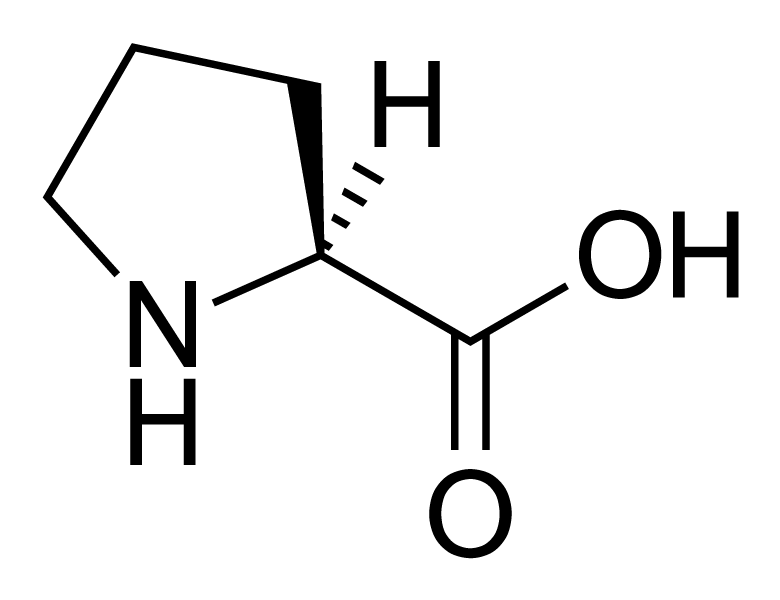
Doença do metabolismo da prolina
📋 Origem dos dados
Esta página agrega dados de fontes públicas e oficiais. Dados sobre cobertura no SUS (PCDT, CEAF) são verificados ativamente por agente proativo (ver badge no infobox). Demais dados têm atribuição de fonte + data da última sincronização — clique para abrir o original.
- Doença rara (ontologia)
- fonte: Orphanet
- Identificador unificado
- fonte: MONDO
- Codificação WHO/SUS
- fonte: WHO ICD-10 / DATASUS
- CID-11 (futuro)
- fonte: WHO ICD-11
- NIH/GARD
- fonte: GARD (NIH)
- Indexação biomédica
- fonte: MeSH (NLM)
- Dado público estruturado
- fonte: Wikidata