
Doença rara caracterizada por defeitos na produção e distribuição de melanina, associada a manifestações neurológicas (crises tônico-clônicas, neuropatia), imunológicas (infecções recorrentes) e morfológicas (polegar anormal, calcificações cerebrais).
Introdução
O que você precisa saber de cara
Visão geral
A alteração do metabolismo da melanina é uma condição rara que afeta a produção ou distribuição da melanina, o pigmento responsável pela cor da pele, cabelo e olhos. Essa condição pode levar a uma ampla variedade de manifestações, incluindo hipopigmentação (redução da cor) ou hiperpigmentação (excesso de cor), além de alterações em outros sistemas do corpo, como o sistema nervoso, imunológico e sanguíneo. A doença é causada por mutações em genes que participam da formação dos melanossomas (organelas que produzem melanina) ou do transporte da melanina dentro das células.[1][3]
Sinais e sintomas
Os sinais e sintomas da alteração do metabolismo da melanina são variados e podem afetar diferentes partes do corpo. Entre os achados mais comuns estão: hipopigmentação generalizada (pele, cabelo e olhos mais claros que o normal), albinismo parcial, sardas em áreas expostas ao sol, sobrancelha branca e hiperpigmentação salpicada. Também podem ocorrer alterações neurológicas, como crises tônico-clônicas bilaterais (convulsões), neuropatia periférica, atrofia cerebral e calcificação cerebral. No sistema imunológico, é possível observar imunodeficiência, infecções recorrentes do trato respiratório superior, infecções bacterianas cutâneas e sistêmicas, além de razão CD4:CD8 invertida. Alterações oculares incluem hipermetropia alta, morfologia foveal anormal na OCT macular e desvio do nervo óptico. No sangue, podem ser encontrados grânulos densos plaquetários aumentados ou reduzidos, agregação plaquetária prejudicada (inclusive induzida por colágeno) e hipoproteinemia. Outros achados descritos são morfologia anormal do polegar e melanossomas gigantes em melanócitos.[1][3]
Causas genéticas
A alteração do metabolismo da melanina é causada por mutações em genes que participam da biogênese dos melanossomas, do transporte de melanina ou da regulação da pigmentação. Os genes associados incluem: TYR (tirosinase), DCT (L-dopachrome tautomerase), SLC45A2 (proteína transportadora associada à membrana), SLC24A5 (trocador de sódio/potássio/cálcio 5), MLPH (melanofilina), GPR143 (receptor acoplado à proteína G 143), LYST (regulador de tráfego lisossomal), DTNBP1 (disbindina), AP3B1 (subunidade beta-1 do complexo AP-3), AP3D1 (subunidade delta-1 do complexo AP-3), HPS3 e HPS6 (membros do complexo BLOC-2). Esses genes estão envolvidos em diferentes etapas da formação e funcionamento dos melanossomas e dos grânulos densos das plaquetas, o que explica a variedade de sintomas.[1][4]
Diagnóstico
O diagnóstico da alteração do metabolismo da melanina é baseado na avaliação clínica dos sinais e sintomas, na história familiar e em exames complementares. Testes genéticos estão disponíveis para confirmar a presença de mutações nos genes associados. Atualmente, existem 336 testes genéticos registrados para essa condição, e 695 variantes foram catalogadas no ClinVar, um banco de dados público de variantes genéticas. O diagnóstico diferencial inclui outras formas de albinismo e síndromes com hipopigmentação e imunodeficiência.[1][4]
Tratamento e manejo
O tratamento da alteração do metabolismo da melanina é individualizado e focado no manejo dos sintomas específicos de cada paciente. Não há cura para a condição, mas intervenções podem incluir proteção solar rigorosa para evitar queimaduras e câncer de pele em casos de hipopigmentação, uso de lentes corretivas para problemas oculares, e tratamento de infecções recorrentes com antibióticos ou imunoglobulina, quando indicado. O acompanhamento multidisciplinar com dermatologista, oftalmologista, neurologista e imunologista é recomendado. No Brasil, a condição possui cobertura mínima pelo SUS, o que significa que alguns procedimentos e medicamentos podem não ser integralmente disponibilizados.[1]
Prognóstico e qualidade de vida
O prognóstico da alteração do metabolismo da melanina varia amplamente de acordo com a gravidade dos sintomas e o envolvimento de múltiplos sistemas. Pacientes com manifestações leves podem ter uma qualidade de vida próxima do normal com cuidados adequados, enquanto aqueles com imunodeficiência grave ou complicações neurológicas podem necessitar de suporte contínuo. O acompanhamento regular com uma equipe médica especializada é essencial para monitorar e tratar as complicações ao longo da vida.[1][3]
Conteúdo informativo gerado e mantido automaticamente a partir de fontes oficiais (Orphanet, HPO, OMIM, SUS). Não substitui avaliação médica.
Doença rara caracterizada por defeitos na produção e distribuição de melanina, associada a manifestações neurológicas (crises tônico-clônicas, neuropatia), imunológicas (infecções recorrentes) e morfológicas (polegar anormal, calcificações cerebrais).
Tem tratamento?
Encontrou um erro ou informação desatualizada? Sugira uma correção →
Entender a doença
Do básico ao detalhe, leia no seu ritmo
Preparando trilha educativa...
Sinais e sintomas
O que aparece no corpo e com que frequência cada sintoma acontece
Visão geral
A alteração do metabolismo da melanina é uma condição rara que afeta a produção ou distribuição da melanina, o pigmento responsável pela cor da pele, cabelo e olhos. Essa condição pode levar a uma ampla variedade de manifestações, incluindo hipopigmentação (redução da cor) ou hiperpigmentação (excesso de cor), além de alterações em outros sistemas do corpo, como o sistema nervoso, imunológico e sanguíneo. A doença é causada por mutações em genes que participam da formação dos melanossomas (organelas que produzem melanina) ou do transporte da melanina dentro das células.[1][3]
Sinais e sintomas
Os sinais e sintomas da alteração do metabolismo da melanina são variados e podem afetar diferentes partes do corpo. Entre os achados mais comuns estão: hipopigmentação generalizada (pele, cabelo e olhos mais claros que o normal), albinismo parcial, sardas em áreas expostas ao sol, sobrancelha branca e hiperpigmentação salpicada. Também podem ocorrer alterações neurológicas, como crises tônico-clônicas bilaterais (convulsões), neuropatia periférica, atrofia cerebral e calcificação cerebral. No sistema imunológico, é possível observar imunodeficiência, infecções recorrentes do trato respiratório superior, infecções bacterianas cutâneas e sistêmicas, além de razão CD4:CD8 invertida. Alterações oculares incluem hipermetropia alta, morfologia foveal anormal na OCT macular e desvio do nervo óptico. No sangue, podem ser encontrados grânulos densos plaquetários aumentados ou reduzidos, agregação plaquetária prejudicada (inclusive induzida por colágeno) e hipoproteinemia. Outros achados descritos são morfologia anormal do polegar e melanossomas gigantes em melanócitos.[1][3]
Causas genéticas
A alteração do metabolismo da melanina é causada por mutações em genes que participam da biogênese dos melanossomas, do transporte de melanina ou da regulação da pigmentação. Os genes associados incluem: TYR (tirosinase), DCT (L-dopachrome tautomerase), SLC45A2 (proteína transportadora associada à membrana), SLC24A5 (trocador de sódio/potássio/cálcio 5), MLPH (melanofilina), GPR143 (receptor acoplado à proteína G 143), LYST (regulador de tráfego lisossomal), DTNBP1 (disbindina), AP3B1 (subunidade beta-1 do complexo AP-3), AP3D1 (subunidade delta-1 do complexo AP-3), HPS3 e HPS6 (membros do complexo BLOC-2). Esses genes estão envolvidos em diferentes etapas da formação e funcionamento dos melanossomas e dos grânulos densos das plaquetas, o que explica a variedade de sintomas.[1][4]
Diagnóstico
O diagnóstico da alteração do metabolismo da melanina é baseado na avaliação clínica dos sinais e sintomas, na história familiar e em exames complementares. Testes genéticos estão disponíveis para confirmar a presença de mutações nos genes associados. Atualmente, existem 336 testes genéticos registrados para essa condição, e 695 variantes foram catalogadas no ClinVar, um banco de dados público de variantes genéticas. O diagnóstico diferencial inclui outras formas de albinismo e síndromes com hipopigmentação e imunodeficiência.[1][4]
Tratamento e manejo
O tratamento da alteração do metabolismo da melanina é individualizado e focado no manejo dos sintomas específicos de cada paciente. Não há cura para a condição, mas intervenções podem incluir proteção solar rigorosa para evitar queimaduras e câncer de pele em casos de hipopigmentação, uso de lentes corretivas para problemas oculares, e tratamento de infecções recorrentes com antibióticos ou imunoglobulina, quando indicado. O acompanhamento multidisciplinar com dermatologista, oftalmologista, neurologista e imunologista é recomendado. No Brasil, a condição possui cobertura mínima pelo SUS, o que significa que alguns procedimentos e medicamentos podem não ser integralmente disponibilizados.[1]
Prognóstico e qualidade de vida
O prognóstico da alteração do metabolismo da melanina varia amplamente de acordo com a gravidade dos sintomas e o envolvimento de múltiplos sistemas. Pacientes com manifestações leves podem ter uma qualidade de vida próxima do normal com cuidados adequados, enquanto aqueles com imunodeficiência grave ou complicações neurológicas podem necessitar de suporte contínuo. O acompanhamento regular com uma equipe médica especializada é essencial para monitorar e tratar as complicações ao longo da vida.[1][3]
Conteúdo informativo gerado e mantido automaticamente a partir de fontes oficiais (Orphanet, HPO, OMIM, SUS). Não substitui avaliação médica.
Partes do corpo afetadas
+ 115 sintomas em outras categorias
Características mais comuns
Os sintomas variam de pessoa para pessoa. Abaixo estão as 308 características clínicas mais associadas, ordenadas por frequência.
Linha do tempo da pesquisa
Encontrou um erro ou informação desatualizada? Sugira uma correção →
Genética e causas
O que está alterado no DNA e como passa nas famílias
Genes associados
24 genes identificados com associação a esta condição.
This is a copper-containing oxidase that functions in the formation of pigments such as melanins and other polyphenolic compounds. Catalyzes the initial and rate limiting step in the cascade of reactions leading to melanin production from tyrosine (By similarity). In addition to hydroxylating tyrosine to DOPA (3,4-dihydroxyphenylalanine), also catalyzes the oxidation of DOPA to DOPA-quinone, and possibly the oxidation of DHI (5,6-dihydroxyindole) to indole-5,6 quinone (PubMed:28661582)
Melanosome membraneMelanosome
Albinism, oculocutaneous, 1A
An autosomal recessive disorder in which the biosynthesis of melanin pigment is absent in skin, hair, and eyes. It is characterized by complete lack of tyrosinase activity due to production of an inactive enzyme. Patients present with a life-long absence of melanin pigment after birth, and manifest increased sensitivity to ultraviolet radiation with predisposition to skin cancer. Visual anomalies include decreased acuity, nystagmus, strabismus and photophobia.
May regulate the synthesis and function of lysosomes and of highly specialized organelles, such as melanosomes and platelet dense granules (PubMed:17041891). Acts as a cargo adapter for the dynein-dynactin motor complex to mediate the transport of lysosomes from the cell periphery to the perinuclear region. Facilitates retrograde lysosomal trafficking by linking the motor complex to lysosomes, and perinuclear positioning of lysosomes is crucial for the delivery of endocytic cargos to lysosomes,
Microsome membraneCytoplasm, cytosolEarly endosome membraneLysosome membrane
Hermansky-Pudlak syndrome 6
A form of Hermansky-Pudlak syndrome, a genetically heterogeneous autosomal recessive disorder characterized by oculocutaneous albinism, bleeding due to platelet storage pool deficiency, and lysosomal storage defects. This syndrome results from defects of diverse cytoplasmic organelles including melanosomes, platelet dense granules and lysosomes. Ceroid storage in the lungs is associated with pulmonary fibrosis, a common cause of premature death in individuals with HPS.
Plays a role in melanin biosynthesis (PubMed:33100333). Catalyzes the conversion of L-dopachrome into 5,6-dihydroxyindole-2-carboxylic acid (DHICA)
Melanosome membraneMelanosome
Albinism, oculocutaneous, 8
A form of oculocutaneous albinism, a disorder of pigmentation characterized by reduced biosynthesis of melanin in the skin, hair and eyes. OCA8 is an autosomal recessive form characterized by mild hair and skin hypopigmentation, associated with ocular features including nystagmus, reduced visual acuity, iris transillumination, and hypopigmentation of the retina.
Proton-associated glucose and sucrose transporter (By similarity). May be able to transport also fructose (By similarity). Expressed at a late melanosome maturation stage where functions as proton/glucose exporter which increase lumenal pH by decreasing glycolysis (PubMed:32966160, PubMed:35469906). Regulates melanogenesis by maintaining melanosome neutralization that is initially initiated by transient OCA2 and required for a proper function of the tyrosinase TYR (PubMed:32966160, PubMed:354699
Melanosome membrane
Albinism, oculocutaneous, 4
A disorder of pigmentation characterized by reduced biosynthesis of melanin in the skin, hair and eyes. Patients show reduced or lacking pigmentation associated with classic albinism ocular abnormalities, including decreased visual acuity, macular hypoplasia, optic dysplasia, atypical choroidal vessels, and nystagmus.
Rab effector protein involved in melanosome transport. Serves as link between melanosome-bound RAB27A and the motor protein MYO5A
Cytoplasm
Griscelli syndrome 3
Rare autosomal recessive disorder characterized by pigmentary dilution of the skin and hair, the presence of large clumps of pigment in hair shafts, and an accumulation of melanosomes in melanocytes, without other clinical manifestations.
Involved in early stages of melanosome biogenesis and maturation
CytoplasmCytoplasm, cytosol
Hermansky-Pudlak syndrome 3
A form of Hermansky-Pudlak syndrome, a genetically heterogeneous autosomal recessive disorder characterized by oculocutaneous albinism, bleeding due to platelet storage pool deficiency, and lysosomal storage defects. This syndrome results from defects of diverse cytoplasmic organelles including melanosomes, platelet dense granules and lysosomes. Ceroid storage in the lungs is associated with pulmonary fibrosis, a common cause of premature death in individuals with HPS.
Component of the BLOC-1 complex, a complex that is required for normal biogenesis of lysosome-related organelles (LRO), such as platelet dense granules and melanosomes. In concert with the AP-3 complex, the BLOC-1 complex is required to target membrane protein cargos into vesicles assembled at cell bodies for delivery into neurites and nerve terminals. The BLOC-1 complex, in association with SNARE proteins, is also proposed to be involved in neurite extension. Associates with the BLOC-2 complex
CytoplasmCytoplasmic vesicle membraneEndosome membraneMelanosome membranePostsynaptic densityEndoplasmic reticulumNucleusCytoplasmic vesicle, secretory vesicle, synaptic vesicle membranePostsynaptic cell membrane
Hermansky-Pudlak syndrome 7
A form of Hermansky-Pudlak syndrome, a genetically heterogeneous autosomal recessive disorder characterized by oculocutaneous albinism, bleeding due to platelet storage pool deficiency, and lysosomal storage defects. This syndrome results from defects of diverse cytoplasmic organelles including melanosomes, platelet dense granules and lysosomes. Ceroid storage in the lungs is associated with pulmonary fibrosis, a common cause of premature death in individuals with HPS.
Calcium, potassium:sodium antiporter that transports 1 Ca(2+) and 1 K(+) to the melanosome in exchange for 4 cytoplasmic Na(+) (PubMed:18166528). Involved in pigmentation, possibly by participating in ion transport in melanosomes (PubMed:16357253, PubMed:18166528). Predominant sodium-calcium exchanger in melanocytes (PubMed:16357253, PubMed:18166528)
Golgi apparatus, trans-Golgi network membraneMelanosome
Albinism, oculocutaneous, 6
A disorder characterized by a reduction or complete loss of melanin in the skin, hair and eyes. Patients show reduced or lacking pigmentation often accompanied by eye symptoms such as photophobia, strabismus, moderate to severe visual impairment, and nystagmus.
Subunit of non-clathrin- and clathrin-associated adaptor protein complex 3 (AP-3) that plays a role in protein sorting in the late-Golgi/trans-Golgi network (TGN) and/or endosomes. The AP complexes mediate both the recruitment of clathrin to membranes and the recognition of sorting signals within the cytosolic tails of transmembrane cargo molecules. AP-3 appears to be involved in the sorting of a subset of transmembrane proteins targeted to lysosomes and lysosome-related organelles. In concert w
Cytoplasmic vesicle, clathrin-coated vesicle membraneGolgi apparatus
Hermansky-Pudlak syndrome 2
A form of Hermansky-Pudlak syndrome, a genetically heterogeneous autosomal recessive disorder characterized by oculocutaneous albinism, bleeding due to platelet storage pool deficiency, and lysosomal storage defects. This syndrome results from defects of diverse cytoplasmic organelles including melanosomes, platelet dense granules and lysosomes. Ceroid storage in the lungs is associated with pulmonary fibrosis, a common cause of premature death in individuals with HPS. HPS2 differs from the other forms of HPS in that it includes immunodeficiency in its phenotype and patients with HPS2 have an increased susceptibility to infections.
Adapter protein that regulates and/or fission of intracellular vesicles such as lysosomes (PubMed:11984006, PubMed:25216107). Might regulate trafficking of effectors involved in exocytosis (PubMed:25425525). In cytotoxic T-cells and natural killer (NK) cells, has role in the regulation of size, number and exocytosis of lytic granules (PubMed:26478006). In macrophages and dendritic cells, regulates phagosome maturation by controlling the conversion of early phagosomal compartments into late phago
Cytoplasm
Chediak-Higashi syndrome
A rare autosomal recessive disorder characterized by hypopigmentation, severe immunologic deficiency, a bleeding tendency, neurologic abnormalities, abnormal intracellular transport to and from the lysosome, and giant inclusion bodies in a variety of cell types. Most patients die at an early age unless they receive an allogeneic hematopoietic stem cell transplant (SCT).
Receptor for tyrosine, L-DOPA and dopamine. After binding to L-DOPA, stimulates Ca(2+) influx into the cytoplasm, increases secretion of the neurotrophic factor SERPINF1 and relocalizes beta arrestin at the plasma membrane; this ligand-dependent signaling occurs through a G(q)-mediated pathway in melanocytic cells. Its activity is mediated by G proteins which activate the phosphoinositide signaling pathway. Also plays a role as an intracellular G protein-coupled receptor involved in melanosome b
Melanosome membraneLysosome membraneApical cell membrane
Albinism ocular 1
Form of albinism affecting only the eye. Pigment of the hair and skin is normal or only slightly diluted. Eyes may be severely affected with photophobia and reduced visual acuity. Nystagmus or strabismus are often associated. The irides and fundus are depigmented.
Part of the AP-3 complex, an adaptor-related complex which is not clathrin-associated. The complex is associated with the Golgi region as well as more peripheral structures. It facilitates the budding of vesicles from the Golgi membrane and may be directly involved in trafficking to lysosomes. Involved in process of CD8+ T-cell and NK cell degranulation (PubMed:26744459). In concert with the BLOC-1 complex, AP-3 is required to target cargos into vesicles assembled at cell bodies for delivery int
CytoplasmGolgi apparatus membrane
Hermansky-Pudlak syndrome 10
A form of Hermansky-Pudlak syndrome, a genetically heterogeneous autosomal recessive disorder characterized by oculocutaneous albinism, bleeding due to platelet storage pool deficiency, and lysosomal storage defects. This syndrome results from defects of diverse cytoplasmic organelles including melanosomes, platelet dense granules and lysosomes. Ceroid storage in the lungs is associated with pulmonary fibrosis, a common cause of premature death in individuals with HPS. HPS10 patients manifest albinism, neutropenia, immunodeficiency, neurodevelopmental delay, generalized seizures, and impaired hearing.
G protein-coupled receptor that binds melanocyte-stimulating hormones (alpha, beta, and gamma-MSH) and adrenocorticotropic hormone/ACTH, which are peptide products of the POMC precursor protein (PubMed:11442765, PubMed:11707265, PubMed:1325670, PubMed:1516719, PubMed:8463333). Upon activation, MC1R couples with the G(s) protein, stimulating adenylate cyclase and activating the cAMP-dependent signaling pathway. This activation promotes melanogenesis, resulting in the production of eumelanin (blac
Cell membrane
Melanoma, cutaneous malignant 5
A malignant neoplasm of melanocytes, arising de novo or from a pre-existing benign nevus, which occurs most often in the skin but may also involve other sites.
Processive actin-based motor that can move in large steps approximating the 36-nm pseudo-repeat of the actin filament. Can hydrolyze ATP in the presence of actin, which is essential for its function as a motor protein (PubMed:10448864). Involved in melanosome transport. Also mediates the transport of vesicles to the plasma membrane (By similarity). May also be required for some polarization process involved in dendrite formation (By similarity)
Griscelli syndrome 1
Rare autosomal recessive disorder that results in pigmentary dilution of the skin and hair, the presence of large clumps of pigment in hair shafts, silvery-gray hair and accumulation of melanosomes in melanocytes. GS1 patients show developmental delay, hypotonia and intellectual disability, without apparent immune abnormalities.
Component of the BLOC-1 complex, a complex that is required for normal biogenesis of lysosome-related organelles (LRO), such as platelet dense granules and melanosomes (PubMed:32565547). In concert with the AP-3 complex, the BLOC-1 complex is required to target membrane protein cargos into vesicles assembled at cell bodies for delivery into neurites and nerve terminals. The BLOC-1 complex, in association with SNARE proteins, is also proposed to be involved in neurite extension. Plays a role in i
Hermansky-Pudlak syndrome 11
A form of Hermansky-Pudlak syndrome, a genetically heterogeneous autosomal recessive disorder characterized by oculocutaneous albinism, bleeding due to platelet storage pool deficiency, and lysosomal storage defects. This syndrome results from defects of diverse cytoplasmic organelles including melanosomes, platelet dense granules and lysosomes. Ceroid storage in the lungs is associated with pulmonary fibrosis, a common cause of premature death in individuals with HPS.
Plays a role in melanin biosynthesis (PubMed:16704458, PubMed:22556244, PubMed:23504663). Catalyzes the oxidation of 5,6-dihydroxyindole-2-carboxylic acid (DHICA) into indole-5,6-quinone-2-carboxylic acid in the presence of bound Cu(2+) ions, but not in the presence of Zn(2+) (PubMed:28661582). May regulate or influence the type of melanin synthesized (PubMed:16704458, PubMed:22556244). Also to a lower extent, capable of hydroxylating tyrosine and producing melanin (By similarity)
Melanosome membrane
Albinism, oculocutaneous, 3
An autosomal recessive disorder in which the biosynthesis of melanin pigment is reduced in skin, hair, and eyes. Tyrosinase activity is normal and patients have only moderate reduction of pigment. The eyes present red reflex on transillumination of the iris, dilution of color of iris, nystagmus and strabismus. Darker-skinned individuals have bright copper-red coloration of the skin and hair.
Component of the BLOC-3 complex, a complex that acts as a guanine exchange factor (GEF) for RAB32 and RAB38, promotes the exchange of GDP to GTP, converting them from an inactive GDP-bound form into an active GTP-bound form. The BLOC-3 complex plays an important role in the control of melanin production and melanosome biogenesis and promotes the membrane localization of RAB32 and RAB38 (PubMed:23084991)
Hermansky-Pudlak syndrome 4
A form of Hermansky-Pudlak syndrome, a genetically heterogeneous autosomal recessive disorder characterized by oculocutaneous albinism, bleeding due to platelet storage pool deficiency, and lysosomal storage defects. This syndrome results from defects of diverse cytoplasmic organelles including melanosomes, platelet dense granules and lysosomes. Ceroid storage in the lungs is associated with pulmonary fibrosis, a common cause of premature death in individuals with HPS.
Component of the BLOC-3 complex, a complex that acts as a guanine exchange factor (GEF) for RAB32 and RAB38, promotes the exchange of GDP to GTP, converting them from an inactive GDP-bound form into an active GTP-bound form. The BLOC-3 complex plays an important role in the control of melanin production and melanosome biogenesis and promotes the membrane localization of RAB32 and RAB38 (PubMed:23084991)
Hermansky-Pudlak syndrome 1
A form of Hermansky-Pudlak syndrome, a genetically heterogeneous autosomal recessive disorder characterized by oculocutaneous albinism, bleeding due to platelet storage pool deficiency, and lysosomal storage defects. This syndrome results from defects of diverse cytoplasmic organelles including melanosomes, platelet dense granules and lysosomes. Ceroid storage in the lungs is associated with pulmonary fibrosis, a common cause of premature death in individuals with HPS.
Component of the BLOC-1 complex, a complex that is required for normal biogenesis of lysosome-related organelles (LRO), such as platelet dense granules and melanosomes. In concert with the AP-3 complex, the BLOC-1 complex is required to target membrane protein cargos into vesicles assembled at cell bodies for delivery into neurites and nerve terminals. The BLOC-1 complex, in association with SNARE proteins, is also proposed to be involved in neurite extension. May play a role in intracellular ve
CytoplasmMembrane
Hermansky-Pudlak syndrome 9
A form of Hermansky-Pudlak syndrome, a genetically heterogeneous autosomal recessive disorder characterized by oculocutaneous albinism, bleeding due to platelet storage pool deficiency, and lysosomal storage defects. This syndrome results from defects of diverse cytoplasmic organelles including melanosomes, platelet dense granules and lysosomes. Ceroid storage in the lungs is associated with pulmonary fibrosis, a common cause of premature death in individuals with HPS.
The small GTPases Rab are key regulators of intracellular membrane trafficking, from the formation of transport vesicles to their fusion with membranes. Rabs cycle between an inactive GDP-bound form and an active GTP-bound form that is able to recruit to membranes different sets of downstream effectors directly responsible for vesicle formation, movement, tethering and fusion (PubMed:30771381). RAB27A regulates homeostasis of late endocytic pathway, including endosomal positioning, maturation an
MembraneMelanosomeLate endosomeLysosome
Griscelli syndrome 2
Rare autosomal recessive disorder that results in pigmentary dilution of the skin and hair, the presence of large clumps of pigment in hair shafts, and an accumulation of melanosomes in melanocytes. GS2 patients also develop an uncontrolled T-lymphocyte and macrophage activation syndrome, known as hemophagocytic syndrome, leading to death in the absence of bone marrow transplantation. Neurological impairment is present in some patients, likely as a result of hemophagocytic syndrome.
Contributes to a melanosome-specific anion (chloride) current that modulates melanosomal pH for optimal tyrosinase activity required for melanogenesis and the melanosome maturation (PubMed:11310796, PubMed:15262401, PubMed:22234890, PubMed:25513726). One of the components of the mammalian pigmentary system (PubMed:15262401, PubMed:18252222, PubMed:7601462). May serve as a key control point at which ethnic skin color variation is determined. Major determinant of brown and/or blue eye color (PubMe
Melanosome membrane
Albinism, oculocutaneous, 2
An autosomal recessive disorder in which the biosynthesis of melanin pigment is reduced in skin, hair, and eyes. Although affected infants may appear at birth to have complete absence of melanin pigment, most patients acquire small amounts of pigment with age. Visual anomalies include decreased acuity and nystagmus. The phenotype is highly variable. The hair of affected individuals may turn darker with age, and pigmented nevi or freckles may be seen. African and African American individuals may have yellow hair and blue-gray or hazel irides. One phenotypic variant, 'brown OCA,' has been described in African and African American populations and is characterized by light brown hair and skin color and gray to tan irides.
Component of the BLOC-1 complex, a complex that is required for normal biogenesis of lysosome-related organelles (LRO), such as platelet dense granules and melanosomes. In concert with the AP-3 complex, the BLOC-1 complex is required to target membrane protein cargos into vesicles assembled at cell bodies for delivery into neurites and nerve terminals. The BLOC-1 complex, in association with SNARE proteins, is also proposed to be involved in neurite extension. Plays a role in intracellular vesic
Cytoplasm
Hermansky-Pudlak syndrome 8
A form of Hermansky-Pudlak syndrome, a genetically heterogeneous autosomal recessive disorder characterized by oculocutaneous albinism, bleeding due to platelet storage pool deficiency, and lysosomal storage defects. This syndrome results from defects of diverse cytoplasmic organelles including melanosomes, platelet dense granules and lysosomes. Ceroid storage in the lungs is associated with pulmonary fibrosis, a common cause of premature death in individuals with HPS.
Required for melanocyte differentiation
Albinism, oculocutaneous, 7
A disorder of pigmentation characterized by reduced biosynthesis of melanin in the skin, hair and eyes. Patients show reduced or lacking pigmentation associated with classic albinism ocular abnormalities, including decreased visual acuity, macular hypoplasia, optic dysplasia, atypical choroidal vessels, and nystagmus.
May regulate the synthesis and function of lysosomes and of highly specialized organelles, such as melanosomes and platelet dense granules. Regulates intracellular vesicular trafficking in fibroblasts. May be involved in the regulation of general functions of integrins
Cytoplasm, cytosol
Hermansky-Pudlak syndrome 5
A form of Hermansky-Pudlak syndrome, a genetically heterogeneous autosomal recessive disorder characterized by oculocutaneous albinism, bleeding due to platelet storage pool deficiency, and lysosomal storage defects. This syndrome results from defects of diverse cytoplasmic organelles including melanosomes, platelet dense granules and lysosomes. Ceroid storage in the lungs is associated with pulmonary fibrosis, a common cause of premature death in individuals with HPS.
Medicamentos e terapias
Mecanismo: DOPA decarboxylase inhibitor
Mecanismo: Vascular endothelial growth factor receptor inhibitor
Mecanismo: Endothelin receptor, ET-A/ET-B antagonist
Mecanismo: Dopamine D3 receptor agonist
Mecanismo: DOPA decarboxylase inhibitor
Mecanismo: Cytochrome P450 19A1 inhibitor
Mecanismo: 3',5'-cyclic phosphodiesterase inhibitor
Variantes genéticas (ClinVar)
695 variantes patogênicas registradas no ClinVar.
Vias biológicas (Reactome)
25 vias biológicas associadas aos genes desta condição.
Diagnóstico
Os sinais que médicos procuram e os exames que confirmam
Tratamento e manejo
Remédios, cuidados de apoio e o que precisa acompanhar
Onde tratar no SUS
Hospitais de referência no Brasil e o protocolo oficial do SUS (PCDT)
🇧🇷 Atendimento SUS — Alteração do metabolismo da melanina
Centros de Referência SUS
21 centros habilitados pelo SUS para Alteração do metabolismo da melanina
Centros para Alteração do metabolismo da melanina
Detalhes dos centros
Hospital Universitário Prof. Edgard Santos (HUPES)
R. Dr. Augusto Viana, s/n - Canela, Salvador - BA, 40110-060 · CNES 0003808
Serviço de Referência
Hospital de Apoio de Brasília (HAB)
AENW 3 Lote A Setor Noroeste - Plano Piloto, Brasília - DF, 70684-831 · CNES 0010456
Serviço de Referência
Hospital Estadual Infantil e Maternidade Alzir Bernardino Alves (HIABA)
Av. Min. Salgado Filho, 918 - Soteco, Vila Velha - ES, 29106-010 · CNES 6631207
Serviço de Referência
Hospital das Clínicas da UFG
Rua 235 QD. 68 Lote Área, Nº 285, s/nº - Setor Leste Universitário, Goiânia - GO, 74605-050 · CNES 2338424
Serviço de Referência
Hospital das Clínicas da UFMG
Av. Prof. Alfredo Balena, 110 - Santa Efigênia, Belo Horizonte - MG, 30130-100 · CNES 2280167
Serviço de Referência
NUPAD / Faculdade de Medicina UFMG
Av. Prof. Alfredo Balena, 189 - 5 andar - Centro, Belo Horizonte - MG, 30130-100 · CNES 2183226
Serviço de Referência
Hospital Universitário João de Barros Barreto
R. dos Mundurucus, 4487 - Guamá, Belém - PA, 66073-000 · CNES 2337878
Serviço de Referência
Hospital de Clínicas da Universidade Federal de Pernambuco
Av. Prof. Moraes Rego, 1235 - Cidade Universitária, Recife - PE, 50670-901 · CNES 2561492
Atenção Especializada
Instituto de Medicina Integral Prof. Fernando Figueira (IMIP)
R. dos Coelhos, 300 - Boa Vista, Recife - PE, 50070-902 · CNES 0000647
Serviço de Referência
Hospital de Clínicas da UFPR
R. Gen. Carneiro, 181 - Alto da Glória, Curitiba - PR, 80060-900 · CNES 2364980
Serviço de Referência
Hospital Universitário Pedro Ernesto (HUPE-UERJ)
Blvd. 28 de Setembro, 77 - Vila Isabel, Rio de Janeiro - RJ, 20551-030 · CNES 2280221
Serviço de Referência
Instituto Nacional de Saúde da Mulher, da Criança e do Adolescente Fernandes Figueira (IFF/Fiocruz)
Av. Rui Barbosa, 716 - Flamengo, Rio de Janeiro - RJ, 22250-020 · CNES 2269988
Serviço de Referência
Hospital Universitário Onofre Lopes (HUOL)
Av. Nilo Peçanha, 620 - Petrópolis, Natal - RN, 59012-300 · CNES 2408570
Atenção Especializada
Hospital São Lucas da PUCRS
Av. Ipiranga, 6690 - Jardim Botânico, Porto Alegre - RS, 90610-000 · CNES 2232928
Serviço de Referência
Hospital de Clínicas de Porto Alegre (HCPA)
Rua Ramiro Barcelos, 2350 Bloco A - Av. Protásio Alves, 211 - Bloco B e C - Santa Cecília, Porto Alegre - RS, 90035-903 · CNES 2237601
Serviço de Referência
Hospital Universitário da UFSC (HU-UFSC)
R. Profa. Maria Flora Pausewang - Trindade, Florianópolis - SC, 88036-800 · CNES 2560356
Serviço de Referência
Hospital das Clínicas da FMUSP
R. Dr. Ovídio Pires de Campos, 225 - Cerqueira César, São Paulo - SP, 05403-010 · CNES 2077485
Serviço de Referência
Hospital de Clínicas da UNICAMP
R. Vital Brasil, 251 - Cidade Universitária, Campinas - SP, 13083-888 · CNES 2748223
Serviço de Referência
Hospital de Clínicas de Ribeirão Preto (HCRP-USP)
R. Ten. Catão Roxo, 3900 - Vila Monte Alegre, Ribeirão Preto - SP, 14015-010 · CNES 2082187
Serviço de Referência
Instituto da Criança e do Adolescente (ICr-HCFMUSP)
Av. Dr. Enéas Carvalho de Aguiar, 647 - Cerqueira César, São Paulo - SP, 05403-000 · CNES 2081695
Serviço de Referência
UNIFESP / Hospital São Paulo
R. Napoleão de Barros, 715 - Vila Clementino, São Paulo - SP, 04024-002 · CNES 2688689
Serviço de Referência
Dados de DATASUS/CNES, SBGM, ABNeuro e Ministério da Saúde. Sempre confirme a disponibilidade diretamente com o estabelecimento.
Pesquisa ativa
Ensaios clínicos abertos e novidades científicas recentes
Ensaios em destaque
Pesquisa e ensaios clínicos
0 ensaios clínicos encontrados.
Publicações mais relevantes
PDE4B deficiency aids macrophage differentiation and contributes to Cryptococcus neoformans brain infection.
Cryptococcal meningitis is a fatal complication. Macrophages have been proposed to function as candidate "Trojan horse" cells, transferring Cryptococcus neoformans (C. neoformans) into the brain. The mechanisms of Trojan horses in cryptococcal meningitis are largely elusive. In this study, we performed scRNA-Seq on immune cells infiltrating the brain in a murine model of cryptococcal meningitis. Bioinformatics analysis revealed that phosphodiesterase 4B (PDE4B) is a candidate regulator associated with C. neoformans infected-macrophage. C. neoformans increases the total level of PDE4B in macrophages. However, virulent strains with increased production of melanin paradoxically decreased PDE4B expression in macrophages, implying that PDE4B in macrophages may be negatively associated with C. neoformans invasion. PDE4B inhibition increased Arg1, CXCR4 and CCR7 expression in macrophages, a process regulated by the cAMP/PKA signaling pathway. As expected, PDE4B inhibitors promote the ability of C. neoformans infected-macrophages to cross the blood-brain barrier (BBB) in vitro. Similarly, PDE4B inhibitors or PDE4B knockout increase the fungal burden in the brain, which is, at least partially, rescued by macrophage depletion, and adoptive transfer experiments further support macrophage-mediated fungal delivery to the brain. In contrast, PDE4B activation reduces fungal burden in the brain, including when administered after infection onset. Overall, this study revealed that PDE4B functions as an important regulator of macrophage functional programming during infection and supports a macrophage-mediated dissemination mechanism contributing to brain invasion, and is a potential therapeutic target for cryptococcal meningitis.
Chronic Histamine Exposure Promotes Melanogenesis via ORAI1-STIM1-Mediated Calcium Signaling Remodeling.
Post-inflammatory hyperpigmentation (PIH) is a common pigmentary disorder characterized by excessive melanin production following skin inflammation. Histamine, a key inflammatory mediator, is known to stimulate melanogenesis via H2 receptors; however, the underlying calcium (Ca2+) signaling mechanisms remain largely unexplored. In this study, we investigated the role of the ORAI1-STIM1 complex in histamine-induced melanogenesis using B16F10 melanoma cells and normal human epidermal melanocytes (NHEMs). Histamine (10-30 μM) significantly increased melanin content (2.5-2.8-fold), an effect specifically abolished by the H2 antagonist famotidine. Notably, while acute histamine application failed to trigger immediate Ca2+ influx, chronic exposure significantly enhanced store-operated Ca2+ entry (SOCE) capacity by approximately 2.8-fold, providing evidence for a functional remodeling of the Ca2+ signaling machinery. Histamine-induced melanogenesis was significantly suppressed by intracellular Ca2+ chelation, pharmacological inhibition of ORAI1 (BTP-2 or Synta-66), and siRNA-mediated silencing of ORAI1 or STIM1, but not ORAI2, ORAI3, or STIM2. Our findings demonstrate that chronic histamine exposure drives hyperpigmentation through ORAI1-STIM1-mediated SOCE remodeling, establishing this complex as a promising therapeutic target for the treatment of PIH and related inflammatory pigmentary disorders.
Insights from Computational Dynamic Active Site Mapping into Substrate Recognition and Mutation-Induced Dysfunction in Human Tyrosinase.
The ability of enzymes to recognize and process structurally diverse substrates is fundamental to metabolic flexibility and biological regulation. In melanin biosynthesis, human tyrosinase (Tyr) catalyzes the oxidation of several chemically distinct intermediates, including L-tyrosine, L-DOPA, DHICA, and DHI. Although its catalytic chemistry is well established, the structural basis of substrate selectivity and how it is altered by disease-associated mutations remains unclear. Using molecular docking and molecular dynamics simulations, we mapped the Tyr active site and identified 23 evolutionarily conserved residues that mediate multi-substrate recognition and binding. Across all substrates, binding induces coordinated conformational responses, particularly within an anchoring region (334-347) that provides electrostatic and hydrophobic steering, and a flexible gating loop (374-386) that modulates access and stabilizes bound intermediates. The OCA1B-associated P406L mutation, although distant from the catalytic core, disrupts long-range dynamic coupling and impairs loop flexibility, while 25 ClinVar-listed genetic variants at substrate-interacting residues weaken active-site organization, underscoring the sensitivity of Tyr's dynamic network to perturbation. Integrating these findings, we propose an ordered multi-substrate binding mechanism in which substrates are first guided by the anchoring region, then aligned by the universal triad, and finally refined through loop-mediated, substrate-specific contacts. Our work suggests a dynamic framework that could be useful for understanding human tyrosinase catalysis, genetic mutation impact, and future engineering strategies.
Dihydroxyhexanoic acid biosynthesis controls turgor in pathogenic fungi.
Many plant pathogenic fungi penetrate host surfaces mechanically, using turgor pressure generated by specialized infection cells called appressoria. These appressoria develop semipermeable cell walls and accumulate osmolytes internally to create turgor by osmosis. Although melanin is known to be important for turgor generation, the mechanism underlying wall semipermeability remains unclear. By using reverse genetics, we identified that the enzymes PKS2 and PBG13 are required for forming the semipermeable barrier in fungi causing anthracnose and rice blast diseases. These enzymes synthesize 3,5-dihydroxyhexanoic acid polymers that are essential for pathogenicity. These polymers reduce cell wall permeability and generate turgor, independently of melanization. Our findings uncover a mechanism of fungal turgor generation, linking enzyme function to pathogen penetration and disease potential, presenting new targets for disease control.
Preparation and Evaluation of the Synergistic Benefits of a Glycoside-Pyrone-Based Multifunctional System as a Possible Regulator for Melanogenesis.
The skin is constantly exposed to external factors throughout a person's life, ultraviolet (UV) radiation being one of the most harmful. The primary defence against UV-induced damage is skin pigmentation, which is achieved through the synthesis of melanin. However, overproduction of melanin can lead to skin disorders such as pigment spots, melasma, and even melanoma. Therefore, the present study aimed to obtain a new multifunctional bioactive system (MBS) starting from a supramolecular co-assembled gel (SG) based on amino acids and short peptides enhanced with a glycoside-pyrone-based complex (arbutin-kojic acid), presenting an inhibitory effect on peroxidase and implicitly controlling melanin production. The MBS gel was physicochemically analyzed using FTIR to observe changes in its chemical structure after exposure to 4°C and 25°C. The results indicate that MBS remains stable for up to 12 weeks without chemical changes in structure when stored at 4°C. The potential applicability was evaluated by antioxidant activity, where the gel exhibited above 85% scavenging activity of DPPH· free radicals. The MBS displays synergistically strong ability to inhibit the catalytic activity, functioning as an uncompetitive inhibitor that binds specifically to the enzyme-substrate complex. The in vivo biosafety of the MBS was determined at 24 h and 7 days after rat administration. The hematological and biochemical parameters show that the MBS system is safe and biocompatible both after 24 h and after 7 days. The overall findings suggest that the MBS gel has promising potential as a regulator of melanogenesis by inhibiting skin melanin synthesis.
Publicações recentes
A furanochromone derivative, visnagin stimulates melanogenesis via the activation of cAMP/PKA/CREB pathway.
Chronic Histamine Exposure Promotes Melanogenesis via ORAI1-STIM1-Mediated Calcium Signaling Remodeling.
Insights from Computational Dynamic Active Site Mapping into Substrate Recognition and Mutation-Induced Dysfunction in Human Tyrosinase.
Clematis Tangutica (Maxim.) Korsh. extracts promote melanogenesis via PKA/CREB activation and multi-cytokine inhibition: A novel dual targeting strategy for vitiligo therapy.
Atopic Dermatitis Accelerates Skin Physiological Functional Decline and Visible Aging, Suppressed by Skincare Habits.
📚 EuropePMCmostrando 199
Seasonal climatic variability shapes immune responses and infection risks in the common bluetail damselfly.
OecologiaCombined analysis of the triglyceride-glucose index and melanin-concentrating hormone in metabolic dysfunction-associated fatty liver disease: a machine learning-based study.
Frontiers in nutritionMechanism of Inonotus hispidus in treating melasma: integrated in vivo, in vitro, network pharmacology and untargeted metabolomics investigation.
Journal of ethnopharmacologyPDE4B deficiency aids macrophage differentiation and contributes to Cryptococcus neoformans brain infection.
PLoS pathogensA furanochromone derivative, visnagin stimulates melanogenesis via the activation of cAMP/PKA/CREB pathway.
European journal of pharmacologyChronic Histamine Exposure Promotes Melanogenesis via ORAI1-STIM1-Mediated Calcium Signaling Remodeling.
International journal of molecular sciencesInsights from Computational Dynamic Active Site Mapping into Substrate Recognition and Mutation-Induced Dysfunction in Human Tyrosinase.
International journal of molecular sciencesClematis Tangutica (Maxim.) Korsh. extracts promote melanogenesis via PKA/CREB activation and multi-cytokine inhibition: A novel dual targeting strategy for vitiligo therapy.
Phytomedicine : international journal of phytotherapy and phytopharmacologyDihydroxyhexanoic acid biosynthesis controls turgor in pathogenic fungi.
Science (New York, N.Y.)Atopic Dermatitis Accelerates Skin Physiological Functional Decline and Visible Aging, Suppressed by Skincare Habits.
Journal of cosmetic dermatologyPreparation and Evaluation of the Synergistic Benefits of a Glycoside-Pyrone-Based Multifunctional System as a Possible Regulator for Melanogenesis.
Macromolecular bioscienceNeuromelanin-sensitive MRI as a biomarker for individualized deep brain stimulation in Parkinson's disease: Associations between substantia nigra imaging and therapeutic outcomes.
Parkinsonism & related disordersTricyclazole alleviates Fonsecaea pedrosoi-induced immune suppression of neutrophils by inhibiting DHN-melanin biosynthesis.
Frontiers in cellular and infection microbiologyPotential Bioactive Function of Microbial Metabolites as Inhibitors of Tyrosinase: A Systematic Review.
International journal of molecular sciencesMonopolar Radiofrequency for Facial Hyperpigmentation Treatment: An Integrated Retrospective Clinical Trial and Ex Vivo Study.
International journal of molecular sciencesBiological Roles of Melanin and Natural Product-Derived Approaches for Its Modulation.
International journal of molecular sciencesHuman Alpha-1 Antitrypsin Suppresses Melanoma Growth by Promoting Tumor Differentiation and CD8+ T-Cell-Mediated Immunity.
BiomoleculesMelanin and Neuromelanin in Humans: Insights Across Health, Aging, Diseases, and Unexpected Aspects of Fungal Melanogenesis.
BiomoleculesTesting dopaminergic markers of problematic social media use using neuromelanin-sensitive MRI.
Psychiatry research. NeuroimagingRNAi-based screen for pigmentation in Drosophila melanogaster reveals regulators of brain dopamine and sleep.
iScienceLevodopa Suppresses Choroidal Neovascularization Through a Tyrosinase-Dependent Dual Mechanism.
Investigative ophthalmology & visual scienceEvaluation of Melanin Changes in Acute Vogt-Koyanagi-Harada Disease Using Polarization-Sensitive Optical Coherence Tomography.
Investigative ophthalmology & visual scienceDrug-Excipient Interaction-Mediated Supersaturated Emulsion Gel for Enhanced Intradermal Delivery of Tranexamic Acid.
Molecular pharmaceuticsPeroxisome Membrane Protein PEX16 Inhibits Melanogenesis by Inhibiting the Wnt/β-Catenin Signalling Pathway.
Experimental dermatologyVesicular Transport Mediated by Endoplasmic Reticulum Stress Sensor BBF2H7 Orchestrates Melanin Production During Melanogenesis.
International journal of molecular sciencesProtective Effect of Peony (Paeonia ostii) Flower Extract Against Tape Stripping-Induced Skin Barrier Impairment in Mice.
Molecules (Basel, Switzerland)Photodistributed Hyperpigmentation Associated With COVID-19 Vaccination.
Journal of drugs in dermatology : JDD[Hormones and skin pigmentation: fundamentals and clinical relevance].
Dermatologie (Heidelberg, Germany)Genome-wide association study reveals genetic architecture and evolution of human retinal pigmentation.
Science advancesComparative transcriptomics identifies key genes and pathways underlying the early skin coloration in leopard coral grouper (Plectropomus leopardus).
Comparative biochemistry and physiology. Part D, Genomics & proteomicsGut microbiome associated with melanin deposition by supporting energy metabolism in Sichuan mountainous black-bone chickens.
Frontiers in microbiologyThe Diatom Odontella aurita Modulates Melanogenesis in B16-F0 Cell Line.
Antioxidants (Basel, Switzerland)Synergistic interplay between UV and urban particulate matter exposure induces melanocyte senescence and contributes to human skin aging.
Scientific reportsRevisiting the alpha-synuclein paradox in melanoma-Parkinson's disease connection: more than a tale of two cell fates.
Cellular and molecular life sciences : CMLSActivation of lateral hypothalamic melanin-concentrating hormone neurons mediates sex-specific patterns of methamphetamine self-administration in rats.
Behavioural brain researchGeneration and ophthalmological characterization of oculocutaneous albinism type 1 pig models by selection-free genome editing.
Scientific reports6-Isoprenylindole-3-carboxylic Acid with an Anti-Melanogenic Activity from a Marine-Derived Streptomyces sp. APA-053.
Marine drugsDecoding the Mechanisms of Pigment Reduction and Skin Rejuvenation Induced by Picosecond Laser: Insights From a Porcine Model.
Lasers in surgery and medicineNear-Infrared Autofluorescence in Non-Infectious Uveitis: A Review.
Ocular immunology and inflammationCRISPR/Cas-mediated polyphenol oxidase gene knockout in potato reveals divergent roles in resistance to bacterial wilt and late blight.
Plant science : an international journal of experimental plant biologyThe Combination of Pterocarpus marsupium Bark Extract, Pinus strobus Bark Extract, and Ascorbyl Tetraisopalmitate Inhibits Melanogenesis via Nicotinamide Nucleotide Transhydrogenase Activation.
Journal of cosmetic dermatologyKeratin intermediate filaments mechanically position melanin pigments for genome photoprotection.
Nature cell biologyApoferritin-conjugated melanin nanoparticles rescue photoreceptor degeneration via dual iron chelation and ROS scavenging in dry AMD therapy.
International journal of biological macromoleculesApple oil as a source of ursolic acid for the treatment of hyperpigmentary disorders with molecular and clinical evaluation.
Scientific reportsConsumption of Unprocessed and Ultraprocessed Foods in Adolescents with Obesity: Associations with Neuroendocrine Mediators of Appetite Regulation and Binge Eating Symptoms.
NutrientsMechanistic Insights into Anti-Melanogenic Effects of Fisetin: PKCα-Induced β-Catenin Degradation, ERK/MITF Inhibition, and Direct Tyrosinase Suppression.
International journal of molecular sciencesMicroneedle Patch Delivering Multifunctional Melanin-like Nanoparticles for Vitiligo Remission and Repigmentation.
ACS applied materials & interfacesEarly skin seeding regulatory T cells modulate PPARγ-dependent skin pigmentation.
Nature communicationsEffects of wavelength, fluence, irradiance, and irradiation mode of visible light on melanogenesis in B16F10 melanoma cells.
Journal of photochemistry and photobiology. B, BiologyUVB enhances SLC6A15-mediated phenylalanine transport to promote melanogenesis.
Journal of photochemistry and photobiology. B, BiologyPostmortem Retinal Structural and Metabolic Analysis After Human Embryonic Stem Cell-derived Retinal Pigment Epithelium Transplantation in a Patient With Stargardt Disease.
Journal of vitreoretinal diseasesBeyond Parkinson's Disease: A Narrative Review of Neuromelanin MRI in Neurodegenerative Diseases.
Journal of neuroimaging : official journal of the American Society of NeuroimagingModulating cerebrospinal fluid dynamics using pulsed photobiomodulation.
Brain stimulationDiscovery of a bell-shaped dose response curve to melanin-concentrating hormone in the 3T3-L1 adipocyte model: low-dose MCH facilitates adipogenesis.
AdipocyteHormonal Crosstalk in Melasma: Unraveling the Dual Roles of Estrogen and Progesterone in Melanogenesis.
International journal of molecular sciencesThe very-long-chain (3R)-3-hydroxyacyl-CoA dehydratase Phs1 regulates ATP levels and virulence in Cryptococcus neoformans.
BMC microbiologyHippo signaling regulates cuticle pigmentation and dopamine metabolism in Drosophila.
bioRxiv : the preprint server for biologyAtomic structure and in situ visualization of native PMEL lamellae in melanosomes.
Nature communicationsAloe Kanti, a natural anti-aging gel, modulates exogenous insult- and aging-induced aberrations in keratinocytes, dermal fibroblasts, melanocytes, and protects Caenorhabditis elegans from UVB photoaging.
FitoterapiaHeat Stress Modulates WDR5-Mediated H3K4me3 Modification to Induce Melanogenesis via Activating CX3CL1/CX3CR1 Axis.
Advanced science (Weinheim, Baden-Wurttemberg, Germany)Drug repurposing and AI-driven discovery of tyrosinase inhibitors, emerging strategies for skin disorders: A review.
International journal of biological macromolecules6-Bromo-Indirubin-3'-Oxime (6BIO) mitigates oxidative stress and immune dysregulation to promote melanocyte regeneration in vitiligo.
Free radical biology & medicineHigh-quality genome assemblies provide new insights into the genomic architecture, adaptation, and virulence of neurotropic dematiaceous fungi implicated in cerebral phaeohyphomycosis.
Medical mycologyMicrobiome and metabolomics analyses of the effect of heat-sensitive moxibustion on allergic rhinitis in rats.
Frontiers in immunologyThe Relationship Between Neuromelanin, Glutamate, and GABA in First-Episode Psychosis: A Multimodal Magnetic Resonance Imaging Study.
Biological psychiatry. Cognitive neuroscience and neuroimagingA Potential Role of Natural Bioactive Compounds Found in Food in the Prevention of Idiopathic Parkinson's Disease.
NutrientsMulti-Omics Analysis of the Potential Mechanisms of Skin Albinism in Edangered Percocypris pingi: Abnormal Ubiquitination and Calcium Signal Inhibition.
CellsOver-Represented Senescent Keratinocytes in Hyperpigmented Spots Promote Melanocyte Activation via IGFBP3 and NGF.
International journal of molecular sciencesinhibitory effect of hyperin on Staphylococcus aureus pathogenicity though interactions with sortase A and sortase B.
Scientific reportsEarly brain-wide disruption of sleep microarchitecture in amyotrophic lateral sclerosis.
The Journal of clinical investigationReversing fibroblast-to-myofibroblast transition using surface-engineered nanoparticles to potentially ameliorate fibrotic diseases.
BiomaterialsThe DOPA scaffold: Tracing catechol chemistry from prebiotic earth to cognitive agency.
Progress in biophysics and molecular biologyAssessment of Galleria mellonella as an in vivo virulence model for Brachyspira species associated with avian intestinal spirochaetosis.
Microbial pathogenesisPotassium phosphite effectively controls rubber tree anthracnose by inhibiting melanin biosynthesis of Colletotrichum siamense.
Pesticide biochemistry and physiologyKT-939: A Next-Generation Human Tyrosinase Inhibitor With Superior Efficacy for the Safe Management of Hyperpigmentation.
Journal of cosmetic dermatologyTargeting Melanogenesis with Postbiotics: An Integrated Zebrafish-Based Assessment of Lactobacillus salivarius BGHO-1 and Lactobacillus paracasei BGSJ2-8.
Molecules (Basel, Switzerland)Insight Into the Cellular Activities of Tranexamic Acid as an Option for Melasma Treatment.
Cell biology internationalConcentration-dependent effects of bacterial melanin on new superoxide-producing associates in rat tissues: a rotenone neurotoxic model of parkinson's disease.
BMC pharmacology & toxicologyThe Impact of Sleep Quality on Skin Color.
Indian dermatology online journalThe efficacy of topical treatments for acanthosis nigricans: a systematic review of randomized controlled trials.
Frontiers in medicineMelanogenesis inhibition and anti-inflammation is essential for pigment-clearance in melasma treated by low-fluence Q-switched nd: YAG 1064 nm laser.
Lasers in medical scienceIn vitro bioactivities and formulation stability of Houttuynia cordata essential oil for cosmetic applications.
Scientific reportsInfluence of Nitrative Stress on the Synthesis of Neuromelanin Model Systems.
ACS chemical neuroscienceGenetic Pigmentary Disorders: From Molecular Mechanisms to Clinical Manifestations.
The Journal of dermatologyThe extract of dendrobium Coelonin inhibits PIH induced by AFR CO2 fractional laser combined with UV-B.
Photochemical & photobiological sciences : Official journal of the European Photochemistry Association and the European Society for PhotobiologyThe correlation of pigment content between dermoscopy and histopathology in basal cell carcinoma: A retrospective study.
Indian journal of dermatology, venereology and leprologyAntifungal mechanisms of amaryllidaceous alkaloids lycorine and narciclasine against the rice blast fungus Magnaporthe oryzae.
Pest management scienceInduction of Melanin Synthesis by Pueraria lobata Leaves in B16 Murine Melanoma Cells and Three-Dimensional Human Skin Equivalent.
Biological & pharmaceutical bulletinOptimizing cinnamophilin delivery via SNEDDS for enhanced anti-melanogenic activity: A comprehensive evaluation of skin safety, permeability, and tyrosinase inhibition.
International journal of pharmaceuticsPharmacological Potential and Molecular Targets of Tetrahydrofurofuranoid Lignans From Magnoliae Flos.
Drug design, development and therapyBLSAM-TIP: Improved and robust identification of tyrosinase inhibitory peptides by integrating bidirectional LSTM with self-attention mechanism.
PloS oneAlterations of Photoreceptor Synaptic Ribbons in the Retina of a Human Patient With Oculocutaneous Albinism Type 1 (OCA1).
Investigative ophthalmology & visual scienceThe Incorporation of Melanosomes by Senescent Keratinocytes Causes the Accumulation of Melanin due to Decreased Energy Metabolism.
Pigment cell & melanoma researchRecent advances in gene delivery for melanocyte-associated disorders.
Advanced drug delivery reviewsRegulation of melanogenesis via ubiquitin-proteasome system and autophagy by 3,3,5-trimethylcyclohexyl succinate dimethylamide and tranexamic acid.
Journal of dermatological scienceNovel Dual-Action Whitening Peptides Derived from Tea Protein Hydrolysates.
Journal of agricultural and food chemistryFunctional and Morphological Plasticity of the Endolysosomal System: Pigment Organelles at the Crossroads of Physiology and Pathology.
Biology of the cellL-cysteine inhibits the in vitro and in vivo growth of Alternaria alternata via disrupting cell membrane integrity and compromising cell wall structure.
Microbial pathogenesisNoninvasive Assessment of Melasma Pathological Features: Side-By-Side Comparison of Two-Photon Microscopy and Reflectance Confocal Microscopy.
Pigment cell & melanoma researchGalleria mellonella possesses the essential nutritional needs to host the fastidious Huanglongbing bacterial pathogen 'Candidatus Liberibacter asiaticus'.
Communications biologyCatecholaminergic nucleus integrity and Alzheimer's pathology, symptoms, and progression.
Alzheimer's & dementia : the journal of the Alzheimer's AssociationIn Vitro Characterization of Centella asiatica Extracellular Vesicles and Their Skin Repair Effects in a UVB-Irradiated Mouse Model.
International journal of molecular sciencesEffect of Tigecycline on the Homeostasis of Human Epidermal Melanocytes and Fibroblasts.
International journal of molecular sciencesAmyloid Peptide Nanofibrils Promote Efficient Neurotransmitter Oxidation and Serve as Scaffolds for Melanin Production.
Angewandte Chemie (International ed. in English)Neuromelanin-Sensitive MRI Contrast and Chronic Depression in Young Women.
JAMA network openSingle-cell RNA sequencing reveals the transcriptomic landscape of and potential targets for large and giant congenital melanocytic naevi.
The British journal of dermatologyModeling Midbrain and Brainstem Neuromelanins to Characterize Metal Binding and Associated MRI Contrast in Parkinson's and Alzheimer's Diseases.
Angewandte Chemie (International ed. in English)Association Between Pigmentation Heritage and Susceptibility to Experimentally Induced Myopia: Crossbreeding Insights From Albino and Pigmented Guinea Pigs.
Investigative ophthalmology & visual scienceInvestigating the effects and mechanisms of Vernonia anthelmintica (L.) willd., seed extracts on melanogenesis and vitiligo treatment based on multi-omics and network pharmacology.
Journal of ethnopharmacologyA Spatially Resolved View on the Aging Substantia nigra: An Exploratory Proteomic Study.
Advanced biologyUltraviolet-tyrosinase cascade caged antisense oligonucleotide for precise treatment of hyperpigmentation.
Journal of controlled release : official journal of the Controlled Release SocietyMelanosome Transport and Processing in Skin Pigmentation: Mechanisms and Targets for Pigmentation Modulation.
International journal of molecular sciencesDual Modulatory Effects of Phytochemicals from Iris ×germanica L. var. florentina Dykes Rhizome Extract on Melanogenesis.
Molecules (Basel, Switzerland)Histopathological Characteristics and Multi-Omics Analysis of Ocular Pigmentation Defects in Albino Percocypris pingi.
CellsHemispheric Asymmetry of Neuromelanin-Iron Dysfunction in the Substantia Nigra: MRI-Based Evidence for Lateralized Motor Onset in Early-Stage Parkinson's Disease.
Journal of magnetic resonance imaging : JMRIA Core-Shell Structured Microneedle Patch With Adjustable Release of Kinetically for the Treatment of Melasma.
Advanced healthcare materialsEfficacy of Intense Pulsed Light AOPT-LTL Technique in the Treatment of Melasma: An In Vivo and Clinical Study.
Journal of cosmetic dermatologyA multifunctional L-arginine-linked melanin Nanozyme for Theranostic applications in liver fibrosis: Non-invasive dual-modal imaging and reactive oxygen species scavenging for Pyroptosis suppression.
Journal of colloid and interface scienceTargeting Melanin Heterogeneity in Metastatic Melanoma: A Dual-Tumour Mouse Melanoma Model.
Experimental dermatologyA model for de novo pigmentation of amelanotic retinal pigment epithelial cells.
Acta ophthalmologicaReduced Brain Iron and Striatal Hyperdopaminergia in Schizophrenia: A Quantitative Susceptibility Mapping MRI and PET Study.
The American journal of psychiatrySleep in neurodegenerative diseases: A focus on melatonin, melanin-concentrating hormone and orexin.
Journal of neuroendocrinologyCSF markers of neuroinflammation, synaptic dysfunction and [18F]DOPA-PET in Parkinson's disease.
Parkinsonism & related disordersRepurposing the Antibiotic D-Cycloserine for the Treatment of Hyperpigmentation: Therapeutic Potential and Mechanistic Insights.
International journal of molecular sciencesUnculturable bacteria exploit a secretory protein to antagonize insect melanization for persistent infection.
mBioUbiquitinome profiling identifies USP13-CMAS axis as critical regulator of hair follicular melanogenesis via K48-linked polyubiquitination.
Cellular signallingNatural dual inhibitor isorhamnetin-3-O-neohespeidoside targets tyrosinase and MC1R for skin pigmentation management.
Scientific reportsNeuromelanin Contrast Optimization and Improved Visualization of the Substantia Nigra in a 3D Gradient-Echo Sequence With Magnetization Transfer.
NMR in biomedicineCinnamic Acid Derivatives as Potential Melanogenesis Inhibitors for Use in Cosmetic Products.
Chemistry & biodiversityIntegrated evaluation of Nigrosome 1 sign, neuromelanin-sensitive MR and iron deposition.
Japanese journal of radiologyAspergillus fumigatus dsRNA virus promotes fungal fitness and pathogenicity in the mammalian host.
Nature microbiologyIntrinsic and extrinsic factors affecting the evolution of virulence in the HIV-associated opportunistic human fungal pathogen Cryptococcus neoformans.
VirulenceNew Insights into the Synergistic Bioactivities of Zingiber officinale (Rosc.) and Humulus lupulus (L.) Essential Oils: Targeting Tyrosinase Inhibition and Antioxidant Mechanisms.
Molecules (Basel, Switzerland)Melanin-Concentrating Hormone (MCH): Role in Mediating Reward-Motivated and Emotional Behavior and the Behavioral Disturbances Produced by Repeated Exposure to Reward Substances.
International journal of molecular sciencesLRRK2-mutant microglia and neuromelanin synergize to drive dopaminergic neurodegeneration in an iPSC-based Parkinson's disease model.
Communications biologyEndogenous Pigment Mimicking Engineered Nanovesicle Targets Extrasynaptic NMDA Receptors against Ca2+-Mediated Excitotoxicity in Alzheimer's Disease.
ACS applied materials & interfacesTherapeutic effects of topical Mycophenolate mofetil on hydroquinone-induced depigmentation in Guinea pigs and mice.
Annals of medicinePotential of ononin as a safe and effective anti-melanogenic agent: In vitro and zebrafish embryo study.
European journal of pharmacologyDisrupting the MC1R/α-MSH-pCREB-MITF Axis: Rhein-based PROTAC D16 as a Potent Melanogenesis Inhibitor.
Chemistry & biodiversityBeyond the Skin Surface: Melanocyte Biology and the Spectrum of Health Inequities.
The Journal of investigative dermatologyNeuromelanin-induced cellular stress and neurotoxicity in the pathogenesis of Parkinson's disease.
Apoptosis : an international journal on programmed cell deathRiboflavin inhibits growth and reduces virulence of Cryptococcus neoformans in vitro by membrane disruption and excessive accumulation of reactive oxygen species and exhibits efficacy against pulmonary cryptococcosis and meningitis.
VirulenceFull length transcriptomic profiling reveals insights into the white coat phenotype in Waardenburg syndrome mice harboring the Mitf R324del mutation.
Scientific reportsExploring the regulatory role of long non-coding RNAs in pigmentation in juvenile Plectropomus leopardus.
Scientific reportsLipidome Complexity in Physiological and Pathological Skin Pigmentation.
International journal of molecular sciencesThe Integrated Function of the Lateral Hypothalamus in Energy Homeostasis.
CellsCorticotropin-Releasing Hormone (CRH) in Murine Narcolepsy: What Do Genetic and Immune Models Tell Us?
Journal of sleep researchTreatment of hypopigmented scar with autologous skin cell suspension delivered through fractional ablative laser-assisted drug delivery does not lead to short-term re-pigmentation.
Burns : journal of the International Society for Burn InjuriesAnatomy of a bioengineered human pigmented skin equivalent to provide fundamental insights into skin tone melanin dynamics.
Journal of anatomyDaidzin suppresses melanogenesis through ERK and AKT signaling pathways mediated MITF proteasomal degradation.
Experimental and molecular pathologyAssociational study of neonatal hearing screening results and common metabolic disorders.
International journal of pediatric otorhinolaryngologyExogenous ochronosis by hydroquinone is not caused by inhibition of homogentisate dioxygenase but potentially by tyrosinase-catalysed metabolism of hydroquinone.
The British journal of dermatologyMitochondrial homeostasis: Exploring their impact on skin disease pathogenesis.
Biomedicine & pharmacotherapy = Biomedecine & pharmacotherapieEndogenous tyrosinase-catalyzed therapeutics.
Nature communicationsEffect of dual optical pulse scheme with supra and subthreshold fluences on laser micro ablation of pigment.
Scientific reportsExploring the molecular mechanism of Polygonum multiflorum in treating androgenic alopecia based on the methods of bioinformatics and molecular docking.
MedicineMethylcobalamin-loaded ultra-flexible liposomes: a nanocarrier approach for modulating melanocyte homeostasis and addressing pigmentation imbalances.
International journal of pharmaceuticsGenetics of Skin, Hair, and Eye Color in Human Pigmentation Disorders.
Annals of human geneticsUnsupervised SAM segmentation of zebrafish body: Application to melanin analysis.
Environmental pollution (Barking, Essex : 1987)Cryo-EM of wild-type and mutant PMEL amyloid cores reveals structural mechanism of pigment dispersion syndrome.
Nature communicationsOxyresveratrol suppressed melanogenesis, dendrite formation, and melanosome transport in melanocytes via regulation of the MC1R/cAMP/MITF pathway.
Scientific reportsEffect and Safety of Skincare Regimens Containing a Multi-Molecular Hyaluronic Acid Complex for Recovery After Ablative Fractional CO2 Laser: A Prospective, Randomized, Controlled Trial.
Journal of cosmetic dermatologyProspective Isolation According to Melanin Pigment Content of Melanoma Cells With Heterogeneous Potentials for Disease Propagation.
Pigment cell & melanoma researchRegional neuromelanin reduction in the substantia nigra in different subtype of Parkinson's disease.
Parkinsonism & related disordersBlue light regulates jasmonic acid synthesis via CRY1a and boosts antioxidant enzymes activity in Solanum lycopersicum to resist Botrytis cinerea.
Plant cell reportsAndrographolide and Mahua Oil-Infused Emulgels: A Comprehensive QbD, In Vitro, and In Silico Strategy for Skin Pigmentation Treatment.
Chemistry & biodiversityMelanin nanoparticles-loaded lactobacillus fermentum exosomes for targeted and visualized treatment of ulcerative colitis.
Journal of advanced researchThe in cellular and in vivo melanogenesis inhibitory activity of safflospermidines from Helianthus annuus L. bee pollen in B16F10 murine melanoma cells and zebrafish embryos.
PloS onePoor Diagnostic Performance of the Melanin-Binding Tracer [18 F]MEL050 in Human Melanoma Indicates Biological Heterogeneity.
Molecular imaging and biologyStrabismus and nystagmus in oculocutaneous albinism: clinical perspectives, diagnosis, and role of neurotransmitters.
NeurogeneticsAnti-Melanogenesis Activity of Peptides from Shark (Mustelus griseus) Skin on B16F10 Melanocytes and In vivo Zebrafish Models.
Applied biochemistry and biotechnologyClinical Investigation of Tyrosinase Inhibitors: Past, Present, and Future.
Drug development researchFirst-in-human PET imaging and evaluation of melanin-targeted [18F]DMPY2 in malignant melanoma patients.
TheranosticsEffects of Resveratrol Derivatives on Melanogenesis and Antioxidant Activity in B16F10 Cells.
International journal of molecular sciencesThiamidol: A Breakthrough Innovation in the Treatment of Hyperpigmentation.
Journal of drugs in dermatology : JDDBiosynthesis of Melanin with Engineered Probiotics for Oral Treatment of Ulcerative Colitis.
ACS nanoHair follicle-derived melanocyte transplant as a promising treatment strategy for vitiligo.
Stem cell research & therapyPlant-Derived Monomers for Grey Hair Reversal Through Upregulation of Melanogenesis and Tyrosinase Activity.
Journal of cellular and molecular medicineIntegrated RNA interference and RNA-sequencing analysis of the effects of laccase2 on cuticular pigmentation and survival in Halyomorpha halys (Stål) (Hemiptera: Pentatomidae).
Pest management scienceSafety and efficacy of platelet-rich plasma in the treatment of periorbital skin photoaging.
Journal of cosmetic and laser therapy : official publication of the European Society for Laser DermatologyTDP-43 overexpression in the hypothalamus drives neuropathology, dysregulates metabolism and impairs behavior in mice.
Acta neuropathologica communicationsAlteration of Hair Melanin in Patients With Mowat-Wilson Syndrome: The Role of the ZEB2 Gene in Regulating Melanogenesis Through SLC45A2.
Pigment cell & melanoma researchRubia cordifolia L. extract ameliorates vitiligo by inhibiting the CXCL10/CXCL9/STAT1 signaling pathway.
Journal of ethnopharmacologyHyperbranched polymer dots enhance hair follicle regeneration via Wnt/β-catenin activation: A drug-free nanozyme-based approach to hair growth therapy.
Biomedicine & pharmacotherapy = Biomedecine & pharmacotherapieInfluence of melanin and macrophage activation on hearing loss in SLC26A4 deficient mice.
Neurobiology of diseaseLinking polygenic risk scores to dopaminergic neuron loss using neuromelanin-sensitive imaging.
Brain : a journal of neurologyPotential Cutaneous Applications of Boesenbergia rotunda Extract Based on Its In Vitro Anti-Melanogenic and Anti-Fibroproliferative Properties.
International journal of molecular sciencesRtf1 HMD domain facilitates global histone H2B monoubiquitination and regulates morphogenesis and virulence in the meningitis-causing pathogen Cryptococcus neoformans.
eLifeInhibition effects of Eucalyptus globules Labill. essential oil against tyrosinase.
Scientific reportsAntimicrobial Agent Trimethoprim Influences Chemical Interactions in Cystic Fibrosis Pathogens via the ham Gene Cluster.
ACS chemical biologyUnraveling the Role of Functional Amyloids and Amyloid Peptides in Disease Detection.
Protein and peptide lettersNeuromelanin and selective neuronal vulnerability to Parkinson's disease.
Trends in neurosciencesCharacterisation of localised pigment accumulation in brains of eastern grey kangaroos (Macropus giganteus) after clinical disease due to chronic Phalaris species toxicosis.
Australian veterinary journalBioactive oligopeptides and the application in skin regeneration and rejuvenation.
Journal of applied biomaterials & functional materialsA Narrowband 635 nm Autofluorescence Peak in Albino Mouse Eyes Found With Multi-Modal Imaging Reveals the Presence of Protoporphyrin IX in the Choroid.
Investigative ophthalmology & visual scienceMelanin concentrating hormone-sleep pressure loop regulates melanin degradation through both autophagic degradation and lysosomal hydrolysis in zebrafish.
The Journal of biological chemistryCorrelation between persistent changes in ciliary dynamics in the FrA and depressive-like behavior.
Biochemical and biophysical research communicationsConvergence of Cannabis and Psychosis on the Dopamine System.
JAMA psychiatryUncovering the bioactive constituents and their mechanisms of the Forsythiae Fructus against hyperpigmentation using a combined strategy integrating cell-specific extraction, plasma pharmaceutical chemistry and network pharmacology.
Journal of pharmaceutical and biomedical analysisAssociações
Organizações que acompanham esta doença — pra ter apoio e orientação
Ainda não temos associações cadastradas para Alteração do metabolismo da melanina.
É de uma associação que acompanha esta doença? Fale com a gente →
Comunidades
Grupos ativos de quem convive com esta doença aqui no Raras
Ainda não existe comunidade no Raras para Alteração do metabolismo da melanina
Pacientes, familiares e cuidadores se organizam em comunidades pra compartilhar experiências, fazer perguntas e se apoiar. Você pode ser o primeiro.
Tire suas dúvidas
Perguntas, dicas e experiências compartilhadas aqui na página
Participe da discussão
Faça login para postar dúvidas, compartilhar experiências e interagir com especialistas.
Fazer loginDoenças relacionadas
Doenças com sintomas parecidos — ajudam quem ainda está buscando diagnóstico
Referências e fontes
Bases de dados externas citadas neste artigo
Publicações científicas
Artigos indexados no PubMed ligados a esta doença no grafo RarasNet — título, periódico e PMID direto da fonte, sem intermediação de IA.
- PDE4B deficiency aids macrophage differentiation and contributes to Cryptococcus neoformans brain infection.
- Chronic Histamine Exposure Promotes Melanogenesis via ORAI1-STIM1-Mediated Calcium Signaling Remodeling.
- Insights from Computational Dynamic Active Site Mapping into Substrate Recognition and Mutation-Induced Dysfunction in Human Tyrosinase.
- Dihydroxyhexanoic acid biosynthesis controls turgor in pathogenic fungi.
- Preparation and Evaluation of the Synergistic Benefits of a Glycoside-Pyrone-Based Multifunctional System as a Possible Regulator for Melanogenesis.
- A furanochromone derivative, visnagin stimulates melanogenesis via the activation of cAMP/PKA/CREB pathway.
- Clematis Tangutica (Maxim.) Korsh. extracts promote melanogenesis via PKA/CREB activation and multi-cytokine inhibition: A novel dual targeting strategy for vitiligo therapy.
- Atopic Dermatitis Accelerates Skin Physiological Functional Decline and Visible Aging, Suppressed by Skincare Habits.
Bases de dados e fontes oficiais
Identificadores e referências canônicas usadas para montar este verbete.
- ORPHA:352728(Orphanet)
- MONDO:0018134(MONDO)
- GARD:21528(GARD (NIH))
- Variantes catalogadas(ClinVar)
- Busca completa no PubMed(PubMed)
- Q55787760(Wikidata)
Dados compilados pelo RarasNet a partir de fontes abertas (Orphanet, OMIM, MONDO, PubMed/EuropePMC, ClinicalTrials.gov, DATASUS, PCDT/MS). Este conteúdo é informativo e não substitui avaliação médica.
Conteúdo mantido por Agente Raras · Médicos e pesquisadores podem colaborar
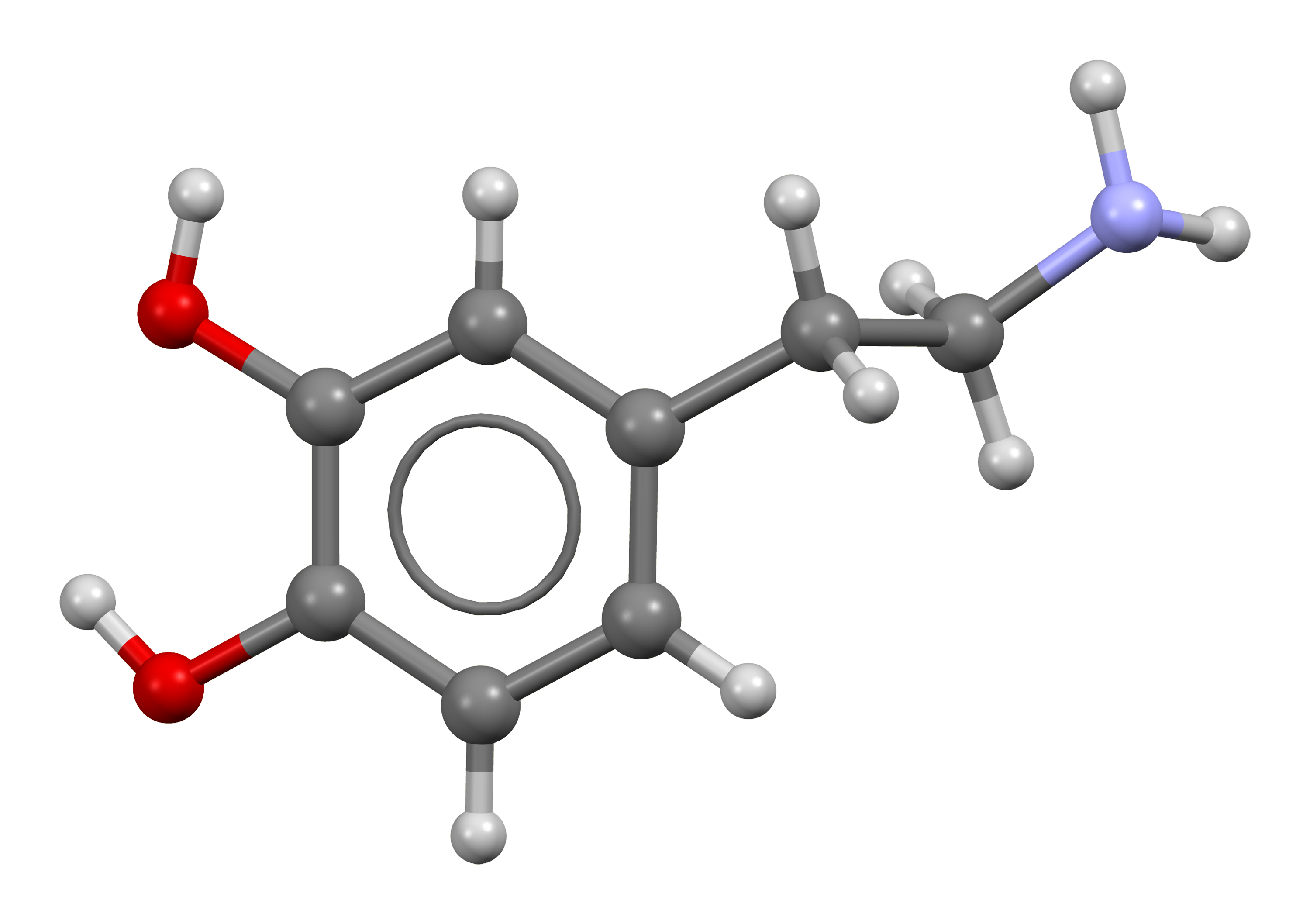
Alteração do metabolismo da melanina
📋 Origem dos dados
Esta página agrega dados de fontes públicas e oficiais. Dados sobre cobertura no SUS (PCDT, CEAF) são verificados ativamente por agente proativo (ver badge no infobox). Demais dados têm atribuição de fonte + data da última sincronização — clique para abrir o original.
- Doença rara (ontologia)
- fonte: Orphanet
- Identificador unificado
- fonte: MONDO
- NIH/GARD
- fonte: GARD (NIH)
- Dado público estruturado
- fonte: Wikidata
- Medicamentos (literatura)
- fonte: Orphanet