
Qualquer deficiência combinada de fosforilação oxidativa em que a causa da doença seja uma mutação no gene SFXN4.
Introdução
O que você precisa saber de cara
Qualquer deficiência combinada de fosforilação oxidativa em que a causa da doença seja uma mutação no gene SFXN4.
Escala de raridade
<1/50kMuito rara
1/20kRara
1/10kPouco freq.
1/5kIncomum
1/2k
Encontrou um erro ou informação desatualizada? Sugira uma correção →
Entender a doença
Do básico ao detalhe, leia no seu ritmo
Preparando trilha educativa...
Sinais e sintomas
O que aparece no corpo e com que frequência cada sintoma acontece
Partes do corpo afetadas
+ 12 sintomas em outras categorias
Características mais comuns
Os sintomas variam de pessoa para pessoa. Abaixo estão as 20 características clínicas mais associadas, ordenadas por frequência.
Linha do tempo da pesquisa
Encontrou um erro ou informação desatualizada? Sugira uma correção →
Genética e causas
O que está alterado no DNA e como passa nas famílias
Genes associados
1 gene identificado com associação a esta condição. Padrão de herança: Autosomal recessive.
Curadoria gene-doença
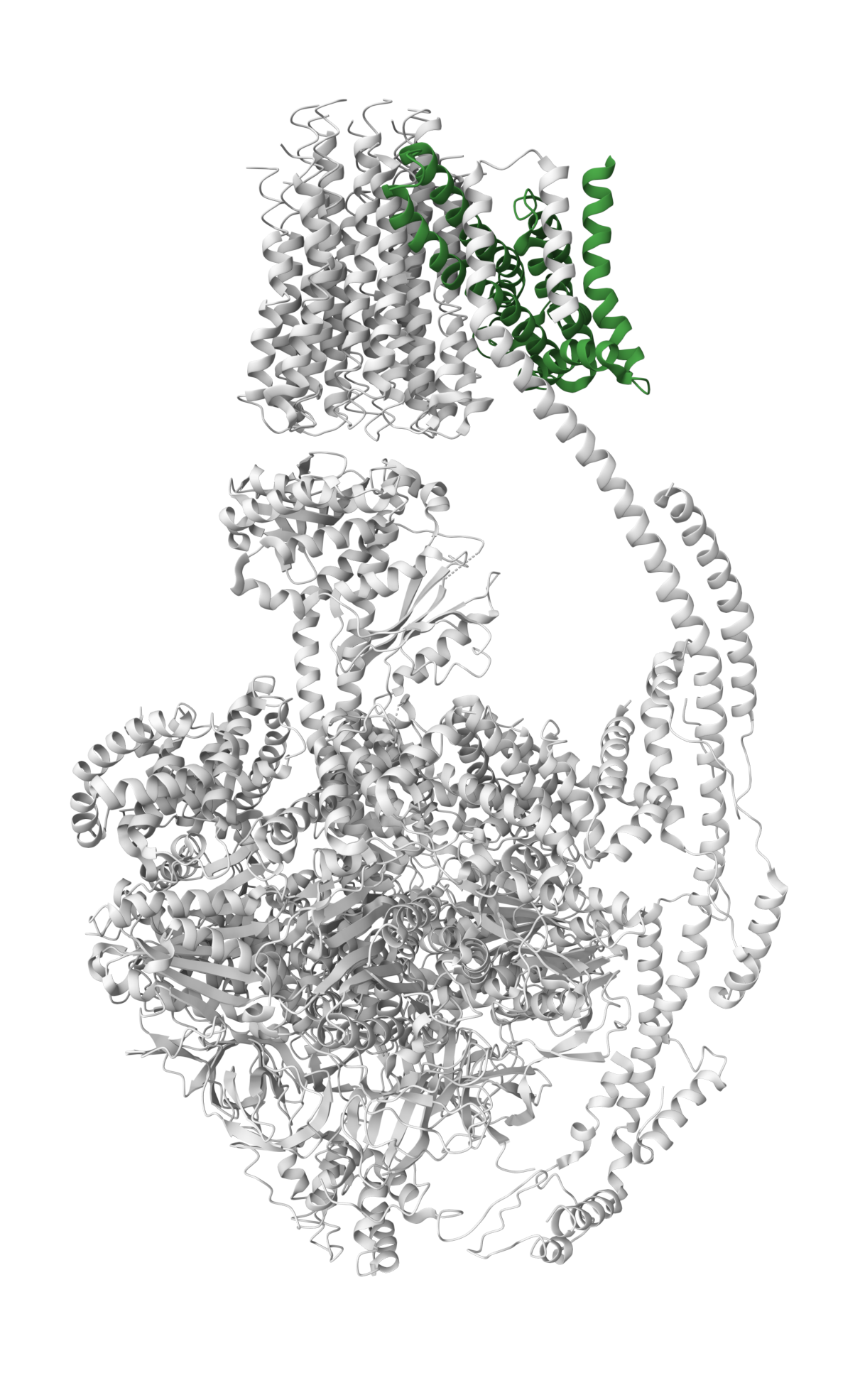
fontes oficiaisMitochondrial amino-acid transporter (By similarity). Does not act as a serine transporter: not able to mediate transport of serine into mitochondria (PubMed:30442778)
Mitochondrion inner membrane
Combined oxidative phosphorylation deficiency 18
An autosomal recessive disorder of mitochondrial dysfunction characterized by intrauterine growth retardation, hypotonia, visual impairment, speech delay, and lactic acidosis associated with decreased mitochondrial respiratory chain activity. Affected patients may also show hematologic abnormalities, mainly macrocytic anemia.
Variantes genéticas (ClinVar)
55 variantes patogênicas registradas no ClinVar.
Classificação de variantes (ClinVar)
Distribuição de 19 variantes classificadas pelo ClinVar.
Diagnóstico
Os sinais que médicos procuram e os exames que confirmam
Tratamento e manejo
Remédios, cuidados de apoio e o que precisa acompanhar
Onde tratar no SUS
Hospitais de referência no Brasil e o protocolo oficial do SUS (PCDT)
🇧🇷 Atendimento SUS — Síndrome de perturbação do desenvolvimento e atraso de crescimento-hipotonia-incapacidade visual-acidose láctica
Centros de Referência SUS
13 centros habilitados pelo SUS para Síndrome de perturbação do desenvolvimento e atraso de crescimento-hipotonia-incapacidade visual-acidose láctica
Centros para Síndrome de perturbação do desenvolvimento e atraso de crescimento-hipotonia-incapacidade visual-acidose láctica
Detalhes dos centros
Hospital Infantil Albert Sabin
R. Tertuliano Sales, 544 - Vila União, Fortaleza - CE, 60410-794 · CNES 2407876
Serviço de Referência
Hospital de Apoio de Brasília (HAB)
AENW 3 Lote A Setor Noroeste - Plano Piloto, Brasília - DF, 70684-831 · CNES 0010456
Serviço de Referência
Hospital Estadual Infantil e Maternidade Alzir Bernardino Alves (HIABA)
Av. Min. Salgado Filho, 918 - Soteco, Vila Velha - ES, 29106-010 · CNES 6631207
Serviço de Referência
Hospital das Clínicas da UFMG
Av. Prof. Alfredo Balena, 110 - Santa Efigênia, Belo Horizonte - MG, 30130-100 · CNES 2280167
Serviço de Referência
Hospital Universitário João de Barros Barreto
R. dos Mundurucus, 4487 - Guamá, Belém - PA, 66073-000 · CNES 2337878
Serviço de Referência
Instituto de Medicina Integral Prof. Fernando Figueira (IMIP)
R. dos Coelhos, 300 - Boa Vista, Recife - PE, 50070-902 · CNES 0000647
Serviço de Referência
Hospital Pequeno Príncipe
R. Des. Motta, 1070 - Água Verde, Curitiba - PR, 80250-060 · CNES 3143805
Serviço de Referência
Hospital de Clínicas da UFPR
R. Gen. Carneiro, 181 - Alto da Glória, Curitiba - PR, 80060-900 · CNES 2364980
Serviço de Referência
Instituto Nacional de Saúde da Mulher, da Criança e do Adolescente Fernandes Figueira (IFF/Fiocruz)
Av. Rui Barbosa, 716 - Flamengo, Rio de Janeiro - RJ, 22250-020 · CNES 2269988
Serviço de Referência
Hospital de Clínicas de Porto Alegre (HCPA)
Rua Ramiro Barcelos, 2350 Bloco A - Av. Protásio Alves, 211 - Bloco B e C - Santa Cecília, Porto Alegre - RS, 90035-903 · CNES 2237601
Serviço de Referência
Hospital das Clínicas da FMUSP
R. Dr. Ovídio Pires de Campos, 225 - Cerqueira César, São Paulo - SP, 05403-010 · CNES 2077485
Serviço de Referência
Hospital de Clínicas da UNICAMP
R. Vital Brasil, 251 - Cidade Universitária, Campinas - SP, 13083-888 · CNES 2748223
Serviço de Referência
Hospital de Clínicas de Ribeirão Preto (HCRP-USP)
R. Ten. Catão Roxo, 3900 - Vila Monte Alegre, Ribeirão Preto - SP, 14015-010 · CNES 2082187
Serviço de Referência
Dados de DATASUS/CNES, SBGM, ABNeuro e Ministério da Saúde. Sempre confirme a disponibilidade diretamente com o estabelecimento.
Pesquisa ativa
Ensaios clínicos abertos e novidades científicas recentes
Pesquisa e ensaios clínicos
Nenhum ensaio clínico registrado para esta condição.
Publicações mais relevantes
The Ketogenic Diet in the Neonatal Intensive Care Setting: The Case of a Preterm Newborn With Mitochondrial DNA Depletion Syndrome Type 13 (MTDPS13).
Mitochondrial DNA depletion syndrome 13 (MTDPS13) is an autosomal recessive disorder presenting in early infancy with encephalopathy, hypotonia, lactic acidosis, and severe global developmental delay. Patient-derived cells typically exhibit impaired mitochondrial oxidative phosphorylation and a marked reduction in mitochondrial DNA (mtDNA) copy number. We report the case of a male preterm neonate born at 31 + 3 weeks of gestation following a pregnancy marked by severe polyhydramnios. At birth, his weight was 1400 g. Physical examination revealed dysmorphic features, redundant and lax skin, and generalized muscular hypotonia. Laboratory investigations showed marked lactic acidosis associated with lactic aciduria, ketonuria, and urinary biomarkers indicating activation of preoxidative phosphorylation biochemical pathways to sustain ATP production. Echocardiography demonstrated mild, early-onset hypertrophic cardiomyopathy. The Exome Analysis Clinical and Biochemical Markers: The exome analysis, performed within the first week of life, highlighted a pathogenic variant in homozygous state of FBXL4 gene (c.1648_1649delGA), which led to the diagnosis of MTDPS13. In this clinical contest, a ketogenic diet (KD) was started with a daily caloric intake of 120 kcal/kg and an initial ketogenic ratio of 1:1. These intakes were administered both with a parenteral nutrition and continuous nasogastric tube feeding and were gradually increased and adapted on a day-by-day basis according to lactic acidosis, growth increase, and common metabolic parameters such as glucose, electrolytes, creatinine, and blood urea nitrogen. After 3 days of this treatment approach, a significant reduction in lactate levels and improvement in acid-base balance and growth trend were observed along with clinical and cardiovascular parameters. At discharge from neonatal intensive care unit, the KD was continued at home and during follow-up. The infant showed stability in the clinical and biochemical markers. This is the first documented report of the use of a KD in a preterm neonate with this mitochondrial disorder during the early days of life. Prompt genetic confirmation and early initiation of KD may enable a more targeted and effective management of MTDPS within the neonatal intensive care setting.
A Patient with Organic Acidemia, Hyperammonemia, and a FBXL4 Variant Suggesting Mitochondrial DNA Depletion Syndrome.
Mitochondrial DNA depletion syndromes encompass rare genetic disorders stemming from various gene defects, including encephalomyopathic mtDNA depletion syndrome 13 (MTDPS13), an autosomal recessive condition linked to FBXL4 gene variants. Although its prevalence is estimated at 1/100,000-400,000, the mechanism behind MTDPS13 remains incompletely understood. Recent studies suggest FBXL4 variants disrupt mitophagy, contributing to its pathogenesis. A 3-year and 4-month-old male presented with respiratory distress, diarrhea, and unconsciousness. His medical history revealed developmental delay and dysmorphic features. Physical examination unveiled characteristic dysmorphisms, while neurological assessment indicated abnormalities. Laboratory findings exhibited metabolic disturbances consistent with MTDPS13, confirmed by genetic analysis revealing a homozygous c.1555C>T FBXL4 variant. FBXL4 defects, found in approximately 0.7% of suspected mitochondrial disease cases, lead to varied phenotypes with nonspecific facial dysmorphisms. The patient's presentation aligned with reported features, including growth delay, hypotonia, and developmental delay. Notably, the diagnosis occurred later than typical onset, highlighting the variability in disease manifestation. Treatment focused on symptom management, with dichloroacetic acid effectively addressing lactic acidosis. This case underscores the importance of considering mitochondrial diseases, particularly FBXL4-related MTDPS13, in patients presenting with metabolic disturbances and dysmorphic features. Early recognition facilitates appropriate management and genetic counseling for affected families.
Preclinical and first-in-human evidence of 4-hydroxybenzoic acid for mitochondrial COQ2 deficiency.
Primary coenzyme Q (CoQ) deficiency is a mitochondrial disorder with variable clinical presentation and limited response to standard CoQ10 supplementation. Recent studies suggest that 4-hydroxybenzoic acid (4-HBA), a biosynthetic precursor of CoQ, may serve as a substrate enhancement treatment in cases caused by pathogenic variants in COQ2, a gene encoding a key enzyme in CoQ biosynthesis. However, it remains unclear whether 4-HBA is required throughout life to maintain health, whether it offers advantages over CoQ10 treatment, and whether these findings are translatable to humans. Here, we demonstrate that lifelong 4-HBA supplementation in a murine model carrying the pathogenic Coq2A252V variant is well tolerated and prevents the onset of mitochondrial encephalopathy. In contrast, withdrawal of 4-HBA leads to progressive neurological decline. Notably, while conventional CoQ10 supplementation transiently ameliorated cardiac dysfunction, it failed to prevent fatal neurological deterioration. Guided by these preclinical findings, we initiated a first-in-human individual therapeutic trial with 4-HBA in a 3-year-old boy with genetically confirmed primary CoQ10 deficiency due to compound heterozygous pathogenic COQ2 variants. The patient presented with a Leigh-like syndrome characterized by bilateral brain lesions, developmental delay, muscular hypotonia, failure to thrive, lactic acidosis, and steroid-resistant nephrotic syndrome. Despite high-dose oral CoQ10 supplementation, clinical response had been minimal. Prior to clinical application, patient-derived fibroblasts were treated in vitro with 4-HBA, resulting in a marked increase in endogenous CoQ10 levels. Following the initiation of oral 4-HBA treatment, the patient experienced rapid and sustained remission of proteinuria, improved renal hyperfiltration, and a gradual increase in serum CoQ10 concentrations. No adverse effects were observed during a six-month follow-up. Clinically, the patient showed notable improvements in motor skills, language acquisition, cognitive alertness, and overall development, accompanied by significant gains in growth and nutritional status. Clinical recovery was also reflected by improved scores on the Newcastle Paediatric Mitochondrial Disease Scale. These findings support 4-HBA as a promising targeted metabolic treatment for COQ2-related CoQ deficiency and highlight the need for further clinical investigation. Cystinosis comprises three allelic clinical phenotypes caused by pathogenic variants in CTNS. Nephropathic (infantile) cystinosis: Characterized in untreated infants/children by renal Fanconi syndrome, poor growth, hypophosphatemic/calcipenic rickets, impaired glomerular function resulting in complete glomerular failure, and accumulation of cystine in almost all cells, leading to cellular dysfunction with tissue and organ impairment. This is the most common form (95% of individuals with cystinosis). The typical untreated child has short stature, rickets, and photophobia. Failure to gain weight is generally noticed after approximately age six months; signs of renal tubular Fanconi syndrome (polyuria, polydipsia, dehydration, and acidosis) appear as early as age six months and progress to end-stage kidney disease within the first 12 years of life if untreated; corneal crystals can be present before age one year and are typically present after age 16 months. Laboratory findings include hypochloremic metabolic acidosis; increased urinary excretion of electrolytes (sodium, potassium, bicarbonate), minerals (calcium, phosphate, magnesium), glucose, amino acids, and tubular protein including β2-microglobulin; elevated serum alkaline phosphatase; and hypocalcemia, hypophosphatemia, and hypokalemia. Prior to cystine-depleting drug therapy and kidney transplantation the life span in nephropathic cystinosis was less than ten years. With these treatment interventions, some affected individuals can survive at least into the mid-forties or fifties with satisfactory quality of life. Later-onset (juvenile) cystinosis: Characterized by the typical manifestations of nephropathic cystinosis, but onset is at a later age. Renal glomerular failure occurs in untreated affected individuals, usually between ages 15 and 25 years. This form accounts for ~5% of individuals with cystinosis. Non-nephropathic adult (ocular) cystinosis: Characterized by photophobia resulting from corneal cystine crystal accumulation. The diagnosis of cystinosis is established in a proband with cystine crystals in the cornea identified on slit lamp examination, elevated cystine concentration in polymorphonuclear leukocytes, and/or demonstration of increased cystine content in cultured fibroblasts or in the placenta at the time of birth, and biallelic pathogenic variants in CTNS identified by molecular genetic testing. Targeted therapies: Early treatment with cystine depletion therapy (cysteamine bitartrate) significantly delays progression of glomerular damage. Cysteamine ophthalmic drops can relieve photophobia. Kidney transplantation is indicated when other medical treatments are no longer effective. Supportive care: Nutrition and feeding support; growth hormone therapy as needed; education regarding nutrition and avoidance of dehydration. Renal Fanconi syndrome is treated by replacement of tubular losses of electrolytes, bicarbonate, minerals, and other small-molecular-weight nutrients; children should have free access to water and bathroom privileges and supplementation with citrate to alkalinize the blood; fluid and nutrient replacement during episodes of dehydration. Phosphate replacement to prevent and treat rickets; vitamin D supplementation; treatment of skeletal deformities per orthopedist; additional treatment of renal glomerular disease include dialysis and kidney transplant; additional treatments for photophobia include sun avoidance, dark glasses and lubrication; anti-inflammatory agents or other local treatments for corneal complications; L-thyroxine as needed for hypothyroidism; diuretics or CSF drainage may be necessary for intracranial hypertension. Other treatments may include insulin for diabetes mellitus, testosterone for hypogonadism in males, and referral for fertility care; regular exercise and physical therapy for muscle deterioration; L-carnitine may improve muscle strength; treatment per pulmonologist for respiratory manifestations; proton pump inhibitors for gastric acid hypersecretion; treatment of other GI complications per gastroenterologist; treatment of cardiovascular and coagulation complications per cardiologist, vascular specialist, and/or hematologist; developmental and educational support; speech therapy, physical therapy, and occupational therapy for neurologic complications; treatment of immune dysfunction due to anti-rejection medications per transplant specialist; sunscreen and sun-protective clothing; dental care; psychosocial support. Surveillance: Growth assessment every three to six months throughout childhood, including evaluations of weight, nutrition, and feeding difficulties; evaluation for progressive muscle weakness and swallowing difficulties in those with advanced disease; evaluation by a nephrologist including kidney function tests every three to six months, depending on the severity of kidney impairment; evaluation by metabolic specialist including serum electrolytes, calcium, phosphate, alkaline phosphatase, and intact parathyroid hormone annually or more frequently as needed; skeletal radiographs and DXA scan annually or as needed beginning at age two years; kidney ultrasound every one to two years beginning at age six years; dental exams every six months; detailed ophthalmologic evaluation every six to twelve months with fundoscopic examination to screen for increased intracranial pressure; endocrinology evaluation including thyroid function tests every six months; testosterone, inhibin B, luteinizing hormone, and follicle-stimulating hormone (in males) annually starting before puberty, then as indicated; fasting blood glucose concentration every six to 12 months beginning in adolescence. Neurologic, neurocognitive, and physical and occupational therapy evaluations include visual-motor integration, visual memory, planning, sustained attention, and motor speed every six to 12 months beginning at age seven to eight years. Brain CT or MRI for evaluation of cerebral atrophy or calcifications every two to three years in those with advanced disease. Electroneuromyography, six-minute walk test, and motor function measurement as recommended by neurologist; assess for respiratory manifestations annually; pulmonary function tests as needed; gastroenterologist evaluation every six to 12 months with liver and pancreatic function tests, clinical exam for hepatomegaly and splenomegaly, and assessment for symptoms of gastroesophageal reflux disease annually or more frequently as needed; abdominal ultrasound as needed; annual assessment for cardiac manifestations; chest CT and EKG for detection of coronary and other vascular calcification every two to three years in those with advanced disease; assess for signs and symptoms of coagulation disorder at each visit in adults; assess for signs and symptoms of immunodeficiency due to anti-rejection medications at each visit after kidney transplant; annual dermatology exam in adults especially following kidney transplant; psychosocial assessment including assessment for depression and anxiety annually or more frequently as needed. Agents/circumstances to avoid: Dehydration; sun exposure if photophobia is present. Evaluation of relatives at risk: Biochemical or molecular genetic testing of all at-risk sibs of any age is warranted to allow for early diagnosis and treatment. Pregnancy management: Pregnancies in females with cystinosis are at increased risk for premature delivery and must be monitored. Fluid and electrolyte status require careful management. Females should be counseled that they will need to stop cysteamine treatment during pregnancy. Pregnancy should be managed by an experienced obstetrician and nephrologist due to high incidence of polypharmacy and comorbidities associated with cystinosis, such as chronic kidney disease, hypothyroidism, hypertension, diabetes, and pulmonary and neuromuscular complications. Cystinosis is inherited in an autosomal recessive manner. If both parents are known to be heterozygous for a CTNS pathogenic variant, each sib of an affected individual has at conception a 25% chance of being affected, a 50% chance of being an asymptomatic carrier, and a 25% chance of being unaffected and not a carrier. Once the CTNS pathogenic variants have been identified in an affected individual, carrier testing for at-risk family members and prenatal/preimplantation genetic testing for cystinosis are possible.
Uncovering a Novel Pathogenic Mechanism of BCS1L in Mitochondrial Disorders: Insights from Functional Studies on the c.38A>G Variant.
The BCS1L gene encodes a mitochondrial chaperone which inserts the Fe2S2 iron-sulfur Rieske protein into the nascent electron transfer complex III. Variants in the BCS1L gene are associated with a spectrum of mitochondrial disorders, ranging from mild to severe phenotypes. Björnstad syndrome, a milder condition, is characterized by sensorineural hearing loss (SNHL) and pili torti. More severe disorders include Complex III Deficiency, which leads to neuromuscular and metabolic dysfunctions with multi-systemic issues and Growth Retardation, Aminoaciduria, Cholestasis, Iron Overload, and Lactic Acidosis syndrome (GRACILE). The severity of these conditions varies depending on the specific BCS1L mutation and its impact on mitochondrial function. This study describes a 27-month-old child with SNHL, proximal renal tubular acidosis, woolly hypopigmented hair, developmental delay, and metabolic alterations. Genetic analysis revealed a homozygous BCS1L variant (c.38A>G, p.Asn13Ser), previously reported in a patient with a more severe phenotype that, however, was not functionally characterized. In this work, functional studies in a yeast model and patient-derived fibroblasts demonstrated that the variant impairs mitochondrial respiration, complex III activity (CIII), and also alters mitochondrial morphology in affected fibroblasts. Interestingly, we unveil a new possible mechanism of pathogenicity for BCS1L mutant protein. Since the interaction between BCS1L and CIII is increased, this suggests the formation of a BCS1L-containing nonfunctional preCIII unable to load RISP protein and complete CIII assembly. These findings support the pathogenicity of the BCS1L c.38A>G variant, suggesting altered interaction between the mutant BCS1L and CIII.
NDUFB7 mutations cause brain neuronal defects, lactic acidosis, and mitochondrial dysfunction in humans and zebrafish.
Complex I of the mitochondrial electron transfer chain is one of the largest membrane protein assemblies ever discovered. A patient carrying a homozygous NDUFB7 intronic mutation died within two months after birth due to cardiorespiratory defects, preventing further study. Here, we report another patient with compound heterozygous mutations in NDUFB7 who suffers from pons abnormality, lactic acidosis, prematurity, prenatal and postnatal growth deficiency, incomplete closure of the abdominal wall (ventral hernia), and a poorly functioning gastrointestinal tract (pseudo-obstruction). We demonstrated that the patient's skin fibroblasts are deficient in Complex I assembly and reduced supercomplex formation. This report further broadens the spectrum of mitochondrial disorders. The patient has had several surgeries. After receiving treatment with Coenzyme Q10 and vitamin B complex, she has remained stable up to this point. To further explore the functionality of NDUFB7 in vivo, we knocked down Ndufb7 in zebrafish embryos. This resulted in brain ventricle and neuronal defects, elevated lactic acid levels, and reduced oxygen consumption, indicating defective mitochondrial respiration. These phenotypes can be specifically rescued by ectopic expression of ndufb7. More importantly, Mitoquinone mesylate (MitoQ), a common remedy for mitochondrial disorders, can ameliorate these conditions. These results suggest a role for NDUFB7 in mitochondrial activity and the suitability of the zebrafish model for further drug screening and the development of therapeutic strategies for this rare disease.
Publicações recentes
Targeting mitochondrial transporters and metabolic reprogramming for disease treatment.
Newly identified disorder of copper metabolism caused by variants in CTR1, a high-affinity copper transporter.
Genetics of lipodystrophy syndromes.
Loss of DIAPH1 causes SCBMS, combined immunodeficiency, and mitochondrial dysfunction.
New Horizons: Novel Approaches to Enhance Healthspan Through Targeting Cellular Senescence and Related Aging Mechanisms.
📚 EuropePMCmostrando 23
The Ketogenic Diet in the Neonatal Intensive Care Setting: The Case of a Preterm Newborn With Mitochondrial DNA Depletion Syndrome Type 13 (MTDPS13).
Case reports in geneticsPreclinical and first-in-human evidence of 4-hydroxybenzoic acid for mitochondrial COQ2 deficiency.
Brain : a journal of neurologyA Patient with Organic Acidemia, Hyperammonemia, and a FBXL4 Variant Suggesting Mitochondrial DNA Depletion Syndrome.
Molecular syndromologyUncovering a Novel Pathogenic Mechanism of BCS1L in Mitochondrial Disorders: Insights from Functional Studies on the c.38A>G Variant.
International journal of molecular sciencesNDUFB7 mutations cause brain neuronal defects, lactic acidosis, and mitochondrial dysfunction in humans and zebrafish.
Cell death discoveryFBXL4-Related Mitochondrial Depletion Syndrome Underscores the role of Mitophagy in Stem Cell Differentiation during Embryogenesis.
Stem cell reviews and reportsCase report: Kabuki syndrome and persistent hypoglycemia in neonates.
Journal of family medicine and primary care[A case of neonatal Mitochondrial DNA depletion syndrome type 13 caused by FBXL4 gene mutation].
Zhonghua yi xue yi chuan xue za zhi = Zhonghua yixue yichuanxue zazhi = Chinese journal of medical genetics"Umbilical artery Doppler in severe small for gestational age: Prognostic insights for short and long-term neurodevelopment".
PlacentaNatural history of deoxyguanosine kinase deficiency.
Molecular genetics and metabolismMolecular insight into CREBBP and TANGO2 variants causing intellectual disability.
The journal of gene medicinePattern of hereditary renal tubular disorders in Egyptian children.
The Turkish journal of pediatricsInitial Effect of Recombinant Human Growth Hormone Treatment in a Patient with Löwe Syndrome.
Children (Basel, Switzerland)Carbonic anhydrase II deficiency.
BoneIdentification of two novel variants of BCS1L gene in a patient with classical GRACILE syndrome.
Nephrology (Carlton, Vic.)Expanding the phenotypic spectrum of BCS1L-related mitochondrial disease.
Annals of clinical and translational neurologyClinical spectrum of BCS1L Mitopathies and their underlying structural relationships.
American journal of medical genetics. Part AHypotonia and delayed motor development as an early presentation of Lowe syndrome: case report and literature review.
Acta clinica BelgicaThe MELAS mutation m.3243A>G promotes reactivation of fetal cardiac genes and an epithelial-mesenchymal transition-like program via dysregulation of miRNAs.
Biochimica et biophysica acta. Molecular basis of diseaseDefective mitochondrial protease LonP1 can cause classical mitochondrial disease.
Human molecular geneticsMolecular and clinical spectra of FBXL4 deficiency.
Human mutationAn infant presenting with failure to thrive and hyperkalaemia owing to transient pseudohypoaldosteronism: case report.
Paediatrics and international child healthCarbonic Anhydrase II Deficiency in a Saudi Woman.
Clinical medicine insights. Case reportsAssociações
Organizações que acompanham esta doença — pra ter apoio e orientação
Ainda não temos associações cadastradas para Síndrome de perturbação do desenvolvimento e atraso de crescimento-hipotonia-incapacidade visual-acidose láctica.
É de uma associação que acompanha esta doença? Fale com a gente →
Comunidades
Grupos ativos de quem convive com esta doença aqui no Raras
Ainda não existe comunidade no Raras para Síndrome de perturbação do desenvolvimento e atraso de crescimento-hipotonia-incapacidade visual-acidose láctica
Pacientes, familiares e cuidadores se organizam em comunidades pra compartilhar experiências, fazer perguntas e se apoiar. Você pode ser o primeiro.
Tire suas dúvidas
Perguntas, dicas e experiências compartilhadas aqui na página
Participe da discussão
Faça login para postar dúvidas, compartilhar experiências e interagir com especialistas.
Fazer loginDoenças relacionadas
Doenças com sintomas parecidos — ajudam quem ainda está buscando diagnóstico
Referências e fontes
Bases de dados externas citadas neste artigo
Publicações científicas
Artigos indexados no PubMed ligados a esta doença no grafo RarasNet — título, periódico e PMID direto da fonte, sem intermediação de IA.
- The Ketogenic Diet in the Neonatal Intensive Care Setting: The Case of a Preterm Newborn With Mitochondrial DNA Depletion Syndrome Type 13 (MTDPS13).
- A Patient with Organic Acidemia, Hyperammonemia, and a FBXL4 Variant Suggesting Mitochondrial DNA Depletion Syndrome.
- Preclinical and first-in-human evidence of 4-hydroxybenzoic acid for mitochondrial COQ2 deficiency.
- Uncovering a Novel Pathogenic Mechanism of BCS1L in Mitochondrial Disorders: Insights from Functional Studies on the c.38A>G Variant.
- NDUFB7 mutations cause brain neuronal defects, lactic acidosis, and mitochondrial dysfunction in humans and zebrafish.
- Targeting mitochondrial transporters and metabolic reprogramming for disease treatment.
- Newly identified disorder of copper metabolism caused by variants in CTR1, a high-affinity copper transporter.
- Genetics of lipodystrophy syndromes.
- Loss of DIAPH1 causes SCBMS, combined immunodeficiency, and mitochondrial dysfunction.
- New Horizons: Novel Approaches to Enhance Healthspan Through Targeting Cellular Senescence and Related Aging Mechanisms.
Bases de dados e fontes oficiais
Identificadores e referências canônicas usadas para montar este verbete.
- ORPHA:391348(Orphanet)
- OMIM OMIM:615578(OMIM)
- MONDO:0014261(MONDO)
- GARD:17615(GARD (NIH))
- Variantes catalogadas(ClinVar)
- Busca completa no PubMed(PubMed)
Dados compilados pelo RarasNet a partir de fontes abertas (Orphanet, OMIM, MONDO, PubMed/EuropePMC, ClinicalTrials.gov, DATASUS, PCDT/MS). Este conteúdo é informativo e não substitui avaliação médica.
Conteúdo mantido por Agente Raras · Médicos e pesquisadores podem colaborar
Síndrome de perturbação do desenvolvimento e atraso de crescimento-hipotonia-incapacidade visual-acidose láctica
📋 Origem dos dados
Esta página agrega dados de fontes públicas e oficiais. Dados sobre cobertura no SUS (PCDT, CEAF) são verificados ativamente por agente proativo (ver badge no infobox). Demais dados têm atribuição de fonte + data da última sincronização — clique para abrir o original.
- Doença rara (ontologia)
- fonte: Orphanet
- Identificador unificado
- fonte: MONDO
- Genética mendeliana
- fonte: OMIM
- Codificação WHO/SUS
- fonte: WHO ICD-10 / DATASUS
- NIH/GARD
- fonte: GARD (NIH)