
Ataxia espinocerebelosa tipo 42 é uma doença neurológica autossômica dominante, causada por mutações no gene CACNA1G. Manifesta-se com espasticidade, hipertonia, convulsões e atraso global do desenvolvimento, além de características faciais como olhos profundamente inseridos e nariz curto.
Introdução
O que você precisa saber de cara
Visão geral
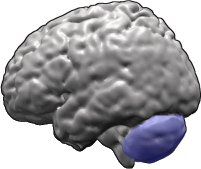
A ataxia espinocerebelosa tipo 42 (SCA42) é uma doença genética rara que afeta principalmente o cerebelo, a região do cérebro responsável pelo equilíbrio e pela coordenação dos movimentos. Estima-se que sua prevalência seja inferior a 1 caso a cada 1.000.000 de pessoas. A herança é autossômica dominante, o que significa que uma cópia alterada do gene causador já é suficiente para manifestar a doença.[1][4]
Sinais e sintomas
Os sintomas podem começar na infância, adolescência, idade adulta ou até na terceira idade. Entre os sinais mais comuns estão: dificuldade para andar (incapacidade de andar), movimentos descoordenados (dismetria), espasticidade (rigidez muscular), hipertonia dos membros, distonia (contrações musculares involuntárias) e escoliose. Também podem ocorrer convulsões, atraso global do desenvolvimento (incluindo atraso motor grosso, atraso na fala e linguagem e atraso no desenvolvimento social), hipotonia axial (fraqueza muscular do tronco) e controle cefálico pobre. Algumas pessoas apresentam características faciais como olho profundamente inserido, nariz curto, hipertelorismo (olhos mais afastados), fissura palpebral estreita, fissura palpebral ascendente e prognatismo mandibular (queixo proeminente). Outros achados incluem hirsutismo (excesso de pelos), sindactilia (dedos das mãos ou pés unidos), hipoplasia cerebelar (cerebelo menor que o esperado) e dermatite psoriasiforme (lesões de pele semelhantes à psoríase).[1][4]
Causas genéticas
A SCA42 é causada por variantes (mutações) no gene CACNA1G. Esse gene fornece instruções para a produção de uma proteína chamada subunidade alfa-1G do canal de cálcio tipo T dependente de voltagem, essencial para a comunicação entre os neurônios. A herança é autossômica dominante: se um dos pais tem a doença, cada filho tem 50% de chance de herdar a variante genética e desenvolver a condição.[1][2][5]
Diagnóstico
O diagnóstico é confirmado por meio de teste genético. O sequenciamento completo do exoma (WES) é um dos procedimentos disponíveis para identificar variantes no gene CACNA1G. Atualmente, há 448 variantes associadas à doença registradas no ClinVar, um banco de dados internacional de variantes genéticas. O diagnóstico diferencial inclui outras ataxias hereditárias e condições neurológicas com sintomas semelhantes.[1][2][5]
Tratamento e manejo
Não há cura para a SCA42, e o tratamento é focado no manejo dos sintomas e na melhora da qualidade de vida. A fisioterapia e a reabilitação são fundamentais para manter a mobilidade e reduzir a rigidez muscular. A medicação taltirelina (taltirelin) tem sido estudada como possível opção de reposicionamento (repurposing) para alívio dos sintomas, mas não há dados suficientes para recomendar seu uso rotineiro. O acompanhamento multidisciplinar com neurologista, geneticista, fisioterapeuta e fonoaudiólogo é essencial.[1][2]
Prognóstico e qualidade de vida
O prognóstico varia conforme a idade de início e a gravidade dos sintomas. Muitas pessoas com SCA42 apresentam progressão lenta dos sintomas motores, mas podem manter independência nas atividades diárias com suporte adequado. O acompanhamento regular e a reabilitação contínua ajudam a preservar a função motora e a qualidade de vida.[1][4]
Conteúdo informativo gerado e mantido automaticamente a partir de fontes oficiais (Orphanet, HPO, OMIM, SUS). Não substitui avaliação médica.
Ataxia espinocerebelosa tipo 42 é uma doença neurológica autossômica dominante, causada por mutações no gene CACNA1G. Manifesta-se com espasticidade, hipertonia, convulsões e atraso global do desenvolvimento, além de características faciais como olhos profundamente inseridos e nariz curto.
Escala de raridade
<1/50kMuito rara
1/20kRara
1/10kPouco freq.
1/5kIncomum
1/2k
Encontrou um erro ou informação desatualizada? Sugira uma correção →
Entender a doença
Do básico ao detalhe, leia no seu ritmo
Preparando trilha educativa...
Sinais e sintomas
O que aparece no corpo e com que frequência cada sintoma acontece
Visão geral
A ataxia espinocerebelosa tipo 42 (SCA42) é uma doença genética rara que afeta principalmente o cerebelo, a região do cérebro responsável pelo equilíbrio e pela coordenação dos movimentos. Estima-se que sua prevalência seja inferior a 1 caso a cada 1.000.000 de pessoas. A herança é autossômica dominante, o que significa que uma cópia alterada do gene causador já é suficiente para manifestar a doença.[1][4]
Sinais e sintomas
Os sintomas podem começar na infância, adolescência, idade adulta ou até na terceira idade. Entre os sinais mais comuns estão: dificuldade para andar (incapacidade de andar), movimentos descoordenados (dismetria), espasticidade (rigidez muscular), hipertonia dos membros, distonia (contrações musculares involuntárias) e escoliose. Também podem ocorrer convulsões, atraso global do desenvolvimento (incluindo atraso motor grosso, atraso na fala e linguagem e atraso no desenvolvimento social), hipotonia axial (fraqueza muscular do tronco) e controle cefálico pobre. Algumas pessoas apresentam características faciais como olho profundamente inserido, nariz curto, hipertelorismo (olhos mais afastados), fissura palpebral estreita, fissura palpebral ascendente e prognatismo mandibular (queixo proeminente). Outros achados incluem hirsutismo (excesso de pelos), sindactilia (dedos das mãos ou pés unidos), hipoplasia cerebelar (cerebelo menor que o esperado) e dermatite psoriasiforme (lesões de pele semelhantes à psoríase).[1][4]
Causas genéticas
A SCA42 é causada por variantes (mutações) no gene CACNA1G. Esse gene fornece instruções para a produção de uma proteína chamada subunidade alfa-1G do canal de cálcio tipo T dependente de voltagem, essencial para a comunicação entre os neurônios. A herança é autossômica dominante: se um dos pais tem a doença, cada filho tem 50% de chance de herdar a variante genética e desenvolver a condição.[1][2][5]
Diagnóstico
O diagnóstico é confirmado por meio de teste genético. O sequenciamento completo do exoma (WES) é um dos procedimentos disponíveis para identificar variantes no gene CACNA1G. Atualmente, há 448 variantes associadas à doença registradas no ClinVar, um banco de dados internacional de variantes genéticas. O diagnóstico diferencial inclui outras ataxias hereditárias e condições neurológicas com sintomas semelhantes.[1][2][5]
Tratamento e manejo
Não há cura para a SCA42, e o tratamento é focado no manejo dos sintomas e na melhora da qualidade de vida. A fisioterapia e a reabilitação são fundamentais para manter a mobilidade e reduzir a rigidez muscular. A medicação taltirelina (taltirelin) tem sido estudada como possível opção de reposicionamento (repurposing) para alívio dos sintomas, mas não há dados suficientes para recomendar seu uso rotineiro. O acompanhamento multidisciplinar com neurologista, geneticista, fisioterapeuta e fonoaudiólogo é essencial.[1][2]
Prognóstico e qualidade de vida
O prognóstico varia conforme a idade de início e a gravidade dos sintomas. Muitas pessoas com SCA42 apresentam progressão lenta dos sintomas motores, mas podem manter independência nas atividades diárias com suporte adequado. O acompanhamento regular e a reabilitação contínua ajudam a preservar a função motora e a qualidade de vida.[1][4]
Conteúdo informativo gerado e mantido automaticamente a partir de fontes oficiais (Orphanet, HPO, OMIM, SUS). Não substitui avaliação médica.
Partes do corpo afetadas
+ 24 sintomas em outras categorias
Características mais comuns
Os sintomas variam de pessoa para pessoa. Abaixo estão as 72 características clínicas mais associadas, ordenadas por frequência.
Linha do tempo da pesquisa
Encontrou um erro ou informação desatualizada? Sugira uma correção →
Genética e causas
O que está alterado no DNA e como passa nas famílias
Genes associados
1 gene identificado com associação a esta condição. Padrão de herança: Autosomal dominant.
Curadoria gene-doença
fontes oficiaisVoltage-sensitive calcium channels (VSCC) mediate the entry of calcium ions into excitable cells and are also involved in a variety of calcium-dependent processes, including muscle contraction, hormone or neurotransmitter release, gene expression, cell motility, cell division and cell death. The isoform alpha-1G gives rise to T-type calcium currents. T-type calcium channels belong to the 'low-voltage activated (LVA)' group and are strongly blocked by mibefradil. A particularity of this type of c
Cell membraneCytoplasm
Spinocerebellar ataxia 42
A form of spinocerebellar ataxia, a clinically and genetically heterogeneous group of cerebellar disorders. Patients show progressive incoordination of gait and often poor coordination of hands, speech and eye movements, due to degeneration of the cerebellum with variable involvement of the brainstem and spinal cord. SCA42 is a slowly progressive, autosomal dominant form with variable severity.
Variantes genéticas (ClinVar)
448 variantes patogênicas registradas no ClinVar.
Classificação de variantes (ClinVar)
Distribuição de 79 variantes classificadas pelo ClinVar.
Vias biológicas (Reactome)
2 vias biológicas associadas aos genes desta condição.
Diagnóstico
Os sinais que médicos procuram e os exames que confirmam
Tratamento e manejo
Remédios, cuidados de apoio e o que precisa acompanhar
Onde tratar no SUS
Hospitais de referência no Brasil e o protocolo oficial do SUS (PCDT)
🇧🇷 Atendimento SUS — Ataxia espinocerebelosa tipo 42
Selecione um estado ou use sua localização para ver resultados.
Dados de DATASUS/CNES, SBGM, ABNeuro e Ministério da Saúde. Sempre confirme a disponibilidade diretamente com o estabelecimento.
Pesquisa ativa
Ensaios clínicos abertos e novidades científicas recentes
Pesquisa e ensaios clínicos
Nenhum ensaio clínico registrado para esta condição.
Publicações mais relevantes
Mostrando amostra de 100 publicações de um total de 3.160
Monitoring the Progression of Pre-Ataxic Gait in SCA2 with Inertial Sensors Over Four Years.
The search for digital biomarkers of gait ataxia is a key research priority in spinocerebellar ataxias (SCAs), especially in the early stages when traditional clinical scales are less effective. Despite existing evidence supporting the effectiveness of suitable digital biomarkers, their use in assessing early disease progression remains limited. This study was aimed to evaluate the progression of digitally measured gait ataxia features in preclinical SCA2. Twenty-seven preclinical carriers of the SCA2 mutation were monitored four times over four years. Participants completed a 10-meter walking test (back and forth) using six body-worn inertial measurement units. We assessed stride-to-stride means and variability of eight gait features indicative of subtle abnormalities in SCA2 carriers, alongside the Scale for the Assessment and Rating of Ataxia (SARA). Mean stride-to-stride variables demonstrated significant progression more frequently than variability measures, with means primarily exhibiting non-linear patterns and variability metrics showing mainly linear trajectories. Significant progression of mean stride-to-stride variables was also observed in unconverted carriers. CAG repeat length significantly influences progression of some gait kinematics in preclinical SCA2 carriers. Notably, several digitally measured gait parameters required smaller sample sizes to detect progression in hypothetical clinical trials than the SARA clinical scale. This study confirmed the progressive deterioration of subtle gait function in preclinical SCA2 and highlighted the clinical utility of digitally derived metrics for tracking longitudinal changes at early disease stages. These digital measures may provide more sensitive and reliable biomarkers of disease progression than conventional clinical rating scales, supporting their potential use in future clinical trials.
Propranolol for Tremors in Spinocerebellar Ataxia Type 12: A Randomized Clinical Trial.
Spinocerebellar ataxia type 12 (SCA12) is a neurodegenerative disorder with prominent upper limb tremors. No trials have evaluated tremor-targeted therapies in this population. We evaluated long-acting propranolol for efficacy and safety in reducing tremors and improving ataxia and quality of life in SCA12. In this single-center, randomized, double-blind, placebo-controlled trial, 60 genetically confirmed SCA12 patients (aged 18-65 years; TETRAS PS [The Essential Tremor Rating Assessment Scale Performance Subscale] upper limb component ≥2) were randomized 1:1 to receive extended-release propranolol or placebo. Propranolol was escalated by 40 mg/week (placebo by one tablet/week) up to 240 mg/day, limiting side effects or ≥30% reduction in TETRAS PS/ADL (Activities-of-Daily-Living Subscale) + PS. The stable dose was continued for 8 weeks (maintenance phase). Primary outcomes were changes from baseline in TETRAS PS and ADL + PS at maintenance weeks 4 and 8. Secondary outcomes included changes in the Scale for the Assessment and Rating of Ataxia (SARA), RAND 36-Item Short-Form Health Survey (SF-36) domains, and accelerometric tremor parameters. Propranolol significantly reduced TETRAS PS (LSM ± SE: -4.4 ± 0.3 at week 4; -4.42 ± 0.4 at week 8) and ADL + PS (-5.5 ± 0.63 at week 4; -5.56 ± 0.62 at week 8; P < 0.001 vs. placebo). Significant improvements were also noted in SARA and five of nine SF-36 domains at both time points. Accelerometry confirmed reductions in tremor peak frequency and power in all positions except rest. Fatigue and headache were the commonest adverse effects, with no discontinuations due to adverse events. Propranolol effectively reduced tremors and improved quality of life in SCA12, with good tolerability. © 2025 International Parkinson and Movement Disorder Society.
Multidimensional abnormal gait analysis and biomarker identification for patients with spinocerebellar ataxia type 3 using an Azure Kinect-based motion capture system.
Spinocerebellar Ataxia Type 3 (SCA3), the most common hereditary ataxia in China, is characterized by progressive gait dysfunction. While quantitative gait analysis provides critical insights into movement disorder management, conventional motion capture systems are often cost-prohibitive and impractical for clinical use. We propose using the markerless Azure Kinect, a cost-effective and portable tool for gait analysis, to detect SCA3-specific gait patterns and identify gait parameters associated with disease severity and duration. We enrolled 38 patients with SCA3 patients and 42 healthy controls (HCs). Gait was recorded using an Azure Kinect. Multiple gait parameters were computed and compared with t-tests/Mann-Whitney U tests. The receiver operating characteristic (ROC) analysis identified discriminatory biomarkers, while Pearson's test assessed gait-clinical characteristic associations. Patients with SCA3 exhibited increased mediolateral margins of stability (MOS, p < 0.01), wider step width (p < 0.001), shorter stride length (p = 0.003), slower gait speed (p = 0.007), and reduced hip/knee/ankle joint angles (p < 0.05) compared to HCs. Step width demonstrated the highest diagnostic accuracy (AUC = 0.878, cutoff = 0.197). Increased medial-lateral MOS was negatively correlated with step length (r = -0.52∼-0.45, P < 0.005). Minimal hip frontal angles negatively correlated with SARA scores (r = -0.46, p = 0.004) and disease duration (r = -0.35, p = 0.028), reflecting a progressive cerebellar degeneration. In SCA3, gait abnormalities such as increased step width and shortened stride length indicate compensatory adaptations exist to enhance dynamic stability. Step width is identified as a sensitive biomarker for SCA3 screening.
Predictive models for ataxia progression and conversion in spinocerebellar ataxia type 1 and 3.
The READISCA study aims to prepare for clinical trials in SCA1 and SCA3. Hence, we searched for predictive variables of ataxia onset (phenoconversion) and progression. Individuals with SCA1 or SCA3 and controls were enrolled from 2018-2021 in US and Europe. Clinical scores, MRI measures and NfL levels were assessed annually for 5 years. In the pre-ataxic group at baseline, we compared phenoconverters with non-converters. A Bayesian mixed model was used to model the longitudinal progression of clinical scores and NfL levels. The impact of data-driven selected baseline variables (demographic, clinical, MRI) on the expected SARA progression was tested. Forty-three controls, 55 SCA1 and 124 SCA3 carriers were included; a subset of the cohort (n=109) had MRI data. Converters from pre-ataxic to ataxic stages represented 5/22 (22%) and 12/38 (32%) for SCA1 and SCA3. Converters were more depressed (PHQ9: 3.9±2.9 vs 2.3±2.6 p = 0.04), had higher plasma NfL levels (17.6±5.7 pg.mL-1 vs 11.1±5.9, p<0.0001), more cerebellar white matter atrophy (1.44±0.12 % of total intracranial volume vs 1.54±0.16, p=0.032) and more INAS signs (1.8±1.3 vs 0.7±0.8, p = 0.002). All clinical scores except CCAS significantly worsened during the study. NfL levels significantly increased in non-converters and ataxic SCA3 (1.06±0.33 pg.mL-1/year, p=0.002 and 0.57±0.21, p=0.01) but not in controls and ataxic SCA1 (0.31±0.26, p=0.24 and 0.26±0.42, p=0.55). In the best predictive model of SARA progression after 1 year (R2=0.54), factors linked with faster progression were higher functional stage (p<0.001), higher CCFS score (p=0.002), and higher total creatine in cerebellar white matter (p=0.026). Factors significantly linked to conversion, namely NfL levels, depression, and lower motor neuron involvement, differ from those driving disease progression. NfL levels and lower motoneuron signs could be used as predictors of phenoconversion and MRI variables as ataxia progression predictors. Psychological care should be provided in the pre-ataxic phase of the disease.
An Investigation of Corticospinal Tract Microstructural Integrity in ARSACS Using a Profilometry MRI Analysis: Results From the PROSPAX Study.
Spasticity represents a core clinical feature of Autosomal Recessive Spastic Ataxia of Charlevoix-Saguenay (ARSACS) patients. Nonetheless, its pathophysiological substrate is poorly investigated. We assessed the microstructural integrity of the corticospinal tract (CST) using diffusion MRI (dMRI) via profilometry analysis to understand its possible role in the development of spasticity in ARSACS. In this multi-center prospective study, data of 37 ARSACS (M/F = 21/16; 33.4 ± 12.4 years) and 29 controls (M/F = 13/16; 42.1 ± 17.2 years) acquired within the PROSPAX consortium were collected from January 2021 to October 2022 and analyzed. Differences in terms of global CST microstructural integrity were probed, as well as a possible spatial distribution of the damage along the tract via profilometry analysis. Possible correlations between clinical severity, including the Spastic Paraplegia Rating Scale (SPRS), were also tested. A significant global involvement of the CST was found in ARSACS compared to controls (all tests with p < 0.001), with a spatially defined pattern of more pronounced microstructural integrity loss occurring right below and above the pons, a structure that was also confirmed to be thickened in these patients (p < 0.001). A bilateral negative correlation emerged between the microstructural integrity of the CST and clinical indices of spasticity expressed via SPRS (p = 0.02 for both CSTs). A clinically meaningful microstructural involvement of CST is present in ARSACS patients, with a spatially defined pattern of damage occurring right below and above a thickened pons. An evaluation of the microstructure of this bundle might serve as a possible biomarker in this condition.
Publicações recentes
Therapeutic targeting of blood-derived protein infiltration to modulate neuroinflammation in cerebellar ataxia.
Association Between Cerebellar Metabolic Markers and Activities of Daily Living in Patients With Spinocerebellar Ataxia Type 3.
Long term administration of selective NMDA GluN2B receptor blocker Ro25-6981 attenuates neurodegeneration in mouse model of spinocerebellar ataxia type 1 (SCA1).
Cell-Based Therapies for Spinocerebellar Degenerations: A Systematic Review of Human Clinical Evidence.
Comprehensive Review of Anesthetic Strategies for Patients With Neurodegenerative Diseases.
📚 EuropePMC3.032 artigos no totalmostrando 98
Monitoring the Progression of Pre-Ataxic Gait in SCA2 with Inertial Sensors Over Four Years.
Cerebellum (London, England)Changes in Gait After Training for Individuals With Cerebellar Ataxia.
Archives of rehabilitation research and clinical translationPropranolol for Tremors in Spinocerebellar Ataxia Type 12: A Randomized Clinical Trial.
Movement disorders : official journal of the Movement Disorder SocietyPredictive models for ataxia progression and conversion in spinocerebellar ataxia type 1 and 3.
Brain : a journal of neurologyMultidimensional abnormal gait analysis and biomarker identification for patients with spinocerebellar ataxia type 3 using an Azure Kinect-based motion capture system.
Gait & postureElectrophysiological classification of CACNA1G gene variants associated with neurodevelopmental and neurological disorders.
Frontiers in pharmacologyNerve Fiber Bundle Damage in Spinocerebellar Degeneration on Diffusion Tensor Imaging.
Current medical imagingSpastic Ataxia Composite (SPAXCOM): A Scale to Evaluate the Progression of Subjects with Spasticity and Ataxia.
Movement disorders : official journal of the Movement Disorder SocietySex Differences in Spinocerebellar Ataxia Type 1: Clinical Presentation and Progression.
Cerebellum (London, England)An Investigation of Corticospinal Tract Microstructural Integrity in ARSACS Using a Profilometry MRI Analysis: Results From the PROSPAX Study.
European journal of neurologyDiplopia in the Spinocerebellar Ataxias: Prevalence, Risk Factors, and Association with Falls.
Neuro-ophthalmology (Aeolus Press)Natural compounds as therapeutic candidates for spinocerebellar ataxia type 1: a computational approach.
In silico pharmacologyAssociations between CAG repeat size, brain and spinal cord volume loss, and motor symptoms in spinocerebellar ataxia type 3: a cohort study.
Orphanet journal of rare diseasesPurkinje Cell Dendritic Swellings: A Postmortem Study of Essential Tremor and Other Cerebellar Degenerative Disorders.
Cerebellum (London, England)An MRI evaluation of white matter involvement in paradigmatic forms of spastic ataxia: results from the multi-center PROSPAX study.
Journal of neurologyGeneration of an Induced pluripotent stem cell (iPSC) line (IGIBi011-A) from a Spinocerebellar ataxia type 12 gait dominant patient.
Stem cell researchOn the Cut-Off Value of the Anteroposterior Diameter of the Midbrain Atrophy in Spinocerebellar Ataxia Type 2 Patients.
Brain sciencesSpinocerebellar ataxia type 2 has multiple ancestral origins.
Parkinsonism & related disordersToward a Better Understanding of Walking Speed in Ataxia of Charlevoix-Saguenay: a Factor Exploratory Study.
Cerebellum (London, England)Exonic trinucleotide repeat expansions in ZFHX3 cause spinocerebellar ataxia type 4: A poly-glycine disease.
American journal of human geneticsDilemma in differentiation of spinocerebellar ataxia type 17 from Huntington's disease: comorbidity or independent disease?
The International journal of neuroscienceCase report: Short-term efficacy and changes in 18F-FDG-PET with acute multi-target stimulation in spinocerebellar ataxia type 3 (SCA3/MJD).
Frontiers in neurologyPeripheral polyneuropathy in children and young adults with ataxia-telangiectasia.
European journal of neurologyComputational identification and molecular dynamics simulation of potential circularRNA derived peptide from gene expression profile of Rheumatoid arthritis, Alzheimer's disease, and Atrial fibrillation.
Journal of biomolecular structure & dynamicsFirst families with spinocerebellar ataxia type 7 in Poland.
Neurologia i neurochirurgia polskaCase report: Variants in the ERCC4 gene as a rare cause of cerebellar ataxia with chorea.
Frontiers in geneticsThe roles of HSP40/DNAJ protein family in neurodegenerative diseases.
Zhejiang da xue xue bao. Yi xue ban = Journal of Zhejiang University. Medical sciencesEffect of speech therapy on quality of life in patients with spinocerebelar ataxia type 3.
Arquivos de neuro-psiquiatriaGenotype-Phenotype Correlations for ATX-TBP (SCA17): MDSGene Systematic Review.
Movement disorders : official journal of the Movement Disorder SocietyThe frequency of non-motor symptoms in SCA3 and their association with disease severity and lifestyle factors.
Journal of neurologyPrimary degeneration of oculomotor, motor, and somatosensory systems and auditory and visual pathways in spinocerebellar ataxia type 7: A clinicopathological study in a Japanese autopsy case.
Neuropathology : official journal of the Japanese Society of Neuropathology[Spinocerebellar ataxia type 8 in Russian patients].
Zhurnal nevrologii i psikhiatrii imeni S.S. KorsakovaSimple and clear differentiation of spinocerebellar degenerations: Overview of macroscopic and low-power view findings.
Neuropathology : official journal of the Japanese Society of NeuropathologyCannabis use in patients with Autosomal Recessive Spastic Ataxia of Charlevoix-Saguenay.
Journal of clinical neuroscience : official journal of the Neurosurgical Society of AustralasiaAn autopsy case of amyotrophic lateral sclerosis with striatonigral and pallidoluysian degeneration and cat's-eye-shaped neuronal nuclear inclusions.
Neuropathology : official journal of the Japanese Society of NeuropathologyClinical, Radiological, and Genetic Profile of Spinocerebellar Ataxia 12: A Hospital-Based Cohort Analysis.
Tremor and other hyperkinetic movements (New York, N.Y.)Sleep disorders among Aboriginal Australians with Machado-Joseph Disease: Quantitative results from a multiple methods study to assess the experience of people living with the disease and their caregivers.
Neurobiology of sleep and circadian rhythmsCase Report: Late-Onset Autosomal Recessive Cerebellar Ataxia Associated With SYNE1 Mutation in a Chinese Family.
Frontiers in geneticsProgressive Depletion of B and T Lymphocytes in Patients with Ataxia Telangiectasia: Results of the Italian Primary Immunodeficiency Network.
Journal of clinical immunologySafety and efficacy of riluzole in spinocerebellar ataxia type 2 in France (ATRIL): a multicentre, randomised, double-blind, placebo-controlled trial.
The Lancet. NeurologyTripeptidyl Peptidase 1 (TPP1) Deficiency in a 36-Year-Old Patient with Cerebellar-Extrapyramidal Syndrome and Dilated Cardiomyopathy.
Life (Basel, Switzerland)Impaired Oligodendrocyte Maturation Is an Early Feature in SCA3 Disease Pathogenesis.
The Journal of neuroscience : the official journal of the Society for NeuroscienceX-Linked TLR7 Deficiency Underlies Critical COVID-19 Pneumonia in a Male Patient with Ataxia-Telangiectasia.
Journal of clinical immunologyDetection Methods and Status of CAT Interruption of ATXN1 in Korean Patients With Spinocerebellar Ataxia Type 1.
Annals of laboratory medicineSpastic paraplegia type 46: novel and recurrent GBA2 gene variants in a compound heterozygous Italian patient with spastic ataxia phenotype.
Neurological sciences : official journal of the Italian Neurological Society and of the Italian Society of Clinical NeurophysiologyEpisodic Vestibulocerebellar Ataxia Associated with a CACNA1G Missense Variant.
Case reports in neurologyCervical Spinal Cord Degeneration in Spinocerebellar Ataxia Type 7.
AJNR. American journal of neuroradiologyVariants in Genes of Calpain System as Modifiers of Spinocerebellar Ataxia Type 3 Phenotype.
Journal of molecular neuroscience : MNSpinocerebellar ataxia type 2 from an evolutionary perspective: Systematic review and meta-analysis.
Clinical geneticsTwo novel missense variants in SPTBN2 likely associated with spinocerebellar ataxia type 5.
Neurological sciences : official journal of the Italian Neurological Society and of the Italian Society of Clinical NeurophysiologyAtaxia with oculomotor apraxia type 2 (AOA2): an eye movement study of two siblings.
Neurological sciences : official journal of the Italian Neurological Society and of the Italian Society of Clinical NeurophysiologyBiallelic RFC1-expansion in a French multicentric sporadic ataxia cohort.
Journal of neurologyEvidence for Non-Mendelian Inheritance in Spastic Paraplegia 7.
Movement disorders : official journal of the Movement Disorder SocietyA novel SACS p.Pro4154GlnfsTer20 mutation in a family with autosomal recessive spastic ataxia of Charlevoix-Saguenay.
Neurological sciences : official journal of the Italian Neurological Society and of the Italian Society of Clinical NeurophysiologyProgression of Cerebellar Atrophy in Spinocerebellar Ataxia Type 2 Gene Carriers: A Longitudinal MRI Study in Preclinical and Early Disease Stages.
Frontiers in neurologyZonisamide can ameliorate the voltage-dependence alteration of the T-type calcium channel CaV3.1 caused by a mutation responsible for spinocerebellar ataxia.
Molecular brainSpinocerebellar ataxia type 48: last but not least.
Neurological sciences : official journal of the Italian Neurological Society and of the Italian Society of Clinical NeurophysiologyIsolation and Identification of a Novel Anti-protein Aggregation Activity of Lignin-Carbohydrate Complex From Chionanthus retusus Leaves.
Frontiers in bioengineering and biotechnologyEarly-onset severe spinocerebellar ataxia 42 with neurodevelopmental deficits (SCA42ND): Case report, pharmacological trial, and literature review.
American journal of medical genetics. Part AGenetic profile and clinical characteristics of Chinese patients with spinocerebellar ataxia type 2: A multicenter experience over 10 years.
European journal of neurologyFamilial spontaneous pneumothorax and Machado-Joseph disease.
Oxford medical case reportsFrequency of Spinocerebellar Ataxia type 1, 2, 3,6 and 7 and clinical profile of Spinocerebellar Ataxia type 3 in Malaysia.
Cerebellum & ataxiasThe discriminative capacity of CSF β-amyloid 42 and Tau in neurodegenerative diseases in the Chinese population.
Journal of the neurological sciencesClonidine GH stimulation test to differentiate MSA from idiopathic late onset cerebellar ataxia: a prospective, controlled study.
Journal of neurologyAssessment of ventilatory function in patients with spinocerebellar ataxia type 2.
Arquivos de neuro-psiquiatriaCongenetic Hybrids Derived from Dearomatized Isoprenylated Acylphloroglucinol with Opposite Effects on Cav3.1 Low Voltage-Gated Ca2+ Channel.
Journal of medicinal chemistryInfantile-Onset Syndromic Cerebellar Ataxia and CACNA1G Mutations.
Pediatric neurologyCarboxyl Terminus of Hsp70-Interacting Protein Is Increased in Serum and Cerebrospinal Fluid of Patients With Spinocerebellar Ataxia Type 3.
Frontiers in neurologyAtaxic phenotype with altered CaV3.1 channel property in a mouse model for spinocerebellar ataxia 42.
Neurobiology of diseasePrediction of Survival With Long-Term Disease Progression in Most Common Spinocerebellar Ataxia.
Movement disorders : official journal of the Movement Disorder SocietyExtra-Cerebellar Signs and Non-motor Features in Chinese Patients With Spinocerebellar Ataxia Type 3.
Frontiers in neurologyNerve ultrasound as a diagnostic tool for sensory neuronopathy in spinocerebellar ataxia syndrome.
Clinical neurophysiology : official journal of the International Federation of Clinical NeurophysiologyA significant inflation in TGM6 genetic risk casts doubt in its causation in spinocerebellar ataxia type 35.
Parkinsonism & related disordersTransglutaminase diseases: from biochemistry to the bedside.
FASEB journal : official publication of the Federation of American Societies for Experimental BiologyThe movement disorder spectrum of SCA21 (ATX-TMEM240): 3 novel families and systematic review of the literature.
Parkinsonism & related disordersTreatment of intractable resting tremor of spinocerebellar ataxia 42 with zonisamide.
Journal of the neurological sciencesA case series of hereditary cerebellar ataxias in a highly consanguineous population from Northeast Brazil.
Parkinsonism & related disordersA case of a novel CACNA1G mutation from a Chinese family with SCA42: A case report and literature review.
MedicineSleep apnea in Machado-Joseph disease: a clinical and polysomnographic evaluation.
Sleep medicineBody composition in Spinocerebellar ataxia type 3 and 10 patients: Comparative study with control group.
Nutritional neuroscienceExpanding the global prevalence of spinocerebellar ataxia type 42.
Neurology. GeneticsValidity and Reliability of Outcome Measures Assessing Dexterity, Coordination, and Upper Limb Strength in Autosomal Recessive Spastic Ataxia of Charlevoix-Saguenay.
Archives of physical medicine and rehabilitationLethal form of spinocerebellar ataxia type 7 with early onset in childhood.
Archives de pediatrie : organe officiel de la Societe francaise de pediatrieIncreased biological activity of protein Kinase C gamma is not required in Spinocerebellar ataxia 14.
Molecular brainNeurological phenotypes in spinocerebellar ataxia type 2: Role of mitochondrial polymorphism A10398G and other risk factors.
Parkinsonism & related disordersStance instability in preclinical SCA1 mutation carriers: A 4-year prospective posturography study.
Gait & postureSCA42 mutation analysis in a case series of Japanese patients with spinocerebellar ataxia.
Journal of human geneticsPolyglutamine expansion of ataxin-3 alters its degree of ubiquitination and phosphorylation at specific sites.
Neurochemistry internationalTrinucleotide repeat expansion of TATA-binding protein gene associated with Parkinson's disease: A Thai multicenter study.
Parkinsonism & related disordersPatterns of motor signs in spinocerebellar ataxia type 3 at the start of follow-up in a reference unit.
Cerebellum & ataxiasNon-motor and Extracerebellar Features in Spinocerebellar Ataxia Type 2.
Cerebellum (London, England)Mutation analysis of 6 spinocerebellar ataxia (SCA) types in patients from southern Turkey.
Turkish journal of medical sciencesThe Social Amoeba Dictyostelium discoideum Is Highly Resistant to Polyglutamine Aggregation.
The Journal of biological chemistryA Probable Korean Case of Autosomal Recessive Spastic Ataxia of Charlevoix-Saguenay.
The Canadian journal of neurological sciences. Le journal canadien des sciences neurologiquesPolyglutamine aggregation in Huntington's disease and spinocerebellar ataxia type 3: similar mechanisms in aggregate formation.
Neuropathology and applied neurobiologyCerebellar neurochemical alterations in spinocerebellar ataxia type 14 appear to include glutathione deficiency.
Journal of neurologyNovel candidate blood-based transcriptional biomarkers of Machado-Joseph disease.
Movement disorders : official journal of the Movement Disorder SocietyDNA damage primes the type I interferon system via the cytosolic DNA sensor STING to promote anti-microbial innate immunity.
ImmunityAssociações
Organizações que acompanham esta doença — pra ter apoio e orientação
Ainda não temos associações cadastradas para Ataxia espinocerebelosa tipo 42.
É de uma associação que acompanha esta doença? Fale com a gente →
Comunidades
Grupos ativos de quem convive com esta doença aqui no Raras
Ainda não existe comunidade no Raras para Ataxia espinocerebelosa tipo 42
Pacientes, familiares e cuidadores se organizam em comunidades pra compartilhar experiências, fazer perguntas e se apoiar. Você pode ser o primeiro.
Tire suas dúvidas
Perguntas, dicas e experiências compartilhadas aqui na página
Participe da discussão
Faça login para postar dúvidas, compartilhar experiências e interagir com especialistas.
Fazer loginDoenças relacionadas
Doenças com sintomas parecidos — ajudam quem ainda está buscando diagnóstico
Referências e fontes
Bases de dados externas citadas neste artigo
Publicações científicas
Artigos indexados no PubMed ligados a esta doença no grafo RarasNet — título, periódico e PMID direto da fonte, sem intermediação de IA.
- Monitoring the Progression of Pre-Ataxic Gait in SCA2 with Inertial Sensors Over Four Years.
- Propranolol for Tremors in Spinocerebellar Ataxia Type 12: A Randomized Clinical Trial.Movement disorders : official journal of the Movement Disorder Society· 2026· PMID 41261874mais citado
- Multidimensional abnormal gait analysis and biomarker identification for patients with spinocerebellar ataxia type 3 using an Azure Kinect-based motion capture system.
- Predictive models for ataxia progression and conversion in spinocerebellar ataxia type 1 and 3.
- An Investigation of Corticospinal Tract Microstructural Integrity in ARSACS Using a Profilometry MRI Analysis: Results From the PROSPAX Study.
- Therapeutic targeting of blood-derived protein infiltration to modulate neuroinflammation in cerebellar ataxia.
- Association Between Cerebellar Metabolic Markers and Activities of Daily Living in Patients With Spinocerebellar Ataxia Type 3.
- Long term administration of selective NMDA GluN2B receptor blocker Ro25-6981 attenuates neurodegeneration in mouse model of spinocerebellar ataxia type 1 (SCA1).
- Cell-Based Therapies for Spinocerebellar Degenerations: A Systematic Review of Human Clinical Evidence.
- Comprehensive Review of Anesthetic Strategies for Patients With Neurodegenerative Diseases.
Bases de dados e fontes oficiais
Identificadores e referências canônicas usadas para montar este verbete.
- ORPHA:458803(Orphanet)
- OMIM OMIM:616795(OMIM)
- MONDO:0014776(MONDO)
- GARD:17811(GARD (NIH))
- Variantes catalogadas(ClinVar)
- Busca completa no PubMed(PubMed)
- Q55345906(Wikidata)
Dados compilados pelo RarasNet a partir de fontes abertas (Orphanet, OMIM, MONDO, PubMed/EuropePMC, ClinicalTrials.gov, DATASUS, PCDT/MS). Este conteúdo é informativo e não substitui avaliação médica.
Conteúdo mantido por Agente Raras · Médicos e pesquisadores podem colaborar
Ataxia espinocerebelosa tipo 42
📋 Origem dos dados
Esta página agrega dados de fontes públicas e oficiais. Dados sobre cobertura no SUS (PCDT, CEAF) são verificados ativamente por agente proativo (ver badge no infobox). Demais dados têm atribuição de fonte + data da última sincronização — clique para abrir o original.
- Doença rara (ontologia)
- fonte: Orphanet
- Identificador unificado
- fonte: MONDO
- Genética mendeliana
- fonte: OMIM
- Codificação WHO/SUS
- fonte: WHO ICD-10 / DATASUS
- NIH/GARD
- fonte: GARD (NIH)
- Dado público estruturado
- fonte: Wikidata
- Reposicionamento
- fonte: Drug Repurposing Hub