
A síndrome de supercrescimento de Kosaki é uma síndrome rara causada por mutações no gene PDGFRB.
Introdução
O que você precisa saber de cara
Visão geral
A Síndrome Takenouchi-Kosaki é uma doença genética rara, caracterizada por múltiplas alterações congênitas que afetam o desenvolvimento neurológico, cardíaco, renal e craniofacial. A condição tem prevalência estimada em menos de 1 caso por 1.000.000 de pessoas, sendo considerada uma doença ultrarrara. O início dos sintomas ocorre no período neonatal.[1][4]
Sinais e sintomas
Os principais sinais e sintomas incluem microcefalia (cabeça menor que o esperado) de progressão contínua, hipotonia generalizada (tônus muscular baixo), ataxia (falta de coordenação motora), deficiência intelectual e comportamento atípico. No sistema nervoso central, podem ser observadas atrofia cortical cerebral, atrofia cerebelar, hipoplasia cerebelar e alterações na substância branca cerebral. A audição pode ser afetada por perda neurossensorial.[1][4]
Na face, são comuns orelhas de implantação baixa, narinas alargadas, filtro liso (região entre o nariz e o lábio superior sem sulco) e dentes amplamente espaçados. No tórax, pode haver morfologia anormal do esterno e do septo cardíaco, além de estenose pulmonar e retorno venoso pulmonar anômalo total. No sistema geniturinário, observam-se agenesia renal unilateral (ausência de um rim), criptorquidia (testículo não descido) e outras anormalidades. As mãos podem apresentar camptodactilia (dedos permanentemente fletidos) e contratura em flexão.[1][4]
Causas genéticas
A Síndrome Takenouchi-Kosaki é causada por variantes patogênicas no gene CDC42 (Cell division control protein 42 homolog). Esse gene fornece instruções para a produção de uma proteína essencial para a divisão celular, migração celular e manutenção da forma das células. A herança é autossômica dominante, o que significa que uma única cópia alterada do gene é suficiente para causar a doença.[1][2][5]
Diagnóstico
O diagnóstico é baseado na avaliação clínica dos sinais e sintomas característicos e confirmado por testes genéticos. Os exames disponíveis incluem cariótipo com bandas G, Q ou R, pesquisa de microdeleções/microduplicações por FISH, sequenciamento completo do exoma (WES) e dosagem de alfa-fetoproteína. Atualmente, existem 21 testes genéticos disponíveis e 48 variantes patogênicas descritas no ClinVar para essa condição.[1][2][5]
Tratamento e manejo
Não existe cura para a Síndrome Takenouchi-Kosaki. O tratamento é multidisciplinar e visa o manejo dos sintomas e a melhora da qualidade de vida. Pode incluir acompanhamento neurológico, cardiológico, nefrológico, fonoaudiológico, fisioterápico e terapia ocupacional. No Brasil, o Sistema Único de Saúde (SUS) oferece cobertura mínima para essa condição, incluindo atendimento em reabilitação para doenças raras.[1][2]
Prognóstico e qualidade de vida
Conteúdo informativo gerado e mantido automaticamente a partir de fontes oficiais (Orphanet, HPO, OMIM, SUS). Não substitui avaliação médica.
A síndrome de supercrescimento de Kosaki é uma síndrome rara causada por mutações no gene PDGFRB.
Escala de raridade
<1/50kMuito rara
1/20kRara
1/10kPouco freq.
1/5kIncomum
1/2k
Encontrou um erro ou informação desatualizada? Sugira uma correção →
Entender a doença
Do básico ao detalhe, leia no seu ritmo
Preparando trilha educativa...
Sinais e sintomas
O que aparece no corpo e com que frequência cada sintoma acontece
Visão geral
A Síndrome Takenouchi-Kosaki é uma doença genética rara, caracterizada por múltiplas alterações congênitas que afetam o desenvolvimento neurológico, cardíaco, renal e craniofacial. A condição tem prevalência estimada em menos de 1 caso por 1.000.000 de pessoas, sendo considerada uma doença ultrarrara. O início dos sintomas ocorre no período neonatal.[1][4]
Sinais e sintomas
Os principais sinais e sintomas incluem microcefalia (cabeça menor que o esperado) de progressão contínua, hipotonia generalizada (tônus muscular baixo), ataxia (falta de coordenação motora), deficiência intelectual e comportamento atípico. No sistema nervoso central, podem ser observadas atrofia cortical cerebral, atrofia cerebelar, hipoplasia cerebelar e alterações na substância branca cerebral. A audição pode ser afetada por perda neurossensorial.[1][4]
Na face, são comuns orelhas de implantação baixa, narinas alargadas, filtro liso (região entre o nariz e o lábio superior sem sulco) e dentes amplamente espaçados. No tórax, pode haver morfologia anormal do esterno e do septo cardíaco, além de estenose pulmonar e retorno venoso pulmonar anômalo total. No sistema geniturinário, observam-se agenesia renal unilateral (ausência de um rim), criptorquidia (testículo não descido) e outras anormalidades. As mãos podem apresentar camptodactilia (dedos permanentemente fletidos) e contratura em flexão.[1][4]
Causas genéticas
A Síndrome Takenouchi-Kosaki é causada por variantes patogênicas no gene CDC42 (Cell division control protein 42 homolog). Esse gene fornece instruções para a produção de uma proteína essencial para a divisão celular, migração celular e manutenção da forma das células. A herança é autossômica dominante, o que significa que uma única cópia alterada do gene é suficiente para causar a doença.[1][2][5]
Diagnóstico
O diagnóstico é baseado na avaliação clínica dos sinais e sintomas característicos e confirmado por testes genéticos. Os exames disponíveis incluem cariótipo com bandas G, Q ou R, pesquisa de microdeleções/microduplicações por FISH, sequenciamento completo do exoma (WES) e dosagem de alfa-fetoproteína. Atualmente, existem 21 testes genéticos disponíveis e 48 variantes patogênicas descritas no ClinVar para essa condição.[1][2][5]
Tratamento e manejo
Não existe cura para a Síndrome Takenouchi-Kosaki. O tratamento é multidisciplinar e visa o manejo dos sintomas e a melhora da qualidade de vida. Pode incluir acompanhamento neurológico, cardiológico, nefrológico, fonoaudiológico, fisioterápico e terapia ocupacional. No Brasil, o Sistema Único de Saúde (SUS) oferece cobertura mínima para essa condição, incluindo atendimento em reabilitação para doenças raras.[1][2]
Prognóstico e qualidade de vida
Conteúdo informativo gerado e mantido automaticamente a partir de fontes oficiais (Orphanet, HPO, OMIM, SUS). Não substitui avaliação médica.
Partes do corpo afetadas
+ 20 sintomas em outras categorias
Características mais comuns
Os sintomas variam de pessoa para pessoa. Abaixo estão as 84 características clínicas mais associadas, ordenadas por frequência.
Linha do tempo da pesquisa
Encontrou um erro ou informação desatualizada? Sugira uma correção →
Genética e causas
O que está alterado no DNA e como passa nas famílias
Genes associados
1 gene identificado com associação a esta condição. Padrão de herança: Autosomal dominant.
Curadoria gene-doença
fontes oficiaisPlasma membrane-associated small GTPase which cycles between an active GTP-bound and an inactive GDP-bound state. In active state binds to a variety of effector proteins to regulate cellular responses. Involved in epithelial cell polarization processes. Regulates the bipolar attachment of spindle microtubules to kinetochores before chromosome congression in metaphase (PubMed:15642749). Regulates cell migration (PubMed:17038317, PubMed:22843693). In neurons, plays a role in the extension and main
Cell membraneCytoplasm, cytoskeleton, microtubule organizing center, centrosomeCytoplasm, cytoskeleton, spindleMidbodyCell projection, dendrite
Takenouchi-Kosaki syndrome
An autosomal dominant syndrome characterized by macrothrombocytopenia, lymphedema, intellectual disability, developmental delay, and distinctive facial features.
Variantes genéticas (ClinVar)
48 variantes patogênicas registradas no ClinVar.
Vias biológicas (Reactome)
28 vias biológicas associadas aos genes desta condição.
Diagnóstico
Os sinais que médicos procuram e os exames que confirmam
Tratamento e manejo
Remédios, cuidados de apoio e o que precisa acompanhar
Onde tratar no SUS
Hospitais de referência no Brasil e o protocolo oficial do SUS (PCDT)
🇧🇷 Atendimento SUS — Síndrome Takenouchi-Kosaki
Selecione um estado ou use sua localização para ver resultados.
Dados de DATASUS/CNES, SBGM, ABNeuro e Ministério da Saúde. Sempre confirme a disponibilidade diretamente com o estabelecimento.
Pesquisa ativa
Ensaios clínicos abertos e novidades científicas recentes
Pesquisa e ensaios clínicos
Nenhum ensaio clínico registrado para esta condição.
Publicações mais relevantes
A lipidation inhibitor rescues impaired neurite outgrowth caused by the CDC42 mutation associated with Takenouchi-Kosaki syndrome in Neuro2A cells.
Takenouchi-Kosaki syndrome (TKS), caused by the CDC42 c.191A>G (p.Tyr64Cys; Y64C) variant, characterized by a range of clinical manifestations, including developmental delay with intellectual disability (ID). While CDC42 is essential for neurogenesis, the mechanisms by which the Y64C mutation contributes to the neurological impairments observed in TKS patients remain unclear. This study aimed to investigate the functional impact of ectopically expressing the Y64C variant on the neurite outgrowth of neuroblastoma cells, Neuro2A. Neuro2A cells were transfected with the Y64C variant to assess changes in neurite outgrowth and cellular morphology. The cells were also treated with a lipidation inhibitor, GGTI-298, or CDC42 activity inhibitor, ML141 to evaluate its ability to ameliorate the mutation-induced phenotypes. Whole transcriptome sequencing and differentially expressed gene (DEG) analysis were performed between WT- and Y64C-expressing cells. The overexpression of the Y64C variant impaired neurite outgrowth and changed the cell morphology of Neuro2A cells. Both the neurite outgrowth defect and the enhanced membrane localization induced by Y64C overexpression were restored by GGTI-298 treatment but not by ML141. To explore the molecular basis of these phenotypes, we performed DEG analysis and identified 32 upregulated and 19 downregulated genes, including Smarca1. Consistent with the transcriptomic findings, Smarca1 protein expression was decreased in Y64C-expressing cells in comparison to WT. Treatment with GGTI-298 effectively preserved Smarca1 levels, whereas ML141 reduced its expression in both WT- and Y64C-expressing cells. The Y64C variant disrupts neurite outgrowth, attributable to altered CDC42 activity and localization. The restoration of neurite outgrowth by GGTI-298 highlights the importance of CDC42 signaling for neurite outgrowth in Neuro2A cells. Our findings raise the possibility that molecular disruptions caused by the Y64C mutation may contribute to the brain malformations and neurodevelopmental features observed in TKS.
Identification of new human monogenic disorders and implementation of genomic medicine in sick newborn infants.
Over the past few decades, advances in genomic analysis techniques and bioinformatics have enabled the identification of many new human monogenic diseases. In 2015, the Japan Agency for Medical Research and Development launched a national project for undiagnosed diseases called the Initiative on Rare and Undiagnosed Diseases (IRUD). Through this project, we identified Takenouchi-Kosaki syndrome (OMIM#616737), which is caused by specific pathogenic variants in CDC42, a critical regulator of diverse cellular functions, and is clinically characterized by intellectual disability and macrothrombocytopenia. In addition to the identification of disease-causing genes and new human monogenic disorders, significant progress has also been made in the clinical implementation of genomic medicine. In 2019, we launched a national project called Precise and Rapid Genetic Diagnosis and Treatability for Infants (Priority-i) to provide rapid genetic diagnosis for sick newborns in neonatal intensive care units. It is our mission to apply the benefits of the latest advances in genomic medicine to the clinical care of newborns and children.
KLHL23 and RhoGDI coordinate CDC42 inactivation ensuring membrane homeostasis.
F-Actin cytoskeleton remodeling is vital for cell migration, organ development and immune responses. The small GTPase CDC42, a key regulator of F-actin dynamics, cycles between inactive GDP- and active GTP-bound states. However, mechanisms governing CDC42 turnover and their biological significance remain unclear. Here we show that KLHL23-mediated polyubiquitylation of CDC42•GTP and RhoGDI-mediated sequestration of CDC42•GDP spatiotemporally co-inactivate CDC42, preserving membrane dynamics and homeostasis during migration. KLHL23-Cul3 acts as the E3 ligase for CDC42 degradation, with KLHL23 and RhoGDI competing for CDC42's switch II region, enhancing selectivity toward CDC42•GTP and CDC42•GDP, respectively. KLHL23 depletion disrupts membrane homeostasis, inducing excessive protrusions and promoting metastasis. Notably, the CDC42-Y64C germline variant in Takenouchi-Kosaki Syndrome escapes KLHL23-mediated degradation. Fluorescence resonance energy transfer assays reveal that KLHL23 and RhoGDI coordinately inactivate CDC42 in a spatiotemporal manner. These findings highlight the biological and clinical relevance of the KLHL23/RhoGDI-CDC42 axis, presenting new avenues for therapeutic exploration.
Case Report: Association of Ocular Colobomas With a Novel Missense Variant in CDC42, a Member of the Rho Family of Small GTPases.
We present a 2-year-old male with bilateral iris and chorioretinal colobomas, speech delays, and facial and digital anomalies. Trio exome sequencing demonstrated a de novo, novel heterozygous variant, c.379G>A p.Glu127Lys in CDC42, conferring a diagnosis of Takenouchi-Kosaki syndrome. The p.Glu127Lys variant was not located in the same region as previously designated mutation classes for CDC42, and the patient's missense substitution was predicted to disrupt CDC42 interactions with Collybistin II and IQGAP1. As conditional knock-out mouse models have demonstrated coloboma in association with loss of Cdc42 expression, we conclude that the colobomas can be attributed to the CDC42 variant and that similar ocular anomalies are likely to be described with other Rho GTPases in the future.
Double-outlet right ventricle in a patient with Takenouchi-Kosaki syndrome.
Publicações recentes
A lipidation inhibitor rescues impaired neurite outgrowth caused by the CDC42 mutation associated with Takenouchi-Kosaki syndrome in Neuro2A cells.
Identification of new human monogenic disorders and implementation of genomic medicine in sick newborn infants.
🥉 Relato de casoKLHL23 and RhoGDI coordinate CDC42 inactivation ensuring membrane homeostasis.
RHOA-associated disorder can be non-mosaic.
Case Report: Association of Ocular Colobomas With a Novel Missense Variant in CDC42, a Member of the Rho Family of Small GTPases.
📚 EuropePMC15 artigos no totalmostrando 22
A lipidation inhibitor rescues impaired neurite outgrowth caused by the CDC42 mutation associated with Takenouchi-Kosaki syndrome in Neuro2A cells.
Brain & developmentIdentification of new human monogenic disorders and implementation of genomic medicine in sick newborn infants.
Pediatrics international : official journal of the Japan Pediatric SocietyKLHL23 and RhoGDI coordinate CDC42 inactivation ensuring membrane homeostasis.
Nature chemical biologyRHOA-associated disorder can be non-mosaic.
European journal of medical geneticsCase Report: Association of Ocular Colobomas With a Novel Missense Variant in CDC42, a Member of the Rho Family of Small GTPases.
Clinical geneticsDouble-outlet right ventricle in a patient with Takenouchi-Kosaki syndrome.
Pediatrics and neonatologyAuditory and Language Abilities in Children with Takenouchi-Kosaki Syndrome: A Systematic Review.
GenesModelling Takenouchi-Kosaki syndrome using disease-specific iPSCs.
Stem cell researchThe clinical phenotype with gastrostomy and abdominal wall infection in a pediatric patient with Takenouchi-Kosaki syndrome due to a heterozygous c.191A > G (p.Tyr64Cys) variant in CDC42: a case report.
Frontiers in geneticsSplenectomy as an effective treatment for macrothrombocytopenia in Takenouchi-Kosaki syndrome.
International journal of hematologyIntermittent macrothrombocytopenia in a novel patient with Takenouchi-Kosaki syndrome and review of literature.
European journal of medical geneticsMacrothrombocytopenia of Takenouchi-Kosaki syndrome is ameliorated by CDC42 specific- and lipidation inhibitors in MEG-01 cells.
Scientific reportsAutoimmune hemolytic anemia associated with Takenouchi-Kosaki syndrome.
Pediatrics international : official journal of the Japan Pediatric SocietyEnding a diagnostic odyssey-The first case of Takenouchi-Kosaki syndrome in an African patient.
Clinical case reportsProgressive decline of T and B cell numbers and function in a patient with CDC42 deficiency.
Immunologic researchAplasia cutis congenita in a CDC42-related developmental phenotype.
American journal of medical genetics. Part ANeuropathophysiological significance of the c.1449T>C/p.(Tyr64Cys) mutation in the CDC42 gene responsible for Takenouchi-Kosaki syndrome.
Biochemical and biophysical research communicationsA Novel CDC42 Mutation in an 11-Year Old Child Manifesting as Syndromic Immunodeficiency, Autoinflammation, Hemophagocytic Lymphohistiocytosis, and Malignancy: A Case Report.
Frontiers in immunologyDe novo heterozygous missense and loss-of-function variants in CDC42BPB are associated with a neurodevelopmental phenotype.
American journal of medical genetics. Part ASystemic Inflammation and Myelofibrosis in a Patient with Takenouchi-Kosaki Syndrome due to CDC42 Tyr64Cys Mutation.
Journal of clinical immunologyPathogenetic basis of Takenouchi-Kosaki syndrome: Electron microscopy study using platelets in patients and functional studies in a Caenorhabditis elegans model.
Scientific reportsA hot-spot mutation in CDC42 (p.Tyr64Cys) and novel phenotypes in the third patient with Takenouchi-Kosaki syndrome.
Journal of human geneticsAssociações
Organizações que acompanham esta doença — pra ter apoio e orientação
Ainda não temos associações cadastradas para Síndrome Takenouchi-Kosaki.
É de uma associação que acompanha esta doença? Fale com a gente →
Comunidades
Grupos ativos de quem convive com esta doença aqui no Raras
Ainda não existe comunidade no Raras para Síndrome Takenouchi-Kosaki
Pacientes, familiares e cuidadores se organizam em comunidades pra compartilhar experiências, fazer perguntas e se apoiar. Você pode ser o primeiro.
Tire suas dúvidas
Perguntas, dicas e experiências compartilhadas aqui na página
Participe da discussão
Faça login para postar dúvidas, compartilhar experiências e interagir com especialistas.
Fazer loginDoenças relacionadas
Doenças com sintomas parecidos — ajudam quem ainda está buscando diagnóstico
Referências e fontes
Bases de dados externas citadas neste artigo
Publicações científicas
Artigos indexados no PubMed ligados a esta doença no grafo RarasNet — título, periódico e PMID direto da fonte, sem intermediação de IA.
- A lipidation inhibitor rescues impaired neurite outgrowth caused by the CDC42 mutation associated with Takenouchi-Kosaki syndrome in Neuro2A cells.
- Identification of new human monogenic disorders and implementation of genomic medicine in sick newborn infants.Pediatrics international : official journal of the Japan Pediatric Society· 2026· PMID 41567106mais citado
- KLHL23 and RhoGDI coordinate CDC42 inactivation ensuring membrane homeostasis.
- Case Report: Association of Ocular Colobomas With a Novel Missense Variant in CDC42, a Member of the Rho Family of Small GTPases.
- Double-outlet right ventricle in a patient with Takenouchi-Kosaki syndrome.
- RHOA-associated disorder can be non-mosaic.
Bases de dados e fontes oficiais
Identificadores e referências canônicas usadas para montar este verbete.
- ORPHA:487796(Orphanet)
- OMIM OMIM:616737(OMIM)
- MONDO:0014757(MONDO)
- GARD:17884(GARD (NIH))
- Variantes catalogadas(ClinVar)
- Busca completa no PubMed(PubMed)
- Q55784982(Wikidata)
Dados compilados pelo RarasNet a partir de fontes abertas (Orphanet, OMIM, MONDO, PubMed/EuropePMC, ClinicalTrials.gov, DATASUS, PCDT/MS). Este conteúdo é informativo e não substitui avaliação médica.
Conteúdo mantido por Agente Raras · Médicos e pesquisadores podem colaborar
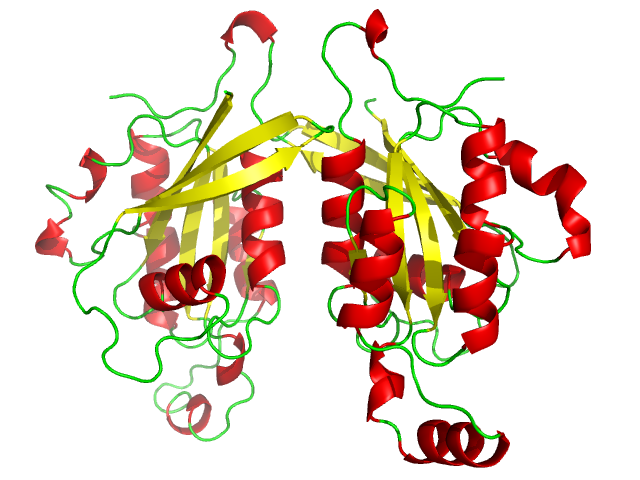
Síndrome Takenouchi-Kosaki
📋 Origem dos dados
Esta página agrega dados de fontes públicas e oficiais. Dados sobre cobertura no SUS (PCDT, CEAF) são verificados ativamente por agente proativo (ver badge no infobox). Demais dados têm atribuição de fonte + data da última sincronização — clique para abrir o original.
- Doença rara (ontologia)
- fonte: Orphanet
- Identificador unificado
- fonte: MONDO
- Genética mendeliana
- fonte: OMIM
- Codificação WHO/SUS
- fonte: WHO ICD-10 / DATASUS
- CID-11 (futuro)
- fonte: WHO ICD-11
- NIH/GARD
- fonte: GARD (NIH)
- Dado público estruturado
- fonte: Wikidata