
Qualquer síndrome de Neu-Laxova em que a causa da doença seja uma mutação no gene PHGDH.
Introdução
O que você precisa saber de cara
Qualquer síndrome de Neu-Laxova em que a causa da doença seja uma mutação no gene PHGDH.
Encontrou um erro ou informação desatualizada? Sugira uma correção →
Entender a doença
Do básico ao detalhe, leia no seu ritmo
Preparando trilha educativa...
Sinais e sintomas
O que aparece no corpo e com que frequência cada sintoma acontece
Partes do corpo afetadas
+ 29 sintomas em outras categorias
Características mais comuns
Os sintomas variam de pessoa para pessoa. Abaixo estão as 61 características clínicas mais associadas, ordenadas por frequência.
Linha do tempo da pesquisa
Encontrou um erro ou informação desatualizada? Sugira uma correção →
Genética e causas
O que está alterado no DNA e como passa nas famílias
Genes associados
1 gene identificado com associação a esta condição.
Curadoria gene-doença
fontes oficiaisCatalyzes the reversible oxidation of 3-phospho-D-glycerate to 3-phosphonooxypyruvate, the first step of the phosphorylated L-serine biosynthesis pathway. Also catalyzes the reversible oxidation of 2-hydroxyglutarate to 2-oxoglutarate and the reversible oxidation of (S)-malate to oxaloacetate
Phosphoglycerate dehydrogenase deficiency
An autosomal recessive inborn error of L-serine biosynthesis, clinically characterized by congenital microcephaly, psychomotor retardation, and seizures.
Variantes genéticas (ClinVar)
166 variantes patogênicas registradas no ClinVar.
Diagnóstico
Os sinais que médicos procuram e os exames que confirmam
Tratamento e manejo
Remédios, cuidados de apoio e o que precisa acompanhar
Onde tratar no SUS
Hospitais de referência no Brasil e o protocolo oficial do SUS (PCDT)
🇧🇷 Atendimento SUS — Síndrome Neu-Laxova por deficiência de 3-fosfoglicerato desidrogenase
Selecione um estado ou use sua localização para ver resultados.
Dados de DATASUS/CNES, SBGM, ABNeuro e Ministério da Saúde. Sempre confirme a disponibilidade diretamente com o estabelecimento.
Pesquisa ativa
Ensaios clínicos abertos e novidades científicas recentes
Pesquisa e ensaios clínicos
Nenhum ensaio clínico registrado para esta condição.
Publicações mais relevantes
Biochemical and cellular studies of three human 3-phosphoglycerate dehydrogenase variants responsible for pathological reduced L-serine levels.
In the brain, the non-essential amino acid L-serine is produced through the phosphorylated pathway (PP) starting from the glycolytic intermediate 3-phosphoglycerate: among the different roles played by this amino acid, it can be converted into D-serine and glycine, the two main co-agonists of NMDA receptors. In humans, the enzymes of the PP, namely phosphoglycerate dehydrogenase (hPHGDH, which catalyzes the first and rate-limiting step of this pathway), 3-phosphoserine aminotransferase, and 3-phosphoserine phosphatase are likely organized in the cytosol as a metabolic assembly (a "serinosome"). The hPHGDH deficiency is a pathological condition biochemically characterized by reduced levels of L-serine in plasma and cerebrospinal fluid and clinically identified by severe neurological impairment. Here, three single-point variants responsible for hPHGDH deficiency and Neu-Laxova syndrome have been studied. Their biochemical characterization shows that V261M, V425M, and V490M substitutions alter either the kinetic (both maximal activity and Km for 3-phosphoglycerate in the physiological direction) and the structural properties (secondary, tertiary, and quaternary structure, favoring aggregation) of hPHGDH. All the three variants have been successfully ectopically expressed in U251 cells, thus the pathological effect is not due to hindered expression level. At the cellular level, mistargeting and aggregation phenomena have been observed in cells transiently expressing the pathological protein variants, as well as a reduced L-serine cellular level. Previous studies demonstrated that the pharmacological supplementation of L-serine in hPHGDH deficiencies could ameliorate some of the related symptoms: our results now suggest the use of additional and alternative therapeutic approaches.
Phosphoserine Aminotransferase Pathogenetic Variants in Serine Deficiency Disorders: A Functional Characterization.
In humans, the phosphorylated pathway (PP) converts the glycolytic intermediate D-3-phosphoglycerate (3-PG) into L-serine through the enzymes 3-phosphoglycerate dehydrogenase, phosphoserine aminotransferase (PSAT) and phosphoserine phosphatase. From the pathogenic point of view, the PP in the brain is particularly relevant, as genetic defects of any of the three enzymes are associated with a group of neurometabolic disorders known as serine deficiency disorders (SDDs). We recombinantly expressed and characterized eight variants of PSAT associated with SDDs and two non-SDD associated variants. We show that the pathogenetic mechanisms in SDDs are extremely diverse, including low affinity of the cofactor pyridoxal 5'-phosphate and thermal instability for S179L and G79W PSAT, loss of activity of the holo form for R342W PSAT, aggregation for D100A PSAT, increased Km for one of the substrates with invariant kcats for S43R PSAT, and a combination of increased Km and decreased kcat for C245R PSAT. Finally, we show that the flux through the in vitro reconstructed PP at physiological concentrations of substrates and enzymes is extremely sensitive to alterations of the functional properties of PSAT variants, confirming PSAT dysfunctions as a cause of SSDs. Serine deficiency disorders include a spectrum of disease ranging from lethal prenatal-onset Neu-Laxova syndrome to serine deficiency with infantile, juvenile, or adult onset. Neu-Laxova syndrome is characterized by severe intrauterine growth deficiency, microcephaly, congenital bilateral cataracts, characteristic dysmorphic features, limb anomalies, and collodion-like ichthyosis. Infants are typically stillborn or die in early infancy. Infantile-onset serine deficiency is characterized by seizures, microcephaly, developmental delay, intellectual disability, and spastic quadriplegia. Individuals that present with juvenile-onset serine deficiency have seizures and many develop spastic quadriplegia. Adult-onset serine deficiency is characterized by progressive axonal polyneuropathy with ataxia and possible cognitive impairment. The diagnosis of a serine deficiency disorder is established in a proband with biallelic pathogenic variants in PHGDH, PSAT1, or PSPH identified by molecular genetic testing. Targeted therapy: Early treatment with L-serine supplementation; glycine supplementation with L-serine has been used in some individuals. Supportive care: L-serine therapy is more effective than anti-seizure medication for treatment of seizures; developmental and educational support; feeding therapy for persistent feeding issues; treatment of cataracts per ophthalmologist; standard treatments for spasticity and polyneuropathy; preventative dental care for those on oral L-serine powder; social work support and care coordination as needed. Surveillance: Monitor for seizures, changes in tone, contractures, developmental and educational needs, behavior issues, growth and nutrition, constipation and feeding issues, respiratory issues, musculoskeletal manifestations, and family needs at each visit. Dental evaluation every six months. Assessment of care needs when transitioning from pediatric to adult care. Agents/circumstances to avoid: Known triggers of seizure activity (e.g., infection, physical stress, emotional stress). Evaluation of relatives at risk: It is appropriate to evaluate newborn sibs and apparently asymptomatic older and younger sibs of a proband to identify as early as possible those who would benefit from prompt initiation of L-serine treatment. Serine deficiency disorders are inherited in an autosomal recessive manner. If both parents are known to be heterozygous for a serine deficiency-causing pathogenic variant, each sib of an affected individual has at conception a 25% chance of being affected, a 50% chance of being an asymptomatic carrier, and a 25% chance of inheriting neither of the familial pathogenic variants. Once the serine deficiency-causing pathogenic variants have been identified in an affected family member, carrier testing for at-risk relatives and prenatal and preimplantation genetic testing are possible.
A yeast-based complementation assay elucidates the functional impact of 200 missense variants in human PSAT1.
Defects in serine biosynthesis resulting from loss of function mutations in PHGDH, PSAT1, and PSPH cause a set of rare, autosomal recessive diseases known as Neu-Laxova syndrome (NLS) or serine-deficiency disorders. The diseases present with a broad range of phenotypes including lethality, severe neurological manifestations, seizures, and intellectual disability. However, because L-serine supplementation, especially if started prenatally, can ameliorate and in some cases even prevent symptoms, knowledge of pathogenic variants is medically actionable. Here, we describe a functional assay that leverages the evolutionary conservation of an enzyme in the serine biosynthesis pathway, phosphoserine aminotransferase, and the ability of the human protein-coding sequence (PSAT1) to functionally replace its yeast ortholog (SER1). Results from our quantitative, yeast-based assay agree well with clinical annotations and expectations based on the disease literature. Using this assay, we have measured the functional impact of the 199 PSAT1 variants currently listed in ClinVar, gnomAD, and the literature. We anticipate that the assay could be used to comprehensively assess the functional impact of all SNP-accessible amino acid substitution mutations in PSAT1, a resource that could aid variant interpretation and identify potential NLS carriers.
Rapid prenatal diagnosis of skeletal dysplasia using medical trio exome sequencing: Benefit for prenatal counseling and pregnancy management.
The aim of this study is to explore the utility of rapid medical trio exome sequencing (ES) for prenatal diagnosis using the skeletal dysplasia as an exemplar. Pregnant women who were referred for genetic testing because of ultrasound detection of fetal abnormalities suggestive of a skeletal dysplasia were identified prospectively. Fetal samples (amniocytes or cord blood), along with parental blood, were send for rapid copy number variations testing and medical trio ES in parallel. Definitive molecular diagnosis was made in 24/27 (88.9%) cases. Chromosomal abnormality (partial trisomy 18) was detected in one case. Sequencing results had explained the prenatal phenotype enabling definitive diagnoses to be made in 23 cases. There were 16 de novo dominant pathogenic variants, four dominant pathogenic variants inherited maternally or paternally, two recessive conditions with pathogenic variants inherited from unaffected parents, and one X-linked condition. The turnaround time from receipt of samples in the laboratory to reporting sequencing results was within 2 weeks. Medical trio ES can yield very timely and high diagnostic rates in fetuses presenting with suspected skeletal dysplasia. These definite diagnoses aided parental counseling and decision making in most of cases.
Reduction of stratum corneum ceramides in Neu-Laxova syndrome caused by phosphoglycerate dehydrogenase deficiency.
Neu-Laxova syndrome (NLS) is a very rare autosomal recessive congenital disorder characterized by disturbed development of the central nervous system and the skin and caused by mutations in any of the three genes involved in de novo l-serine biosynthesis: PHGDH, PSAT1, and PSPH l-Serine is essential for the biosynthesis of phosphatidylserine and sphingolipids. The extracellular lipid of the stratum corneum, of which sphingolipid constitutes a significant part, plays a primary role in skin barrier function. Here, we describe a Japanese NLS pedigree with a previously unreported nonsense mutation in PHGDH and a unique inversion of chromosome 1. In addition, the levels of 11 major ceramide classes in the tape-stripped stratum corneum of the NLS patient's skin were assessed by LC/MS. Notably, lower amounts of ceramides of all classes were found in the patient's stratum corneum than in those of controls. This is the first report to demonstrate the reduction of ceramides in the stratum corneum of an NLS patient due to PHGDH mutations. The clinical findings and a detailed analysis of ceramides from the stratum corneum in the family extend the spectrum of clinical anomalies and give us a clue to the pathomechanisms of ichthyosis in NLS patients with phosphoglycerate dehydrogenase deficiency.
Publicações recentes
Neu-Laxova syndrome: A new patient with detailed antenatal and post-natal findings.
A spectrum of phenotypical expression OF Neu-Laxova syndrome: Three case reports and a review of the literature.
Neu-Laxova syndrome in an appropriate for gestational age newborn.
Neu-Laxova syndrome, grossly appearing normal on 20 weeks ultrasonographic scan, that manifested late in pregnancy: a case report.
A rare cause of polyhydramnios: Neu-Laxova syndrome.
📚 EuropePMCmostrando 10
Biochemical and cellular studies of three human 3-phosphoglycerate dehydrogenase variants responsible for pathological reduced L-serine levels.
BioFactors (Oxford, England)Phosphoserine Aminotransferase Pathogenetic Variants in Serine Deficiency Disorders: A Functional Characterization.
BiomoleculesA yeast-based complementation assay elucidates the functional impact of 200 missense variants in human PSAT1.
Journal of inherited metabolic diseaseRapid prenatal diagnosis of skeletal dysplasia using medical trio exome sequencing: Benefit for prenatal counseling and pregnancy management.
Prenatal diagnosisReduction of stratum corneum ceramides in Neu-Laxova syndrome caused by phosphoglycerate dehydrogenase deficiency.
Journal of lipid researchInfantile Serine Biosynthesis Defect Due to Phosphoglycerate Dehydrogenase Deficiency: Variability in Phenotype and Treatment Response, Novel Mutations, and Diagnostic Challenges.
Journal of child neurologyMicroarray data on altered transcriptional program of Phgdh-deficient mouse embryonic fibroblasts caused by ʟ-serine depletion.
Data in briefSerine biosynthesis and transport defects.
Molecular genetics and metabolismOn the phenotypic spectrum of serine biosynthesis defects.
Journal of inherited metabolic diseaseIdentification of a premature stop codon mutation in the PHGDH gene in severe Neu-Laxova syndrome-evidence for phenotypic variability.
American journal of medical genetics. Part AAssociações
Organizações que acompanham esta doença — pra ter apoio e orientação
Ainda não temos associações cadastradas para Síndrome Neu-Laxova por deficiência de 3-fosfoglicerato desidrogenase.
É de uma associação que acompanha esta doença? Fale com a gente →
Comunidades
Grupos ativos de quem convive com esta doença aqui no Raras
Ainda não existe comunidade no Raras para Síndrome Neu-Laxova por deficiência de 3-fosfoglicerato desidrogenase
Pacientes, familiares e cuidadores se organizam em comunidades pra compartilhar experiências, fazer perguntas e se apoiar. Você pode ser o primeiro.
Tire suas dúvidas
Perguntas, dicas e experiências compartilhadas aqui na página
Participe da discussão
Faça login para postar dúvidas, compartilhar experiências e interagir com especialistas.
Fazer loginDoenças relacionadas
Doenças com sintomas parecidos — ajudam quem ainda está buscando diagnóstico
Referências e fontes
Bases de dados externas citadas neste artigo
Publicações científicas
Artigos indexados no PubMed ligados a esta doença no grafo RarasNet — título, periódico e PMID direto da fonte, sem intermediação de IA.
- Biochemical and cellular studies of three human 3-phosphoglycerate dehydrogenase variants responsible for pathological reduced L-serine levels.
- Phosphoserine Aminotransferase Pathogenetic Variants in Serine Deficiency Disorders: A Functional Characterization.
- A yeast-based complementation assay elucidates the functional impact of 200 missense variants in human PSAT1.
- Rapid prenatal diagnosis of skeletal dysplasia using medical trio exome sequencing: Benefit for prenatal counseling and pregnancy management.
- Reduction of stratum corneum ceramides in Neu-Laxova syndrome caused by phosphoglycerate dehydrogenase deficiency.
- Neu-Laxova syndrome: A new patient with detailed antenatal and post-natal findings.
- A spectrum of phenotypical expression OF Neu-Laxova syndrome: Three case reports and a review of the literature.
- Neu-Laxova syndrome in an appropriate for gestational age newborn.
- Neu-Laxova syndrome, grossly appearing normal on 20 weeks ultrasonographic scan, that manifested late in pregnancy: a case report.
- A rare cause of polyhydramnios: Neu-Laxova syndrome.
Bases de dados e fontes oficiais
Identificadores e referências canônicas usadas para montar este verbete.
- ORPHA:583607(Orphanet)
- OMIM OMIM:256520(OMIM)
- MONDO:0009736(MONDO)
- GARD:22336(GARD (NIH))
- Variantes catalogadas(ClinVar)
- Busca completa no PubMed(PubMed)
Dados compilados pelo RarasNet a partir de fontes abertas (Orphanet, OMIM, MONDO, PubMed/EuropePMC, ClinicalTrials.gov, DATASUS, PCDT/MS). Este conteúdo é informativo e não substitui avaliação médica.
Conteúdo mantido por Agente Raras · Médicos e pesquisadores podem colaborar
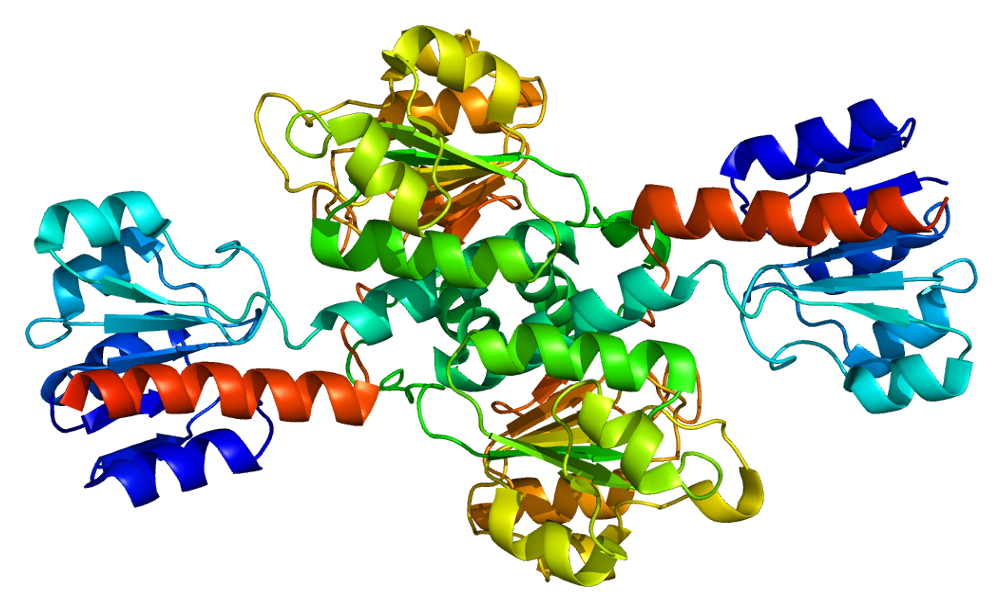
Síndrome Neu-Laxova por deficiência de 3-fosfoglicerato desidrogenase
📋 Origem dos dados
Esta página agrega dados de fontes públicas e oficiais. Dados sobre cobertura no SUS (PCDT, CEAF) são verificados ativamente por agente proativo (ver badge no infobox). Demais dados têm atribuição de fonte + data da última sincronização — clique para abrir o original.
- Doença rara (ontologia)
- fonte: Orphanet
- Identificador unificado
- fonte: MONDO
- Genética mendeliana
- fonte: OMIM
- Codificação WHO/SUS
- fonte: WHO ICD-10 / DATASUS
- CID-11 (futuro)
- fonte: WHO ICD-11
- NIH/GARD
- fonte: GARD (NIH)