
O Defeito Congênito Tipo 2 na Síntese de Ácidos Biliares (ou Defeito BAS Tipo 2) é uma condição em que há um problema na produção de ácidos biliares pelo corpo. Isso resulta em uma doença grave e de rápida progressão no fígado, que afeta a saída da bile (colestase), e também causa dificuldade para o corpo absorver gorduras e as vitaminas que precisam de gordura para serem aproveitadas.
Introdução
O que você precisa saber de cara
O Defeito Congênito Tipo 2 na Síntese de Ácidos Biliares (ou Defeito BAS Tipo 2) é uma condição em que há um problema na produção de ácidos biliares pelo corpo. Isso resulta em uma doença grave e de rápida progressão no fígado, que afeta a saída da bile (colestase), e também causa dificuldade para o corpo absorver gorduras e as vitaminas que precisam de gordura para serem aproveitadas.
Escala de raridade
<1/50kMuito rara
1/20kRara
1/10kPouco freq.
1/5kIncomum
1/2k
Encontrou um erro ou informação desatualizada? Sugira uma correção →
Entender a doença
Do básico ao detalhe, leia no seu ritmo
Preparando trilha educativa...
Sinais e sintomas
O que aparece no corpo e com que frequência cada sintoma acontece
Partes do corpo afetadas
+ 15 sintomas em outras categorias
Características mais comuns
Os sintomas variam de pessoa para pessoa. Abaixo estão as 32 características clínicas mais associadas, ordenadas por frequência.
Linha do tempo da pesquisa
Encontrou um erro ou informação desatualizada? Sugira uma correção →
Genética e causas
O que está alterado no DNA e como passa nas famílias
Genes associados
1 gene identificado com associação a esta condição. Padrão de herança: Autosomal recessive.
Curadoria gene-doença
fontes oficiaisCatalyzes the stereospecific NADPH-dependent reduction of the C4-C5 double bond of bile acid intermediates and steroid hormones carrying a delta(4)-3-one structure to yield an A/B cis-ring junction. This cis-configuration is crucial for bile acid biosynthesis and plays important roles in steroid metabolism. Capable of reducing a broad range of delta-(4)-3-ketosteroids from C18 (such as, 17beta-hydroxyestr-4-en-3-one) to C27 (such as, 7alpha-hydroxycholest-4-en-3-one)
Cytoplasm
Congenital bile acid synthesis defect 2
A condition characterized by jaundice, intrahepatic cholestasis and hepatic failure. Patients with this liver disease show absence or low levels of chenodeoxycholic acid and cholic acid in plasma and urine.
Variantes genéticas (ClinVar)
76 variantes patogênicas registradas no ClinVar.
Classificação de variantes (ClinVar)
Distribuição de 211 variantes classificadas pelo ClinVar.
Vias biológicas (Reactome)
3 vias biológicas associadas aos genes desta condição.
Diagnóstico
Os sinais que médicos procuram e os exames que confirmam
Tratamento e manejo
Remédios, cuidados de apoio e o que precisa acompanhar
Onde tratar no SUS
Hospitais de referência no Brasil e o protocolo oficial do SUS (PCDT)
🇧🇷 Atendimento SUS — Defeito congênito da síntese de ácidos biliares tipo 2
Centros de Referência SUS
24 centros habilitados pelo SUS para Defeito congênito da síntese de ácidos biliares tipo 2
Centros para Defeito congênito da síntese de ácidos biliares tipo 2
Detalhes dos centros
Hospital Universitário Prof. Edgard Santos (HUPES)
R. Dr. Augusto Viana, s/n - Canela, Salvador - BA, 40110-060 · CNES 0003808
Serviço de Referência
Hospital Infantil Albert Sabin
R. Tertuliano Sales, 544 - Vila União, Fortaleza - CE, 60410-794 · CNES 2407876
Serviço de Referência
Hospital de Apoio de Brasília (HAB)
AENW 3 Lote A Setor Noroeste - Plano Piloto, Brasília - DF, 70684-831 · CNES 0010456
Serviço de Referência
Hospital Estadual Infantil e Maternidade Alzir Bernardino Alves (HIABA)
Av. Min. Salgado Filho, 918 - Soteco, Vila Velha - ES, 29106-010 · CNES 6631207
Serviço de Referência
Hospital das Clínicas da UFG
Rua 235 QD. 68 Lote Área, Nº 285, s/nº - Setor Leste Universitário, Goiânia - GO, 74605-050 · CNES 2338424
Serviço de Referência
Hospital Universitário da UFJF
R. Catulo Breviglieri, Bairro - s/n - Santa Catarina, Juiz de Fora - MG, 36036-110 · CNES 2297442
Atenção Especializada
Hospital das Clínicas da UFMG
Av. Prof. Alfredo Balena, 110 - Santa Efigênia, Belo Horizonte - MG, 30130-100 · CNES 2280167
Serviço de Referência
Hospital Universitário Julio Müller (HUJM)
R. Luis Philippe Pereira Leite, s/n - Alvorada, Cuiabá - MT, 78048-902 · CNES 2726092
Atenção Especializada
Hospital Universitário João de Barros Barreto
R. dos Mundurucus, 4487 - Guamá, Belém - PA, 66073-000 · CNES 2337878
Serviço de Referência
Hospital Universitário Lauro Wanderley (HULW)
R. Tabeliao Estanislau Eloy, 585 - Castelo Branco, João Pessoa - PB, 58050-585 · CNES 0002470
Atenção Especializada
Instituto de Medicina Integral Prof. Fernando Figueira (IMIP)
R. dos Coelhos, 300 - Boa Vista, Recife - PE, 50070-902 · CNES 0000647
Serviço de Referência
Hospital Pequeno Príncipe
R. Des. Motta, 1070 - Água Verde, Curitiba - PR, 80250-060 · CNES 3143805
Serviço de Referência
Hospital Universitário Regional de Maringá (HUM)
Av. Mandacaru, 1590 - Parque das Laranjeiras, Maringá - PR, 87083-240 · CNES 2216108
Atenção Especializada
Hospital de Clínicas da UFPR
R. Gen. Carneiro, 181 - Alto da Glória, Curitiba - PR, 80060-900 · CNES 2364980
Serviço de Referência
Hospital Universitário Pedro Ernesto (HUPE-UERJ)
Blvd. 28 de Setembro, 77 - Vila Isabel, Rio de Janeiro - RJ, 20551-030 · CNES 2280221
Serviço de Referência
Instituto Nacional de Saúde da Mulher, da Criança e do Adolescente Fernandes Figueira (IFF/Fiocruz)
Av. Rui Barbosa, 716 - Flamengo, Rio de Janeiro - RJ, 22250-020 · CNES 2269988
Serviço de Referência
Hospital São Lucas da PUCRS
Av. Ipiranga, 6690 - Jardim Botânico, Porto Alegre - RS, 90610-000 · CNES 2232928
Serviço de Referência
Hospital de Clínicas de Porto Alegre (HCPA)
Rua Ramiro Barcelos, 2350 Bloco A - Av. Protásio Alves, 211 - Bloco B e C - Santa Cecília, Porto Alegre - RS, 90035-903 · CNES 2237601
Serviço de Referência
Hospital Universitário da UFSC (HU-UFSC)
R. Profa. Maria Flora Pausewang - Trindade, Florianópolis - SC, 88036-800 · CNES 2560356
Serviço de Referência
Hospital das Clínicas da FMUSP
R. Dr. Ovídio Pires de Campos, 225 - Cerqueira César, São Paulo - SP, 05403-010 · CNES 2077485
Serviço de Referência
Hospital de Base de São José do Rio Preto
Av. Brg. Faria Lima, 5544 - Vila Sao Jose, São José do Rio Preto - SP, 15090-000 · CNES 2079798
Atenção Especializada
Hospital de Clínicas da UNICAMP
R. Vital Brasil, 251 - Cidade Universitária, Campinas - SP, 13083-888 · CNES 2748223
Serviço de Referência
Hospital de Clínicas de Ribeirão Preto (HCRP-USP)
R. Ten. Catão Roxo, 3900 - Vila Monte Alegre, Ribeirão Preto - SP, 14015-010 · CNES 2082187
Serviço de Referência
UNIFESP / Hospital São Paulo
R. Napoleão de Barros, 715 - Vila Clementino, São Paulo - SP, 04024-002 · CNES 2688689
Serviço de Referência
Dados de DATASUS/CNES, SBGM, ABNeuro e Ministério da Saúde. Sempre confirme a disponibilidade diretamente com o estabelecimento.
Pesquisa ativa
Ensaios clínicos abertos e novidades científicas recentes
Ensaios em destaque
🟢 Recrutando agora
1 pesquisa recrutando participantes. Converse com seu médico sobre a possibilidade de participar.
Outros ensaios clínicos
Publicações mais relevantes
Variants in AKR1D1 and Infant Mortality: Should Bile Acid Screening be a Routine Part of Newborn Screening?
Biallelic pathogenic variants in AKR1D1 cause Δ4-3-oxosteroid 5β-reductase deficiency, disrupt bile acid synthesis, and result in Congenital Bile Acid Synthesis defect type 2 (CBAS2). CBAS2 presents in infancy with cholestasis, coagulopathy, and failure to thrive. We report an infant who unexpectedly died at age 8 weeks with hepatic dysfunction and intracerebral hemorrhage. Characteristic of CBAS2, postmortem biochemical findings showed near-absent primary bile acids and accumulation of atypical bile acid intermediates. Subsequent genetic testing found compound heterozygous AKR1D1 variants: NM_005989.3:c.[593C>T];[782G>A], p.(Pro198Leu);(Arg261His). This highlights the diagnostic challenge posed by bile acid synthesis disorders, the need for early diagnosis, and the potential for fatal outcomes without early intervention. Given the treatable nature of CBAS2, we advocate for expanded newborn screening or for rapid targeted bile acid or genetic screening in infants presenting with cholestasis, prolonged jaundice, or hyperbilirubinemia.
Varied phenotypic presentation of congenital bile acid synthesis defect type 2 in a set of first-degree relatives with the same genetic mutation.
Bile acid synthesis disorders represent a rare subset of cholestatic conditions that, if unrecognised, may progress to end-stage liver disease requiring transplantation. These disorders result from deficiencies in one of the 17 enzymes involved in the conversion of cholesterol into primary bile acids. We present a case series of three first-degree relatives diagnosed with congenital bile acid synthesis defect type 2 (AKR1D1 deficiency), a disorder characterised by impaired steroid 5β-reductase activity. After initiating cholic acid, all patients demonstrated significant clinical improvement.
[Clinical feature and genetic analysis of a family affected by congenital bile acid synthesis defect type 2: identification of 2 novel mutations in AKR1D1 gene].
Congenital bile acid synthesis defect type 2 (CBAS2) is an autosomal recessive disorder caused by biallelic mutations of AKR1D1 gene, which encodes the Δ4-3-oxo-steroid 5β-reductase. Cholestatic jaundice is the main clinical manifestation, accompanied by malabsorption of fat and fat-soluble vitamins. This paper reported the clinical and genetic features of a CBAS2 patient definitely diagnosed by AKR1D1 genetic analysis. An 8-month-old male infant was referred to the hospital with the complaint of jaundiced skin and sclera over 7 months. On physical examination, growth retardation and malnutrition were discovered besides mild jaundice of the skin and sclera. The liver was palpable 8 cm below the right subcostal margin with medium texture, and the spleen was not enlarged. On liver function test, elevated levels of bilirubin (predominantly conjugated bilirubin) and transaminases were detected, but serum total bile acids and γ-glutamyl transpeptidase levels were within the normal ranges. Liver histopathologic analysis showed disorganized bile ducts, obvious multinucleated giant cells, significant cholestasis in hepatocytes, together with portal and interstitial fibrosis and lymphocytic infiltration. Via next generation sequencing analysis and Sanger sequencing confirmation, the infant proved to be a compound heterozygote of the AKR1D1 variants c.579+2delT and c.853C>T(p.Q285X), two novel mutations originated from his mother and father, respectively. CBAS2 was thus definitely diagnosed, and chenodeoxycholic acid was given orally. As a result, the abnormal liver function and hepatomegaly were improved gradually. On a follow-up 3 months later, a soft liver was palpable 2.5 cm below the right subcostal margin, and all liver function indices recovered to normal ranges. 先天性胆汁酸合成障碍2型(CBAS2)是编码Δ4-3-氧固醇5β-还原酶的AKR1D1基因突变导致的常染色体隐性遗传病,以胆汁淤积性黄疸为主要临床表现,伴脂肪和脂溶性维生素吸收障碍。本文报道了1例CBAS2患儿的临床特点及AKR1D1基因突变分析结果。患儿为8个月男婴,因发现全身皮肤、巩膜黄染7月余就诊。体查发现患儿发育、营养差;皮肤、巩膜轻度黄染;肝右肋下8 cm,质地中等,脾脏不大。血生化结果发现转氨酶和总胆红素升高,以结合胆红素升高为主,但γ-谷氨酰转肽酶和总胆汁酸水平基本正常。肝脏组织学检查见胆管排列紊乱,多核巨细胞易见,肝细胞内明显淤胆,伴间质纤维组织增生及淋巴细胞浸润。代谢性肝病组套二代测序及Sanger测序验证结果证实患儿AKR1D1基因型为c.579+2delT/c.853C > T(p.Q285X),两个突变均为新突变,且分别来源于其母亲和父亲。患儿最终确诊为CBAS2,给予鹅去氧胆酸治疗后,肝功能明显好转,肝肿大逐渐改善。3个月后随访,肝脏右肋下2.5 cm可及,质软,肝功能各项指标已恢复正常。
Publicações recentes
Variants in AKR1D1 and Infant Mortality: Should Bile Acid Screening be a Routine Part of Newborn Screening?
Varied phenotypic presentation of congenital bile acid synthesis defect type 2 in a set of first-degree relatives with the same genetic mutation.
[Clinical feature and genetic analysis of a family affected by congenital bile acid synthesis defect type 2: identification of 2 novel mutations in AKR1D1 gene].
📚 EuropePMC4 artigos no totalmostrando 3
Variants in AKR1D1 and Infant Mortality: Should Bile Acid Screening be a Routine Part of Newborn Screening?
American journal of medical genetics. Part AVaried phenotypic presentation of congenital bile acid synthesis defect type 2 in a set of first-degree relatives with the same genetic mutation.
BMJ case reports[Clinical feature and genetic analysis of a family affected by congenital bile acid synthesis defect type 2: identification of 2 novel mutations in AKR1D1 gene].
Zhongguo dang dai er ke za zhi = Chinese journal of contemporary pediatricsAssociações
Organizações que acompanham esta doença — pra ter apoio e orientação
Ainda não temos associações cadastradas para Defeito congênito da síntese de ácidos biliares tipo 2.
É de uma associação que acompanha esta doença? Fale com a gente →
Comunidades
Grupos ativos de quem convive com esta doença aqui no Raras
Ainda não existe comunidade no Raras para Defeito congênito da síntese de ácidos biliares tipo 2
Pacientes, familiares e cuidadores se organizam em comunidades pra compartilhar experiências, fazer perguntas e se apoiar. Você pode ser o primeiro.
Tire suas dúvidas
Perguntas, dicas e experiências compartilhadas aqui na página
Participe da discussão
Faça login para postar dúvidas, compartilhar experiências e interagir com especialistas.
Fazer loginDoenças relacionadas
Doenças com sintomas parecidos — ajudam quem ainda está buscando diagnóstico
Referências e fontes
Bases de dados externas citadas neste artigo
Publicações científicas
Artigos indexados no PubMed ligados a esta doença no grafo RarasNet — título, periódico e PMID direto da fonte, sem intermediação de IA.
- Variants in AKR1D1 and Infant Mortality: Should Bile Acid Screening be a Routine Part of Newborn Screening?
- Varied phenotypic presentation of congenital bile acid synthesis defect type 2 in a set of first-degree relatives with the same genetic mutation.
- [Clinical feature and genetic analysis of a family affected by congenital bile acid synthesis defect type 2: identification of 2 novel mutations in AKR1D1 gene].Zhongguo dang dai er ke za zhi = Chinese journal of contemporary pediatrics· 2017· PMID 28697823mais citado
Bases de dados e fontes oficiais
Identificadores e referências canônicas usadas para montar este verbete.
- ORPHA:79303(Orphanet)
- OMIM OMIM:235555(OMIM)
- MONDO:0009339(MONDO)
- GARD:10045(GARD (NIH))
- Variantes catalogadas(ClinVar)
- Busca completa no PubMed(PubMed)
- Q42863601(Wikidata)
Dados compilados pelo RarasNet a partir de fontes abertas (Orphanet, OMIM, MONDO, PubMed/EuropePMC, ClinicalTrials.gov, DATASUS, PCDT/MS). Este conteúdo é informativo e não substitui avaliação médica.
Conteúdo mantido por Agente Raras · Médicos e pesquisadores podem colaborar
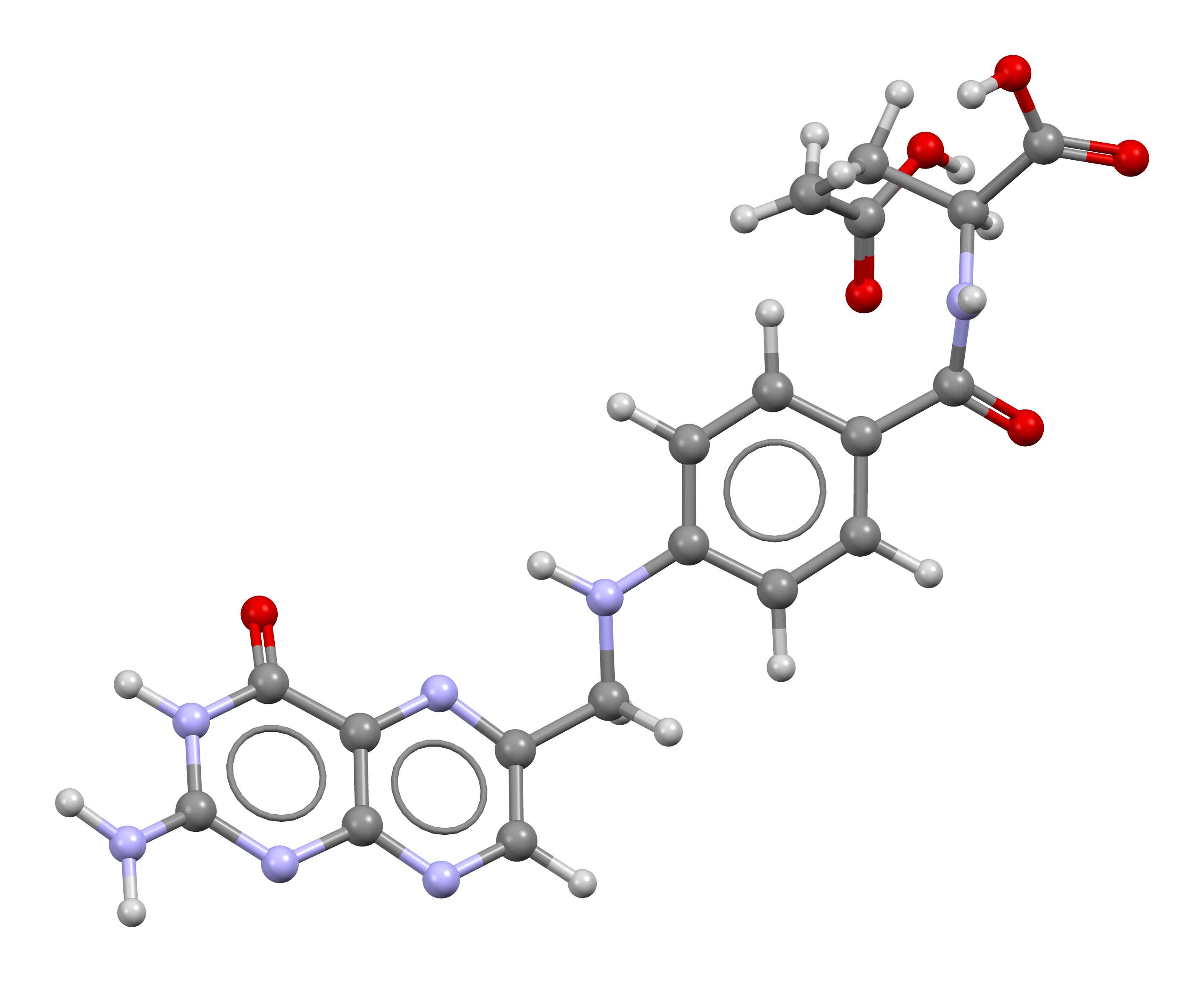
Defeito congênito da síntese de ácidos biliares tipo 2
📋 Origem dos dados
Esta página agrega dados de fontes públicas e oficiais. Dados sobre cobertura no SUS (PCDT, CEAF) são verificados ativamente por agente proativo (ver badge no infobox). Demais dados têm atribuição de fonte + data da última sincronização — clique para abrir o original.
- Doença rara (ontologia)
- fonte: Orphanet
- Identificador unificado
- fonte: MONDO
- Genética mendeliana
- fonte: OMIM
- Codificação WHO/SUS
- fonte: WHO ICD-10 / DATASUS
- CID-11 (futuro)
- fonte: WHO ICD-11
- NIH/GARD
- fonte: GARD (NIH)
- Indexação biomédica
- fonte: MeSH (NLM)
- Dado público estruturado
- fonte: Wikidata
- Ensaios clínicos
- fonte: ClinicalTrials.gov