
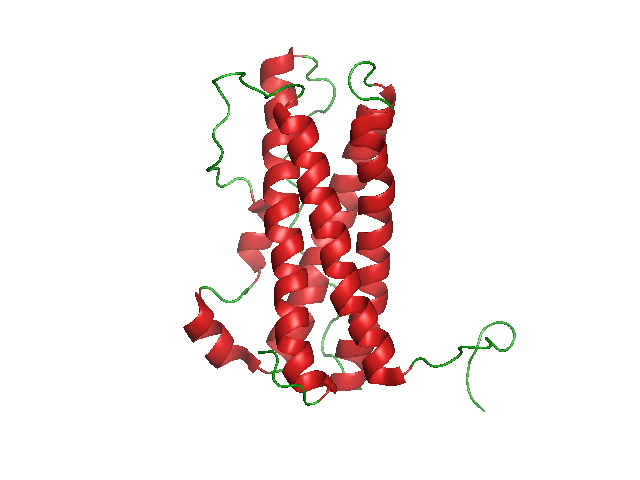
O adenoma gonadotrófico funcionante é um tipo muito raro de tumor que aparece na hipófise, uma glândula localizada na base do cérebro. Esse tumor é caracterizado por ser mole, ter muitos vasos sanguíneos, tamanho variável e, ocasionalmente, apresentar áreas de sangramento ou de tecido morto. A característica mais importante é que ele produz ativamente hormônios chamados gonadotropinas. Além dos sintomas neurológicos comuns causados pela pressão do tumor (como dor de cabeça e/ou problemas de visão, como a perda de parte do campo visual), outras manifestações clínicas podem incluir: * **Em mulheres antes da menopausa:** irregularidades menstruais (falta de menstruação, menstruação muito espaçada ou sangramento menstrual intenso e prolongado), produção de leite pelas mamas fora da gravidez/amamentação (galactorreia), infertilidade ou a síndrome de hiperestimulação ovariana (quando os ovários ficam excessivamente ativos). * **Em homens:** aumento do tamanho dos testículos e, ocasionalmente, hipogonadismo (produção insuficiente de hormônios ou espermatozoides). * **Em crianças:** puberdade precoce (desenvolvimento de características sexuais muito cedo).
Introdução
O que você precisa saber de cara
O adenoma gonadotrófico funcionante é um tipo muito raro de tumor que aparece na hipófise, uma glândula localizada na base do cérebro. Esse tumor é caracterizado por ser mole, ter muitos vasos sanguíneos, tamanho variável e, ocasionalmente, apresentar áreas de sangramento ou de tecido morto. A característica mais importante é que ele produz ativamente hormônios chamados gonadotropinas. Além dos sintomas neurológicos comuns causados pela pressão do tumor (como dor de cabeça e/ou problemas de visão, como a perda de parte do campo visual), outras manifestações clínicas podem incluir: * **Em mulheres antes da menopausa:** irregularidades menstruais (falta de menstruação, menstruação muito espaçada ou sangramento menstrual intenso e prolongado), produção de leite pelas mamas fora da gravidez/amamentação (galactorreia), infertilidade ou a síndrome de hiperestimulação ovariana (quando os ovários ficam excessivamente ativos). * **Em homens:** aumento do tamanho dos testículos e, ocasionalmente, hipogonadismo (produção insuficiente de hormônios ou espermatozoides). * **Em crianças:** puberdade precoce (desenvolvimento de características sexuais muito cedo).
Encontrou um erro ou informação desatualizada? Sugira uma correção →
Entender a doença
Do básico ao detalhe, leia no seu ritmo
Preparando trilha educativa...
Sinais e sintomas
O que aparece no corpo e com que frequência cada sintoma acontece
Partes do corpo afetadas
+ 13 sintomas em outras categorias
Características mais comuns
Os sintomas variam de pessoa para pessoa. Abaixo estão as 34 características clínicas mais associadas, ordenadas por frequência.
Linha do tempo da pesquisa
Encontrou um erro ou informação desatualizada? Sugira uma correção →
Genética e causas
O que está alterado no DNA e como passa nas famílias
Nenhum gene associado encontrado
Os dados genéticos desta condição ainda estão sendo catalogados.
Diagnóstico
Os sinais que médicos procuram e os exames que confirmam
Tratamento e manejo
Remédios, cuidados de apoio e o que precisa acompanhar
Onde tratar no SUS
Hospitais de referência no Brasil e o protocolo oficial do SUS (PCDT)
🇧🇷 Atendimento SUS — Adenoma gonadotrópico funcionante
Selecione um estado ou use sua localização para ver resultados.
Dados de DATASUS/CNES, SBGM, ABNeuro e Ministério da Saúde. Sempre confirme a disponibilidade diretamente com o estabelecimento.
Pesquisa ativa
Ensaios clínicos abertos e novidades científicas recentes
Pesquisa e ensaios clínicos
Nenhum ensaio clínico registrado para esta condição.
Publicações mais relevantes
Single-cell epigenetic landscape, microenvironment interactions, and gene regulatory modules of non-functioning pituitary adenomas.
The epigenetic landscape and tumor microenvironment (TME) interactions of non-functioning pituitary adenomas (NFPAs), benign tumors with high morbidity and recurrence rates, are not well characterized. We completed single-nucleus (sn) multiomics assays on 4 gonadotrope NFPAs (34,819 cells) and 11 non-diseased postmortem control pituitaries (51,535 cells), finding decreased proportions of tumor-associated endothelial cells and pericytes and increased proportions of macrophages. We identified bidirectional tumor-macrophage crosstalk comprising nine ligand-receptor interactions and experimentally validated the macrophage-initiated SFRP1-FZD6 interaction, whose predicted target genes CCND1, CDK6, SGK1, and TGFBR2 were linked to tumorigenesis. We uncovered coordinated gene expression and chromatin accessibility programs, which distinguished adenoma cells from gonadotropes. Integrated transcriptome-chromatin modeling revealed gene regulatory circuits (GRCs) that showed altered activity in adenoma cells and were regulated by transcription factors (TFs), including PBX3 and MEF2C. Our study provides insight into the altered epigenetic gene control landscape and TME processes of the NFPA tumor phenotype. Our data are freely available at https://rstudio-connect.hpc.mssm.edu/nfpa_browser/.
Hypopituitarism in patients with prolactinomas: a narrative review.
Pituitary adenomas are the most frequent cause of hypopituitarism in adults, due to the mass effect of the lesion on the pituitary gland, and/or their treatments (particularly surgery and/or radiotherapy). Prolactinomas represent the most frequent histotype of hormone-secreting pituitary adenomas. As is well known, high prolactin levels induce a suppression of the gonadotropic axis and subsequent hypogonadotropic hypogonadism. Overall, the reported prevalence of hypopituitarism is highly heterogeneous in the different studies, depending on the definition used and the cohort examined. Treatment of prolactinomas, whether medical or surgical, can lead to improvement or recovery of pituitary function in a substantial proportion of patients, particularly of the gonadal axis. Conversely, new pituitary deficits can also develop after surgical treatment or, more frequently, radiotherapy. In this review, we aim to summarize the currently available literature data on hypopituitarism in patients with prolactinoma, in order to better characterize patients requiring replacement therapy.
Association between the WHO 2017 and 2022 classification updates and ICD-10 code accuracy in patients with PitNETs: a real-world retrospective study.
This study was conducted to evaluate the association between the implementation of the WHO 2017 and 2022 classification updates for pituitary tumours and the validity of ICD-10 codes in identifying nonfunctioning and functioning subtypes of pituitary neuroendocrine tumours (PitNETs) in a real-world surgical cohort. We analysed data from 1,096 surgically treated PitNET patients at a major Chinese medical centre between January 2020 and April 2024. The validity of the ICD-10 codes for identifying nonfunctioning and functioning PitNET subtypes was assessed using prepathological discharge diagnoses as the reference standard. The performance metrics, including sensitivity, specificity, positive predictive value (PPV), negative predictive value (NPV), Youden index, F1 score, and kappa statistic, were calculated for each subtype. These validity measures were then compared between cases classified according to the 2017/2022 WHO criteria and those classified using the pre-2017 criteria in pathological reports. ICD-10 code sensitivity was lowest for nonfunctioning PitNETs (72.9%; 95% CI: 69.1-76.3), followed by functioning gonadotrophs (83.3%; 95% CI: 36.5-99.1) and corticotrophs (84.0%; 95% CI: 77.4-89.0), while other subtypes maintained high sensitivity (97.9%-100%). Most subtypes had low PPVs (6.3-75.0%), except for nonfunctioning and somatotroph PitNETs. The nonfunctioning PitNET code also had a low NPV (73.8%; 95% CI: 70.1-77.2). When cases were pathologically classified using the updated 2017/2022 WHO criteria, a substantial decrease in sensitivity for nonfunctioning PitNETs was observed (94.7% to 63.0%, p < 0.001), which coincided with a reduced NPV, F1 score, and kappa, despite increased specificity (95.8% vs. 86.8%, p < 0.01). Similarly, under the new classification, corticotroph PitNETs had decreased specificity (100.0% to 92.8%, p < 0.001), PPV (94.8% to 64.6%, p < 0.001), and composite metrics. Notably, low PPVs persisted for lactotroph (59.2%) and gonadotroph (5.1%) PitNETs. Coding discrepancies primarily involved confusion with new pathological terminology and misapplication of endocrine codes for pituitary stalk compression effects. The updated WHO classifications enhance pathological detail but should not guide clinical ICD coding, as misapplication reduces coding accuracy in surgically managed PitNETs. Future frameworks must align pathological nomenclature with clinical endocrine function in the ICD, maintaining a clear distinction between these domains. Multidisciplinary collaboration and standardized coding protocols are essential for improving accuracy. Not applicable.
Characterization of the secretory profile of gonadotroph pituitary tumors.
Gonadotroph pituitary tumors (GnPiT) represent 70-75% of clinically non-functioning tumors in surgical series. Their proportion has increased with the diagnostic use of transcription factors in addition to gonadotropin immunostaining, but the prevalence of functioning cases has not been re-evaluated. The aim is to provide a comprehensive, up-to-date characterization of GnPiT, including pathological subtyping and search for whispering/functioning cases (w/fGnPiT). A single-center retrospective study of patients who received a pathological diagnosis of GnPiT between 2020 and 2022. Clinical, hormonal, and pathological data were analyzed according to sex and age, with short-term post-operative re-evaluation. Histological subtypes were defined according to hormone immunostaining. 151 patients (103 M, 48 F) were studied. The diagnosis was incidental in 72 cases (48.0%). Age distribution at diagnosis was normal in males (median 63 years (25-89)), and bimodal in females (median age 58 years (26-84)). A single case of overt hyperfunction, revealed by ovarian hyperstimulation syndrome, occurred. The prevalence of likely w/fGnPiT was estimated at 6.0% (M: 7.7%, F: 2.1%) including nine cases showing characteristics consistent with pre-operative mild hormone secretion (1 F, 8 M). FSH hypersecretion was predominant, all but two w/fGnPiT had FSH/LH immunostaining. FSH/LH tumors were also the most prevalent in the whole series (63.6%) followed by FSH-, LH- and hormone-negative cases (27.1%, 4.0% and 5.3%, respectively). No significant differences in macroscopic or pathological characteristics were found among pathological subtypes. Clinically relevant hypersecretion remains uncommon in GnPiT but may be under-evaluated. No significant differences in tumor behavior emerged among pathological subtypes.
SSTR2 expression in neoplastic and normal anterior pituitary is impacted by age, sex, and hormonal status.
Pituitary neuroendocrine tumors (PitNETs) are among the most common tumors encountered in neurooncology. While the majority of PitNETs demonstrate indolent behavior, a subset of tumors demonstrates aggressive behavior, including invasion into surrounding structures. As traditional imaging has limited capacity to distinguish tumor from post-operative changes, better methods of tumor delineation are needed to guide management. Somatotroph adenomas are known to express high levels of SSTR2, and SSTR2-targeting PET imaging has shown clinical utility in the management of neuroendocrine tumors and meningiomas. In this retrospective study of archival PitNETs (n = 271) and autopsy controls (AC) (n = 20), we show that although significant differences in SSTR2 immunostaining are appreciable between adenoma subtypes and ACs, high-staining cases are encountered in all subtypes. In ACs, females demonstrated significantly stronger SSTR2 staining than males. Weak age-related trends towards increasing labelling in females and decreasing labelling in males were noted but these did not reach statistical significance. Decreasing age-related trends were seen in gonadotrophs in both sexes; this was statistically significant in females. Our findings suggest that SSTR2-targeting imaging modalities may assist clinical management of a subset of PitNETs and that these results may need to be interpreted with consideration of patient age and sex.
Publicações recentes
Characterization of the secretory profile of gonadotroph pituitary tumors.
Ovarian hyperstimulation revealing a functional gonadotroph adenoma: a case report.
Bilateral atypical ovarian masses: don't overlook a functional gonadotropic pituitary adenoma.
SSTR2 expression in neoplastic and normal anterior pituitary is impacted by age, sex, and hormonal status.
Recovery from hypogonadism in men with prolactinoma treated with dopamine agonists.
📚 EuropePMCmostrando 60
Single-cell epigenetic landscape, microenvironment interactions, and gene regulatory modules of non-functioning pituitary adenomas.
Cell systemsHypopituitarism in patients with prolactinomas: a narrative review.
Best practice & research. Clinical endocrinology & metabolismAssociation between the WHO 2017 and 2022 classification updates and ICD-10 code accuracy in patients with PitNETs: a real-world retrospective study.
BMC endocrine disordersCharacterization of the secretory profile of gonadotroph pituitary tumors.
Journal of endocrinological investigationMicroRNA signatures of invasiveness in PitNETs: a focus on miR-186-5p, miR-191-5p, miR-454-3p, and miR-590-5p.
EndocrineOvarian hyperstimulation revealing a functional gonadotroph adenoma: a case report.
The Pan African medical journalBilateral atypical ovarian masses: don't overlook a functional gonadotropic pituitary adenoma.
Frontiers in endocrinologySSTR2 expression in neoplastic and normal anterior pituitary is impacted by age, sex, and hormonal status.
Journal of neuropathology and experimental neurologySuccessful Multimodal Management of an Aggressive Functional Gonadotropic Pituitary Macroadenoma.
AACE clinical case reportsRecovery from hypogonadism in men with prolactinoma treated with dopamine agonists.
PituitaryAssociation between Intracellular Calcium Signaling and Tumor Recurrence in Human Non-Functioning Pituitary Adenomas.
International journal of molecular sciencesMesenchymal Stem Cells Induce an Immunosuppressive Microenvironment in Pituitary Tumors.
The Journal of clinical endocrinology and metabolismElevated risk of recurrence and retreatment for silent pituitary adenomas.
PituitaryGenomics, Transcriptomics, and Epigenetics of Sporadic Pituitary Tumors.
Archives of medical researchClinical characteristics of functioning gonadotroph adenoma in women presenting with ovarian hyperstimulation: Audit of UK pituitary centres.
Clinical endocrinologyTGFBR3L is associated with gonadotropin production in non-functioning gonadotroph pituitary neuroendocrine tumours.
PituitaryFunctional pituitary gonadotroph adenoma in male patients: Case report.
JPMA. The Journal of the Pakistan Medical AssociationUpdating the Landscape for Functioning Gonadotroph Tumors.
Medicina (Kaunas, Lithuania)Sex-specific Regulation of Prolactin Secretion by Pituitary Bradykinin Receptors.
EndocrinologyThe kinome, cyclins and cyclin-dependent kinases of pituitary adenomas, a look into the gene expression profile among tumors from different lineages.
BMC medical genomicsIntratumoural spatial distribution of S100B + folliculostellate cells is associated with proliferation and expression of FSH and ERα in gonadotroph tumours.
Acta neuropathologica communicationsFunctioning gonadotroph adenomas in premenopausal women: clinical and molecular characterization and review of the literature.
PituitarySPONTANEOUS RESOLUTION OF A NONFUNCTIONING PITUITARY ADENOMA OVER ONE-MONTH PERIOD: A CASE REPORT.
Acta clinica Croatica[A rare case of a functioning gonadotroph tumor accompanied by erythrocytosis in an elderly man].
Problemy endokrinologiiEnhancing Gonadotrope Gene Expression Through Regulatory lncRNAs.
EndocrinologyOutcome of pituitary hormone deficits after surgical treatment of nonfunctioning pituitary macroadenomas.
EndocrinePD-L1 Is Preferentially Expressed in PIT-1 Positive Pituitary Neuroendocrine Tumours.
Endocrine pathologyGonadotroph Pituitary Adenoma Causing Treatable Infertility and Ovarian Hyperstimulation Syndrome in Female Patients: Neurosurgical, Endocrinologic, Gynecologic, and Reproductive Outcomes.
World neurosurgeryClinical profiles of silent corticotroph adenomas compared with silent gonadotroph adenomas after adopting the 2017 WHO pituitary classification system.
Pituitary[Changes in the morphological structure of giant prolactinoma during treatment with cabergoline].
Problemy endokrinologiiChromosomal instability in the prediction of pituitary neuroendocrine tumors prognosis.
Acta neuropathologica communicationsDecrease of Proliferative Potential and Vascular Density of Giant Prolactinoma in Patients Treated with Cabergoline.
Asian journal of neurosurgeryClinical characteristics and outcomes of null-cell versus silent gonadotroph adenomas in a series of 1166 pituitary adenomas from a single institution.
Neurosurgical focusFSH Levels Are Related to E-cadherin Expression and Subcellular Location in Nonfunctioning Pituitary Tumors.
The Journal of clinical endocrinology and metabolismUtility of GATA-3 Expression in the Analysis of Pituitary Neuroendocrine Tumour (PitNET) Transcription Factors.
Endocrine pathologyHormonal Regulation of Glucocorticoid Inactivation and Reactivation in αT3-1 and LβT2 Gonadotroph Cells.
BiologyThe epidemiology, diagnosis and treatment of Prolactinomas: The old and the new.
Best practice & research. Clinical endocrinology & metabolismA case of functioning gonadotroph adenoma in a reproductive aged woman.
Endocrine journalFunctioning gonadotroph adenoma.
Chinese medical journalAttenuation of MAMLD1 Expression Suppresses the Growth and Migratory Properties of Gonadotroph Pituitary Adenomas.
Pathology oncology research : PORFunctioning gonadotroph adenoma with severe ovarian hyperstimulation syndrome: A new emergency in pituitary adenoma surgery? Surgical considerations and literature review.
Annales d'endocrinologieEx Vivo 1H NMR study of pituitary adenomas to differentiate various immunohistochemical subtypes.
Scientific reportsEndocrinological Outcomes of Intraoperative MRI-Guided Endoscopic Transsphenoidal Surgery for Non-Functioning Pituitary Adenoma.
Turkish neurosurgeryNonfunctioning Pituitary Adenoma Recurrence and Its Relationship with Sex, Size, and Hormonal Immunohistochemical Profile.
World neurosurgeryThe role of E and N-cadherin in the postoperative course of gonadotroph pituitary tumours.
EndocrinePLAG1 expression and target genes in the hypothalamo-pituitary system in male mice.
Molecular and cellular endocrinologyInterpretation of Serum Gonadotropin Levels in Hyperprolactinaemia.
NeuroendocrinologyManagement of non-functioning pituitary adenomas: surgery.
PituitaryIn the ovine pituitary, CXCR4 is localized in gonadotropes and somatotropes and increases with elevated serum progesterone.
Domestic animal endocrinologyThe Hypothalamic-Pituitary Axis and Autoantibody Related Disorders.
International journal of molecular sciencesNNT mutations: a cause of primary adrenal insufficiency, oxidative stress and extra-adrenal defects.
European journal of endocrinologyFunctional Gonadotroph Adenomas: Case Series and Report of Literature.
NeurosurgeryAggressive tumor growth and clinical evolution in a patient with X-linked acro-gigantism syndrome.
EndocrineThe Complementary Role of Transcription Factors in the Accurate Diagnosis of Clinically Nonfunctioning Pituitary Adenomas.
Endocrine pathologyOvarian Hyperstimulation Caused by Gonadotroph Pituitary Adenoma--Review.
Advances in clinical and experimental medicine : official organ Wroclaw Medical UniversityBiological and radiological exploration and management of non-functioning pituitary adenoma.
Annales d'endocrinologiePost-surgical management of non-functioning pituitary adenoma.
Annales d'endocrinologieSingle-Cell Phenotypic Characterization of Human Pituitary GHomas and Non-Functioning Adenomas Based on Hormone Content and Calcium Responses to Hypothalamic Releasing Hormones.
Frontiers in oncologyManagement of clinically non-functioning pituitary adenoma.
Annales d'endocrinologieClinical Outcome, Hormonal Status, Gonadotrope Axis, and Testicular Function in 219 Adult Men Born With Classic 21-Hydroxylase Deficiency. A French National Survey.
The Journal of clinical endocrinology and metabolismAssociações
Organizações que acompanham esta doença — pra ter apoio e orientação
Ainda não temos associações cadastradas para Adenoma gonadotrópico funcionante.
É de uma associação que acompanha esta doença? Fale com a gente →
Comunidades
Grupos ativos de quem convive com esta doença aqui no Raras
Ainda não existe comunidade no Raras para Adenoma gonadotrópico funcionante
Pacientes, familiares e cuidadores se organizam em comunidades pra compartilhar experiências, fazer perguntas e se apoiar. Você pode ser o primeiro.
Tire suas dúvidas
Perguntas, dicas e experiências compartilhadas aqui na página
Participe da discussão
Faça login para postar dúvidas, compartilhar experiências e interagir com especialistas.
Fazer loginDoenças relacionadas
Doenças com sintomas parecidos — ajudam quem ainda está buscando diagnóstico
Referências e fontes
Bases de dados externas citadas neste artigo
Publicações científicas
Artigos indexados no PubMed ligados a esta doença no grafo RarasNet — título, periódico e PMID direto da fonte, sem intermediação de IA.
- Single-cell epigenetic landscape, microenvironment interactions, and gene regulatory modules of non-functioning pituitary adenomas.
- Hypopituitarism in patients with prolactinomas: a narrative review.Best practice & research. Clinical endocrinology & metabolism· 2026· PMID 41638953mais citado
- Association between the WHO 2017 and 2022 classification updates and ICD-10 code accuracy in patients with PitNETs: a real-world retrospective study.
- Characterization of the secretory profile of gonadotroph pituitary tumors.
- SSTR2 expression in neoplastic and normal anterior pituitary is impacted by age, sex, and hormonal status.
- Ovarian hyperstimulation revealing a functional gonadotroph adenoma: a case report.
- Bilateral atypical ovarian masses: don't overlook a functional gonadotropic pituitary adenoma.
- Recovery from hypogonadism in men with prolactinoma treated with dopamine agonists.
Bases de dados e fontes oficiais
Identificadores e referências canônicas usadas para montar este verbete.
- ORPHA:91348(Orphanet)
- MONDO:0019612(MONDO)
- GARD:19158(GARD (NIH))
- Busca completa no PubMed(PubMed)
- Q55788749(Wikidata)
Dados compilados pelo RarasNet a partir de fontes abertas (Orphanet, OMIM, MONDO, PubMed/EuropePMC, ClinicalTrials.gov, DATASUS, PCDT/MS). Este conteúdo é informativo e não substitui avaliação médica.
Conteúdo mantido por Agente Raras · Médicos e pesquisadores podem colaborar
Adenoma gonadotrópico funcionante
📋 Origem dos dados
Esta página agrega dados de fontes públicas e oficiais. Dados sobre cobertura no SUS (PCDT, CEAF) são verificados ativamente por agente proativo (ver badge no infobox). Demais dados têm atribuição de fonte + data da última sincronização — clique para abrir o original.
- Doença rara (ontologia)
- fonte: Orphanet
- Identificador unificado
- fonte: MONDO
- Codificação WHO/SUS
- fonte: WHO ICD-10 / DATASUS
- CID-11 (futuro)
- fonte: WHO ICD-11
- NIH/GARD
- fonte: GARD (NIH)
- Dado público estruturado
- fonte: Wikidata