
Doença do tecido muscular caracterizada por contraturas articulares congênitas das mãos e dos pés.
Introdução
O que você precisa saber de cara
Doença do tecido muscular caracterizada por contraturas articulares congênitas das mãos e dos pés.
Encontrou um erro ou informação desatualizada? Sugira uma correção →
Entender a doença
Do básico ao detalhe, leia no seu ritmo
Preparando trilha educativa...
Sinais e sintomas
O que aparece no corpo e com que frequência cada sintoma acontece
Partes do corpo afetadas
+ 132 sintomas em outras categorias
Características mais comuns
Os sintomas variam de pessoa para pessoa. Abaixo estão as 383 características clínicas mais associadas, ordenadas por frequência.
Linha do tempo da pesquisa
Encontrou um erro ou informação desatualizada? Sugira uma correção →
Genética e causas
O que está alterado no DNA e como passa nas famílias
Genes associados
16 genes identificados com associação a esta condição.
Curadoria gene-doença
fontes oficiaisMay contribute to the degradation of peptide hormones and be involved in the inactivation of neuronal peptides
Membrane
Arthrogryposis, distal, 5D
An autosomal recessive form of distal arthrogryposis, a disease characterized by congenital joint contractures that mainly involve two or more distal parts of the limbs, in the absence of a primary neurological or muscle disease. DA5D is characterized by severe camptodactyly of the hands, mild camptodactyly of the toes, clubfoot and/or a calcaneovalgus deformity, extension contractures of the knee, unilateral ptosis or ptosis that is more severe on one side, a round-shaped face, arched eyebrows, a bulbous upturned nose, and micrognathia. Patients do not have ophthalmoplegia.
Troponin T is the tropomyosin-binding subunit of troponin, the thin filament regulatory complex which confers calcium-sensitivity to striated muscle actomyosin ATPase activity
Arthrogryposis, distal, 2B2
A form of distal arthrogryposis, a disease characterized by congenital joint contractures that mainly involve two or more distal parts of the limbs, in the absence of a primary neurological or muscle disease. Distal arthrogryposis type 2 is characterized by contractures of the hands and feet, and a distinctive face characterized by prominent nasolabial folds, small mouth and downslanting palpebral fissures. DA2B2 inheritance is autosomal dominant.
Pore-forming subunit of the mechanosensitive non-specific cation Piezo channel required for rapidly adapting mechanically activated (MA) currents and has a key role in sensing touch and tactile pain (PubMed:37590348). Piezo channels are homotrimeric three-blade propeller-shaped structures that utilize a cap-motion and plug-and-latch mechanism to gate their ion-conducting pathways (PubMed:37590348). Expressed in sensory neurons, is essential for diverse physiological processes, including respirat
Cell membrane
Arthrogryposis, distal, 5
A form of distal arthrogryposis, a disease characterized by congenital joint contractures that mainly involve two or more distal parts of the limbs, in the absence of a primary neurological or muscle disease. DA5 features include ocular abnormalities, typically ptosis, ophthalmoplegia and/or strabismus, in addition to contractures of the skeletal muscles. Some patients have pulmonary hypertension as a result of restrictive lung disease.
Binds to actin filaments in muscle and non-muscle cells. Plays a central role, in association with the troponin complex, in the calcium dependent regulation of vertebrate striated muscle contraction. Smooth muscle contraction is regulated by interaction with caldesmon. In non-muscle cells is implicated in stabilizing cytoskeleton actin filaments. The non-muscle isoform may have a role in agonist-mediated receptor internalization
Cytoplasm, cytoskeleton
Congenital myopathy 23
An autosomal dominant muscular disorder characterized clinically by hypotonia and muscle weakness, and a static or slowly progressive clinical course. Disease onset ranges from birth to childhood. Histologic examination of muscle fibers shows various anomalies including fiber type disproportion, an irregular myofibrillar network, abnormal thread-like or rod-shaped structures, and cap-like structures which are well demarcated and peripherally located under the sarcolemma with abnormal accumulation of sarcomeric proteins.
Converts D-glucuronic acid to L-iduronic acid (IdoUA) residues. Plays an important role in the biosynthesis of the glycosaminoglycan/mucopolysaccharide dermatan sulfate
Endoplasmic reticulum membraneGolgi apparatus membraneCytoplasmic vesicle membraneMicrosome membrane
Ehlers-Danlos syndrome, musculocontractural type 2
A form of Ehlers-Danlos syndrome characterized by progressive multisystem manifestations, including joint dislocations and deformities, skin hyperextensibility, skin bruisability and fragility with recurrent large subcutaneous hematomas, cardiac valvular, respiratory, gastrointestinal, and ophthalmologic complications. Motor developmental delay is associated with muscle hypoplasia, muscle weakness, and an abnormal muscle fiber pattern in histology in adulthood.
Catalyzes the transfer of sulfate to position 4 of the N-acetylgalactosamine (GalNAc) residue of dermatan sulfate. Plays a pivotal role in the formation of 4-0-sulfated IdoA blocks in dermatan sulfate. Transfers sulfate to the C-4 hydroxyl of beta1,4-linked GalNAc that is substituted with an alpha-linked iduronic acid (IdoUA) at the C-3 hydroxyl. Transfers sulfate more efficiently to GalNAc residues in -IdoUA-GalNAc-IdoUA- than in -GlcUA-GalNAc-GlcUA-sequences. Has preference for partially desul
Golgi apparatus membrane
Ehlers-Danlos syndrome, musculocontractural type 1
A form of Ehlers-Danlos syndrome characterized by distinctive craniofacial dysmorphism, congenital contractures of thumbs and fingers, clubfeet, severe kyphoscoliosis, muscular hypotonia, hyperextensible thin skin with easy bruisability and atrophic scarring, wrinkled palms, joint hypermobility, and ocular involvement.
Muscle contraction
Cytoplasm, myofibril
Arthrogryposis, distal, 2A
A form of distal arthrogryposis, a disease characterized by congenital joint contractures that mainly involve two or more distal parts of the limbs, in the absence of a primary neurological or muscle disease. DA2A is characterized by contractures of the hands and feet, oropharyngeal abnormalities, scoliosis, and a distinctive face that includes a very small oral orifice, puckered lips, and a H-shaped dimple of the chin.
Fibrillins are structural components of 10-12 nm extracellular calcium-binding microfibrils, which occur either in association with elastin or in elastin-free bundles. Fibrillin-2-containing microfibrils regulate the early process of elastic fiber assembly. Regulates osteoblast maturation by controlling TGF-beta bioavailability and calibrating TGF-beta and BMP levels, respectively Hormone secreted by trophoblasts that promotes trophoblast invasiveness (PubMed:32329225). Has glucogenic activity:
SecretedSecreted, extracellular space, extracellular matrix
Contractural arachnodactyly, congenital
An autosomal dominant connective tissue disorder characterized by contractures, arachnodactyly, scoliosis, and crumpled ears.
Transports diphosphate-N-acetylglucosamine (UDP-GlcNAc) from the cytosol into the lumen of the Golgi apparatus, functioning as an antiporter that exchanges UDP-N-acetyl-alpha-D-glucosamine for UMP (PubMed:10393322). May supply UDP-GlcNAc as substrate for Golgi-resident glycosyltransferases that generate highly branched, multiantennary complex N-glycans and keratan sulfate (PubMed:23766508, PubMed:34981577). However, the exact role of SLC35A3 still needs to be elucidated, it could be a member of
Golgi apparatus membrane
Arthrogryposis, impaired intellectual development, and seizures
A disease characterized by arthrogryposis, intellectual disability, autism spectrum disorder, and epilepsy. Additional features include limb malformations, distal joint involvement, microcephaly, retromicrognathia, and general muscle hypotonia.
Metalloprotease which has proteolytic activity against the proteoglycan VCAN, cleaving it at the 'Glu-1428-|-1429-Ala' site. Cleaves VCAN in the pericellular matrix surrounding myoblasts, facilitating myoblast contact and fusion which is required for skeletal muscle development and regeneration
Secreted, extracellular space, extracellular matrixCell surface
Arthrogryposis, distal, 12
A form of distal arthrogryposis, a disease characterized by congenital joint contractures that mainly involve two or more distal parts of the limbs, in the absence of a primary neurological or muscle disease. DA12 is an autosomal recessive form characterized by congenital contractures, primarily affecting the small joints of the fingers and toes. Additional features include knee, Achilles tendon, and toe contractures, spinal stiffness, scoliosis, and orthodontic abnormalities.
Receptor tyrosine kinase that transduces signals from the extracellular matrix into the cytoplasm by binding to hepatocyte growth factor/HGF ligand. Regulates many physiological processes including proliferation, scattering, morphogenesis and survival. Ligand binding at the cell surface induces autophosphorylation of MET on its intracellular domain that provides docking sites for downstream signaling molecules. Following activation by ligand, interacts with the PI3-kinase subunit PIK3R1, PLCG1,
MembraneSecreted
Myosin regulatory subunit that plays an essential role to maintain muscle integrity during early development (By similarity). Plays a role in muscle contraction (By similarity)
Arthrogryposis, distal, 1C
A form of distal arthrogryposis, a disease characterized by congenital joint contractures that mainly involve two or more distal parts of the limbs, in the absence of a primary neurological or muscle disease. DA1C patients show multiple congenital contractures, scoliosis, short stature, and segmental amyoplasia. DA1C inheritance can be autosomal recessive or autosomal dominant.
Troponin I is the inhibitory subunit of troponin, the thin filament regulatory complex which confers calcium-sensitivity to striated muscle actomyosin ATPase activity
Arthrogryposis, distal, 2B1
A form of distal arthrogryposis, a disease characterized by congenital joint contractures that mainly involve two or more distal parts of the limbs, in the absence of a primary neurological or muscle disease. DA2B is characterized by contractures of the hands and feet, and a distinctive face characterized by prominent nasolabial folds, small mouth and downslanting palpebral fissures. DA2B1 inheritance is autosomal dominant.
Muscle contraction
Cytoplasm, myofibril
Carney complex variant
Carney complex is a multiple neoplasia syndrome characterized by spotty skin pigmentation, cardiac and other myxomas, endocrine tumors, and psammomatous melanotic schwannomas. Familial cardiac myxomas are associated with spotty pigmentation of the skin and other phenotypes, including primary pigmented nodular adrenocortical dysplasia, extracardiac (frequently cutaneous) myxomas, schwannomas, and pituitary, thyroid, testicular, bone, ovarian, and breast tumors. Cardiac myxomas do not develop in all patients with the Carney complex, but affected patients have at least two features of the complex or one feature and a clinically significant family history.
Voltage-gated ion channel responsible for the resting Na(+) permeability that controls neuronal excitability (PubMed:17448995, PubMed:31409833). NALCN channel functions as a multi-protein complex, which consists at least of NALCN, NALF1, UNC79 and UNC80 (PubMed:32494638, PubMed:33203861). NALCN is the voltage-sensing, pore-forming subunit of the NALCN channel complex (PubMed:17448995). NALCN channel complex is constitutively active and conducts monovalent cations but is blocked by physiological
Cell membrane
Hypotonia, infantile, with psychomotor retardation and characteristic facies 1
A neurodegenerative disease characterized by variable degrees of hypotonia, speech impairment, intellectual disability, pyramidal signs, subtle facial dysmorphism, and chronic constipation. Some patients manifest neuroaxonal dystrophy, optic atrophy, unmyelinated axons and spheroid bodies in tissue biopsies.
Thick filament-associated protein located in the crossbridge region of vertebrate striated muscle a bands. Slow skeletal protein that binds to both myosin and actin (PubMed:31025394, PubMed:31264822). In vitro, binds to native thin filaments and modifies the activity of actin-activated myosin ATPase. May modulate muscle contraction or may play a more structural role
Arthrogryposis, distal, 1B
A form of distal arthrogryposis, a disease characterized by congenital joint contractures that mainly involve two or more distal parts of the limbs, in the absence of a primary neurological or muscle disease. Distal arthrogryposis type 1 is characterized largely by camptodactyly and clubfoot. Hypoplasia and/or absence of some interphalangeal creases is common. The shoulders and hips are less frequently affected.
Variantes genéticas (ClinVar)
585 variantes patogênicas registradas no ClinVar.
Classificação de variantes (ClinVar)
Distribuição de 313 variantes classificadas pelo ClinVar.
Vias biológicas (Reactome)
32 vias biológicas associadas aos genes desta condição.
Diagnóstico
Os sinais que médicos procuram e os exames que confirmam
Tratamento e manejo
Remédios, cuidados de apoio e o que precisa acompanhar
Onde tratar no SUS
Hospitais de referência no Brasil e o protocolo oficial do SUS (PCDT)
🇧🇷 Atendimento SUS — Artrogripose distal
Selecione um estado ou use sua localização para ver resultados.
Dados de DATASUS/CNES, SBGM, ABNeuro e Ministério da Saúde. Sempre confirme a disponibilidade diretamente com o estabelecimento.
Pesquisa ativa
Ensaios clínicos abertos e novidades científicas recentes
Ensaios em destaque
Pesquisa e ensaios clínicos
4 ensaios clínicos encontrados.
Publicações mais relevantes
Distal arthrogryposis with impaired proprioception and touch: description of 9 additional cases harbouring novel PIEZO2 variants and literature review.
Mechanosensation is the ability to detect dynamic mechanical stimuli and is essential for many processes, including sense of touch on the skin. PIEZO2 is a functional ion channel assembled by three monomers and is an essential mechanotransducer for touch, proprioception, and interoception. Heterozygous pathogenic variants in PIEZO2 gene are associated with distal arthrogryposis type 3 (MIM:114300) and type 5 (MIM:108145), and with Marden-Walker Syndrome (MIM:248700). Recessive pathogenic variants in PIEZO2 are associated with distal arthrogryposis with impaired proprioception and touch (DAIPT) (MIM:617146). Papers describing patient cohorts in literature are few. Here we described 9 patients from 8 families with a very similar clinical picture characterized by neonatal respiratory distress, hypotonia, delayed motor development, sensory ataxia, foot deformities, hyperlaxity, progressive scoliosis, and skeletal contractures. We also carried out a review of patients reported in literature with recessive PIEZO2 variants. We retrospectively analyzed clinical and genetic results of 5 patients followed at Bambino Gesù Children Hospital and 4 patients followed at Neuropediatric Unit, Clinica Meds, Santiago, Chile. In our cohort, we identified nine patients harbouring PIEZO2 variants. Among them, eight patients carried single nucleotide variants (SNVs): three were compound heterozygous, two were homozygous, and two harboured two heterozygous variants of unknown allelic phase. Additionally, one other patient, who presented with a highly suggestive clinical phenotype, was found to harbour only a single heterozygous maternally inherited, frameshift variant. Only one patient was found to have a large homozygous copy number variant (CNV). Our cohort clinical phenotype, even though of variable severity, is highly concordant between the patients and literature data. To our knowledge this is one of the largest cohort of patients with recessive PIEZO2 variants so far.
Biallelic MYH3 Variants Cause Distal Arthrogryposis in Compound Heterozygosity and a Subclinical Phenotype in Simple Heterozygosity. Codominance or Recessive Inheritance?
Distal arthrogryposis constitutes a highly heterogeneous group of disorders with a critical need for clear classification. Phenotypes have traditionally been characterized using the classification system proposed by Bamshad or Hall for distal arthrogryposis. Recessive MYH3 inheritance has been described in contractures, pterygia and spondylocarpotarsal fusion syndrome, and, more recently, in distal arthrogryposis without skeletal fusion. We hereby report a nuclear family affected by distal arthrogryposis with biallelic MYH3-related disorder, identifying two novel variants, which in the heterozygous state yield a subclinical phenotype. Beyond refining the molecular diagnosis and guiding genetic counseling, our study emphasizes that the classification of MYH3-related disorders and their inheritance modes is still evolving, underscoring the need to integrate knowledge gained from careful analyses.
Expanding the Genotype-Phenotype Correlation of Marden-Walker Syndrome due to PIEZO2 Gene Variants: A Case Report From Brazil.
Marden-Walker syndrome (MWS; OMIM 248700) is an extremely rare congenital disorder characterized by multiple joint contractures, craniofacial dysmorphism, neurological abnormalities, and multisystem involvement. Although historically diagnosed on clinical grounds, only a few cases have been molecularly confirmed. Here, we describe a Brazilian female infant with classic manifestations of MWS, carrying a heterozygous pathogenic variant in the PIEZO2 gene not previously reported in MWS. To our knowledge, this is the first molecularly confirmed MWS case from Brazil, thus expanding both the genotype-phenotype spectrum and geographic distribution of PIEZO2-related disorders. Comparative analysis of previously reported molecularly confirmed cases reveals shared core features and highlights the prominent neurological involvement observed in our patient. A review of individuals with the same PIEZO2 variant demonstrates marked phenotypic variability-from Gordon syndrome to distal arthrogryposis type 5-underscoring allelic heterogeneity and variable expressivity. This case refines the phenotypic spectrum of PIEZO2-related disorders and illustrates how allelic heterogeneity contributes to wide clinical variability, while also underscoring the importance of including underrepresented populations in variant interpretation.
Impact of growth hormone treatment on a 12-year-old female with newly diagnosed panhypopituitarism and distal arthrogryposis.
Panhypopituitarism, characterized by multiple pituitary hormone deficiencies, is most often diagnosed in infancy or early childhood with adolescent presentation being uncommon. We present a 12-year-old female with late-onset panhypopituitarism presenting with short stature and concomitant bilateral distal arthrogryposis. Her height at presentation was 140.7 cm (6th percentile) with a growth velocity of 0.75 cm/year, Tanner stage 1, bone age consistent with chronological age, and predicted adult height of approximately 152.4 cm despite a mid-parental target near 167.6 cm. Laboratory testing supported growth hormone (GH) deficiency, central hypothyroidism, and adrenal insufficiency, with stimulation tests being subnormal. MRI showed hypoplasia of the anterior pituitary, an absent infundibulum, and an ectopic posterior pituitary, consistent with pituitary stalk interruption syndrome. Hydrocortisone (9 mg/m2/day) and levothyroxine (37.5 μg daily) were first initiated. Although GH was initially deferred due to concerns about worsening preexisting distal hand contractures, the family elected to begin weekly subcutaneous lonapegsomatropin-tcgd (Skytrofa, 7.6 mg, 0.24 mg/kg/week). At 3 months, the growth velocity increased to 8.7 cm/year with early breast development, and at 6 months, it reached 17.4 cm/year, bone age remained concordant with chronological age, and predicted adult height improved to approximately 162.6 cm. By 10 months, height percentile rose to the 12th percentile and Tanner stage 2 breast development was observed. Throughout treatment, there were no reported or observed changes in distal arthrogryposis hand contractures. This case report highlights that initiation of GH therapy may lead to a significant growth improvement without aggravating arthrogryposis-related contractures. To report the rare co-occurrence of arthrogryposis and panhypopituitarism and discuss management. Distal arthrogryposis coexisting with GH deficiency did not worsen with GH therapy in this patient, supporting individualized risk-benefit analysis. Shared decision making is key when theoretical risks (e.g. joint symptoms) are weighed against the consequences of untreated GH deficiency.
Psychometric properties of functional mobility outcome measures in children with arthrogryposis multiplex congenita.
To establish the construct validity, agreement, and minimal important difference (MID) of widely used mobility measures in arthrogryposis multiplex congenita (AMC). Participants (n = 248, 126 males, mean age 10 years 10 months, standard deviation 3 years 11 months) with AMC were assessed using the Functional Mobility Scale (FMS), Gillette Functional Assessment Questionnaire (FAQ), Functional Independence Measure for Children (WeeFIM), and Patient-Reported Outcomes Measurement Information System (PROMIS). Convergent and discriminant validity were evaluated using Spearman's rank correlations, while known-groups validity was examined using analysis of variance. Cohen's kappa and distribution-based methods were used to estimate agreement and MIDs respectively. Robust convergent (ρ = 0.66-0.82, 95% confidence interval [CI] 0.54-0.86) and discriminant (ρ = 0.06-0.31, 95% CI -0.11 to 0.43) validity were found for all four mobility measures. Known-groups validity was supported by significant mean differences across AMC subtypes (amyoplasia, distal arthrogryposis, central nervous system/syndromic; p < 0.001). The measures also showed weak to good agreement in classifying mobility. A difference of one and two levels on the FMS and FAQ respectively, was found to be minimally important. For the PROMIS and WeeFIM, estimated MID values were 3.19 to 4.34 and 14.24 respectively. The robust construct validity, agreement, and MIDs provide clinicians and researchers with evidence-based benchmarks for assessing mobility in children with AMC.
Publicações recentes
Distal arthrogryposis with impaired proprioception and touch: description of 9 additional cases harbouring novel PIEZO2 variants and literature review.
Expanding the Genotype-Phenotype Correlation of Marden-Walker Syndrome due to PIEZO2 Gene Variants: A Case Report From Brazil.
Biallelic MYH3 Variants Cause Distal Arthrogryposis in Compound Heterozygosity and a Subclinical Phenotype in Simple Heterozygosity. Codominance or Recessive Inheritance?
Impact of growth hormone treatment on a 12-year-old female with newly diagnosed panhypopituitarism and distal arthrogryposis.
Freeman-Sheldon Syndrome: A Rare Case Report with Dental Perspective.
📚 EuropePMC151 artigos no totalmostrando 197
Distal arthrogryposis with impaired proprioception and touch: description of 9 additional cases harbouring novel PIEZO2 variants and literature review.
European journal of paediatric neurology : EJPN : official journal of the European Paediatric Neurology SocietyExpanding the Genotype-Phenotype Correlation of Marden-Walker Syndrome due to PIEZO2 Gene Variants: A Case Report From Brazil.
American journal of medical genetics. Part ABiallelic MYH3 Variants Cause Distal Arthrogryposis in Compound Heterozygosity and a Subclinical Phenotype in Simple Heterozygosity. Codominance or Recessive Inheritance?
Clinical geneticsImpact of growth hormone treatment on a 12-year-old female with newly diagnosed panhypopituitarism and distal arthrogryposis.
Endocrinology, diabetes & metabolism case reportsFreeman-Sheldon Syndrome: A Rare Case Report with Dental Perspective.
Prague medical reportFactors Associated With Functional Mobility in 256 Children With Arthrogryposis Multiplex Congenita: A Multicentric Cross-Sectional Study.
Archives of physical medicine and rehabilitationThe Emerging TNNT3 Spectrum: From Distal Arthrogryposis to Congenital Myopathy.
Human mutationNovel Homozygous PIEZO2 Splice Site Mutation Causing Distal Arthrogryposis with Impaired Proprioception.
Indian journal of pediatricsHomozygous Pathogenic MYH3 Variants Associated With Arthrogryposis and Lingual Dystonia.
Tremor and other hyperkinetic movements (New York, N.Y.)Psychometric properties of functional mobility outcome measures in children with arthrogryposis multiplex congenita.
Developmental medicine and child neurology[Expert consensus on the clinical diagnosis and management of Arthrogryposis multiplex congenita (2025 Edition)].
Zhonghua yi xue yi chuan xue za zhi = Zhonghua yixue yichuanxue zazhi = Chinese journal of medical geneticsNovel heterozygous mutation in MYH3 causes contractures, pterygia, and spondylocarpostarsal fusion syndrome 1: A case report.
MedicineFunctional Characterization of a Novel Intronic Variant in PIEZO2 in a Recessive Form of Distal Arthrogryposis With Impaired Proprioception and Touch (DAIPT).
Molecular genetics & genomic medicineADGRG6-related disorder: a novel mutation resulting in distal arthrogryposis and a patchy neuropathy.
Neuromuscular disorders : NMDGenetic and clinical spectrum of PIEZO2-related disorders: insights from a multicenter study of 26 patients.
Neuromuscular disorders : NMDMulti-omics approach identifies a novel recessive pathogenic variant in the TNNT3 gene in two siblings with congenital myopathy.
Neuromuscular disorders : NMD[Clinical and genetic analysis of a pedigree affected with Distal arthrogryposis type 5D due to compound heterozygous variants of ECEL1 gene].
Zhonghua yi xue yi chuan xue za zhi = Zhonghua yixue yichuanxue zazhi = Chinese journal of medical geneticsThe evolving genetic landscape of neuromuscular fetal akinesias.
Journal of neuromuscular diseasesMultidisciplinary treatment of severe spinal deformity complicated with severe cardiopulmonary dysfunction: a case report.
Italian journal of pediatricsMaternal, fetal and neonatal outcomes among pregnant women with arthrogryposis multiplex congenita: a scoping review.
Orphanet journal of rare diseasesGenotype-Phenotype Landscape of NALCN and UNC80-Related Disorders.
NeurologyDelineating the Clinical and Brain Imaging Characteristics of the Neonatal Form of CSTB -Related Neurodevelopmental Disorders.
Clinical geneticsUnraveling the Genetic Landscape of Foot Arch Morphology: A Systematic Review of Single Nucleotide Polymorphisms.
Clinical geneticsA Case of Freeman-Sheldon Syndrome With Glaucoma Successfully Treated by Trabeculotomy Using the Kahook Dual Blade.
CureusUnsafe Care and Fake News in Freeman-Burian Syndrome.
Clinical case reportsECEL1 mutation in distal arthrogryposis type 5D: A case report.
European journal of obstetrics, gynecology, and reproductive biologyConsiderations in Correction of Wrist Deformity in Arthrogryposis.
The journal of hand surgery Asian-Pacific volumeEffects of Osteopathic Manipulative Treatment on Rare Diseases: A Case Report on Gordon Syndrome.
CureusHeterozygous loss-of-function variants in SPTAN1 cause a novel early childhood onset distal myopathy with chronic neurogenic features.
medRxiv : the preprint server for health sciencesFast-twitch myofibrils grow in proportion to Mylpf dosage in the zebrafish embryo.
bioRxiv : the preprint server for biologyMidterm clinical and radiological outcomes of arthrogryposis-associated clubfoot treated with the Ponseti method: a retrospective observational study and comprehensive literature review.
Journal of orthopaedic surgery and researchHeterogenic Genetic Background of Distal Arthrogryposis-Review of the Literature and Case Report.
Children (Basel, Switzerland)Musculocontractural type of Ehlers-Danlos syndrome with novel CHST14 pathogenic variant in two siblings.
Pediatric dermatologyBi-allelic variants in MYH3 cause recessively-inherited arthrogryposis.
Clinical geneticsMinimally Invasive Method for Treatment of Syndromic Congenital Vertical Talus Deformity in Children.
Foot & ankle internationalA retrospective study on the correction of distal arthrogryposis with a progressive extension brace.
Frontiers in pediatricsOutcomes of Ponseti Method for the Treatment of Clubfeet in Children With Arthrogryposis.
Journal of pediatric orthopedicsThe Intrarater and Interrater Reliability of the OMT Classification Among Physicians With a Different Background.
Journal of pediatric orthopedicsBone mineral density in adults with arthrogryposis multiplex congenita: a retrospective cohort analysis.
Scientific reportsECEL1 related distal arthrogryposis 5D in an Indian cohort-Report of recognizable musculoskeletal phenotype and a possible founder variant.
American journal of medical genetics. Part ANew insights into the clinical and molecular spectrum of the MADD-related neurodevelopmental disorder.
Journal of human geneticsFunctional assessment of a novel biallelic MYH3 variation causing CPSKF1B (contractures, pterygia, and spondylocarpotarsal fusion syndrome1B).
Molecular genetics & genomic medicineCompound heterozygous variants in MYBPC1 lead to severe distal arthrogryposis type-1 manifestations.
GeneMET is a new confirmed gene responsible for familial distal arthrogryposis.
EMBO molecular medicinePrenatal diagnosis of Freeman-Sheldon syndrome using ultrasound and genetic testing. Case report.
Revista colombiana de obstetricia y ginecologiaHomologous mutations in human β, embryonic, and perinatal muscle myosins have divergent effects on molecular power generation.
Proceedings of the National Academy of Sciences of the United States of AmericaA mutation in F-actin polymerization factor suppresses the distal arthrogryposis type 5 PIEZO2 pathogenic variant in Caenorhabditis elegans.
Development (Cambridge, England)A novel compound heterozygous variant of ECEL1 induced joint dysfunction and cartilage degradation: a case report and literature review.
Frontiers in neurologyClinical and molecular characteristics of 26 fetuses with lethal multiple congenital contractures.
Clinical geneticsUnlocking the Role of sMyBP-C: A Key Player in Skeletal Muscle Development and Growth.
bioRxiv : the preprint server for biologyIdentification of two novel MYH3 variants causing different phenotypes in prenatal diagnosis.
Prenatal diagnosisMutation in F-actin Polymerization Factor Suppresses Distal Arthrogryposis Type 5 (DA5) PIEZO2 Pathogenic Variant in Caenorhabditis elegans.
bioRxiv : the preprint server for biologyNew presentation of CLIFAHDD syndrome with a novel variant in NALCN gene: A report of a rare case.
Clinical case reportsVariants in ACTC1 underlie distal arthrogryposis accompanied by congenital heart defects.
HGG advancesMaternally inherited deletion encompassing the RTL1as and MEG8 genes of the human 14q32 imprinted region in a patient with a mild Kagami-Ogata syndrome phenotype.
American journal of medical genetics. Part AThe range of publications on arthrogryposis multiplex congenita from 1995 to 2022-A scoping review.
American journal of medical genetics. Part ADiagnostic work-up and phenotypic characteristics of a family with variable severity of distal arthrogryposis type 2B (Sheldon-Hall syndrome) and TNNT3 pathogenic variant.
Frontiers in geneticsClinical and functional characterization of a long survivor congenital titinopathy patient with a novel metatranscript-only titin variant.
Acta neuropathologica communicationsManagement and survival of foetuses with trisomy 18 in a French retrospective cohort.
Journal of gynecology obstetrics and human reproductionBiallelic variants in ADAMTS15 cause a novel form of distal arthrogryposis.
Genetics in medicine : official journal of the American College of Medical GeneticsDistal Arthrogryposis with Impaired Proprioception and Touch: A Novel Variant in PIEZO2 Gene in Omani Patients and a Genotype-Phenotype Review from a Single-Center Experience.
Journal of pediatric geneticsECEL1 novel mutation in arthrogryposis type 5D: A molecular dynamic simulation study.
Molecular genetics & genomic medicineExcessive mechanotransduction in sensory neurons causes joint contractures.
Science (New York, N.Y.)Distal arthrogryposis in a girl arising from a novel TNNI2 variant inherited from paternal somatic mosaicism.
Journal of human geneticsCongenital vertical talus deformity in children with distal arthrogryposis: good clinical outcomes despite high rate of residual radiographic deformity.
Journal of pediatric orthopedics. Part BFurther Evidence of a Continuum in the Clinical Spectrum of Dominant PIEZO2-Related Disorders and Implications in Cerebellar Anomalies.
Molecular syndromologyLong term ophthalmic complications of distal arthrogryposis type 5D.
Ophthalmic geneticsLethal respiratory course and additional features expand the phenotypic spectrum of PIEZO2-related distal arthrogryposis type 5.
American journal of medical genetics. Part AA TNNI2 variant c.525G>T causes distal arthrogryposis in a Chinese family.
Molecular genetics & genomic medicineTTN as a candidate gene for distal arthrogryposis type 10 pathogenesis.
Journal, genetic engineering & biotechnologyDistal Arthrogryposis type 5 in an Italian family due to an autosomal dominant gain-of-function mutation of the PIEZO2 gene.
Italian journal of pediatricsCharacterizing the lipid fingerprint of the mechanosensitive channel Piezo2.
The Journal of general physiologyHeterogeneous Distribution of Genetic Mutations in Myosin Binding Protein-C Paralogs.
Frontiers in geneticsLethal Congenital Contracture Syndrome 11: A Case Report and Literature Review.
Journal of clinical medicinePIEZO2-related distal arthrogryposis type 5: Longitudinal follow-up of a three-generation family broadens phenotypic spectrum, complications, and health surveillance recommendations for this patient group.
American journal of medical genetics. Part AA pathogenic mechanism associated with myopathies and structural birth defects involves TPM2-directed myogenesis.
JCI insightOculoplastic surgery, diagnosis, and other matters in Freeman-Burian syndrome.
Ophthalmic geneticsBi-allelic MYH3 loss-of-function variants cause a lethal form of contractures, pterygia, and spondylocarpotarsal fusion syndrome 1B.
Neuromuscular disorders : NMDFreeman-Sheldon Syndrome with Stiff Knee Gait - A Case Report.
Journal of orthopaedic case reportsExpanding the mutation and phenotype spectrum of MYH3-associated skeletal disorders.
NPJ genomic medicineThe Hand in Distal Arthrogryposis.
The Journal of hand surgeryRecessive variants in COL25A1 gene as novel cause of arthrogryposis multiplex congenita with ocular congenital cranial dysinnervation disorder.
Human mutationCOG6-CDG: Novel variants and novel malformation.
Birth defects researchFunctional loss of ubiquitin-specific protease 14 may lead to a novel distal arthrogryposis phenotype.
Clinical geneticsClinical and Genetic Findings in a Series of Eight Families with Arthrogryposis.
GenesTNNI1 Mutated in Autosomal Dominant Proximal Arthrogryposis.
Neurology. GeneticsDiagnostic workup in children with arthrogryposis: description of practices from a single reference centre, comparison with literature and suggestion of recommendations.
Journal of medical geneticsThe distal arthrogryposis-linked p.R63C variant promotes the stability and nuclear accumulation of TNNT3.
Journal of clinical laboratory analysisExpanding the Phenotypic Spectrum of ECEL1-Associated Distal Arthrogryposis.
Children (Basel, Switzerland)Arthrogryposis multiplex congenita: a 28-year retrospective study.
Developmental medicine and child neurologyTroponin Variants in Congenital Myopathies: How They Affect Skeletal Muscle Mechanics.
International journal of molecular sciencesThe Clinical and Genotypic Spectrum of Scoliosis in Multiple Pterygium Syndrome: A Case Series on 12 Children.
GenesPatient-Reported Outcome Measurement Information System (PROMIS) Scores in Pediatric Patients With Arthrogryposis.
Journal of pediatric orthopedicsA Genomic Approach to Delineating the Occurrence of Scoliosis in Arthrogryposis Multiplex Congenita.
GenesModels of Distal Arthrogryposis and Lethal Congenital Contracture Syndrome.
GenesGordon syndrome: Dental implications and a case report.
Special care in dentistry : official publication of the American Association of Hospital Dentists, the Academy of Dentistry for the Handicapped, and the American Society for Geriatric DentistryCase Report: Further Delineation of Neurological Symptoms in Young Children Caused by Compound Heterozygous Mutation in the PIEZO2 Gene.
Frontiers in geneticsBiallelic Pathogenic Variants in TNNT3 Associated With Congenital Myopathy.
Neurology. GeneticsFetal akinesia: The need for clinical vigilance in first trimester with decreased fetal movements.
Taiwanese journal of obstetrics & gynecologyTrends in Piezo Channel Research Over the Past Decade: A Bibliometric Analysis.
Frontiers in pharmacologyMutations Q93H and E97K in TPM2 Disrupt Ca-Dependent Regulation of Actin Filaments.
International journal of molecular sciencesFast skeletal myosin-binding protein-C regulates fast skeletal muscle contraction.
Proceedings of the National Academy of Sciences of the United States of AmericaHomozygous variant in MADD, encoding a Rab guanine nucleotide exchange factor, results in pleiotropic effects and a multisystemic disorder.
European journal of human genetics : EJHGA New Intronic Variant in ECEL1 in Two Patients with Distal Arthrogryposis Type 5D.
International journal of molecular sciencesHomozygous intronic variants in TPM2 cause recessively inherited Escobar variant of multiple pterygium syndrome and congenital myopathy.
Neuromuscular disorders : NMDDistal arthrogryposis type 5D in a South Indian family caused by novel deletion in ECEL1 gene.
Clinical dysmorphologyConfirming the involvement of PIEZO2 in the etiology of Marden-Walker syndrome.
American journal of medical genetics. Part AAmyoplasia and distal arthrogryposis.
Orthopaedics & traumatology, surgery & research : OTSRFurther delineation of MYO18B-related autosomal recessive Klippel-Feil syndrome with myopathy and facial dysmorphism.
American journal of medical genetics. Part AA review of the orthopedic interventions and functional outcomes among a cohort of 114 children with arthrogryposis multiplex congenita.
Journal of pediatric rehabilitation medicineNeurogenetic fetal akinesia and arthrogryposis: genetics, expanding genotype-phenotypes and functional genomics.
Journal of medical geneticsMYH3-associated distal arthrogryposis zebrafish model is normalized with para-aminoblebbistatin.
EMBO molecular medicine[Genetic analysis and prenatal diagnosis of a pregnant woman with Sheldon-Hall syndrome].
Zhonghua yi xue yi chuan xue za zhi = Zhonghua yixue yichuanxue zazhi = Chinese journal of medical geneticsTalectomy by Medial Surgical Approach for Congenital Vertical Talus in Arthrogryposis Multiplex Congenita.
OrthopedicsDrosophila myosin mutants model the disparate severity of type 1 and type 2B distal arthrogryposis and indicate an enhanced actin affinity mechanism.
Skeletal muscleIdentification of a novel pathogenic variant in the MYH3 gene in a five-generation family with CPSFS1A (Contractures, Pterygia, and Spondylocarpotarsal Fusion Syndrome 1A).
Molecular genetics & genomic medicineIdentification and Recent Approaches for Evaluation and Management of Rehabilitation Concerns for Patients with Freeman-Burian Syndrome: Principles for Global Treatment.
Journal of pediatric geneticsMutations in MYLPF Cause a Novel Segmental Amyoplasia that Manifests as Distal Arthrogryposis.
American journal of human geneticsDistal Arthrogryposis and Lethal Congenital Contracture Syndrome - An Overview.
Frontiers in physiologyThe Novel Compound Heterozygous Mutations of ECEL1 Identified in a Family with Distal Arthrogryposis Type 5D.
BioMed research internationalBone densities and bone geometry in children and adolescents with arthrogryposis.
BonePrecise Pulmonary Function Evaluation and Management of a Patient With Freeman-Sheldon Syndrome Associated With Recurrent Pneumonia and Chronic Respiratory Insufficiency.
Annals of rehabilitation medicineDistal Arthrogryposis: A Clue to the Etiology of Neonatal Cholestasis.
Indian journal of pediatricsFindings, Phenotypes, Diagnostic Accuracy, and Treatment in Freeman-Burian Syndrome.
The Journal of craniofacial surgeryA recurrent pathogenic variant in TPM2 reveals further phenotypic and genetic heterogeneity in multiple pterygium syndrome-related disorders.
Clinical geneticsPatient-reported Outcomes in Arthrogryposis.
Journal of pediatric orthopedicsIdentification of a novel pathogenic mutation of the MYH3 gene in a family with distal arthrogryposis type 2B.
Molecular medicine reportsBiallelic Missense Mutation in the ECEL1 Underlies Distal Arthrogryposis Type 5 (DA5D).
Frontiers in pediatricsWhen fingers point to the diagnosis.
Archives of disease in childhoodOne-stage release by double surgical approach for neglected congenital vertical talus: results in a series of walking children in Tanzania.
Journal of pediatric orthopedics. Part BMutations in PIEZO2 contribute to Gordon syndrome, Marden-Walker syndrome and distal arthrogryposis: A bioinformatics analysis of mechanisms.
Experimental and therapeutic medicineDistal arthrogryposis type 5 and PIEZO2 novel variant in a Canadian family.
American journal of medical genetics. Part ADistal Arthrogryposis with Impaired Proprioception and Touch: Description of an Early Phenotype in a Boy with Compound Heterozygosity of PIEZO2 Mutations and Review of the Literature.
Molecular syndromologyA novel nonsense PIEZO2 mutation in a family with scoliosis and proprioceptive defect.
Neuromuscular disorders : NMDThe Primary Causes of Muscle Dysfunction Associated with the Point Mutations in Tpm3.12; Conformational Analysis of Mutant Proteins as a Tool for Classification of Myopathies.
International journal of molecular sciencesRevisiting the Many Names of Freeman-Sheldon Syndrome.
The Journal of craniofacial surgeryReductions in ATPase activity, actin sliding velocity, and myofibril stability yield muscle dysfunction in Drosophila models of myosin-based Freeman-Sheldon syndrome.
Molecular biology of the cellNew Insights of a Neuronal Peptidase DINE/ECEL1: Nerve Development, Nerve Regeneration and Neurogenic Pathogenesis.
Neurochemical researchSkeletal myosin binding protein-C: An increasingly important regulator of striated muscle physiology.
Archives of biochemistry and biophysicsNovel mutations in TPM2 and PIEZO2 are responsible for distal arthrogryposis (DA) 2B and mild DA in two Chinese families.
BMC medical geneticsIntrafamilial variability of clinical features in distal arthrogryposis type 2B.
Clinical dysmorphologyECEL1 gene related contractural syndrome: Long-term follow-up and update on clinical and pathological aspects.
Neuromuscular disorders : NMDDifficult airway management in children and young adults with arthrogryposis.
World journal of otorhinolaryngology - head and neck surgeryExtending the phenotype and an ECEL1 gene mutation in distal arthrogryposis type 5D.
Clinical dysmorphologyNovel Type of Complicated Autosomal Dominant Hereditary Spastic Paraplegia Associated with Congenital Distal Arthrogryposis Type I.
Brain sciencesArthrogryposis in children: Etiological assessments and preparation of a protocol for etiological investigations.
Archives de pediatrie : organe officiel de la Societe francaise de pediatrieRecessive Spondylocarpotarsal Synostosis Syndrome Due to Compound Heterozygosity for Variants in MYH3.
American journal of human geneticsA novel ECEL1 mutation expands the phenotype of distal arthrogryposis multiplex congenita type 5D to include pretibial vertical skin creases.
American journal of medical genetics. Part AA MYH3 mutation identified for the first time in a Chinese family with Sheldon-Hall syndrome (DA2B).
Neuromuscular disorders : NMDChitayat-Hall and Schaaf-Yang syndromes:a common aetiology: expanding the phenotype of MAGEL2-related disorders.
Journal of medical geneticsA novel pathogenic MYH3 mutation in a child with Sheldon-Hall syndrome and vertebral fusions.
American journal of medical genetics. Part ANemaline myopathy and distal arthrogryposis associated with an autosomal recessive TNNT3 splice variant.
Human mutation[A pedigree with distal arthrogryposis].
Zhonghua yi xue yi chuan xue za zhi = Zhonghua yixue yichuanxue zazhi = Chinese journal of medical geneticsDistinct functional consequences of ECEL1/DINE missense mutations in the pathogenesis of congenital contracture disorders.
Acta neuropathologica communicationsThe reason for a high Ca2+-sensitivity associated with Arg91Gly substitution in TPM2 gene is the abnormal behavior and high flexibility of tropomyosin during the ATPase cycle.
Biochemical and biophysical research communicationsA mutation of beta-tropomyosin gene in a Chinese family with distal arthrogryposis type I.
International journal of clinical and experimental pathologyResearch progress of myosin heavy chain genes in human genetic diseases.
Yi chuan = HereditasGenetic Diseases of PIEZO1 and PIEZO2 Dysfunction.
Current topics in membranesInterbrachial Pinch by Trapezius Transfer in Amyoplasia Congenita: A Case Report.
Plastic and reconstructive surgery. Global openTreatment of congenital clasped thumb in arthrogryposis.
The Journal of hand surgery, European volumeGenetics and Classifications.
Journal of pediatric orthopedicsFreeman-Sheldon Syndrome: First Molecularly Confirmed Case from Sub-Saharan Africa.
Case reports in geneticsFetal costello syndrome with neuromuscular spindles excess and p.Gly12Val HRAS mutation.
European journal of medical geneticsRecessive mutations in SLC35A3 cause early onset epileptic encephalopathy with skeletal defects.
American journal of medical genetics. Part AFindings, phenotypes, and outcomes in Freeman-Sheldon and Sheldon-Hall syndromes and distal arthrogryposis types 1 and 3: protocol for systematic review and patient-level data meta-analysis.
Systematic reviewsArthrogryposis multiplex congenita: classification, diagnosis, perioperative care, and anesthesia.
Frontiers of medicineA Novel Variant in the Endothelin-Converting Enzyme-Like 1 (ECEL1) Gene in an Emirati Child.
Medical principles and practice : international journal of the Kuwait University, Health Science CentreAnesthetic Outcomes of Children With Arthrogryposis Syndromes: No Evidence of Hyperthermia.
Anesthesia and analgesiaRecessive PIEZO2 stop mutation causes distal arthrogryposis with distal muscle weakness, scoliosis and proprioception defects.
Journal of human geneticsAmino Acid Changes at Arginine 204 of Troponin I Result in Increased Calcium Sensitivity of Force Development.
Frontiers in physiologyNovel NALCN variant: altered respiratory and circadian rhythm, anesthetic sensitivity.
Annals of clinical and translational neurologyBiallelic Loss of Proprioception-Related PIEZO2 Causes Muscular Atrophy with Perinatal Respiratory Distress, Arthrogryposis, and Scoliosis.
American journal of human geneticsA Highly Conserved Yet Flexible Linker Is Part of a Polymorphic Protein-Binding Domain in Myosin-Binding Protein C.
Structure (London, England : 1993)Distal arthrogryposis with variable clinical expression caused by TNNI2 mutation.
Human genome variationHomozygous SYNE1 mutation causes congenital onset of muscular weakness with distal arthrogryposis: a genotype-phenotype correlation.
European journal of human genetics : EJHGA novel TPM2 gene splice-site mutation causes severe congenital myopathy with arthrogryposis and dysmorphic features.
Journal of applied geneticsFamilial Gordon syndrome associated with a PIEZO2 mutation.
American journal of medical genetics. Part AMYBPC1, an Emerging Myopathic Gene: What We Know and What We Need to Learn.
Frontiers in physiologyLoss of the proprioception and touch sensation channel PIEZO2 in siblings with a progressive form of contractures.
Clinical geneticsSpinal muscular atrophy with respiratory distress syndrome (SMARD1): Case report and review of literature.
Annals of Indian Academy of NeurologyReview of the recurrent 8q13.2q13.3 branchio-oto-renal related microdeletion, and report of an additional case with associated distal arthrogryposis.
American journal of medical genetics. Part AMuscle biopsy findings in a child with NALCN gene mutation.
Journal of clinical neuroscience : official journal of the Neurosurgical Society of AustralasiaProtein-altering MYH3 variants are associated with a spectrum of phenotypes extending to spondylocarpotarsal synostosis syndrome.
European journal of human genetics : EJHGNovel Mutations in the Nonselective Sodium Leak Channel (NALCN) Lead to Distal Arthrogryposis with Increased Muscle Tone.
NeuropediatricsRecessive REEP1 mutation is associated with congenital axonal neuropathy and diaphragmatic palsy.
Neurology. GeneticsECEL1 mutation implicates impaired axonal arborization of motor nerves in the pathogenesis of distal arthrogryposis.
Acta neuropathologicaThe Most Prevalent Freeman-Sheldon Syndrome Mutations in the Embryonic Myosin Motor Share Functional Defects.
The Journal of biological chemistryExpanding the MYBPC1 phenotypic spectrum: a novel homozygous mutation causes arthrogryposis multiplex congenita.
Clinical geneticsDevelopmental MYH3 Myopathy Associated with Expression of Mutant Protein and Reduced Expression Levels of Embryonic MyHC.
PloS oneAMC: amyoplasia and distal arthrogryposis.
Journal of children's orthopaedicsManagement of the knees in arthrogryposis.
Journal of children's orthopaedicsFreeman-Sheldon syndrome in a 29-year-old woman presenting with rare and previously undescribed features.
BMJ case reportsThe clubfoot painted by Jusepe de Ribera: a controversial diagnosis.
The journal of maternal-fetal & neonatal medicine : the official journal of the European Association of Perinatal Medicine, the Federation of Asia and Oceania Perinatal Societies, the International Society of Perinatal ObstetriciansA novel missense mutation of TNNI2 in a Chinese family cause distal arthrogryposis type 1.
American journal of medical genetics. Part ABilateral Coronoidectomy by Craniofacial Approach for Hecht Syndrome-Related Trismus.
The Journal of craniofacial surgeryMyosin Binding Protein-C Slow Phosphorylation is Altered in Duchenne Dystrophy and Arthrogryposis Myopathy in Fast-Twitch Skeletal Muscles.
Scientific reportsDevelopmental myosins: expression patterns and functional significance.
Skeletal muscleAssociações
Organizações que acompanham esta doença — pra ter apoio e orientação
Ainda não temos associações cadastradas para Artrogripose distal.
É de uma associação que acompanha esta doença? Fale com a gente →
Comunidades
Grupos ativos de quem convive com esta doença aqui no Raras
Ainda não existe comunidade no Raras para Artrogripose distal
Pacientes, familiares e cuidadores se organizam em comunidades pra compartilhar experiências, fazer perguntas e se apoiar. Você pode ser o primeiro.
Tire suas dúvidas
Perguntas, dicas e experiências compartilhadas aqui na página
Participe da discussão
Faça login para postar dúvidas, compartilhar experiências e interagir com especialistas.
Fazer loginDoenças relacionadas
Doenças com sintomas parecidos — ajudam quem ainda está buscando diagnóstico
Referências e fontes
Bases de dados externas citadas neste artigo
Publicações científicas
Artigos indexados no PubMed ligados a esta doença no grafo RarasNet — título, periódico e PMID direto da fonte, sem intermediação de IA.
- Distal arthrogryposis with impaired proprioception and touch: description of 9 additional cases harbouring novel PIEZO2 variants and literature review.European journal of paediatric neurology : EJPN : official journal of the European Paediatric Neurology Society· 2026· PMID 41780226mais citado
- Biallelic MYH3 Variants Cause Distal Arthrogryposis in Compound Heterozygosity and a Subclinical Phenotype in Simple Heterozygosity. Codominance or Recessive Inheritance?
- Expanding the Genotype-Phenotype Correlation of Marden-Walker Syndrome due to PIEZO2 Gene Variants: A Case Report From Brazil.
- Impact of growth hormone treatment on a 12-year-old female with newly diagnosed panhypopituitarism and distal arthrogryposis.
- Psychometric properties of functional mobility outcome measures in children with arthrogryposis multiplex congenita.
- Freeman-Sheldon Syndrome: A Rare Case Report with Dental Perspective.
Bases de dados e fontes oficiais
Identificadores e referências canônicas usadas para montar este verbete.
- ORPHA:97120(Orphanet)
- MONDO:0019942(MONDO)
- GARD:786(GARD (NIH))
- Variantes catalogadas(ClinVar)
- Busca completa no PubMed(PubMed)
- Q18553375(Wikidata)
Dados compilados pelo RarasNet a partir de fontes abertas (Orphanet, OMIM, MONDO, PubMed/EuropePMC, ClinicalTrials.gov, DATASUS, PCDT/MS). Este conteúdo é informativo e não substitui avaliação médica.
Conteúdo mantido por Agente Raras · Médicos e pesquisadores podem colaborar
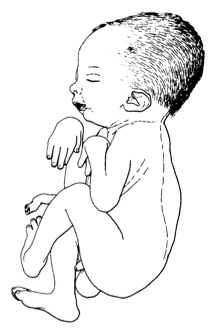
Artrogripose distal
📋 Origem dos dados
Esta página agrega dados de fontes públicas e oficiais. Dados sobre cobertura no SUS (PCDT, CEAF) são verificados ativamente por agente proativo (ver badge no infobox). Demais dados têm atribuição de fonte + data da última sincronização — clique para abrir o original.
- Doença rara (ontologia)
- fonte: Orphanet
- Identificador unificado
- fonte: MONDO
- NIH/GARD
- fonte: GARD (NIH)
- Indexação biomédica
- fonte: MeSH (NLM)
- Dado público estruturado
- fonte: Wikidata