Latosterulose é uma doença genética congênita extremamente rara, que afeta a forma como o corpo produz esteróis. Ela é caracterizada por traços faciais incomuns, problemas de nascença (como nos braços, pernas e rins), dificuldade em ganhar peso e crescer, atraso no desenvolvimento e doenças do fígado.
Introdução
O que você precisa saber de cara
A Latosterolose é uma doença congênita extremamente rara que interfere na capacidade do corpo de sintetizar esteróis. Ela costuma causar traços físicos peculiares, atraso global no desenvolvimento, catarata precoce e alterações graves no fígado. A condição tem herança genética autossômica recessiva decorrente de alterações no gene SC5D. Esta doença não consta na lista oficial de PCDT de doenças raras do Ministério da Saúde e não possui medicamentos dispensados pelo SUS. O apoio à criança é realizado por meio de acompanhamento clínico e reabilitação na rede especializada pública de saúde.
Latosterulose é uma doença genética congênita extremamente rara, que afeta a forma como o corpo produz esteróis. Ela é caracterizada por traços faciais incomuns, problemas de nascença (como nos braços, pernas e rins), dificuldade em ganhar peso e crescer, atraso no desenvolvimento e doenças do fígado.
Escala de raridade
<1/50kMuito rara
1/20kRara
1/10kPouco freq.
1/5kIncomum
1/2k
Encontrou um erro ou informação desatualizada? Sugira uma correção →
Entender a doença
Do básico ao detalhe, leia no seu ritmo
Preparando trilha educativa...
Sinais e sintomas
O que aparece no corpo e com que frequência cada sintoma acontece
Partes do corpo afetadas
+ 28 sintomas em outras categorias
Características mais comuns
Os sintomas variam de pessoa para pessoa. Abaixo estão as 70 características clínicas mais associadas, ordenadas por frequência.
Linha do tempo da pesquisa
Encontrou um erro ou informação desatualizada? Sugira uma correção →
Genética e causas
O que está alterado no DNA e como passa nas famílias
Genes associados
1 gene identificado com associação a esta condição. Padrão de herança: Autosomal recessive.
Curadoria gene-doença
fontes oficiaisLathosterolosis
An autosomal recessive disorder characterized by multiple congenital anomalies affecting axial and appendicular skeleton, liver, central nervous and urogenital systems, and lysosomal storage.
Variantes genéticas (ClinVar)
52 variantes patogênicas registradas no ClinVar.
Classificação de variantes (ClinVar)
Distribuição de 131 variantes classificadas pelo ClinVar.
Vias biológicas (Reactome)
3 vias biológicas associadas aos genes desta condição.
Diagnóstico
Os sinais que médicos procuram e os exames que confirmam
Tratamento e manejo
Remédios, cuidados de apoio e o que precisa acompanhar
Onde tratar no SUS
Hospitais de referência no Brasil e o protocolo oficial do SUS (PCDT)
🇧🇷 Atendimento SUS — Latosterolose
Selecione um estado ou use sua localização para ver resultados.
Dados de DATASUS/CNES, SBGM, ABNeuro e Ministério da Saúde. Sempre confirme a disponibilidade diretamente com o estabelecimento.
Pesquisa ativa
Ensaios clínicos abertos e novidades científicas recentes
Ensaios em destaque
Com ensaio aberto em 1 país. O ponto verde marca onde há vaga agora.
🟢 Recrutando agora
1 pesquisa recrutando participantes. Converse com seu médico sobre a possibilidade de participar.
Outros ensaios clínicos
2 ensaios clínicos encontrados, 1 ativos.
Publicações mais relevantes
A sterol panel for rare lipid disorders: sitosterolemia, cerebrotendinous xanthomatosis and Smith-Lemli-Opitz syndrome.
Disease-specific sterols accumulate in the blood of patients with several rare lipid disorders. Biochemical measurement of these sterols is important for correct diagnosis and sometimes monitoring of treatment. Existing methods to measure sterols in blood, particularly plant sterols, are often laborious and time consuming. Partly as a result, clinical access to sterol measurements is limited in many parts of the world. A simple and rapid method to extract free sterols from human serum and quantitate their concentration using isotope-dilution liquid chromatography-tandem mass spectrometry (LC-MS/MS) without derivatization was developed. The method was designed to be compatible with routine workflows (e.g., 96-well format) in a clinical lab and extensively validated. Serum from at least 125 controls were analyzed and used to estimate the upper reference limits for sitosterol, campesterol, stigmasterol, desmosterol, 7-dehydrocholesterol (7DHC), lathosterol, and cholestanol. Serum from patients with the rare lipid disorders sitosterolemia (n = 7), Smith-Lemli-Opitz syndrome (SLOS; n = 1), and cerebrotendinous xanthomatosis (CTX; n = 1) were analyzed. All seven sitosterolemia patients had greatly elevated levels of free plant sterols (sitosterol, campesterol, and stigmasterol) compared to the controls. The SLOS serum contained massively increased concentrations of 7DHC. CTX serum contained greatly increased concentrations of cholestanol, as well as 7DHC and lathosterol. Spiking experiments indicated that the method is likely also useful for the diagnosis of desmosterolosis and lathosterolosis. The reported method is a relatively simple and fast LC-MS/MS method capable of quantitating diagnostically important sterols and differentiated patients with three rare lipid disorders from controls. Lathosterolosis is characterized by global developmental delays, intellectual disability, microcephaly, characteristic facial features (bitemporal narrowing, sloping forehead, epicanthal folds, ptosis, downslanting palpebral fissures, anteverted nares, broad nasal tip, long philtrum, high-arched palate, and micrognathia), cataracts, digit anomalies (postaxial polydactyly, toe syndactyly), and liver disease. The severity of liver disease can range from asymptomatic elevation of liver enzymes to cirrhosis and liver failure. The diagnosis of lathosterolosis is established in a proband by identification of elevated lathosterol on plasma sterol analysis and/or biallelic pathogenic variants in SC5D by molecular genetic testing. Treatment of manifestations: Potential targeted therapies include simvastatin (the safety and/or efficacy of simvastatin has not been proven in lathosterolosis) and liver transplantation. Supportive care includes developmental and educational support; treatment of cataracts per ophthalmologist; treatment of digit anomalies per orthopedist; management of liver disease per hepatologist; treatment of genitourinary anomalies per nephrologist and/or urologist; social work support and care coordination as needed. Surveillance: Assess developmental milestones at each visit throughout childhood; neuropsychological testing and quality of life assessments as needed; annual ophthalmology evaluation; liver enzymes at each visit; liver imaging including ultrasound and FibroScan® every six months or per hepatologist; plasma sterol profile before initiating simvastatin and every one to two months while on therapy. Agents/circumstances to avoid: Medications and chemicals that are hepatotoxic. Evaluation of relatives at risk: It is appropriate to clarify the status of at-risk relatives of an affected individual to identify as early as possible those who would benefit from initiation of potential treatment, surveillance, and awareness of agents and circumstances to avoid. Lathosterolosis is inherited in an autosomal recessive manner. If both parents are known to be heterozygous for an SC5D pathogenic variant, each sib of an affected individual has at conception a 25% chance of being affected, a 50% chance of being an asymptomatic carrier, and a 25% chance of being unaffected and not a carrier. Once the SC5D pathogenic variants have been identified in an affected family member, molecular genetic carrier testing for relatives at risk, prenatal testing, and preimplantation genetic testing are possible.
Lathosterolosis - A Rare Treatable Cause for Global Developmental Delay, Cataract, and Liver Dysfunction Masquerading as Galactosemia.
Lathosterolosis: a rare cholesterol metabolism disorder with a wide range of clinical variability.
Lathosterolosis is a rare autosomal recessive congenital disease that occurs due to homozygous or compound heterozygous mutations in the sterol C5-desaturase (SC5D) gene. We report a male patient with biallelic missense variant detected in the SC5D gene. An eight-month-old male patient was referred to the department of paediatric neurology for status epilepticus. He had no remarkable dysmorphic features except micrognathia, ptotic ear and thin-stranded hair. Laboratory tests revealed an alanine aminotransferase level of 502 IU/L and an aspartate aminotransferase level of 279 IU/L; other biochemical test results were normal. The brain MRI revealed atrophic changes in both hemispheres. A decrease in the volume of brain stem and thin corpus callosum were noticeable. Whole exome sequencing was performed because of consanguineous marriage and sibling death in his medical history, and the encountered features were consistent with suspected neurometabolic disease in the cranial imaging and the presence of borderline psychomotor retardation. A biallelic missense variant, c.656T>C p.(Leu219Ser), was identified in the SC5D gene. Lathosterolosis is a rare cholesterol metabolism disorder and can be presented with a wide range of clinical features by newly reported cases. Lathosterolosis should be considered in cases with cataracts, delayed neuromotor developmental milestones and high levels of liver enzymes.
Successful treatment of lathosterolosis: A rare defect in cholesterol biosynthesis-A case report and review of literature.
Lathosterolosis is a rare autosomal recessive disorder of cholesterol biosynthesis. It is caused by defects in the SC5D (sterol C5-desaturase) gene which encodes for the 3-beta-hydroxysteroid-delta-5-desaturase (also called sterol-C5-desaturase or lathosterol dehydrogenase). Only six cases have been described in the literature, but it is possible that a number of patients with milder forms of the condition might have been missed. Lathosterolosis manifests as microcephaly, bilateral cataracts, dysmorphism, limb anomalies, and developmental delay/intellectual disability. Liver involvement is variable and can range from normal liver function tests to portal fibrosis and cirrhosis. Diagnosis is made by demonstration of specific mutations in the SC5D gene and by plasma sterol analysis to confirm elevated lathosterol levels. In this report, we describe a girl with transaminitis in association with developmental delay/intellectual disability, facial dysmorphism, limb anomalies, and bilateral cataracts. Fibroscan showed severe liver fibrosis. Plasma sterol analysis and exome sequencing confirmed the diagnosis of lathosterolosis. Simvastatin treatment resulted in lowering of plasma lathosterol levels, improvement in transaminitis, and liver fibrosis grade, suggesting that children with this condition should be actively treated in order to prevent progression of liver disease.
Lathosterolosis: An Extremely Rare Inherited Condition Associated With Progressive Liver Disease.
Publicações recentes
A sterol panel for rare lipid disorders: sitosterolemia, cerebrotendinous xanthomatosis and Smith-Lemli-Opitz syndrome.
Lathosterolosis - A Rare Treatable Cause for Global Developmental Delay, Cataract, and Liver Dysfunction Masquerading as Galactosemia.
Lathosterolosis: a rare cholesterol metabolism disorder with a wide range of clinical variability.
Successful treatment of lathosterolosis: A rare defect in cholesterol biosynthesis-A case report and review of literature.
📚 EuropePMC12 artigos no totalmostrando 8
A sterol panel for rare lipid disorders: sitosterolemia, cerebrotendinous xanthomatosis and Smith-Lemli-Opitz syndrome.
Journal of lipid researchLathosterolosis - A Rare Treatable Cause for Global Developmental Delay, Cataract, and Liver Dysfunction Masquerading as Galactosemia.
Indian journal of pediatricsLathosterolosis: a rare cholesterol metabolism disorder with a wide range of clinical variability.
Journal of pediatric endocrinology & metabolism : JPEMSuccessful treatment of lathosterolosis: A rare defect in cholesterol biosynthesis-A case report and review of literature.
JIMD reportsAge-related changes of cholestanol and lathosterol plasma concentrations: an explorative study.
Lipids in health and diseaseLathosterolosis: An Extremely Rare Inherited Condition Associated With Progressive Liver Disease.
Journal of pediatric gastroenterology and nutritionLathosterolosis: A Relatively Mild Case with Cataracts and Learning Difficulties.
JIMD reportsRadiographic features of the skeleton in disorders of post-squalene cholesterol biosynthesis.
Pediatric radiologyAssociações
Organizações que acompanham esta doença — pra ter apoio e orientação
Ainda não temos associações cadastradas para Latosterolose.
É de uma associação que acompanha esta doença? Fale com a gente →
Doença com base genética
Um médico geneticista pode ajudar no diagnóstico de Latosterolose e no aconselhamento genético da família.
Doenças relacionadas
Doenças com sintomas parecidos — ajudam quem ainda está buscando diagnóstico
Perguntas frequentes
O que as famílias mais perguntam sobre esta doença — cada resposta com a fonte de onde saiu
A Latosterolose é uma condição genética congênita muito rara que altera a produção natural de esteróis pelo corpo humano. Manifesta-se desde o nascimento, provocando alterações no fígado, atraso no desenvolvimento, traços faciais incomuns e malformações em braços, pernas e coluna.
Referências
Fontes citadas no texto, publicações do grafo e bases de dados usadas neste verbete
6 publicações do grafo RarasNet (PubMed) · 7 bases de dados. Títulos, periódicos e PMIDs vêm direto da fonte, sem intermediação de IA.
Dados compilados pelo RarasNet a partir de fontes abertas (Orphanet, OMIM, MONDO, PubMed/EuropePMC, ClinicalTrials.gov, DATASUS, PCDT/MS). Este conteúdo é informativo e não substitui avaliação médica.
Citar este verbete
Raras. (s.d.). Latosterolose. Em Raras — Enciclopédia de Doenças Raras do Brasil. https://raras.org/doenca/latosterolose
Formato APA. Conteúdo sob CC BY 4.0 — reuso livre com atribuição.
Conteúdo mantido por Agente Raras · Médicos e pesquisadores podem colaborar
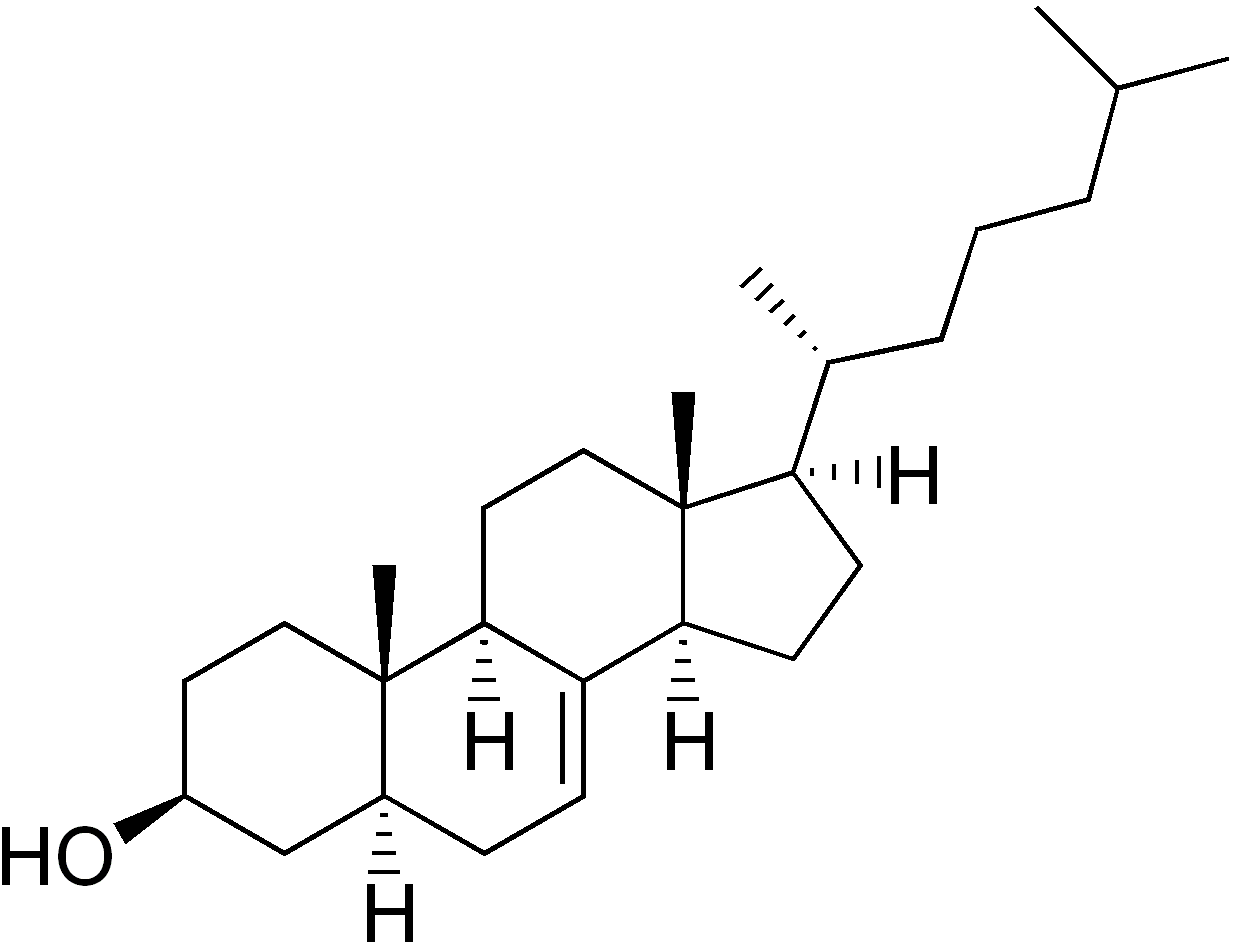
Latosterolose
📋 Origem dos dados
Esta página agrega dados de fontes públicas e oficiais. Dados sobre cobertura no SUS (PCDT, CEAF) são verificados ativamente por agente proativo (ver badge no infobox). Demais dados têm atribuição de fonte + data da última sincronização — clique para abrir o original.
- Doença rara (ontologia)
- fonte: Orphanet
- Identificador unificado
- fonte: MONDO
- Genética mendeliana
- fonte: OMIM
- Codificação WHO/SUS
- fonte: WHO ICD-10 / DATASUS
- CID-11 (futuro)
- fonte: WHO ICD-11
- NIH/GARD
- fonte: GARD (NIH)
- Indexação biomédica
- fonte: MeSH (NLM)
- Dado público estruturado
- fonte: Wikidata
- Ensaios clínicos
- fonte: ClinicalTrials.gov

