
Uma doença óssea rara causada por uma alteração no gene COL10A1 e é caracterizada por altura moderadamente baixa com braços e pernas curtos, uma deformidade no quadril, pernas arqueadas e um jeito de andar diferente.
Introdução
O que você precisa saber de cara
Uma doença óssea rara causada por uma alteração no gene COL10A1 e é caracterizada por altura moderadamente baixa com braços e pernas curtos, uma deformidade no quadril, pernas arqueadas e um jeito de andar diferente.
Escala de raridade
<1/50kMuito rara
1/20kRara
1/10kPouco freq.
1/5kIncomum
1/2k
Encontrou um erro ou informação desatualizada? Sugira uma correção →
Entender a doença
Do básico ao detalhe, leia no seu ritmo
Preparando trilha educativa...
Sinais e sintomas
O que aparece no corpo e com que frequência cada sintoma acontece
Partes do corpo afetadas
+ 23 sintomas em outras categorias
Características mais comuns
Os sintomas variam de pessoa para pessoa. Abaixo estão as 51 características clínicas mais associadas, ordenadas por frequência.
Linha do tempo da pesquisa
Encontrou um erro ou informação desatualizada? Sugira uma correção →
Genética e causas
O que está alterado no DNA e como passa nas famílias
Genes associados
1 gene identificado com associação a esta condição. Padrão de herança: Autosomal dominant.
Curadoria gene-doença
fontes oficiaisType X collagen is a product of hypertrophic chondrocytes and has been localized to presumptive mineralization zones of hyaline cartilage
Secreted, extracellular space, extracellular matrix
Schmid type metaphyseal chondrodysplasia
Dominantly inherited disorder of the osseous skeleton. The cardinal features of the phenotype are mild short stature, coxa vara and a waddling gait. Radiography usually shows sclerosis of the ribs, flaring of the metaphyses, and a wide irregular growth plate, especially of the knees. A variant form of SMCD is spondylometaphyseal dysplasia Japanese type. It is characterized by spinal involvement comprising mild platyspondyly, vertebral body abnormalities, and end-plate irregularity.
Variantes genéticas (ClinVar)
137 variantes patogênicas registradas no ClinVar.
Classificação de variantes (ClinVar)
Distribuição de 140 variantes classificadas pelo ClinVar.
Vias biológicas (Reactome)
6 vias biológicas associadas aos genes desta condição.
Diagnóstico
Os sinais que médicos procuram e os exames que confirmam
Tratamento e manejo
Remédios, cuidados de apoio e o que precisa acompanhar
Onde tratar no SUS
Hospitais de referência no Brasil e o protocolo oficial do SUS (PCDT)
🇧🇷 Atendimento SUS — Condrodisplasia metafisária, tipo Schmid
Selecione um estado ou use sua localização para ver resultados.
Dados de DATASUS/CNES, SBGM, ABNeuro e Ministério da Saúde. Sempre confirme a disponibilidade diretamente com o estabelecimento.
Pesquisa ativa
Ensaios clínicos abertos e novidades científicas recentes
Pesquisa e ensaios clínicos
Nenhum ensaio clínico registrado para esta condição.
Publicações mais relevantes
The p.W651fsX666 mutation on COL10A1 results in impaired trimerization of normal collagen X to induce Schmid type Metaphyseal chondrodysplasia.
Haploinsufficiency resulting from the degradation of mutant Collagen Type X Alpha 1 Chain (COL10A1) mRNA by nonsense-mediated decay (NMD) has been attributed to the pathogenesis of Schmid-type metaphyseal chondrodysplasia (SMCD) in cases involving nonsense mutations. However, this mechanism does not fully explain the complexity of SMCD. In this study, we identified a c.1951_1952 InsT (p.W651 fsX666) mutation in exon 3 of COL10A1 that is associated with chondrodysplasia phenotypes in a two-generation family with SMCD. The mRNA decay of the mutant COL10A1 (named as affected E666X-COL10A1) is caused by the p.W651fsX666 mutation, which also disrupts the trimerization of normal collagen X. However, the mutant mRNA decay of affected exogenous E666X-COL10A1, as well as the complete degradation of E666X-COL10A1 mRNA in the proband, is not significantly induced by the W651fsX666 mutation. In vitro trimerization analyses results indicate that the trimerization of normal collagen X and wild-type collagen X are disrupted by W651fsX666 and E666X-collagen X mutations, respectively, suggesting that the mutant allele collagen X may impose a dominant-negative effect on the normal collagen X. Our results are the first to reveal that the impaired trimerization of normal collagen X is caused by the W651fsX666 mutation and a dominant-negative effect on the normal allele collagen X exerted by the mutant allele collagen X, causing impaired trimerization of collagen X, which will interpret the phenotype variability among the affected individuals in the pedigree with metaphyseal chondrodysplasia type Schmid (MCDS) studied.
Clinical, Molecular Characteristics, and Genotype-Phenotype Relationships of Metaphyseal Chondrodysplasia Type Schmid.
Metaphyseal chondrodysplasia type Schmid (MCDS), a rare skeletal disorder caused by COL10A1 mutations, exhibits significant phenotypic heterogeneity, yet genotype-phenotype correlations remain poorly defined. We aim to determine the clinical and radiographic manifestation, mutational features, and genotype-phenotype relationships by characterization of 4 patients with MCDS and literature review. The four patients presented with short stature or waddling gait, flattened vertebrae, and irregular femoral epiphyses. We identified two novel COL10A1 variants (c.1925 T > A, c.1903C > G) and reported the first case harboring both a de novo nonsense (c.2001 T > G, p.Tyr667Ter) in the non-collagenous 1 (NC1) domain and a missense (c.1438A > T, p.Ile480Leu) in the helix domain. Genotype-phenotype analysis of 124 cases previously reported and 4 new cases revealed that NC1 domain mutations were associated with an earlier onset of MCDS than non-NC1 mutations (median 12 vs. 72 months, P = 0.0014). Patients carrying a missense mutation in COL10A1 showed significantly lower height Z-scores (- 3.62 ± 1.95 vs. - 1.99 ± 1.28, P = 0.013) at first and more metaphyseal irregularities in the distal radius/ulna than those with truncating mutations (P = 0.019). Structural modeling indicated that NC1 mutations may disrupt collagen X structure via electrostatic alterations or steric clashes. These findings expand the mutational spectrum of MCDS and establish that COL10A1 genotype correlates with severity of MCDS, which will help to identify patients with severe phenotypes through molecular testing and to develop effective treatment strategies for MCDS.
[Metaphyseal Chondrodysplasia Type Schmid: Case Report].
Osteochondrodysplasias are a heterogeneous group of abnormalities in bone and cartilage development. Metaphyseal chondroplasia Schmid type is the most frequent within its subgroup, however it has a low incidence when compared to skeletal disorders that appear in childhood, which limits its diagnostic suspicion due to the limited knowledge about this pathology. It is caused by a variant of the COL10A1 gene, which alters endochondral ossification. It is characterized by short limbs with genu varum or valgus, in addition to increasingly shorter stature with age. This case is related to a female patient of 4 years old, who presented adequate anthropometric development until the age of one year old and exhibits currently pathological proportionate short stature with an evident varum deformity. Sequence and deletion/duplication analysis was performed by a skeletal disorders panel, n which a variant in the COL 10A1 gene is reported, which together with the phenotypic and radiological findings, confirms the diagnosis. The confusion arises from the fact of considering that all bowlegs are due to rickets or the categorization of these children as idiopathic genu varum. It is important to know the osteochondrodysplasias to be able to make an adequate diagnostic suspicion in a patient with these characteristics, which are not explained under another pathology. The importance of an early diagnosis lies in the implementation of a multidisciplinary treatment, to avoid limitations in mobility and chronic pain in the patient. In addition to the family genetic screening due to its genetic dominance, facilitating genetic counseling if the biological couple is in reproductive age.
COL10A1-related metaphyseal dysplasia Schmid caused by the p.L644F variant in the COL10A1 gene.
CT Scan Data Analysis in Malformations of Cortical Development.
Malformations of cortical development (MCDs) are a diverse group of disorders that result from abnormal neuronal migration, proliferation, and differentiation during brain development. Head computed tomography (CT) has limited use in the diagnosis of MCDs and should be reserved for selected cases with specific indications or when magnetic resonance imaging is not available or contraindicated. CT can detect brain calcifications associated with MCDs, thus helping in the differential diagnosis between acquired and genetic MCDs or in the identification of different genetic patterns. Moreover, CT can provide high-resolution images of the skull and bones, thus identifying associated malformations, such as craniosynostosis, inner and middle ear malformations, and vertebral anomalies. In this chapter, we review the CT scan technique, data analysis, and indications in the investigation of MCDs.
Publicações recentes
COL10A1-related metaphyseal dysplasia Schmid caused by the p.L644F variant in the COL10A1 gene.
A Novel Presentation of Metaphyseal Chondrodysplasia, Schmid Type with Factor VII Deficiency.
The evolving therapeutic landscape of genetic skeletal disorders.
Mesencephalic astrocyte-derived neurotropic factor is an important factor in chondrocyte ER homeostasis.
Autosomal recessive chondrodysplasia with severe short stature caused by a biallelic COL10A1 variant.
📚 EuropePMC5 artigos no totalmostrando 21
Clinical, Molecular Characteristics, and Genotype-Phenotype Relationships of Metaphyseal Chondrodysplasia Type Schmid.
Calcified tissue internationalCOL10A1-related metaphyseal dysplasia Schmid caused by the p.L644F variant in the COL10A1 gene.
Clinical pediatric endocrinology : case reports and clinical investigations : official journal of the Japanese Society for Pediatric Endocrinology[Metaphyseal Chondrodysplasia Type Schmid: Case Report].
Revista medica de ChileThe p.W651fsX666 mutation on COL10A1 results in impaired trimerization of normal collagen X to induce Schmid type Metaphyseal chondrodysplasia.
Human molecular geneticsCT Scan Data Analysis in Malformations of Cortical Development.
Methods in molecular biology (Clifton, N.J.)Carbon Dots as Potential Therapeutic Agents for Treating Non-Alcoholic Fatty Liver Disease and Associated Inflammatory Bone Loss.
Bioconjugate chemistry[Clinical and molecular genetic analysis of a child with Schmid type metaphyseal chondrodysplasia].
Zhonghua yi xue yi chuan xue za zhi = Zhonghua yixue yichuanxue zazhi = Chinese journal of medical geneticsNatural history and genetic spectrum of the Turkish metaphyseal dysplasia cohort, including rare types caused by biallelic COL10A1, COL2A1, and LBR variants.
BoneCharacterization of a novel COL10A1 variant associated with Schmid-type metaphyseal chondrodysplasia and a literature review.
Molecular genetics & genomic medicineA Novel Presentation of Metaphyseal Chondrodysplasia, Schmid Type with Factor VII Deficiency.
CureusThe evolving therapeutic landscape of genetic skeletal disorders.
Orphanet journal of rare diseasesIdentification of two novel COL10A1 heterozygous mutations in two Chinese pedigrees with Schmid-type metaphyseal chondrodysplasia.
BMC medical geneticsXBP1 signalling is essential for alleviating mutant protein aggregation in ER-stress related skeletal disease.
PLoS geneticsGene cloning to clinical trials-the trials and tribulations of a life with collagen.
International journal of experimental pathologyMesencephalic astrocyte-derived neurotropic factor is an important factor in chondrocyte ER homeostasis.
Cell stress & chaperonesSchmid Type Metaphyseal Chondrodysplasia with a Novel COL10A1 Mutation.
Indian journal of pediatricsCarbamazepine reduces disease severity in a mouse model of metaphyseal chondrodysplasia type Schmid caused by a premature stop codon (Y632X) in the Col10a1 gene.
Human molecular geneticsParadoxical roles of ATF6α and ATF6β in modulating disease severity caused by mutations in collagen X.
Matrix biology : journal of the International Society for Matrix BiologyAutosomal recessive chondrodysplasia with severe short stature caused by a biallelic COL10A1 variant.
Journal of medical geneticsIdentification of key genes associated with Schmid-type metaphyseal chondrodysplasia based on microarray data.
International journal of molecular medicineA novel COL10A1 mutation in a Chinese pedigree with Schmid type metaphyseal chondrodysplasia.
Clinical laboratoryAssociações
Organizações que acompanham esta doença — pra ter apoio e orientação
Ainda não temos associações cadastradas para Condrodisplasia metafisária, tipo Schmid.
É de uma associação que acompanha esta doença? Fale com a gente →
Comunidades
Grupos ativos de quem convive com esta doença aqui no Raras
Ainda não existe comunidade no Raras para Condrodisplasia metafisária, tipo Schmid
Pacientes, familiares e cuidadores se organizam em comunidades pra compartilhar experiências, fazer perguntas e se apoiar. Você pode ser o primeiro.
Tire suas dúvidas
Perguntas, dicas e experiências compartilhadas aqui na página
Participe da discussão
Faça login para postar dúvidas, compartilhar experiências e interagir com especialistas.
Fazer loginDoenças relacionadas
Doenças com sintomas parecidos — ajudam quem ainda está buscando diagnóstico
Referências e fontes
Bases de dados externas citadas neste artigo
Publicações científicas
Artigos indexados no PubMed ligados a esta doença no grafo RarasNet — título, periódico e PMID direto da fonte, sem intermediação de IA.
- The p.W651fsX666 mutation on COL10A1 results in impaired trimerization of normal collagen X to induce Schmid type Metaphyseal chondrodysplasia.
- Clinical, Molecular Characteristics, and Genotype-Phenotype Relationships of Metaphyseal Chondrodysplasia Type Schmid.
- [Metaphyseal Chondrodysplasia Type Schmid: Case Report].
- COL10A1-related metaphyseal dysplasia Schmid caused by the p.L644F variant in the COL10A1 gene.Clinical pediatric endocrinology : case reports and clinical investigations : official journal of the Japanese Society for Pediatric Endocrinology· 2025· PMID 41049517mais citado
- CT Scan Data Analysis in Malformations of Cortical Development.
- A Novel Presentation of Metaphyseal Chondrodysplasia, Schmid Type with Factor VII Deficiency.
- The evolving therapeutic landscape of genetic skeletal disorders.
- Mesencephalic astrocyte-derived neurotropic factor is an important factor in chondrocyte ER homeostasis.
- Autosomal recessive chondrodysplasia with severe short stature caused by a biallelic COL10A1 variant.
Bases de dados e fontes oficiais
Identificadores e referências canônicas usadas para montar este verbete.
- ORPHA:174(Orphanet)
- OMIM OMIM:156500(OMIM)
- MONDO:0007983(MONDO)
- GARD:7029(GARD (NIH))
- Variantes catalogadas(ClinVar)
- Busca completa no PubMed(PubMed)
- Q2964434(Wikidata)
Dados compilados pelo RarasNet a partir de fontes abertas (Orphanet, OMIM, MONDO, PubMed/EuropePMC, ClinicalTrials.gov, DATASUS, PCDT/MS). Este conteúdo é informativo e não substitui avaliação médica.
Conteúdo mantido por Agente Raras · Médicos e pesquisadores podem colaborar
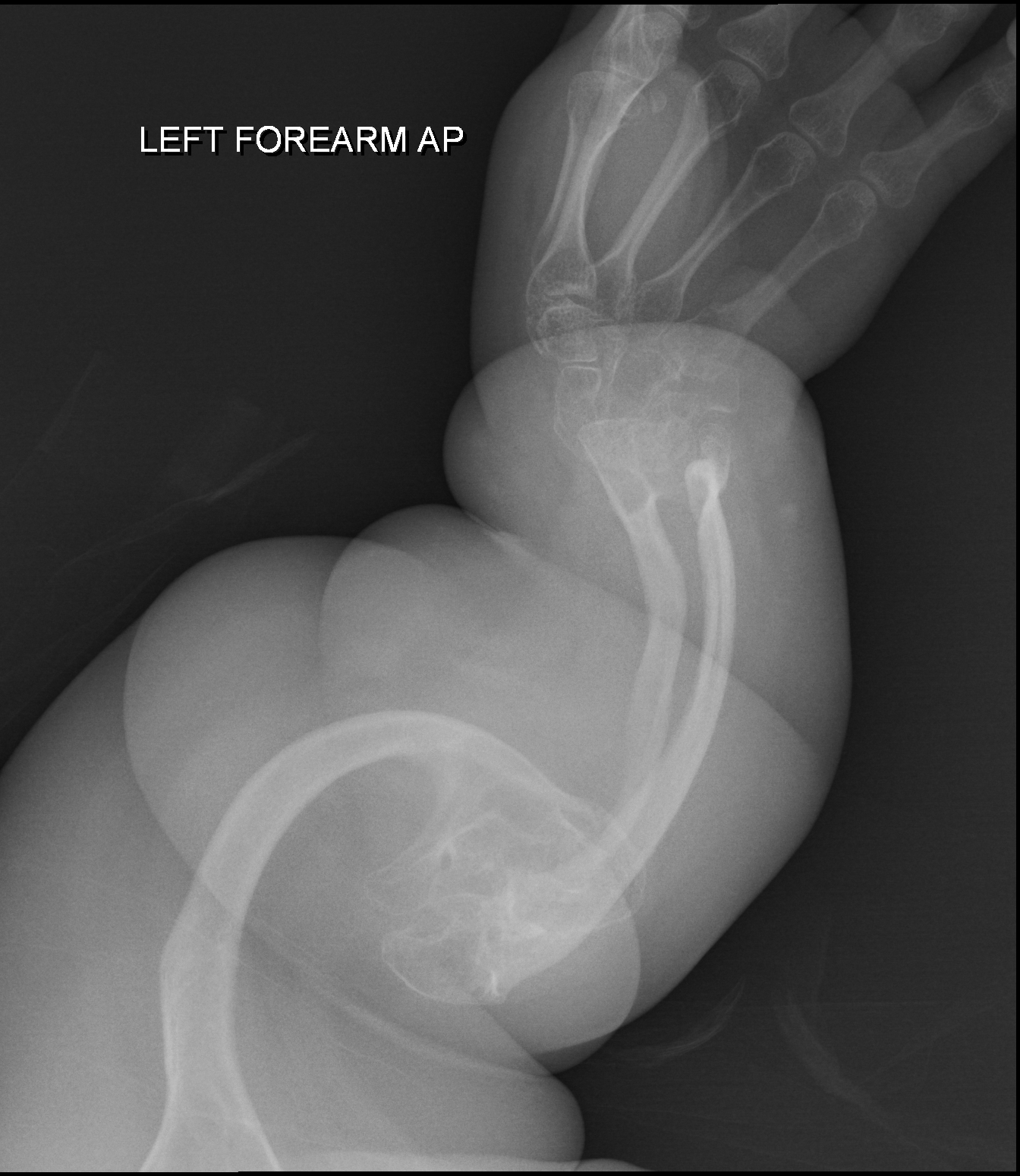
Condrodisplasia metafisária, tipo Schmid
📋 Origem dos dados
Esta página agrega dados de fontes públicas e oficiais. Dados sobre cobertura no SUS (PCDT, CEAF) são verificados ativamente por agente proativo (ver badge no infobox). Demais dados têm atribuição de fonte + data da última sincronização — clique para abrir o original.
- Doença rara (ontologia)
- fonte: Orphanet
- Identificador unificado
- fonte: MONDO
- Genética mendeliana
- fonte: OMIM
- Codificação WHO/SUS
- fonte: WHO ICD-10 / DATASUS
- CID-11 (futuro)
- fonte: WHO ICD-11
- NIH/GARD
- fonte: GARD (NIH)
- Indexação biomédica
- fonte: MeSH (NLM)
- Dado público estruturado
- fonte: Wikidata