
Mucolipidose II (MLII) é uma doença lisossômica que progride lentamente, caracterizada por atraso no crescimento, alterações nos ossos, feições diferentes no rosto, pele endurecida, atraso no desenvolvimento e coração aumentado.
Introdução
O que você precisa saber de cara
Mucolipidose II (MLII) é uma doença lisossômica que progride lentamente, caracterizada por atraso no crescimento, alterações nos ossos, feições diferentes no rosto, pele endurecida, atraso no desenvolvimento e coração aumentado.
Escala de raridade
<1/50kMuito rara
1/20kRara
1/10kPouco freq.
1/5kIncomum
1/2k
Encontrou um erro ou informação desatualizada? Sugira uma correção →
Entender a doença
Do básico ao detalhe, leia no seu ritmo
Preparando trilha educativa...
Sinais e sintomas
O que aparece no corpo e com que frequência cada sintoma acontece
Partes do corpo afetadas
+ 54 sintomas em outras categorias
Características mais comuns
Os sintomas variam de pessoa para pessoa. Abaixo estão as 143 características clínicas mais associadas, ordenadas por frequência.
Linha do tempo da pesquisa
Encontrou um erro ou informação desatualizada? Sugira uma correção →
Genética e causas
O que está alterado no DNA e como passa nas famílias
Genes associados
1 gene identificado com associação a esta condição. Padrão de herança: Autosomal recessive.
Curadoria gene-doença
fontes oficiaisCatalyzes the formation of mannose 6-phosphate (M6P) markers on high mannose type oligosaccharides in the Golgi apparatus. M6P residues are required to bind to the M6P receptors (MPR), which mediate the vesicular transport of lysosomal enzymes to the endosomal/prelysosomal compartment
Golgi apparatus membrane
Mucolipidosis type II
Fatal, autosomal recessive, lysosomal storage disorder characterized by severe clinical and radiologic features, peculiar fibroblast inclusions, and no excessive mucopolysacchariduria. Congenital dislocation of the hip, thoracic deformities, hernia, and hyperplastic gums are evident soon after birth.
Variantes genéticas (ClinVar)
523 variantes patogênicas registradas no ClinVar.
Classificação de variantes (ClinVar)
Distribuição de 1.564 variantes classificadas pelo ClinVar.
Diagnóstico
Os sinais que médicos procuram e os exames que confirmam
Tratamento e manejo
Remédios, cuidados de apoio e o que precisa acompanhar
Onde tratar no SUS
Hospitais de referência no Brasil e o protocolo oficial do SUS (PCDT)
🇧🇷 Atendimento SUS — Mucolipidose tipo II
Selecione um estado ou use sua localização para ver resultados.
Dados de DATASUS/CNES, SBGM, ABNeuro e Ministério da Saúde. Sempre confirme a disponibilidade diretamente com o estabelecimento.
Pesquisa ativa
Ensaios clínicos abertos e novidades científicas recentes
Ensaios em destaque
Pesquisa e ensaios clínicos
6 ensaios clínicos encontrados.
Publicações mais relevantes
Pneumothorax as a life-threatening long-term complication with mucolipidosis type II.
A rare encounter mucolipidosis type II alpha/beta: A case report.
Mucolipidosis type II alpha/beta (ML II) (OMIM # 252500), alternatively referred to as Inclusion Cell (I-cell) Disease, is a relatively rare lysosomal storage disorder that is autosomal recessive in inheritance due to the mutation of the GNPTAB (N-acetylglucosamine-1-phosphate transferase sub-units alpha and beta) gene present on chromosome 12q23.3. Currently, there is no cure for this disorder; treatment is both symptomatic and palliative. This report describes the case of a five-year-old patient with ML II with pathogenic variant (t c.3335+1G>A) who presented with aspiration pneumonia and renal insufficiency. The child was born to a consanguineous couple and had a sibling with a similar clinical presentation who passed away at age four due to cardiovascular complications. The patient was treated with continuous positive airway pressure (CPAP) and IV Tazobactam, Piperacillin, and Vancomycin. On follow-up, she was started on Spironolactone 20mg and Captopril 12.5mg daily for mitral regurgitation.
The intracellular localization and the ionic permeation of TRPV6 triggers chronic pancreatitis, skeletal dysplasia and is connected to mucolipidosis type II.
Heterozygous TRPV6 mutations, which reduce significantly the Ca2+-permeability of the channel, lead to chronic pancreatitis and, if both TRPV6-alleles are affected, to skeletal dysplasia with neonatal transient hyperparathyroidism (TNHP) of newborns. We show that TRPV6 channels are localized in intracellular vesicles in pancreatic acinar cells, in the syncytiotrophoblast layer of the placenta and, after overexpression, in HEK293 cells. We identify three motifs within the TRPV6 sequence a N-glycosylation site, an ER- and a sorting-motif which in concerted action leads to an intracellular localisation. The transport to vesicles depends on the N-glycosylation site of TRPV6. We found that the channel interacts with the cation independent mannose-6-phosphate receptor (CI-M6PR/IGF2R) indicating that TRPV6 is a target of the GNPTAB enzyme which targets proteins for endosomes/lysosomes by generating a mannose-6-phosphate residue at the N-glycosyl site chain of TRPV6. Defects in the GNTPAB enzyme cause mucolipidosis type II and patients show at the time of birth overlapping defects with patients with TRPV6 mutations. We show that a TRPV6 mutation, I223T, frequently found in patients with pancreatitis/skeletal dysplasia sticks to the ER but shows not reduced channel activity. The I223T mutation causes the diseases because the TRPV6 channel is not transferred to intracellular vesicles. The online version contains supplementary material available at 10.1186/s12964-025-02613-1.
Establishment of a Human iPSC Line from Mucolipidosis Type II That Expresses the Key Markers of the Disease.
Mucolipidosis type II (ML II) is a rare and fatal disease of acid hydrolase trafficking. It is caused by pathogenic variants in the GNPTAB gene, leading to the absence of GlcNAc-1-phosphotransferase activity, an enzyme that catalyzes the first step in the formation of the mannose 6-phosphate (M6P) tag, essential for the trafficking of most lysosomal hydrolases. Without M6P, these do not reach the lysosome, which accumulates undegraded substrates. The lack of samples and adequate disease models limits the investigation into the pathophysiological mechanisms of the disease and potential therapies. Here, we report the generation and characterization of an ML II induced pluripotent stem cell (iPSC) line carrying the most frequent ML II pathogenic variant [NM_024312.5(GNPTAB):c.3503_3504del (p.Leu1168fs)]. Skin fibroblasts were successfully reprogrammed into iPSCs that express pluripotency markers, maintain a normal karyotype, and can differentiate into the three germ layers. Furthermore, ML II iPSCs showed a phenotype comparable to that of the somatic cells that originated them in terms of key ML II hallmarks: lower enzymatic activity of M6P-dependent hydrolases inside the cells but higher in conditioned media, and no differences in an M6P-independent hydrolase and accumulation of free cholesterol. Thus, ML II iPSCs constitute a novel model for ML II disease, with the inherent iPSC potential to become a valuable model for future studies on the pathogenic mechanisms and testing potential therapeutic approaches.
Novel Phenotypical and Biochemical Findings in Mucolipidosis Type II.
Mucolipidosis type II is a very rare lysosomal disease affecting the UDP-GlcNAc N-acetylglucosamine-1-phosphotransferase enzyme, which catalyzes the synthesis of the targeting signal mannose 6-phosphate in lysosomal acid hydrolases. Its deficiency hinders the arrival of lysosomal enzymes to the lysosome, diminishing the multiple degradations of components that cells need to perform. Due to the low prevalence of this condition, available information is scarce. This article aims to deepen the understanding of the disease; clinical, biochemical, and proteomic data are analyzed. Three patients have been identified presenting GNPTAB pathogenic variants using whole exome sequencing. A biochemical profile for these patients has been carried out through quantification of glycosaminoglycans in urine samples and enzymatic analysis in dried blood spot (DBS) samples. Quantitative proteomic studies were performed. Results show how enzymatic assays in DBS can be used to diagnose this disease both during the neonatal period or in patients of more advanced age. Increased levels of acid sphingomyelinase, alpha-iduronidase, iduronidate 2-sulfatase, alpha-N-acetyl glucosaminidase, and beta-glucuronidase are found. Conclusion: this biochemical method could potentially improve early diagnosis. Proteomic data supporting these results reveal disrupted biochemical pathways, including the degradation of dermatan sulfate, heparan sulfate, and cellular cholesterol trafficking.
Publicações recentes
A rare encounter mucolipidosis type II alpha/beta: A case report.
Pneumothorax as a life-threatening long-term complication with mucolipidosis type II.
The intracellular localization and the ionic permeation of TRPV6 triggers chronic pancreatitis, skeletal dysplasia and is connected to mucolipidosis type II.
Mucolipidosis type II and III: clinical spectrum, genetic landscape, and longitudinal outcomes in a pediatric cohort with six novel mutations.
Prevalence of lysosomal storage disease (LSD) in Malaysia.
📚 EuropePMC64 artigos no totalmostrando 55
A rare encounter mucolipidosis type II alpha/beta: A case report.
JPMA. The Journal of the Pakistan Medical AssociationPneumothorax as a life-threatening long-term complication with mucolipidosis type II.
Pediatrics international : official journal of the Japan Pediatric SocietyThe intracellular localization and the ionic permeation of TRPV6 triggers chronic pancreatitis, skeletal dysplasia and is connected to mucolipidosis type II.
Cell communication and signaling : CCSMucolipidosis type II and III: clinical spectrum, genetic landscape, and longitudinal outcomes in a pediatric cohort with six novel mutations.
Journal of pediatric endocrinology & metabolism : JPEMPrevalence of lysosomal storage disease (LSD) in Malaysia.
The Malaysian journal of pathologyEstablishment of a Human iPSC Line from Mucolipidosis Type II That Expresses the Key Markers of the Disease.
International journal of molecular sciencesBiallelic Variant in LYSET Associated With Mucolipidosis II-Like Phenotype.
American journal of medical genetics. Part ANovel Phenotypical and Biochemical Findings in Mucolipidosis Type II.
International journal of molecular sciencesClinical and molecular characteristics of 20 Chinese probands with Mucolipidosis type II and III alpha/beta.
BMC pediatricsUnlocking the Enigma: Investigating I-Cell Disease in a Newborn Through Placental Pathology.
Indian journal of pediatricsEarly diagnostic clues of mucolipidosis type II: Significance of radiological findings.
American journal of medical genetics. Part AOutcomes after HSCT for mucolipidosis II (I-cell disease) caused by novel compound heterozygous GNPTAB mutations.
Frontiers in pediatricsCNS Manifestations in Mucolipidosis Type II-A Retrospective Analysis of Longitudinal Data on Neurocognitive Development and Neuroimaging in Eleven Patients.
Journal of clinical medicineMultiplex tandem mass spectrometry enzymatic activity assay for the screening and diagnosis of Mucolipidosis type II and III.
Molecular genetics and metabolism reportsLYSET/TMEM251- a novel key component of the mannose 6-phosphate pathway.
AutophagyOrofacial abnormalities in mucopolysaccharidosis and mucolipidosis type II and III: A systematic review.
JIMD reportsGCAF(TMEM251) regulates lysosome biogenesis by activating the mannose-6-phosphate pathway.
Nature communications[Lysosomal enzyme analysis of mucolipidosis type II α/β and type III α/β in two Chinese pedigrees].
Zhonghua yi xue yi chuan xue za zhi = Zhonghua yixue yichuanxue zazhi = Chinese journal of medical geneticsSecondary Hyperparathyroidism in Children with Mucolipidosis Type II (I-Cell Disease): Irish Experience.
Journal of clinical medicineLysosomal Storage Disorders: Clinical, Biochemical and molecular profile from Rare disease centre, India.
Annals of Indian Academy of NeurologyClinico-radiological and biochemical clues to early diagnosis of mucolipidosis type II.
Clinical dysmorphologyPathogenic variants in GNPTAB and GNPTG encoding distinct subunits of GlcNAc-1-phosphotransferase differentially impact bone resorption in patients with mucolipidosis type II and III.
Genetics in medicine : official journal of the American College of Medical GeneticsMucolipidosis type II and type III: a systematic review of 843 published cases.
Genetics in medicine : official journal of the American College of Medical GeneticsUDP-GlcNAc-1-Phosphotransferase Is a Clinically Important Regulator of Human and Mouse Hair Pigmentation.
The Journal of investigative dermatologyPlacental pathology in an unsuspected case of mucolipidosis type II with secondary hyperparathyroidism in a premature infant.
Molecular genetics and metabolism reportsTransgenic inhibition of interleukin-6 trans-signaling does not prevent skeletal pathologies in mucolipidosis type II mice.
Scientific reportsIs hematopoietic stem cell transplantation a therapeutic option for mucolipidosis type II?
Molecular genetics and metabolism reportsImbalanced cellular metabolism compromises cartilage homeostasis and joint function in a mouse model of mucolipidosis type III gamma.
Disease models & mechanismsIdentification and characterization of 30 novel pathogenic variations in 69 unrelated Indian patients with Mucolipidosis Type II and Type III.
Journal of human geneticsDistinct Modes of Balancing Glomerular Cell Proteostasis in Mucolipidosis Type II and III Prevent Proteinuria.
Journal of the American Society of Nephrology : JASNTerm Neonate Presenting with the Combined Occurrence of Mucolipidosis Type II and Leigh Syndrome.
Journal of pediatric geneticsDevelopment of an Antisense Oligonucleotide-Mediated Exon Skipping Therapeutic Strategy for Mucolipidosis II: Validation at RNA Level.
Human gene therapyTracheal and lower airway changes in a patient with mucolipidosis type II.
Pediatric pulmonologyHip Morphology in Mucolipidosis Type II.
Journal of clinical medicineMultiplex testing for the screening of lysosomal storage disease in urine: Sulfatides and glycosaminoglycan profiles in 40 cases of sulfatiduria.
Molecular genetics and metabolismCharacterization of mesenchymal stem cells in mucolipidosis type II (I-cell disease).
Turkish journal of biology = Turk biyoloji dergisi[A novel compound heterozygous mutation of GNPTAB gene underlying a case with mucolipidosis type II α/β].
Zhonghua yi xue yi chuan xue za zhi = Zhonghua yixue yichuanxue zazhi = Chinese journal of medical geneticsThe lysosomal storage disorders mucolipidosis type II, type III alpha/beta, and type III gamma: Update on GNPTAB and GNPTG mutations.
Human mutationChallenges in Diagnosing Rare Genetic Causes of Common In Utero Presentations: Report of Two Patients with Mucolipidosis Type II (I-Cell Disease).
Journal of pediatric geneticsMucolipidosis Type II Affecting 1 Fetus and Placental Disk of a Dichorionic-Diamnionic Twin Gestation: A Case Report and Review of the Literature.
International journal of gynecological pathology : official journal of the International Society of Gynecological PathologistsGNPTAB missense mutations cause loss of GlcNAc-1-phosphotransferase activity in mucolipidosis type II through distinct mechanisms.
The international journal of biochemistry & cell biologySite-1 protease and lysosomal homeostasis.
Biochimica et biophysica acta. Molecular cell researchMucolipidosis Type II Secondary to GNPTAB Gene Deletion from India.
Journal of pediatric neurosciencesNeonatal mucolipidosis type II alpha/beta due to compound heterozygosity for a known and novel GNPTAB mutation, and a concomitant heterozygous change in SERPINF1 inherited from the mother.
Clinical case reportsDevelopment of a new tandem mass spectrometry method for urine and amniotic fluid screening of oligosaccharidoses.
Rapid communications in mass spectrometry : RCMKnockout of Lysosomal Enzyme-Targeting Gene Causes Abnormalities in Mouse Pup Isolation Calls.
Frontiers in behavioral neuroscienceI Cell Disease (Mucolipidosis II Alpha/Beta): From Screening to Molecular Diagnosis.
Indian journal of pediatricsEarly characteristic radiographic changes in mucolipidosis II.
Pediatric radiologyA novel splice site mutation in the GNPTAB gene in an Iranian patient with mucolipidosis II α/β.
Journal of pediatric endocrinology & metabolism : JPEMDemographic characteristics and distribution of lysosomal storage disorder subtypes in Eastern China.
Journal of human geneticsMusculoskeletal/Radiological Manifestations of Mucolipidosis II (I-Cell disease) in late Adolescence/Early Adulthood.
Pediatric endocrinology, diabetes, and metabolism[Neonatal mucolipidosis type II].
Archives de pediatrie : organe officiel de la Societe francaise de pediatrieA pilot study of gene testing of genetic bone dysplasia using targeted next-generation sequencing.
Journal of human geneticsSite-1 protease-activated formation of lysosomal targeting motifs is independent of the lipogenic transcription control.
Journal of lipid researchTGN exit of the cation-independent mannose 6-phosphate receptor does not require acid hydrolase binding.
Cellular logisticsAssociações
Organizações que acompanham esta doença — pra ter apoio e orientação
Ainda não temos associações cadastradas para Mucolipidose tipo II.
É de uma associação que acompanha esta doença? Fale com a gente →
Comunidades
Grupos ativos de quem convive com esta doença aqui no Raras
Ainda não existe comunidade no Raras para Mucolipidose tipo II
Pacientes, familiares e cuidadores se organizam em comunidades pra compartilhar experiências, fazer perguntas e se apoiar. Você pode ser o primeiro.
Tire suas dúvidas
Perguntas, dicas e experiências compartilhadas aqui na página
Participe da discussão
Faça login para postar dúvidas, compartilhar experiências e interagir com especialistas.
Fazer loginDoenças relacionadas
Doenças com sintomas parecidos — ajudam quem ainda está buscando diagnóstico
Referências e fontes
Bases de dados externas citadas neste artigo
Publicações científicas
Artigos indexados no PubMed ligados a esta doença no grafo RarasNet — título, periódico e PMID direto da fonte, sem intermediação de IA.
- Pneumothorax as a life-threatening long-term complication with mucolipidosis type II.Pediatrics international : official journal of the Japan Pediatric Society· 2026· PMID 41566634mais citado
- A rare encounter mucolipidosis type II alpha/beta: A case report.
- The intracellular localization and the ionic permeation of TRPV6 triggers chronic pancreatitis, skeletal dysplasia and is connected to mucolipidosis type II.
- Establishment of a Human iPSC Line from Mucolipidosis Type II That Expresses the Key Markers of the Disease.
- Novel Phenotypical and Biochemical Findings in Mucolipidosis Type II.
- Mucolipidosis type II and III: clinical spectrum, genetic landscape, and longitudinal outcomes in a pediatric cohort with six novel mutations.
- Prevalence of lysosomal storage disease (LSD) in Malaysia.
Bases de dados e fontes oficiais
Identificadores e referências canônicas usadas para montar este verbete.
- ORPHA:576(Orphanet)
- OMIM OMIM:252500(OMIM)
- MONDO:0009650(MONDO)
- GARD:6749(GARD (NIH))
- Variantes catalogadas(ClinVar)
- Busca completa no PubMed(PubMed)
- Artigo Wikipedia(Wikipedia)
- Q1516888(Wikidata)
Dados compilados pelo RarasNet a partir de fontes abertas (Orphanet, OMIM, MONDO, PubMed/EuropePMC, ClinicalTrials.gov, DATASUS, PCDT/MS). Este conteúdo é informativo e não substitui avaliação médica.
Conteúdo mantido por Agente Raras · Médicos e pesquisadores podem colaborar
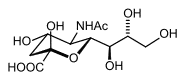
Mucolipidose tipo II
📋 Origem dos dados
Esta página agrega dados de fontes públicas e oficiais. Dados sobre cobertura no SUS (PCDT, CEAF) são verificados ativamente por agente proativo (ver badge no infobox). Demais dados têm atribuição de fonte + data da última sincronização — clique para abrir o original.
- Doença rara (ontologia)
- fonte: Orphanet
- Identificador unificado
- fonte: MONDO
- Genética mendeliana
- fonte: OMIM
- Codificação WHO/SUS
- fonte: WHO ICD-10 / DATASUS
- CID-11 (futuro)
- fonte: WHO ICD-11
- NIH/GARD
- fonte: GARD (NIH)
- Indexação biomédica
- fonte: MeSH (NLM)
- Dado público estruturado
- fonte: Wikidata