
A hiperlisinemia é um problema na forma como o corpo processa a lisina, um tipo de aminoácido. Essa condição se caracteriza por apresentar níveis muito altos de lisina no líquido que envolve o cérebro e a medula espinhal (também conhecido como líquor) e também no sangue. Além disso, é comum que a pessoa tenha sacaropinúria, ou seja, a presença de uma substância chamada sacaropina na urina, em diferentes quantidades.
Introdução
O que você precisa saber de cara
A hiperlisinemia é um problema na forma como o corpo processa a lisina, um tipo de aminoácido. Essa condição se caracteriza por apresentar níveis muito altos de lisina no líquido que envolve o cérebro e a medula espinhal (também conhecido como líquor) e também no sangue. Além disso, é comum que a pessoa tenha sacaropinúria, ou seja, a presença de uma substância chamada sacaropina na urina, em diferentes quantidades.
Escala de raridade
<1/50kMuito rara
1/20kRara
1/10kPouco freq.
1/5kIncomum
1/2k
Encontrou um erro ou informação desatualizada? Sugira uma correção →
Entender a doença
Do básico ao detalhe, leia no seu ritmo
Preparando trilha educativa...
Sinais e sintomas
O que aparece no corpo e com que frequência cada sintoma acontece
Partes do corpo afetadas
+ 32 sintomas em outras categorias
Características mais comuns
Os sintomas variam de pessoa para pessoa. Abaixo estão as 72 características clínicas mais associadas, ordenadas por frequência.
Linha do tempo da pesquisa
Encontrou um erro ou informação desatualizada? Sugira uma correção →
Genética e causas
O que está alterado no DNA e como passa nas famílias
Genes associados
1 gene identificado com associação a esta condição. Padrão de herança: Autosomal recessive.
Curadoria gene-doença
fontes oficiaisBifunctional enzyme that catalyzes the first two steps in lysine degradation
Mitochondrion
Hyperlysinemia, 1
An autosomal recessive metabolic condition with variable clinical features. Some patients present with non-specific seizures, hypotonia, or mildly delayed psychomotor development, and increased serum lysine and pipecolic acid on laboratory analysis. However, about half of the probands are reported to be asymptomatic, and hyperlysinemia is generally considered to be a benign metabolic variant.
Variantes genéticas (ClinVar)
61 variantes patogênicas registradas no ClinVar.
Classificação de variantes (ClinVar)
Distribuição de 29 variantes classificadas pelo ClinVar.
Diagnóstico
Os sinais que médicos procuram e os exames que confirmam
Tratamento e manejo
Remédios, cuidados de apoio e o que precisa acompanhar
Onde tratar no SUS
Hospitais de referência no Brasil e o protocolo oficial do SUS (PCDT)
🇧🇷 Atendimento SUS — Hiperlisinemia
Selecione um estado ou use sua localização para ver resultados.
Dados de DATASUS/CNES, SBGM, ABNeuro e Ministério da Saúde. Sempre confirme a disponibilidade diretamente com o estabelecimento.
Pesquisa ativa
Ensaios clínicos abertos e novidades científicas recentes
Pesquisa e ensaios clínicos
Nenhum ensaio clínico registrado para esta condição.
Publicações mais relevantes
Urine Metabolomics and Machine Learning Identify Metabolic Features and Potential Biomarkers of HTLV-1-Associated Myelopathy (HAM).
Human T-cell lymphotropic virus type 1 (HTLV-1) can cause HTLV-1-associated myelopathy/tropical spastic paraparesis (HAM/TSP), a progressive neuroinflammatory disease that lacks noninvasive biomarkers. We used untargeted urine metabolomics with machine learning to profile 113 participants (39 with HAM, 17 with intermediate syndrome, 33 asymptomatic carriers, and 24 healthy controls). Gas chromatography-mass spectrometry identified 175 metabolites, 86 of which showed significant differences (fold change > 2, FDR p < 0.05). Multivariate analyses revealed distinct but partially overlapping metabolic profiles: sPLS-DA captured a reproducible yet moderately discriminative signal, while nonlinear machine learning models (Random Forest and SVM) achieved robust group separation, with HAM displaying a distinct metabolic signature. Key discriminators included Unknown_151, Unknown_127, histidine, alanine, and 4-hydroxyphenylacetic acid, which showed marked reductions in HAM and yielded ROC AUCs of 0.855-0.871. Pathway and disease enrichment analyses highlighted disturbances in amino acid metabolism, particularly beta-alanine and aromatic amino acids, along with disease signatures related to inherited amino acid handling disorders such as hyperlysinemia. These results demonstrate that urinary metabolomics combined with machine learning can identify potential noninvasive biomarkers for HAM and provide novel insights into HTLV-1-associated pathophysiology.
The neuropathological mechanisms underlying the inborn errors of lysine metabolism.
Optimal lysine catabolism is essential for the proper growth and development of mammals. Lysine is degraded through either the saccharopine or pipecolate pathway, processes characterized by distinct tissue specificity and subcellular compartmentalization. Although controversy persists, accumulating evidence suggests that the saccharopine pathway serves as the predominant route for lysine degradation in the mammalian brain. Pathogenic variants of genes encoding the enzymes involved in lysine catabolism lead to severe inborn errors of metabolism, including hyperlysinemia-II, pyridoxine-dependent epilepsy-ALDH7A1, and glutaric aciduria type I, which are biochemically characterized by the systemic accumulation of neurotoxic metabolites. Patients with the aforementioned disorders exhibit apparent neurological symptoms, ranging from cognitive impairment to severe encephalopathy, indicating that the dysregulation of lysine metabolism has deteriorative impacts on brain development and function. It is worth noting that a subset of patients still suffers from developmental delay and chronic neurological dysfunction, despite the amelioration of acute seizures or encephalopathic crises resulting from a combination of a lysine-restricted diet and pharmacotherapy. This elusive neuropathology has prompted increasing research aimed at identifying the pivotal regulatory roles of enzymes in neural functions and the neurotoxic effects of lysine metabolites in the brain. Here, we summarize current insights into the pathogenic mechanisms underlying the neurological manifestations of lysine metabolism disorders. A comprehensive understanding of the association between biochemical abnormalities and neurometabolic deficiencies has profound implications for refining therapeutic strategies to improve neurodevelopmental outcomes in affected patients.
Rapid Phenotypic Screening of Lysine-Degrading Probiotics via FTIR Spectroscopy: Toward Precision Therapy for Hyperlysinemia.
Hyperlysinemia is a life-threatening metabolic disorder that requires the continuous clearance of lysine. Engineered probiotics capable of degrading lysine in the gut represent a promising therapeutic strategy. However, the introduction of heterologous metabolic pathways can impose a substantial fitness burden on the bacterial host, potentially compromising the therapeutic efficacy. Current screening methods fail to adequately assess this pathway-induced stress. Therefore, optimizing methods to evaluate bacterial fitness after pathway modification is essential for developing effective bacterial therapies. Here, we present a label-free phenotypic screening approach using Fourier transform infrared (FTIR) spectroscopy to evaluate the physiological burden imposed by two distinct lysine catabolism pathways engineered Escherichia coli Nissle 1917 (EcN): the plant-derived bifunctional enzyme LKR-SDR and the yeast-derived two-enzyme cascade Lys2-Lys5. Employing FTIR under lysine stress mimicking pathological concentrations, decoded pathway-specific stress signatures, and molecular resilience. Probiotics expressing LKR-SDR exhibited severe multisystem damage, including proteotoxicity, lipid peroxidation, and significant nucleic acid stress. In contrast, the Lys2-Lys5 strain demonstrated superior resilience, maintained structural integrity, and exhibited adaptive metabolic changes, primarily through lipid membrane remodeling. This study establishes FTIR spectroscopy as a rapid screening platform that identifies the Lys2-Lys5 pathway as optimal for probiotic therapies. By directly linking spectroscopic signatures to cellular fitness, FTIR spectroscopy accelerates the rational development of durable microbial therapeutics for inborn metabolic disorders.
Lysine α-ketoglutarate reductase as a therapeutic target for saccharopine pathway related diseases.
The saccharopine pathway (SacPath) and the pipecolate pathway (PipPath) catabolize lysine to α-aminoadipate. Although the PipPath has been highlighted as the prominent route operating in the brain, recent work has demonstrated that the SacPath plays a major role in lysine catabolism in the brain. The first two enzymatic steps of the SacPath involve the bifunctional enzyme α-aminoadipate semialdehyde synthase (AASS) harboring the lysine-ketoglutarate reductase (LKR) and the saccharopine dehydrogenase (SDH) domains that convert lysine to α-aminoadipate semialdehyde. Thereafter, the semialdehyde is converted to α-aminoadipate by α-aminoadipate semialdehyde dehydrogenase (AASADH). Mutations abolishing the enzymatic activities of LKR, SDH, and AASADH lead to the genetic diseases hyperlysinemia type I and II, and pyridoxine-dependent epilepsy (PDE), respectively. Hyperlysinemia type I accumulates lysine and causes a benign phenotype without clinical significance. Hyperlysinemia type II accumulates saccharopine, which leads to neuronal disorders and intellectual disability. PDE accumulates α-aminoadipate semialdehyde and its cyclic isomer piperideine-6-carboxylate, which binds pyridoxal 5'-phosphate, disturbs synapses, and causes seizures along with developmental disorders. Another genetic disease, glutaric aciduria type I (GA1), localizes just downstream of the SacPath and is caused by mutations abolishing the enzymatic activity of glutaryl-CoA dehydrogenase (GCDH). GA1 accumulates glutarate and 3-hydroxyglutarate, which are neurotoxic molecules that cause irreversible brain damage. Downregulation of LKR has been shown to reduce the metabolic flux through SacPath and alleviate PDE and GA1 symptoms. This review discusses the role of SacPath and its enzymes as potential targets for developing drugs to treat PDE and GA1, as well as other diseases.
Comprehensive Review of L-Lysine: Chemistry, Occurrence, and Physiological Roles.
L-lysine, an essential amino acid, is indispensable for numerous biological functions, including protein synthesis, collagen crosslinking, mineral absorption, and carnitine biosynthesis. Its biosynthesis occurs via the Diaminopimelate (DAP) pathway in bacteria and plants and the α-aminoadipate (AAA) pathway in fungi and some archaea. Lysine catabolism primarily involves the saccharopine pathway. Lysine deficiencies can lead to connective tissue disorders, impaired fatty acid metabolism, anemia, and protein-energy malnutrition. Commercial production relies predominantly on microbial fermentation using Corynebacterium glutamicum, with strains enhanced through classical and metabolic engineering approaches. With global production exceeding 1 million tons annually, which is largely dominated by Chinese manufacturers, lysine supplements are readily accessible and exhibit absorption rates comparable to those of dietary protein sources. Beyond its nutritional role, lysine is integral to epigenetic regulation via histone modifications and is implicated in diseases, such as hyperlysinemia and pyridoxine-dependent epilepsies, underscoring its vital role in health maintenance and industrial relevance.
Publicações recentes
Urine Metabolomics and Machine Learning Identify Metabolic Features and Potential Biomarkers of HTLV-1-Associated Myelopathy (HAM).
The neuropathological mechanisms underlying the inborn errors of lysine metabolism.
Rapid Phenotypic Screening of Lysine-Degrading Probiotics via FTIR Spectroscopy: Toward Precision Therapy for Hyperlysinemia.
Lysine α-ketoglutarate reductase as a therapeutic target for saccharopine pathway related diseases.
Comprehensive Review of L-Lysine: Chemistry, Occurrence, and Physiological Roles.
📚 EuropePMC36 artigos no totalmostrando 15
Urine Metabolomics and Machine Learning Identify Metabolic Features and Potential Biomarkers of HTLV-1-Associated Myelopathy (HAM).
International journal of molecular sciencesThe neuropathological mechanisms underlying the inborn errors of lysine metabolism.
Neurobiology of diseaseRapid Phenotypic Screening of Lysine-Degrading Probiotics via FTIR Spectroscopy: Toward Precision Therapy for Hyperlysinemia.
ACS synthetic biologyLysine α-ketoglutarate reductase as a therapeutic target for saccharopine pathway related diseases.
Frontiers in molecular neuroscienceComprehensive Review of L-Lysine: Chemistry, Occurrence, and Physiological Roles.
Current protein & peptide scienceHyperlysinemia, an ultrarare inborn error of metabolism: Review and update.
SeizureEngineered probiotic cocktail with two cascade metabolic Escherichia coli for the treatment of hyperlysinemia.
Frontiers in microbiologyA case of hyperlysinemia identified by urine newborn screening.
JIMD reportsMitochondrial NAD kinase in health and disease.
Redox biologyMouse models of NADK2 deficiency analyzed for metabolic and gene expression changes to elucidate pathophysiology.
Human molecular geneticsThe Metabolite Saccharopine Impairs Neuronal Development by Inhibiting the Neurotrophic Function of Glucose-6-Phosphate Isomerase.
The Journal of neuroscience : the official journal of the Society for NeuroscienceUnusual Aggregates Formed by the Self-Assembly of Proline, Hydroxyproline, and Lysine.
ACS chemical neuroscienceThe lysine catabolite saccharopine impairs development by disrupting mitochondrial homeostasis.
The Journal of cell biologyClinical heterogeneity of mitochondrial NAD kinase deficiency caused by a NADK2 start loss variant.
American journal of medical genetics. Part AMetabolomic Analysis Reveals That the Drosophila melanogaster Gene lysine Influences Diverse Aspects of Metabolism.
GeneticsAssociações
Organizações que acompanham esta doença — pra ter apoio e orientação
Ainda não temos associações cadastradas para Hiperlisinemia.
É de uma associação que acompanha esta doença? Fale com a gente →
Comunidades
Grupos ativos de quem convive com esta doença aqui no Raras
Ainda não existe comunidade no Raras para Hiperlisinemia
Pacientes, familiares e cuidadores se organizam em comunidades pra compartilhar experiências, fazer perguntas e se apoiar. Você pode ser o primeiro.
Tire suas dúvidas
Perguntas, dicas e experiências compartilhadas aqui na página
Participe da discussão
Faça login para postar dúvidas, compartilhar experiências e interagir com especialistas.
Fazer loginDoenças relacionadas
Doenças com sintomas parecidos — ajudam quem ainda está buscando diagnóstico
Referências e fontes
Bases de dados externas citadas neste artigo
Publicações científicas
Artigos indexados no PubMed ligados a esta doença no grafo RarasNet — título, periódico e PMID direto da fonte, sem intermediação de IA.
- Urine Metabolomics and Machine Learning Identify Metabolic Features and Potential Biomarkers of HTLV-1-Associated Myelopathy (HAM).
- The neuropathological mechanisms underlying the inborn errors of lysine metabolism.
- Rapid Phenotypic Screening of Lysine-Degrading Probiotics via FTIR Spectroscopy: Toward Precision Therapy for Hyperlysinemia.
- Lysine α-ketoglutarate reductase as a therapeutic target for saccharopine pathway related diseases.
- Comprehensive Review of L-Lysine: Chemistry, Occurrence, and Physiological Roles.
Bases de dados e fontes oficiais
Identificadores e referências canônicas usadas para montar este verbete.
- ORPHA:2203(Orphanet)
- OMIM OMIM:238700(OMIM)
- MONDO:0009388(MONDO)
- GARD:2828(GARD (NIH))
- Variantes catalogadas(ClinVar)
- Busca completa no PubMed(PubMed)
- Artigo Wikipedia(Wikipedia)
- Q10295763(Wikidata)
Dados compilados pelo RarasNet a partir de fontes abertas (Orphanet, OMIM, MONDO, PubMed/EuropePMC, ClinicalTrials.gov, DATASUS, PCDT/MS). Este conteúdo é informativo e não substitui avaliação médica.
Conteúdo mantido por Agente Raras · Médicos e pesquisadores podem colaborar
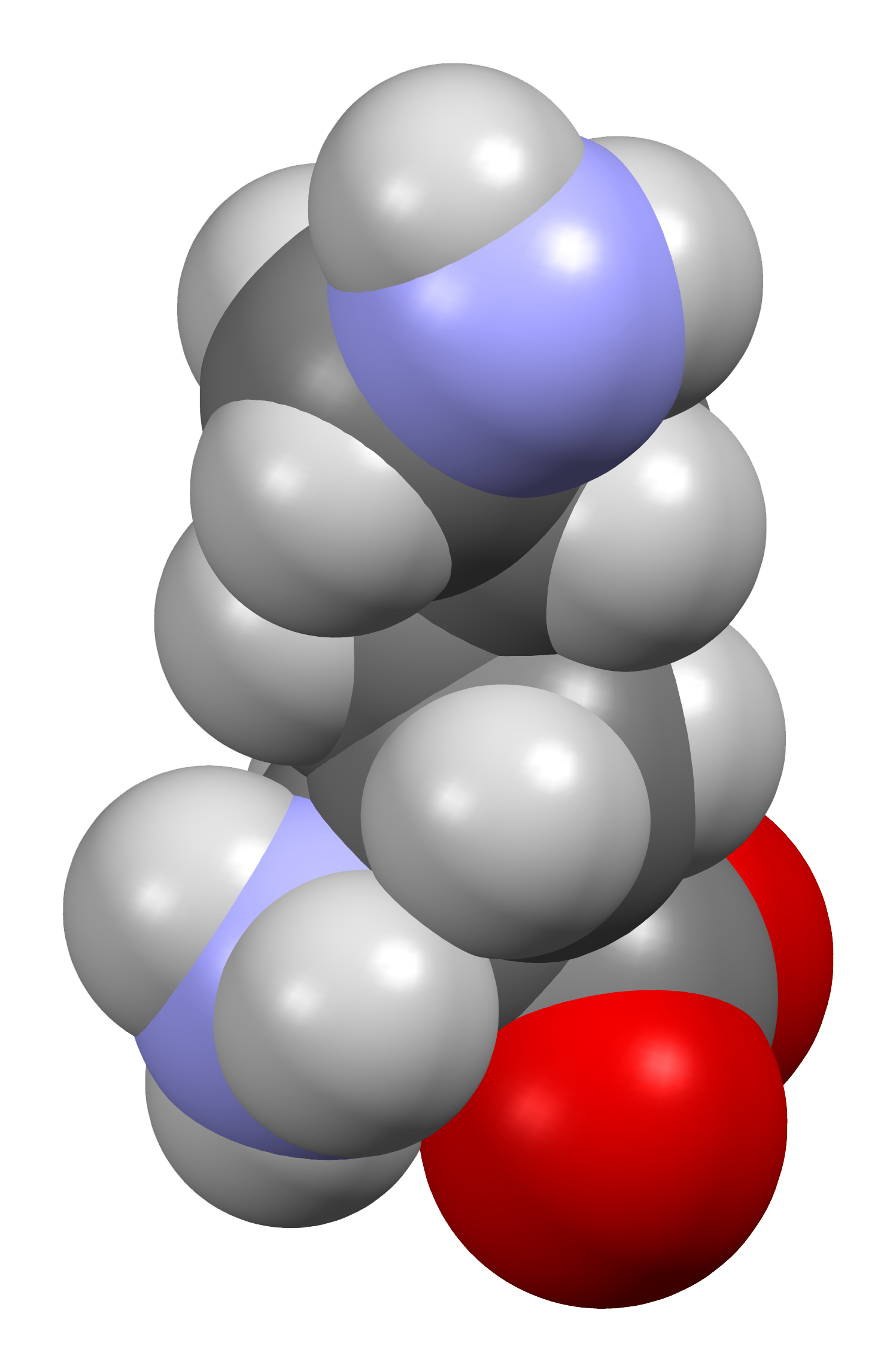
Hiperlisinemia
📋 Origem dos dados
Esta página agrega dados de fontes públicas e oficiais. Dados sobre cobertura no SUS (PCDT, CEAF) são verificados ativamente por agente proativo (ver badge no infobox). Demais dados têm atribuição de fonte + data da última sincronização — clique para abrir o original.
- Doença rara (ontologia)
- fonte: Orphanet
- Identificador unificado
- fonte: MONDO
- Genética mendeliana
- fonte: OMIM
- Codificação WHO/SUS
- fonte: WHO ICD-10 / DATASUS
- CID-11 (futuro)
- fonte: WHO ICD-11
- NIH/GARD
- fonte: GARD (NIH)
- Indexação biomédica
- fonte: MeSH (NLM)
- Dado público estruturado
- fonte: Wikidata