
A ataxia cerebelar não progressiva com déficit intelectual é um subtipo raro de ataxia cerebelar autossômica dominante tipo 1 (ADCA tipo 1) caracterizada pelo início na infância de ataxia cerebelar, hipotonia neonatal (em alguns), atraso leve no desenvolvimento e, mais tarde na vida, deficiência intelectual. Características menos comuns incluem disartria, dismetria e características faciais dismórficas (face longa, nariz bulboso, filtro longo, lábio inferior grosso e queixo pontudo).
Introdução
O que você precisa saber de cara
A ataxia cerebelar não progressiva com déficit intelectual é um subtipo raro de ataxia cerebelar autossômica dominante tipo 1 (ADCA tipo 1) caracterizada pelo início na infância de ataxia cerebelar, hipotonia neonatal (em alguns), atraso leve no desenvolvimento e, mais tarde na vida, deficiência intelectual. Características menos comuns incluem disartria, dismetria e características faciais dismórficas (face longa, nariz bulboso, filtro longo, lábio inferior grosso e queixo pontudo).
Escala de raridade
<1/50kMuito rara
1/20kRara
1/10kPouco freq.
1/5kIncomum
1/2k
Encontrou um erro ou informação desatualizada? Sugira uma correção →
Entender a doença
Do básico ao detalhe, leia no seu ritmo
Preparando trilha educativa...
Sinais e sintomas
O que aparece no corpo e com que frequência cada sintoma acontece
Partes do corpo afetadas
+ 26 sintomas em outras categorias
Características mais comuns
Os sintomas variam de pessoa para pessoa. Abaixo estão as 80 características clínicas mais associadas, ordenadas por frequência.
Linha do tempo da pesquisa
Encontrou um erro ou informação desatualizada? Sugira uma correção →
Genética e causas
O que está alterado no DNA e como passa nas famílias
Genes associados
2 genes identificados com associação a esta condição. Padrão de herança: Autosomal dominant.
Curadoria gene-doença
fontes oficiaisMultifunctional transcription factor with different regions mediating its different effects. Acts by binding (via its C-terminal domain) to sequences related to the consensus octamer motif 5'-ATGCAAAT-3' in the regulatory regions of its target genes. Regulates the expression of specific genes involved in differentiation and survival within a subset of neuronal lineages. It has been shown that activation of some of these genes requires its N-terminal domain, maybe through a neuronal-specific cofa
NucleusCytoplasm
Ataxia, intention tremor, and hypotonia syndrome, childhood-onset
An autosomal dominant neurodevelopmental disorder characterized by global developmental delay, mildly impaired intellectual development with speech delay or learning disabilities, delayed walking due to ataxia, intention tremor, and hypotonia apparent from early childhood. Brain imaging shows cerebellar atrophy in some patients.
Transcriptional activator
NucleusCytoplasm
Cerebellar dysfunction with variable cognitive and behavioral abnormalities
An autosomal dominant neurodevelopmental disorder characterized by mildly delayed psychomotor development, early onset of cerebellar ataxia, and intellectual disability later in childhood and adult life. Other features may include neonatal hypotonia, dysarthria, and dysmetria. Brain imaging in some patients shows cerebellar atrophy. Dysmorphic facial features are variable.
Variantes genéticas (ClinVar)
416 variantes patogênicas registradas no ClinVar.
Vias biológicas (Reactome)
1 via biológica associada aos genes desta condição.
Diagnóstico
Os sinais que médicos procuram e os exames que confirmam
Tratamento e manejo
Remédios, cuidados de apoio e o que precisa acompanhar
Onde tratar no SUS
Hospitais de referência no Brasil e o protocolo oficial do SUS (PCDT)
🇧🇷 Atendimento SUS — Ataxia cerebelosa não-progressiva com perturbação do desenvolvimento intelectual
Centros de Referência SUS
13 centros habilitados pelo SUS para Ataxia cerebelosa não-progressiva com perturbação do desenvolvimento intelectual
Centros para Ataxia cerebelosa não-progressiva com perturbação do desenvolvimento intelectual
Detalhes dos centros
Hospital Infantil Albert Sabin
R. Tertuliano Sales, 544 - Vila União, Fortaleza - CE, 60410-794 · CNES 2407876
Serviço de Referência
Hospital de Apoio de Brasília (HAB)
AENW 3 Lote A Setor Noroeste - Plano Piloto, Brasília - DF, 70684-831 · CNES 0010456
Serviço de Referência
Hospital Estadual Infantil e Maternidade Alzir Bernardino Alves (HIABA)
Av. Min. Salgado Filho, 918 - Soteco, Vila Velha - ES, 29106-010 · CNES 6631207
Serviço de Referência
Hospital das Clínicas da UFMG
Av. Prof. Alfredo Balena, 110 - Santa Efigênia, Belo Horizonte - MG, 30130-100 · CNES 2280167
Serviço de Referência
Hospital Universitário João de Barros Barreto
R. dos Mundurucus, 4487 - Guamá, Belém - PA, 66073-000 · CNES 2337878
Serviço de Referência
Instituto de Medicina Integral Prof. Fernando Figueira (IMIP)
R. dos Coelhos, 300 - Boa Vista, Recife - PE, 50070-902 · CNES 0000647
Serviço de Referência
Hospital Pequeno Príncipe
R. Des. Motta, 1070 - Água Verde, Curitiba - PR, 80250-060 · CNES 3143805
Serviço de Referência
Hospital de Clínicas da UFPR
R. Gen. Carneiro, 181 - Alto da Glória, Curitiba - PR, 80060-900 · CNES 2364980
Serviço de Referência
Instituto Nacional de Saúde da Mulher, da Criança e do Adolescente Fernandes Figueira (IFF/Fiocruz)
Av. Rui Barbosa, 716 - Flamengo, Rio de Janeiro - RJ, 22250-020 · CNES 2269988
Serviço de Referência
Hospital de Clínicas de Porto Alegre (HCPA)
Rua Ramiro Barcelos, 2350 Bloco A - Av. Protásio Alves, 211 - Bloco B e C - Santa Cecília, Porto Alegre - RS, 90035-903 · CNES 2237601
Serviço de Referência
Hospital das Clínicas da FMUSP
R. Dr. Ovídio Pires de Campos, 225 - Cerqueira César, São Paulo - SP, 05403-010 · CNES 2077485
Serviço de Referência
Hospital de Clínicas da UNICAMP
R. Vital Brasil, 251 - Cidade Universitária, Campinas - SP, 13083-888 · CNES 2748223
Serviço de Referência
Hospital de Clínicas de Ribeirão Preto (HCRP-USP)
R. Ten. Catão Roxo, 3900 - Vila Monte Alegre, Ribeirão Preto - SP, 14015-010 · CNES 2082187
Serviço de Referência
Dados de DATASUS/CNES, SBGM, ABNeuro e Ministério da Saúde. Sempre confirme a disponibilidade diretamente com o estabelecimento.
Pesquisa ativa
Ensaios clínicos abertos e novidades científicas recentes
Ensaios em destaque
🟢 Recrutando agora
1 pesquisa recrutando participantes. Converse com seu médico sobre a possibilidade de participar.
Outros ensaios clínicos
0 ensaios clínicos encontrados.
Publicações mais relevantes
Loss of ANK3 Function Causes a Recessive Neurodevelopmental Disorder with Cerebellar Ataxia.
ANK3 encodes ankyrin-G, a key scaffolding protein essential for neuronal function. While both monoallelic and biallelic ANK3 variants have been linked to neurodevelopmental disorders (NDDs), existing evidence for their pathogenicity and clinical correlation remains limited and heterogeneous. To delineate the clinical features associated with biallelic ANK3 predicted loss-of-function (pLOF) variants. We employed exome sequencing, Sanger validation, detailed clinical phenotyping, and extensive international data sharing to identify patients with biallelic ANK3 variants. We describe five individuals from three unrelated consanguineous families with segregating homozygous ANK3 pLOF variants. These patients presented with a relatively consistent phenotype comprising developmental delay, intellectual disability, hypotonia, variable epilepsy, and cerebellar signs including ataxia, tremor, and dysarthria. Among the three patients for whom brain magnetic resonance imaging was available, cerebellar atrophy was observed, predominantly affecting the superior vermis and cerebellar hemispheres. These clinical findings align with murine models lacking the cerebellar ankyrin-G isoform, which similarly exhibit ataxic features and high cerebellar ANK3 expression. Our findings support a recognizable NDD with non-progressive cerebellar ataxia linked to biallelic ANK3 pLOF variants. © 2025 The Author(s). Movement Disorders published by Wiley Periodicals LLC on behalf of International Parkinson and Movement Disorder Society.
Riboflavin treatment in L-2-hydroxyglutaric aciduria: report on a pediatric patient and literature review.
L-2-hydroxyglutaric aciduria (L-2-HGA, #236,792) is an autosomal recessive neurodegenerative disorder caused by the deficiency of L-2-hydroxyglutarate dehydrogenase, a flavin adenine dinucleotide (FAD)-dependent enzyme, due to biallelic pathogenic variants in the L2HGDH gene. The present study described the patient with L2HGA presenting with a slight psychomotor delay, epilepsy from 5 years of age, non-progressive cerebellar ataxia, and mild to moderate intellectual disability during 10 years of follow-up. Two different heterozygous variants in the L2HGDH gene were identified in the patient: a known substitution c.829C > T(p.Arg277*) and a novel substitution c.1196 + 1G > A corresponding with significantly increased urinary L-2-hydroxyglutarate (L2HG) excretion. A 6-month period of treatment with riboflavin (100 mg/day) was implemented with no clinical nor biochemical effect.
Reevaluation of the Impact of the Novel Likely Pathogenic Variant c.1286_1288delAGA in the ATP8A2 Gene: A 7-Year Follow-Up With Clinical, Genetic, and ACMG Insights in an Iranian Family.
Cerebellar ataxia, mental retardation, and dysequilibrium (CAMRQ) syndrome is a rare neurodevelopmental disorder characterized by non-progressive cerebellar ataxia, intellectual disability, and cerebellar atrophy. Despite its rarity, CAMRQ syndrome poses significant challenges due to its heterogeneous genetic etiology and complex clinical presentation. This study details the evolving clinical phenotype over 7 years in a male with CAMRQ4 syndrome caused by an in-frame deletion variant in ATP8A2 gene. A detailed clinical evaluation was performed, accompanied by tests and imaging studies. Clinical and genetic investigations, including segregation analysis, were carried out to confirm the pathogenicity of the identified variant. The evolving clinical phenotype of the patient, including developmental delay, cerebellar ataxia, and hand-foot crawling, was thoroughly investigated. A 10-year-old male patient with CAMRQ syndrome exhibited typical clinical manifestations including impaired motor coordination, cognitive impairment, and balance disturbances. Genetic analysis revealed a homozygous in-frame deletion variant (c.1286_1288delAGA) in the ATP8A2 gene, implicating ATP8A2 in the pathogenesis of CAMRQ syndrome. This variant was predicted to be likely pathogenic and deleterious, in accordance with its segregation in affected family members. Our findings expand the mutational spectrum of ATP8A2-associated CAMRQ syndrome and underscore the importance of comprehensive genetic testing in diagnosing rare neurological disorders. The identification of an in-frame deletion variant in the ATP8A2 gene enhances our understanding of CAMRQ syndrome and highlights the phenotypic variability of the disorder. Our study contributes to the elucidation of CAMRQ syndrome by identifying a novel genetic variant and elucidating its clinical and genetic implications. Further research is warranted to advance our understanding of CAMRQ syndrome and to improve patient care and management strategies.
Phenotypic variability in two siblings with Poretti-Boltshauser syndrome.
Poretti-Boltshauser Syndrome (PBS) is a rare neuro-ophthalmological disorder with autosomal recessive inheritance. It is characterized by non-progressive cerebellar ataxia, delay in neuropsychomotor development, intellectual disability, and vision abnormalities. PBS is caused by mutations in the LAMA1 gene, resulting in cerebellar abnormalities, including cerebellar cysts in most cases. We present two siblings with LAMA1 mutations and distinct phenotypic presentation, with one of them showing no evidence of cerebellar cysts on magnetic resonance imaging (MRI). This study highlights intrafamilial variability in patients with Poretti-Boltshauser Syndrome (PBS). Patient 1 exhibits more pronounced cerebellar dysplasia (with cysts) and oculomotor apraxia, while Patient 2 shows milder cerebellar dysplasia (without cysts) and a macular hole. These findings underscore the importance of comprehensive evaluation and genetic testing for accurate diagnosis and management of PBS.
An X-Linked Ataxia Syndrome in a Family with Hearing Loss Associated with a Novel Variant in the BCAP31 Gene.
Pathogenic variants in B-cell receptor-associated protein (BCAP31) are associated with X-linked, deafness, dystonia and cerebral hypomyelination (DDCH) syndrome. DDCH is congenital and non-progressive, featuring severe intellectual disability (ID), variable dysmorphism, and sometimes associated with shortened survival. BCAP31 encodes one of the most abundant chaperones, with several functions including acting as a negative regulator of endoplasmic reticulum (ER) calcium ion (Ca2+) concentration. Here, we characterize an X-linked syndrome, its underlying genotype, and a functional evaluation of the identified candidate genetic variant. Evaluation of motor features, neuroimaging studies, neurophysiological, and cognitive tests. Whole exome sequencing (WES) was applied, a plasmid encoding BCAP31 with and without a candidate variant was transfected into SH-SY5Y cells to assess subcellular location and to measure Ca2+ levels in the cytoplasm. Adult-onset ataxia, cognitive impairment, and hearing loss leading to deafness are the predominant features. Reduced penetrance, slow progression with preserved ability to walk in advance age, and universal cerebellar atrophy are other features for this syndrome. This condition is associated with the new variant c.22G>A (V8I) in BCAP31 at Xq28. The subcellular location of the V8I BCAP31 protein was not altered but caused significant elevation of cytosolic Ca2+. Our findings expand the spectrum of variants in BCAP31 from neurodevelopmental syndromes to include a progressive neurodegenerative disease with variable expressivity. This is the first time ataxia is described in association with a BCAP31 variant and functional evidence of pathogenicity is provided. Additional BCAP31 cases featuring ataxia are needed to establish an association. © 2025 The Author(s). Movement Disorders published by Wiley Periodicals LLC on behalf of International Parkinson and Movement Disorder Society.
Publicações recentes
Reevaluation of the Impact of the Novel Likely Pathogenic Variant c.1286_1288delAGA in the ATP8A2 Gene: A 7-Year Follow-Up With Clinical, Genetic, and ACMG Insights in an Iranian Family.
Phenotypic Spectrum and Natural History of Gillespie Syndrome. An Updated Literature Review with 2 New Cases.
Cation leak through the ATP1A3 pump causes spasticity and intellectual disability.
Phenotypic spectrum of patients with Poretti-Boltshauser syndrome: Patient report of antenatal ventriculomegaly and esophageal atresia.
A novel homozygous variant in an Iranian pedigree with cerebellar ataxia, mental retardation, and dysequilibrium syndrome type 4.
📚 EuropePMCmostrando 23
Loss of ANK3 Function Causes a Recessive Neurodevelopmental Disorder with Cerebellar Ataxia.
Movement disorders : official journal of the Movement Disorder SocietyRiboflavin treatment in L-2-hydroxyglutaric aciduria: report on a pediatric patient and literature review.
Journal of applied geneticsReevaluation of the Impact of the Novel Likely Pathogenic Variant c.1286_1288delAGA in the ATP8A2 Gene: A 7-Year Follow-Up With Clinical, Genetic, and ACMG Insights in an Iranian Family.
Molecular genetics & genomic medicinePhenotypic variability in two siblings with Poretti-Boltshauser syndrome.
Global medical geneticsAn X-Linked Ataxia Syndrome in a Family with Hearing Loss Associated with a Novel Variant in the BCAP31 Gene.
Movement disorders : official journal of the Movement Disorder SocietyPhenotypic Spectrum and Natural History of Gillespie Syndrome. An Updated Literature Review with 2 New Cases.
Cerebellum (London, England)A homozygous nonsense variant in the alternatively spliced VLDLR exon 4 causes a neurodevelopmental disorder without features of VLDLR cerebellar hypoplasia.
Journal of human geneticsCation leak through the ATP1A3 pump causes spasticity and intellectual disability.
Brain : a journal of neurologyPhenotypic spectrum of patients with Poretti-Boltshauser syndrome: Patient report of antenatal ventriculomegaly and esophageal atresia.
European journal of medical geneticsA Novel KCNA2 Variant in a Patient with Non-Progressive Congenital Ataxia and Epilepsy: Functional Characterization and Sensitivity to 4-Aminopyridine.
International journal of molecular sciencesA novel homozygous variant in an Iranian pedigree with cerebellar ataxia, mental retardation, and dysequilibrium syndrome type 4.
Journal of clinical laboratory analysisGillespie syndrome in a South Asian child: a case report with confirmation of a heterozygous mutation of the ITPR1 gene and review of the clinical and molecular features.
BMC pediatricsThe genetic architecture of aniridia and Gillespie syndrome.
Human geneticsMissense mutation in the ITPR1 gene presenting with ataxic cerebral palsy: Description of an affected family and literature review.
Neurologia i neurochirurgia polskaVery mild features of dysequilibrium syndrome associated with a novel VLDLR missense mutation.
NeurogeneticsThe Triad of Non-progressive Cerebellar Ataxia, Partial Aniridia and Psychomotor Delay - Gillespie Syndrome.
Indian journal of pediatricsWhole exome sequencing is necessary to clarify ID/DD cases with de novo copy number variants of uncertain significance: Two proof-of-concept examples.
American journal of medical genetics. Part AA Restricted Repertoire of De Novo Mutations in ITPR1 Cause Gillespie Syndrome with Evidence for Dominant-Negative Effect.
American journal of human geneticsRecessive and Dominant De Novo ITPR1 Mutations Cause Gillespie Syndrome.
American journal of human geneticsClinical, neuroradiological and molecular characterization of cerebellar dysplasia with cysts (Poretti-Boltshauser syndrome).
European journal of human genetics : EJHGPMPCA mutations cause abnormal mitochondrial protein processing in patients with non-progressive cerebellar ataxia.
Brain : a journal of neurologyInferior cerebellar hypoplasia resembling a Dandy-Walker-like malformation in purebred Eurasier dogs with familial non-progressive ataxia: a retrospective and prospective clinical cohort study.
PloS oneA deletion in the VLDLR gene in Eurasier dogs with cerebellar hypoplasia resembling a Dandy-Walker-like malformation (DWLM).
PloS oneAssociações
Organizações que acompanham esta doença — pra ter apoio e orientação
Ainda não temos associações cadastradas para Ataxia cerebelosa não-progressiva com perturbação do desenvolvimento intelectual.
É de uma associação que acompanha esta doença? Fale com a gente →
Comunidades
Grupos ativos de quem convive com esta doença aqui no Raras
Ainda não existe comunidade no Raras para Ataxia cerebelosa não-progressiva com perturbação do desenvolvimento intelectual
Pacientes, familiares e cuidadores se organizam em comunidades pra compartilhar experiências, fazer perguntas e se apoiar. Você pode ser o primeiro.
Tire suas dúvidas
Perguntas, dicas e experiências compartilhadas aqui na página
Participe da discussão
Faça login para postar dúvidas, compartilhar experiências e interagir com especialistas.
Fazer loginDoenças relacionadas
Doenças com sintomas parecidos — ajudam quem ainda está buscando diagnóstico
Referências e fontes
Bases de dados externas citadas neste artigo
Publicações científicas
Artigos indexados no PubMed ligados a esta doença no grafo RarasNet — título, periódico e PMID direto da fonte, sem intermediação de IA.
- Loss of ANK3 Function Causes a Recessive Neurodevelopmental Disorder with Cerebellar Ataxia.Movement disorders : official journal of the Movement Disorder Society· 2025· PMID 40879451mais citado
- Riboflavin treatment in L-2-hydroxyglutaric aciduria: report on a pediatric patient and literature review.
- Reevaluation of the Impact of the Novel Likely Pathogenic Variant c.1286_1288delAGA in the ATP8A2 Gene: A 7-Year Follow-Up With Clinical, Genetic, and ACMG Insights in an Iranian Family.
- Phenotypic variability in two siblings with Poretti-Boltshauser syndrome.
- An X-Linked Ataxia Syndrome in a Family with Hearing Loss Associated with a Novel Variant in the BCAP31 Gene.Movement disorders : official journal of the Movement Disorder Society· 2025· PMID 39831730mais citado
- Phenotypic Spectrum and Natural History of Gillespie Syndrome. An Updated Literature Review with 2 New Cases.
- Cation leak through the ATP1A3 pump causes spasticity and intellectual disability.
- Phenotypic spectrum of patients with Poretti-Boltshauser syndrome: Patient report of antenatal ventriculomegaly and esophageal atresia.
- A novel homozygous variant in an Iranian pedigree with cerebellar ataxia, mental retardation, and dysequilibrium syndrome type 4.
Bases de dados e fontes oficiais
Identificadores e referências canônicas usadas para montar este verbete.
- ORPHA:314647(Orphanet)
- OMIM OMIM:614756(OMIM)
- MONDO:0013886(MONDO)
- GARD:17429(GARD (NIH))
- Variantes catalogadas(ClinVar)
- Busca completa no PubMed(PubMed)
- Q21097785(Wikidata)
Dados compilados pelo RarasNet a partir de fontes abertas (Orphanet, OMIM, MONDO, PubMed/EuropePMC, ClinicalTrials.gov, DATASUS, PCDT/MS). Este conteúdo é informativo e não substitui avaliação médica.
Conteúdo mantido por Agente Raras · Médicos e pesquisadores podem colaborar
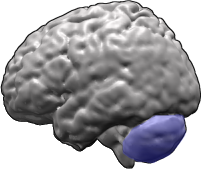
Ataxia cerebelosa não-progressiva com perturbação do desenvolvimento intelectual
📋 Origem dos dados
Esta página agrega dados de fontes públicas e oficiais. Dados sobre cobertura no SUS (PCDT, CEAF) são verificados ativamente por agente proativo (ver badge no infobox). Demais dados têm atribuição de fonte + data da última sincronização — clique para abrir o original.
- Doença rara (ontologia)
- fonte: Orphanet
- Identificador unificado
- fonte: MONDO
- Genética mendeliana
- fonte: OMIM
- Codificação WHO/SUS
- fonte: WHO ICD-10 / DATASUS
- NIH/GARD
- fonte: GARD (NIH)
- Dado público estruturado
- fonte: Wikidata