
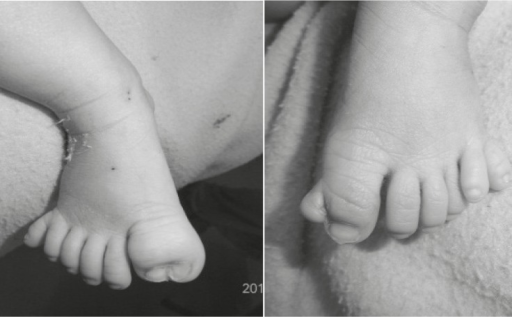
A síndrome acrocallosa é uma síndrome autossômica recessiva extremamente rara caracterizada por agenesia do corpo caloso, polidactilia, múltiplas características dismórficas, deficiências motoras e intelectuais, e outros sintomas. A síndrome foi descrita pela primeira vez por Albert Schinzel em 1979. Mutações no KIF7 são causadoras da ACLS, e mutações no GLI3 estão associadas a uma síndrome semelhante.
Introdução
O que você precisa saber de cara
Visão geral
A Síndrome de agenesia do corpo caloso-macrocefalia-hipertelorismo é uma doença rara do desenvolvimento neurológico, caracterizada pela ausência total ou parcial do corpo caloso (agenesia do corpo caloso), aumento do perímetro cefálico (macrocefalia) e aumento da distância entre os olhos (hipertelorismo). A condição é extremamente rara, com prevalência estimada em menos de 1 caso por 1.000.000 de pessoas na população geral.[1][3]
Sinais e sintomas
Os sinais e sintomas geralmente se manifestam no período neonatal ou na primeira infância. Os principais fenótipos descritos incluem: macrocefalia (aumento do crânio), testa larga, hipertelorismo (olhos mais afastados que o normal), assimetria facial, plagiocefalia (achatamento assimétrico do crânio), agenesia do corpo caloso (ausência da estrutura que conecta os hemisférios cerebrais), malformação de Chiari tipo I, crises epilépticas de início generalizado e deficiência intelectual de grau limítrofe a leve.[1][3]
Causas genéticas
Diagnóstico
O diagnóstico é baseado na avaliação clínica dos sinais característicos (macrocefalia, hipertelorismo, agenesia do corpo caloso) e em exames de imagem do sistema nervoso central. Exames genéticos podem auxiliar na exclusão de outras condições. No Brasil, o Sistema Único de Saúde (SUS) oferece cobertura mínima para os seguintes procedimentos diagnósticos: cariótipo com bandas G, Q ou R; pesquisa de microdeleções/microduplicações por FISH; sequenciamento completo do exoma (WES); e dosagem de alfa-fetoproteína. Atualmente, há 16 testes genéticos disponíveis para a condição.[1][4]
Tratamento e manejo
Não há tratamento curativo específico para a síndrome. O manejo é multidisciplinar e sintomático, voltado para o controle das crises epilépticas (quando presentes), acompanhamento do desenvolvimento neuropsicomotor e suporte educacional para a deficiência intelectual. O SUS oferece atendimento em reabilitação para doenças raras, que pode incluir fisioterapia, terapia ocupacional e fonoaudiologia. Não há medicamentos aprovados especificamente para esta condição.[1]
Prognóstico e qualidade de vida
O prognóstico é variável e depende da gravidade das malformações cerebrais e da presença de crises epilépticas. A deficiência intelectual, quando presente, é geralmente de grau limítrofe a leve, permitindo certo grau de independência na vida adulta. O acompanhamento regular com neurologista, geneticista e equipe de reabilitação é essencial para otimizar a qualidade de vida.[1][3]
Conteúdo informativo gerado e mantido automaticamente a partir de fontes oficiais (Orphanet, HPO, OMIM, SUS). Não substitui avaliação médica.
A síndrome acrocallosa é uma síndrome autossômica recessiva extremamente rara caracterizada por agenesia do corpo caloso, polidactilia, múltiplas características dismórficas, deficiências motoras e intelectuais, e outros sintomas. A síndrome foi descrita pela primeira vez por Albert Schinzel em 1979. Mutações no KIF7 são causadoras da ACLS, e mutações no GLI3 estão associadas a uma síndrome semelhante.
Escala de raridade
<1/50kMuito rara
1/20kRara
1/10kPouco freq.
1/5kIncomum
1/2k
Encontrou um erro ou informação desatualizada? Sugira uma correção →
Entender a doença
Do básico ao detalhe, leia no seu ritmo
Preparando trilha educativa...
Sinais e sintomas
O que aparece no corpo e com que frequência cada sintoma acontece
Visão geral
A Síndrome de agenesia do corpo caloso-macrocefalia-hipertelorismo é uma doença rara do desenvolvimento neurológico, caracterizada pela ausência total ou parcial do corpo caloso (agenesia do corpo caloso), aumento do perímetro cefálico (macrocefalia) e aumento da distância entre os olhos (hipertelorismo). A condição é extremamente rara, com prevalência estimada em menos de 1 caso por 1.000.000 de pessoas na população geral.[1][3]
Sinais e sintomas
Os sinais e sintomas geralmente se manifestam no período neonatal ou na primeira infância. Os principais fenótipos descritos incluem: macrocefalia (aumento do crânio), testa larga, hipertelorismo (olhos mais afastados que o normal), assimetria facial, plagiocefalia (achatamento assimétrico do crânio), agenesia do corpo caloso (ausência da estrutura que conecta os hemisférios cerebrais), malformação de Chiari tipo I, crises epilépticas de início generalizado e deficiência intelectual de grau limítrofe a leve.[1][3]
Causas genéticas
Diagnóstico
O diagnóstico é baseado na avaliação clínica dos sinais característicos (macrocefalia, hipertelorismo, agenesia do corpo caloso) e em exames de imagem do sistema nervoso central. Exames genéticos podem auxiliar na exclusão de outras condições. No Brasil, o Sistema Único de Saúde (SUS) oferece cobertura mínima para os seguintes procedimentos diagnósticos: cariótipo com bandas G, Q ou R; pesquisa de microdeleções/microduplicações por FISH; sequenciamento completo do exoma (WES); e dosagem de alfa-fetoproteína. Atualmente, há 16 testes genéticos disponíveis para a condição.[1][4]
Tratamento e manejo
Não há tratamento curativo específico para a síndrome. O manejo é multidisciplinar e sintomático, voltado para o controle das crises epilépticas (quando presentes), acompanhamento do desenvolvimento neuropsicomotor e suporte educacional para a deficiência intelectual. O SUS oferece atendimento em reabilitação para doenças raras, que pode incluir fisioterapia, terapia ocupacional e fonoaudiologia. Não há medicamentos aprovados especificamente para esta condição.[1]
Prognóstico e qualidade de vida
O prognóstico é variável e depende da gravidade das malformações cerebrais e da presença de crises epilépticas. A deficiência intelectual, quando presente, é geralmente de grau limítrofe a leve, permitindo certo grau de independência na vida adulta. O acompanhamento regular com neurologista, geneticista e equipe de reabilitação é essencial para otimizar a qualidade de vida.[1][3]
Conteúdo informativo gerado e mantido automaticamente a partir de fontes oficiais (Orphanet, HPO, OMIM, SUS). Não substitui avaliação médica.
Partes do corpo afetadas
+ 3 sintomas em outras categorias
Características mais comuns
Os sintomas variam de pessoa para pessoa. Abaixo estão as 10 características clínicas mais associadas, ordenadas por frequência.
Linha do tempo da pesquisa
Encontrou um erro ou informação desatualizada? Sugira uma correção →
Genética e causas
O que está alterado no DNA e como passa nas famílias
Nenhum gene associado encontrado
Os dados genéticos desta condição ainda estão sendo catalogados.
Diagnóstico
Os sinais que médicos procuram e os exames que confirmam
Tratamento e manejo
Remédios, cuidados de apoio e o que precisa acompanhar
Onde tratar no SUS
Hospitais de referência no Brasil e o protocolo oficial do SUS (PCDT)
🇧🇷 Atendimento SUS — Síndrome de agenesia do corpo caloso-macrocefalia-hipertelorismo
Selecione um estado ou use sua localização para ver resultados.
Dados de DATASUS/CNES, SBGM, ABNeuro e Ministério da Saúde. Sempre confirme a disponibilidade diretamente com o estabelecimento.
Pesquisa ativa
Ensaios clínicos abertos e novidades científicas recentes
Pesquisa e ensaios clínicos
Nenhum ensaio clínico registrado para esta condição.
Publicações mais relevantes
Expanding the Phenotypic Spectrum of the Recurrent De Novo FBXO31 p.Asp334Asn Variant: Evidence for a Novel Neurodevelopmental Disorder (Kruer Syndrome).
Biallelic loss-of-function variants in FBXO31 cause autosomal-recessive intellectual disability. A recurrent de novo variant, c.1000G>A(p.Asp334Asn), has been described in association with an autosomal-dominant phenotype. To refine this phenotype and its clinical implications, we re-evaluated three published cases and ascertained four additional probands via advocacy networks, GeneMatcher, and clinician referral. Phenotyping included neurologic, behavioral, and dysmorphology assessment. All seven individuals carried the recurrent de novo FBXO31 p.Asp334Asn variant. A core neurodevelopmental profile was observed and included cerebral palsy (mixed hypotonia, spasticity, and dystonia), global developmental delay/intellectual disability, and speech impairment. Neuropsychiatric features were sometimes prominent and included attention-deficit/hyperactivity disorder, anxiety, stereotypies, autistic features, and behavioral dysregulation. Neuroimaging often showed a hypoplastic corpus callosum and posterior-predominant white-matter changes. In one individual, gray matter heterotopias were also observed. A subtle but consistent facial gestalt was noted. Recurrent FBXO31 p.Asp334Asn variants lead to a recognizable neurodevelopmental syndrome. Based on our findings, we recommend including FBXO31 in diagnostic algorithms for cerebral palsy and neurodevelopmental disorders. We propose the descriptive term "autosomal dominant FBXO31-associated neurodevelopmental disorder," and-consistent with the validating laboratory and with support from the FBXO31 Foundation-propose the eponym "Kruer syndrome."
Clinical, Neuroimaging and Video Electroencephalography Findings in Children With Congenital Zika Syndrome: An Analysis From a Neurorehabilitation Centre.
Congenital Zika syndrome (CZS) represents a spectrum of fetal and neonatal abnormalities resulting from in utero Zika virus (ZIKV) transmission during pregnancy. Given the severe multisystem disabilities, relative recency of the epidemic and limited long-term data, comprehensive characterization at specialized centres is crucial. This study aimed to examine clinical symptoms, brain imaging and brain activity (video electroencephalography, VEEG) patterns in children with CZS receiving care at a specialized rehabilitation centre. We conducted a cross-sectional study from August 2018 to January 2019 with 48 children diagnosed with CZS according to the Brazilian Ministry of Health criteria. We collected clinical data from electronic medical records. The most common clinical problems included bladder and bowel incontinence (97.9%), epilepsy (85.5%), facial abnormalities (89%), swallowing difficulties (83.3%), excessive irritability (81.3%), eye misalignment (75%), sleep problems (72.9%), acid reflux (62.0%) and vision problems (62.5%). Brain imaging revealed reduced brain tissue volume (95.8%), abnormal corpus callosum (91.1%), enlarged fluid-filled spaces in the brain (89.5%), calcium deposits at the brain's outer layers (78.3%) and abnormally thick brain folds (71.1%). We found significant links between bone/muscle malformations and both white matter disease (p = 0.036) and enlarged brain ventricles (p = 0.031). Children with CZS consistently show motor difficulties, multiple clinical problems and characteristic brain abnormalities. These findings predict significant limitations in daily activities, movement and cognitive-social development.
CTNNB1-related disorders: clinical and radiological contributions from a French cohort.
CTNNB1 monoallelic pathogenic variants account for up to 4% of genetically determined cerebral palsy cases, yet their phenotypic spectrum remains poorly defined. We retrospectively analyzed 25 individuals with pathogenic CTNNB1 variants using medical records and a questionnaire. Data included genetic variants, perinatal history, developmental milestones, behavioral characteristics, head growth, feeding, sleep difficulties, neurological and ophthalmological assessments. Brain MRIs were reviewed by expert neuroradiologists. Twenty-two distinct heterozygous variants were identified. Microcephaly occurred in 16/22 patients. All exhibited global developmental delay, independent walking was achieved at a mean age of 2.1 years, with regression in 4/16 independent walkers. Behavioral disorders were frequent, as were oral sensorimotor disorders (21/25) and sleep disturbances (13/21). Lower limb hypertonia was present in 22/25 patients [spastic (8) and/or dystonic (11)]. Unstable gait were common among ambulatory patients. Exaggerated startle reactions, often since birth, were reported in 16/21. Exudative vitreoretinopathy was identified in 3/5 patients with retinal angiography. Brain MRI (19 patients) showed: thickening of anterior commissure (8), frontal lobe hypoplasia (9), widening of superior vermian sulci (10) and corpus callosum anomalies (7). This study broadens the spectrum of CTNNB1-related syndrome, reporting a complex motor phenotype combining (i) gait disturbances related to dystonic or non-dystonic hypertonia and unsteadiness, sometimes associated to dystonia in other body parts (ii) possible deterioration of motor achievements over the course of the disease (iii) an exaggerated startle reflex. New non-specific brain anomalies are precisely described. Our work underscores the need for registries and longitudinal studies to refine characterization and guide future therapies.
Case Report: A female case of X-linked intellectual disability syndrome type 34 caused by a NONO frameshift variant and literature review.
To characterize the clinical and genetic features of a female infant with X-linked intellectual disability syndrome type 34 (MRXS34) caused by a de novo NONO frameshift variant, expanding the understanding of phenotypic mechanisms in females for this X-linked disorder. Retrospective study of the clinical data of a 10-month-old female infant diagnosed with MRXS34 due to NONO gene variation in June 2024, along with a literature review. The proband presented with global developmental delay, relative macrocephaly, generalized hypotonia, cardiac anomalies (patent foramen ovale, moderate tricuspid regurgitation, pulmonary hypertension), etc. Whole-exome sequencing (WES) identified a de novo heterozygous frameshift variant in NONO (NM_007363.5): c.994del (p.Gln322Lysfs*31), confirmed absent in both parents by Sanger sequencing. X-chromosome inactivation (XCI) analysis revealed extreme skewing (99% inactivation of the paternal X-chromosome). Transcriptome sequencing demonstrated significantly reduced NONO expression (TPM = 20.70 vs. controls 52.34 ± 5.81). Literature review encompassing 27 postnatal MRXS34 cases (all male) consistently reported intellectual disability/developmental delay (100%), craniofacial dysmorphism (100%), cardiac defects (91.3%, predominantly left ventricular non-compaction), and corpus callosum abnormalities (85%). We report the first molecularly confirmed female MRXS34 patient. Her full phenotypic manifestation is attributed to the de novo NONO loss-of-function variant combined with extreme non-random XCI. This case critically expands the clinical spectrum of MRXS34, underscores the diagnostic importance of XCI analysis in females with XLID phenotypes, and provides insights into the mechanisms enabling female expression of X-linked recessive disorders.
Bi-allelic variants in FSD1L cause a neurodevelopmental disorder overlapping with L1 syndrome.
Disruption of the complex processes underlying central nervous system development leads to a broad spectrum of brain malformations and neurodevelopmental disorders, often with a genetic cause. Here, we report bi-allelic pathogenic variants in fibronectin type III and SPRY domain-containing 1-like (FSD1L), encoding a protein of unknown function, in eleven individuals, including five fetuses from six unrelated families. The phenotype ranges from severe hydrocephalus, corpus callosum agenesis, and absent pyramid decussation to a neurodevelopmental syndrome characterized by severe intellectual disability, spastic tetraparesis, reduced vision, and epilepsy, associated with corpus callosum agenesis/hypoplasia, mild ventricular dilation, optic nerve hypoplasia, and white matter reduction. This phenotype closely resembles that observed in L1 syndrome, caused by pathogenic variants in L1CAM, encoding a neural adhesion molecule. The knockdown of Fsd1l in mouse embryos recapitulated the ventricular dilation observed in affected fetuses. Immunohistochemical studies in human control fetuses revealed that FSD1L localized to neurons with commissural fate and projection neurons during human development. Induced pluripotent stem cell (iPSC)-derived neural progenitor cells from affected individuals failed to differentiate into premature neurons and to properly form neurospheres while undergoing increased cell death. In neural progenitors, FSD1L localized with microtubules of the mitotic spindle during M phase and to the transition zone and along the axoneme of the primary cilium during interphase. In line with this, fibroblasts from affected individuals exhibited marked alterations of the mitotic spindle and reduced ciliogenesis and ciliary length compared to control cells. Our findings define FSD1L as a microtubule-associated protein implicated in neuronal differentiation, axon guidance, and fasciculation.
Publicações recentes
Expanding the Phenotypic Spectrum of the Recurrent De Novo FBXO31 p.Asp334Asn Variant: Evidence for a Novel Neurodevelopmental Disorder (Kruer Syndrome).
Prenatal Fentanyl Exposure Association With Characteristic Neonatal Anomalies.
Heterozygous frameshift KMT2A variant in a patient with Wiedemann-Steiner syndrome.
Clinical, Neuroimaging and Video Electroencephalography Findings in Children With Congenital Zika Syndrome: An Analysis From a Neurorehabilitation Centre.
Clinical-genetic features of the TBCE-related spectrum disorders: A focus on the childhood-onset neurodegenerative phenotype.
📚 EuropePMCmostrando 199
Expanding the Phenotypic Spectrum of the Recurrent De Novo FBXO31 p.Asp334Asn Variant: Evidence for a Novel Neurodevelopmental Disorder (Kruer Syndrome).
Clinical geneticsPrenatal Fentanyl Exposure Association With Characteristic Neonatal Anomalies.
Journal of addiction medicineHeterozygous frameshift KMT2A variant in a patient with Wiedemann-Steiner syndrome.
Human genome variationClinical, Neuroimaging and Video Electroencephalography Findings in Children With Congenital Zika Syndrome: An Analysis From a Neurorehabilitation Centre.
International journal of developmental neuroscience : the official journal of the International Society for Developmental NeuroscienceClinical-genetic features of the TBCE-related spectrum disorders: A focus on the childhood-onset neurodegenerative phenotype.
Molecular genetics and metabolismTuberculous meningitis presenting as MERS Type II syndrome: A case report.
The Indian journal of tuberculosisRecurrent IRF2BPL c.2152del Variant in NEDAMSS: A Case Report and Comparative Analysis.
American journal of medical genetics. Part ACTNNB1-related disorders: clinical and radiological contributions from a French cohort.
Frontiers in neurologyA novel homozygous frameshift mutation in the WDR73 gene causes Galloway-Mowat syndrome in a Chinese consanguineous family.
Ophthalmic geneticsBoomerang sign in the corpus callosum and bilateral cerebellar peduncles: CLOCCs plus-a case report.
BJR case reportsFetal Neuroimaging in Aicardi Syndrome: A Case Report and Literature Review.
CureusCase Report: A female case of X-linked intellectual disability syndrome type 34 caused by a NONO frameshift variant and literature review.
Frontiers in pediatricsBi-allelic variants in FSD1L cause a neurodevelopmental disorder overlapping with L1 syndrome.
American journal of human geneticsMacrocephaly and Characteristic MRI Findings as Early Clues to a Hereditary Overgrowth Syndrome.
CureusNONO-Related Syndromic X-Linked Developmental Disability 34: Further Clinical and Molecular Delineation in a Prenatal Cohort.
Prenatal diagnosisAlien Hand Syndrome Secondary to Acute Anterior Corpus Callosum Infarction Despite Dual Antiplatelet Therapy: A Case Report.
CureusClinical Heterogeneity in a Scandinavian FMR1 Premutation Carrier Cohort and Basal Ganglia Atrophy in FXTAS.
Cerebellum (London, England)Twins With Pathogenic RNF113A Variant Presenting With Testicular Regression Syndrome.
JCEM case reportsLongitudinal Behavior Phenotype Hallmarks in RNU4-2 Syndrome: Implications for Clinical Management.
American journal of medical genetics. Part B, Neuropsychiatric genetics : the official publication of the International Society of Psychiatric Genetics[Giant cavernous malformation of the genu of the corpus callosum].
Zhurnal voprosy neirokhirurgii imeni N. N. BurdenkoNeurological Consequences of Infantile Vitamin B12 Deficiency - A Prospective Cohort Study.
Pediatric neurologyCSF1R-related leukoencephalopathy presenting with early apathy, hypoactivity, and cognitive flattening: a case report of a diagnostic challenge.
Frontiers in human neuroscienceSystematic analysis of homozygous autosomal copy number losses in exomes improves diagnostic yield and uncovers ultra-rare recessive disorders.
medRxiv : the preprint server for health sciencesA Novel PTEN Frameshift Variant in a Child With Autism Spectrum Disorder and Macrocephaly: A Case Report.
CureusLoss of Zmiz1 in Mice Leads to Impaired Cortical Development and Autistic-Like Behaviors.
Biological psychiatryA Patient With Intellectual Disability, Agenesis of Corpus Callosum, and Congenital Heart Disease Associated With Chromosome 10p11.2 Microdeletion.
American journal of medical genetics. Part AProgressive neuroinflammation and deficits in motor function in a mouse model with an Epg5 pathogenic variant of Vici syndrome.
Experimental & molecular medicineProspective observational study of magnetic resonance imaging in anti-CD19 CAR T-cell-associated neurotoxicity.
Journal of neurologyPatient Similarity Networks for Irritable Bowel Syndrome: Revisiting Brain Morphometry and Cognitive Features.
Diagnostics (Basel, Switzerland)Microphthalmia and Infantile Spasms Leading to the Diagnosis of Aicardi Syndrome: A Case Report and Literature Review of a Rare Entity.
CureusFirst Detection of 1p36 Deletion by Whole-Exome Sequencing in a Tunisian Patient.
Birth defects researchBiallelic TTBK1 variant causes a severe syndromic neurodevelopmental disorder: clinical and genetic insights from two siblings.
Journal of medical geneticsPosthydrocephalus corpus callosum damage and its mimics: A case report.
Radiology case reportsDescriptive Exploration of Features Among Infants With Prenatal Fentanyl Exposure in a Multisite Cohort of Maternal-Infant Dyads Affected by Opioid Use Disorder.
Journal of addiction medicineMultiple Cerebral Infarctions and Clinically Mild Encephalitis/Encephalopathy with a Reversible Splenial Lesion Associated with Streptococcal Toxic Shock Syndrome: A Case Report.
Case reports in neurologyA Case-Control Study On Corpus Callosum Volume and Clinical Correlates in Treatment-Resistant and Responsive Schizophrenia Patients: Addressing MRI Analysis within Single-Subject and a Novel Artificial Intelligence Paradigm.
Current neuropharmacologyDystonia-deafness syndrome 1 caused by ACTB p.(Arg183Trp) de novo variant: one novel case extending the phenotypic spectrum.
NeurogeneticsAesthetic judgement and appreciation in agenesis of the corpus callosum.
NeuropsychologiaClinical and Molecular Spectrum of PPP2R1A-Related Neurodevelopmental Disorders: A Systematic Review.
GenesTailored Callosotomy Guided by Neuronavigated Autofocus Microscope for Interhemispheric Transcallosal Approach to Intraventricular Lesions.
World neurosurgery[Clinical and genetic analysis of a child with X-linked Hoyeraal-Hreidarsson syndrome due to variant of DKC1 gene and a literature review].
Zhonghua yi xue yi chuan xue za zhi = Zhonghua yixue yichuanxue zazhi = Chinese journal of medical geneticsVigabatrin-Associated Brain Magnetic Resonance Imaging Abnormalities in Two Children With WW domain-containing oxidoreductase-Related Epileptic Encephalopathy Syndrome.
Pediatric neurologyInfluenza B-Associated Mild Encephalopathy with Reversible Splenial Lesion in an Adult: A Case Report.
Neurology internationalMicrostructural White Matter Alterations in Angelman Syndrome: A Fixel-Based Analysis.
Autism research : official journal of the International Society for Autism ResearchImpaired Complex I dysregulates neural/glial precursors and corpus callosum development revealing postnatal defects in Leigh syndrome mice.
EMBO molecular medicineShapiro Syndrome: A Case Report.
CureusNo disconnection syndrome after near-complete callosotomy.
Communications psychologyRefining Aicardi Syndrome diagnostic Criteria: an expert-based consensus using a modified Delphi approach.
European journal of paediatric neurology : EJPN : official journal of the European Paediatric Neurology SocietyComparative analysis of clinical phenotypes and genetic characteristics in MEF2C-associated neurodevelopmental disorders.
SeizureSurgical management of Lennox-Gastaut syndrome: A focused update on resective surgery and corpus callosotomy.
Seminars in pediatric neurologyFrontotemporal dementia characterization using neurite orientation dispersion and density imaging.
Brain communicationsPrenatally diagnosed chromosome 1p36 deletions: a retrospective case series, literature review, and genotype-phenotype correlations.
BMC medical genomicsChudley-McCullough syndrome: A report of a rare syndromic sensorineural hearing loss.
Radiology case reportsPrenatal Diagnosis of 6q Terminal Deletion Associated with Coffin-Siris Syndrome: Phenotypic Delineation and Review.
GenesFrom Overgrowth to Complex Malformations: A Novel EZH2 Variant Reveals the Expanding Clinical Spectrum of Weaver Syndrome.
Children (Basel, Switzerland)Mild Encephalitis/Encephalopathy With a Reversible Splenial Lesion (MERS) Type II in an Adult: A Case Report and Diagnostic Insight.
CureusPosterior two-thirds corpus callosotomy in the semisitting position: Technical advantages and outcomes in drug-resistant epilepsy.
EpilepsiaImaging of vestibular function and disorders and its clinical relevance.
Current opinion in neurologyTranscription factor 4 regulates the interhemispheric midline remodeling through neuron-astroglia communications during corpus callosum formation.
Translational psychiatryChronic interferon-alpha overexpression induces white matter damage and neurovascular abnormalities in a mouse model of Aicardi-Goutières syndrome.
Experimental neurologyA rare variant of USP9X associated with female-restricted X-linked syndromic intellectual disability.
Molecular biology reports[Genetic and clinical characteristics in epilepsy patients with ATP6V1A gene variants].
Zhonghua er ke za zhi = Chinese journal of pediatricsThe influence of early nutrition intake and clinical factors on the brain development of preterm infants with intrauterine growth restriction.
Translational pediatricsAre NONO variants linked to congenital heart disease? Patient reports and review.
European journal of medical geneticsRogers Syndrome and Callosal Disconnection in the Setting of Moyamoya Disease.
CureusIdentification of a novel de novo NONO variants causing X-linked syndromic intellectual developmental disorder-34 in a fetus.
European journal of obstetrics, gynecology, and reproductive biologyFirst Report of a Familiar MYCBP2 Pathogenic Variant: Expanding the Knowledge of Neurodevelopmental Disorders.
Balkan journal of medical genetics : BJMGMicrocephaly, Epilepsy, and Diabetes Syndrome 1: A Moroccan Case Report of Novel Compound Heterozygous IER3IP1 Mutations and Literature Review.
Balkan journal of medical genetics : BJMGCallosotomy Outcomes: A Meta-Analysis.
World neurosurgeryEPG5-Related Disorders in Seven New Patients: Refining the Phenotypic Spectrum and Insights on Phenotype-Genotype Correlations.
Journal of molecular neuroscience : MNCharacterization of brain microstructural changes in children with infantile vitamin B12 deficiency using diffusion tensor imaging.
NeuroradiologyPrenatal Diagnosis of Rubinstein-Taybi Syndrome-Reporting Twelve Cases of a Rare Disease.
Prenatal diagnosisSusac syndrome and associated diagnostic challenges: a case report.
Journal of medical case reportsNeuroteratogenic mechanisms of Zika virus (ZIKV) infection: Insights into fetal brain development disruption and congenital Zika syndrome: A systematic review.
Molecular aspects of medicineSusac syndrome - different treatment approaches for one disease (analysis of case series).
Neurological sciences : official journal of the Italian Neurological Society and of the Italian Society of Clinical NeurophysiologyPrenatal diagnosis of 15q13.3 deletion and duplication syndrome: what do we tell the prospective parents?
Archives of gynecology and obstetricsFull interhemispheric integration sustained by a fraction of posterior callosal fibers.
Proceedings of the National Academy of Sciences of the United States of AmericaGlial fibrillary acidic protein autoimmunity in reversible splenial lesion syndrome: diagnostic and therapeutic implications.
Frontiers in neurologyAbnormal development of corticospinal tracts in children with Tourette syndrome: A single-center retrospective study.
MedicineNasal Glioma in a Newborn With Suspected Pai Syndrome: Surgical and Diagnostic Insights.
The Journal of craniofacial surgeryA ciliopathy combining Joubert syndrome and Oro-Facial-Digital syndrome caused by bi-allelic 5'-UTR loss-of-function CEP83 variant.
NPJ genomic medicineSome novel causes and clinical characteristics of reversible splenial lesion syndrome- found in children.
Neurological sciences : official journal of the Italian Neurological Society and of the Italian Society of Clinical NeurophysiologyHomozygous PGAP2 Mutation Causes Hyperphosphatasia with Mental Retardation Syndrome-3: Genetic and Clinical Evaluation of the Ultra-Rare Inherited Glycosylphosphatidylinositol Biosynthesis Defect.
Molecular syndromologyHereditary Spastic Paraplegy Associated with the AP4S1 Gene: A Case Series Highlighting Diagnostic Pitfalls and Phenotypic Variability.
Molecular syndromologyUnraveling the mystery of alien hand syndrome: when your hand has a mind of its own.
Orphanet journal of rare diseasesCytotoxic Lesions of the Corpus Callosum (CLOCC) in Siblings: A Case Report.
Current medical imagingPost‑stroke disorders of ownership and agency, alien/anarchic hand syndrome: A longitudinal case analysis and systematic review.
The Clinical neuropsychologistAnesthesiologist's Concerns About Dandy-Walker Syndrome: Airway Management, Muscle Relaxants, and Train-of-Four Monitoring of Neuromuscular Blockade.
Journal of medical casesThe histone methyltransferase SETD2 regulates adult brain structure, connectivity and neurogenesis.
Scientific reportsRare features in Feingold syndrome type 1.
European journal of medical geneticsReverse Shapiro Syndrome Presenting as Fever of Unknown Origin: A Case Report and Review of the Literature.
CureusGerstmann's Syndrome and Limb Apraxia: A Single Case Study.
Archives of clinical neuropsychology : the official journal of the National Academy of NeuropsychologistsCurrent practices and trends in surgical decision-making for children with Lennox-Gastaut syndrome: A cross-sectional survey by the Pediatric Epilepsy Research Consortium.
Epilepsia openRecurrent Spontaneous Hypothermia in an Elderly Woman: A Rare Neurological Case of Late-Onset Shapiro Syndrome.
CureusEpileptic drop attacks: More than just atonic seizures.
Epilepsia openProgressive lifespan modifications in the corpus callosum following a single concussion in juvenile male mice monitored by diffusion MRI.
Experimental neurologyA large cohort study of prenatal exome sequencing redefines diagnosis in fetal corpus callosum anomalies.
Brain : a journal of neurologyModified surgical procedure of corpus callosotomy: rostral corpus callosotomy via the transfrontal approach in dogs.
Frontiers in veterinary scienceChallenges in diagnosing diaphragmatic eventration in a neonate with Fryns syndrome and cleft palate.
Radiology case reportsAn evolutionarily conserved role for CTNNB1/β-CATENIN in regulating the development of the corpus callosum.
iSciencePathogenic variants in TMEM184B cause a neurodevelopmental syndrome associated with alteration of metabolic signaling.
American journal of human geneticsA Case of Infantile Epileptic Spasms Syndrome with the SPTBN1 Mutation and Review of βII-Spectrin Variants.
GenesMechanics of the Spatiotemporal Evolution of Sulcal Pits in the Folding Brain.
Human brain mappingAtypical Edema in Posterior Reversible Encephalopathy Syndrome: Clinical Associations and Outcome.
Journal of neuroimaging : official journal of the American Society of NeuroimagingFrequency enrichment of coding variants in a French-Canadian founder population and its implication for inflammatory bowel diseases.
medRxiv : the preprint server for health sciencesPrenatal Characterization of Houge-Janssens Syndrome Type 2: A Case Report and Systematic Review of Fetal Phenotypes Associated With PPP2R1A Mutations.
Molecular genetics & genomic medicineLongitudinal diffusion tensor imaging correlates with amyloid burden in Down syndrome.
Alzheimer's & dementia : the journal of the Alzheimer's AssociationA case of infective endocarditis with the manifestation of multi-organ embolisms: a case report.
Cardiovascular journal of AfricaMissense Variant Met119Val in ACTB in a Patient with Baraitser-Winter Syndrome Type 1 and Mild Intellectual Disability.
Molecular syndromologyFourteen New Pediatric Cases of Shapiro Syndrome.
Pediatric neurologyDiffusion Tensor Imaging in Acute, Chronic, and Remote Mild Traumatic Brain Injury: A Systematic Review of Cross-Sectional and Longitudinal Studies.
Journal of neurotraumac.7156C > T p.(Gln2386*) variant causes loss-of-function of the USP9X gene in a female-restricted X-linked syndromic intellectual disability: a case report.
Journal of medical case reportsExtremely rare case report of CEBALID syndrome presenting as congenital arthrogryposis.
BMC pediatricsCharacterization of astrocyte density in the Pitt-Hopkins Syndrome mouse model of ASD.
bioRxiv : the preprint server for biologyEpileptic Spasms in Septo-Optic-Pituitary Dysplasia: A Retrospective Cohort Study.
Pediatric neurologyNeuroimaging characteristics of single Large-Scale mitochondrial DNA deletion syndromes.
NeuroradiologyCytotoxic Lesions of the Corpus Callosum Preceding Osmotic Demyelination Syndrome in Hypernatremia and Hyperosmolar Hyperglycemic State: A Case Report.
Electrolyte & blood pressure : E & BPDistinct white matter alteration patterns in post-infectious and gradual onset chronic fatigue syndrome revealed by diffusion MRI.
Scientific reportsNeuroaxonal Dystrophy With Osteopetrosis Associated With a Novel Biallelic Nonsense Homozygous Variant in BORCS5.
American journal of medical genetics. Part ABalint Syndrome in a Patient With Isolated Corpus Callosum Stroke: A Case Study With Narrative Review.
CureusClinical Observation on Orbital Teratoma of Delleman Syndrome Diagnosed by Fetal MRI Without Cutaneous Manifestations.
Maternal-fetal medicine (Wolters Kluwer Health, Inc.)Complete commissural agenesis in a child with Noonan-like syndrome with loose anagen hair 2.
NeurogeneticsAntemortem radiologic and histopathologic presentation of Marchiafava-Bignami disease.
Journal of neuropathology and experimental neurologyMetronidazole-induced toxicity of the central and peripheral nervous system.
BMJ case reportsClinical Variability of Pediatric MERS: Insights from a Retrospective Observational Study.
Journal of clinical medicineExpansion of the Genotypic and Phenotypic Spectrum of TCTN3-Related Joubert Syndrome.
GenesPTPRD pleiotropy, genetically driven childbirth timing, and corpus callosum microstructure as potential mechanisms underlying ADHD-RLS comorbidity.
Sleep medicineBrain Microstructure Interrogation by Diffusion Tensor and Kurtosis Imaging in Progressive Supranuclear Palsy Subtypes.
Journal of neuroimaging : official journal of the American Society of NeuroimagingNew variants and genotype-phenotype correlation of PPP3CA-related developmental and epileptic encephalopathy.
Frontiers in neuroscienceA Clinical Study of Nine Patients With ReNU Syndrome.
American journal of medical genetics. Part ALong-term outcomes of corpus callosotomy in adult patients with drug-resistant epilepsy: Results from a single neurosurgical center in Mexico.
Epilepsia openEvolving Magnetic Resonance Imaging (MRI) Findings in Immune Effector Cell-Associated Neurotoxicity Syndrome.
CureusSyndromic congenital hypoacusis associated with premature birth and a variant of the SPEN gene: A case report and literature review.
Experimental and therapeutic medicineDiffusion Tensor Imaging in Progressive Supranuclear Palsy Versus Other Neurodegenerative Diseases: A Review.
Journal of neuroimaging : official journal of the American Society of NeuroimagingMild Encephalitis/Encephalopathy With a Reversible Splenial Lesion (MERS) in an Adult: An Associated Finding in Severe Acute Pancreatitis With Multisystem Involvement.
CureusDiffusion MRI biomarkers for predicting treatment outcomes in infantile epileptic spasms syndrome with non-lesional MRI.
SeizureA Report of a Child with SEC31A-Related Neurodevelopmental Disorder.
International journal of molecular sciencesWhite matter trajectories in Down syndrome and Alzheimer's disease: Insights from diffusion tensor-based morphometry.
Alzheimer's & dementia : the journal of the Alzheimer's AssociationA case of fragile X-associated tremor/ataxia syndrome with superior cerebellar peduncle lesions.
eNeurologicalSciEEG changes and seizure outcomes following anterior corpus callosotomy in adults with Lennox-Gastaut syndrome: A single-center experience.
Epilepsy researchInvestigating the structural neuroimaging signature of apathy in Parkinson's disease.
Behavioural brain researchDevelopmental Neurotoxicity (DNT) Studies for Chemical Safety Assessments: Basic Concepts, Experimental Strategies, and Future Directions.
Toxicologic pathologyCOVID-19-Associated Cytotoxic Lesions of the Corpus Callosum in Chinese Patients: A Retrospective Study.
Brain and behaviorSeizure-type-specific treatment responses in Lennox-Gastaut Syndrome: A comprehensive review of pharmacological, neuromodulatory, dietary, and surgical therapies.
Epilepsy & behavior : E&BAphallia in a patient with 9q34 duplication syndrome: a case report.
BMC urologyLoss of Asxl1 disrupts telencephalic midline integrity through dysregulation of SIX3 target genes.
Biochemical and biophysical research communicationsChronic Vanadium Exposure Promotes Aggregation of Alpha-Synuclein, Tau and Amyloid Beta in Mouse Brain.
Journal of neurochemistryMidline defect with corpus callosum agenesis, vermian hypoplasia and median cleft lip palate.
Case reports in perinatal medicineTumor resection in paramedian structures of the frontal lobe poses a risk for corpus callosum infarction.
Acta neurochirurgicaLeft-Leg Apraxia and Bilateral Incoordination of the Lower Limb After Left Anterior Cerebral Artery Infarction: A Case Report.
CureusNovel biallelic NUP107 variants affect the nuclear pore complex and expand the clinical spectrum to include brain malformations.
Journal of medical geneticsSex- and age-dependent neurovascular abnormalities linked to neuroinflammation lead to exacerbated post-ischemic brain injury in Marfan syndrome mice.
Redox biologyPredictive factors of de novo epilepsy in reversible splenial lesion syndrome.
SeizureFocal epilepsy with sensory seizures associated with arginine:glycine amidinotransferase deficiency: A clinical and advanced magnetic resonance imaging study.
EpilepsiaKIDINS220 Variant Associated With Hypoplasia of the Corpus Callosum and Aqueduct Stenosis.
Prenatal diagnosisHeimler Syndrome: A Report of 2 Indian Children With Review of Literature.
Journal of child neurologyLate Detection of Corpus Callosum Infarction in a 55-Year-Old: Insights from Alien Hand Syndrome.
The American journal of case reportsTuberculous Meningitis in a Child: A Rare Presentation of Cytotoxic Lesion of the Corpus Callosum.
Tropical medicine and infectious diseaseMetronidazole-induced encephalopathy and polyneuropathy.
BMJ case reportsAicardi syndrome: Clinical spectrum of a rare disorder.
Journal of family medicine and primary careUnilateral prosopometamorphopsia caused by infarction of the splenium of the corpus callosum: 4 case report and review of the literature.
Neurological sciences : official journal of the Italian Neurological Society and of the Italian Society of Clinical NeurophysiologyReversible leukoencephalopathy with seizures: a case of severe high-altitude cerebral edema.
Acta epileptologicaCOG6-related prenatal phenotype (CDG2L): Clinico-pathological report and review of the literature.
Molecular genetics & genomic medicineReversible Splenial Lesion Syndrome Induced by Paracetamol and Lithium: A Report of Two Cases and Literature Review.
CureusProgressive Myoclonus Epilepsy: Distinctive MRI Changes in Cerebellar and Motor Networks.
Annals of clinical and translational neurologyA fatal case of acute Marchiafava-Bignami disease complicated by acute abdomen- a case report.
International journal of emergency medicineA Case Report of a Boy With Clinically Mild Encephalopathy and a Reversible Splenial Lesion Associated With Severe Acute Respiratory Syndrome-Coronavirus 2 Infection.
CureusBrain Abnormalities in Prenatally Diagnosed Rubinstein-Taybi Syndrome.
Prenatal diagnosisPrenatal diagnosis and molecular cytogenetic analyses of a rare 15q21.3 and 16p11.2 microduplication family.
Molecular cytogeneticsRecurrence of Susac syndrome after 20 years of remission.
Acta neurologica BelgicaAdaptive Functioning Development in Infants With Agenesis of the Corpus Callosum.
PediatricsAn 18-month-old girl with Vici syndrome: A case report study.
Molecular genetics and metabolism reportsCytotoxic Lesions of the Corpus Callosum (CLOCCs) in a Patient with Epstein-Barr Infection: A Case Report and Literature Review.
Brain sciencesCase Report: Reversible alien hand syndrome caused by cerebral infarction.
Frontiers in human neuroscienceCongenital Oropouche in Humans: Clinical Characterization of a Possible New Teratogenic Syndrome.
VirusesNeuroimaging of Koolen-De Vries Syndrome: A Rare Genetic Disorder.
CureusSplit-brain patients: A clinical vs experimental perspective.
Handbook of clinical neurologyAutism spectrum disorder and 3p24.3p23 triplication: a case report.
Journal of medical case reportsWhite matter tract involvement in anarchic hand syndrome following stroke: Diffusion tensor imaging study.
Behavioural brain researchDifferential tissue and cellular distribution of chemokine C-C motif ligand 2 in grey/white matters of healthy and simian immunodeficiency virus infected monkey.
Brain research bulletinAlong-tract white matter abnormalities and their clinical associations in recent-onset and chronic schizophrenia.
Schizophrenia (Heidelberg, Germany)Prenatal diagnosis of a de novo 17q25.3 microdeletion encompassing RAC3 and CSNK1D in a fetus associated with partial agenesis of the corpus callosum, small brain volume, micrognathia and total anomalous pulmonary venous return.
Taiwanese journal of obstetrics & gynecologyWhite matter microstructure in school-age children with down syndrome.
Developmental cognitive neuroscienceDetailed Analysis of Fetal Malformations of the Supratentorial Structures of the Brain in High-Risk Pregnancies at 12-14 Gestational Weeks by Transvaginal 3D Ultrasound Examination.
Ultrasound international openParoxysmal sympathetic hyperactivity and refractory hypotension in Guillain-Barré syndrome with autoimmune encephalitis: a case report and literature review.
Frontiers in neuroscienceNeonatal Microcephaly and Central Nervous System Abnormalities During the Zika Outbreak in Rio de Janeiro.
VirusesFulminant Form of Guillain-Barré Syndrome Complicated by Hematoma of the Corpus Callosum Occurring in the Context of Head Trauma: A Case Report.
CureusC12ORF57: a novel principal regulator of synaptic AMPA currents and excitatory neuronal homeostasis.
bioRxiv : the preprint server for biologyThe Natural Course of Bosch-Boonstra-Schaaf Optic Atrophy Syndrome.
Clinical geneticsTailored Callosotomy in Third Ventricle Colloid Cyst Resection via Anterior Interhemispheric Transcallosal Approach.
World neurosurgerySeverity of Clinical Symptoms of Supplementary Motor Area Syndrome Correlates with the Extent of Tumor Resection in the Brain.
Neurologia medico-chirurgicaCase Report: The first Korean familial case of BCAP31-related deafness, dystonia, and cerebral hypomyelination.
Frontiers in pediatricsA Novel Truncating Variant in Sandestig-Stefanova Syndrome with Hydrocephalus.
Molecular syndromologyThe patient-specific mouse model with Foxg1 frameshift mutation provides insights into the pathophysiology of FOXG1 syndrome.
bioRxiv : the preprint server for biologyA Novel Missense Mutation of the ABL1 Gene in a Child With Congenital Heart Defects and Skeletal Malformations Syndrome.
American journal of medical genetics. Part AMice with 16p11.2 Deletion and Duplication Show Alterations in Biological Processes Associated with White Matter.
International journal of molecular sciencesNovel Reassortants of Oropouche Virus (OROV) Are Causing Maternal-Fetal Infection During Pregnancy, Stillbirth, Congenital Microcephaly and Malformation Syndromes.
GenesPhenotypic variability in progressive encephalopathy with brain atrophy and thin corpus callosum: insights from two families.
NeurogeneticsCase report: Reversible splenial lesion syndrome preceding the onset of multiple sclerosis.
Frontiers in immunologyAssociações
Organizações que acompanham esta doença — pra ter apoio e orientação
Ainda não temos associações cadastradas para Síndrome de agenesia do corpo caloso-macrocefalia-hipertelorismo.
É de uma associação que acompanha esta doença? Fale com a gente →
Comunidades
Grupos ativos de quem convive com esta doença aqui no Raras
Ainda não existe comunidade no Raras para Síndrome de agenesia do corpo caloso-macrocefalia-hipertelorismo
Pacientes, familiares e cuidadores se organizam em comunidades pra compartilhar experiências, fazer perguntas e se apoiar. Você pode ser o primeiro.
Tire suas dúvidas
Perguntas, dicas e experiências compartilhadas aqui na página
Participe da discussão
Faça login para postar dúvidas, compartilhar experiências e interagir com especialistas.
Fazer loginDoenças relacionadas
Doenças com sintomas parecidos — ajudam quem ainda está buscando diagnóstico
Referências e fontes
Bases de dados externas citadas neste artigo
Publicações científicas
Artigos indexados no PubMed ligados a esta doença no grafo RarasNet — título, periódico e PMID direto da fonte, sem intermediação de IA.
- Expanding the Phenotypic Spectrum of the Recurrent De Novo FBXO31 p.Asp334Asn Variant: Evidence for a Novel Neurodevelopmental Disorder (Kruer Syndrome).
- Clinical, Neuroimaging and Video Electroencephalography Findings in Children With Congenital Zika Syndrome: An Analysis From a Neurorehabilitation Centre.International journal of developmental neuroscience : the official journal of the International Society for Developmental Neuroscience· 2026· PMID 41839214mais citado
- CTNNB1-related disorders: clinical and radiological contributions from a French cohort.
- Case Report: A female case of X-linked intellectual disability syndrome type 34 caused by a NONO frameshift variant and literature review.
- Bi-allelic variants in FSD1L cause a neurodevelopmental disorder overlapping with L1 syndrome.
- Prenatal Fentanyl Exposure Association With Characteristic Neonatal Anomalies.
- Heterozygous frameshift KMT2A variant in a patient with Wiedemann-Steiner syndrome.
- Clinical-genetic features of the TBCE-related spectrum disorders: A focus on the childhood-onset neurodegenerative phenotype.
Bases de dados e fontes oficiais
Identificadores e referências canônicas usadas para montar este verbete.
- ORPHA:459074(Orphanet)
- MONDO:0018725(MONDO)
- GARD:21918(GARD (NIH))
- Busca completa no PubMed(PubMed)
- Q55788285(Wikidata)
Dados compilados pelo RarasNet a partir de fontes abertas (Orphanet, OMIM, MONDO, PubMed/EuropePMC, ClinicalTrials.gov, DATASUS, PCDT/MS). Este conteúdo é informativo e não substitui avaliação médica.
Conteúdo mantido por Agente Raras · Médicos e pesquisadores podem colaborar
Síndrome de agenesia do corpo caloso-macrocefalia-hipertelorismo
📋 Origem dos dados
Esta página agrega dados de fontes públicas e oficiais. Dados sobre cobertura no SUS (PCDT, CEAF) são verificados ativamente por agente proativo (ver badge no infobox). Demais dados têm atribuição de fonte + data da última sincronização — clique para abrir o original.
- Doença rara (ontologia)
- fonte: Orphanet
- Identificador unificado
- fonte: MONDO
- Codificação WHO/SUS
- fonte: WHO ICD-10 / DATASUS
- NIH/GARD
- fonte: GARD (NIH)
- Dado público estruturado
- fonte: Wikidata