
Condição de presença ou atividade diminuída ou ausente de quinase de células t indutível por IL2. A deficiência desta proteína está associada à síndrome linfoproliferativa 1, uma imunodeficiência primária autossômica recessiva caracterizada pelo início na primeira infância da desregulação imunológica associada ao vírus Epstein-Barr (EBV), manifestada como linfoma, granulomatose linfomatóide, linfo-histiocitose hemofagocítica, doença de Hodgkin e/ou hipogamaglobulinemia.
Introdução
O que você precisa saber de cara
Condição de presença ou atividade diminuída ou ausente de quinase de células t indutível por IL2. A deficiência desta proteína está associada à síndrome linfoproliferativa 1, uma imunodeficiência primária autossômica recessiva caracterizada pelo início na primeira infância da desregulação imunológica associada ao vírus Epstein-Barr (EBV), manifestada como linfoma, granulomatose linfomatóide, linfo-histiocitose hemofagocítica, doença de Hodgkin e/ou hipogamaglobulinemia.
Escala de raridade
<1/50kMuito rara
1/20kRara
1/10kPouco freq.
1/5kIncomum
1/2k
Encontrou um erro ou informação desatualizada? Sugira uma correção →
Entender a doença
Do básico ao detalhe, leia no seu ritmo
Preparando trilha educativa...
Sinais e sintomas
O que aparece no corpo e com que frequência cada sintoma acontece
Partes do corpo afetadas
+ 15 sintomas em outras categorias
Características mais comuns
Os sintomas variam de pessoa para pessoa. Abaixo estão as 29 características clínicas mais associadas, ordenadas por frequência.
Linha do tempo da pesquisa
Encontrou um erro ou informação desatualizada? Sugira uma correção →
Genética e causas
O que está alterado no DNA e como passa nas famílias
Genes associados
1 gene identificado com associação a esta condição. Padrão de herança: Autosomal recessive.
Curadoria gene-doença
fontes oficiaisTyrosine kinase that plays an essential role in regulation of the adaptive immune response. Regulates the development, function and differentiation of conventional T-cells and nonconventional NKT-cells. When antigen presenting cells (APC) activate T-cell receptor (TCR), a series of phosphorylation lead to the recruitment of ITK to the cell membrane, in the vicinity of the stimulated TCR receptor, where it is phosphorylated by LCK. Phosphorylation leads to ITK autophosphorylation and full activat
CytoplasmNucleus
Lymphoproliferative syndrome 1
A rare immunodeficiency characterized by extreme susceptibility to infection with Epstein-Barr virus (EBV). Inadequate immune response to EBV can have a fatal outcome. Clinical features include splenomegaly, lymphadenopathy, anemia, thrombocytopenia, pancytopenia, recurrent infections. There is an increased risk for lymphoma.
Variantes genéticas (ClinVar)
46 variantes patogênicas registradas no ClinVar.
Vias biológicas (Reactome)
2 vias biológicas associadas aos genes desta condição.
Diagnóstico
Os sinais que médicos procuram e os exames que confirmam
Tratamento e manejo
Remédios, cuidados de apoio e o que precisa acompanhar
Onde tratar no SUS
Hospitais de referência no Brasil e o protocolo oficial do SUS (PCDT)
🇧🇷 Atendimento SUS — Imunodeficiência combinada por deficiência de ITK
Selecione um estado ou use sua localização para ver resultados.
Dados de DATASUS/CNES, SBGM, ABNeuro e Ministério da Saúde. Sempre confirme a disponibilidade diretamente com o estabelecimento.
Pesquisa ativa
Ensaios clínicos abertos e novidades científicas recentes
Pesquisa e ensaios clínicos
Nenhum ensaio clínico registrado para esta condição.
Publicações mais relevantes
Epstein-Barr Virus-Associated Smooth Muscle Tumors in inborn Errors of Immunity: A single-center Case Series and Literature Overview.
Primary immunodeficiency disease (PID)/Inborn Errors of Immunity (IEI) with T-cell dysfunction is well-known for susceptibility to opportunistic/viral infections. Epstein-Barr virus-positive smooth muscle tumor (EBV-SMT) is a rare entity primarily seen in the setting of immunodeficiency, such as transplantation, HIV/AIDS, and IEI. This study aimed to characterize patients' clinical/immunologic/genetic features with EBV-SMT and assess their association with IEI. We reviewed the medical records of patients with EBV-SMT in an outpatient immunology clinic and analyzed a total of 33 patients, including 24 identified from the literature. The study included nine patients (male/ female = 6/3). The median ages at the onset of symptoms, clinical diagnosis of PID, genetic diagnosis, and EBV-SMT diagnosis were 12 months (1-84 months), 6 years (2-15 years), 10 years (6-18 years), and 10 years (4-18 years), respectively. The parental consanguinity ratio was 7/9(78%). Four patients had combined immunodeficiency. Five out of nine patients (56%) received a genetic IEI diagnosis: JAK3 deficiency (n = 1), STAT1 GOF (n = 1), CARMIL2 deficiency (n = 1), DOCK8 deficiency (n = 1), and ITK deficiency (n = 1). Recurrent infections (100%), chronic diarrhea/colitis (78%), organomegaly (67%), and lymphadenopathy (56%) were prevalent among the patients. Six patients exhibited leiomyoma-like morphology, while three had leiomyosarcoma-like morphology. Five out of nine patients (55%) died, two of whom succumbed due to the complications of hematopoietic stem cell transplantation. EBV-SMT may suggest an underlying immunodeficiency. Since the mortality is high, early genetic diagnosis of IEI, monitoring the patients with IEI for chronic EBV and cancer, and an individualized therapeutic approach will minimize complications.
SLP76 Mutation Associated with Combined Immunodeficiency and EBV-Related Lymphoma.
Increased susceptibility to develop severe forms of Epstein-Barr virus (EBV) infection in early age is a significant hallmark of an underlying primary immunodeficiency (PID). Here, we present immunologic and genetic evaluations of a 3-year-old child who was born to first-cousins parents and presented with recurrent infections, failure to thrive, and severe EBV-related infection and proliferation. A diagnosis of diffuse large B cell lymphoma was made and the immunological workup was suggestive of T cell immunodeficiency. Unfortunately, the patient succumbed to EBV-related lymphoma. Whole-exome sequencing revealed a novel homozygous mutation, c.991del.C; p. Q331Sfs*6 in the SLP76 gene. The SLP76 protein, a TCR signaling molecule, was recently linked to a human disease of the immune system. In order to examine the effect of this new SLP76 mutation on T cell signaling, a SLP76-deficient Jurkat-derived T cell line was transduced either with wild-type (WT), or with the specific SLP76 mutant, or with a mock vector. Downstream TCR signaling events, including ERK1/2 phosphorylation, CD69 expression, and Ca2 + mobilization, were reduced in cells harboring the reported mutation, linking this novel mutation to the expected immunological outcome. SLP76 deficiency should be added to the growing list of monogenetic diseases that predispose affected individuals to acquire severe and uncontrolled EBV infections and to develop substantial complications. This case further links mutations in the SLP76 gene to a significant human immunodeficiency and extends its clinical phenotype.
Primary Immune Regulatory Disorders With an Autoimmune Lymphoproliferative Syndrome-Like Phenotype: Immunologic Evaluation, Early Diagnosis and Management.
Primary immune regulatory disorders (PIRD) are associated with autoimmunity, autoinflammation and/or dysregulation of lymphocyte homeostasis. Autoimmune lymphoproliferative syndrome (ALPS) is a PIRD due to an apoptotic defect in Fas-FasL pathway and characterized by benign and chronic lymphoproliferation, autoimmunity and increased risk of lymphoma. Clinical manifestations and typical laboratory biomarkers of ALPS have also been found in patients with a gene defect out of the Fas-FasL pathway (ALPS-like disorders). Following the Preferred Reporting Items for Systematic Reviews and Meta-analyses (PRISMA), we identified more than 600 patients suffering from 24 distinct genetic defects described in the literature with an autoimmune lymphoproliferative phenotype (ALPS-like syndromes) corresponding to phenocopies of primary immunodeficiency (PID) (NRAS, KRAS), susceptibility to EBV (MAGT1, PRKCD, XIAP, SH2D1A, RASGRP1, TNFRSF9), antibody deficiency (PIK3CD gain of function (GOF), PIK3R1 loss of function (LOF), CARD11 GOF), regulatory T-cells defects (CTLA4, LRBA, STAT3 GOF, IL2RA, IL2RB, DEF6), combined immunodeficiencies (ITK, STK4), defects in intrinsic and innate immunity and predisposition to infection (STAT1 GOF, IL12RB1) and autoimmunity/autoinflammation (ADA2, TNFAIP3,TPP2, TET2). CTLA4 and LRBA patients correspond around to 50% of total ALPS-like cases. However, only 100% of CTLA4, PRKCD, TET2 and NRAS/KRAS reported patients had an ALPS-like presentation, while the autoimmunity and lymphoproliferation combination resulted rare in other genetic defects. Recurrent infections, skin lesions, enteropathy and malignancy are the most common clinical manifestations. Some approaches available for the immunological study and identification of ALPS-like patients through flow cytometry and ALPS biomarkers are provided in this work. Protein expression assays for NKG2D, XIAP, SAP, CTLA4 and LRBA deficiencies and functional studies of AKT, STAT1 and STAT3 phosphorylation, are showed as useful tests. Patients suspected to suffer from one of these disorders require rapid and correct diagnosis allowing initiation of tailored specific therapeutic strategies and monitoring thereby improving the prognosis and their quality of life.
Interleukin-2-Inducible T-Cell Kinase Deficiency-New Patients, New Insight?
Patients with primary immunodeficiency can be prone to severe Epstein-Barr virus (EBV) associated immune dysregulation. Individuals with mutations in the interleukin-2-inducible T-cell kinase (ITK) gene experience Hodgkin and non-Hodgkin lymphoma, EBV lymphoproliferative disease, hemophagocytic lymphohistiocytosis, and dysgammaglobulinemia. In this review, we give an update on further reported patients. We believe that current clinical data advocate early definitive treatment by hematopoietic stem cell transplantation, as transplant outcome in primary immunodeficiency disorders in general has gradually improved in recent years. Furthermore, we summarize experimental data in the murine model to provide further insight of pathophysiology in ITK deficiency.
Lymphoma Secondary to Congenital and Acquired Immunodeficiency Syndromes at a Turkish Pediatric Oncology Center.
The prevalence of lymphoma in primary immunodeficiency cases and autoimmune diseases, as well as on a background of immunodeficiency following organ transplants, is increasing. The lymphoma treatment success rate is known to be a low prognosis. Our study aimed to emphasize the low survival rates in immunodeficient vs. immunocompetent lymphoma patients and also to investigate the effect of rituximab in patients with ataxia telangiectasia and other immunodeficiencies. We summarized the clinical characteristics and treatment results of 17 cases with primary immunodeficiency that developed non-Hodgkin lymphoma (NHL) and Hodgkin lymphoma (HL) retrospectively. Seven patients were diagnosed with ataxia-telangiectasia, two with common variable immunodeficiency, two with selective IgA deficiency, one with X-related lymphoproliferative syndrome, one with Wiskott-Aldrich syndrome, one with Epstein-Barr virus-related lymphoproliferative syndrome, one with interleukin-2-inducible T-cell kinase (ITK) deficiency, and one with lymphoma developing after autoimmune lymphoproliferative syndrome (ALPS). One patient underwent a renal transplant. Of the nine males and eight females (aged 3-12 years, median = 7) that developed lymphoma, seven were diagnosed with HL and ten with NHL (seven B-cell, three T-cell). The NHL patients were started on the Berlin-Frankfurt-Münster, POG9317, LMB-96, or R-CHOP treatment protocols with reduced chemotherapy dosages. HL cases were started on the doxorubicin, bleomycin, vinblastine, and dacarbazine (ABVD) and/or cyclophosphamide, vincristine, procarbazine, and prednisone (COPP) protocol, also with modified dosages. Importantly, all seven cases of HL are alive and in remission, while six of the ten NHL patients have died. Primary immunodeficiency is a strong predisposing factor for developing lymphoma. Low treatment success rates relative to other lymphomas and difficulties encountered during treatment indicate that new treatment agents are needed. While some success has been achieved by combining rituximab with lymphoma treatment protocols in B-NHL cases with primary immunodeficiency, the need for new treatment approaches for these patients remains critical.
Publicações recentes
Epstein-Barr Virus-Associated Smooth Muscle Tumors in inborn Errors of Immunity: A single-center Case Series and Literature Overview.
SLP76 Mutation Associated with Combined Immunodeficiency and EBV-Related Lymphoma.
🥉 Relato de casoPrimary Immune Regulatory Disorders With an Autoimmune Lymphoproliferative Syndrome-Like Phenotype: Immunologic Evaluation, Early Diagnosis and Management.
Interleukin-2-Inducible T-Cell Kinase Deficiency-New Patients, New Insight?
Lymphoma Secondary to Congenital and Acquired Immunodeficiency Syndromes at a Turkish Pediatric Oncology Center.
📚 EuropePMCmostrando 6
Epstein-Barr Virus-Associated Smooth Muscle Tumors in inborn Errors of Immunity: A single-center Case Series and Literature Overview.
Journal of clinical immunologySLP76 Mutation Associated with Combined Immunodeficiency and EBV-Related Lymphoma.
Journal of clinical immunologyPrimary Immune Regulatory Disorders With an Autoimmune Lymphoproliferative Syndrome-Like Phenotype: Immunologic Evaluation, Early Diagnosis and Management.
Frontiers in immunologyInterleukin-2-Inducible T-Cell Kinase Deficiency-New Patients, New Insight?
Frontiers in immunologyLymphoma Secondary to Congenital and Acquired Immunodeficiency Syndromes at a Turkish Pediatric Oncology Center.
Journal of clinical immunologyPrimary Immunodeficiencies Associated with EBV Disease.
Current topics in microbiology and immunologyAssociações
Organizações que acompanham esta doença — pra ter apoio e orientação
Ainda não temos associações cadastradas para Imunodeficiência combinada por deficiência de ITK.
É de uma associação que acompanha esta doença? Fale com a gente →
Comunidades
Grupos ativos de quem convive com esta doença aqui no Raras
Ainda não existe comunidade no Raras para Imunodeficiência combinada por deficiência de ITK
Pacientes, familiares e cuidadores se organizam em comunidades pra compartilhar experiências, fazer perguntas e se apoiar. Você pode ser o primeiro.
Tire suas dúvidas
Perguntas, dicas e experiências compartilhadas aqui na página
Participe da discussão
Faça login para postar dúvidas, compartilhar experiências e interagir com especialistas.
Fazer loginDoenças relacionadas
Doenças com sintomas parecidos — ajudam quem ainda está buscando diagnóstico
Referências e fontes
Bases de dados externas citadas neste artigo
Publicações científicas
Artigos indexados no PubMed ligados a esta doença no grafo RarasNet — título, periódico e PMID direto da fonte, sem intermediação de IA.
- Epstein-Barr Virus-Associated Smooth Muscle Tumors in inborn Errors of Immunity: A single-center Case Series and Literature Overview.
- SLP76 Mutation Associated with Combined Immunodeficiency and EBV-Related Lymphoma.
- Primary Immune Regulatory Disorders With an Autoimmune Lymphoproliferative Syndrome-Like Phenotype: Immunologic Evaluation, Early Diagnosis and Management.
- Interleukin-2-Inducible T-Cell Kinase Deficiency-New Patients, New Insight?
- Lymphoma Secondary to Congenital and Acquired Immunodeficiency Syndromes at a Turkish Pediatric Oncology Center.
Bases de dados e fontes oficiais
Identificadores e referências canônicas usadas para montar este verbete.
- ORPHA:538963(Orphanet)
- OMIM OMIM:613011(OMIM)
- MONDO:0013081(MONDO)
- GARD:17979(GARD (NIH))
- Variantes catalogadas(ClinVar)
- Busca completa no PubMed(PubMed)
Dados compilados pelo RarasNet a partir de fontes abertas (Orphanet, OMIM, MONDO, PubMed/EuropePMC, ClinicalTrials.gov, DATASUS, PCDT/MS). Este conteúdo é informativo e não substitui avaliação médica.
Conteúdo mantido por Agente Raras · Médicos e pesquisadores podem colaborar
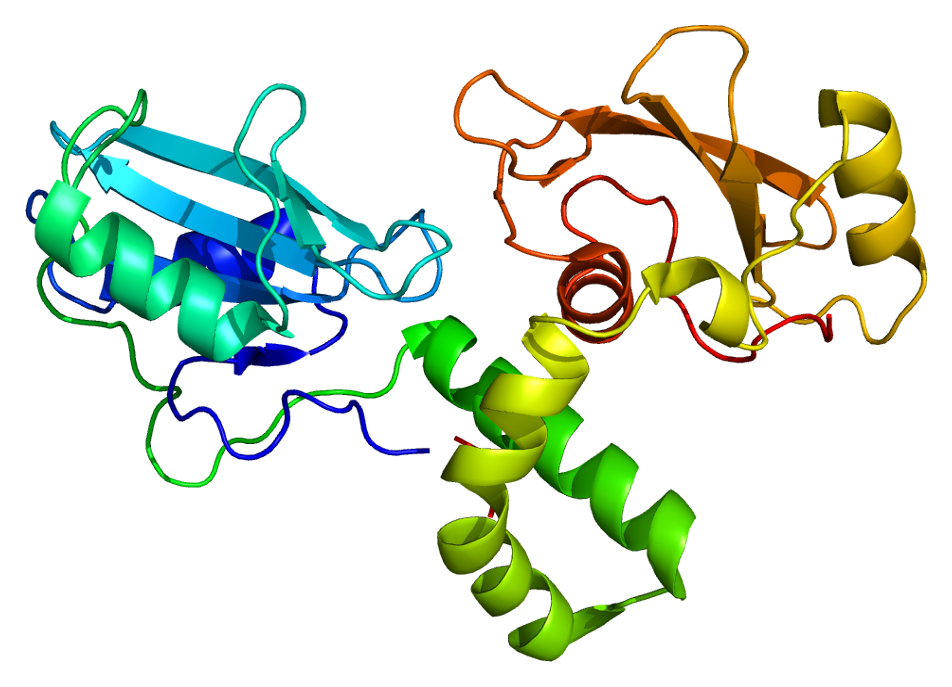
Imunodeficiência combinada por deficiência de ITK
📋 Origem dos dados
Esta página agrega dados de fontes públicas e oficiais. Dados sobre cobertura no SUS (PCDT, CEAF) são verificados ativamente por agente proativo (ver badge no infobox). Demais dados têm atribuição de fonte + data da última sincronização — clique para abrir o original.
- Doença rara (ontologia)
- fonte: Orphanet
- Identificador unificado
- fonte: MONDO
- Genética mendeliana
- fonte: OMIM
- Codificação WHO/SUS
- fonte: WHO ICD-10 / DATASUS
- NIH/GARD
- fonte: GARD (NIH)
- Indexação biomédica
- fonte: MeSH (NLM)