
Forma rara de hemocromatose (CH) caracterizada por aumento da saturação de transferrina e deposição hepatocelular de ferro com padrões de distribuição e características clínicas indistinguíveis de pacientes com outros tipos de CH.
Introdução
O que você precisa saber de cara
Forma rara de hemocromatose (CH) caracterizada por aumento da saturação de transferrina e deposição hepatocelular de ferro com padrões de distribuição e características clínicas indistinguíveis de pacientes com outros tipos de CH.
Encontrou um erro ou informação desatualizada? Sugira uma correção →
Entender a doença
Do básico ao detalhe, leia no seu ritmo
Preparando trilha educativa...
Sinais e sintomas
O que aparece no corpo e com que frequência cada sintoma acontece
Partes do corpo afetadas
+ 7 sintomas em outras categorias
Características mais comuns
Os sintomas variam de pessoa para pessoa. Abaixo estão as 17 características clínicas mais associadas, ordenadas por frequência.
Linha do tempo da pesquisa
Encontrou um erro ou informação desatualizada? Sugira uma correção →
Genética e causas
O que está alterado no DNA e como passa nas famílias
Genes associados
1 gene identificado com associação a esta condição.
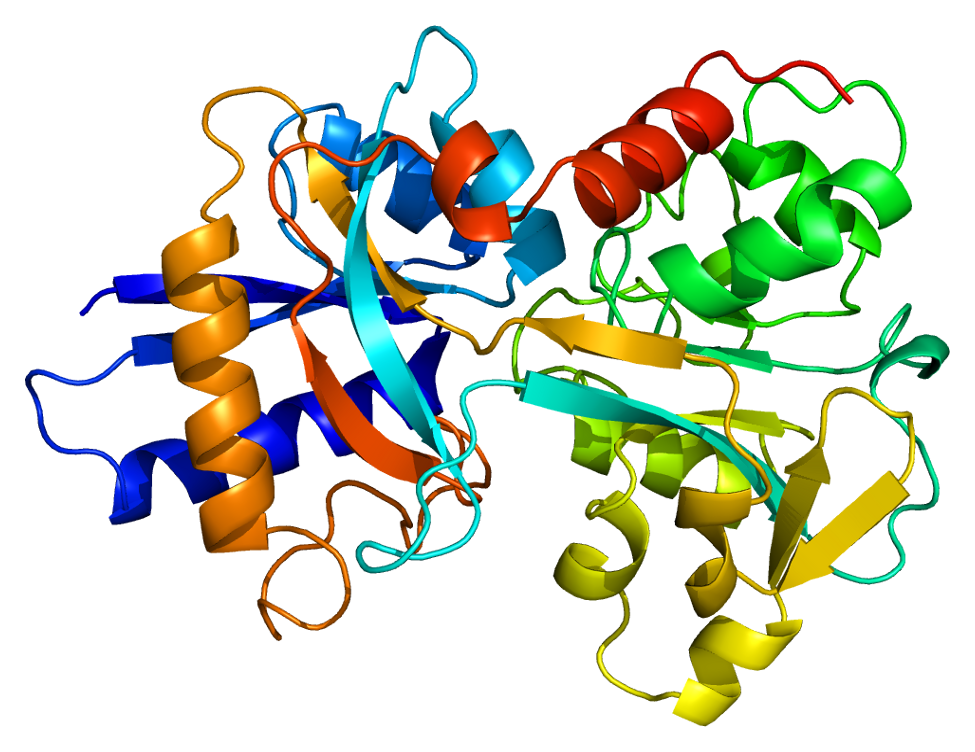
Transports Fe(2+) from the inside of a cell to the outside of the cell, playing a key role for maintaining systemic iron homeostasis (PubMed:15692071, PubMed:22178646, PubMed:22682227, PubMed:24304836, PubMed:29237594, PubMed:29599243, PubMed:30247984). Transports iron from intestinal, splenic, hepatic cells, macrophages and erythrocytes into the blood to provide iron to other tissues (By similarity). Controls therefore dietary iron uptake, iron recycling by macrophages and erythrocytes, and rel
Cell membraneBasolateral cell membrane
Hemochromatosis 4
A disorder of iron metabolism characterized by iron overload. Excess iron is deposited in a variety of organs leading to their failure, and resulting in serious illnesses including cirrhosis, hepatomas, diabetes, cardiomyopathy, arthritis, and hypogonadotropic hypogonadism. Severe effects of the disease usually do not appear until after decades of progressive iron loading.
Variantes genéticas (ClinVar)
89 variantes patogênicas registradas no ClinVar.
Vias biológicas (Reactome)
5 vias biológicas associadas aos genes desta condição.
Diagnóstico
Os sinais que médicos procuram e os exames que confirmam
Tratamento e manejo
Remédios, cuidados de apoio e o que precisa acompanhar
Onde tratar no SUS
Hospitais de referência no Brasil e o protocolo oficial do SUS (PCDT)
🇧🇷 Atendimento SUS — Doença da ferroportina
Selecione um estado ou use sua localização para ver resultados.
Dados de DATASUS/CNES, SBGM, ABNeuro e Ministério da Saúde. Sempre confirme a disponibilidade diretamente com o estabelecimento.
Pesquisa ativa
Ensaios clínicos abertos e novidades científicas recentes
Pesquisa e ensaios clínicos
1 ensaios clínicos encontrados.
Publicações mais relevantes
Characterization of ferroportin disease and SLC40A1-related hemochromatosis - Results from the EASL non-HFE registry.
Pathogenic variants in the cellular iron exporter ferroportin (SLC40A1) cause hepatic and splenic iron overload. Low to normal transferrin saturation (TSAT) and iron accumulation in Kupffer cells with high splenic iron distinguish ferroportin disease (FD) from SLC40A1-related hemochromatosis (SLC40A1-HC), which are both caused by variants in SLC40A1. The aim of our study was to describe pathogenic mutations in SLC40A1, phenotypic variability in affected patients and compare outcomes with HFE-related hemochromatosis (HFE-HC). The international EASL non-HFE hemochromatosis patient registry prospectively collected clinical, radiological, biochemical, and genetic data for 95 patients with SLC40A1 variants from six centers. Additionally, 363 patients were identified by a systematic literature review. As a comparator, 603 patients diagnosed with HFE-HC were included. The FD phenotype presented in 65.5% of affected individuals. Patients with FD were younger at diagnosis and more often female than those with SLC40A1-HC. SLC40A1 variants were associated with higher hepatic and splenic iron concentrations compared to the HFE-HC group. Variability in phenotypic presentation was high among patients with SLC40A1 variants, and a genotype-to-phenotype correlation could only explain a small proportion of this variation. Variants that directly affect the metal binding site in ferroportin more likely presented with high TSAT. Patients with the SLC40A1-HC phenotype (TSAT >45%) had a higher risk of fibrosis. Life expectancy was similar between patients with SLC40A1 variants and matched patients with HFE-HC. Most individuals with SLC40A1 variants (73.2%) received regular phlebotomies, which were not associated with differences in life expectancy. Mutations in SLC40A1 cause a highly variable disease spectrum with hepatic and splenic iron overload. Fibrosis risk is higher in patients with elevated TSAT. Clinical management of individuals with SLC40A1 variants has largely been extrapolated from HFE-related hemochromatosis despite fundamental pathophysiological differences. Our study provides detailed phenotypic characterization that supports diagnosis and distinction of these rare iron overload disorders. Long-term follow-up shows preserved life expectancy, unaffected by phlebotomy, underscoring the need to critically assess phlebotomy on an individualized basis. Patients with SLC40A1-related hemochromatosis (transferrin saturation >45%) had a higher prevalence of chronic liver disease than those with ferroportin disease, suggesting that elevated transferrin saturation and hepatic iron drive disease progression, which can guide risk stratification and clinical decision making. Not applicable.
Lipidic nanomedicines enhance Hinokitiol activity on human primary macrophages from Ferroportin disease patients.
Iron overload disorders pose complex clinical challenges. Hinokitiol (HK) is a promising therapeutic candidate as it can shuttle iron across cell membranes and release sequestered intracellular iron, especially for conditions like Ferroportin Disease (FD), where phlebotomy and iron chelation are often inadequate or burdensome. However, HK's clinical utility is limited by its physical-chemical properties and biodistribution. In this study, we report the first evaluation of biodegradable and biocompatible Nanomedicines (NMeds) developed for the parenteral administration of HK. Polymeric and lipidic NMeds were evaluated, namely poly lactic-co-glycolide (PLGA), Cholesterol (Chol) NMeds, and Nanostructured Lipid Carriers (NLC). The optimization led to homogeneous NMeds with size < 300 nm and encapsulation efficiency up to 40 %, despite the small molecular weight and volatile nature of HK. Drug retention ability was assessed, allowing for the selection of 3 NMeds to be tested on iron-loaded macrophage model (J774 cell line) and human primary macrophages obtained from healthy blood donors and FD patient-bearing two different mutations. Data revealed that all HK-loaded NMeds are non-toxic and can accumulate in the cells, but most importantly they are more efficient than the free HK in reducing the intracellular iron pool. NLCs in particular showed the most promising behavior in terms of high efficacy and low toxicity. These results demonstrate that delivering HK via NMeds is preferable to administering free HK, representing the first step towards the development of a more efficient treatment of this currently challenging disease.
Identification of New Key Players for Ferrous Iron Export in the Asymmetric Inner Gate of Human Ferroportin 1.
The Major Facilitator Superfamily (MFS) is the largest known family of secondary transporters. These proteins share a common architecture comprising two lobes, each including 6 transmembrane (TM) helices, related by twofold pseudosymmetry. They transport a wide range of substrates through large conformational changes relying on the opening and closing of gates located on either side of biological membranes. Human ferroportin 1 (HsFPN1), the sole characterized mammalian iron exporter, follows this pattern. It is, however, characterized by an unusual intracellular gate, formed by two asymmetric networks of non-covalent bonds linking the two lobes. We studied the behavior of these networks in all-atom molecular dynamics simulations and functionally assessed the effect of alanine substitutions on HsFPN1 plasma membrane expression and iron export activity. We identified two new critical residues, Arg156 and Tyr318, connecting the networks to each other and to one of two metal-coordinating sites, located in an unwound region of TM7. We extended the analysis to a previously unreported missense variation, p.Gln478Arg, which was found to have a very strong impact on one of the two inter-lobe connection networks, and to result in a significant HsFPN1 loss-of-function. This led us to present the p.Gln478Arg substitution as a new pathogenic variation causing ferroportin disease. Together, our results provide new insights into the structure and dynamics of the human FPN1 inner gate and its asymmetry, shedding light on its potential role in the mechanism of iron export while offering a framework to better understand previously unexplained clinical observations.
Diagnosis and Management of Non-HFE Hemochromatosis, Ferroportin Disease, and Rare Hereditary Iron-Loading Disorders.
Beyond the classic HFE-hemochromatosis, several genetic iron-loading disorders arise from mutations in genes regulating iron homeostasis, such as TFR2, HAMP, HJV, and the SLC40A1 (ferroportin) gene, as well as those involved in iron transport and mitochondrial function. These disorders lead to systemic or localized iron overload, resulting in complications such as liver disease, cardiomyopathy, endocrine dysfunction, and neurodegeneration. This chapter reviews the genetic basis, clinical presentations, and therapeutic approaches, emphasizing the importance of early diagnosis and intervention to mitigate organ damage and improve outcomes.
The dual loss and gain of function of the FPN1 iron exporter results in the ferroportin disease phenotype.
Heterozygous mutations in SLC40A1, encoding a multi-pass membrane protein of the major facilitator superfamily known as ferroportin 1 (FPN1), are responsible for two distinct hereditary iron-overload diseases: ferroportin disease, which is associated with reduced FPN1 activity (i.e., decrease in cellular iron export), and SLC40A1-related hemochromatosis, which is associated with abnormally high FPN1 activity (i.e., resistance to hepcidin). Here, we report three SLC40A1 missense variants with opposite functional consequences. In cultured cells, the p.Arg40Gln and p.Ser47Phe substitutions partially reduced the ability of FPN1 to export iron and also partially reduced its sensitivity to hepcidin. The p.Ala350Val substitution had more profound effects, resulting in low FPN1 iron egress and weak FPN1/hepcidin interaction. Structural analyses helped to differentiate the first two substitutions, which are predicted to cause local instabilities, and the third, which is thought to prevent critical rigid-body movements that are essential to the iron transport cycle. The phenotypic traits observed in a total of 12 affected individuals are highly suggestive of ferroportin disease. Our findings dismantle the classical dualism of FPN1 loss versus gain of function, highlight some specific and unexpected functions of FPN1 transmembrane helices in the molecular mechanism of iron export and its regulation by hepcidin, and extend the spectrum of rare genetic variants that may cause ferroportin disease.
Publicações recentes
Comparing the types of haemochromatosis- from genetics to clinics.
Characterization of ferroportin disease and SLC40A1-related hemochromatosis - Results from the EASL non-HFE registry.
Lipidic nanomedicines enhance Hinokitiol activity on human primary macrophages from Ferroportin disease patients.
Identification of New Key Players for Ferrous Iron Export in the Asymmetric Inner Gate of Human Ferroportin 1.
Diagnosis and Management of Non-HFE Hemochromatosis, Ferroportin Disease, and Rare Hereditary Iron-Loading Disorders.
📚 EuropePMC56 artigos no totalmostrando 55
Characterization of ferroportin disease and SLC40A1-related hemochromatosis - Results from the EASL non-HFE registry.
Journal of hepatologyLipidic nanomedicines enhance Hinokitiol activity on human primary macrophages from Ferroportin disease patients.
International journal of pharmaceuticsIdentification of New Key Players for Ferrous Iron Export in the Asymmetric Inner Gate of Human Ferroportin 1.
FASEB journal : official publication of the Federation of American Societies for Experimental BiologyDiagnosis and Management of Non-HFE Hemochromatosis, Ferroportin Disease, and Rare Hereditary Iron-Loading Disorders.
Advances in experimental medicine and biologyThe dual loss and gain of function of the FPN1 iron exporter results in the ferroportin disease phenotype.
HGG advancesInsights into the role of glycerophospholipids on the iron export function of SLC40A1 and the molecular mechanisms of ferroportin disease.
FASEB journal : official publication of the Federation of American Societies for Experimental BiologyDiagnosing aceruloplasminemia: navigating through red herrings.
Annals of hematologyA 70-year-old Woman with Asymptomatic Ferroportin Disease.
Internal medicine (Tokyo, Japan)[Management of iron overload during pregnancy and childbirth in a patient with ferroportin disease].
[Rinsho ketsueki] The Japanese journal of clinical hematologyHyperferritinemia and non-HFE hemochromatosis: differential diagnosis and workup.
Acta gastro-enterologica BelgicaThe Spectra of Disease-Causing Mutations in the Ferroportin 1 (SLC40A1) Encoding Gene and Related Iron Overload Phenotypes (Hemochromatosis Type 4 and Ferroportin Disease).
Human mutationComparative analysis of the functional properties of human and mouse ferroportin.
American journal of physiology. Cell physiologyA small molecule redistributes iron in ferroportin-deficient mice and patient-derived primary macrophages.
Proceedings of the National Academy of Sciences of the United States of AmericaThe novel SLC40A1 (T419I) variant results in a loss-of-function phenotype and may provide insights into the mechanism of large granular lymphocytic leukemia and pure red cell aplasia.
Blood science (Baltimore, Md.)A simple clinical score to promote and enhance ferroportin disease screening.
Journal of hepatologyHemochromatosis classification: update and recommendations by the BIOIRON Society.
BloodAppropriate Clinical Genetic Testing of Hemochromatosis Type 2-4, Including Ferroportin Disease.
The application of clinical geneticsIron chelators reverse organ damage in type 4B hereditary hemochromatosis: Case reports.
MedicineLong-term phlebotomy successfully alleviated hepatic iron accumulation in a ferroportin disease patient with a mutation in SLC40A1: a case report.
BMC gastroenterologyBiology of the iron efflux transporter, ferroportin.
Advances in protein chemistry and structural biologySplicing analysis of SLC40A1 missense variations and contribution to hemochromatosis type 4 phenotypes.
Blood cells, molecules & diseases[A case of ferroportin disease with phenotype A gene mutation in SCL40A1 resembling phenotype B manifestation influenced by alcohol consumption].
Nihon Shokakibyo Gakkai zasshi = The Japanese journal of gastro-enterologyInherited microcytic anemias.
Hematology. American Society of Hematology. Education ProgramGenetic iron overload disorders.
Molecular aspects of medicineReduced iron export associated with hepcidin resistance can explain the iron overload spectrum in ferroportin disease.
Liver international : official journal of the International Association for the Study of the LiverFerroportin disease: A novel SLC40A1 mutation.
Digestive and liver disease : official journal of the Italian Society of Gastroenterology and the Italian Association for the Study of the LiverEvidence for dimerization of ferroportin in a human hepatic cell line using proximity ligation assays.
Bioscience reportsInherited iron overload disorders.
Translational gastroenterology and hepatologyMolecular model of the ferroportin intracellular gate and implications for the human iron transport cycle and hemochromatosis type 4A.
FASEB journal : official publication of the Federation of American Societies for Experimental BiologyTwenty Years of Ferroportin Disease: A Review or An Update of Published Clinical, Biochemical, Molecular, and Functional Features.
Pharmaceuticals (Basel, Switzerland)Iron Matryoshka-Haemochromatosis nested in Ferroportin Disease?
Liver international : official journal of the International Association for the Study of the LiverA novel SLC40A1 p.Y333H mutation with gain of function of ferroportin: A recurrent cause of haemochromatosis in China.
Liver international : official journal of the International Association for the Study of the LiverInherited Disorders of Iron Overload.
Frontiers in nutritionLoss-of-function ferroportin disease: novel mechanistic insights and unanswered questions.
HaematologicaFerroportin disease mutations influence manganese accumulation and cytotoxicity.
FASEB journal : official publication of the Federation of American Societies for Experimental BiologyPathophysiology and classification of iron overload diseases; update 2018.
Transfusion clinique et biologique : journal de la Societe francaise de transfusion sanguineFerroportin Disease Caused by a Heterozygous Variant p.Cys326Phe in the SLC40A1 Gene and the Efficacy of Therapeutic Phlebotomy in Children.
Journal of pediatric hematology/oncologyThe interactions between iron and copper in genetic iron overload syndromes and primary copper toxicoses in Japan.
Hepatology research : the official journal of the Japan Society of HepatologyA 10-year Follow-up Study of a Japanese Family with Ferroportin Disease A: Mild Iron Overload with Mild Hyperferritinemia Co-occurring with Hyperhepcidinemia May Be Benign.
Internal medicine (Tokyo, Japan)Structure-function analysis of ferroportin defines the binding site and an alternative mechanism of action of hepcidin.
BloodGenetic hemochromatosis: Pathophysiology, diagnostic and therapeutic management.
Presse medicale (Paris, France : 1983)Characterization of three novel pathogenic SLC40A1 mutations and genotype/phenotype correlations in 7 Italian families with type 4 hereditary hemochromatosis.
Biochimica et biophysica acta. Molecular basis of diseaseFerroportin disease: pathogenesis, diagnosis and treatment.
HaematologicaType 4B hereditary hemochromatosis associated with a novel mutation in the SLC40A1 gene: A case report and a review of the literature.
MedicineThe dynamics of hepcidin-ferroportin internalization and consequences of a novel ferroportin disease mutation.
American journal of hematologyHuman macrophage ferroportin biology and the basis for the ferroportin disease.
Hepatology (Baltimore, Md.)Hemocromatosis: a changing world.
Bulletin de l'Academie nationale de medecineDistribution of manganese and other biometals in flatiron mice.
Biometals : an international journal on the role of metal ions in biology, biochemistry, and medicineThe global prevalence of HFE and non-HFE hemochromatosis estimated from analysis of next-generation sequencing data.
Genetics in medicine : official journal of the American College of Medical GeneticsIron metabolism and related genetic diseases: A cleared land, keeping mysteries.
Journal of hepatologyCopper Accumulates in Hemosiderins in Livers of Patients with Iron Overload Syndromes.
Journal of clinical and translational hepatologyA male patient with ferroportin disease B and a female patient with iron overload similar to ferroportin disease B.
Clinical journal of gastroenterologyNovel gain of function mutation in the SLC40A1 gene associated with hereditary haemochromatosis type 4.
Internal medicine journalIron chelation with deferasirox in a patient with de-novo ferroportin mutation.
Journal of trace elements in medicine and biology : organ of the Society for Minerals and Trace Elements (GMS)Pediatric Ferroportin Disease.
Journal of pediatric gastroenterology and nutritionAssociações
Organizações que acompanham esta doença — pra ter apoio e orientação
Ainda não temos associações cadastradas para Doença da ferroportina.
É de uma associação que acompanha esta doença? Fale com a gente →
Comunidades
Grupos ativos de quem convive com esta doença aqui no Raras
Ainda não existe comunidade no Raras para Doença da ferroportina
Pacientes, familiares e cuidadores se organizam em comunidades pra compartilhar experiências, fazer perguntas e se apoiar. Você pode ser o primeiro.
Tire suas dúvidas
Perguntas, dicas e experiências compartilhadas aqui na página
Participe da discussão
Faça login para postar dúvidas, compartilhar experiências e interagir com especialistas.
Fazer loginDoenças relacionadas
Doenças com sintomas parecidos — ajudam quem ainda está buscando diagnóstico
Referências e fontes
Bases de dados externas citadas neste artigo
Publicações científicas
Artigos indexados no PubMed ligados a esta doença no grafo RarasNet — título, periódico e PMID direto da fonte, sem intermediação de IA.
- Characterization of ferroportin disease and SLC40A1-related hemochromatosis - Results from the EASL non-HFE registry.
- Lipidic nanomedicines enhance Hinokitiol activity on human primary macrophages from Ferroportin disease patients.
- Identification of New Key Players for Ferrous Iron Export in the Asymmetric Inner Gate of Human Ferroportin 1.FASEB journal : official publication of the Federation of American Societies for Experimental Biology· 2025· PMID 40641261mais citado
- Diagnosis and Management of Non-HFE Hemochromatosis, Ferroportin Disease, and Rare Hereditary Iron-Loading Disorders.
- The dual loss and gain of function of the FPN1 iron exporter results in the ferroportin disease phenotype.
- Comparing the types of haemochromatosis- from genetics to clinics.
Bases de dados e fontes oficiais
Identificadores e referências canônicas usadas para montar este verbete.
- ORPHA:648562(Orphanet)
- OMIM OMIM:606069(OMIM)
- MONDO:0011631(MONDO)
- GARD:10094(GARD (NIH))
- Variantes catalogadas(ClinVar)
- Busca completa no PubMed(PubMed)
Dados compilados pelo RarasNet a partir de fontes abertas (Orphanet, OMIM, MONDO, PubMed/EuropePMC, ClinicalTrials.gov, DATASUS, PCDT/MS). Este conteúdo é informativo e não substitui avaliação médica.
Conteúdo mantido por Agente Raras · Médicos e pesquisadores podem colaborar
Doença da ferroportina
📋 Origem dos dados
Esta página agrega dados de fontes públicas e oficiais. Dados sobre cobertura no SUS (PCDT, CEAF) são verificados ativamente por agente proativo (ver badge no infobox). Demais dados têm atribuição de fonte + data da última sincronização — clique para abrir o original.
- Doença rara (ontologia)
- fonte: Orphanet
- Identificador unificado
- fonte: MONDO
- Genética mendeliana
- fonte: OMIM
- Codificação WHO/SUS
- fonte: WHO ICD-10 / DATASUS
- CID-11 (futuro)
- fonte: WHO ICD-11
- NIH/GARD
- fonte: GARD (NIH)
- Indexação biomédica
- fonte: MeSH (NLM)