
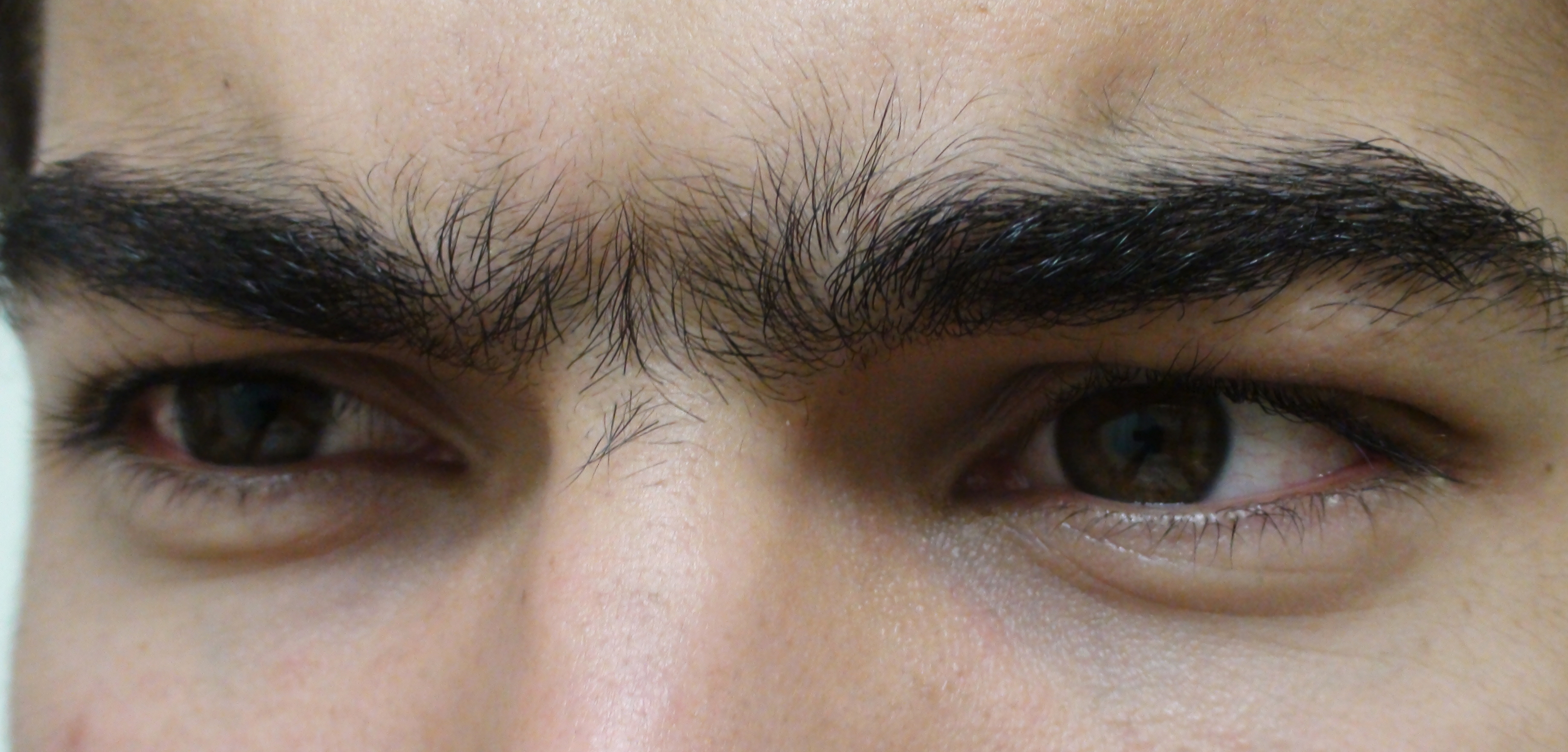
É uma síndrome que se manifesta com várias alterações no corpo, caracterizada por: megacólon de Hirschsprung (uma dilatação do intestino grosso), cabeça menor que o normal (microcefalia), olhos mais afastados um do outro (hipertelorismo), uma fenda oculta no céu da boca (fenda submucosa do palato), baixa estatura e dificuldades de aprendizado.
Introdução
O que você precisa saber de cara
É uma síndrome que se manifesta com várias alterações no corpo, caracterizada por: megacólon de Hirschsprung (uma dilatação do intestino grosso), cabeça menor que o normal (microcefalia), olhos mais afastados um do outro (hipertelorismo), uma fenda oculta no céu da boca (fenda submucosa do palato), baixa estatura e dificuldades de aprendizado.
Escala de raridade
<1/50kMuito rara
1/20kRara
1/10kPouco freq.
1/5kIncomum
1/2k
Encontrou um erro ou informação desatualizada? Sugira uma correção →
Entender a doença
Do básico ao detalhe, leia no seu ritmo
Preparando trilha educativa...
Sinais e sintomas
O que aparece no corpo e com que frequência cada sintoma acontece
Partes do corpo afetadas
+ 17 sintomas em outras categorias
Características mais comuns
Os sintomas variam de pessoa para pessoa. Abaixo estão as 58 características clínicas mais associadas, ordenadas por frequência.
Linha do tempo da pesquisa
Encontrou um erro ou informação desatualizada? Sugira uma correção →
Genética e causas
O que está alterado no DNA e como passa nas famílias
Genes associados
1 gene identificado com associação a esta condição. Padrão de herança: Autosomal recessive.
Curadoria gene-doença
fontes oficiaisActivator of KIF1B plus-end-directed microtubule motor activity (PubMed:16225668). Required for organization of axonal microtubules, and axonal outgrowth and maintenance during peripheral and central nervous system development
Cytoplasm, cytoskeleton
Goldberg-Shprintzen syndrome
A disorder characterized by intellectual disability, microcephaly, and dysmorphic facial features. Most patients also have Hirschsprung disease.
Variantes genéticas (ClinVar)
52 variantes patogênicas registradas no ClinVar.
Diagnóstico
Os sinais que médicos procuram e os exames que confirmam
Tratamento e manejo
Remédios, cuidados de apoio e o que precisa acompanhar
Onde tratar no SUS
Hospitais de referência no Brasil e o protocolo oficial do SUS (PCDT)
🇧🇷 Atendimento SUS — Síndrome de megalocólon de Goldberg-Shprintzen
Selecione um estado ou use sua localização para ver resultados.
Dados de DATASUS/CNES, SBGM, ABNeuro e Ministério da Saúde. Sempre confirme a disponibilidade diretamente com o estabelecimento.
Pesquisa ativa
Ensaios clínicos abertos e novidades científicas recentes
Pesquisa e ensaios clínicos
Nenhum ensaio clínico registrado para esta condição.
Publicações mais relevantes
Goldberg-Shprintzen syndrome protein KIF1BP is a CITK interactor implicated in cytokinesis.
Goldberg-Shprintzen disease (GOSHS) is a rare microcephaly syndrome accompanied by intellectual disability, dysmorphic facial features, peripheral neuropathy and Hirschsprung disease. It is associated with recessive mutations in the gene encoding kinesin family member 1-binding protein (KIF1BP, also known as KIFBP). The encoded protein regulates axon microtubules dynamics, kinesin attachment and mitochondrial biogenesis, but it is not clear how its loss could lead to microcephaly. We identified KIF1BP in the interactome of citron kinase (CITK, also known as CIT), a protein produced by the primary hereditary microcephaly 17 (MCPH17) gene. KIF1BP and CITK interact under physiological conditions in mitotic cells. Similar to CITK, KIF1BP is enriched at the midbody ring and is required for cytokinesis. The association between KIF1BP and CITK can be influenced by CITK activity, and the two proteins may antagonize each other for their midbody localization. KIF1BP knockdown decreases microtubule stability, increases KIF23 midbody levels and impairs midbody localization of KIF14, as well as of chromosome passenger complex. These data indicate that KIF1BP is a CITK interactor involved in midbody maturation and abscission, and suggest that cytokinesis failure may contribute to the microcephaly phenotype observed in GOSHS.
Goldberg-Shprintzen syndrome is determined by the absence, or reduced expression levels, of KIFBP.
Goldberg-Shprintzen syndrome (GOSHS) is caused by loss of function variants in the kinesin binding protein gene (KIFBP). However, the phenotypic range of this syndrome is wide, indicating that other factors may play a role. To date, 37 patients with GOSHS have been reported. Here, we document nine new patients with variants in KIFBP: seven with nonsense variants and two with missense variants. To our knowledge, this is the first time that missense variants have been reported in GOSHS. We functionally investigated the effect of the variants identified, in an attempt to find a genotype-phenotype correlation. We also determined whether common Hirschsprung disease (HSCR)-associated single nucleotide polymorphisms (SNPs), could explain the presence of HSCR in GOSHS. Our results showed that the missense variants led to reduced expression of KIFBP, while the truncating variants resulted in lack of protein. However, no correlation was found between the severity of GOSHS and the location of the variants. We were also unable to find a correlation between common HSCR-associated SNPs, and HSCR development in GOSHS. In conclusion, we show that reduced, as well as lack of KIFBP expression can lead to GOSHS, and our results suggest that a threshold expression of KIFBP may modulate phenotypic variability of the disease.
Kinesin-Binding Protein Controls Microtubule Dynamics and Cargo Trafficking by Regulating Kinesin Motor Activity.
Kinesin motor proteins play a fundamental role for normal neuronal development by controlling intracellular cargo transport and microtubule (MT) cytoskeleton organization. Regulating kinesin activity is important to ensure their proper functioning, and their misregulation often leads to severe human neurological disorders. Homozygous nonsense mutations in kinesin-binding protein (KBP)/KIAA1279 cause the neurological disorder Goldberg-Shprintzen syndrome (GOSHS), which is characterized by intellectual disability, microcephaly, and axonal neuropathy. Here, we show that KBP regulates kinesin activity by interacting with the motor domains of a specific subset of kinesins to prevent their association with the MT cytoskeleton. The KBP-interacting kinesins include cargo-transporting motors such as kinesin-3/KIF1A and MT-depolymerizing motor kinesin-8/KIF18A. We found that KBP blocks KIF1A/UNC-104-mediated synaptic vesicle transport in cultured hippocampal neurons and in C. elegans PVD sensory neurons. In contrast, depletion of KBP results in the accumulation of KIF1A motors and synaptic vesicles in the axonal growth cone. We also show that KBP regulates neuronal MT dynamics by controlling KIF18A activity. Our data suggest that KBP functions as a kinesin inhibitor that modulates MT-based cargo motility and depolymerizing activity of a subset of kinesin motors. We propose that misregulation of KBP-controlled kinesin motors may represent the underlying molecular mechanism that contributes to the neuropathological defects observed in GOSHS patients.
Goldberg-Shprintzen megacolon syndrome with associated sensory motor axonal neuropathy.
Goldberg-Shprintzen megacolon syndrome (GOSHS) (OMIM 609460) is characterized by a combination of learning difficulties, characteristic dysmorphic features and Hirschsprung's disease. Variable clinical features include iris coloboma, congenital heart defects and central nervous system abnormalities, in particular polymicrogyria. GOSHS has been attributed to recessive mutations in KIAA1279, encoding kinesin family member (KIF)-binding protein (KBP) with a crucial role in neuronal microtubule dynamics. Here we report on a 7-year-old girl with GOSHS as a result of a homozygous deletion of exons 5 and 6 of the KIAA1279 gene. She had been referred with the suspicion of an underlying neuromuscular disorder before the genetic diagnosis was established, prompted by the findings of motor developmental delay, hypotonia, ptosis and absent reflexes. Neurophysiological studies revealed unequivocal evidence of a peripheral axonal sensory motor neuropathy. We hypothesize that an axonal sensory motor neuropathy may be part of the phenotypical spectrum of KIAA1279-related GOSHS, probably reflecting the effects of reduced KBP protein expression on peripheral neuronal function.
Publicações recentes
Ver todas no PubMed📚 EuropePMC1 artigos no totalmostrando 4
Goldberg-Shprintzen syndrome protein KIF1BP is a CITK interactor implicated in cytokinesis.
Journal of cell scienceGoldberg-Shprintzen syndrome is determined by the absence, or reduced expression levels, of KIFBP.
Human mutationKinesin-Binding Protein Controls Microtubule Dynamics and Cargo Trafficking by Regulating Kinesin Motor Activity.
Current biology : CBGoldberg-Shprintzen megacolon syndrome with associated sensory motor axonal neuropathy.
American journal of medical genetics. Part AAssociações
Organizações que acompanham esta doença — pra ter apoio e orientação
Ainda não temos associações cadastradas para Síndrome de megalocólon de Goldberg-Shprintzen.
É de uma associação que acompanha esta doença? Fale com a gente →
Comunidades
Grupos ativos de quem convive com esta doença aqui no Raras
Ainda não existe comunidade no Raras para Síndrome de megalocólon de Goldberg-Shprintzen
Pacientes, familiares e cuidadores se organizam em comunidades pra compartilhar experiências, fazer perguntas e se apoiar. Você pode ser o primeiro.
Tire suas dúvidas
Perguntas, dicas e experiências compartilhadas aqui na página
Participe da discussão
Faça login para postar dúvidas, compartilhar experiências e interagir com especialistas.
Fazer loginDoenças relacionadas
Doenças com sintomas parecidos — ajudam quem ainda está buscando diagnóstico
Referências e fontes
Bases de dados externas citadas neste artigo
Publicações científicas
Artigos indexados no PubMed ligados a esta doença no grafo RarasNet — título, periódico e PMID direto da fonte, sem intermediação de IA.
- Goldberg-Shprintzen syndrome protein KIF1BP is a CITK interactor implicated in cytokinesis.
- Goldberg-Shprintzen syndrome is determined by the absence, or reduced expression levels, of KIFBP.
- Kinesin-Binding Protein Controls Microtubule Dynamics and Cargo Trafficking by Regulating Kinesin Motor Activity.
- Goldberg-Shprintzen megacolon syndrome with associated sensory motor axonal neuropathy.
Bases de dados e fontes oficiais
Identificadores e referências canônicas usadas para montar este verbete.
- ORPHA:66629(Orphanet)
- OMIM OMIM:609460(OMIM)
- MONDO:0012280(MONDO)
- GARD:9849(GARD (NIH))
- Variantes catalogadas(ClinVar)
- Busca completa no PubMed(PubMed)
- Q3508639(Wikidata)
Dados compilados pelo RarasNet a partir de fontes abertas (Orphanet, OMIM, MONDO, PubMed/EuropePMC, ClinicalTrials.gov, DATASUS, PCDT/MS). Este conteúdo é informativo e não substitui avaliação médica.
Conteúdo mantido por Agente Raras · Médicos e pesquisadores podem colaborar
Síndrome de megalocólon de Goldberg-Shprintzen
📋 Origem dos dados
Esta página agrega dados de fontes públicas e oficiais. Dados sobre cobertura no SUS (PCDT, CEAF) são verificados ativamente por agente proativo (ver badge no infobox). Demais dados têm atribuição de fonte + data da última sincronização — clique para abrir o original.
- Doença rara (ontologia)
- fonte: Orphanet
- Identificador unificado
- fonte: MONDO
- Genética mendeliana
- fonte: OMIM
- Codificação WHO/SUS
- fonte: WHO ICD-10 / DATASUS
- CID-11 (futuro)
- fonte: WHO ICD-11
- NIH/GARD
- fonte: GARD (NIH)
- Indexação biomédica
- fonte: MeSH (NLM)
- Dado público estruturado
- fonte: Wikidata