
A Doença de Gaucher tipo 3 é uma forma da Doença de Gaucher (DG) que afeta o sistema nervoso (neurológica) de maneira gradual (subaguda) e é caracterizada por uma doença cerebral que piora progressivamente. Ela também está associada aos sintomas que afetam várias partes do corpo (manifestações sistêmicas) da DG tipo 1, como: aumento de órgãos, problemas nos ossos e baixa contagem de células no sangue.
Introdução
O que você precisa saber de cara
A Doença de Gaucher tipo 3 é uma forma da Doença de Gaucher (DG) que afeta o sistema nervoso (neurológica) de maneira gradual (subaguda) e é caracterizada por uma doença cerebral que piora progressivamente. Ela também está associada aos sintomas que afetam várias partes do corpo (manifestações sistêmicas) da DG tipo 1, como: aumento de órgãos, problemas nos ossos e baixa contagem de células no sangue.
Escala de raridade
<1/50kMuito rara
1/20kRara
1/10kPouco freq.
1/5kIncomum
1/2k
Encontrou um erro ou informação desatualizada? Sugira uma correção →
Entender a doença
Do básico ao detalhe, leia no seu ritmo
Preparando trilha educativa...
Sinais e sintomas
O que aparece no corpo e com que frequência cada sintoma acontece
Partes do corpo afetadas
+ 13 sintomas em outras categorias
Características mais comuns
Os sintomas variam de pessoa para pessoa. Abaixo estão as 53 características clínicas mais associadas, ordenadas por frequência.
Linha do tempo da pesquisa
Triagem neonatal (Teste do Pezinho)
A triagem neonatal permite diagnóstico precoce e início imediato do tratamento.
Encontrou um erro ou informação desatualizada? Sugira uma correção →
Genética e causas
O que está alterado no DNA e como passa nas famílias
Genes associados
1 gene identificado com associação a esta condição. Padrão de herança: Autosomal recessive.
Curadoria gene-doença
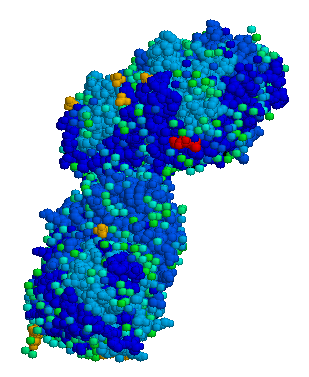
fontes oficiaisGlucosylceramidase that catalyzes, within the lysosomal compartment, the hydrolysis of glucosylceramides/GlcCers (such as beta-D-glucosyl-(1<->1')-N-acylsphing-4-enine) into free ceramides (such as N-acylsphing-4-enine) and glucose (PubMed:15916907, PubMed:24211208, PubMed:32144204, PubMed:39395789, PubMed:9201993). Plays a central role in the degradation of complex lipids and the turnover of cellular membranes (PubMed:27378698). Through the production of ceramides, participates in the PKC-activ
Lysosome membrane
Gaucher disease
An autosomal recessive lysosomal storage disease due to deficient activity of lysosomal beta-glucocerebrosidase, and characterized by accumulation of glucosylceramide in the reticulo-endothelial system. GD is a multisystem disease historically divided into three main subtypes on the basis of the presence of neurologic involvement, age at onset and progression rate: type 1 is the non-neuropathic form, type 2 is the acute neuropathic form with early onset and rapid neurologic deterioration, type 3 is the chronic neuropathic form with slow progression of neurologic features. GD shows a marked phenotypic diversity ranging from adult asymptomatic forms, at the mild end, to perinatal lethal forms at the severe end of the disease spectrum. Formal diagnosis of Gaucher disease is based on the measurement of glucocerebrosidase levels in circulating leukocytes and molecular genetic analysis.
Medicamentos aprovados (FDA)
2 medicamentos encontrados nos registros da FDA americana.
Variantes genéticas (ClinVar)
305 variantes patogênicas registradas no ClinVar.
Classificação de variantes (ClinVar)
Distribuição de 431 variantes classificadas pelo ClinVar.
Vias biológicas (Reactome)
2 vias biológicas associadas aos genes desta condição.
Diagnóstico
Os sinais que médicos procuram e os exames que confirmam
Tratamento e manejo
Remédios, cuidados de apoio e o que precisa acompanhar
Onde tratar no SUS
Hospitais de referência no Brasil e o protocolo oficial do SUS (PCDT)
🇧🇷 Atendimento SUS — Doença de Gaucher tipo 3
Centros de Referência SUS
21 centros habilitados pelo SUS para Doença de Gaucher tipo 3
Centros para Doença de Gaucher tipo 3
Detalhes dos centros
Hospital Universitário Prof. Edgard Santos (HUPES)
R. Dr. Augusto Viana, s/n - Canela, Salvador - BA, 40110-060 · CNES 0003808
Serviço de Referência
Hospital de Apoio de Brasília (HAB)
AENW 3 Lote A Setor Noroeste - Plano Piloto, Brasília - DF, 70684-831 · CNES 0010456
Serviço de Referência
Hospital Estadual Infantil e Maternidade Alzir Bernardino Alves (HIABA)
Av. Min. Salgado Filho, 918 - Soteco, Vila Velha - ES, 29106-010 · CNES 6631207
Serviço de Referência
Hospital das Clínicas da UFG
Rua 235 QD. 68 Lote Área, Nº 285, s/nº - Setor Leste Universitário, Goiânia - GO, 74605-050 · CNES 2338424
Serviço de Referência
Hospital das Clínicas da UFMG
Av. Prof. Alfredo Balena, 110 - Santa Efigênia, Belo Horizonte - MG, 30130-100 · CNES 2280167
Serviço de Referência
NUPAD / Faculdade de Medicina UFMG
Av. Prof. Alfredo Balena, 189 - 5 andar - Centro, Belo Horizonte - MG, 30130-100 · CNES 2183226
Serviço de Referência
Hospital Universitário João de Barros Barreto
R. dos Mundurucus, 4487 - Guamá, Belém - PA, 66073-000 · CNES 2337878
Serviço de Referência
Hospital de Clínicas da Universidade Federal de Pernambuco
Av. Prof. Moraes Rego, 1235 - Cidade Universitária, Recife - PE, 50670-901 · CNES 2561492
Atenção Especializada
Instituto de Medicina Integral Prof. Fernando Figueira (IMIP)
R. dos Coelhos, 300 - Boa Vista, Recife - PE, 50070-902 · CNES 0000647
Serviço de Referência
Hospital de Clínicas da UFPR
R. Gen. Carneiro, 181 - Alto da Glória, Curitiba - PR, 80060-900 · CNES 2364980
Serviço de Referência
Hospital Universitário Pedro Ernesto (HUPE-UERJ)
Blvd. 28 de Setembro, 77 - Vila Isabel, Rio de Janeiro - RJ, 20551-030 · CNES 2280221
Serviço de Referência
Instituto Nacional de Saúde da Mulher, da Criança e do Adolescente Fernandes Figueira (IFF/Fiocruz)
Av. Rui Barbosa, 716 - Flamengo, Rio de Janeiro - RJ, 22250-020 · CNES 2269988
Serviço de Referência
Hospital Universitário Onofre Lopes (HUOL)
Av. Nilo Peçanha, 620 - Petrópolis, Natal - RN, 59012-300 · CNES 2408570
Atenção Especializada
Hospital São Lucas da PUCRS
Av. Ipiranga, 6690 - Jardim Botânico, Porto Alegre - RS, 90610-000 · CNES 2232928
Serviço de Referência
Hospital de Clínicas de Porto Alegre (HCPA)
Rua Ramiro Barcelos, 2350 Bloco A - Av. Protásio Alves, 211 - Bloco B e C - Santa Cecília, Porto Alegre - RS, 90035-903 · CNES 2237601
Serviço de Referência
Hospital Universitário da UFSC (HU-UFSC)
R. Profa. Maria Flora Pausewang - Trindade, Florianópolis - SC, 88036-800 · CNES 2560356
Serviço de Referência
Hospital das Clínicas da FMUSP
R. Dr. Ovídio Pires de Campos, 225 - Cerqueira César, São Paulo - SP, 05403-010 · CNES 2077485
Serviço de Referência
Hospital de Clínicas da UNICAMP
R. Vital Brasil, 251 - Cidade Universitária, Campinas - SP, 13083-888 · CNES 2748223
Serviço de Referência
Hospital de Clínicas de Ribeirão Preto (HCRP-USP)
R. Ten. Catão Roxo, 3900 - Vila Monte Alegre, Ribeirão Preto - SP, 14015-010 · CNES 2082187
Serviço de Referência
Instituto da Criança e do Adolescente (ICr-HCFMUSP)
Av. Dr. Enéas Carvalho de Aguiar, 647 - Cerqueira César, São Paulo - SP, 05403-000 · CNES 2081695
Serviço de Referência
UNIFESP / Hospital São Paulo
R. Napoleão de Barros, 715 - Vila Clementino, São Paulo - SP, 04024-002 · CNES 2688689
Serviço de Referência
Dados de DATASUS/CNES, SBGM, ABNeuro e Ministério da Saúde. Sempre confirme a disponibilidade diretamente com o estabelecimento.
Pesquisa ativa
Ensaios clínicos abertos e novidades científicas recentes
Ensaios em destaque
🟢 Recrutando agora
5 pesquisas recrutando participantes. Converse com seu médico sobre a possibilidade de participar.
Outros ensaios clínicos
26 ensaios clínicos encontrados, 7 ativos.
Publicações mais relevantes
Stability study of pharmacy compounded high-dose ambroxol hydrochloride capsules for an n-of-1 clinical trial involving Dutch patients with Gaucher disease type 3.
Several studies have investigated the effectiveness of high-dose ambroxol in treating patients with Gaucher disease type 3. Since there are no registered high-dose ambroxol preparations available, information on the development of this preparation can be important to improve access. The pharmacy and clinical pharmacology department of Amsterdam University Medical Center has developed a simple 75 mg ambroxol hydrochloride (HCl) capsule formulation for this purpose. The aim of this study was to investigate the stability of 75 mg ambroxol capsules. Three batches (n=1000) of 75 mg ambroxol HCl capsules were produced and stored in climate chambers for 6 months under accelerated (40±2°C and 75% relative humidity (RH)±5% RH) and long-term (25±2°C and 60% RH±5% RH) conditions. At 0, 3 and 6 months, appearance, identity, related substances, assay, uniformity of dosage units (content uniformity (CU)), dissolution and microbiology were evaluated. The specifications and acceptance criteria were derived from the European Pharmacopoeia and the International Council for Harmonisation of Technical Requirements for Pharmaceuticals for Human Use guidelines. All parameters met the predefined specifications from t=0 to t=6 months for both the accelerated and long-term stability studies. There were no visible changes in appearance of the capsule content, no degradation products above 0.05%, and no decrease in ambroxol content. Furthermore, the capsules met the criteria for CU with an acceptance value ≤15.0. The dissolution was rapid, with ≥80% of ambroxol released from the capsules within 30 min, and no microbiological growth was observed. The 75 mg ambroxol HCl capsules are stable for at least 6 months at room temperature. This paper provides guidance to pharmacies for compounding of high-dose ambroxol HCl capsules to ensure the availability of ambroxol for patients in need.
The global impact of imiglucerase therapy in children with Gaucher disease types 1 and 3: a real-world analysis from the International Collaborative Gaucher Group Gaucher Registry.
Unveiling an Uncommon Glucosylceramidase (GBA) Mutation: Gaucher Disease Due to p.Ser276Phe Substitution.
Gaucher disease (GD) is an autosomal recessive lysosomal storage disorder resulting from pathogenic variants in the GBA1 gene, which encodes the enzyme glucocerebrosidase. We describe a child with neuropathic GD (type 3) associated with an uncommon GBA1 variant, p.Ser276Phe. A four-year-old girl, born to non-consanguineous parents, presented with gradually progressive neurological symptoms accompanied by systemic involvement. Examination revealed marked splenomegaly. Bone marrow biopsy demonstrated extensive infiltration by macrophages with characteristic wrinkled, fibrillary cytoplasm, partially replacing the marrow spaces, raising suspicion of GD. Antiepileptic therapy with levetiracetam resulted in partial improvement of neurological manifestations. Whole-exome sequencing identified a homozygous missense variant in exon 7 of the GBA1 gene, leading to the substitution of phenylalanine for serine at codon 276, within the PF07714 protein kinase domain. On follow-up at six months, the child continued to exhibit myoclonic jerks, progressive ataxia, and cognitive decline, consistent with a neuropathic disease course. While p.Leu483Pro is the most frequently reported mutation in the Indian population and is often associated with severe neurological disease in homozygous individuals, the p.Ser276Phe variant has been documented only rarely in the literature. This case highlights an uncommon GBA1 mutation and further illustrates the wide phenotypic variability and unpredictable clinical expression seen in neuropathic GD.
Crossing the barrier: nanomedicine as a frontier therapy for neuropathic Gaucher disease type 3.
Glycoprotein non-metastatic melanoma protein B is a biomarker of inflammation in individuals with Gaucher disease: relationship to clinico-pathological subtypes.
Gaucher disease (GD) is a lysosomal disease caused by mutations in the GBA1 gene, leading to glucosylceramide and glucosylsphingosine accumulation. GBA1 mutations are also the most common genetic risk factor for Parkinson's disease (PD). Increased expression of glycoprotein non-metastatic melanoma protein B (gpNMB), a potential biomarker of inflammation and neurodegeneration, has been reported in PD, GD and other LSDs. Plasma concentrations of gpNMB are correlated with the accumulation of bioactive lipid substrates in several chronic inflammatory diseases and gpNMB stimulates lipogenesis in white adipocytes. To explore its potential significance in GD we measured plasma gpNMB in patients with Gaucher Disease type 1 (GD1), Gaucher Disease Type 3 (GD3), GD1-PD, PD and GBA heterozygous PD and in different clinicopathological subtypes. The study enrolled participants the GAUCHERITE Cohort in the UK (172 GD1 and 20 GD3 patients) and the Biopark Cohort (72 IPD patients) in Sweden. Plasma concentrations of gpNMB were significantly higher in patients with Gaucher disease (mean: 200.9; range: 9.8-1643 ng/ml) compared with healthy controls (mean: 35.1; range.: 10.1- 125 ng/ml), including those receiving enzyme replacement therapy (ERT). Notably, gpNMB concentrations remained elevated in GD1 patients who had received ERT for more than 5 years. The biomarker was particularly elevated in patients who had been splenectomized, those with known pulmonary or liver disease, and those with monoclonal gammopathy, despite enzyme therapy. No statistical difference was found in plasma gpNMB concentrations between treated patients with GD1 and GD3. On average, there was no difference in plasma gpNMB concentrations between Gaucher patients with or without Pakinsonism. As expected however plasma gpNMB concentrations among patients with Parkinsonism were higher in those with type 1 Gaucher disease than either GBA1 heterozygotes or those with idiopathic PD (p=0.0001). Our findings indicate that the association of plasma gpNMB with liver cirrhosis, gammopathy and pulmonary disease in Gaucher disease warrants further investigation. Additionally, plasma gpNMB may serve as a supportive biomarker in the evaluation and clinical monitoring of residual disease activity. However, plasma gpNMB neither differentiated between the neuronopathic subtypes of Gaucher disease nor idiopathic Parkinson's disease.
Publicações recentes
Safety and Efficacy of Ambroxol Therapy in Polish Patients with Gaucher Disease.
The global impact of imiglucerase therapy in children with Gaucher disease types 1 and 3: a real-world analysis from the International Collaborative Gaucher Group Gaucher Registry.
Stability study of pharmacy compounded high-dose ambroxol hydrochloride capsules for an n-of-1 clinical trial involving Dutch patients with Gaucher disease type 3.
Unveiling an Uncommon Glucosylceramidase (GBA) Mutation: Gaucher Disease Due to p.Ser276Phe Substitution.
Crossing the barrier: nanomedicine as a frontier therapy for neuropathic Gaucher disease type 3.
📚 EuropePMC31 artigos no totalmostrando 42
The global impact of imiglucerase therapy in children with Gaucher disease types 1 and 3: a real-world analysis from the International Collaborative Gaucher Group Gaucher Registry.
Orphanet journal of rare diseasesStability study of pharmacy compounded high-dose ambroxol hydrochloride capsules for an n-of-1 clinical trial involving Dutch patients with Gaucher disease type 3.
European journal of hospital pharmacy : science and practiceUnveiling an Uncommon Glucosylceramidase (GBA) Mutation: Gaucher Disease Due to p.Ser276Phe Substitution.
CureusCrossing the barrier: nanomedicine as a frontier therapy for neuropathic Gaucher disease type 3.
Annals of medicine and surgery (2012)Microbiome-gut-heart axis in cardiac complications of Gaucher disease type 3.
Annals of medicine and surgery (2012)Glycoprotein non-metastatic melanoma protein B is a biomarker of inflammation in individuals with Gaucher disease: relationship to clinico-pathological subtypes.
Orphanet journal of rare diseasesSaccadic Eye Movement as a Harbinger of Gaucher's Disease in Children: A Case Report of Diagnostic Difficulty.
Clinical case reportsCase Report: Novel treatment approach for severe interstitial lung disease in type 3 Gaucher disease.
Frontiers in pediatricsGaucher disease type 3: Classification of the chronic neuronopathic variant informed by genotype in a phenotypically diverse cohort.
Genetics in medicine : official journal of the American College of Medical GeneticsProduct Development of High-Dose Ambroxol HCl Capsules for an n-of-1 Clinical Trial Involving Dutch Patients with Gaucher Disease Type 3.
PharmaceuticsGaucher disease type 3 from infancy through adulthood: a conceptual model of signs, symptoms, and impacts associated with ataxia and cognitive impairment.
Orphanet journal of rare diseasesPediatric Gaucher Disease Type 3 Presenting with Oculomotor Apraxia: A Case Report.
Children (Basel, Switzerland)Histologic and ultrastructural study of intracranial Gaucheroma causing deafness in a patient with Gaucher disease type 3: Effects of substrate reduction therapy.
Molecular genetics and metabolism reportsHematopoietic stem cell transplantation or enzyme replacement therapy in Gaucher disease type 3.
Molecular genetics and metabolismQualitative Study of the Patient Experience with Venglustat for Gaucher Disease Type 3 in a Phase 2 Open-Label, Multicenter, Multinational Study (LEAP).
Advances in therapyClinical Outcomes of Patients with Chronic Neuropathic Form of Gaucher Disease in the Spanish Real-World Setting: A Retrospective Study.
BiomedicinesSeeing beyond Gaucher disease: Early detection and treatment of ocular complications.
Indian journal of ophthalmologyVenglustat combined with imiglucerase for neurological disease in adults with Gaucher disease type 3: the LEAP trial.
Brain : a journal of neurologySafety and efficacy of eliglustat combined to enzyme replacement therapy for lymphadenopathy in patients with Gaucher disease type 3.
Molecular genetics and metabolism reportsPlasma neurofilament light, glial fibrillary acidic protein and lysosphingolipid biomarkers for pharmacodynamics and disease monitoring of GM2 and GM1 gangliosidoses patients.
Molecular genetics and metabolism reportsLong-term efficacy of low-dose perampanel for progressive myoclonus epilepsy in a patient with Gaucher disease type 3.
Brain & developmentRetinal thinning in phenylketonuria and Gaucher disease type 3.
Graefe's archive for clinical and experimental ophthalmology = Albrecht von Graefes Archiv fur klinische und experimentelle OphthalmologieEarly initiation of ambroxol treatment diminishes neurological manifestations of type 3 Gaucher disease: A long-term outcome of two siblings.
European journal of paediatric neurology : EJPN : official journal of the European Paediatric Neurology SocietyEEG abnormalities in patients with chronic neuronopathic Gaucher disease: A retrospective review.
Molecular genetics and metabolismOptimization of Eliglustat-Based Glucosylceramide Synthase Inhibitors as Substrate Reduction Therapy for Gaucher Disease Type 3.
ACS chemical neuroscienceVITREOUS HEMORRHAGE IN TYPE 3 GAUCHER DISEASE: AN ANGIOGRAPHIC AND PATHOLOGIC ANALYSIS.
Retinal cases & brief reportsPharmacokinetics, Pharmacodynamics, Safety, and Tolerability of Oral Venglustat in Healthy Volunteers.
Clinical pharmacology in drug developmentVitreous Changes in Gaucher Disease Type 3.
OphthalmologyMass Spectrometry Evaluation of Biomarkers in the Vitreous Fluid in Gaucher Disease Type 3 with Disease Progression Despite Long-Term Treatment.
Diagnostics (Basel, Switzerland)White vitreous opacities in five patients with Gaucher disease type 3.
American journal of medical genetics. Part AA comprehensive monocentric ophthalmic study with Gaucher disease type 3 patients: vitreoretinal lesions, retinal atrophy and characterization of abnormal saccades.
Orphanet journal of rare diseasesVariation in cognitive function over time in Gaucher disease type 3.
NeurologyReduction of large soft-tissue Gaucheromas with substrate reduction therapy.
Journal of inherited metabolic diseaseInduced pluripotent stem cell line (INSAi001-A) from a Gaucher disease type 3 patient compound heterozygote for mutations in the GBA1 gene.
Stem cell researchOculomotor and Vestibular Findings in Gaucher Disease Type 3 and Their Correlation with Neurological Findings.
Frontiers in neurologyPreviously unrecognized behavioral phenotype in Gaucher disease type 3.
Neurology. GeneticsLong-term hematological, visceral, and growth outcomes in children with Gaucher disease type 3 treated with imiglucerase in the International Collaborative Gaucher Group Gaucher Registry.
Molecular genetics and metabolismNovel hyperkinetic dystonia-like manifestation and neurological disease course of Swedish Gaucher patients.
Blood cells, molecules & diseasesLarge soft-tissue masses in an adult patient with Gaucher disease.
Journal of inherited metabolic diseaseLong-term follow-up and sudden unexpected death in Gaucher disease type 3 in Egypt.
Neurology. GeneticsThe appearance of newly identified intraocular lesions in Gaucher disease type 3 despite long-term glucocerebrosidase replacement therapy.
Upsala journal of medical sciencesClinical Utility of Bone Marrow Study in Gaucher Disease: A Case Report of Gaucher Disease Type 3 With Intractable Myoclonic Seizures.
Annals of laboratory medicineAssociações
Organizações que acompanham esta doença — pra ter apoio e orientação
Ainda não temos associações cadastradas para Doença de Gaucher tipo 3.
É de uma associação que acompanha esta doença? Fale com a gente →
Comunidades
Grupos ativos de quem convive com esta doença aqui no Raras
Ainda não existe comunidade no Raras para Doença de Gaucher tipo 3
Pacientes, familiares e cuidadores se organizam em comunidades pra compartilhar experiências, fazer perguntas e se apoiar. Você pode ser o primeiro.
Tire suas dúvidas
Perguntas, dicas e experiências compartilhadas aqui na página
Participe da discussão
Faça login para postar dúvidas, compartilhar experiências e interagir com especialistas.
Fazer loginDoenças relacionadas
Doenças com sintomas parecidos — ajudam quem ainda está buscando diagnóstico
Referências e fontes
Bases de dados externas citadas neste artigo
Publicações científicas
Artigos indexados no PubMed ligados a esta doença no grafo RarasNet — título, periódico e PMID direto da fonte, sem intermediação de IA.
- Stability study of pharmacy compounded high-dose ambroxol hydrochloride capsules for an n-of-1 clinical trial involving Dutch patients with Gaucher disease type 3.
- The global impact of imiglucerase therapy in children with Gaucher disease types 1 and 3: a real-world analysis from the International Collaborative Gaucher Group Gaucher Registry.
- Unveiling an Uncommon Glucosylceramidase (GBA) Mutation: Gaucher Disease Due to p.Ser276Phe Substitution.
- Crossing the barrier: nanomedicine as a frontier therapy for neuropathic Gaucher disease type 3.
- Glycoprotein non-metastatic melanoma protein B is a biomarker of inflammation in individuals with Gaucher disease: relationship to clinico-pathological subtypes.
- Safety and Efficacy of Ambroxol Therapy in Polish Patients with Gaucher Disease.
Bases de dados e fontes oficiais
Identificadores e referências canônicas usadas para montar este verbete.
- ORPHA:77261(Orphanet)
- OMIM OMIM:231000(OMIM)
- MONDO:0009267(MONDO)
- GARD:2443(GARD (NIH))
- Variantes catalogadas(ClinVar)
- Busca completa no PubMed(PubMed)
- Q32145263(Wikidata)
Dados compilados pelo RarasNet a partir de fontes abertas (Orphanet, OMIM, MONDO, PubMed/EuropePMC, ClinicalTrials.gov, DATASUS, PCDT/MS). Este conteúdo é informativo e não substitui avaliação médica.
Conteúdo mantido por Agente Raras · Médicos e pesquisadores podem colaborar
Doença de Gaucher tipo 3
📋 Origem dos dados
Esta página agrega dados de fontes públicas e oficiais. Dados sobre cobertura no SUS (PCDT, CEAF) são verificados ativamente por agente proativo (ver badge no infobox). Demais dados têm atribuição de fonte + data da última sincronização — clique para abrir o original.
- Doença rara (ontologia)
- fonte: Orphanet
- Identificador unificado
- fonte: MONDO
- Genética mendeliana
- fonte: OMIM
- Codificação WHO/SUS
- fonte: WHO ICD-10 / DATASUS
- CID-11 (futuro)
- fonte: WHO ICD-11
- NIH/GARD
- fonte: GARD (NIH)
- Dado público estruturado
- fonte: Wikidata
- Medicamentos aprovados FDA
- fonte: FDA OpenFDA
- Reposicionamento
- fonte: Drug Repurposing Hub
- Ensaios clínicos
- fonte: ClinicalTrials.gov