
Doença rara do metabolismo das pentoses, associada a defeitos cardíacos (septos atriais), hipertensão portal, disfunções hepáticas (colestase, hepatite) e renais, além de características craniofaciais como macrocefalia e fontanelas amplas.
Introdução
O que você precisa saber de cara
Visão geral
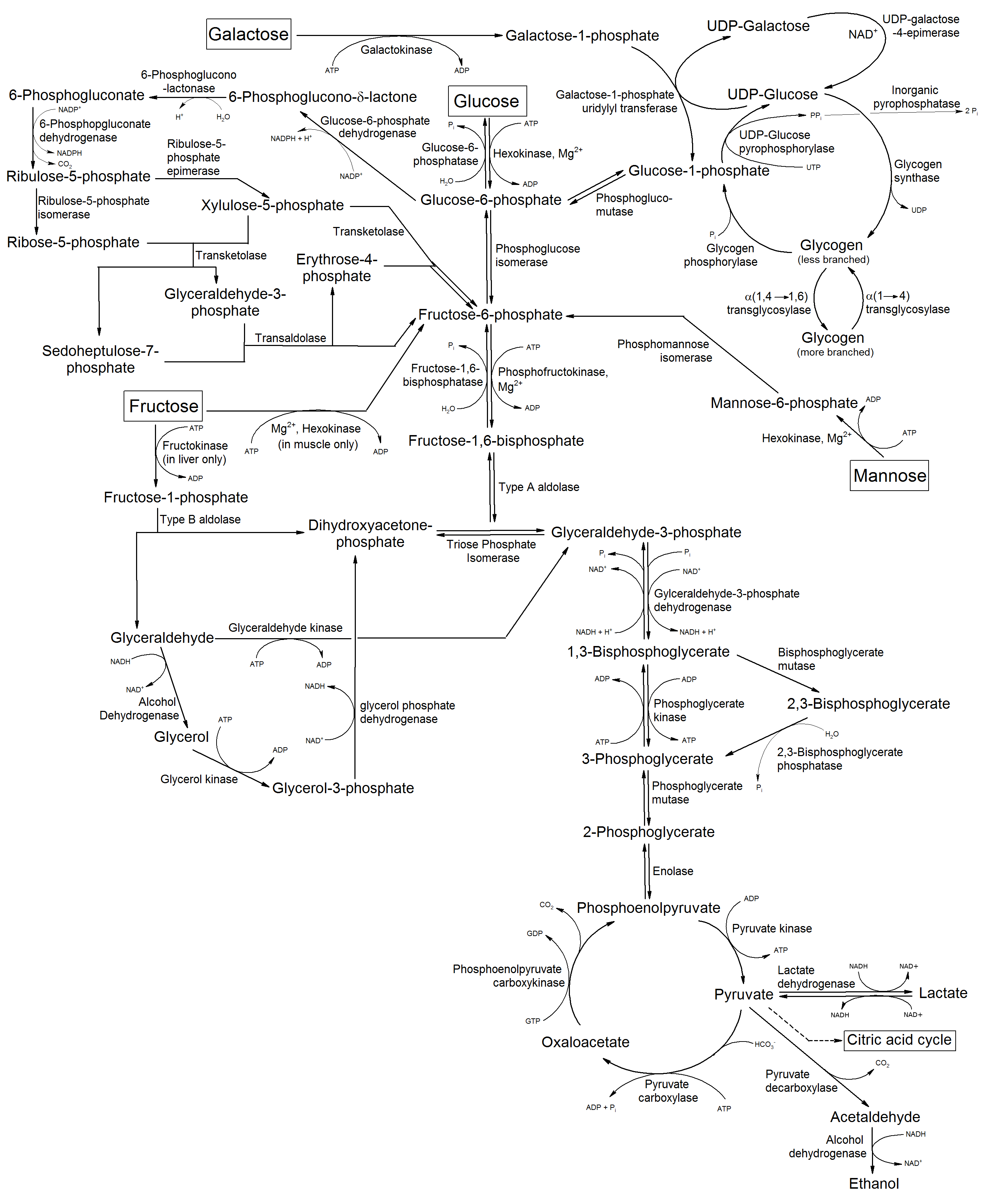
A doença do metabolismo das pentoses é uma condição genética rara que afeta a forma como o corpo processa certos açúcares (pentoses). Essa via metabólica é importante para a produção de energia e para a formação de componentes celulares. As manifestações da doença podem variar amplamente entre os pacientes, dependendo do gene específico envolvido e da gravidade da alteração genética.[1][3]
Sinais e sintomas
Os sinais e sintomas da doença do metabolismo das pentoses são diversos e podem afetar múltiplos órgãos e sistemas. Entre os achados descritos na literatura estão alterações cardíacas, como defeito do septo atrial; problemas hepáticos, incluindo hepatite, doença hepática colestática e hipertensão portal; e alterações renais, como morfologia anormal do túbulo renal e insuficiência renal. Também podem ocorrer alterações craniofaciais, como testa alta, macrocefalia, fontanelas grandes, hipotelorismo e órbitas rasas. Outros sintomas incluem retardo grave do crescimento pós-natal, edema, esteatorreia, displasia do quadril, contratura em flexão, diástase dos retos, anormalidade da localização do globo ocular, mielinização anormal do sistema nervoso central, hidropsia fetal, aumento da concentração sérica de ácidos biliares, anormalidade do metabolismo da glutamina e anormalidade do clitóris.[1][3]
Causas genéticas
A doença do metabolismo das pentoses é causada por alterações (mutações) em genes que codificam enzimas envolvidas na via das pentoses. Os genes associados a esta condição incluem: RPIA (ribose-5-fosfato isomerase), G6PD (glicose-6-fosfato 1-desidrogenase), SHPK (sedoheptuloquinase), DCXR (L-xilulose redutase), TKT (domínio discoidina contendo receptor 2) e TALDO1 (transaldolase). Cada um desses genes fornece instruções para a produção de uma enzima específica; mutações podem levar à deficiência ou mau funcionamento dessas enzimas, resultando no acúmulo de substâncias tóxicas ou na falta de produtos essenciais para o organismo.[1][4]
Diagnóstico
O diagnóstico da doença do metabolismo das pentoses é baseado na avaliação clínica dos sinais e sintomas, na história familiar e em exames laboratoriais específicos. Testes genéticos podem confirmar o diagnóstico ao identificar mutações nos genes associados à doença. Atualmente, existem 336 testes genéticos disponíveis para esta condição, e 639 variantes foram registradas no ClinVar, um banco de dados público que reúne informações sobre a relação entre variantes genéticas e fenótipos.[1][4]
Tratamento e manejo
Não há informações disponíveis sobre tratamentos específicos ou medicamentos aprovados para a doença do metabolismo das pentoses nas fontes consultadas. O manejo é geralmente sintomático e de suporte, focado no tratamento das manifestações individuais de cada paciente. É fundamental que o acompanhamento seja realizado por uma equipe multidisciplinar, incluindo geneticistas, hepatologistas, nefrologistas, cardiologistas e outros especialistas, conforme a necessidade.[1]
Prognóstico e qualidade de vida
Não há informações específicas sobre o prognóstico ou qualidade de vida para a doença do metabolismo das pentoses nas fontes consultadas. O curso da doença pode variar amplamente dependendo do gene afetado, da gravidade das mutações e da presença de complicações em múltiplos órgãos. O acompanhamento médico regular e o manejo adequado dos sintomas são essenciais para otimizar a qualidade de vida dos pacientes.[1]
Conteúdo informativo gerado e mantido automaticamente a partir de fontes oficiais (Orphanet, HPO, OMIM, SUS). Não substitui avaliação médica.
Doença rara do metabolismo das pentoses, associada a defeitos cardíacos (septos atriais), hipertensão portal, disfunções hepáticas (colestase, hepatite) e renais, além de características craniofaciais como macrocefalia e fontanelas amplas.
Encontrou um erro ou informação desatualizada? Sugira uma correção →
Entender a doença
Do básico ao detalhe, leia no seu ritmo
Preparando trilha educativa...
Sinais e sintomas
O que aparece no corpo e com que frequência cada sintoma acontece
Visão geral
A doença do metabolismo das pentoses é uma condição genética rara que afeta a forma como o corpo processa certos açúcares (pentoses). Essa via metabólica é importante para a produção de energia e para a formação de componentes celulares. As manifestações da doença podem variar amplamente entre os pacientes, dependendo do gene específico envolvido e da gravidade da alteração genética.[1][3]
Sinais e sintomas
Os sinais e sintomas da doença do metabolismo das pentoses são diversos e podem afetar múltiplos órgãos e sistemas. Entre os achados descritos na literatura estão alterações cardíacas, como defeito do septo atrial; problemas hepáticos, incluindo hepatite, doença hepática colestática e hipertensão portal; e alterações renais, como morfologia anormal do túbulo renal e insuficiência renal. Também podem ocorrer alterações craniofaciais, como testa alta, macrocefalia, fontanelas grandes, hipotelorismo e órbitas rasas. Outros sintomas incluem retardo grave do crescimento pós-natal, edema, esteatorreia, displasia do quadril, contratura em flexão, diástase dos retos, anormalidade da localização do globo ocular, mielinização anormal do sistema nervoso central, hidropsia fetal, aumento da concentração sérica de ácidos biliares, anormalidade do metabolismo da glutamina e anormalidade do clitóris.[1][3]
Causas genéticas
A doença do metabolismo das pentoses é causada por alterações (mutações) em genes que codificam enzimas envolvidas na via das pentoses. Os genes associados a esta condição incluem: RPIA (ribose-5-fosfato isomerase), G6PD (glicose-6-fosfato 1-desidrogenase), SHPK (sedoheptuloquinase), DCXR (L-xilulose redutase), TKT (domínio discoidina contendo receptor 2) e TALDO1 (transaldolase). Cada um desses genes fornece instruções para a produção de uma enzima específica; mutações podem levar à deficiência ou mau funcionamento dessas enzimas, resultando no acúmulo de substâncias tóxicas ou na falta de produtos essenciais para o organismo.[1][4]
Diagnóstico
O diagnóstico da doença do metabolismo das pentoses é baseado na avaliação clínica dos sinais e sintomas, na história familiar e em exames laboratoriais específicos. Testes genéticos podem confirmar o diagnóstico ao identificar mutações nos genes associados à doença. Atualmente, existem 336 testes genéticos disponíveis para esta condição, e 639 variantes foram registradas no ClinVar, um banco de dados público que reúne informações sobre a relação entre variantes genéticas e fenótipos.[1][4]
Tratamento e manejo
Não há informações disponíveis sobre tratamentos específicos ou medicamentos aprovados para a doença do metabolismo das pentoses nas fontes consultadas. O manejo é geralmente sintomático e de suporte, focado no tratamento das manifestações individuais de cada paciente. É fundamental que o acompanhamento seja realizado por uma equipe multidisciplinar, incluindo geneticistas, hepatologistas, nefrologistas, cardiologistas e outros especialistas, conforme a necessidade.[1]
Prognóstico e qualidade de vida
Não há informações específicas sobre o prognóstico ou qualidade de vida para a doença do metabolismo das pentoses nas fontes consultadas. O curso da doença pode variar amplamente dependendo do gene afetado, da gravidade das mutações e da presença de complicações em múltiplos órgãos. O acompanhamento médico regular e o manejo adequado dos sintomas são essenciais para otimizar a qualidade de vida dos pacientes.[1]
Conteúdo informativo gerado e mantido automaticamente a partir de fontes oficiais (Orphanet, HPO, OMIM, SUS). Não substitui avaliação médica.
Partes do corpo afetadas
+ 50 sintomas em outras categorias
Características mais comuns
Os sintomas variam de pessoa para pessoa. Abaixo estão as 135 características clínicas mais associadas, ordenadas por frequência.
Linha do tempo da pesquisa
Encontrou um erro ou informação desatualizada? Sugira uma correção →
Genética e causas
O que está alterado no DNA e como passa nas famílias
Genes associados
6 genes identificados com associação a esta condição.
Catalyzes the reversible conversion of ribose-5-phosphate to ribulose 5-phosphate and participates in the first step of the non-oxidative branch of the pentose phosphate pathway
Ribose 5-phosphate isomerase deficiency
An autosomal recessive inborn error of polyols metabolism characterized by highly elevated level of ribitol and arabitol in brain and body fluids. Clinical features include leukoencephalopathy, psychomotor retardation from early life, neurologic regression, and a mild sensorimotor neuropathy.
Catalyzes the rate-limiting step of the oxidative pentose-phosphate pathway, which represents a route for the dissimilation of carbohydrates besides glycolysis. The main function of this enzyme is to provide reducing power (NADPH) and pentose phosphates for fatty acid and nucleic acid synthesis. Also catalyzes the conversion of NAADPH, which is produced by enzymes such as DUOX1, DUOX2 and NOX5 from NAADP and promotes Ca(2+) signaling during T cell activation, back to NAADP (PubMed:34784249)
Cytoplasm, cytosolMembrane
Anemia, congenital, non-spherocytic hemolytic, 1
An X-linked disease characterized by G6PD deficiency, acute hemolytic anemia, fatigue, back pain, and jaundice. In most patients, the disease is triggered by an exogenous agent, such as some drugs, food, or infection. Increased unconjugated bilirubin, lactate dehydrogenase, and reticulocytosis are markers of the disorder. Although G6PD deficiency can be life-threatening, most patients are asymptomatic throughout their life.
Acts as a modulator of macrophage activation through control of glucose metabolism
Cytoplasm
Sedoheptulokinase deficiency
An autosomal recessive metabolic disease characterized by increased urinary erythritol and sedoheptulose. Neonatal cholestasis, hypoglycemia, anemia, congenital arthrogryposis multiplex, multiple contractures and dysmorphisms have been reported in SHPKD patients, but the relationship of these features to the SHPKD is unclear.
Catalyzes the NADPH-dependent reduction of several pentoses, tetroses, trioses, alpha-dicarbonyl compounds and L-xylulose (PubMed:11882650, PubMed:19337691, PubMed:40737316). Can use both NAD and NADP as cosubstrate but shows higher activity with NADP (PubMed:11882650). Participates in the uronate cycle of glucose metabolism (PubMed:11882650). May play a role in the water absorption and cellular osmoregulation in the proximal renal tubules by producing xylitol, an osmolyte, thereby preventing os
Apical cell membraneCytoplasmic vesicle, secretory vesicle, acrosome
Pentosuria
An inborn error of metabolism characterized by excessive urinary excretion of L-xylulose.
Tyrosine kinase involved in the regulation of tissues remodeling (PubMed:30449416). It functions as a cell surface receptor for fibrillar collagen and regulates cell differentiation, remodeling of the extracellular matrix, cell migration and cell proliferation. Required for normal bone development. Regulates osteoblast differentiation and chondrocyte maturation via a signaling pathway that involves MAP kinases and leads to the activation of the transcription factor RUNX2. Regulates remodeling of
Cell membrane
Spondyloepimetaphyseal dysplasia, short limb-hand type
A bone disease characterized by short-limbed dwarfism, a narrow chest with pectus excavatum, brachydactyly in the hands and feet, a characteristic craniofacial appearance and premature calcifications. The radiological findings are distinctive and comprise short long bones throughout the skeleton with striking epiphyses that are stippled, flattened and fragmented and flared, irregular metaphyses. Platyspondyly in the spine with wide intervertebral spaces is observed and some vertebral bodies are pear-shaped with central humps, anterior protrusions and posterior scalloping.
Catalyzes the rate-limiting step of the non-oxidative phase in the pentose phosphate pathway. Catalyzes the reversible conversion of sedheptulose-7-phosphate and D-glyceraldehyde 3-phosphate into erythrose-4-phosphate and beta-D-fructose 6-phosphate (PubMed:18687684, PubMed:8955144). Not only acts as a pentose phosphate pathway enzyme, but also affects other metabolite pathways by altering its subcellular localization between the nucleus and the cytoplasm (By similarity)
NucleusCytoplasm
Transaldolase deficiency
An inborn error of the pentose phosphate pathway resulting in early-onset multisystem disease. Clinical features include growth retardation, dysmorphic features, cutis laxa, congenital heart disease, hepatosplenomegaly, telangiectases of the skin, pancytopenia, and bleeding tendency.
Variantes genéticas (ClinVar)
639 variantes patogênicas registradas no ClinVar.
Vias biológicas (Reactome)
12 vias biológicas associadas aos genes desta condição.
Diagnóstico
Os sinais que médicos procuram e os exames que confirmam
Tratamento e manejo
Remédios, cuidados de apoio e o que precisa acompanhar
Onde tratar no SUS
Hospitais de referência no Brasil e o protocolo oficial do SUS (PCDT)
🇧🇷 Atendimento SUS — Doença do metabolismo das pentoses
Centros de Referência SUS
21 centros habilitados pelo SUS para Doença do metabolismo das pentoses
Centros para Doença do metabolismo das pentoses
Detalhes dos centros
Hospital Universitário Prof. Edgard Santos (HUPES)
R. Dr. Augusto Viana, s/n - Canela, Salvador - BA, 40110-060 · CNES 0003808
Serviço de Referência
Hospital de Apoio de Brasília (HAB)
AENW 3 Lote A Setor Noroeste - Plano Piloto, Brasília - DF, 70684-831 · CNES 0010456
Serviço de Referência
Hospital Estadual Infantil e Maternidade Alzir Bernardino Alves (HIABA)
Av. Min. Salgado Filho, 918 - Soteco, Vila Velha - ES, 29106-010 · CNES 6631207
Serviço de Referência
Hospital das Clínicas da UFG
Rua 235 QD. 68 Lote Área, Nº 285, s/nº - Setor Leste Universitário, Goiânia - GO, 74605-050 · CNES 2338424
Serviço de Referência
Hospital das Clínicas da UFMG
Av. Prof. Alfredo Balena, 110 - Santa Efigênia, Belo Horizonte - MG, 30130-100 · CNES 2280167
Serviço de Referência
NUPAD / Faculdade de Medicina UFMG
Av. Prof. Alfredo Balena, 189 - 5 andar - Centro, Belo Horizonte - MG, 30130-100 · CNES 2183226
Serviço de Referência
Hospital Universitário João de Barros Barreto
R. dos Mundurucus, 4487 - Guamá, Belém - PA, 66073-000 · CNES 2337878
Serviço de Referência
Hospital de Clínicas da Universidade Federal de Pernambuco
Av. Prof. Moraes Rego, 1235 - Cidade Universitária, Recife - PE, 50670-901 · CNES 2561492
Atenção Especializada
Instituto de Medicina Integral Prof. Fernando Figueira (IMIP)
R. dos Coelhos, 300 - Boa Vista, Recife - PE, 50070-902 · CNES 0000647
Serviço de Referência
Hospital de Clínicas da UFPR
R. Gen. Carneiro, 181 - Alto da Glória, Curitiba - PR, 80060-900 · CNES 2364980
Serviço de Referência
Hospital Universitário Pedro Ernesto (HUPE-UERJ)
Blvd. 28 de Setembro, 77 - Vila Isabel, Rio de Janeiro - RJ, 20551-030 · CNES 2280221
Serviço de Referência
Instituto Nacional de Saúde da Mulher, da Criança e do Adolescente Fernandes Figueira (IFF/Fiocruz)
Av. Rui Barbosa, 716 - Flamengo, Rio de Janeiro - RJ, 22250-020 · CNES 2269988
Serviço de Referência
Hospital Universitário Onofre Lopes (HUOL)
Av. Nilo Peçanha, 620 - Petrópolis, Natal - RN, 59012-300 · CNES 2408570
Atenção Especializada
Hospital São Lucas da PUCRS
Av. Ipiranga, 6690 - Jardim Botânico, Porto Alegre - RS, 90610-000 · CNES 2232928
Serviço de Referência
Hospital de Clínicas de Porto Alegre (HCPA)
Rua Ramiro Barcelos, 2350 Bloco A - Av. Protásio Alves, 211 - Bloco B e C - Santa Cecília, Porto Alegre - RS, 90035-903 · CNES 2237601
Serviço de Referência
Hospital Universitário da UFSC (HU-UFSC)
R. Profa. Maria Flora Pausewang - Trindade, Florianópolis - SC, 88036-800 · CNES 2560356
Serviço de Referência
Hospital das Clínicas da FMUSP
R. Dr. Ovídio Pires de Campos, 225 - Cerqueira César, São Paulo - SP, 05403-010 · CNES 2077485
Serviço de Referência
Hospital de Clínicas da UNICAMP
R. Vital Brasil, 251 - Cidade Universitária, Campinas - SP, 13083-888 · CNES 2748223
Serviço de Referência
Hospital de Clínicas de Ribeirão Preto (HCRP-USP)
R. Ten. Catão Roxo, 3900 - Vila Monte Alegre, Ribeirão Preto - SP, 14015-010 · CNES 2082187
Serviço de Referência
Instituto da Criança e do Adolescente (ICr-HCFMUSP)
Av. Dr. Enéas Carvalho de Aguiar, 647 - Cerqueira César, São Paulo - SP, 05403-000 · CNES 2081695
Serviço de Referência
UNIFESP / Hospital São Paulo
R. Napoleão de Barros, 715 - Vila Clementino, São Paulo - SP, 04024-002 · CNES 2688689
Serviço de Referência
Dados de DATASUS/CNES, SBGM, ABNeuro e Ministério da Saúde. Sempre confirme a disponibilidade diretamente com o estabelecimento.
Pesquisa ativa
Ensaios clínicos abertos e novidades científicas recentes
Pesquisa e ensaios clínicos
Nenhum ensaio clínico registrado para esta condição.
Publicações mais relevantes
Pentose phosphate pathway fuels cGAS-STING signalling to boost function of intratumoral conventional dendritic cells.
Tumors employ diverse mechanisms to impair conventional dendritic cell (cDC) function within the tumor microenvironment, yet the underlying processes remain unclear. Here, we demonstrate that pentose phosphate pathway (PPP) reduction in late-stage intratumoral cDCs compromises their function. Both pharmacological and genetic inhibition of the PPP attenuate cDC-mediated antitumor responses. Conversely, PPP augmentation restores late-stage intratumoral cDC antitumor capacity. PPP deficiency in cDCs enhances the immune checkpoint PD-L1 expression level, and combining cDC-specific PPP potentiation with immune checkpoint blockade synergistically enhances immunotherapy efficacy. Mechanistically, PPP activation fuels purine metabolism, thereby increasing ATP and GTP levels required for 2'3'-cGAMP synthesis, ultimately promoting cGAS-STING signaling and STING-dependent cDC antitumor responses. The PPP is associated with STING-dependent cDC activities in tumor tissues from female patients with breast cancer. Collectively, our findings establish PPP as an intrinsic metabolic checkpoint in STING-mediated cDC antitumor immunity, and suggest targeting PPP in cDCs as a promising cancer immunotherapy strategy.
ADA2-deficient cells exhibit increased levels of cell death and metabolic disturbances.
Deficiency of adenosine deaminase 2 (DADA2) causes a complex phenotype of autoinflammation and immunodeficiency. Bone marrow failure is often refractory to treatment with tumour necrosis factor-alpha (TNF-alpha) inhibitors and additional treatment options are needed. However, the pathomechanisms underlying the disease remain incompletely understood. The aim of this study was to examine the viability and metabolic profile of ADA2-deficient cells and to characterise the activity of different cell death pathways to advance the mechanistic understanding of DADA2. By flow cytometry and western blot, we showed that ADA2-/- U-937 cells and PBMCs from DADA2 patients showed significantly elevated levels of cell death compared with cells expressing wild-type ADA2. Viability of ADA2-deficient cells was not improved by inhibitors of apoptosis, necroptosis, pyroptosis and ferroptosis. Blocking of TNF-alpha, type I interferon and STING signalling as well as reintroduction of wild-type ADA2 protein did not rescue the cell death phenotype in vitro. ADA2-deficient cells had an aberrant morphology with increased cell size and granularity and were impaired in their proliferative capacity. To identify the cause of the impaired viability, we performed 13C glucose tracer metabolomics experiments which revealed disturbances in the pentose phosphate pathway of ADA2-deficient cells. This tended to be associated with increased exposure to intracellular reactive oxygen species that was attenuated in the PBMCs of a DADA2 patient measured after successful hematopoietic stem cell transplantation. Collectively, our findings established increased levels of cell death as a possible pathomechanism of DADA2 and showed that the absence of ADA2 leads to an impairment of the pentose phosphate pathway which may account for the cellular vulnerability of ADA2-deficient cells.
Hippocampal energy metabolism reprogramming underlies individual differences in paroxetine-facilitated contextual fear extinction.
Individual variability in response to selective serotonin reuptake inhibitors (SSRIs) remains a major challenge in the treatment of anxiety-related disorders. Impaired fear extinction is a core feature of stress-related psychopathologies. Although chronic SSRI administration has been shown to enhance fear extinction, the biological basis underlying differential treatment responsiveness is poorly understood. In the present study, we examined hippocampal molecular alterations associated with divergent behavioral responses to chronic paroxetine treatment in a contextual fear extinction paradigm. Based on freezing behavior during the extinction retention test, paroxetine-treated rats were stratified into high- and low-response subgroups. Data-independent acquisition-based proteomics revealed pronounced alterations in pathways related to synaptic function, mitochondrial processes, and metabolic regulation in the hippocampus of paroxetine high responders. Subsequent targeted metabolite quantification further implicated multiple energy-related pathways, including the pentose phosphate pathway, purine metabolism, and the tricarboxylic acid cycle, as metabolic features associated with divergent contextual fear extinction phenotypes, accompanied by altered levels of pathway-specific metabolites. These results suggest that adaptive hippocampal energy metabolism reprogramming may support divergent fear extinction phenotypes following chronic paroxetine treatment, providing mechanistic insight into differential treatment effects in fear-related disorders.
Plasma and Brain Metabolomics Uncover Modulation of Bile Acid and Pentose Phosphate Pathways by Melissa officinalis in Obese Rat Model.
While our group previously demonstrated the calming effects of Melissa officinalis extract (MOE) in dogs, the underlying brain-level mechanisms remain unclear. To address this, we investigated these mechanisms in rats using an untargeted metabolomics approach. Twenty-four male Wistar rats were divided into three groups (eight rats per group): control (standard diet, SD), a group fed a high-fat high-sucrose diet (HFHSD), and HFHSD administrated with a hydro-alcoholic standardized MOE (HFHSD MOE) at a dose of 200 mg/kg. Body weight, behavior through elevated plus maze (EPM), and glucose tolerance using the oral glucose tolerance test (OGTT) were monitored. After 12 weeks of supplementation, plasma and brain metabolomes were explored using non-targeted metabolomics. Although the EPM revealed no significant behavioral improvement, the OGTT showed a significant reduction in blood glucose area under the curve (AUC, p < 0.05), suggesting a metabolic effect of MOE. Metabolomic analysis highlighted two key pathways: (1) bile acid biosynthesis in plasma, as previously observed in our dog study, and (2) pentose phosphate metabolism in the brain. These results provide insight into central and peripheral mechanisms influenced by MOE and generate hypotheses on pathways potentially linked to previously reported behavioral effects in dogs, offering targets for nutritional interventions.
Long-Term Follow-Up of Patients With Transaldolase Deficiency.
Transaldolase (TALDO) deficiency has a well-characterized phenotype. However, there are few large cohort studies, and little is known about the long term, including the need for organ transplantation. Our aim was to share a long multicenter experience in managing these patients. We retrospectively collected data on 16 patients followed for up to 20 years. Liver involvement was present in all patients, with six presenting liver failure at birth. During long-term follow-up, 10 patients developed cirrhosis and four underwent liver transplantation (LTx). Two patients died from severe liver failure in the first months of life; persistent weight below 4 kg precluded LTx. A third patient died from posttransplant complications at 6 months of life. Five patients developed chronic kidney failure, and in two of them kidney transplantation was considered after the age of 20 years. Patent foramen ovale (PFO) was the most frequent cardiac finding; cardiomyopathy or ventricular dysfunction was diagnosed in five patients. Twelve patients developed chronic cytopenia, all presenting with thrombocytopenia. Hypergonadotropic hypogonadism was found in seven patients; two others developed secondary adrenal cortisol insufficiency and primary hypothyroidism requiring replacement therapy. Mild neurocognitive delay was observed only in a few cases. We described different patterns of liver disease progression. Transplantation should be early considered if indicated for liver insufficiency; in the most severe patients with neonatal onset, achieving sufficient weight for transplantation may be challenging. Our preliminary data suggest that, in older patients, kidney involvement may also warrant consideration of kidney transplantation, which was not previously described for this disease.
Publicações recentes
Diabetes associated pericyte metabolic signatures and pathogenesis of diabetic retinopathy.
Plasma and Brain Metabolomics Uncover Modulation of Bile Acid and Pentose Phosphate Pathways by Melissa officinalis in Obese Rat Model.
Neonatal Hyperoxia Induces Metabolic Reprogramming in Senescent Alveolar Macrophages, Leading to Persistent Lung Injury.
Law-NQO1 redox boosts the pentose phosphate pathway to confer stem-like properties and antitumor durability in effector CD8(+) T cells.
Identification of shared gene signature between lung cancer and postoperative delirium by transcriptome data analysis.
📚 EuropePMCmostrando 199
Pentose phosphate pathway fuels cGAS-STING signalling to boost function of intratumoral conventional dendritic cells.
Nature communicationsDiabetes associated pericyte metabolic signatures and pathogenesis of diabetic retinopathy.
Frontiers in endocrinologyADA2-deficient cells exhibit increased levels of cell death and metabolic disturbances.
Cell death discoveryFerroptosis-driven metabolic reprogramming in macrophages: Reshaping glucose utilization landscapes.
Chinese medical journalHippocampal energy metabolism reprogramming underlies individual differences in paroxetine-facilitated contextual fear extinction.
Behavioural brain researchPlasma and Brain Metabolomics Uncover Modulation of Bile Acid and Pentose Phosphate Pathways by Melissa officinalis in Obese Rat Model.
International journal of molecular sciencesMetabolite Erythritol in 24-H Urine Is Associated With Higher Intrahepatic Lipid Content: The Maastricht Study.
DiabetesSex-Dependent Metabolic Alterations in Red Blood Cells During COVID-19.
BiologyLong-Term Follow-Up of Patients With Transaldolase Deficiency.
Journal of inherited metabolic diseaseRoseburia inulinivorans increases muscle strength.
GutTransaldolase deficiency - natural disease course towards adulthood.
Molecular genetics and metabolismTranscriptomic signatures predict severe linezolid-induced peripheral neuropathy and reveal pre-treatment immune and antioxidant dysregulation.
Tuberculosis (Edinburgh, Scotland)Neonatal Hyperoxia Induces Metabolic Reprogramming in Senescent Alveolar Macrophages, Leading to Persistent Lung Injury.
Frontiers in bioscience (Landmark edition)Law-NQO1 redox boosts the pentose phosphate pathway to confer stem-like properties and antitumor durability in effector CD8+ T cells.
Cell chemical biologyIdentification of shared gene signature between lung cancer and postoperative delirium by transcriptome data analysis.
MedicineSynergistic regulation of SLC7A11 and glucose-6-phosphate dehydrogenase in redox homeostasis governs decidualization: a mechanistic insight into adenomyosis-related infertility.
Journal of advanced researchReduced cyclin D3 expression in erythroid cells protects against malaria.
NatureIntegrated hepatic transcriptome and metabolome reveal the mechanisms of Jiangtang Tiaozhi formula on improving glycolipid metabolic disorder.
World journal of diabetesComputational discovery and prioritization of ribose-5-phosphate isomerase A as a mitochondrial target for reversing senescence in mesenchymal stem cells.
International journal of biological macromoleculesIntegrative metabolomics and lipidomics reveal Jian-Pi-Yi-Shen formula improves adenine-induced CKD rats by regulating intrarenal glycolipid metabolism.
Journal of chromatography. B, Analytical technologies in the biomedical and life sciencesMetabolic reprogramming and immunosenescence: a new sight for glioma therapy.
Frontiers in cell and developmental biologyD-ribose-induced cytotoxicity in K562 cells: RBKS-dependent disruption of copper homeostasis and mitochondrial function.
Free radical biology & medicineInsulin Resistance Compromises the Pentose Phosphate Pathway and Impairs Left Ventricular Assist Device-Mediated Myocardial Recovery in Obese Patients with Heart Failure.
CirculationCuproptosis promotes inflammatory osteolysis via GYS1-mediated glycogen metabolism.
International journal of oral science(p)ppGpp mediates persister formation in Escherichia coli during glucose to fatty acid shift.
Frontiers in microbiologyWilson's disease-associated gut dysbiosis: novel insights into microbial functional alterations, virulence changes, and resistance markers.
Frontiers in microbiologyPentose phosphate pathway regulates oxidative damage and apoptosis of chondrocytes induced by fluoride.
Ecotoxicology and environmental safetyMetabolic Reprogramming by Andrographolide: Enhanced Pentose Phosphate Pathway and Antioxidant Capacity in Cortical Astrocytes.
Pharmaceuticals (Basel, Switzerland)Metabolic dysregulation in follicular fluid is associated with adverse reproductive outcomes in women with decreased ovarian reserve.
Journal of ovarian researchPFKFB4-Mediated HSPB1 phosphorylation suppresses ferroptosis to Promote gastric cancer progression.
Biochemical pharmacologyMulti-omics dissection of metabolic hijacking: Infectious bronchitis virus orchestrates lipid-centric replication through PPAR-TGF-β crosstalk.
VirulenceFirst genome sequence of a European Alternaria brassicae isolate and genes involved in early development of alternaria leaf spot on Brassica juncea.
Pest management scienceMetabolic Alterations Induced by a Seizure-Causing Sodium Channel Mutation and their Partial Normalization by Dietary α-Linolenic Acid in Drosophila.
Neurochemical researchComprehensive metabolic profiling across five lifespan stages in murine hippocampus and cortex reveals sex-related variation in age-related cognitive decline.
Communications biologyControl of renal central carbon metabolism by heme oxygenase-1.
iScienceMultiomic Analyses Reveal Brainstem Metabolic Changes in a Mouse Model of Dravet Syndrome.
CellsPost-irradiation dietary restriction impairs hematopoiesis via inhibition of the pentose phosphate pathway in hematopoietic stem and progenitor cells.
Cell death & diseaseMacrophage polarization: molecular mechanisms, disease implications, and targeted therapeutic strategies.
Frontiers in immunologyHepatocyte-Specific ApoJ Knockout Improves Metabolic Profiles in the Liver of Diabetic Mice.
MetabolitesMulti-omics reveals FAT10 as an immunometabolic survival factor rewiring global metabolism in cancer.
Cell communication and signaling : CCSHyperinflammation by Human Macrophages Induced by SARS-CoV-2 Anti-Spike IgG Is Dependent on Glucose and Fatty Acid Metabolism.
European journal of immunologyA rare metabolic cause of premature ovarian insufficiency: case report of transaldolase deficiency.
Journal of pediatric endocrinology & metabolism : JPEMFibroblast pentose phosphate pathway activation upon decreased circPLCE1 exacerbates intestinal fibrosis in Crohn's disease.
GutYishen Qianggu Mixture formulation suppresses osteometabolic inflammation by modulating the IL-17/NF-κB/MAPK signaling axis.
Journal of ethnopharmacologyDependence of Mycoplasma bovis on a novel nucleoside transporter for survival in association with host cells.
Applied and environmental microbiologyThe Functionality of the Cysteinyl Leukotriene Receptor 1 (CysLTR1) in the Lung by Metabolomics Analysis of Bronchoalveolar Lavage Fluid.
Research squareTargeting the pentose phosphate pathway mitigates graft-versus-host disease by rewiring alloreactive T cell metabolism.
JCI insightVacuum fractional distillation enhances the antibacterial activity of Mentha haplocalyx essential oil against Xanthomonas citri subsp. citri by disrupting cell membrane and inhibiting biofilm.
Pesticide biochemistry and physiologyRetinoic Acid Receptor-related Orphan Receptor α Drives Glucose Reprogramming and Mitochondrial Rescue Mitigate Subarachnoid Hemorrhage-Induced Early Brain Injury.
Antioxidants & redox signalingImpaired metabolic cooperation between oocyte and granulosa cells may contribute to the disrupted folliculogenesis and poor oocyte quality in PCOS.
Life sciencesPlexin C1 modulates metabolic programming for resolution of severe inflammation.
Cell communication and signaling : CCSEffects of a Gain-of-Function Mutation in the Voltage-Gated Sodium Channel Gene, and of Dietary α-Linolenic Acid Supplementation, on Whole-Body Metabolism in Drosophila.
Research squareMetabolic and epigenetic abnormalities cause hepatic fibrogenesis in metabolic dysfunction-associated steatohepatitis model mice.
The Journal of biological chemistryMapping the oxidative stress metabolome in neurology by gas chromatography-mass spectrometry: a systematic review on signature-driven diagnosis and disease monitoring.
Redox biologyResidues of the ribose binding site are required for human ribokinase activity.
Journal of structural biology: XThe denitrosylase SCoR2 controls cardioprotective metabolic reprogramming.
eLifeCold plasma reduces the incidence of Botrytis cinerea infection in grape fruit by affecting the energy status and respiratory metabolism.
Plant physiology and biochemistry : PPBMetabolic remodeling and cardiac dysfunction in left ventricular noncompaction: Insights from the MYH7 Q315R model.
PloS oneUridine-sensitized screening identifies demethoxy-coenzyme Q and NUDT5 as regulators of nucleotide synthesis.
Nature metabolismProbiotic modulation of energy metabolism ameliorates experimental autoimmune encephalomyelitis via Nrf2-associated pentose phosphate pathway activation.
Biochemical and biophysical research communicationsDevelopment of Cellular Energy Metabolism During Differentiation of Human iPSCs into Cortical Neurons.
Molecular neurobiologyHigh-Fructose Corn Syrup on Inflammation and Cancer.
World journal of oncologyNFATc1-mediated activation of the pentose phosphate pathway and cell cycle dysregulation collectively drive tumor progression.
OncogenesisFunction and therapeutic potential of transketolase enzymes in parasitic protists.
Methods in enzymologyTransketolase in metabolic diseases, autoimmune diseases and cancer.
Methods in enzymologyElectrochemical screening as a tool for identification of transketolase inhibitors.
Methods in enzymology[Multi-omics reveals the inhibition mechanism of Bacillus velezensis DJ1 against Fusarium graminearum].
Sheng wu gong cheng xue bao = Chinese journal of biotechnologyThe role of the pentose phosphate pathway in the development of metabolic disorders in the testes during rat intoxication with cypermethrin.
Reproductive toxicology (Elmsford, N.Y.)Glucose Metabolic Reprogramming of Macrophages Against Mycobacterium tuberculosis Infection.
ImmunoTargets and therapyTransaldolase 1 impacts Parkinson's disease pathogenesis via metabolic reprogramming and autophagy-lysosomal pathway.
Acta neuropathologica communicationsMetabolic reprogramming in ischemic stroke: when glycolytic overdrive meets lipid storm.
Cell death & diseaseComparative transcriptomics of naturally susceptible and resistant Trypanosoma cruzi strains in response to Benznidazole.
International journal for parasitology. Drugs and drug resistanceDevelopment and evaluation of a 3D-engineered neural co-culture system: Impacts on oxidative stress, pentose phosphate pathway, trace element and mineral metabolisms.
Journal of neuroscience methodsG6PD deficiency in brain induces schizophrenia-like behaviors and synaptic dysfunction.
Translational psychiatryOleanolic acid combats Streptococcus iniae via cell membrane damage and oxidative stress, transcriptomic and phenotypic analysis.
Microbial pathogenesisAfrican swine fever virus hijacks host pyrimidine metabolism to promote viral replication.
Journal of virologyPhthalates exposure as a risk factor for gestational diabetes mellitus: Integrated evidence from epidemiological and human liver organoids studies.
Ecotoxicology and environmental safetyMetabolic profile alterations in juvenile rats with bladder overactivity induced by short-term high-fructose intake.
PeerJAssociation between Serum Glycerol-3-Phosphate and Fibroblast Growth Factor-23 in Nondiabetic Patients on Hemodialysis.
Clinical journal of the American Society of Nephrology : CJASNPredictors of Fasting Endogenous Erythritol and Erythronate Concentrations in Humans: Cross-Sectional and Post-Bariatric Surgery Analyses.
International journal of molecular sciencesReprogrammed glucose metabolism in vascular smooth muscle cells and its implications for vascular diseases.
Pharmacological researchThe brown fat-enriched exosomal miR-206-3p attenuates hepatic lipogenesis by decreasing pentose phosphate pathway.
Life metabolismPreclinical Evaluation of a Novel Molecule Targeting Nucleoside Homeostasis to Restore Energy Metabolism and Cognitive Function in Alzheimer's Disease.
Pharmacology research & perspectivesThe Role of the Pentose Phosphate Pathway in Cardiovascular Diseases.
Cardiovascular drugs and therapyMultiomics investigation of the female hypertensive human heart.
Physiological reportsCharacterizing tuberculous meningitis in a South African pediatric cohort using GCxGC-TOFMS metabolomics.
Medical microbiology and immunologyDisorders of Redox Homeostasis and Its Importance in Acrolein Toxicity.
International journal of molecular sciencesTracking micro- and nanoplastics in Aedes albopictus: From ingestion to metabolic disruption.
The Science of the total environmentMassage therapy modulates energy metabolism and alleviates skeletal muscle spasms in rats.
Tissue & cellSuppressions of fruit spoilage and disease occurrence in postharvest longan by acidic electrolyzed-oxidizing water treatment through adjusting respiratory metabolism and energy state.
Plant physiology and biochemistry : PPBPYGM Protects Against Myocardial Infarction by Enhancing Glycogenolysis and Facilitating Autophagic Flux.
CirculationMetabolic shifts in murine inner ears mimicking erythrocytes and plasma reveal diagnostics and early predictors for age-related hearing loss.
iScienceMetabolomics in sickle cell disease: Current knowledge and gaps - A scoping review.
Blood reviewsGhSTZ-Mediated Suppression of Metabolic-Immune Coordination Compromises Cotton Defense Against Verticillium Wilt.
Plants (Basel, Switzerland)Chitosan Oligosaccharide Attenuates Neuroinflammation by Regulating Microglial Immunometabolic Reprogramming via the mTOR Signaling Pathway.
Journal of agricultural and food chemistryEffects of aging and anti-aging dietary restriction on regulators of the [NADPH]/[NADP+] in different neural cell types and brain regions.
Free radical biology & medicineIncreased Exercise Tolerance in G6PD African Variant Mice Driven by Metabolic Adaptations and Erythrophagocytosis.
Antioxidants (Basel, Switzerland)Application of Multiplatform Mass Spectrometry to the Study of Babesia divergens Metabolism and the Pathogenesis of Human Babesiosis.
International journal of molecular sciencesActivation of CISD2 as a protective strategy against doxorubicin-induced cardiotoxicity.
Redox biologyOxidized phosphatidylcholines activate NOX1-mediated oxidative stress response and shift glucose metabolism in cardiac cells.
American journal of physiology. Cell physiologyMitochondrial dysfunction and metabolic reprogramming in acute kidney injury: mechanisms, therapeutic advances, and clinical challenges.
Frontiers in physiologyBenzoylpaeoniflorin alleviates ulcerative colitis by inhibiting ferroptosis through targeting phosphogluconic dehydrogenase.
Phytomedicine : international journal of phytotherapy and phytopharmacologyAndrographolide modulates glucose metabolism in visceral adipose tissue in an Alzheimer's disease obese mouse model.
The Journal of biological chemistryGut-organ axis is more fragmented in ulcerative colitis: a metaproteomics study.
Journal of applied microbiologyEffects of long-distance transport on glycolipid metabolism and immune function in simmental calves.
Molecular immunologyMacroD1 sustains mitochondrial integrity and oxidative metabolism.
Nature communicationsMetabolome analysis and functional characterization reveals that d-gluconic acid contributes to pine defence against Bursaphelenchus xylophilus infection.
Pest management scienceMetabolic divergence between healthy and conditional presenilin-1/2 knockout dementia model mice under chronic nicotine exposure.
Journal of Alzheimer's disease : JADROS-dependent localization of glycolytic enzymes to mitochondria.
Redox biologySoluble guanylate cyclase stimulation improves cardiac function and mitochondrial activity in a rat model of early-stage heart failure with preserved ejection fraction.
Biomedicine & pharmacotherapy = Biomedecine & pharmacotherapieMelatonin Modulates Glucose Metabolism Reprogramming via Targeting G6PD to Alleviate Lead-Induced Hepatocytes Pyroptosis in Common Carp (Cyprinus carpio L.).
Advanced science (Weinheim, Baden-Wurttemberg, Germany)The miR-122/P53/TIGAR signaling axis regulates glucose metabolic reprogramming induced by polystyrene nanoplastic particles.
Journal of hazardous materialsTranscriptome combined single-cell sequencing explores molecular mechanisms of ANGPTL4 in sepsis-induced acute lung injury.
PloS oneTranscriptome Analysis and CFEM Gene Overexpression in Metschnikowia bicuspidata Under Hemocyte and Iron Ion Stress.
Pathogens (Basel, Switzerland)IL-1β-Mediated Immunometabolic Adaptation in Corneal Epithelial Cells.
Journal of inflammation researchA trade-off between stress resistance and tolerance underlies the adaptive response to hydrogen peroxide.
Cell systemsJiedu Quyu Ziyin prescription alleviated renal injury in MRL/lpr by inhibiting PPP-mediated oxidative stress through regulating p53/G6PD/NOX pathway.
Journal of ethnopharmacologyMitochondrial Calcium Uniporter Regulates Metabolic Remodeling and Smooth Muscle Cell Proliferation in Type 2 Diabetes.
Journal of the American Heart AssociationCharacterization of hyperoxia-induced senescent lung macrophages in neonatal mice.
bioRxiv : the preprint server for biologyIntegrative Constraint-Based Modeling and Proteomics Uncover Astrocytic Metabolic Adaptations to the Post-TBI Microenvironment.
International journal of molecular sciencesGlobal transcriptome characterization of peripheral blood mononuclear cells in individuals with chronic HIV infection.
GenomicsColon cancer cells evade drug action by enhancing drug metabolism.
OncogeneThe non-metabolic function of 6PGD coordinates CCNA2 and HMGA2 expression to drive colorectal cancer progression and drug response.
Journal of experimental & clinical cancer research : CRMetabolome integrated with transcriptome, and genome analysis revealed higher accumulations of phytoalexins enhance resistance against Magnaporthe oryzae in new Zhefang rice variety diantun 506.
BMC plant biologyMetabolic reprogramming during ineffective erythropoiesis in β-thalassemia/HbE disease.
Experimental and molecular pathologyIntegrated proteomics and transcriptomics analysis reveals key regulatory genes between ER-positive/PR-positive and ER-positive/PR-negative breast cancer.
BMC cancerNeuronal glycogen breakdown mitigates tauopathy via pentose-phosphate-pathway-mediated oxidative stress reduction.
Nature metabolismLive fast, die young: neutrophils streamline their metabolism to maximize inflammation.
Infection and immunityOvatodiolide alleviates renal fibrosis through regulating metabolic reprogramming via targeting glucose-6-phosphate dehydrogenase.
Phytomedicine : international journal of phytotherapy and phytopharmacologyTherapeutic potential of NRF2 activating drug RTA-408 in suppressing T cell effector responses and inflammatory bowel disease.
Journal of immunology (Baltimore, Md. : 1950)Effects of organic selenium on metabolic responses and disease resistance in rose plants.
Journal of hazardous materialsAstragaloside's Role in Microglial Neuroinflammation: A Multi-Method Study Combining Experimental and Computational Analyses.
Neurochemical researchSingle cell sequencing and spatial multiomics of diabetic kidney segmentation insights zonation-specific therapeutic metabolic pathways.
Cell insightThe immunoproteasome disturbs neuronal metabolism and drives neurodegeneration in multiple sclerosis.
CellTKT regulates the pentose phosphate pathway via RBKS to promote epithelial-mesenchymal transition during AML progression.
Journal of bioenergetics and biomembranesThe crucial role of metabolic reprogramming in driving macrophage conversion in kidney disease.
Cellular & molecular biology lettersAdenine-induced kidney disease alters the cortical bone metabolome of C57BL/6J mice in a manner that depends on sex.
bioRxiv : the preprint server for biologyAn Overview of Oligodendrocyte Metabolism.
Advances in neurobiologyPentose phosphate pathway inhibition metabolically reprograms CD8+ T cells and disrupts CNS autoimmunity.
JCI insightAdvanced Microbiome Therapeutics Accelerate MASLD Recovery by Restoring Intestinal Microbiota Equilibrium and the Gut-Liver Axis in a Mouse Model.
Journal of agricultural and food chemistryMitochondria-centred metabolomic map of inclusion body myositis: sex-specific alterations in central carbon metabolism.
Annals of the rheumatic diseasesGut microbiota and its influence on the Gut-Brain axis in comparison with chemotherapy patients and cancer-free control data in Breast cancer-A computational perspective.
PloS oneD-Glucose and its derivatives labeled with radioactive carbon and hydrogen: key tools for investigating biological processes and molecular mechanisms.
EJNMMI radiopharmacy and chemistryBacillus licheniformis Alleviates Clostridium perfringens-Induced Intestinal Injury in Mice Model by Modulating Inflammation, Apoptosis, and Cecal Microbial-Metabolic Responses.
Animals : an open access journal from MDPIExploring the mechanism of action of aspirin in improving endometrial receptivity in PCOS rats based on uterine lavage fluid metabolomics.
PloS oneMetabolomic Profiling of Aqueous Humor From Glaucoma Patients Identifies Metabolites With Anti-Inflammatory and Neuroprotective Potential in Mice.
Investigative ophthalmology & visual scienceMacrophage immunometabolism dysregulation and inflammatory disorders.
Biomedicine & pharmacotherapy = Biomedecine & pharmacotherapieAntidepressant effect of Radix bupleuri - Radix paeoniae alba herb pair on chronic unpredictable mild stress rats based on cortical metabolomics.
BMC complementary medicine and therapiesEffect of xylitol on low‑density lipoprotein‑stimulated oxidative stress in THP‑1 cells.
Molecular medicine reportsFailed Metabolic Adaptation to Stress Underlies Pathogenesis in a Heterozygous Genetic Disorder.
bioRxiv : the preprint server for biologyA promising strategy to disrupt Plasmodium falciparum metabolic resilience by targeting G6PD: Virtual screening for potential inhibitors against malaria.
Computational biology and chemistryInflammation via JAK-STAT/HIF-1α Drives Metabolic Changes in Pentose Phosphate Pathway and Glycolysis That Support Aortic Valve Cell Calcification.
Arteriosclerosis, thrombosis, and vascular biologySystems analysis unravels a common rural-urban gradient in immunological profile, function, and metabolic dependencies.
Science advancesSolute Carrier Family 35 A2 (SLC35A2) Promotes Tumor Progression through MYC-Mediated Pathways in Colorectal Cancer.
International journal of medical sciencesCross-Species Multi-Omics Analysis Reveals Myeloid-Driven Endothelial Oxidative Stress in Ischemic Stroke.
Frontiers in bioscience (Landmark edition)Rebalancing redox homeostasis: A pivotal regulator of the cGAS-STING pathway in autoimmune diseases.
Autoimmunity reviewsUntargeted metabolomics revealed that quercetin improves rat renal metabolic disorders induced by chronic unpredictable mild stress.
Naunyn-Schmiedeberg's archives of pharmacologyPleural fluid proteomics from patients with pleural infection shows signatures of diverse neutrophilic responses: The Oxford Pleural Infection Endotyping Study (TORPIDS-2).
The European respiratory journalThe role of transketolase in the immunotherapy and prognosis of hepatocellular carcinoma: a multi-omics approach.
Frontiers in immunologyIdentification of Shared Pathways and Molecules Between Type 2 Diabetes and Lung Adenocarcinoma and the Impact of High Glucose Environment on Lung Adenocarcinoma.
International journal of endocrinologyGenetic susceptibility to recurrent vulvovaginal candidiasis in an African population from Nairobi, Kenya.
Scientific reportsAnalyzing the causal relationship between gut microbiotas, blood metabolites, and COVID-19 susceptibility: A Mendelian randomization study.
MedicineMetabolic Atlas of Early Human Cortex Identifies Regulators of Cell Fate Transitions.
bioRxiv : the preprint server for biologyDecoding microglial immunometabolism: a new frontier in Alzheimer's disease research.
Molecular neurodegenerationMetabolomics in Parkinson's Disease and Correlation with Disease State.
MetabolitesMetabolic pathways in deep vein thrombosis: a new frontier for therapeutic intervention.
BloodFoxk1 and Foxk2 promote cardiomyocyte proliferation and heart regeneration.
Nature communicationsEnterovirus A71-induced glycolysis is essential for viral replication by activating PI3K/Akt pathway.
Microbial pathogenesisEffects of antidiabetic drugs on the level of serum uric acid in patients who have type 2 diabetes.
Saudi medical journalUnspliced XBP1 enhences metabolic reprogramming in colorectal cancer cells by interfering with the mitochondrial localization of MGME1.
Biochemical and biophysical research communicationsCutaneous granulomas: mechanisms, cellular interactions and therapeutic insights.
The British journal of dermatologyPseudonatural Flavonols as Novel Copper Ionophores for NAFLD Intervention via Synergistic Copper Delivery and Flavonoid Activity.
Journal of medicinal chemistryDifferential effects of high-fat diet on salivary and gut microbiota.
Frontiers in cellular and infection microbiologyGlucose protects cultured retinal cells from oxidative injury via the pentose phosphate pathway.
Free radical biology & medicineα-Ketoglutarate modulates the mechanisms of toxicity in crucian carp kidneys chronically exposed to NaHCO3: Metabolomics insights.
Comparative biochemistry and physiology. Part D, Genomics & proteomicsAcute hypoxia modulate macrophage phenotype accompanied with transcriptome re-programming and metabolic re-modeling.
Frontiers in immunologyMetabolic reprogramming in hepatocellular carcinoma: mechanisms and therapeutic implications.
Experimental & molecular medicineSynergistic effects of infectious haematopoietic necrosis virus and Flavobacterium psychrophilum co-infection on the mortality and pathophysiology of masu salmon parr Oncorhynchus masou.
Journal of fish biologyTIGAR plays neuroprotective roles in MPP+/MPTP-induced Parkinson's disease by alleviating ferroptosis.
European journal of pharmacologyCell type-specific regulation of the pentose phosphate pathway during development and metabolic stress-driven autoimmune diseases: Relevance for inflammatory liver, renal, endocrine, cardiovascular and neurobehavioral comorbidities, carcinogenesis, and aging.
Autoimmunity reviewsComprehensive analysis of circRNAs and lncRNAs involvement in the development of skeletal muscle in myostatin-deficient rabbits.
Animal biotechnologySuccessful Liver Transplantation in a Pediatric Patient With Transaldolase Deficiency.
Pediatric transplantationEfficient Conversion of Nicotinamide Mononucleotide Based on Elucidation of the Limitations in Multienzyme Cascade Reactions.
Biotechnology journalGlucose Metabolic Reprogramming in Microglia: Implications for Neurodegenerative Diseases and Targeted Therapy.
Molecular neurobiologyIntegrated metabolomics and transcriptomics reveal the potential of hydroxy-alpha-sanshool in alleviating insulin resistance.
Molecular medicine (Cambridge, Mass.)Multi-tissue metabolomics reveal mtDNA- and diet-specific metabolite profiles in a mouse model of cardiometabolic disease.
Redox biologyUntargeted metabolomics unveils critical metabolic signatures in novel phenotypes of acute ischemic stroke.
Metabolic brain diseaseParkinson's disease and glucose metabolism impairment.
Translational neurodegenerationMetabolite pathway alterations identified by magnetic resonance metabolomics in a proximal tubular epithelial cell line treated with TGF-β1.
Physiological reportsAlcohol Reprograms Placental Glucose and Lipid Metabolism, Which Correlate with Reduced Fetal Brain but not Body Weight in a Mouse Model of Prenatal Alcohol Exposure.
The Journal of nutritionIn vivo metabolic effects of naringin in reducing oxidative stress and protecting the vascular endothelium in dyslipidemic mice.
The Journal of nutritional biochemistryApabetalone alleviates ligature-induced periodontitis by inhibiting M1 macrophage polarization via an immunometabolic shift.
International immunopharmacology[Study on anti-depression effect of Suanzaoren Decoction based on liver metabolomics].
Zhongguo Zhong yao za zhi = Zhongguo zhongyao zazhi = China journal of Chinese materia medicaAn approach for psoriasis of microneedle patch simultaneously targeting multiple inflammatory cytokines and relapse related T cells.
BiomaterialsBrain network and energy imbalance in Parkinson's disease: linking ATP reduction and α-synuclein pathology.
Frontiers in molecular neuroscienceO-GlcNAcylation attenuates ischemia-reperfusion-induced pulmonary epithelial cell ferroptosis via the Nrf2/G6PDH pathway.
BMC biologyA BRAF-activated noncoding RNA attenuates clear cell renal cell carcinoma via repression of glucose-6-phosphate dehydrogenase.
The Journal of biological chemistryTranscriptome Sequencing Reveals Effects of Artificial Feed Domestication on Intestinal Performance and Gene Expression of Carnivorous Mandarin Fish (Siniperca chuatsi) and Related Mechanisms.
Marine biotechnology (New York, N.Y.)Glucose-6-phosphate dehydrogenase regulates mitophagy by maintaining PINK1 stability.
Life metabolismAssociações
Organizações que acompanham esta doença — pra ter apoio e orientação
Ainda não temos associações cadastradas para Doença do metabolismo das pentoses.
É de uma associação que acompanha esta doença? Fale com a gente →
Comunidades
Grupos ativos de quem convive com esta doença aqui no Raras
Ainda não existe comunidade no Raras para Doença do metabolismo das pentoses
Pacientes, familiares e cuidadores se organizam em comunidades pra compartilhar experiências, fazer perguntas e se apoiar. Você pode ser o primeiro.
Tire suas dúvidas
Perguntas, dicas e experiências compartilhadas aqui na página
Participe da discussão
Faça login para postar dúvidas, compartilhar experiências e interagir com especialistas.
Fazer loginDoenças relacionadas
Doenças com sintomas parecidos — ajudam quem ainda está buscando diagnóstico
Referências e fontes
Bases de dados externas citadas neste artigo
Publicações científicas
Artigos indexados no PubMed ligados a esta doença no grafo RarasNet — título, periódico e PMID direto da fonte, sem intermediação de IA.
- Pentose phosphate pathway fuels cGAS-STING signalling to boost function of intratumoral conventional dendritic cells.
- ADA2-deficient cells exhibit increased levels of cell death and metabolic disturbances.
- Hippocampal energy metabolism reprogramming underlies individual differences in paroxetine-facilitated contextual fear extinction.
- Plasma and Brain Metabolomics Uncover Modulation of Bile Acid and Pentose Phosphate Pathways by Melissa officinalis in Obese Rat Model.
- Long-Term Follow-Up of Patients With Transaldolase Deficiency.
- Diabetes associated pericyte metabolic signatures and pathogenesis of diabetic retinopathy.
- Neonatal Hyperoxia Induces Metabolic Reprogramming in Senescent Alveolar Macrophages, Leading to Persistent Lung Injury.
- Law-NQO1 redox boosts the pentose phosphate pathway to confer stem-like properties and antitumor durability in effector CD8(+) T cells.
- Identification of shared gene signature between lung cancer and postoperative delirium by transcriptome data analysis.
Bases de dados e fontes oficiais
Identificadores e referências canônicas usadas para montar este verbete.
- ORPHA:79186(Orphanet)
- MONDO:0019231(MONDO)
- GARD:18962(GARD (NIH))
- Variantes catalogadas(ClinVar)
- Busca completa no PubMed(PubMed)
- Q55788553(Wikidata)
Dados compilados pelo RarasNet a partir de fontes abertas (Orphanet, OMIM, MONDO, PubMed/EuropePMC, ClinicalTrials.gov, DATASUS, PCDT/MS). Este conteúdo é informativo e não substitui avaliação médica.
Conteúdo mantido por Agente Raras · Médicos e pesquisadores podem colaborar
Doença do metabolismo das pentoses
📋 Origem dos dados
Esta página agrega dados de fontes públicas e oficiais. Dados sobre cobertura no SUS (PCDT, CEAF) são verificados ativamente por agente proativo (ver badge no infobox). Demais dados têm atribuição de fonte + data da última sincronização — clique para abrir o original.
- Doença rara (ontologia)
- fonte: Orphanet
- Identificador unificado
- fonte: MONDO
- CID-11 (futuro)
- fonte: WHO ICD-11
- NIH/GARD
- fonte: GARD (NIH)
- Dado público estruturado
- fonte: Wikidata