
É um tipo de narcolepsia (uma condição que causa muito sono) que se caracteriza por uma sonolência excessiva durante o dia, acompanhada de uma vontade incontrolável de dormir. Em alguns casos, também pode ocorrer a sensação de não conseguir se mover ao adormecer ou acordar (paralisia do sono), alucinações (quando a pessoa vê ou ouve coisas que não são reais na hora de dormir) e comportamentos automáticos (fazer coisas sem perceber).
Introdução
O que você precisa saber de cara
É um tipo de narcolepsia (uma condição que causa muito sono) que se caracteriza por uma sonolência excessiva durante o dia, acompanhada de uma vontade incontrolável de dormir. Em alguns casos, também pode ocorrer a sensação de não conseguir se mover ao adormecer ou acordar (paralisia do sono), alucinações (quando a pessoa vê ou ouve coisas que não são reais na hora de dormir) e comportamentos automáticos (fazer coisas sem perceber).
Escala de raridade
<1/50kMuito rara
1/20kRara
1/10kPouco freq.
1/5kIncomum
1/2k
Encontrou um erro ou informação desatualizada? Sugira uma correção →
Entender a doença
Do básico ao detalhe, leia no seu ritmo
Preparando trilha educativa...
Sinais e sintomas
O que aparece no corpo e com que frequência cada sintoma acontece
Características mais comuns
Os sintomas variam de pessoa para pessoa. Abaixo estão as 5 características clínicas mais associadas, ordenadas por frequência.
Linha do tempo da pesquisa
Encontrou um erro ou informação desatualizada? Sugira uma correção →
Genética e causas
O que está alterado no DNA e como passa nas famílias
Genes associados
4 genes identificados com associação a esta condição. Padrão de herança: Unknown.
A beta chain of antigen-presenting major histocompatibility complex class II (MHCII) molecule. In complex with the alpha chain HLA-DRA, displays antigenic peptides on professional antigen presenting cells (APCs) for recognition by alpha-beta T cell receptor (TCR) on HLA-DRB1-restricted CD4-positive T cells. This guides antigen-specific T-helper effector functions, both antibody-mediated immune response and macrophage activation, to ultimately eliminate the infectious agents and transformed cells
Cell membraneEndoplasmic reticulum membraneLysosome membraneLate endosome membraneAutolysosome membrane
Binds peptides derived from antigens that access the endocytic route of antigen presenting cells (APC) and presents them on the cell surface for recognition by the CD4 T-cells. The peptide binding cleft accommodates peptides of 10-30 residues. The peptides presented by MHC class II molecules are generated mostly by degradation of proteins that access the endocytic route, where they are processed by lysosomal proteases and other hydrolases. Exogenous antigens that have been endocytosed by the APC
Cell membraneEndoplasmic reticulum membraneGolgi apparatus, trans-Golgi network membraneEndosome membraneLysosome membrane
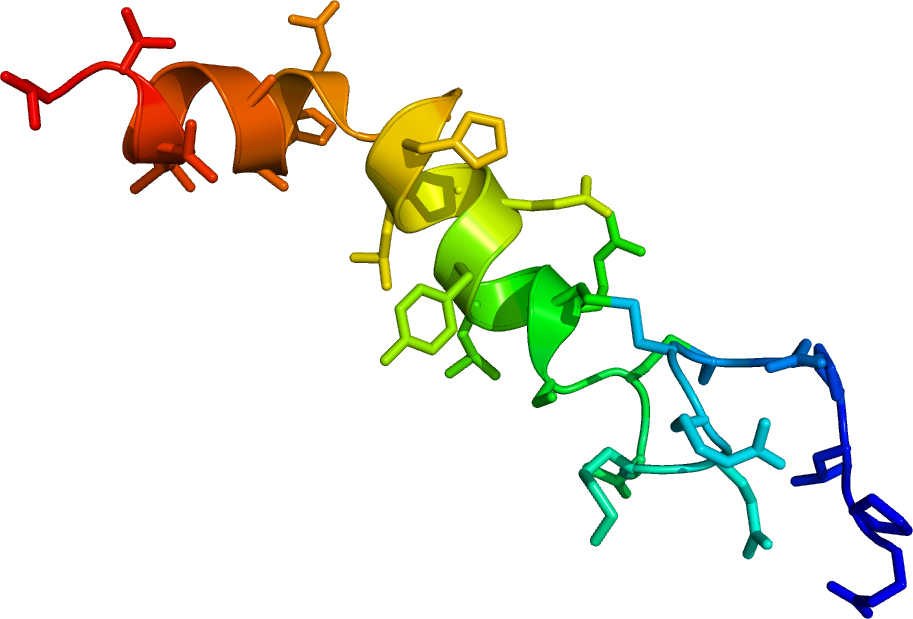
Neuropeptides that play a significant role in the regulation of food intake and sleep-wakefulness, possibly by coordinating the complex behavioral and physiologic responses of these complementary homeostatic functions. A broader role in the homeostatic regulation of energy metabolism, autonomic function, hormonal balance and the regulation of body fluids, is also suggested Binds to orexin receptors HCRTR1/OX1R and HCRTR2/OX2R with a high affinity (By similarity). Stimulates food intake (By simil
Rough endoplasmic reticulumCytoplasmic vesicleSynapse
Narcolepsy 1
Neurological disabling sleep disorder, characterized by excessive daytime sleepiness, sleep fragmentation, symptoms of abnormal rapid-eye-movement (REM) sleep, cataplexy, hypnagogic hallucinations, and sleep paralysis. Cataplexy is a sudden loss of muscle tone triggered by emotions, which is the most valuable clinical feature used to diagnose narcolepsy. Human narcolepsy is primarily a sporadically occurring disorder but familial clustering has been observed.
May play a role in uric acid excretion
Uric acid nephrolithiasis
A form of nephrolithiasis, a common multifactorial disease characterized by stones formation in the kidney and urinary tract. Nephrolithiasis is due to supersaturation of the urine by stone-forming constituents, including calcium, oxalate and uric acid. Crystals or foreign bodies can act as nidi, upon which ions from the supersaturated urine form microscopic crystalline structures. Uric acid nephrolithiasis occurs when the urine becomes overly concentrated with uric acid and accounts for 20% of all stones.
Medicamentos aprovados (FDA)
3 medicamentos encontrados nos registros da FDA americana.
Variantes genéticas (ClinVar)
40 variantes patogênicas registradas no ClinVar.
Classificação de variantes (ClinVar)
Distribuição de 61 variantes classificadas pelo ClinVar.
Vias biológicas (Reactome)
9 vias biológicas associadas aos genes desta condição.
Diagnóstico
Os sinais que médicos procuram e os exames que confirmam
Tratamento e manejo
Remédios, cuidados de apoio e o que precisa acompanhar
Onde tratar no SUS
Hospitais de referência no Brasil e o protocolo oficial do SUS (PCDT)
🇧🇷 Atendimento SUS — Narcolepsia tipo 2
Selecione um estado ou use sua localização para ver resultados.
Dados de DATASUS/CNES, SBGM, ABNeuro e Ministério da Saúde. Sempre confirme a disponibilidade diretamente com o estabelecimento.
Pesquisa ativa
Ensaios clínicos abertos e novidades científicas recentes
Ensaios em destaque
🟢 Recrutando agora
7 pesquisas recrutando participantes. Converse com seu médico sobre a possibilidade de participar.
Outros ensaios clínicos
18 ensaios clínicos encontrados, 8 ativos.
Publicações mais relevantes
Unravelling Narcolepsy: A Series of Complex Pediatric Cases.
Narcolepsy type 1 (NT1) and narcolepsy type 2 (NT2) are rare, chronic neurologic disorders of hypersomnolence. Narcolepsy type 1 results from the selective loss of orexin-producing neurons, leading to markedly reduced levels of orexin neuropeptides in the brain and CSF. NT2 shares some symptoms with the former but has no orexin deficiency. Both disorders manifest as a spectrum of debilitating symptoms, including excessive daytime sleepiness (EDS), cataplexy (NT1 only), fragmented nocturnal sleep, sleep paralysis, and hallucinations. Diagnosis is particularly challenging, especially in pediatric patients. We describe 7 pediatric patients presenting with complex narcolepsy phenotype of EDS or cataplexy with a diverse array of comorbid genetic, neurologic, and neuropsychiatric conditions. These cases illustrate the diagnostic challenges in differentiating "primary narcolepsy" from "narcolepsy because of a medical disorder" (e.g., Prader-Willi Syndrome) or "narcolepsy associated with autism spectrum disorder or very early-onset schizophrenia." The patients underwent a comprehensive diagnostic workup, including polysomnography, multiple sleep latency testing (performed after wash-out of concomitant medications), brain magnetic resonance imaging, CSF hypocretin-1 assay, and, in case of consistent clues, autoimmune, and genetic testing. Ensuring accurate and prompt narcolepsy diagnosis allows effective and patient-centered management.
Pitolisant-associated mania - a case report.
Narcolepsy is a chronic neurological disorder treated with medications that promote wakefulness. Pitolisant, a histamine H3 receptor inverse agonist, is used to reduce excessive daytime sleepiness. Although pitolisant clinical trials describe mainly mild adverse effects, severe psychiatric reactions have been reported, yet detailed clinical descriptions remain limited. This case describes a first-onset manic episode with psychotic features shortly after pitolisant initiation in an adult without any psychiatric history, highlighting a rare but clinically significant potential reaction. A 51-year-old woman newly diagnosed with narcolepsy type 2 without psychiatric history began treatment with pitolisant, titrated up to 36 mg daily. She did not use recreational substances and had hypothyroidism well-managed with levothyroxine. After swift initial improvement in wakefulness, she developed behavioral changes including heightened sociability, impulsivity, and decreased need for sleep. Within weeks, the condition progressed to a severe manic state characterized by paranoid ideation, auditory hallucinations, and disinhibition. Primary care treatment with low-dose sedatives demonstrated minimal effect, resulting in referral for involuntary psychiatric admission. Comprehensive neurological, infectious, metabolic, and autoimmune evaluations were without remarks. Pitolisant was discontinued upon admission. Management included high-dose olanzapine, lorazepam, and subsequently electroconvulsive therapy, after which the manic episode resolved. She was stabilized on risperidone and olanzapine, which were gradually tapered as her condition improved. At follow-up two months after discharge, she remained euthymic and was referred to primary care. This case demonstrates a severe manic episode with psychotic symptoms emerging shortly after pitolisant initiation in an adult without prior psychiatric vulnerability. The temporal association, absence of alternative medical explanations, and resolution after drug discontinuation suggest a possible medication-related trigger. Clinicians prescribing pitolisant should closely monitor for early behavioral or mood changes, particularly during dose increases, and recognize that significant psychiatric reactions may occur even in individuals with no prior mental health history.
A longitudinal assessment of sleep architecture in children and adolescents with craniopharyngioma.
Craniopharyngioma is a suprasellar brain tumor often associated with hypersomnia, which may be potentially due to alterations in sleep architecture. We performed cross-sectional and longitudinal assessments of sleep architecture in pediatric patients with craniopharyngioma. We evaluated 94 patients (median age 9) enrolled in a clinical trial that included limited surgery with proton radiotherapy or radical surgery with observation. Nocturnal polysomnography and multiple sleep latency testing were performed at baseline and at 36 months after enrollment. Sleep architecture was compared to that of healthy children reported by Zhu et al., as well as longitudinally and across hypersomnia diagnostic groups using standard median comparison tests. Chi-squared tests assessed longitudinal changes in prevalence of hypersomnia disorders. Pediatric patients with craniopharyngioma exhibited 1.0% and 1.5% lower N1 and 9.21% and 9.59% lower N2 sleep (p < .001) at baseline and 36 months than healthy counterparts. N3 sleep was elevated by 11.84% and 13.47% respectively (p < .001). At 36 months, 2.63% less time was spent in REM (p = .005). Analysis of the entire cohort revealed no statistically significant longitudinal changes in sleep architecture (p > .05). However, in a subset of patients with advancing Tanner stage, N1 sleep decreased and REM sleep increased over 36 months. There were no longitudinal changes in prevalence of hypersomnia disorders (p > .05), nor differences in sleep architecture between patients with and without hypersomnia. Children and adolescents with craniopharyngioma exhibit atypical sleep architecture following surgery, that persists with long-term follow-up. Further research is needed to determine if sleep architecture mediates hypersomnia.
Patient-reported outcome measures in central disorders of hypersomnolence: consensus of a sleep consortium/RARE-X expert working group.
Central disorders of hypersomnolence (CDoH), including the primary hypersomnolence disorders of narcolepsy type 1 (NT1), narcolepsy type 2 (NT2), idiopathic hypersomnia (IH), and Kleine-Levin syndrome (KLS), as well as secondary hypersomnolence disorders, represent an underdiagnosed and under-treated population. Continuing advancements in understanding and treating CDoH rely on an understanding of the patient and caregiver experience. To address this need, a community-led, patient-owned online research study was launched by the nonprofit organizations Sleep Consortium and Global Genes, using the RARE-X research platform. An expert working group of stakeholders with expertise in hypersomnolence disorders, including clinicians, therapy developers, and patient advocates, was convened to identify key patient- and caregiver-reported clinical outcome measures essential for evaluating CDoH symptoms and impacts. These clinical outcome measures have been implemented as part of an online direct-to-patient study. The measures chosen by the Sleep Consortium Expert Working Group are presented here with the hope of supporting the standardization of clinical outcome assessments being used in CDoH research, especially for primary hypersomnolence disorders.
Test-retest repeatability of the multiple sleep latency test in non-cataleptic hypersomnolence disorders.
Differentiating narcolepsy type 2 (NT2) and idiopathic hypersomnia (IH) is challenging as their diagnosis relies on the multiple sleep latency test (MSLT), previously shown to have poor test-retest repeatability. To address this gap we assessed test-retest repeatability of the MSLT in NT2 and IH. Retrospective study including patients evaluated for excessive sleepiness with more than one PSG-MSLT at Cleveland Clinic (2007-2024). Narcolepsy type 1 and subjects with <6 h of sleep on PSG, <7 h of sleep by sleep logs, <5 MSLT trials, use of sleep-modulating medications within 14 days, and untreated comorbid sleep disorders were excluded. Diagnoses were based on ICSD-3 TR criteria; those not meeting criteria were classified as indeterminate. Test-retest repeatability and correlations were analyzed. 45 patients (71.1% female; mean age 29.1 ± 16.0 years) were included, with inter-test interval of 3.6 ± 3.3 years. On initial MSLT, median mean sleep latency (MSL) was 11.5[5.1,14.2] minutes; 24.4% had ≥2 SOREMPs. On retest, median MSL was 10.6[3.6,14.6] minutes; 28.8% had ≥2 SOREMPs. Diagnoses were unchanged in 71.1% of cases; NT2 showed highest retest repeatability (NT2-75%, IH-60%, indeterminate-74.1%). Changes in diagnosis were attributed to MSL variation alone in 46.1%, SOREMPs alone 23.1% or both 30.8%. Spearman correlation and intraclass correlation coefficients showed moderate agreement for MSL [Spearman's ρ = 0.68 (95% CI:0.48-0.81, p < 0.001), ICC = 0.69(95% CI: 0.5-0.82)] and SOREMPs [Spearman's ρ = 0.54 (95% CI:0.30-0.72, p < 0.001), ICC = 0.52(95% CI: 0.27, 0.70)]. While higher MSLT test-retest repeatability was found compared to prior studies, substantial diagnostic instability remains, highlighting the need to refine NT2 and IH criteria.
Publicações recentes
Dyskinesia following modafinil administration in a patient with autism spectrum disorder and narcolepsy: a case report.
A longitudinal assessment of sleep architecture in children and adolescents with craniopharyngioma.
Patient-reported outcome measures in central disorders of hypersomnolence: consensus of a sleep consortium/RARE-X expert working group.
Test-retest repeatability of the multiple sleep latency test in non-cataleptic hypersomnolence disorders.
Clinical significance of ADHD traits in central disorders of hypersomnolence.
📚 EuropePMC23 artigos no totalmostrando 183
A longitudinal assessment of sleep architecture in children and adolescents with craniopharyngioma.
Sleep advances : a journal of the Sleep Research SocietyPatient-reported outcome measures in central disorders of hypersomnolence: consensus of a sleep consortium/RARE-X expert working group.
Sleep advances : a journal of the Sleep Research SocietyTest-retest repeatability of the multiple sleep latency test in non-cataleptic hypersomnolence disorders.
Sleep medicineClinical significance of ADHD traits in central disorders of hypersomnolence.
Journal of clinical sleep medicine : JCSM : official publication of the American Academy of Sleep MedicineIdiopathic hypersomnia is a 24-hour disorder.
Journal of clinical sleep medicine : JCSM : official publication of the American Academy of Sleep MedicineUnravelling Narcolepsy: A Series of Complex Pediatric Cases.
Neurology. Clinical practicePerspectives on idiopathic hypersomnia: diagnostic challenges, unknown pathophysiological, and emerging therapeutic strategies.
SleepPitolisant-associated mania - a case report.
BMC neurologyClinical significance of nocturnal sleep onset REM periods in narcolepsy diagnosis and diagnostic stability.
Sleep and biological rhythmsToward better subcategorization of narcolepsy type 2.
Sleep and biological rhythmsMass Spectrometry-Based Quantification of Orexin Species in Human Cerebrospinal Fluid Reveals Differential Dynamics Associated with Sleep.
medRxiv : the preprint server for health sciencesThe Risks of Injury and Accident in Patients With Central Hypersomnia: A Cohort Study in Taiwan.
Journal of sleep researchClinical pearls for the treatment of narcolepsy.
The mental health clinicianClassification and clustering on nocturnal polysomnography: distinctions and overlaps between central disorders of hypersomnolence.
SleepSleep time and SOREMPs features support idiopathic hypersomnia and narcolepsy type 2 as a single disease entity.
SleepAnimal Models of Narcolepsy: From Orexin Deficiency to Immune Mechanisms and Regenerative Therapies.
Current issues in molecular biologyOrexin Deficiency in Narcolepsy: Molecular Mechanisms, Clinical Phenotypes, and Emerging Therapeutic Frontiers.
Brain and behaviorUnderestimation of nocturnal sleep duration in central disorders of hypersomnolence: an underrecognized feature?
Journal of clinical sleep medicine : JCSM : official publication of the American Academy of Sleep MedicinePrevalence and Factors Associated with Rapid Eye Movement-Related Obstructive Sleep Apnea in Patients with Narcolepsy.
Nature and science of sleepQuantification of electromyographic activity during REM sleep in Chinese narcolepsy patients and healthy controls: a comparative study.
Sleep & breathing = Schlaf & AtmungNarcolepsy 2025 (with an Australasian perspective).
Internal medicine journalInitial experience and establishment of a hypersomnia board: A multidisciplinary approach to complex hypersomnia cases.
Sleep medicineAge at Onset and Delays in Diagnosis of Central Disorders of Hypersomnolence Over the Past 30 Years.
Journal of sleep researchNarcolepsy type 2 is an unstable diagnosis and idiopathic hypersomnia has the potential for remission-long-term and cross-sectional observations from the Bern Sleep-Wake Registry.
Sleep16-mer hypocretin-1/orexin-A in cerebrospinal fluid to diagnose narcolepsy.
SleepThe inter-night variability of REM sleep without atonia in adult patients with central disorders of hypersomnolence.
Sleep medicineNarcolepsy and psychiatric comorbidity: a review of the literature.
International journal of clinical and health psychology : IJCHPNarcolepsy and cardiovascular health: A big picture perspective.
Sleep medicinePresent and Future of Central Disorders of Hypersomnolence.
Journal of sleep researchSymptoms of central disorders of hypersomnolence during phases of female hormonal transitions: an explorative self-report study.
Sleep medicineThe prevalence, incidence, and impact of narcolepsy and idiopathic hypersomnia in Taiwan: comparison between the National Health Insurance Research Claims Database and a hospital cohort database.
Sleep[Overlap between PTSD, ADHD, and narcolepsy].
Ugeskrift for laegerPost-vaccination hypersomnia - occurrence of idiopathic hypersomnia and narcolepsy type 2 after Pandemrix vaccination in a case- series from Sweden and Finland.
Journal of the neurological sciencesDiagnostic value of nocturnal sleep-onset rapid eye movement sleep period for narcolepsy type 1 and 2 in a tertiary sleep centre.
Sleep medicineSpectral and Microstate EEG Analysis in Narcolepsy Type 1 and Type 2 Across Sleep Stages.
Brain topography[Symptomatic narcolepsy type 2 in a patient with AQP4-positive neuromyelitis optica spectrum disorder].
Rinsho shinkeigaku = Clinical neurologyUse of Portable 24-Hour Polysomnography as Alternative Diagnostic Tool for Narcolepsy Type 1 in Adults and Children.
NeurologyPrevalence of narcolepsy in representative samples of the general population of North America, Europe, and South Korea.
Psychiatry researchQuality of life and its associates in narcolepsy 1 and 2 types and idiopathic hypersomnia.
Sleep medicineWhite matter changes in patients with narcolepsy type 2: Peak width of skeletonized mean diffusivity study.
Sleep medicineZ hypnotics in the management of narcolepsy: a case series.
Journal of clinical sleep medicine : JCSM : official publication of the American Academy of Sleep MedicineVariability of excessive daytime sleepiness and cataplexy according to seasonality: A study in central disorders of hypersomnolence.
Journal of sleep researchSocial support and isolation in narcolepsy and idiopathic hypersomnia: An international survey.
Sleep medicineSleep schedules and MSLT-based diagnosis of narcolepsy type 2 and idiopathic hypersomnia: Exploring potential associations in a large clinical sample.
Journal of sleep researchThe Lehigh Valley Health Network Narcolepsy Cohort: clinical and polysomnographic analysis of 304 cases.
Journal of clinical sleep medicine : JCSM : official publication of the American Academy of Sleep MedicinePatient experiences of narcolepsy and idiopathic hypersomnia in the Nordics: a patient journey map.
Journal of sleep researchPsychiatric comorbidity in Danish patients with narcolepsy type 1, narcolepsy type 2, and idiopathic hypersomnia: a case-control study.
Sleep advances : a journal of the Sleep Research SocietyProbabilistic sleep staging in MSLTs across hypersomnia disorders.
SleepModafinil Versus Amphetamine-Dextroamphetamine For Idiopathic Hypersomnia and Narcolepsy Type 2: A Randomized, Blinded, Non-inferiority Trial.
CNS drugsIncreased neutrophil-to-lymphocyte ratio as a possible marker to detect neuroinflammation in patients with narcolepsy type 1.
Journal of clinical sleep medicine : JCSM : official publication of the American Academy of Sleep MedicineSleep disorder syndromes of post-acute sequelae of SARS-CoV-2 (PASC) / Long Covid.
Sleep medicineCSF-profile and hypocretin levels in children with narcolepsy type 1 and 2.
European journal of paediatric neurology : EJPN : official journal of the European Paediatric Neurology SocietyClinical features and mechanisms of neck myoclonus in narcolepsy.
Sleep medicineDiagnostic challenges and burden of idiopathic hypersomnia: a systematic literature review.
Sleep advances : a journal of the Sleep Research SocietyInsights from a 10-year Australasian idiopathic hypersomnia patient data registry study.
Journal of clinical sleep medicine : JCSM : official publication of the American Academy of Sleep MedicineAssociation between human leukocyte antigen class II-DR-DQ and narcolepsy: a case control study.
Journal of clinical sleep medicine : JCSM : official publication of the American Academy of Sleep MedicineImprovements in daytime sleepiness and disrupted nighttime sleep with once-nightly sodium oxybate in people with narcolepsy type 1 and type 2: a plain language summary.
Journal of comparative effectiveness researchPattern of sleep disorders among children with autism spectrum disorder.
BMC psychiatryValidation and performance of the sleep inertia questionnaire in central disorders of hypersomnolence.
Sleep medicineThe nature and magnitude of cognitive impairment in narcolepsy type 1, narcolepsy type 2, and idiopathic hypersomnia: a meta-analysis.
Sleep advances : a journal of the Sleep Research SocietyCSF dynamics of orexin and β-amyloid42 levels in narcolepsy and Alzheimer's disease patients: a controlled study.
Neuroscience lettersNarcolepsy and rapid eye movement sleep.
Journal of sleep researchSequential Presentation of Obsessive-Compulsive Disorder and Narcolepsy in a 10-Year-Old Girl With Wolfram Syndrome 1.
The Journal of nervous and mental diseaseHigh-resolution HLA sequencing and hypocretin receptor 2 autoantibodies in narcolepsy type 1 and type 2.
International journal of immunogeneticsThe value of using ELISA to detect orexin-A in cerebrospinal fluid in the diagnosis of narcolepsy.
MedicineIdentifying time-resolved features of nocturnal sleep characteristics of narcolepsy using machine learning.
Journal of sleep researchExploring sleep characteristics in Chinese patients with narcolepsy: insights from the nocturnal sleep onset rapid eye movement period (nSOREMP).
Journal of clinical sleep medicine : JCSM : official publication of the American Academy of Sleep MedicineTetrad of Narcolepsy Type 1: Treatment and Management.
CureusNarcolepsy type 2: phenotype is fundamental.
SleepPotential immunological triggers for narcolepsy and idiopathic hypersomnia: Real-world insights on infections and influenza vaccinations.
Sleep medicineNarcolepsy Severity Scale-2 and Idiopathic Hypersomnia Severity Scale to better quantify symptoms severity and consequences in Narcolepsy type 2.
SleepRole of Daytime Continuous Polysomnography in the Diagnosis of Pediatric Narcolepsy Type 1.
NeurologyPrevalence and incidence of narcolepsy symptoms in the US general population.
Sleep medicine: XConduct and reporting of multivariate network meta-analyses: a scoping review.
Journal of clinical epidemiologyADHD in narcolepsy: A closer look at prevalence and ties.
Neuroscience and biobehavioral reviewsGuardians of Rest? Investigating the gut microbiota in central hypersomnolence disorders.
Sleep medicineAltered reinforcement learning in Narcolepsy type I and other central disorders of hypersomnolence.
Sleep medicineSkin temperature as a predictor of on-the-road driving performance in people with central disorders of hypersomnolence.
Journal of sleep researchHyperactivity in patients with narcolepsy and idiopathic hypersomnia: an exploratory study.
Sleep science and practiceA challenging diagnosis of narcolepsy type 2 in a patient with Duane syndrome.
Sleep medicineNarcolepsies, update in 2023.
Revue neurologiqueIdiopathic hypersomnia years after the diagnosis.
Journal of sleep researchRepeated polysomnography and multiple sleep latency test in narcolepsy type 1 and other hypersomnolence disorders.
Sleep medicineDisentangling the complex landscape of sleep-wake disorders with data-driven phenotyping: A study of the Bernese center.
European journal of neurologyApplicability of the Sustained Attention to Response Task (SART) in hypersomnolence: Experience and results from a tertiary referral center.
Sleep medicineEfficacy of once-nightly sodium oxybate (FT218) in narcolepsy type 1 and type 2: post hoc analysis from the Phase 3 REST-ON Trial.
SleepNarcolepsy and Idiopathic Hypersomnia.
Sleep medicine clinicsMuscle atonia index during multiple sleep latency test: A possible marker to differentiate narcolepsy from other hypersomnias.
Clinical neurophysiology : official journal of the International Federation of Clinical NeurophysiologyGenetics and epigenetics of rare hypersomnia.
Trends in genetics : TIGNarcolepsy secondary to anti-Ma2 encephalitis: two case reports.
Journal of clinical sleep medicine : JCSM : official publication of the American Academy of Sleep Medicine[Potential teratogenicity of modafinil - Conflicting evidence, need for research].
Gynecologie, obstetrique, fertilite & senologieAnxiety and depression in patients with narcolepsy.
Journal of sleep researchDifferentiation of central disorders of hypersomnolence with manual and artificial-intelligence-derived polysomnographic measures.
SleepCentral Disorders of Hypersomnolence: Association with Fatigue, Depression and Sleep Inertia Prevailing in Women.
Brain sciencesThe association between narcolepsy during pregnancy and maternal-fetal risk factors/outcomes.
Sleep science (Sao Paulo, Brazil)Alexithymia, impulsiveness, emotion, and eating dyscontrol: similarities and differences between narcolepsy type 1 and type 2.
Sleep and biological rhythmsOrexin 2 receptor-selective agonist danavorexton improves narcolepsy phenotype in a mouse model and in human patients.
Proceedings of the National Academy of Sciences of the United States of AmericaThe Impact of Sleep Pattern in School/Work Performance During the COVID-19 Home Quarantine in Patients With Narcolepsy.
Frontiers in neurology18F-FDG Brain PET Findings in Narcolepsy Type 2.
Clinical nuclear medicineClinical characteristics of a large cohort of patients with narcolepsy candidate for pitolisant: a cross-sectional study from the Italian PASS Wakix® Cohort.
Neurological sciences : official journal of the Italian Neurological Society and of the Italian Society of Clinical NeurophysiologyMetabolic-Syndrome-Related Comorbidities in Narcolepsy Spectrum Disorders: A Preliminary Cross-Sectional Study in Japan.
International journal of environmental research and public healthIdiopathic Hypersomnia: Historical Account, Critical Review of Current Tests and Criteria, Diagnostic Evaluation in the Absence of Biological Markers and Robust Electrophysiological Diagnostic Criteria.
Nature and science of sleepThe REM-sleep-related characteristics of narcolepsy: a nation-wide multicenter study in Turkey, the REMCON study.
Sleep medicineData-Driven Phenotyping of Central Disorders of Hypersomnolence With Unsupervised Clustering.
NeurologyDevelopment and Validation of the Pediatric Hypersomnolence Survey.
NeurologyThe Psychomotor Vigilance Test as a measure of alertness and sleep inertia in people with central disorders of hypersomnolence.
Journal of clinical sleep medicine : JCSM : official publication of the American Academy of Sleep MedicineThe diagnostic value of sleep and vigilance tests in central disorders of hypersomnolence.
SleepComorbid parasomnias in narcolepsy and idiopathic hypersomnia: more REM than NREM parasomnias.
Journal of clinical sleep medicine : JCSM : official publication of the American Academy of Sleep MedicineDifferential characteristics of repeated polysomnography and multiple sleep latency test parameters in narcolepsy type 1 and type 2 patients: a longitudinal retrospective study.
Sleep & breathing = Schlaf & AtmungNarcolepsy: the impact of aging, hypocretin deficiency, and years of formal education in olfactory function and abdominal obesity.
Arquivos de neuro-psiquiatriaChanges in physiological network connectivity of body system in narcolepsy during REM sleep.
Computers in biology and medicineSleeping through a pandemic: impact of COVID-19-related restrictions on narcolepsy and idiopathic hypersomnia.
Journal of clinical sleep medicine : JCSM : official publication of the American Academy of Sleep MedicineCognitive dysfunction in central disorders of hypersomnolence: A systematic review.
Sleep medicine reviewsPolysomnographic nighttime features of narcolepsy: A systematic review and meta-analysis.
Sleep medicine reviewsAssociation of Central Hypersomnia and Fatigue in Patients With Multiple Sclerosis: A Polysomnographic Study.
NeurologyA practical guide to the pharmacological and behavioral therapy of Narcolepsy.
Neurotherapeutics : the journal of the American Society for Experimental NeuroTherapeutics2018 worldwide survey of health-care providers caring for patients with narcolepsy: WSS narcolepsy task force.
Sleep medicineThe Swiss Primary Hypersomnolence and Narcolepsy Cohort study (SPHYNCS): Study protocol for a prospective, multicentre cohort observational study.
Journal of sleep researchCoexistence of Hereditary Spastic Paraplegia Type 4 and Narcolepsy: A Case Report.
Case reports in neurologyOn-the-road driving performance of patients with central disorders of hypersomnolence.
Traffic injury preventionStability of nocturnal wake and sleep stages defines central nervous system disorders of hypersomnolence.
SleepCerebrospinal fluid monoamine levels in central disorders of hypersomnolence.
SleepNarcolepsy Presentation in Diverse Populations: an Update.
Current sleep medicine reportsCortical arousal frequency is increased in narcolepsy type 1.
SleepNarcolepsy type 2: A rare, yet existing entity.
Journal of sleep researchDisease symptomatology and response to treatment in people with idiopathic hypersomnia: initial data from the Hypersomnia Foundation registry.
Sleep medicineSecondary Narcolepsy in Children.
Journal of child neurologySleep-Wake Disorders in Childhood.
Continuum (Minneapolis, Minn.)Central Disorders of Hypersomnolence.
Continuum (Minneapolis, Minn.)Comparison of modafinil and pitolisant in narcolepsy: a non-inferiority meta-analytical approach.
Drugs in contextCase report: narcolepsy type 2 due to temporal lobe glioma.
MedicineHealth-related quality of life in patients with narcolepsy types 1 and 2 from a Sleep Center in Brazil.
Arquivos de neuro-psiquiatriaPharmacologic Management of Excessive Daytime Sleepiness.
Sleep medicine clinicsActigraphy measurement of physical activity and energy expenditure in narcolepsy type 1, narcolepsy type 2 and idiopathic hypersomnia: A Sensewear Armband study.
Journal of sleep researchDefining disrupted nighttime sleep and assessing its diagnostic utility for pediatric narcolepsy type 1.
SleepCSF Levels of the Endocannabinoid Anandamide are Reduced in Patients with Untreated Narcolepsy Type 1: A Pilot Study.
CNS & neurological disorders drug targetsNocturnal Rapid Eye Movement Sleep Without Atonia can Be a Diagnostic Parameter in Differentiating Narcolepsy Type 1 From Type 2.
Journal of clinical neurophysiology : official publication of the American Electroencephalographic SocietyUtility of the sleep stage sequence preceding sleep onset REM periods for the diagnosis of narcolepsy: a study in a Japanese cohort.
Sleep medicineREM sleep behavior disorder in narcolepsy: A secondary form or an intrinsic feature?
Sleep medicine reviewsAcademic and professional paths of narcoleptic patients: the Narcowork study.
Sleep medicineCentral Disorders of Hypersomnolence in Children and Adults: A Comparative Study from South India.
Annals of Indian Academy of NeurologyRecent advances in treatment for narcolepsy.
Therapeutic advances in neurological disordersTransgenic Archaerhodopsin-3 Expression in Hypocretin/Orexin Neurons Engenders Cellular Dysfunction and Features of Type 2 Narcolepsy.
The Journal of neuroscience : the official journal of the Society for NeuroscienceNarcolepsy - clinical spectrum, aetiopathophysiology, diagnosis and treatment.
Nature reviews. NeurologyNarcolepsy treatment: pharmacological and behavioral strategies in adults and children.
Sleep & breathing = Schlaf & AtmungComorbid psychiatric disorders among patients with narcolepsy.
Sleep & breathing = Schlaf & AtmungThe Swiss Narcolepsy Scale (SNS) and its short form (sSNS) for the discrimination of narcolepsy in patients with hypersomnolence: a cohort study based on the Bern Sleep-Wake Database.
Journal of neurologyImmune-mediated comorbidities in Saudi patients with narcolepsy.
Nature and science of sleepMedical specialty visits and diagnoses received by Saudi patients prior to a diagnosis of narcolepsy.
Sleep & breathing = Schlaf & AtmungHeart Rate Variability During Nocturnal Sleep and Daytime Naps in Patients With Narcolepsy Type 1 and Type 2.
Journal of clinical neurophysiology : official publication of the American Electroencephalographic SocietyUllanlinna Narcolepsy Scale in diagnosis of narcolepsy.
SleepHLA-DQB1*06:02 allele frequency and clinic-polysomnographic features in Saudi Arabian patients with narcolepsy.
Sleep & breathing = Schlaf & AtmungResolution of Sleepwalking Behavior after Initiation of Sodium Oxybate in a Patient with Narcolepsy Type 2.
CureusExploring the clinical features of narcolepsy type 1 versus narcolepsy type 2 from European Narcolepsy Network database with machine learning.
Scientific reportsChronic pain in narcolepsy type 1 and type 2 - an underestimated reality.
Journal of sleep researchMultiple sleep latency test in narcolepsy type 1 and narcolepsy type 2: A 5-year follow-up study.
Journal of sleep researchSystemic exertion intolerance disease/chronic fatigue syndrome is common in sleep centre patients with hypersomnolence: A retrospective pilot study.
Journal of sleep researchCentral Disorders of Hypersomnolence, Restless Legs Syndrome, and Surgery With General Anesthesia: Patient Perceptions.
Frontiers in human neuroscienceA Case of Narcolepsy Type 2 and Postural Tachycardia Syndrome Secondary to Lesions of the Thalamus and Amygdala.
Journal of clinical sleep medicine : JCSM : official publication of the American Academy of Sleep MedicineNocturnal REM Sleep Without Atonia Is a Diagnostic Biomarker of Pediatric Narcolepsy.
Journal of clinical sleep medicine : JCSM : official publication of the American Academy of Sleep MedicineA standardized test to document cataplexy.
Sleep medicineThe MSLT is Repeatable in Narcolepsy Type 1 But Not Narcolepsy Type 2: A Retrospective Patient Study.
Journal of clinical sleep medicine : JCSM : official publication of the American Academy of Sleep MedicineThe prevalence of narcolepsy in Catalunya (Spain).
Journal of sleep researchEffectiveness and side-effect profile of stimulant therapy as monotherapy and in combination in the central hypersomnias in clinical practice.
Journal of sleep researchNarcolepsy and Other Central Hypersomnias.
Continuum (Minneapolis, Minn.)The Perception and Attention Functions test battery as a measure of neurocognitive impairment in patients with suspected central disorders of hypersomnolence.
Journal of sleep researchAttention impairments and ADHD symptoms in adult narcoleptic patients with and without hypocretin deficiency.
PloS oneParental Fitness Questioned on the Grounds of Narcolepsy: Presentation of Two Cases.
Journal of clinical sleep medicine : JCSM : official publication of the American Academy of Sleep MedicineSleep spindle density in narcolepsy.
Sleep medicineAntibodies Against Hypocretin Receptor 2 Are Rare in Narcolepsy.
SleepHypersomnolence, Hypersomnia, and Mood Disorders.
Current psychiatry reportsNovel method for evaluation of eye movements in patients with narcolepsy.
Sleep medicineComorbidity between central disorders of hypersomnolence and immune-based disorders.
NeurologyNormal Morning Melanin-Concentrating Hormone Levels and No Association with Rapid Eye Movement or Non-Rapid Eye Movement Sleep Parameters in Narcolepsy Type 1 and Type 2.
Journal of clinical sleep medicine : JCSM : official publication of the American Academy of Sleep MedicineManagement of Narcolepsy.
Current treatment options in neurologyDecreased sleep stage transition pattern complexity in narcolepsy type 1.
Clinical neurophysiology : official journal of the International Federation of Clinical NeurophysiologyTreatment Options for Narcolepsy.
CNS drugsSmoking, Alcohol, Drug Use, Abuse and Dependence in Narcolepsy and Idiopathic Hypersomnia: A Case-Control Study.
SleepCentral Disorders of Hypersomnolence: Focus on the Narcolepsies and Idiopathic Hypersomnia.
ChestCar Crashes and Central Disorders of Hypersomnolence: A French Study.
PloS oneNocturnal Sleep Dynamics Identify Narcolepsy Type 1.
SleepNarcolepsy with and without cataplexy, idiopathic hypersomnia with and without long sleep time: a cluster analysis.
Sleep medicineAn association analysis of HLA-DQB1 with narcolepsy without cataplexy and idiopathic hypersomnia with/without long sleep time in a Japanese population.
Human genome variationAssociações
Organizações que acompanham esta doença — pra ter apoio e orientação
Ainda não temos associações cadastradas para Narcolepsia tipo 2.
É de uma associação que acompanha esta doença? Fale com a gente →
Comunidades
Grupos ativos de quem convive com esta doença aqui no Raras
Ainda não existe comunidade no Raras para Narcolepsia tipo 2
Pacientes, familiares e cuidadores se organizam em comunidades pra compartilhar experiências, fazer perguntas e se apoiar. Você pode ser o primeiro.
Tire suas dúvidas
Perguntas, dicas e experiências compartilhadas aqui na página
Participe da discussão
Faça login para postar dúvidas, compartilhar experiências e interagir com especialistas.
Fazer loginDoenças relacionadas
Doenças com sintomas parecidos — ajudam quem ainda está buscando diagnóstico
Referências e fontes
Bases de dados externas citadas neste artigo
Publicações científicas
Artigos indexados no PubMed ligados a esta doença no grafo RarasNet — título, periódico e PMID direto da fonte, sem intermediação de IA.
- Unravelling Narcolepsy: A Series of Complex Pediatric Cases.
- Pitolisant-associated mania - a case report.
- A longitudinal assessment of sleep architecture in children and adolescents with craniopharyngioma.
- Patient-reported outcome measures in central disorders of hypersomnolence: consensus of a sleep consortium/RARE-X expert working group.
- Test-retest repeatability of the multiple sleep latency test in non-cataleptic hypersomnolence disorders.
- Dyskinesia following modafinil administration in a patient with autism spectrum disorder and narcolepsy: a case report.
- Clinical significance of ADHD traits in central disorders of hypersomnolence.
Bases de dados e fontes oficiais
Identificadores e referências canônicas usadas para montar este verbete.
- ORPHA:83465(Orphanet)
- MONDO:0019371(MONDO)
- GARD:19038(GARD (NIH))
- Variantes catalogadas(ClinVar)
- Busca completa no PubMed(PubMed)
- Q55788627(Wikidata)
Dados compilados pelo RarasNet a partir de fontes abertas (Orphanet, OMIM, MONDO, PubMed/EuropePMC, ClinicalTrials.gov, DATASUS, PCDT/MS). Este conteúdo é informativo e não substitui avaliação médica.
Conteúdo mantido por Agente Raras · Médicos e pesquisadores podem colaborar
Narcolepsia tipo 2
📋 Origem dos dados
Esta página agrega dados de fontes públicas e oficiais. Dados sobre cobertura no SUS (PCDT, CEAF) são verificados ativamente por agente proativo (ver badge no infobox). Demais dados têm atribuição de fonte + data da última sincronização — clique para abrir o original.
- Doença rara (ontologia)
- fonte: Orphanet
- Identificador unificado
- fonte: MONDO
- Codificação WHO/SUS
- fonte: WHO ICD-10 / DATASUS
- CID-11 (futuro)
- fonte: WHO ICD-11
- NIH/GARD
- fonte: GARD (NIH)
- Dado público estruturado
- fonte: Wikidata
- Medicamentos aprovados FDA
- fonte: FDA OpenFDA
- Reposicionamento
- fonte: Drug Repurposing Hub
- Ensaios clínicos
- fonte: ClinicalTrials.gov