
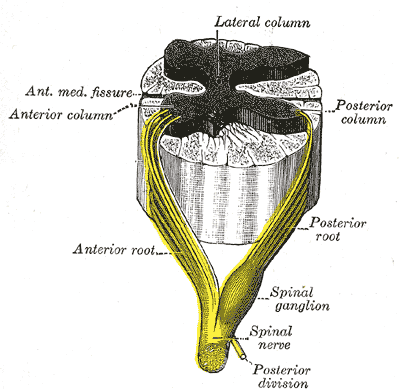
A neuronopatia sensorial e motora de início facial é caracterizada inicialmente por parestesia e dormência na região de distribuição do nervo trigêmeo, que posteriormente progride para envolver o couro cabeludo, pescoço, tronco superior e membros superiores. O início das manifestações motoras ocorre mais tardiamente com cãibras, fasciculações, disfagia, disartria, fraqueza muscular e atrofia. Esta síndrome foi descrita em quatro homens e parece ser uma doença neurodegenerativa lentamente progressiva.
Introdução
O que você precisa saber de cara
A neuronopatia sensorial e motora de início facial é caracterizada inicialmente por parestesia e dormência na região de distribuição do nervo trigêmeo, que posteriormente progride para envolver o couro cabeludo, pescoço, tronco superior e membros superiores. O início das manifestações motoras ocorre mais tardiamente com cãibras, fasciculações, disfagia, disartria, fraqueza muscular e atrofia. Esta síndrome foi descrita em quatro homens e parece ser uma doença neurodegenerativa lentamente progressiva.
Escala de raridade
<1/50kMuito rara
1/20kRara
1/10kPouco freq.
1/5kIncomum
1/2k
Encontrou um erro ou informação desatualizada? Sugira uma correção →
Entender a doença
Do básico ao detalhe, leia no seu ritmo
Preparando trilha educativa...
Sinais e sintomas
O que aparece no corpo e com que frequência cada sintoma acontece
Partes do corpo afetadas
+ 2 sintomas em outras categorias
Características mais comuns
Os sintomas variam de pessoa para pessoa. Abaixo estão as 7 características clínicas mais associadas, ordenadas por frequência.
Linha do tempo da pesquisa
Encontrou um erro ou informação desatualizada? Sugira uma correção →
Genética e causas
O que está alterado no DNA e como passa nas famílias
Nenhum gene associado encontrado
Os dados genéticos desta condição ainda estão sendo catalogados.
Diagnóstico
Os sinais que médicos procuram e os exames que confirmam
Tratamento e manejo
Remédios, cuidados de apoio e o que precisa acompanhar
Onde tratar no SUS
Hospitais de referência no Brasil e o protocolo oficial do SUS (PCDT)
🇧🇷 Atendimento SUS — Neuronopatia sensitiva e motora de início na face
Selecione um estado ou use sua localização para ver resultados.
Dados de DATASUS/CNES, SBGM, ABNeuro e Ministério da Saúde. Sempre confirme a disponibilidade diretamente com o estabelecimento.
Pesquisa ativa
Ensaios clínicos abertos e novidades científicas recentes
Pesquisa e ensaios clínicos
Nenhum ensaio clínico registrado para esta condição.
Publicações mais relevantes
Facial onset sensory and motor neuronopathy: a diagnostic challenge.
Facial onset sensory and motor neuronopathy (FOSMN) is a rare neurological disorder that combines features of both sensory neuropathy and motor neuron disease. Its clinical resemblance to trigeminal neuralgia and amyotrophic lateral sclerosis (ALS) often leads to delayed or incorrect diagnosis. Recent evidence suggests that FOSMN may represent a sensory-onset variant within the ALS spectrum, characterised by the addition of cranial and limb sensory involvement. The present report highlights this diagnostic challenge and emphasises that FOSMN can occur with prominent sensory symptoms and cranial nerve dysfunction even in the absence of significant bulbar features. Recognising this pattern broadens the classical understanding of motor neuron diseases, which are traditionally viewed as purely motor disorders. Awareness of such presentations and the use of targeted neurophysiological tests, particularly blink reflex studies, are essential for accurate diagnosis and better characterisation of this rare and evolving disease spectrum.
Clinical features of FOSMN syndrome in Korea: A comparative analysis with bulbar-onset amyotrophic lateral sclerosis.
Facial onset sensory and motor neuronopathy (FOSMN) syndrome is a rare neurodegenerative disorder initially characterized by facial sensory deficits, which later progress to motor deficits in a rostral-caudal distribution. This study investigated the prevalence, clinical features, and prognosis of FOSMN syndrome and compared these aspects with those of bulbar-onset amyotrophic lateral sclerosis (ALS) within a single institutional cohort of motor neuron diseases. We identified four patients with FOSMN syndrome who had been misclassified as having bulbar-onset ALS, representing approximately 2 % of such ALS cases. The median age of onset for FOSMN syndrome was similar to that of bulbar-onset ALS. However, patients with FOSMN syndrome were often diagnosed at more advanced stages and had lower ALS Functional Rating Scale-revised (ALSFRS-R) scores. Despite the slower progression of FOSMN syndrome, therapeutic interventions such as gastrostomy or non-invasive ventilation were frequently required. In conclusion, this study provides detailed clinical profiles of patients with FOSMN syndrome and deepens our understanding of a heterogeneous group of neurodegenerative disorders.
An autopsy case of facial-onset sensory and motor neuronopathy with central sleep apnea syndrome.
Establishing Diagnostic and Differential Diagnostic Criteria for Amyotrophic Lateral Sclerosis.
Motor neuron disease (MND) represents a broad and heterogeneous group of disorders involving the upper or lower motor neurons, represented mainly by amyotrophic lateral sclerosis (ALS), primary lateral sclerosis (PLS), progressive muscular atrophy (PMA) and progressive bulbar palsy (PBP). Primary motor neuronopathies are characterized by progressive degenerative loss of anterior horn cell motoneurons (lower motor neurons) or loss of giant pyramidal Betz cells (upper motor neurons). Rare atypical variants of MND-ALS include flail arm syndrome (FA), flail leg syndrome (FL), facial-onset sensory and motor neuronopathy (FOSMN), finger extension weakness and downbeat nystagmus motor neuron disease (FEWDON-MND) and long-standing and juvenile MND-ALS. In this article, we present a review of diagnostic criteria and the differential diagnosis for MND, focusing on ALS.
TDP-43 seeding activity in the olfactory mucosa of patients with amyotrophic lateral sclerosis.
In recent years, the seed amplification assay (SAA) has enabled the identification of pathological TDP-43 in the cerebrospinal fluid (CSF) and olfactory mucosa (OM) of patients with genetic forms of frontotemporal dementia (FTD) and amyotrophic lateral sclerosis (ALS). Here, we investigated the seeding activity of TDP-43 in OM samples collected from patients with sporadic ALS. OM samples were collected from patients with (a) sporadic motor neuron diseases (MND), including spinal ALS (n = 35), bulbar ALS (n = 18), primary lateral sclerosis (n = 10), and facial onset sensory and motor neuronopathy (n = 2); (b) genetic MND, including carriers of C9orf72exp (n = 6), TARDBP (n = 4), SQSTM1 (n = 3), C9orf72exp + SQSTM1 (n = 1), OPTN (n = 1), GLE1 (n = 1), FUS (n = 1) and SOD1 (n = 4) mutations; (c) other neurodegenerative disorders (OND), including Alzheimer's disease (n = 3), dementia with Lewy bodies (n = 8) and multiple system atrophy (n = 6); and (d) control subjects (n = 22). All samples were subjected to SAA analysis for TDP-43 (TDP-43_SAA). Plasmatic levels of TDP-43 and neurofilament-light chain (NfL) were also assessed in a selected number of patients. TDP-43_SAA was positive in 29/65 patients with sporadic MND, 9/21 patients with genetic MND, 6/17 OND patients and 3/22 controls. Surprisingly, one presymptomatic individual also tested positive. As expected, OM of genetic non-TDP-43-related MND tested negative. Interestingly, fluorescence values from non-MND samples that tested positive were consistently and significantly lower than those obtained with sporadic and genetic MND. Furthermore, among TDP-43-positive samples, the lag phase observed in MND patients was significantly longer than that in non-MND patients. Plasma TDP-43 levels were significantly higher in sporadic MND patients compared to controls and decreased as the disease progressed. Similarly, plasma NfL levels were higher in both sporadic and genetic MND patients and positively correlated with disease progression rate (ΔFS). No significant correlations were detected between TDP-43_SAA findings and the biological, clinical, or neuropsychological parameters considered. The OM of a subset of patients with sporadic MND can trigger seeding activity for TDP-43, as previously observed in genetic MND. Thus, TDP-43_SAA analysis of OM can improve the clinical characterization of ALS across different phenotypes and enhance our understanding of these diseases. Finally, plasma TDP-43 could serve as a potential biomarker for monitoring disease progression. However, further research is needed to confirm and expand these findings.
Publicações recentes
Establishing Diagnostic and Differential Diagnostic Criteria for Amyotrophic Lateral Sclerosis.
Facial onset sensory and motor neuronopathy: a diagnostic challenge.
An autopsy case of facial-onset sensory and motor neuronopathy with central sleep apnea syndrome.
TDP-43 seeding activity in the olfactory mucosa of patients with amyotrophic lateral sclerosis.
Delayed Diagnosis of Dysphagia: Consider "FOSMN".
📚 EuropePMC25 artigos no totalmostrando 30
Establishing Diagnostic and Differential Diagnostic Criteria for Amyotrophic Lateral Sclerosis.
Journal of clinical medicineFacial onset sensory and motor neuronopathy: a diagnostic challenge.
Acta neurologica BelgicaAn autopsy case of facial-onset sensory and motor neuronopathy with central sleep apnea syndrome.
Journal of neuropathology and experimental neurologyTDP-43 seeding activity in the olfactory mucosa of patients with amyotrophic lateral sclerosis.
Molecular neurodegenerationDelayed Diagnosis of Dysphagia: Consider "FOSMN".
British journal of hospital medicine (London, England : 2005)Clinical features of FOSMN syndrome in Korea: A comparative analysis with bulbar-onset amyotrophic lateral sclerosis.
Journal of the neurological sciencesTARDBP Mutations in Facial-Onset Sensory and Motor Neuronopathy.
Neurology. GeneticsA nationwide survey of facial onset sensory and motor neuronopathy in Japan.
Journal of the neurological sciencesFacial-onset sensory and motor neuronopathy with myasthenia gravis: A case report.
MedicineFacial onset sensory and motor neuronopathy (FOSMN syndrome): Cases series and systematic review.
Neurological sciences : official journal of the Italian Neurological Society and of the Italian Society of Clinical NeurophysiologyFacial Onset Sensory and Motor Neuronopathy-Like Syndrome: A Case Report.
Journal of clinical neuromuscular diseaseMuscle and skin fibroblast TDP-43 expression, dynamic mutation analysis of NOTCH2NLC and C9orf72 in patients with FOSMN.
Neurological sciences : official journal of the Italian Neurological Society and of the Italian Society of Clinical NeurophysiologyElectrodiagnostic findings in facial onset sensory motor neuronopathy (FOSMN).
Clinical neurophysiology : official journal of the International Federation of Clinical NeurophysiologyTaste loss as the sole presenting symptom in Chinese patient with facial onset sensory and motor neuronopathy.
CNS neuroscience & therapeuticsFacial Onset Sensory and Motor Neuronopathy: New Cases, Cognitive Changes, and Pathophysiology.
Neurology. Clinical practiceFacial onset sensory and motor neuronopathy syndrome - a rare variant of motor neurone disease.
Neurologia i neurochirurgia polska[A case of facial-onset sensory and motor neuronopathy (FOSMN) with cerebellar ataxia and abnormal decrement in repetitive nerve stimulation test].
Rinsho shinkeigaku = Clinical neurologyTaste disorder in facial onset sensory and motor neuronopathy: a case report.
BMC neurologyElevated CSF neurofilament light chain concentration in a patient with facial onset sensory and motor neuronopathy.
Neurological sciences : official journal of the Italian Neurological Society and of the Italian Society of Clinical NeurophysiologyFacial onset sensory and motor neuronopathy: a motor neuron disease with an oligogenic origin?
Amyotrophic lateral sclerosis & frontotemporal degenerationAtypical Motor Neuron Disease variants: Still a diagnostic challenge in Neurology.
Revue neurologiqueTDP43 pathology in the brain, spinal cord, and dorsal root ganglia of a patient with FOSMN.
NeurologyFacial Onset Motor and Sensory Neuronopathy Syndrome With a Novel TARDBP Mutation.
The neurologistMeasurement of spinal cord atrophy using phase sensitive inversion recovery (PSIR) imaging in motor neuron disease.
PloS oneNew findings in facial-onset sensory and motor neuronopathy (FOSMN) syndrome.
Revue neurologiqueOral phase dysphagia in facial onset sensory and motor neuronopathy.
Brain and behaviorFacial onset sensory and motor neuronopathy.
Neurological sciences : official journal of the Italian Neurological Society and of the Italian Society of Clinical NeurophysiologyAmyotrophic lateral sclerosis causes small fiber pathology.
European journal of neurologyFacial Onset Sensory and Motor Neuronopathy: Further Evidence for a TDP-43 Proteinopathy.
Case reports in neurologyRecognising facial onset sensory motor neuronopathy syndrome: insight from six new cases.
Practical neurologyAssociações
Organizações que acompanham esta doença — pra ter apoio e orientação
Ainda não temos associações cadastradas para Neuronopatia sensitiva e motora de início na face.
É de uma associação que acompanha esta doença? Fale com a gente →
Comunidades
Grupos ativos de quem convive com esta doença aqui no Raras
Ainda não existe comunidade no Raras para Neuronopatia sensitiva e motora de início na face
Pacientes, familiares e cuidadores se organizam em comunidades pra compartilhar experiências, fazer perguntas e se apoiar. Você pode ser o primeiro.
Tire suas dúvidas
Perguntas, dicas e experiências compartilhadas aqui na página
Participe da discussão
Faça login para postar dúvidas, compartilhar experiências e interagir com especialistas.
Fazer loginDoenças relacionadas
Doenças com sintomas parecidos — ajudam quem ainda está buscando diagnóstico
Referências e fontes
Bases de dados externas citadas neste artigo
Publicações científicas
Artigos indexados no PubMed ligados a esta doença no grafo RarasNet — título, periódico e PMID direto da fonte, sem intermediação de IA.
- Facial onset sensory and motor neuronopathy: a diagnostic challenge.
- Clinical features of FOSMN syndrome in Korea: A comparative analysis with bulbar-onset amyotrophic lateral sclerosis.
- An autopsy case of facial-onset sensory and motor neuronopathy with central sleep apnea syndrome.
- Establishing Diagnostic and Differential Diagnostic Criteria for Amyotrophic Lateral Sclerosis.
- TDP-43 seeding activity in the olfactory mucosa of patients with amyotrophic lateral sclerosis.
- Delayed Diagnosis of Dysphagia: Consider "FOSMN".
Bases de dados e fontes oficiais
Identificadores e referências canônicas usadas para montar este verbete.
- ORPHA:85162(Orphanet)
- MONDO:0019405(MONDO)
- GARD:12036(GARD (NIH))
- Busca completa no PubMed(PubMed)
- Q5428551(Wikidata)
Dados compilados pelo RarasNet a partir de fontes abertas (Orphanet, OMIM, MONDO, PubMed/EuropePMC, ClinicalTrials.gov, DATASUS, PCDT/MS). Este conteúdo é informativo e não substitui avaliação médica.
Conteúdo mantido por Agente Raras · Médicos e pesquisadores podem colaborar
Neuronopatia sensitiva e motora de início na face
📋 Origem dos dados
Esta página agrega dados de fontes públicas e oficiais. Dados sobre cobertura no SUS (PCDT, CEAF) são verificados ativamente por agente proativo (ver badge no infobox). Demais dados têm atribuição de fonte + data da última sincronização — clique para abrir o original.
- Doença rara (ontologia)
- fonte: Orphanet
- Identificador unificado
- fonte: MONDO
- Codificação WHO/SUS
- fonte: WHO ICD-10 / DATASUS
- NIH/GARD
- fonte: GARD (NIH)
- Dado público estruturado
- fonte: Wikidata