
Síndrome de Cockayne causada por mutação(ões) no gene ERCC6, que codifica a proteína de reparo por excisão de DNA ERCC-6.
Introdução
O que você precisa saber de cara
Síndrome de Cockayne causada por mutação(ões) no gene ERCC6, que codifica a proteína de reparo por excisão de DNA ERCC-6.
Encontrou um erro ou informação desatualizada? Sugira uma correção →
Entender a doença
Do básico ao detalhe, leia no seu ritmo
Preparando trilha educativa...
Sinais e sintomas
O que aparece no corpo e com que frequência cada sintoma acontece
Partes do corpo afetadas
+ 34 sintomas em outras categorias
Características mais comuns
Os sintomas variam de pessoa para pessoa. Abaixo estão as 107 características clínicas mais associadas, ordenadas por frequência.
Linha do tempo da pesquisa
Encontrou um erro ou informação desatualizada? Sugira uma correção →
Genética e causas
O que está alterado no DNA e como passa nas famílias
Genes associados
3 genes identificados com associação a esta condição.
Curadoria gene-doença
fontes oficiaisNon-catalytic component of a structure-specific DNA repair endonuclease responsible for the 5'-incision during DNA repair. Responsible, in conjunction with SLX4, for the first step in the repair of interstrand cross-links (ICL). Participates in the processing of anaphase bridge-generating DNA structures, which consist in incompletely processed DNA lesions arising during S or G2 phase, and can result in cytokinesis failure. Also required for homology-directed repair (HDR) of DNA double-strand bre
NucleusCytoplasm
Cerebro-oculo-facio-skeletal syndrome 4
A disorder of prenatal onset characterized by microcephaly, congenital cataracts, facial dysmorphism, neurogenic arthrogryposis, growth failure and severe psychomotor retardation. COFS is considered to be part of the nucleotide-excision repair disorders spectrum that include also xeroderma pigmentosum, trichothiodystrophy and Cockayne syndrome.
Substrate-recognition component of the CSA complex, a DCX (DDB1-CUL4-X-box) E3 ubiquitin-protein ligase complex, involved in transcription-coupled nucleotide excision repair (TC-NER), a process during which RNA polymerase II-blocking lesions are rapidly removed from the transcribed strand of active genes (PubMed:12732143, PubMed:16751180, PubMed:16964240, PubMed:32142649, PubMed:34526721, PubMed:38316879, PubMed:38600235, PubMed:38600236). Following recruitment to lesion-stalled RNA polymerase I
NucleusChromosomeNucleus matrix
Cockayne syndrome A
A rare disorder characterized by cutaneous sensitivity to sunlight, abnormal and slow growth, cachectic dwarfism, progeroid appearance, progressive pigmentary retinopathy and sensorineural deafness. There is delayed neural development and severe progressive neurologic degeneration resulting in intellectual disability. Two clinical forms are recognized: in the classical form or Cockayne syndrome type 1, the symptoms are progressive and typically become apparent within the first few years or life; the less common Cockayne syndrome type 2 is characterized by more severe symptoms that manifest prenatally. Cockayne syndrome shows some overlap with certain forms of xeroderma pigmentosum. Unlike xeroderma pigmentosum, patients with Cockayne syndrome do not manifest increased freckling and other pigmentation abnormalities in the skin and have no significant increase in skin cancer.
Essential factor involved in transcription-coupled nucleotide excision repair (TC-NER), a process during which RNA polymerase II-blocking lesions are rapidly removed from the transcribed strand of active genes (PubMed:16246722, PubMed:20541997, PubMed:22483866, PubMed:26620705, PubMed:32355176, PubMed:34526721, PubMed:38316879, PubMed:38600235, PubMed:38600236). Plays a central role in the initiation of the TC-NER process: specifically recognizes and binds RNA polymerase II stalled at a lesion,
NucleusChromosome
Cockayne syndrome B
A rare disorder characterized by cutaneous sensitivity to sunlight, abnormal and slow growth, cachectic dwarfism, progeroid appearance, progressive pigmentary retinopathy and sensorineural deafness. There is delayed neural development and severe progressive neurologic degeneration resulting in intellectual disability. Two clinical forms are recognized: in the classical form or Cockayne syndrome type 1, the symptoms are progressive and typically become apparent within the first few years or life; the less common Cockayne syndrome type 2 is characterized by more severe symptoms that manifest prenatally. Cockayne syndrome shows some overlap with certain forms of xeroderma pigmentosum. Unlike xeroderma pigmentosum, patients with Cockayne syndrome do not manifest increased freckling and other pigmentation abnormalities in the skin and have no significant increase in skin cancer.
Variantes genéticas (ClinVar)
745 variantes patogênicas registradas no ClinVar.
Classificação de variantes (ClinVar)
Distribuição de 397 variantes classificadas pelo ClinVar.
Vias biológicas (Reactome)
12 vias biológicas associadas aos genes desta condição.
Diagnóstico
Os sinais que médicos procuram e os exames que confirmam
Tratamento e manejo
Remédios, cuidados de apoio e o que precisa acompanhar
Onde tratar no SUS
Hospitais de referência no Brasil e o protocolo oficial do SUS (PCDT)
🇧🇷 Atendimento SUS — Síndrome Cockayne tipo 2
Selecione um estado ou use sua localização para ver resultados.
Dados de DATASUS/CNES, SBGM, ABNeuro e Ministério da Saúde. Sempre confirme a disponibilidade diretamente com o estabelecimento.
Pesquisa ativa
Ensaios clínicos abertos e novidades científicas recentes
Ensaios em destaque
🟢 Recrutando agora
1 pesquisa recrutando participantes. Converse com seu médico sobre a possibilidade de participar.
Outros ensaios clínicos
0 ensaios clínicos encontrados.
Publicações mais relevantes
A Robust Methodological Framework for Generating Whole-Brain and Cortical Organoids From Diverse Healthy- and Patient-Derived Induced Pluripotent Stem Cell Lines.
Patient-derived neural organoids (NOs) have emerged as powerful tools for modeling human neurodevelopmental disorders, especially when animal models are unavailable or fail to recapitulate human-specific cortical development. However, significant variability in differentiation potential, even among healthy donor lines, and especially in fragile patient-derived induced pluripotent stem cells (iPSCs), poses major methodological challenges. Protocols that succeed in one line may fail in others, leading to poor organoid formation, reduced growth, impaired neuroepithelial patterning, or complete failure to generate neural tissues. By systematically comparing multiple published protocols, we identified key sources of variability and ultimately developed optimized protocols for generating both whole-brain (WB) and cortical organoids (CO) from human iPSCs (hiPSCs), including lines from progeroid Cockayne syndrome patients. Through iterative refinement of critical parameters, including cell seeding density, Matrigel incorporation, and timing and type of pathway inhibition, we achieved consistent organoid growth and structural organization across all tested lines. The resulting pipeline is adaptable and can be further tailored for newly derived or particularly challenging hiPSC lines. Collectively, this methodological framework enables robust and reproducible generation of NOs from genetically diverse hiPSC sources, providing a reliable platform for studying human neurodevelopment and disease mechanisms in progeroid and other patient-specific contexts.
ercc6 deficient zebrafish exhibit UV and metronidazole sensitivity, increased oxygen consumption, and impaired hair cell mechanoelectrical transduction which can be restored by the superoxide dismutase mimetic MnTBAP.
Cockayne Syndrome is an ultra-rare premature aging condition associated with UV sensitivity, neurocognitive decline, retinopathy, metronidazole-induced lethality, and sensorineural hearing loss. In 70% of affected patients, bi-allelic pathogenic variants in ERCC6 are identified. Although the role of ERCC6 in DNA damage repair has been studied, little is known about the mechanism for defective ERCC6 function in clinical findings, particularly hearing loss. To identify the mechanism of disease caused by pathogenic variants in ERCC6, we developed a zebrafish (Danio rerio) ercc6 loss of function model. We assessed survival after UV and metronidazole exposure, measured basal respiration rates, and evaluated mechanoelectrical transduction function and counts of lateral line hair cells. We found that UV exposure significantly reduces ercc6-/- larval viability. Metronidazole treatment results in complete lethality; wildtype controls show nearly complete survival. ercc6-/- embryos have significantly increased oxygen consumption, suggesting abnormal mitochondrial function. Phalloidin staining of lateral line hair cells with and without UV treatment shows no difference in hair cell counts per neuromast between treatment groups. Mechanoelectrical transduction function after UV exposure, measured by FM1-43 uptake, is reduced. Metronidazole lethality is reduced, oxygen consumption rates are restored, and mechanoelectrical transduction function is preserved by treatment with Mn(III)tetrakis(4-benzoic acid)porphyrin Chloride (MnTBAP), a superoxide dismutase mimetic. We propose that defective mitochondrial function and increased reactive oxygen species levels provide a mechanism for hair cell dysfunction in this model of Cockayne Syndrome. These results provide a foundation for further experiments to explore disease mechanisms and treatment modalities for this premature aging condition.
Mechanisms of transcription-coupled repair and DNA damage surveillance in health and disease.
RNA polymerase II (Pol II)-mediated gene transcription is frequently disrupted by DNA damage from various sources. Transcription-blocking DNA lesions hinder the progression of elongating Pol II, leading to transcription stress that, if unresolved, causes cellular dysfunction, neurodegeneration and ageing. In this Review, we discuss how different types of lesion are recognized by obstructing Pol II and removed by the intricate transcription-coupled nucleotide excision repair (TC-NER) pathway, emphasizing recent structural findings that reveal key aspects of the TC-NER mechanism. We also discuss the mechanisms proposed for processing lesion-stalled Pol II, which is crucial to facilitate TC-NER, and focus on how Pol II ubiquitylation orchestrates repair-complex assembly and Pol II degradation. In addition, we discuss the alternative mechanism of transcription-coupled DNA-protein crosslink repair, which was recently identified to be important for resolving DNA-protein crosslinks in active genes. Finally, we describe how these insights elucidate the different pathological causes of hereditary TC-NER deficiencies, namely of the mild cutaneous ultraviolet-sensitive syndrome and the severe progeroid Cockayne syndrome.
Metronidazole-Induced Hepatotoxicity in Children with Cockayne Syndrome.
[Cockayne syndrome: peculiarities of clinical manifestations and algorithm of observation in childhood].
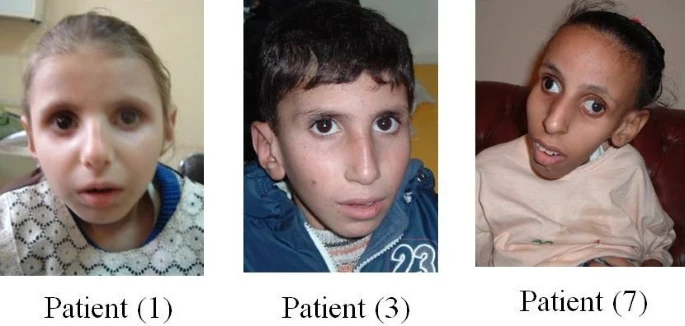
Cockayne syndrome is an ultra-rare (1:2.5 million) hereditary disease from the group of progeroid syndromes caused by pathogenic and probable-pathogenic variants in DNA repair genes (ERCC8, ERCC6, XPB (ERCC3), XPD (ERCC2) and XPG (ERCC5)) and characterized by abnormal photosensitivity, congenital cataract, microcephaly, sensorineural hearing loss, nervous system pathology and other multisystem changes. In this manuscript, for the first time in the Russian Federation, we present the results of a clinical and genetic study and follow-up of a Russian cohort of patients. During 2 years, from 2023 to 2025, 7 patients with Cockayne syndrome (4 girls and 3 boys) aged from 3 years 11 months to 16 years 3 months were under clinical observation, of whom 3 patients were diagnosed with Cockayne syndrome type A (causative variants in ERCC8 gene) and 4 patients with type B (causative variants in ERCC6 gene). All patients underwent a comprehensive multidisciplinary examination with evaluation of the results of laboratory and instrumental methods of investigation. Based on observational data, we confirmed the incomplete correlation between genotype and phenotype previously described in the literature. With the genotype of Cockayne syndrome type B, previously correlated with severe course of the disease, only one patient had a severe course of the syndrome, two patients had a moderate course, and one patient had a mild course, indicating the variability of the clinical picture within a single gene lesion, and the severity of the course correlated rather with the age of the disease debut: early onset (before 1 year of age) was associated with faster disease progression. Also, regardless of the genotype and severity of the disease course, major diagnostic criteria were identified in all patients: congenital cataract was diagnosed in 5 of 7 observed patients, sensorineural hearing loss in two patients of moderate and mild course of the disease, progressive pathology of the nervous system in 6 of 7 patients, and microcephaly was diagnosed in all patients. This study expands our understanding of the natural course of Cockayne syndrome and our knowledge of the variability of clinical manifestations and severity of the disease course within a single gene lesion. Timely diagnosis and personalized approach of a multidisciplinary team of specialists can slow the progression of complications and improve the quality of life of patients. The work is of value for physicians of various specialties involved in the diagnosis and treatment of orphan genetic diseases, as well as researchers studying the mechanisms of DNA repair and premature aging. ОБОСНОВАНИЕ. Синдром Коккейна — ультраредкое (1:2,5 млн) наследственное заболевание из группы прогероидных синдромов, обусловленное патогенными и вероятнопатогенными вариантами в генах репарации ДНК (ERCC8, ERCC6, XPB (ERCC3), XPD (ERCC2) и XPG (ERCC5)) и характеризующееся аномальной фоточувствительностью, врожденной катарактой, микроцефалией, нейросенсорной тугоухостью, патологией нервной системы и другими мультисистемными изменениями. В данной рукописи, впервые в Российской Федерации, представлены результаты клинико-генетического исследования и наблюдения за российской когортой пациентов. МАТЕРИАЛЫ И МЕТОДЫ. В течение 2 лет, с 2023 по 2025 гг., под клиническим наблюдением находились 7 пациентов с синдромом Коккейна (4 девочки и 3 мальчика) в возрасте от 3 лет 11 месяцев до 16 лет 3 месяцев, из них у 3 пациентов был диагностирован синдром Коккейна типа А (причинные варианты в гене ERCC8), у 4 пациентов — тип В (причинные варианты в гене ERCC6). Всем пациентам проводилось комплексное мультидисциплинарное обследование с оценкой результатов лабораторных и инструментальных методов исследования. РЕЗУЛЬТАТЫ. По данным наблюдений, нами подтверждена неполная корреляция между генотипом и фенотипом, описанная ранее в литературе. При генотипе синдрома Коккейна типа В, ранее коррелирующего с тяжелым течением заболевания, только у одного пациента наблюдалось тяжелое течение синдрома, у двух — умеренной степени, у одного пациента — легкое течение, что свидетельствует о вариабельности клинической картины в рамках поражения одного гена, а тяжесть течения коррелировала скорее с возрастом дебюта заболевания: раннее начало (до 1 года) ассоциировалось с более быстрым прогрессированием заболевания. Также, вне зависимости от генотипа и степени тяжести течения заболевания, большие диагностические критерии были выявлены у всех пациентов: врожденная катаракта была диагностирована у 5 из 7 наблюдаемых пациентов, нейросенсорная тугоухость — у двух пациентов умеренного и легкого течения заболевания, прогрессирующая патология нервной системы — у 6 пациентов из 7, микроцефалия была диагностирована у всех пациентов. ЗАКЛЮЧЕНИЕ. Проведенное исследование расширяет понимание естественного течения синдрома Коккейна и наши знания о вариабельности клинических проявлений и тяжести течения заболевания в рамках поражения одного гена. Своевременная диагностика и персонализированный подход мультидисциплинарной команды специалистов способны замедлить прогрессирование осложнений и улучшить качество жизни пациентов. Работа представляет ценность для врачей различных специальностей, занимающихся диагностикой и лечением орфанных генетических заболеваний, а также исследователей, изучающих механизмы репарации ДНК и преждевременное старение.
Publicações recentes
The role of transcription-coupled nucleotide excision repair (TC-NER) during mammalian forebrain development.
Integrating Structural, Biochemical, and Cellular Perspectives on the TFIIH Helicases XPB and XPD.
[Cockayne syndrome: peculiarities of clinical manifestations and algorithm of observation in childhood].
A Robust Methodological Framework for Generating Whole-Brain and Cortical Organoids From Diverse Healthy- and Patient-Derived Induced Pluripotent Stem Cell Lines.
Repurposing Alkylating Agents in Melanoma via ERCC8 Silencing: A Novel Therapeutic Strategy.
📚 EuropePMC606 artigos no totalmostrando 196
[Cockayne syndrome: peculiarities of clinical manifestations and algorithm of observation in childhood].
Problemy endokrinologiiA Robust Methodological Framework for Generating Whole-Brain and Cortical Organoids From Diverse Healthy- and Patient-Derived Induced Pluripotent Stem Cell Lines.
Biology of the cellRepurposing Alkylating Agents in Melanoma via ERCC8 Silencing: A Novel Therapeutic Strategy.
CancersSwallowing and Communication in Cockayne Syndrome: Clinical Characteristics and Management.
American journal of medical genetics. Part AStudies on the functionality of the TC-NER ERCC6-M1097V protein variant frequently found in Louisiana patients with PCa upon UV damage.
Frontiers in oncologyAdvancing Obstetric Care: The Role of Targeted Next-Generation Sequencing in Pregnancies with Structurally Normal Fetuses.
Journal of the Chinese Medical Association : JCMACockayne syndrome mutation in XPG activate the integrated stress response.
Human geneticsercc6 deficient zebrafish exhibit UV and metronidazole sensitivity, increased oxygen consumption, and impaired hair cell mechanoelectrical transduction which can be restored by the superoxide dismutase mimetic MnTBAP.
Human molecular geneticsGenotype-phenotype associations in a robust cohort of 69 patients with xeroderma pigmentosum across Türkiye: a multicentre study.
The British journal of dermatologyA Truncating Variant in the ERCC6 Gene With Three Different Phenotypes: Significant Effects of Modifier Genes.
Genetics researchPARP1 and PARylation facilitate transcription-coupled DNA repair by stabilizing the CSB-RNAPII complex.
Nucleic acids researchMetronidazole-Induced Hepatotoxicity in Children with Cockayne Syndrome.
Indian journal of pediatricsMolecular basis for CSB stimulation of the SNM1A DNA repair nuclease.
Research squareTargeted fetal NGS panel reveals genetic conditions in sonographically normal fetuses: Insights from a large cohort study.
PloS oneClinical and molecular genetic analysis of a Chinese patient with Cockayne syndrome caused by ERCC8 gene synonymous variant at splicing site and exon 1 deletion.
Orphanet journal of rare diseasesMechanisms of transcription-coupled repair and DNA damage surveillance in health and disease.
Nature reviews. Molecular cell biologyExpanding the landscape of nucleotide excision repair disorders: from discovery to therapy.
The Journal of clinical investigationProtective role of Cockayne Syndrome B (CSB) protein in maintaining genome integrity in human cells under oxidative stress.
Mutation research. Genetic toxicology and environmental mutagenesisExpert Consensus on Genetic Diagnostic Approaches for Patients With Limb-Girdle Muscular Dystrophy.
NeurologyExploring the interaction between nucleotide excision repair pathways and Huntington disease: Implications for neurodegeneration and phenotypic overlap.
Parkinsonism & related disordersOverexpression of Ku80 Protects Lens Epithelial Cells from Selenium-Induced Cataract Formation by Regulating the DNA Damage Response.
Current eye researchCase report: neuroimaging in Cockayne syndrome.
Radiology case reportsNeuroimages of an Adult Cockayne Syndrome Patient.
Internal medicine (Tokyo, Japan)The aflatoxin B1-induced formamidopyrimidine adduct is repaired by transcription-coupled nucleotide excision repair in human cells.
NAR cancerAnaesthesia for children with DNA repair disorders.
BJA educationClinical and genetic analysis of ERCC8-Related cockayne syndrome: hepatic dysfunction as a biomarker, anhidrosis as a rare feature, and rehabilitation outcomes for ankle contractures.
Frontiers in geneticsGenome-wide mapping of formaldehyde-induced DNA-protein crosslinks reveals unique patterns of formation and transcription-coupled removal in mammalian cells.
Nucleic acids researchTranscription-Coupled Nucleotide Excision Repair: A Faster Solution or the Only Option?
BiomoleculesUnusual Blood Pressure Response to Local Anesthetic in a Patient With Rare Cockayne Syndrome Undergoing Dental Surgery Under General Anesthesia.
Paediatric anaesthesiaThe clinical spectrum associated with ERCC5 mutations: Is there a relationship between phenotype and genotype?
Pediatric discoveryAltered pathways in Cockayne syndrome: Involvement of MAPK, PI3K-Akt, extracellular matrix, inflammation, and neuronal signaling.
DNA repairInsights Into Cockayne Syndrome Type B: What Underlies Its Pathogenesis?
Aging cellCockayne syndrome B with axonal sensorimotor polyneuropathy caused by a de novo mutation of the gene ERCC6: A novel phenotypic and genotypic variant.
NeurologiaThe landscape of pediatric genetic white matter disorders at a tertiary referral hospital in Upper Egypt and the report of 31 novel variants.
Italian journal of pediatricsEmerging mechanisms underlying formaldehyde toxicity and response.
Molecular cellBiological Models of Oxidative Purine DNA Damage in Neurodegenerative Disorders.
Antioxidants (Basel, Switzerland)Cockayne syndrome mice reflect human kidney disease and are defective in de novo NAD biosynthesis.
Cell death and differentiationAmy and Friends: improving the lives of individuals affected by DNA repair disorders.
FEBS lettersTranscription-coupled repair: tangled up in convoluted repair.
The FEBS journalClinical and molecular overlap between nucleotide excision repair (NER) disorders and DYRK1A haploinsufficiency syndrome.
Frontiers in neuroscienceTranscription blocking properties and transcription-coupled repair of N2-alkylguanine adducts as a model for aldehyde-induced DNA damage.
The Journal of biological chemistryA rare variation of ERCC8 gene cause Cockayne syndrome in a Chinese family.
Frontiers in geneticsATP-Dependent Chromatin Remodeler CSB Couples DNA Repair Pathways to Transcription with Implications for Cockayne Syndrome and Cancer Therapy.
CellsTrichothiodystrophy due to ERCC2 Variants: Uncommon Contributor to Progressive Hypomyelinating Leukodystrophy.
Molecular genetics & genomic medicineThe Role of Visual Electrophysiology in Systemic Hereditary Syndromes.
International journal of molecular sciencesPML Nuclear Bodies and Cellular Senescence: A Comparative Study of Healthy and Premature Aging Syndrome Donors' Cells.
CellsSyndromic retinitis pigmentosa.
Progress in retinal and eye researchActivities of the Research Group for Comprehensive Research of Gene Mutation-related Rare and Intractable Diseases of the Skin within the Project for Research on Intractable Diseases of the Ministry of Health, Labor, and Welfare of Japan.
The Keio journal of medicineTranscription-coupled repair - mechanisms of action, regulation, and associated human disorders.
FEBS lettersReliability of high-quantity human brain organoids for modeling microcephaly, glioma invasion and drug screening.
Nature communicationsA subset of human dermal fibroblasts overexpressing Cockayne syndrome group B protein resist UVB radiation-mediated premature senescence.
Aging cellHomozygous Microdeletion Involving Exon 1 of ERCC8 and NDUFAF2 With Uniparental Isodisomy of Chromosome 5.
Molecular genetics & genomic medicineTranscription-coupled repair of DNA-protein crosslinks.
Trends in cell biologySupplementation with nicotinamide limits accelerated aging in affected individuals with cockayne syndrome and restores antioxidant defenses.
AgingThe Emerging Roles of Multimolecular G-Quadruplexes in Transcriptional Regulation and Chromatin Organization.
Accounts of chemical researchA mild case of Cockayne syndrome with a novel start-loss variant of ERCC8.
Human genome variationPreimplantation genetic testing for Cockayne syndrome with a novel ERCC6 variant in a Chinese family.
Frontiers in geneticsPerspectives in the investigation of Cockayne syndrome group B neurological disease: the utility of patient-derived brain organoid models.
Journal of Zhejiang University. Science. BCockayne syndrome B protein is implicated in transcription and associated chromatin dynamics in homeostatic and genotoxic conditions.
Aging cellMolecular architecture and functional dynamics of the pre-incision complex in nucleotide excision repair.
Nature communicationsChildhood-inherited white matter disorders with calcification.
Handbook of clinical neurologyGeneral loss of proteostasis links Huntington disease to Cockayne syndrome.
Neurobiology of diseaseMolecular insights into the stimulation of SNM1A nuclease activity by CSB during interstrand crosslink processing.
bioRxiv : the preprint server for biologyA novel role for CSA in the regulation of nuclear envelope integrity: uncovering a non-canonical function.
Life science allianceBiallelic structural variants in three patients with ERCC8-related Cockayne syndrome and a potential pitfall of copy number variation analysis.
Scientific reportsHiPSC-derived 3D neural models reveal neurodevelopmental pathomechanisms of the Cockayne Syndrome B.
Cellular and molecular life sciences : CMLSA Cockayne-Syndrome-Like Phenotype with a Homozygous Truncating UVSSA Variant: Might This Be a New Cause?
Molecular syndromologyDNA lesions that block transcription induce the death of Trypanosoma cruzi via ATR activation, which is dependent on the presence of R-loops.
DNA repairSequential post-translational modifications regulate damaged DNA-binding protein DDB2 function.
Journal of biochemistryDifferential processing of RNA polymerase II at DNA damage correlates with transcription-coupled repair syndrome severity.
Nucleic acids researchCockayne Syndrome Linked to Elevated R-Loops Induced by Stalled RNA Polymerase II during Transcription Elongation.
Nature communicationsGenomic stress in diseases stemming from defects in the second brain.
Neurogastroenterology and motilityCS proteins and ubiquitination: orchestrating DNA repair with transcription and cell division.
Trends in cell biologyDistinct DNA repair mechanisms prevent formaldehyde toxicity during development, reproduction and aging.
Nucleic acids researchThe ARK2N-CK2 complex initiates transcription-coupled repair through enhancing the interaction of CSB with lesion-stalled RNAPII.
Proceedings of the National Academy of Sciences of the United States of AmericaCognitive Decline and Other Late-Stage Neurologic Complications in Cockayne Syndrome.
Neurology. Clinical practiceTreatment outcomes of cochlear implantation in pediatric patients with Cockayne syndrome type I: a case series.
Journal of surgical case reportsSpectrum of ERCC6-Related Cockayne Syndrome (Type B): From Mild to Severe Forms.
GenesAirway management in a patient with Cockayne syndrome.
Anaesthesia reportsDNA repair deficiencies and neurodegeneration.
DNA repairCockayne Syndrome Patient iPSC-Derived Brain Organoids and Neurospheres Show Early Transcriptional Dysregulation of Biological Processes Associated with Brain Development and Metabolism.
CellsTranscription-coupled repair of DNA-protein cross-links depends on CSA and CSB.
Nature cell biologyEndogenous aldehyde-induced DNA-protein crosslinks are resolved by transcription-coupled repair.
Nature cell biologyPremature aging in genetic diseases: what conclusions can be drawn for physiological aging.
Frontiers in agingImmunity in the Progeroid Model of Cockayne Syndrome: Biomarkers of Pathological Aging.
CellsPreimplantation genetic testing for monogenic disorders (PGT-M) offers an alternative strategy to prevent children from being born with hereditary neurological diseases or metabolic diseases dominated by nervous system phenotypes: a retrospective study.
Journal of assisted reproduction and geneticsCSB and SMARCAL1 compete for RPA32 at stalled forks and differentially control the fate of stalled forks in BRCA2-deficient cells.
Nucleic acids researchA compound heterozygous mutation of ERCC8 is responsible for a family with Cockayne syndrome.
Molecular biology reportsMitochondrial DNA integrity and metabolome profile are preserved in the human induced pluripotent stem cell reference line KOLF2.1J.
Stem cell reportsGeneration of site-specifically labelled fluorescent human XPA to investigate DNA binding dynamics during nucleotide excision repair.
Methods (San Diego, Calif.)Defining the progeria phenome.
AgingImmunomodulatory therapy in children with paediatric inflammatory multisystem syndrome temporally associated with SARS-CoV-2 (PIMS-TS, MIS-C; RECOVERY): a randomised, controlled, open-label, platform trial.
The Lancet. Child & adolescent healthMagnetic Bimetallic Heterointerface Nanomissiles with Enhanced Microwave Absorption for Microwave Thermal/Dynamics Therapy of Breast Cancer.
ACS nanoA Novel Heterozygous De Novo MORC2 Missense Variant Causes an Early Onset and Severe Neurodevelopmental Disorder.
Case reports in geneticsElf1 promotes Rad26's interaction with lesion-arrested Pol II for transcription-coupled repair.
Proceedings of the National Academy of Sciences of the United States of AmericaCockayne syndrome: A pediatric neurodegenerative disorder linking mitochondria to aging.
Journal of the neurological sciencesLive-cell imaging of endogenous CSB-mScarletI as a sensitive marker for DNA-damage-induced transcription stress.
Cell reports methodsA Case of ERCC6-Related Cockayne Syndrome Presenting with Levodopa-Responsive Tremor Syndrome.
Movement disorders clinical practiceConstructing green superhydrophilic and superoleophobic COFs-MOFs hybrid-based membrane for efficiently emulsion separation and synchronous removal of microplastics, dyes, and pesticides.
Environmental researchTFIIH central activity in nucleotide excision repair to prevent disease.
DNA repairMixed-Linkage Donor-Acceptor Covalent Organic Framework as a Turn-On Fluorescent Sensor for Aliphatic Amines.
Analytical chemistryHeat shock protein DNAJA2 regulates transcription-coupled repair by triggering CSB degradation via chaperone-mediated autophagy.
Cell discoveryGenome-wide analysis of transcription-coupled repair reveals novel transcription events in Caenorhabditis elegans.
bioRxiv : the preprint server for biologyCharacterisation of a novel missense mutation in the ERCC5 gene leading to group G xeroderma pigmentosum/Cockayne syndrome overlap.
BMJ case reportsSenescence, regulators of alternative splicing and effects of trametinib treatment in progeroid syndromes.
GeroScienceEpigenomic signature of accelerated ageing in progeroid Cockayne syndrome.
Aging cellRecent advances in fluorescence-based chemosensing of organoarsenic feed additives using luminescence MOFs, COFs, HOFs, and QDs.
Chemical communications (Cambridge, England)Efficient capture and highly sensitive analysis of okadaic acid by three-dimensional covalent organic frameworks with hydroxyl surface engineering.
Journal of chromatography. A[Progeroid syndromes : Aging, skin aging, and mechanisms of progeroid syndromes].
Dermatologie (Heidelberg, Germany)Cockayne syndrome type 3 with dystonia-ataxia and clicking blinks.
Movement disorders clinical practiceArabidopsis RAD16 Homologues Are Involved in UV Tolerance and Growth.
GenesNext-generation sequencing through multi-gene panel testing for the diagnosis of a Chinese patient with atypical Cockayne syndrome.
Molecular genetics & genomic medicineCSB Regulates Pathway Choice in Response to DNA Replication Stress Induced by Camptothecin.
International journal of molecular sciencesThe Multifaceted Syndromic Primary Immunodeficiencies in Children.
Journal of clinical medicineInsights into aging from progeroid syndrome epigenetics.
AgingThe role of Transcription Factor IIH complex in nucleotide excision repair.
Environmental and molecular mutagenesisSiblings with Cockayne Syndrome B Type III Presenting with Slowly Progressive Cerebellar Ataxia.
Internal medicine (Tokyo, Japan)Size-controlling preparation of covalent organic framework nanospheres for electrochemical impedimetric aptasensing of oxytetracycline.
TalantaAldehyde-Associated Mutagenesis─Current State of Knowledge.
Chemical research in toxicologyOrally delivered 2D covalent organic frameworks releasing kynurenine generate anti-inflammatory T cell responses in collagen induced arthritis mouse model.
BiomaterialsThe CSB chromatin remodeler regulates PARP1- and PARP2-mediated single-strand break repair at actively transcribed DNA regions.
Nucleic acids researchCockayne syndrome group A protein localizes at centrosomes during mitosis and regulates Cyclin B1 ubiquitination.
European journal of cell biologyThe nucleotide excision repair proteins through the lens of molecular dynamics simulations.
DNA repairAtypical features in two adult patients with Cockayne syndrome and analysis of genotype-phenotype correlation.
Chinese medical journalTranscription-Coupled Nucleotide Excision Repair and the Transcriptional Response to UV-Induced DNA Damage.
Annual review of biochemistryCan accelerated ageing models inform us on age-related tauopathies?
Aging cellAge or lifestyle-induced accumulation of genotoxicity is associated with a length-dependent decrease in gene expression.
iScienceCaenorhabditis elegans as a Model System to Study Human Neurodegenerative Disorders.
BiomoleculesReticular Chemistry-Enabled Sonodynamic Activity of Covalent Organic Frameworks for Nanodynamic Cancer Therapy.
Angewandte Chemie (International ed. in English)Pathways to healing: Plants with therapeutic potential for neurodegenerative diseases.
IBRO neuroscience reportsCase report: Variants in the ERCC4 gene as a rare cause of cerebellar ataxia with chorea.
Frontiers in geneticsThe Spectrum of MORC2-Related Disorders: A Potential Link to Cockayne Syndrome.
Pediatric neurologyThree-Dimensional van der Waals Heterostructure-Based Nanocages as Supersensitive 3-Hydroxy-2-butanone Gas Sensors at Room Temperature.
ACS sensorsA case of Cockayne syndrome with unusually mild clinical manifestations.
The Journal of dermatologyIdentification and characterization of Necdin as a target for the Cockayne syndrome B protein in promoting neuronal differentiation and maintenance.
Pharmacological researchAn ionic vinylene-linked three-dimensional covalent organic framework for selective and efficient trapping of ReO4- or 99TcO4.
Nature communicationsNovel Presentation of Hemiplegic Migraine in a Patient With Cockayne Syndrome.
Pediatric neurologyAicardi-Goutières syndrome with SAMHD1 deficiency can be diagnosed by unscheduled DNA synthesis test.
Frontiers in pediatricsFluorine-Containing Covalent Organic Frameworks: Synthesis and Application.
Macromolecular rapid communicationsAssessing the Formation of Purine Lesions in Mitochondrial DNA of Cockayne Syndrome Cells.
BiomoleculesTFIIH mutations can impact on translational fidelity of the ribosome.
Human molecular geneticsA Novel Missense Mutation in ERCC8 Co-Segregates with Cerebellar Ataxia in a Consanguineous Pakistani Family.
CellsPrevalence and mechanisms of somatic deletions in single human neurons during normal aging and in DNA repair disorders.
Nature communicationsPeripheral neuropathies associated with DNA repair disorders.
Muscle & nerveRole of Cockayne Syndrome Group B Protein in Replication Stress: Implications for Cancer Therapy.
International journal of molecular sciencesThe ATRX splicing variant c.21-1G>A is asymptomatic.
Human genome variationGenetics behind Cerebral Disease with Ocular Comorbidity: Finding Parallels between the Brain and Eye Molecular Pathology.
International journal of molecular sciencesLINE-1 RNA causes heterochromatin erosion and is a target for amelioration of senescent phenotypes in progeroid syndromes.
Science translational medicineClinical, immunological, and genetic investigations in a rare association of type 1 diabetes with xeroderma pigmentosum.
Pediatric endocrinology, diabetes, and metabolismA matter of delicate balance: Loss and gain of Cockayne syndrome proteins in premature aging and cancer.
Frontiers in agingA Cockayne-like phenotype resulting from a de novo variant in MORC2: expanding the phenotype of MORC2-related disorders.
NeurogeneticsA stable XPG protein is required for proper ribosome biogenesis: Insights on the phenotype of combinate Xeroderma Pigmentosum/Cockayne Syndrome patients.
PloS oneCockayne syndrome without UV-sensitivity in Vietnamese siblings with novel ERCC8 variants.
AgingCockayne syndrome group B protein uses its DNA translocase activity to promote mitotic DNA synthesis.
DNA repairAdult-Onset Neurodegeneration in Nucleotide Excision Repair Disorders (NERDND ): Time to Move Beyond the Skin.
Movement disorders : official journal of the Movement Disorder SocietyWhole-exome sequencing revealed a novel ERCC6 variant in a Vietnamese patient with Cockayne syndrome.
Human genome variationWhole exome sequencing identifies a novel variant causing cockayne syndrome type I in a consanguineous Pakistani family.
The International journal of neuroscienceMetronidazole-induced hepatotoxicity in a patient with xeroderma pigmentosum: A case report.
MedicineKeeping COFs in the loop.
Nature chemistryRadiotherapy and radiosensitivity syndromes in DNA repair gene mutations.
Klinicka onkologie : casopis Ceske a Slovenske onkologicke spolecnostiEffects of Oxygen Tension for Membrane Lipidome Remodeling of Cockayne Syndrome Cell Models.
CellsCSA Antisense Targeting Enhances Anticancer Drug Sensitivity in Breast Cancer Cells, including the Triple-Negative Subtype.
CancersCamptothecin compromises transcription recovery and cell survival against cisplatin and ultraviolet irradiation regardless of transcription-coupled nucleotide excision repair.
DNA repairThe UVSSA protein is part of a genome integrity homeostasis network with links to transcription-coupled DNA repair and ATM signaling.
Proceedings of the National Academy of Sciences of the United States of AmericaStatistical Approach of the Role of the Conserved CSB-PiggyBac Transposase Fusion Protein (CSB-PGBD3) in Genotype-Phenotype Correlation in Cockayne Syndrome Type B.
Frontiers in geneticsHeterogeneous clinical features in Cockayne syndrome patients and siblings carrying the same CSA mutations.
Orphanet journal of rare diseasesXPG: a multitasking genome caretaker.
Cellular and molecular life sciences : CMLSDynamic Interplay between Cockayne Syndrome Protein B and Poly(ADP-Ribose) Polymerase 1 during Oxidative DNA Damage Repair.
BiomedicinesKidneys control inter-organ homeostasis.
Nature reviews. NephrologyIntegrated genome and transcriptome analyses reveal the mechanism of genome instability in ataxia with oculomotor apraxia 2.
Proceedings of the National Academy of Sciences of the United States of AmericaVery early prenatal diagnosis of Cockayne's syndrome by coelocentesis.
Journal of obstetrics and gynaecology : the journal of the Institute of Obstetrics and GynaecologyIdentification and Characterization of a Novel Recurrent ERCC6 Variant in Patients with a Severe Form of Cockayne Syndrome B.
GenesEmbryonal sarcoma of the liver in a girl with Cockayne syndrome.
Clinical geneticsCockayne syndrome group B protein regulates fork restart, fork progression and MRE11-dependent fork degradation in BRCA1/2-deficient cells.
Nucleic acids researchCockayne Syndrome B Protein Selectively Resolves and Interact with Intermolecular DNA G-Quadruplex Structures.
Journal of the American Chemical SocietyMechanism of Rad26-assisted rescue of stalled RNA polymerase II in transcription-coupled repair.
Nature communicationsWhole Exome Sequencing Identifies a Novel Homozygous Missense Mutation in the CSB Protein-Encoding ERCC6 Gene in a Taiwanese Boy with Cockayne Syndrome.
Life (Basel, Switzerland)Aldehyde-driven transcriptional stress triggers an anorexic DNA damage response.
NatureHepatotoxicity of metronidazole in Cockayne syndrome: A clinical report.
European journal of medical geneticsFunctions of the CSB Protein at Topoisomerase 2 Inhibitors-Induced DNA Lesions.
Frontiers in cell and developmental biologyCockayne syndrome type: a very rare association with hemorrhagic stroke.
The Turkish journal of pediatricsDeep Brain Stimulation for Cockayne Syndrome-Associated Movement Disorder.
Journal of movement disordersNeurovascular dysfunction and neuroinflammation in a Cockayne syndrome mouse model.
AgingMetronidazole-Induced Hepatitis in a Teenager With Xeroderma Pigmentosum and Trichothiodystrophy Overlap.
PediatricsCockayne syndrome group A and ferrochelatase finely tune ribosomal gene transcription and its response to UV irradiation.
Nucleic acids researchNeuroblastoma Cells Depend on CSB for Faithful Execution of Cytokinesis and Survival.
International journal of molecular sciencesStructural basis of human transcription-DNA repair coupling.
NatureIdentification of two novel homozygous mutations in ERCC8 gene in two unrelated consanguineous families with Cockayne syndrome from Iran.
Clinica chimica acta; international journal of clinical chemistryReactive Species in Progeroid Syndromes and Aging-Related Processes.
Antioxidants & redox signalingTranscription-coupled repair and the transcriptional response to UV-Irradiation.
DNA repairGenetic Diagnosis in Children with Epilepsy and Developmental Disorders by Targeted Gene Panel Analysis in a Developing Country.
Journal of epilepsy research50 Years Ago in TheJournalofPediatrics: Cataracts, Microcephaly, and Arthrogryposis.
The Journal of pediatricsDRP1 Inhibition Rescues Mitochondrial Integrity and Excessive Apoptosis in CS-A Disease Cell Models.
International journal of molecular sciencesGeneration of an induced pluripotent stem cell line (IUFi001) from a Cockayne syndrome patient carrying a mutation in the ERCC6 gene.
Stem cell researchBotulinum toxin injection for Cockayne syndrome with muscle spasticity over bilateral lower limbs: A case report.
World journal of clinical casesCockayne Syndrome-Associated CSA and CSB Mutations Impair Ribosome Biogenesis, Ribosomal Protein Stability, and Global Protein Folding.
CellsAssociações
Organizações que acompanham esta doença — pra ter apoio e orientação
Ainda não temos associações cadastradas para Síndrome Cockayne tipo 2.
É de uma associação que acompanha esta doença? Fale com a gente →
Comunidades
Grupos ativos de quem convive com esta doença aqui no Raras
Ainda não existe comunidade no Raras para Síndrome Cockayne tipo 2
Pacientes, familiares e cuidadores se organizam em comunidades pra compartilhar experiências, fazer perguntas e se apoiar. Você pode ser o primeiro.
Tire suas dúvidas
Perguntas, dicas e experiências compartilhadas aqui na página
Participe da discussão
Faça login para postar dúvidas, compartilhar experiências e interagir com especialistas.
Fazer loginDoenças relacionadas
Doenças com sintomas parecidos — ajudam quem ainda está buscando diagnóstico
Referências e fontes
Bases de dados externas citadas neste artigo
Publicações científicas
Artigos indexados no PubMed ligados a esta doença no grafo RarasNet — título, periódico e PMID direto da fonte, sem intermediação de IA.
- A Robust Methodological Framework for Generating Whole-Brain and Cortical Organoids From Diverse Healthy- and Patient-Derived Induced Pluripotent Stem Cell Lines.
- ercc6 deficient zebrafish exhibit UV and metronidazole sensitivity, increased oxygen consumption, and impaired hair cell mechanoelectrical transduction which can be restored by the superoxide dismutase mimetic MnTBAP.
- Mechanisms of transcription-coupled repair and DNA damage surveillance in health and disease.
- Metronidazole-Induced Hepatotoxicity in Children with Cockayne Syndrome.
- [Cockayne syndrome: peculiarities of clinical manifestations and algorithm of observation in childhood].
- The role of transcription-coupled nucleotide excision repair (TC-NER) during mammalian forebrain development.
- Integrating Structural, Biochemical, and Cellular Perspectives on the TFIIH Helicases XPB and XPD.
- Repurposing Alkylating Agents in Melanoma via ERCC8 Silencing: A Novel Therapeutic Strategy.
Bases de dados e fontes oficiais
Identificadores e referências canônicas usadas para montar este verbete.
- ORPHA:90322(Orphanet)
- OMIM OMIM:133540(OMIM)
- MONDO:0019570(MONDO)
- GARD:1420(GARD (NIH))
- Variantes catalogadas(ClinVar)
- Busca completa no PubMed(PubMed)
- Artigo Wikipedia(Wikipedia)
- Q914389(Wikidata)
Dados compilados pelo RarasNet a partir de fontes abertas (Orphanet, OMIM, MONDO, PubMed/EuropePMC, ClinicalTrials.gov, DATASUS, PCDT/MS). Este conteúdo é informativo e não substitui avaliação médica.
Conteúdo mantido por Agente Raras · Médicos e pesquisadores podem colaborar
Síndrome Cockayne tipo 2
📋 Origem dos dados
Esta página agrega dados de fontes públicas e oficiais. Dados sobre cobertura no SUS (PCDT, CEAF) são verificados ativamente por agente proativo (ver badge no infobox). Demais dados têm atribuição de fonte + data da última sincronização — clique para abrir o original.
- Doença rara (ontologia)
- fonte: Orphanet
- Identificador unificado
- fonte: MONDO
- Genética mendeliana
- fonte: OMIM
- Codificação WHO/SUS
- fonte: WHO ICD-10 / DATASUS
- CID-11 (futuro)
- fonte: WHO ICD-11
- NIH/GARD
- fonte: GARD (NIH)
- Indexação biomédica
- fonte: MeSH (NLM)
- Dado público estruturado
- fonte: Wikidata