
A acidemia isovalérica (IVA) é uma acidúria orgânica herdada de forma autossômica recessiva, caracterizada por uma deficiência de isovaleril-CoA desidrogenase, que apresenta ampla variabilidade clínica e que pode se apresentar na infância com manifestações agudas de vômitos, retardo de crescimento, convulsões, letargia, odor característico de “pés suados”, pancreatite aguda e atraso de desenvolvimento leve a grave ou na infância com acidose metabólica (causada por jejum prolongado, aumento da ingestão de alimentos ricos em proteínas ou infecções) e que podem ser fatais se não forem tratadas imediatamente. Apresentações crônicas intermitentes e pacientes assintomáticos também foram relatadas.
Introdução
O que você precisa saber de cara
A acidemia isovalérica (IVA) é uma acidúria orgânica herdada de forma autossômica recessiva, caracterizada por uma deficiência de isovaleril-CoA desidrogenase, que apresenta ampla variabilidade clínica e que pode se apresentar na infância com manifestações agudas de vômitos, retardo de crescimento, convulsões, letargia, odor característico de “pés suados”, pancreatite aguda e atraso de desenvolvimento leve a grave ou na infância com acidose metabólica (causada por jejum prolongado, aumento da ingestão de alimentos ricos em proteínas ou infecções) e que podem ser fatais se não forem tratadas imediatamente. Apresentações crônicas intermitentes e pacientes assintomáticos também foram relatadas.
Escala de raridade
<1/50kMuito rara
1/20kRara
1/10kPouco freq.
1/5kIncomum
1/2k
Encontrou um erro ou informação desatualizada? Sugira uma correção →
Entender a doença
Do básico ao detalhe, leia no seu ritmo
Preparando trilha educativa...
Sinais e sintomas
O que aparece no corpo e com que frequência cada sintoma acontece
Partes do corpo afetadas
+ 25 sintomas em outras categorias
Características mais comuns
Os sintomas variam de pessoa para pessoa. Abaixo estão as 42 características clínicas mais associadas, ordenadas por frequência.
Linha do tempo da pesquisa
Triagem neonatal (Teste do Pezinho)
A triagem neonatal permite diagnóstico precoce e início imediato do tratamento.
Encontrou um erro ou informação desatualizada? Sugira uma correção →
Genética e causas
O que está alterado no DNA e como passa nas famílias
Genes associados
1 gene identificado com associação a esta condição. Padrão de herança: Autosomal recessive.
Curadoria gene-doença
fontes oficiaisA mitochondrial matrix enzyme that catalyzes the third step in leucine catabolism, where isovaleryl-CoA (3-methylbutanoyl-CoA) is metabolized to 3-methylbut-2-enoyl-CoA (PubMed:7640268). To a lesser extent, it also participates in the first step in fatty acid beta-oxidation, in which it catalyzes the proR-proR stereospecific alpha,beta-dehydrogenation of other saturated short-chain acyl-CoA thioesters such as pentanoyl-CoA, hexanoyl-CoA and butanoyl-CoA, using the electron transfer flavoprotein
Mitochondrion matrix
Isovaleric acidemia
A metabolic disorder characterized by retarded psychomotor development, a peculiar odor resembling sweaty feet, an aversion to dietary protein, and pernicious vomiting, leading to acidosis and coma. The acute neonatal form leads to massive metabolic acidosis from the first days of life and rapid death.
Variantes genéticas (ClinVar)
233 variantes patogênicas registradas no ClinVar.
Classificação de variantes (ClinVar)
Distribuição de 4 variantes classificadas pelo ClinVar.
Vias biológicas (Reactome)
2 vias biológicas associadas aos genes desta condição.
Diagnóstico
Os sinais que médicos procuram e os exames que confirmam
Tratamento e manejo
Remédios, cuidados de apoio e o que precisa acompanhar
Onde tratar no SUS
Hospitais de referência no Brasil e o protocolo oficial do SUS (PCDT)
🇧🇷 Atendimento SUS — Acidemia isovalérica
Centros de Referência SUS
21 centros habilitados pelo SUS para Acidemia isovalérica
Centros para Acidemia isovalérica
Detalhes dos centros
Hospital Universitário Prof. Edgard Santos (HUPES)
R. Dr. Augusto Viana, s/n - Canela, Salvador - BA, 40110-060 · CNES 0003808
Serviço de Referência
Hospital de Apoio de Brasília (HAB)
AENW 3 Lote A Setor Noroeste - Plano Piloto, Brasília - DF, 70684-831 · CNES 0010456
Serviço de Referência
Hospital Estadual Infantil e Maternidade Alzir Bernardino Alves (HIABA)
Av. Min. Salgado Filho, 918 - Soteco, Vila Velha - ES, 29106-010 · CNES 6631207
Serviço de Referência
Hospital das Clínicas da UFG
Rua 235 QD. 68 Lote Área, Nº 285, s/nº - Setor Leste Universitário, Goiânia - GO, 74605-050 · CNES 2338424
Serviço de Referência
Hospital das Clínicas da UFMG
Av. Prof. Alfredo Balena, 110 - Santa Efigênia, Belo Horizonte - MG, 30130-100 · CNES 2280167
Serviço de Referência
NUPAD / Faculdade de Medicina UFMG
Av. Prof. Alfredo Balena, 189 - 5 andar - Centro, Belo Horizonte - MG, 30130-100 · CNES 2183226
Serviço de Referência
Hospital Universitário João de Barros Barreto
R. dos Mundurucus, 4487 - Guamá, Belém - PA, 66073-000 · CNES 2337878
Serviço de Referência
Hospital de Clínicas da Universidade Federal de Pernambuco
Av. Prof. Moraes Rego, 1235 - Cidade Universitária, Recife - PE, 50670-901 · CNES 2561492
Atenção Especializada
Instituto de Medicina Integral Prof. Fernando Figueira (IMIP)
R. dos Coelhos, 300 - Boa Vista, Recife - PE, 50070-902 · CNES 0000647
Serviço de Referência
Hospital de Clínicas da UFPR
R. Gen. Carneiro, 181 - Alto da Glória, Curitiba - PR, 80060-900 · CNES 2364980
Serviço de Referência
Hospital Universitário Pedro Ernesto (HUPE-UERJ)
Blvd. 28 de Setembro, 77 - Vila Isabel, Rio de Janeiro - RJ, 20551-030 · CNES 2280221
Serviço de Referência
Instituto Nacional de Saúde da Mulher, da Criança e do Adolescente Fernandes Figueira (IFF/Fiocruz)
Av. Rui Barbosa, 716 - Flamengo, Rio de Janeiro - RJ, 22250-020 · CNES 2269988
Serviço de Referência
Hospital Universitário Onofre Lopes (HUOL)
Av. Nilo Peçanha, 620 - Petrópolis, Natal - RN, 59012-300 · CNES 2408570
Atenção Especializada
Hospital São Lucas da PUCRS
Av. Ipiranga, 6690 - Jardim Botânico, Porto Alegre - RS, 90610-000 · CNES 2232928
Serviço de Referência
Hospital de Clínicas de Porto Alegre (HCPA)
Rua Ramiro Barcelos, 2350 Bloco A - Av. Protásio Alves, 211 - Bloco B e C - Santa Cecília, Porto Alegre - RS, 90035-903 · CNES 2237601
Serviço de Referência
Hospital Universitário da UFSC (HU-UFSC)
R. Profa. Maria Flora Pausewang - Trindade, Florianópolis - SC, 88036-800 · CNES 2560356
Serviço de Referência
Hospital das Clínicas da FMUSP
R. Dr. Ovídio Pires de Campos, 225 - Cerqueira César, São Paulo - SP, 05403-010 · CNES 2077485
Serviço de Referência
Hospital de Clínicas da UNICAMP
R. Vital Brasil, 251 - Cidade Universitária, Campinas - SP, 13083-888 · CNES 2748223
Serviço de Referência
Hospital de Clínicas de Ribeirão Preto (HCRP-USP)
R. Ten. Catão Roxo, 3900 - Vila Monte Alegre, Ribeirão Preto - SP, 14015-010 · CNES 2082187
Serviço de Referência
Instituto da Criança e do Adolescente (ICr-HCFMUSP)
Av. Dr. Enéas Carvalho de Aguiar, 647 - Cerqueira César, São Paulo - SP, 05403-000 · CNES 2081695
Serviço de Referência
UNIFESP / Hospital São Paulo
R. Napoleão de Barros, 715 - Vila Clementino, São Paulo - SP, 04024-002 · CNES 2688689
Serviço de Referência
Dados de DATASUS/CNES, SBGM, ABNeuro e Ministério da Saúde. Sempre confirme a disponibilidade diretamente com o estabelecimento.
Pesquisa ativa
Ensaios clínicos abertos e novidades científicas recentes
Ensaios em destaque
🟢 Recrutando agora
1 pesquisa recrutando participantes. Converse com seu médico sobre a possibilidade de participar.
Outros ensaios clínicos
3 ensaios clínicos encontrados, 1 ativos.
Publicações mais relevantes
Outlook on ACADSB variants shaping metabolomic patterns and clinical outcomes - experience from a Central European country.
Short/branched-chain acyl-CoA dehydrogenase deficiency (SBCADD) is an autosomal recessive defect of L-isoleucine catabolism caused by pathogenic variants in the ACADSB gene. While early reports described neurological symptoms, expanded newborn screening cohorts have revealed predominantly asymptomatic individuals, raising questions regarding the clinical significance and optimal management. We performed an evaluation of three probands with a biochemical profile consistent with SBCADD identified in a Central European country. Acylcarnitines were measured by liquid chromatography with tandem mass spectrometry, urinary organic acids by gas chromatography with mass spectrometry, and ACADSB was sequenced. Clinical data were collected from regional paediatric follow-up. Three individuals with a biochemical profile consistent with SBCADD were identified in Slovakia. Two were detected through newborn screening, whereas one was diagnosed at 5 years of age. All three showed elevated C5-acylcarnitine; the C5/C8 ratio was increased in two patients, while in the third it remained within the reference range despite persistently elevated C5. Urinary 2-methylbutyrylglycine and 2-ethyl-3-hydroxypropionate were elevated in all cases and showed intra-individual variability; in one sample, 2-methylbutyrylglycine remained increased while 2-ethyl-3-hydroxypropionate had normalised. Two patients carried pathogenic ACADSB variants (one homozygous splice-site variant c.303 + 1G > A, one compound heterozygous for p.Thr148Ile and p.Glu387Lys), whereas genetic testing was not performed in the third case. Over the available follow-up period, no episodes of metabolic decompensation were observed; two patients remained clinically well, and one patient had autism spectrum disorder. Free carnitine concentrations were within the reference range in all probands. Our findings support SBCADD as a primarily biochemical phenotype with a largely benign course, while illustrating variability of urinary biomarkers and C5/C8 ratios. Accurate differentiation from isovaleric acidemia and careful integration of biochemical, genetic and clinical data remain essential.
Impact of Newborn Screening on Survival and Developmental Outcome in Classic Isovaleric Aciduria: A Meta-Analysis.
Classic isovaleric aciduria (cIVA) is a rare inherited metabolic disorder characterized by recurrent life-threatening metabolic decompensations and neurocognitive impairment in untreated patients. This meta-analysis aims to assess the impact of early diagnosis by newborn screening (NBS) on mortality and neurocognitive outcome. A systematic literature search for articles published until 2022 was conducted following PRISMA protocol guidelines. We investigated effects on clinical outcomes and survival, analyzing outcome parameters using meta-analytical measures and estimating effect sizes with a random-effects model. Overall, 20 studies were included, reporting on 240 individuals with cIVA. Individuals identified by NBS presented with a lower frequency of neurological symptoms (13.0% vs. 44.9%; p = 0.0040) and developmental delay (6.1% vs. 51.2%; p < 0.0001), and had a lower mortality rate (1.1% vs. 10.9%; p = 0.0320). The quality of healthcare systems did not have a measurable impact on neurocognitive outcome and mortality. Despite the beneficial effect of NBS on clinical outcome and mortality, it could not reliably prevent the manifestation of neonatal decompensation in all individuals with cIVA identified by NBS. Early diagnosis through NBS is essential for the timely initiation of therapy and for improving outcomes and survival rates in individuals with cIVA.
Functional analysis of a novel homozygous missense IVD gene variant: a case report with dual genetic diagnoses.
Genomic or exome sequencing is beneficial for identifying more than one pathogenic variation causing blended atypical and/or severe phenotypes. Herein, we are the first to report a 5-year-old boy with the blended phenotypes of infantile hypotonia, severe neurodevelopmental disorder, patent ductus arteriosus, cryptorchidism, obesity, distinctive facial features, and elevated isovaleryl carnitine. Trio-based whole-exome sequencing was performed on genomic DNA from peripheral blood samples from the boy and his parents. Functional analysis of the IVD variant in vitro was performed. Mutant IVD gene pcDNA3.1(+)-MUT-3xFlag and control pcDNA3.1(+)-WT-3xFlag mammalian expression vectors were constructed. Both vectors were transformed into HEK293T cells. The assays of relative IVD gene mRNA expression, IVD protein expression, and enzymatic activity were used. Whole-exome sequencing identified a novel homozygous missense variant in the IVD gene (NM_002225.5) c.1006T>C (p.Cys336Arg) within a region of homozygosity of 15q11.2-q21.3. Our in vitro functional and computer simulation findings revealed that this variant was associated with haploinsufficiency, which resulted in dramatically reducing the formation of IVD protein due to unstable mutant protein and not a lack of mRNA expression. The boy was diagnosed with the dual genetic disorders of Prader-Willi syndrome and isovaleric acidemia. This case provides a useful reference for genetic counseling for complex and diverse clinical phenotypes. The presence of two or more likely pathogenic or pathogenic variations in an individual with neurodevelopmental phenotypes is not an "exceptional" phenomenon.
Newborn screening algorithm distinguishing potential symptomatic isovaleric acidemia from asymptomatic newborns.
Newborn screening (NBS) for isovaleric acidemia (IVA) reduces mortality and morbidity; however, it has also resulted in the detection of individuals with an asymptomatic or mild presentation for which early detection via newborn screening has not been proven to alter neurological outcome. We reevaluated biochemical and molecular data for newborns flagged positive for IVA in aim of developing a new screening algorithm to exclude the latter from positive screening. Among 2 794 365 newborns underwent routine newborn screening in Israel, 412 flagged positive for IVA, of which, 371 were false positives on recall sample testing and 41 positive newborns were referred to the clinic. 38/41 have biochemical and molecular confirmation in keeping with IVA. Among the 38 patients, 32% (12/38) were classified as symptomatic while, 68% (26/38) were classified as asymptomatic. 69% of the latter group harbor the known variant associated with mild potentially asymptomatic phenotype, c.932C>T; p. Ala311Val. Among asymptomatic patients, only 46% (12/26) are currently treated. Two novel variants have been detected in the IVD gene: c.487G>A; p. Ala163Thr and c.985A>G; p. Met329Val. Cut-off recalculation, of referred newborns' initial biochemical results, after classifying the referred patients to two binary groups of symptomatic and asymptomatic, resulted in an improved NBS algorithm comprising of C5 >5 μM and C5/C2>0.2 and C5/C3>4 flagging only those likely to have the classic symptomatic phenotype.
Incidence of Organic Acid Disorders in 13 Million Chinese Newborns: A Systematic Review and Meta-Analysis.
Organic acid disorders (OADs) are inherited metabolic defects in the enzymes and cofactors involved in metabolic pathways. This systematic review and meta-analysis investigated the incidence and regional differences in OADs between the northern and southern regions of China. Searches of the PubMed, Embase, Web of Science, and Chinese databases (CNKI, Veipu, and Wanfang) revealed 1784 studies indexed between January 2002 and December 2024. After quality assessment and data extraction, the meta-analysis was conducted on OAD screening data from 57 studies involving 13,314,056 newborns and 1501 OAD cases in China. The seven most prevalent OADs were methylmalonic acidemia (MMA), 3-methylcrotonyl-CoA carboxylase deficiency, glutaric acidemia type I, isobutyryl-CoA dehydrogenase deficiency, isovaleric acidemia, 2-methylbutyryl-CoA dehydrogenase deficiency (2-MBD), and propionic acidemia. The meta-analysis revealed an OAD prevalence of 112.38 (95% confidence interval 106.70-118.07) per 1,000,000 newborns. The incidence of OADs and MMA was significantly higher in northern China than in southern China, whereas the incidence of 2-MBD was significantly lower in northern China than in southern China (p < 0.0001). Additionally, the ratio of MMA combined with homocystinuria to MMA was higher in northern China than in southern China (p < 0.05). These results provide valuable epidemiological insights and guidance for newborn screening for OADs in China.
Publicações recentes
A Rare Case of Isovaleric Acidemia With Hyperammonemia Caused by Compound Heterozygous IVD Variants: Clinical Features, Molecular Genetics, and Therapeutic Follow-Up.
💬 OpiniãoOutlook on ACADSB variants shaping metabolomic patterns and clinical outcomes - experience from a Central European country.
Incidence of Organic Acid Disorders in 13 Million Chinese Newborns: A Systematic Review and Meta-Analysis.
Practical Considerations for the Diagnosis and Management of Isovaleryl-CoA-Dehydrogenase Deficiency (Isovaleric Acidemia): Systematic Search and Review and Expert Opinions.
A rare case of isovaleric acidemia and schizophrenia: a case report.
📚 EuropePMC154 artigos no totalmostrando 93
Outlook on ACADSB variants shaping metabolomic patterns and clinical outcomes - experience from a Central European country.
Clinical biochemistryIncidence of Organic Acid Disorders in 13 Million Chinese Newborns: A Systematic Review and Meta-Analysis.
International journal of neonatal screeningPractical Considerations for the Diagnosis and Management of Isovaleryl-CoA-Dehydrogenase Deficiency (Isovaleric Acidemia): Systematic Search and Review and Expert Opinions.
International journal of neonatal screeningA rare case of isovaleric acidemia and schizophrenia: a case report.
BMC psychiatryImpact of Newborn Screening on Survival and Developmental Outcome in Classic Isovaleric Aciduria: A Meta-Analysis.
Journal of inherited metabolic diseaseStructural Insights into Isovaleryl-Coenzyme A Dehydrogenase: Mechanisms of Substrate Specificity and Implications of Isovaleric Acidemia-Associated Mutations.
Research (Washington, D.C.)Large-scale newborn screening for organic acidemias in Quanzhou, China: a 10-year retrospective observational study.
Scientific reportsOxidative stress in branched-chain organic acidemias using thiol-disulfide homeostasis.
Journal of pediatric endocrinology & metabolism : JPEMFunctional analysis of a novel homozygous missense IVD gene variant: a case report with dual genetic diagnoses.
Frontiers in pediatricsNewborn Screening for Isovaleric Acidemia: Treatment With Pivalate-Generating Antibiotics Contributed to False C5-Carnitine Positivity in a Chinese Population.
Molecular genetics & genomic medicineNewborn screening algorithm distinguishing potential symptomatic isovaleric acidemia from asymptomatic newborns.
Journal of inherited metabolic diseaseAmyloid-like Aggregation Propensities of Metabolites- Homogentisic Acid, N-Acetyl Aspartic Acid and Isovaleric Acid.
Chembiochem : a European journal of chemical biologyAcute Metabolic Decompensation of Isovaleric Acidemia Presenting as Persistent Metabolic Acidosis in a Middle-Aged Man: A Case Report.
CureusNewborn screening for isovaleric acidemia: A case report of a Chinese patient with novel variants.
Molecular genetics and metabolism reportsRetrospective Review of Positive Newborn Screening Results for Isovaleric Acidemia and Development of a Strategy to Improve the Efficacy of Newborn Screening in the UK.
International journal of neonatal screeningGeneration of a human induced pluripotent stem cell line (SDQLCHi057-A) from an Isovaleric aciduria patient carrying novel compound heterozygous mutations in the IVD gene.
Stem cell researchIsovaleric Acidemia in Jordan.
CureusIsovaleric Acidemia: A Case Report.
CureusValidity and reliability of the MetabQoL 1.0 and assessment of neuropsychiatric burden in organic acidemias: Reflections from Turkey.
Molecular genetics and metabolismThree linked variants have opposing regulatory effects on isovaleryl-CoA dehydrogenase gene expression.
Human molecular geneticsEvaluating renin and aldosterone levels in children with organic acidemia-therapeutic experience with fludrocortisone.
European journal of pediatricsA Case Report of a Novel Isovaleryl-CoA Dehydrogenase Gene Mutation in a Chinese Family with Isovaleric Acidemia.
Clinical laboratoryIsovaleric aciduria identified by newborn screening: Strategies to predict disease severity and stratify treatment.
Journal of inherited metabolic diseaseAcylglycine Analysis by Ultra-Performance Liquid Chromatography-Tandem Mass Spectrometry (UPLC-MS/MS).
Current protocolsMachine Learning Methods Improve Specificity in Newborn Screening for Isovaleric Aciduria.
MetabolitesThe glycine N-acyltransferases, GLYAT and GLYATL1, contribute to the detoxification of isovaleryl-CoA - an in-silico and in vitro validation.
Computational and structural biotechnology journalNeonatal screening for isovaleric aciduria: Reducing the increasingly high false-positive rate in Germany.
JIMD reportsPrenatal Diagnosis of Isovaleric Acidemia From Amniotic Fluid Using Genetic and Biochemical Approaches.
Frontiers in geneticsCirculating Isovalerylcarnitine and Lung Cancer Risk: Evidence from Mendelian Randomization and Prediagnostic Blood Measurements.
Cancer epidemiology, biomarkers & prevention : a publication of the American Association for Cancer Research, cosponsored by the American Society of Preventive OncologyAn unusual case of oral surgical management in a patient with isovaleric acidemia and schizophrenia: A case report.
Biomedical reportsCompound heterozygote variants: c.848A > G; p.Glu283Gly and c.890C > T; p.Ala297Val, of Isovaleric acid-CoA dehydrogenase (IVD) gene causing severe Isovaleric acidemia with hyperammonemia.
Molecular genetics and metabolism reportsCaregiver burden, and parents' perception of disease severity determine health-related quality of life in paediatric patients with intoxication-type inborn errors of metabolism.
Molecular genetics and metabolism reports[Disease spectrum analysis of children with inherited metabolic diseases detected by gas chromatography-mass spectrometry of urinary organic acids].
Zhonghua er ke za zhi = Chinese journal of pediatricsA Simple Flow Injection Analysis-Tandem Mass Spectrometry Method to Reduce False Positives of C5-Acylcarnitines Due to Pivaloylcarnitine Using Reference Ions.
Children (Basel, Switzerland)The markers of the organic acidemias and their ratios in healthy neonates in Serbian population.
Drug metabolism and personalized therapyAn investigation of different intracellular parameters for Inborn Errors of Metabolism: Cellular stress, antioxidant response and autophagy.
Free radical biology & medicine[Current understanding and progress of research on isovaleric acidemia].
Zhonghua yi xue yi chuan xue za zhi = Zhonghua yixue yichuanxue zazhi = Chinese journal of medical geneticsAltered immune response in organic acidemia.
Pediatrics international : official journal of the Japan Pediatric SocietySelective screening for inborn errors of metabolism by tandem mass spectrometry at Sohag University Hospital, Egypt.
Archives de pediatrie : organe officiel de la Societe francaise de pediatrieCharacterization of variants of uncertain significance in isovaleryl-CoA dehydrogenase identified through newborn screening: An approach for faster analysis.
Molecular genetics and metabolismTandem Mass Spectrometry Screening for Inborn Errors of Metabolism in Newborns and High-Risk Infants in Southern China: Disease Spectrum and Genetic Characteristics in a Chinese Population.
Frontiers in genetics[New Inborn Errors of Metabolism added in the French program of neonatal screening].
Medecine sciences : M/SFrequent sequence variants of human glycine N-acyltransferase (GLYAT) and inborn errors of metabolism.
Biochimie[Isovaleric acidemia due to compound heterozygous variants of IVD gene in a case].
Zhonghua yi xue yi chuan xue za zhi = Zhonghua yixue yichuanxue zazhi = Chinese journal of medical geneticsTiming of Newborn Blood Collection Alters Metabolic Disease Screening Performance.
Frontiers in pediatricsNeonatal isovaleric acidemia in China: A case report and review of literature.
World journal of clinical cases[The Newborn Screening Program in Italy: Comparison with Europe and other Countries.].
Revista espanola de salud publicaNewborn screening and disease variants predict neurological outcome in isovaleric aciduria.
Journal of inherited metabolic diseaseEvaluation of a Common Internal Standard Material to Reduce Inter-Laboratory Variation and Ensure the Quality, Safety and Efficacy of Expanded Newborn Screening Results When Using Flow Injection Analysis Tandem Mass Spectrometry with Internal Calibration.
International journal of neonatal screening[Screening and clinical analysis of isovaleric acidemia newborn in Zhejiang province].
Zhejiang da xue xue bao. Yi xue ban = Journal of Zhejiang University. Medical sciencesLong Term Follow-Up of Polish Patients with Isovaleric Aciduria. Clinical and Molecular Delineation of Isovaleric Aciduria.
Diagnostics (Basel, Switzerland)Brief Report: Delayed Diagnosis of Treatable Inborn Errors of Metabolism in Children with Autism and Other Neurodevelopmental Disorders.
Journal of autism and developmental disordersNewborn screening for isovaleric acidemia in Quanzhou, China.
Clinica chimica acta; international journal of clinical chemistry1H-NMR based metabolomic profiling of cord blood in gestational hypothyroidism.
Annals of translational medicineInborn errors of metabolism detectable by tandem mass spectrometry in Beijing.
Journal of pediatric endocrinology & metabolism : JPEMIsovaleric Acidemia: A Rare Case of an Inborn Error of Metabolism.
CureusCardiometabolic risk factor clustering in patients with deficient branched-chain amino acid catabolism: A case-control study.
Journal of inherited metabolic diseaseMolecular analysis using targeted next generation DNA sequencing and clinical spectrum of Mexican patients with isovaleric acidemia.
Clinica chimica acta; international journal of clinical chemistryPrenatal Diagnosis of Organic Acidemias at a Tertiary Center.
Balkan journal of medical genetics : BJMG[Analysis of inborn error metabolism in 277 children with autism spectrum disorders from Hainan].
Zhonghua yi xue yi chuan xue za zhi = Zhonghua yixue yichuanxue zazhi = Chinese journal of medical geneticsEight novel mutations detected from eight Chinese patients with isovaleric acidemia.
Clinica chimica acta; international journal of clinical chemistryUnusual Metabolites in a Patient with Isovaleric Acidemia.
Clinical chemistry3-Hydroxyisobutyryl-CoA hydrolase deficiency in an Iranian child with novel HIBCH compound heterozygous mutations.
Clinical case reportsClinical, biochemical, and molecular spectrum of short/branched-chain acyl-CoA dehydrogenase deficiency: two new cases and review of literature.
Journal of pediatric endocrinology & metabolism : JPEMAge-Specific Cut-off Values of Amino Acids and Acylcarnitines for Diagnosis of Inborn Errors of Metabolism Using Liquid Chromatography Tandem Mass Spectrometry.
BioMed research internationalMild inborn errors of metabolism in commonly used inbred mouse strains.
Molecular genetics and metabolismColumbus' egg: a practical approach to nutritional management in maple syrup urine disease.
Journal of pediatric endocrinology & metabolism : JPEMInborn errors of metabolism associated with hyperglycaemic ketoacidosis and diabetes mellitus: narrative review.
Sudanese journal of paediatricsFibroblast growth factor 21 as a biomarker for long-term complications in organic acidemias.
Journal of inherited metabolic diseaseFrequency of Inborn Errors of Metabolism in a Northeastern Iranian Sample with High Consanguinity Rates.
Human heredity[False positive on neonatal screening: C5-carnitin increase in newborns due to pre-labour treatment with cefditoren pivoxil].
Revista espanola de salud publicaA novel method for quantitation of acylglycines in human dried blood spots by UPLC-tandem mass spectrometry.
Clinical biochemistryAspects of Newborn Screening in Isovaleric Acidemia.
International journal of neonatal screeningSelective and accurate C5 acylcarnitine quantitation by UHPLC-MS/MS: Distinguishing true isovaleric acidemia from pivalate derived interference.
Journal of chromatography. B, Analytical technologies in the biomedical and life sciencesThe Relationship between Dietary Intake, Growth, and Body Composition in Inborn Errors of Intermediary Protein Metabolism.
The Journal of pediatricsA Rare Cause of Recurrent Acute Pancreatitis in a Child: Isovaleric Acidemia with Novel Mutation.
Pediatric gastroenterology, hepatology & nutritionIsovaleric acidemia: Therapeutic response to supplementation with glycine, l-carnitine, or both in combination and a 10-year follow-up case study.
Molecular genetics and metabolism reportsDietary practices in isovaleric acidemia: A European survey.
Molecular genetics and metabolism reportsDetection of inborn errors of metabolism utilizing GC-MS urinary metabolomics coupled with a modified orthogonal partial least squares discriminant analysis.
TalantaThe Risk of Fatty Acid Oxidation Disorders and Organic Acidemias in Children with Normal Newborn Screening.
JIMD reportsGenotype and phenotype characterization in a Spanish cohort with isovaleric acidemia.
Journal of human geneticsPolyunsaturated fatty acid status in treated isovaleric acidemia patients.
European journal of clinical nutritionInfantile Spasms during Acute Metabolic Decompensation in an Infant with Isovaleric Acidemia.
Journal of clinical neurology (Seoul, Korea)Atypical MR lenticular signal change in infantile isovaleric acidemia.
The Indian journal of radiology & imagingAngelman syndrome and isovaleric acidemia: What is the link?
Molecular genetics and metabolism reportsPilot Experience with an External Quality Assurance Scheme for Acylcarnitines in Plasma/Serum.
JIMD reportsInborn errors of metabolism detectable by tandem mass spectrometry in Egypt: The first newborn screening pilot study.
Journal of medical screeningA Study on the Humoral and Complement Immune System of Patients with Organic Acidemia.
Iranian journal of allergy, asthma, and immunologyElevation of pivaloylcarnitine by sivelestat sodium in two children.
Molecular genetics and metabolismAn Economic Evaluation of Neonatal Screening for Inborn Errors of Metabolism Using Tandem Mass Spectrometry in Thailand.
PloS oneIntermediaries of branched chain amino acid metabolism induce fetal hemoglobin, and repress SOX6 and BCL11A, in definitive erythroid cells.
Blood cells, molecules & diseasesPhenotypic Variability and Newly Identified Mutations of the IVD Gene in Japanese Patients with Isovaleric Acidemia.
The Tohoku journal of experimental medicineAnesthetic management of a patient with isovaleric acidemia.
A & A case reportsAssociações
Organizações que acompanham esta doença — pra ter apoio e orientação
Ainda não temos associações cadastradas para Acidemia isovalérica.
É de uma associação que acompanha esta doença? Fale com a gente →
Comunidades
Grupos ativos de quem convive com esta doença aqui no Raras
Ainda não existe comunidade no Raras para Acidemia isovalérica
Pacientes, familiares e cuidadores se organizam em comunidades pra compartilhar experiências, fazer perguntas e se apoiar. Você pode ser o primeiro.
Tire suas dúvidas
Perguntas, dicas e experiências compartilhadas aqui na página
Participe da discussão
Faça login para postar dúvidas, compartilhar experiências e interagir com especialistas.
Fazer loginDoenças relacionadas
Doenças com sintomas parecidos — ajudam quem ainda está buscando diagnóstico
Referências e fontes
Bases de dados externas citadas neste artigo
Publicações científicas
Artigos indexados no PubMed ligados a esta doença no grafo RarasNet — título, periódico e PMID direto da fonte, sem intermediação de IA.
- Outlook on ACADSB variants shaping metabolomic patterns and clinical outcomes - experience from a Central European country.
- Impact of Newborn Screening on Survival and Developmental Outcome in Classic Isovaleric Aciduria: A Meta-Analysis.
- Functional analysis of a novel homozygous missense IVD gene variant: a case report with dual genetic diagnoses.
- Newborn screening algorithm distinguishing potential symptomatic isovaleric acidemia from asymptomatic newborns.
- Incidence of Organic Acid Disorders in 13 Million Chinese Newborns: A Systematic Review and Meta-Analysis.
- A Rare Case of Isovaleric Acidemia With Hyperammonemia Caused by Compound Heterozygous IVD Variants: Clinical Features, Molecular Genetics, and Therapeutic Follow-Up.
- Practical Considerations for the Diagnosis and Management of Isovaleryl-CoA-Dehydrogenase Deficiency (Isovaleric Acidemia): Systematic Search and Review and Expert Opinions.
- A rare case of isovaleric acidemia and schizophrenia: a case report.
Bases de dados e fontes oficiais
Identificadores e referências canônicas usadas para montar este verbete.
- ORPHA:33(Orphanet)
- OMIM OMIM:243500(OMIM)
- MONDO:0009475(MONDO)
- GARD:465(GARD (NIH))
- Variantes catalogadas(ClinVar)
- Busca completa no PubMed(PubMed)
- Q3278042(Wikidata)
Dados compilados pelo RarasNet a partir de fontes abertas (Orphanet, OMIM, MONDO, PubMed/EuropePMC, ClinicalTrials.gov, DATASUS, PCDT/MS). Este conteúdo é informativo e não substitui avaliação médica.
Conteúdo mantido por Agente Raras · Médicos e pesquisadores podem colaborar
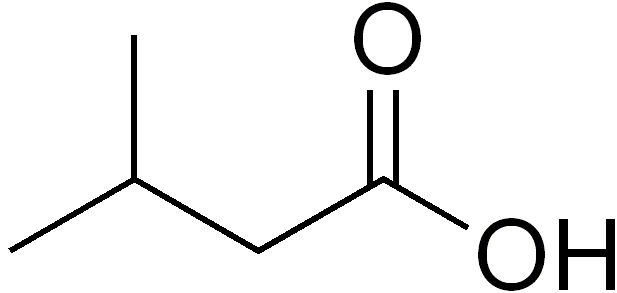
Acidemia isovalérica
📋 Origem dos dados
Esta página agrega dados de fontes públicas e oficiais. Dados sobre cobertura no SUS (PCDT, CEAF) são verificados ativamente por agente proativo (ver badge no infobox). Demais dados têm atribuição de fonte + data da última sincronização — clique para abrir o original.
- Doença rara (ontologia)
- fonte: Orphanet
- Identificador unificado
- fonte: MONDO
- Genética mendeliana
- fonte: OMIM
- Codificação WHO/SUS
- fonte: WHO ICD-10 / DATASUS
- CID-11 (futuro)
- fonte: WHO ICD-11
- NIH/GARD
- fonte: GARD (NIH)
- Indexação biomédica
- fonte: MeSH (NLM)
- Dado público estruturado
- fonte: Wikidata
- Ensaios clínicos
- fonte: ClinicalTrials.gov