
A síndrome de Smith-Magenis (SMS) é um distúrbio genético complexo caracterizado por déficit intelectual variável, distúrbios do sono, anomalias craniofaciais e esqueléticas, distúrbios psiquiátricos e atraso na fala e motor.
Introdução
O que você precisa saber de cara
A síndrome de Smith-Magenis (SMS) é um distúrbio genético complexo caracterizado por déficit intelectual variável, distúrbios do sono, anomalias craniofaciais e esqueléticas, distúrbios psiquiátricos e atraso na fala e motor.
Escala de raridade
<1/50kMuito rara
1/20kRara
1/10kPouco freq.
1/5kIncomum
1/2k
Encontrou um erro ou informação desatualizada? Sugira uma correção →
Entender a doença
Do básico ao detalhe, leia no seu ritmo
Preparando trilha educativa...
Sinais e sintomas
O que aparece no corpo e com que frequência cada sintoma acontece
Partes do corpo afetadas
+ 50 sintomas em outras categorias
Características mais comuns
Os sintomas variam de pessoa para pessoa. Abaixo estão as 135 características clínicas mais associadas, ordenadas por frequência.
Linha do tempo da pesquisa
Encontrou um erro ou informação desatualizada? Sugira uma correção →
Genética e causas
O que está alterado no DNA e como passa nas famílias
Genes associados
2 genes identificados com associação a esta condição. Padrão de herança: Autosomal dominant.
Curadoria gene-doença
fontes oficiaisTranscriptional regulator of the circadian clock components: CLOCK, BMAL1, BMAL2, PER1/3, CRY1/2, NR1D1/2 and RORA/C. Positively regulates the transcriptional activity of CLOCK a core component of the circadian clock. Regulates transcription through chromatin remodeling by interacting with other proteins in chromatin as well as proteins in the basic transcriptional machinery. May be important for embryonic and postnatal development. May be involved in neuronal differentiation
CytoplasmNucleus
Smith-Magenis syndrome
Characterized by intellectual disability associated with development and growth delays. Affected persons have characteristic behavioral abnormalities, including self-injurious behaviors and sleep disturbance, and distinct craniofacial and skeletal anomalies.
Is a guanine nucleotide exchange factor for the ARF GTP-binding proteins
Cytoplasm
Intellectual developmental disorder, X-linked 1
A disorder characterized by significantly below average general intellectual functioning associated with impairments in adaptive behavior and manifested during the developmental period. Intellectual deficiency is the only primary symptom of non-syndromic X-linked forms, while syndromic forms present with associated physical, neurological and/or psychiatric manifestations.
Medicamentos aprovados (FDA)
1 medicamento encontrado nos registros da FDA americana.
Variantes genéticas (ClinVar)
999 variantes patogênicas registradas no ClinVar.
Classificação de variantes (ClinVar)
Distribuição de 172 variantes classificadas pelo ClinVar.
Vias biológicas (Reactome)
2 vias biológicas associadas aos genes desta condição.
Diagnóstico
Os sinais que médicos procuram e os exames que confirmam
Tratamento e manejo
Remédios, cuidados de apoio e o que precisa acompanhar
Onde tratar no SUS
Hospitais de referência no Brasil e o protocolo oficial do SUS (PCDT)
🇧🇷 Atendimento SUS — Síndrome Smith-Magenis
Selecione um estado ou use sua localização para ver resultados.
Dados de DATASUS/CNES, SBGM, ABNeuro e Ministério da Saúde. Sempre confirme a disponibilidade diretamente com o estabelecimento.
Pesquisa ativa
Ensaios clínicos abertos e novidades científicas recentes
Ensaios em destaque
🟢 Recrutando agora
3 pesquisas recrutando participantes. Converse com seu médico sobre a possibilidade de participar.
Outros ensaios clínicos
18 ensaios clínicos encontrados, 4 ativos.
Publicações mais relevantes
DNA methylation episignature for Smith-Magenis and Potocki-Lupski syndromes: a mirror perspective.
Smith-Magenis syndrome (SMS) and Potocki-Lupski syndrome (PTLS) are reciprocal genomic disorders caused by deletions and duplications of the 17p11.2 chromosomal region, respectively. This study aimed to identify and validate DNA methylation episignatures specific to SMS and PTLS, and to investigate their reciprocal relationship and shared molecular features with other neurodevelopmental disorders. Genome-wide DNA methylation was analyzed in individuals with an SMS (n = 26) or PTLS (n = 27) phenotype associated with copy number variation, and SMS patients with RAI1 sequence variants using the Infinium EPIC array. Differentially methylated CpG sites were identified and used to develop support vector machine (SVM)-based classifiers, which demonstrated high sensitivity and specificity for both syndromes. The analysis revealed a mirror-like episignature, with SMS showing predominant hypomethylation and PTLS displaying hypermethylation at shared loci. Functional correlation with other neurodevelopmental disorders highlighted significant overlap with known episignatures, including those associated with MEF2C-related disorders. Notably, individuals with RAI1 sequence variants did not exhibit the same DNA methylation patterns, suggesting that the epigenetic alterations are primarily driven by copy number changes. These findings establish SMS and PTLS as distinct yet interconnected epigenetic entities, offering valuable diagnostic biomarkers and insights into the molecular pathophysiology of 17p11.2-associated neurodevelopmental disorders.
FLCN-Mutated Tumors in Smith-Magenis Syndrome: A Case Report of FLCN-Associated Pathogenesis.
Birt-Hogg-Dubé syndrome and Smith-Magenis syndrome both involve the 17p11.2 chromosomal region, with FLCN germline pathogenic variants causing Birt-Hogg-Dubé syndrome and RAI1 deletions causing Smith-Magenis syndrome. When Smith-Magenis syndrome deletions extend to include FLCN, Birt-Hogg-Dubé syndrome-related manifestations may develop; however, such occurrences remain anecdotal, particularly with respect to renal tumors. We describe a 35-year-old man with Smith-Magenis syndrome who developed two right renal tumors, including one confirmed FLCN-mutated tumor. Histology revealed a mosaic admixture of oncocytic and chromophobe-like cells with patchy keratin 7 and KIT expression. Molecular analysis identified a germline 17p11.2 deletion encompassing FLCN and RAI1, together with a somatic FLCN splice-donor mutation (c.1300+1G>A), consistent with biallelic FLCN inactivation. These findings support a shared pathogenic mechanism between Smith-Magenis syndrome and Birt-Hogg-Dubé syndrome, contributing to the existing literature on FLCN-associated renal neoplasia. Recognition of this overlap is important for clinical awareness and further supports renal surveillance in Smith-Magenis syndrome patients.
Behavioral Phenotype and Neuropsychological Profile of an Adult With Smith-Magenis Syndrome due to a Previously Unreported RAI1 Mutation: A Case Report.
Smith-Magenis Syndrome (SMS) is an uncommon genetic disorder caused by microdeletions of chromosome 17p11.2 including the RAI1 gene, or loss-of-function mutations that directly affect RAI1. Due to the involvement of RAI1 in neurodevelopment, SMS leads to typical pathologic features in the behavioral and physical phenotype that must be recognized by clinicians.
A Clinical Practice Example of Smith-Magenis Syndrome in the Neuropediatric Clinic: Etiology, Clinical Presentation, Diagnostics and Therapeutic Approaches-A Case Report.
Smith-Magenis syndrome (SMS) is a rare neurogenetic disorder caused by a microdeletion in chromosome region 17p11.2 or by pathogenic variants in the RAI1 gene. The syndrome is characterized by a distinctive neurobehavioral profile, including cognitive deficits, sleep disturbances, self-injurious behavior, and typical dysmorphic features. A characteristic diagnostic hallmark is paradoxical melatonin secretion, with increased daytime levels instead of the normal nocturnal peak. This article aims to summarize current knowledge on the etiology, diagnostics, EEG findings, therapy, and prognosis of SMS from a neuropediatric perspective. A narrative review of the literature on Smith-Magenis syndrome was conducted, focusing on genetic background, clinical features, diagnostic approaches, EEG characteristics, therapeutic strategies, and prognosis. In addition, a detailed clinical case of a 16-year-old female patient with SMS is presented. The reviewed data confirm that SMS is associated with characteristic neurobehavioral abnormalities and sleep-wake rhythm disturbances. EEG findings may include epileptiform activity without overt epilepsy. In the presented case, "Rolandic-type" spike-sharp wave complexes were observed on EEG and are interpreted as an expression of congenital disturbances in brain maturation processes. Therapeutic recommendations addressing behavioral symptoms and sleep regulation are discussed. Smith-Magenis syndrome represents a complex neurodevelopmental disorder with distinctive clinical, neurophysiological, and genetic features. Early recognition of characteristic signs, including sleep disturbances and EEG abnormalities, is essential for appropriate management. A multidisciplinary, individualized therapeutic approach may improve quality of life and long-term outcomes.
Phenotypic description of a large French series of individuals with Potocki-Lupski syndrome.
Potocki-Lupski syndrome (PTLS) is a rare genetic disorder, with an estimated prevalence of 1:25 000. Detection of a duplication at position 17p11.2 comprising the RAI1 gene establishes the diagnosis. Deletion of this same region is responsible for Smith-Magenis syndrome (SMS). Hitherto, the non-specific clinical features included psychomotor and growth retardation and multiple congenital anomalies. Our aim was to further delineate the clinical spectrum of PLTS. We gathered a series of 56 individuals carrying a 17p11.2 duplication, one of the largest reported to date. We collected detailed phenotypic data and established a phenotypic comparison with individuals already described in the literature. We corroborated the main clinical signs associated with PTLS and highlighted additional features present in a significant proportion in our series, such as intrauterine growth retardation or low birth weight, musculoskeletal and ophthalmological anomalies, and abnormalities of the skin appendages. In line with previous reports, behavioural disorders were frequently identified (23%). Yet unexpectedly, self-aggressive and hetero-aggressive behaviours, characteristic features of SMS, were found in a small number of individuals. Forty-six individuals harboured the recurrent duplication (85%), five had larger duplications (9%) and three had smaller duplications (6%). We did not identify inherited duplications when parental information was available (n=43). Our study refined the clinical features of PTLS and their relative frequencies. Our findings therefore contribute to improving management of people with PTLS. These open up new pathophysiological hypotheses involving RAI1 gene dosage of the genesis and control of behaviour, as well as new, more complex regulatory pathways.
Publicações recentes
FLCN-Mutated Tumors in Smith-Magenis Syndrome: A Case Report of FLCN-Associated Pathogenesis.
Sleep disorders in children with Smith-Magenis Syndrome - a neurodevelopmental disorder with sleep-wake-rhythm-dysfunction - recommendations for pediatricians.
Behavioral Phenotype and Neuropsychological Profile of an Adult With Smith-Magenis Syndrome due to a Previously Unreported RAI1 Mutation: A Case Report.
A Clinical Practice Example of Smith-Magenis Syndrome in the Neuropediatric Clinic: Etiology, Clinical Presentation, Diagnostics and Therapeutic Approaches-A Case Report.
📚 EuropePMC318 artigos no totalmostrando 198
FLCN-Mutated Tumors in Smith-Magenis Syndrome: A Case Report of FLCN-Associated Pathogenesis.
International journal of surgical pathologySleep disorders in children with Smith-Magenis Syndrome - a neurodevelopmental disorder with sleep-wake-rhythm-dysfunction - recommendations for pediatricians.
Sleep & breathing = Schlaf & AtmungBehavioral Phenotype and Neuropsychological Profile of an Adult With Smith-Magenis Syndrome due to a Previously Unreported RAI1 Mutation: A Case Report.
Clinical case reportsA Clinical Practice Example of Smith-Magenis Syndrome in the Neuropediatric Clinic: Etiology, Clinical Presentation, Diagnostics and Therapeutic Approaches-A Case Report.
Children (Basel, Switzerland)Phenotypic description of a large French series of individuals with Potocki-Lupski syndrome.
Journal of medical geneticsEmpowering through structured boundaries: an integral model for fostering balanced eating and nutritional well-being.
Journal of rare diseases (Berlin, Germany)17q12 Recurrent Deletion Syndrome in Childhood.
GenesSexual Health and Transition Needs in an Adolescent Girl With Attention-deficit Hyperactivity Disorder and Smith-magenis Syndrome.
Journal of developmental and behavioral pediatrics : JDBPClinical, Sleep, and Chronobiological Characteristics of Children with Smith-Magenis Syndrome Under Treatment for Sleep Disorders.
Children (Basel, Switzerland)Growth Standards for Children With Smith-Magenis Syndrome (SMS).
American journal of medical genetics. Part AA case of nephroblastoma with inferior vena cava invasion arising in a patient with Smith-Magenis syndrome.
Pediatrics international : official journal of the Japan Pediatric SocietyDNA methylation episignature for Smith-Magenis and Potocki-Lupski syndromes: a mirror perspective.
European journal of human genetics : EJHGSleep disorder assessment in children and adolescents with neurodevelopmental disorders.
Jornal de pediatriaMolecular and developmental deficits in Smith-Magenis syndrome human stem cell-derived cortical neural models.
American journal of human geneticsCochliomyia hominivorax aural myiasis in a 7-year-old traveler.
IDCasesRetinoic Acid Induced 1 and Smith-Magenis Syndrome: From Genetics to Biology and Possible Therapeutic Strategies.
International journal of molecular sciencesWeight Management in a Patient With Smith-Magenis Syndrome: The Role of GLP-1 Receptor Agonists.
JCEM case reportsRetinoic Acid-Induced 1 Gene and Neuropsychiatric Diseases: A Systematic Review.
Expert reviews in molecular medicineMorphologic and immunophenotypic characterization of conventional FLCN-mutated tumors (FMT) compared to a series of 8 non-conventional FMT.
Human pathologyDeletion of RAI1 noncoding exons 1-2 causes Smith-Magenis syndrome.
Journal of geneticsGeneration and characterization of the CSSi021-A (15665) human induced pluripotent stem cell line from a Smith-Magenis syndrome patient with a heterozygous RAI1 mutation.
Stem cell researchProtocol MelatoSom-Kids-PTSD: sleep disturbances in children and adolescents with post-traumatic stress disorder (PTSD) - a randomized double-blind placebo-controlled trial to investigate the efficacy of paediatric prolonged-release melatonin.
European journal of psychotraumatologyDeletion of 17p in cancers: Guilt by (p53) association.
OncogeneA rare case of pancreatic mucinous cystic neoplasm in a pediatric patient.
JPGN reportsSmith-Magenis syndrome with Dandy-Walker malformation in a 2-year-old girl: A case report.
The Journal of international medical researchCircadian Regulation in Diurnal Mammals: Neural Mechanisms and Implications in Translational Research.
BiologySugar-coated Sleep: Raising Dental Red Flags in Smith-Magenis Syndrome.
International journal of clinical pediatric dentistryChronic Hypercapnic Respiratory Failure in a Patient With Smith-Magenis Syndrome: A Case Report.
CureusWhole Exome Sequencing of a Multiplex Family of Indian Origin Identifies Variants in the RAI1 and FLII Genes within the 17p11.2 Region in Siblings with Autism and Smith Magenis Syndrome.
Molecular syndromologyReal-World Outcomes of Upfront Autologous Hematopoietic Stem Cell Transplantation in Patients With Newly Diagnosed Multiple Myeloma With Deletion 17p.
Transplantation and cellular therapyAnalysis of Voice Quality in Children With Smith-Magenis Syndrome.
Journal of voice : official journal of the Voice FoundationNovel RAI1:c.2736delC Variant in Smith-Magenis Syndrome: Identification by Whole Genome Sequencing and Joint Analysis.
Journal of personalized medicineGeneration of the CSSi020-A (14437) iPSC line from a patient carrying a copy number variation (CNV) in the 17p11.2 chromosome region.
Stem cell researchDystonia: A novel sign of the Smith-Magenis syndrome - A three-case report.
Clinical parkinsonism & related disordersPrenatal diagnosis of monozygotic twins with phenotypic differences in chromosome 17q12 deletion syndrome.
Journal of clinical ultrasound : JCUOverlapping hearing and communication profiles for the deletion and the RAI1 variant form of Smith-Magenis Syndrome (SMS).
Journal of communication disordersClarifying main nutritional aspects and resting energy expenditure in children with Smith-Magenis syndrome.
European journal of pediatricsCase Report: A Case of a Patient with Smith-Magenis Syndrome and Early-Onset Parkinson's Disease.
International journal of molecular sciencesBlind to the perils of pursuing food: Behaviors of individuals with Smith-Magenis Syndrome.
Genetics in medicine openInvestigation of setmelanotide, an MC4R agonist, for obesity in individuals with Smith-Magenis syndrome.
Obesity research & clinical practiceCRISPR-based genome editing of a diurnal rodent, Nile grass rat (Arvicanthis niloticus).
BMC biologyInsomnia in children affected by autism spectrum disorder: The role of melatonin in treatment.
Sleep medicineAssociation of behavioural and social-communicative profiles in children with 16p11.2 copy number variants: a multi-site study.
Journal of intellectual disability research : JIDRExploring an objective measure of overactivity in children with rare genetic syndromes.
Journal of neurodevelopmental disordersIdentification of Smith-Magenis syndrome cases through an experimental evaluation of machine learning methods.
Frontiers in computational neurosciencePhysiotherapy intervention in Smith-Magenis syndrome: A case report based on exercise therapy for postural control and balance.
Clinical case reportsSeizure as First Manifestation of Hemolytic Uremic Syndrome with Bacteremia due to Shiga Toxin-Producing Escherichia coli.
Rhode Island medical journal (2013)Rab11a Controls Cell Shape via C9orf72 Protein: Possible Relationships to Frontotemporal Dementia/Amyotrophic Lateral Sclerosis (FTDALS) Type 1.
Pathophysiology : the official journal of the International Society for PathophysiologyExpanding the clinical and genetic landscape of (developmental) epileptic encephalopathy with spike-and-wave activation in sleep: results from studies of a Turkish cohort.
NeurogeneticsLow-grade parental gonosomal mosaicism in CHD2 siblings with Smith-Magenis-like syndrome.
American journal of medical genetics. Part B, Neuropsychiatric genetics : the official publication of the International Society of Psychiatric GeneticsSpeech, Language, Hearing, and Otopathology Results From the International Smith-Magenis Syndrome Patient Registry.
Journal of speech, language, and hearing research : JSLHRComparative analyses of the Smith-Magenis syndrome protein RAI1 in mice and common marmoset monkeys.
The Journal of comparative neurologyArtificial Intelligence Procedure for the Screening of Genetic Syndromes Based on Voice Characteristics.
Bioengineering (Basel, Switzerland)Melatonin in Neurodevelopmental Disorders: A Critical Literature Review.
Antioxidants (Basel, Switzerland)Pentanucleotide Repeat Insertions in RAI1 Cause Benign Adult Familial Myoclonic Epilepsy Type 8.
Movement disorders : official journal of the Movement Disorder SocietySmith-Magenis syndrome protein RAI1 regulates body weight homeostasis through hypothalamic BDNF-producing neurons and neurotrophin downstream signalling.
eLifeThe developmental trajectory of sleep in children with Smith-Magenis syndrome compared to typically developing peers: a 3-year follow-up study.
Sleep advances : a journal of the Sleep Research SocietyMetabolic Profile of Patients with Smith-Magenis Syndrome: An Observational Study with Literature Review.
Children (Basel, Switzerland)A case of Smith-Magenis syndrome with skin manifestations caused by a novel locus mutation in the RAI1 gene.
The Journal of international medical researchIntellectual and Behavioral Phenotypes of Smith-Magenis Syndrome: Comparisons between Individuals with a 17p11.2 Deletion and Pathogenic RAI1 Variant.
GenesPsychiatric and neurological manifestations in adults with Smith-Magenis syndrome: A scoping review.
American journal of medical genetics. Part B, Neuropsychiatric genetics : the official publication of the International Society of Psychiatric GeneticsCerebral Venous Thrombosis in a Patient With Smith-Magenis Syndrome.
CureusA diagnosis of Birt-Hogg-Dubé syndrome in individuals with Smith-Magenis syndrome: Recommendation for cancer screening.
American journal of medical genetics. Part ARetinoic acid-induced 1 gene haploinsufficiency alters lipid metabolism and causes autophagy defects in Smith-Magenis syndrome.
Cell death & diseaserAAV-CRISPRa therapy corrects Rai1 haploinsufficiency and rescues selective disease features in Smith-Magenis syndrome mice.
The Journal of biological chemistryA de novo mutation (p.S1419F) of Retinoic acid induced 1 is responsible for a patient with Smith-Magenis syndrome exhibiting schizophrenia.
GeneLoss of Rai1 enhances hippocampal excitability and epileptogenesis in mouse models of Smith-Magenis syndrome.
Proceedings of the National Academy of Sciences of the United States of America[Genetic diagnosis of a case of Smith-Magenis syndrome due to a rare small-scale deletion].
Zhonghua yi xue yi chuan xue za zhi = Zhonghua yixue yichuanxue zazhi = Chinese journal of medical geneticsMosaic RAI1 variant in a Smith-Magenis syndrome patient with total anomalous pulmonary venous return.
American journal of medical genetics. Part AA unique Smith-Magenis patient with a de novo intragenic deletion on the maternally inherited overexpressed RAI1 allele.
European journal of human genetics : EJHGDirect assessment of overnight parent-child proximity in children with behavioral insomnia: Extending models of operant and classical conditioning.
Behavioral sleep medicineSleep disturbances and behavior in Smith-Magenis syndrome.
Research in developmental disabilitiesRelationships between food-related behaviors, obesity, and medication use in individuals with Smith-Magenis syndrome.
Research in developmental disabilitiesSmith-magenis syndrome: A rare case report.
Journal of family medicine and primary care[Clinical characteristics and genetic analysis of a neonate with Smith-Magenis syndrome].
Zhonghua yi xue yi chuan xue za zhi = Zhonghua yixue yichuanxue zazhi = Chinese journal of medical geneticsSmith Magenis syndrome: First case of congenital heart defect in a patient with Rai1 mutation.
American journal of medical genetics. Part ASmith-Magenis Syndrome-Clinical Review, Biological Background and Related Disorders.
Genes[A case of Smith-Magenis syndrome].
Zhonghua er bi yan hou tou jing wai ke za zhi = Chinese journal of otorhinolaryngology head and neck surgeryManagement of Attention Deficits and Behavioral Dyscontrol With an Evening-Dosed Methylphenidate Formulation in Smith-Magenis Syndrome.
CureusChildren with neurodevelopmental disorders: how do they sleep?
Current opinion in psychiatryCaregivers' experience of sleep management in Smith-Magenis syndrome: a mixed-methods study.
Orphanet journal of rare diseasesPrenatal Diagnosis of 17p11.2 Copy Number Abnormalities Associated With Smith-Magenis and Potocki-Lupski Syndromes in Fetuses.
Frontiers in geneticsEyelash trichomegaly: a systematic review of acquired and congenital aetiologies of lengthened lashes.
Journal of the European Academy of Dermatology and Venereology : JEADV[Sleep disturbance associated with Smith-Magenis syndrome].
Zhonghua yi xue yi chuan xue za zhi = Zhonghua yixue yichuanxue zazhi = Chinese journal of medical geneticsPotocki-Lupski Syndrome Dup17p11.2 in a Girl with Hypotonia and Early Behavioural Disturbances.
Prilozi (Makedonska akademija na naukite i umetnostite. Oddelenie za medicinski nauki)Methylphenidate for attention-deficit/hyperactivity disorder in patients with Smith-Magenis syndrome: protocol for a series of N-of-1 trials.
Orphanet journal of rare diseasesCopy number variations of chromosome 17p11.2 region in children with development delay and in fetuses with abnormal imaging findings.
BMC medical genomicsTemporal dissection of Rai1 function reveals brain-derived neurotrophic factor as a potential therapeutic target for Smith-Magenis syndrome.
Human molecular geneticsTasimelteon safely and effectively improves sleep in Smith-Magenis syndrome: a double-blind randomized trial followed by an open-label extension.
Genetics in medicine : official journal of the American College of Medical GeneticsTwo Monogenetic Disorders, Activated PI3-Kinase-δ Syndrome 2 and Smith-Magenis Syndrome, in One Patient: Case Report and a Literature Review of Neurodevelopmental Impact in Primary Immunodeficiencies Associated With Disturbed PI3K Signaling.
Frontiers in pediatricsAcoustic Analysis of Phonation in Children With Smith-Magenis Syndrome.
Frontiers in human neurosciencePossible underreporting of pathogenic variants in RAI1 causing Smith-Magenis syndrome.
American journal of medical genetics. Part AInsight into del17p low-frequency subclones in chronic lymphocytic leukaemia (CLL): data from the Australasian Leukaemia and Lymphoma Group (ALLG)/CLL Australian Research Consortium (CLLARC) CLL5 trial.
British journal of haematologyBACs-on-Beads Assay for the Prenatal Diagnosis of Microdeletion and Microduplication Syndromes.
Molecular diagnosis & therapySmith-Magenis syndrome: Report of morphological and new functional cardiac findings with review of the literature.
American journal of medical genetics. Part ABirt-Hogg-Dubé symptoms in Smith-Magenis syndrome include pediatric-onset pneumothorax.
American journal of medical genetics. Part ASleep disorders in rare genetic syndromes: a meta-analysis of prevalence and profile.
Molecular autismHidradenitis suppurativa and chromosomal abnormalities: a case report and systematic review of the literature.
International journal of dermatologyEffect of the use of an iPad on the attention span of a child with Smith Magenis Syndrome: A single case study.
Journal of intellectual disabilities : JOIDEndogenous melatonin and sleep in individuals with Rare Genetic Neurodevelopmental Disorders (RGND): A systematic review.
Sleep medicine reviewsAutistic traits and mental health in women with the fragile-X premutation: maternal status versus genetic risk.
The British journal of psychiatry : the journal of mental scienceSleep Coaching for Sleep Inversion in Smith-Magenis Syndrome.
Indian pediatricsSmith-Magenis syndrome: Clinical and behavioral characteristics in a large retrospective cohort.
Clinical geneticsTreatment of relapsed chronic lymphocytic leukemia after venetoclax.
Hematology. American Society of Hematology. Education ProgramFirst-trimester cystic hygroma and neurodevelopmental disorders: The association to remember.
Taiwanese journal of obstetrics & gynecologyAdrenocorticotropic Hormone Therapy Improved Spasms and Sleep Disturbance in Smith-Magenis Syndrome: A Case Report.
Pediatric reportsOutcomes of multiple myeloma patients with del 17p undergoing autologous stem cell transplantation.
American journal of hematologyComposite Sleep Problems Observed Across Smith-Magenis Syndrome, MBD5-Associated Neurodevelopmental Disorder, Pitt-Hopkins Syndrome, and ASD.
Journal of autism and developmental disorders[Current diagnosis and treatment of chronic lymphocytic leukaemia].
Deutsche medizinische Wochenschrift (1946)RAI1 Regulates Activity-Dependent Nascent Transcription and Synaptic Scaling.
Cell reportsPrenatal diagnosis of BACs-on-Beads assay in 1520 cases from Fujian Province, China.
Molecular genetics & genomic medicineSmith-Magenis Syndrome: Clues in the Clinic.
Journal of pediatric geneticsRAB39B's role in membrane traffic, autophagy, and associated neuropathology.
Journal of cellular physiologyMonoclonal gammopathy and serum immunoglobulin levels as prognostic factors in chronic lymphocytic leukaemia.
British journal of haematologyMicrofibril-associated glycoprotein 4 (Mfap4) regulates haematopoiesis in zebrafish.
Scientific reportsC9orf72-associated SMCR8 protein binds in the ubiquitin pathway and with proteins linked with neurological disease.
Acta neuropathologica communicationsPrenatal diagnosis and neonatal phenotype of a de novo microdeletion of 17p11.2p12 associated with Smith-Magenis syndrome and external genital defects.
Journal of geneticsShort stature and growth hormone deficiency in a subset of patients with Potocki-Lupski syndrome: Expanding the phenotype of PTLS.
American journal of medical genetics. Part AMonosomal karyotype and chromosome 17p loss or TP53 mutations in decitabine-treated patients with acute myeloid leukemia.
Annals of hematologyManagement of Sleep Disturbances Associated with Smith-Magenis Syndrome.
CNS drugsDo microdeletions lead to immune deficiency?
Central-European journal of immunologyTreatment algorithm for Japanese patients with chronic lymphocytic leukemia in the era of novel targeted therapies.
Journal of clinical and experimental hematopathology : JCEHGenomic analysis of multiple myeloma using targeted capture sequencing in the Japanese cohort.
British journal of haematologyA novel patient with White-Sutton syndrome refines the mutational and clinical repertoire of the POGZ-related phenotype and suggests further observations.
American journal of medical genetics. Part AWhole genome analysis identifies the association of TP53 genomic deletions with lower survival in Stage III colorectal cancer.
Scientific reportsTreatment strategy in a patient showing borderline features between plasmablastic lymphoma and plasmablastic myeloma harboring a 17p deletion.
Annals of hematologyComparison of real-world treatment patterns in chronic lymphocytic leukemia management before and after availability of ibrutinib in the province of British Columbia, Canada.
Leukemia researchAge-related changes in behavioural and emotional problems in Smith-Magenis syndrome measured with the Developmental Behavior Checklist.
Journal of intellectual disabilities : JOIDC9orf72 and smcr8 mutant mice reveal MTORC1 activation due to impaired lysosomal degradation and exocytosis.
AutophagySleep disorders in children with Angelman and Smith-Magenis syndromes: The assessment of potential causes of disrupted settling and night time waking.
Research in developmental disabilitiesSleep in children with Smith-Magenis syndrome: a case-control actigraphy study.
SleepTP53 mutations and relevance of expression of TP53 pathway genes in paediatric acute myeloid leukaemia.
British journal of haematologyApical-Basal Polarity Signaling Components, Lgl1 and aPKCs, Control Glutamatergic Synapse Number and Function.
iScienceCase report: extreme coronary calcifications and hypomagnesemia in a patient with a 17q12 deletion involving HNF1B.
BMC nephrologyHidradenitis Suppurativa in a Patient with Smith-Magenis Syndrome: A Case Report.
CureusCase of Smith-Magenis Syndrome.
Journal of clinical psychopharmacologyDevelopment of a prognostic model for overall survival in multiple myeloma using the Connect® MM Patient Registry.
British journal of haematologyObjective measures of sleep disturbances in children with Potocki-Lupski syndrome.
American journal of medical genetics. Part ASmith-Magenis Syndrome: Molecular Basis of a Genetic-Driven Melatonin Circadian Secretion Disorder.
International journal of molecular sciences[Genetic diagnosis of a child with Smith-Magenis syndrome].
Zhonghua yi xue yi chuan xue za zhi = Zhonghua yixue yichuanxue zazhi = Chinese journal of medical geneticsMalignant teratoma of the thyroid: A difficult diagnosis by fine-needle aspiration.
Diagnostic cytopathologyPediatric Prolonged-Release Melatonin for Sleep in Children with Autism Spectrum Disorder: Impact on Child Behavior and Caregiver's Quality of Life.
Journal of autism and developmental disordersParental experiences with behavioural problems in Smith-Magenis syndrome: The need for syndrome-specific competence.
Journal of intellectual disabilities : JOIDMolecular basis for phenotypic similarity of genetic disorders.
Genome medicineSurVIndel: improving CNV calling from high-throughput sequencing data through statistical testing.
Bioinformatics (Oxford, England)Intricate Regulation of Phosphoenolpyruvate Carboxykinase (PEPCK) Isoforms in Normal Physiology and Disease.
Current molecular medicineGenotype and phenotype correlation in 103 individuals with 2q37 deletion syndrome reveals incomplete penetrance and supports HDAC4 as the primary genetic contributor.
American journal of medical genetics. Part AGenomic data in prognostic models-what is lost in translation? The case of deletion 17p and mutant TP53 in chronic lymphocytic leukaemia.
British journal of haematologyMegabase Length Hypermutation Accompanies Human Structural Variation at 17p11.2.
CellDe novo and inherited TCF20 pathogenic variants are associated with intellectual disability, dysmorphic features, hypotonia, and neurological impairments with similarities to Smith-Magenis syndrome.
Genome medicineManagement of Self-injurious Behaviors in Children with Neurodevelopmental Disorders: A Pharmacotherapy Overview.
Pharmacotherapy[The sleep in children with neurodevelopmental disorders].
MedicinaA distinctive DNA methylation pattern in insufficient sleep.
Scientific reportsSMCR8 negatively regulates AKT and MTORC1 signaling to modulate lysosome biogenesis and tissue homeostasis.
AutophagyTwenty-four-hour motor activity and body temperature patterns suggest altered central circadian timekeeping in Smith-Magenis syndrome, a neurodevelopmental disorder.
American journal of medical genetics. Part AAn interaction-based model for neuropsychiatric features of copy-number variants.
PLoS geneticsBehavior and sleep disturbance in Smith-Magenis syndrome.
Current opinion in psychiatrySelecting Frontline Therapy for CLL in 2018.
Hematology. American Society of Hematology. Education ProgramUsing a Functional Analysis Followed by Differential Reinforcement and Extinction to Reduce Challenging Behaviors in Children With Smith-Magenis Syndrome.
American journal on intellectual and developmental disabilitiesPrenatal Diagnosis of BACs-on-Beads Assay in 3647 Cases of Amniotic Fluid Cells.
Reproductive sciences (Thousand Oaks, Calif.)Prognostic and therapeutic stratification in CLL: focus on 17p deletion and p53 mutation.
Annals of hematologyHaploinsufficiency of NCOR1 associated with autism spectrum disorder, scoliosis, and abnormal palatogenesis.
American journal of medical genetics. Part AThe phase 3 DUO trial: duvelisib vs ofatumumab in relapsed and refractory CLL/SLL.
BloodEarly adolescent Rai1 reactivation reverses transcriptional and social interaction deficits in a mouse model of Smith-Magenis syndrome.
Proceedings of the National Academy of Sciences of the United States of AmericaCost-effectiveness of ibrutinib as first-line therapy for chronic lymphocytic leukemia in older adults without deletion 17p.
Blood advancesComprehensive Safety Analysis of Venetoclax Monotherapy for Patients with Relapsed/Refractory Chronic Lymphocytic Leukemia.
Clinical cancer research : an official journal of the American Association for Cancer ResearchEvaluation of 230 patients with relapsed/refractory deletion 17p chronic lymphocytic leukaemia treated with ibrutinib from 3 clinical trials.
British journal of haematologyA large interstitial 11q deletion with isolated mild intellectual disability: review of the literature for genotype-phenotype correlation.
Clinical dysmorphologyApplication of an improved targeted next generation sequencing method to diagnose non‑syndromic mental retardation in one step: A case report.
Molecular medicine reportsA Rare De Novo RAI1 Gene Mutation Affecting BDNF-Enhancer-Driven Transcription Activity Associated with Autism and Atypical Smith-Magenis Syndrome Presentation.
BiologyOverview of Social Cognitive Dysfunctions in Rare Developmental Syndromes With Psychiatric Phenotype.
Frontiers in pediatricsAn Update on Common Chromosome Microdeletion and Microduplication Syndromes.
Pediatric annalsVenetoclax for Patients With Chronic Lymphocytic Leukemia With 17p Deletion: Results From the Full Population of a Phase II Pivotal Trial.
Journal of clinical oncology : official journal of the American Society of Clinical OncologyAn estimation of the prevalence of genomic disorders using chromosomal microarray data.
Journal of human geneticsProduction and characterization of CSSI003 (2961) human induced pluripotent stem cells (iPSCs) carrying a novel puntiform mutation in RAI1 gene, Causative of Smith-Magenis syndrome.
Stem cell researchA cross-syndrome cohort comparison of sleep disturbance in children with Smith-Magenis syndrome, Angelman syndrome, autism spectrum disorder and tuberous sclerosis complex.
Journal of neurodevelopmental disordersCumulative experience and long term follow-up of pentostatin-based chemoimmunotherapy trials for patients with chronic lymphocytic leukemia.
Expert review of hematologyOptimal management of the young patient CLL patient.
Best practice & research. Clinical haematologyMelanopsin System Dysfunction in Smith-Magenis Syndrome Patients.
Investigative ophthalmology & visual scienceThe behavioural phenotype of Potocki-Lupski syndrome: a cross-syndrome comparison.
Journal of neurodevelopmental disordersReversed gender ratio of autism spectrum disorder in Smith-Magenis syndrome.
Molecular autismFunctional analysis and treatment of problem behavior related to mands for rearrangement.
Journal of applied behavior analysisNext Generation Sequencing and Genome-Wide Genotyping Identify the Genetic Causes of Intellectual Disability in Ten Consanguineous Families from Jordan.
The Tohoku journal of experimental medicineApplication of the BACs-on-Beads™ assay for rapid prenatal detection application of BoBs™ for PND of aneuploidies and microdeletions.
Molecular reproduction and developmentSafety profiles of novel agent therapies in CLL.
Hematology. American Society of Hematology. Education ProgramHow should we sequence and combine novel therapies in CLL?
Hematology. American Society of Hematology. Education ProgramRAI1 gene mutations: mechanisms of Smith-Magenis syndrome.
The application of clinical geneticsEfficacy and Safety of Pediatric Prolonged-Release Melatonin for Insomnia in Children With Autism Spectrum Disorder.
Journal of the American Academy of Child and Adolescent PsychiatryMultiethnic Meta-Analysis Identifies RAI1 as a Possible Obstructive Sleep Apnea-related Quantitative Trait Locus in Men.
American journal of respiratory cell and molecular biology[Application of chromosomal microarray analysis for fetuses with ventricular septal defects].
Zhonghua yi xue yi chuan xue za zhi = Zhonghua yixue yichuanxue zazhi = Chinese journal of medical genetics[Phenotypic and genetic analysis of a child carrying a 17q11.2 microdeletion].
Zhonghua yi xue yi chuan xue za zhi = Zhonghua yixue yichuanxue zazhi = Chinese journal of medical geneticsSleep Disorders in Childhood Neurogenetic Disorders.
Children (Basel, Switzerland)RAI1 Overexpression Promotes Altered Circadian Gene Expression and Dyssomnia in Potocki-Lupski Syndrome.
Journal of pediatric geneticsChronic lymphocytic leukemia: 2017 update on diagnosis, risk stratification, and treatment.
American journal of hematology[Social cognition in children with neurogenetic syndromes: A literature review].
Archives de pediatrie : organe officiel de la Societe francaise de pediatrie[Clinical Features and Response to Treatment in Newly Diagnosed Multiple Myeloma Patients with Deletion 17P].
Zhongguo shi yan xue ye xue za zhiTreatment of Del17p and/or aberrant TP53 chronic lymphocytic leukemia in the era of novel therapies.
Hematology/oncology and stem cell therapyRai1 frees mice from the repression of active wake behaviors by light.
eLifeAssociações
Organizações que acompanham esta doença — pra ter apoio e orientação
Ainda não temos associações cadastradas para Síndrome Smith-Magenis.
É de uma associação que acompanha esta doença? Fale com a gente →
Comunidades
Grupos ativos de quem convive com esta doença aqui no Raras
Ainda não existe comunidade no Raras para Síndrome Smith-Magenis
Pacientes, familiares e cuidadores se organizam em comunidades pra compartilhar experiências, fazer perguntas e se apoiar. Você pode ser o primeiro.
Tire suas dúvidas
Perguntas, dicas e experiências compartilhadas aqui na página
Participe da discussão
Faça login para postar dúvidas, compartilhar experiências e interagir com especialistas.
Fazer loginDoenças relacionadas
Doenças com sintomas parecidos — ajudam quem ainda está buscando diagnóstico
Referências e fontes
Bases de dados externas citadas neste artigo
Publicações científicas
Artigos indexados no PubMed ligados a esta doença no grafo RarasNet — título, periódico e PMID direto da fonte, sem intermediação de IA.
- DNA methylation episignature for Smith-Magenis and Potocki-Lupski syndromes: a mirror perspective.
- FLCN-Mutated Tumors in Smith-Magenis Syndrome: A Case Report of FLCN-Associated Pathogenesis.
- Behavioral Phenotype and Neuropsychological Profile of an Adult With Smith-Magenis Syndrome due to a Previously Unreported RAI1 Mutation: A Case Report.
- A Clinical Practice Example of Smith-Magenis Syndrome in the Neuropediatric Clinic: Etiology, Clinical Presentation, Diagnostics and Therapeutic Approaches-A Case Report.
- Phenotypic description of a large French series of individuals with Potocki-Lupski syndrome.
- Smith-Magenis Syndrome.
- Sleep disorders in children with Smith-Magenis Syndrome - a neurodevelopmental disorder with sleep-wake-rhythm-dysfunction - recommendations for pediatricians.
Bases de dados e fontes oficiais
Identificadores e referências canônicas usadas para montar este verbete.
- ORPHA:819(Orphanet)
- OMIM OMIM:182290(OMIM)
- MONDO:0008434(MONDO)
- GARD:8197(GARD (NIH))
- Variantes catalogadas(ClinVar)
- Busca completa no PubMed(PubMed)
- Artigo Wikipedia(Wikipedia)
- Q2295338(Wikidata)
Dados compilados pelo RarasNet a partir de fontes abertas (Orphanet, OMIM, MONDO, PubMed/EuropePMC, ClinicalTrials.gov, DATASUS, PCDT/MS). Este conteúdo é informativo e não substitui avaliação médica.
Conteúdo mantido por Agente Raras · Médicos e pesquisadores podem colaborar
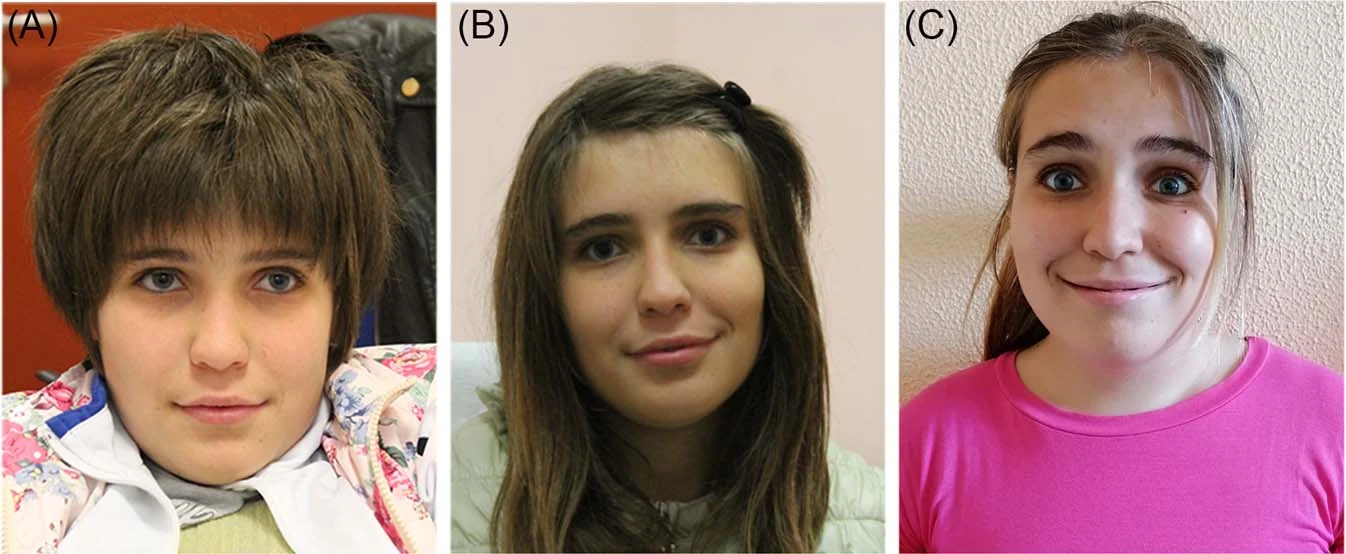
Síndrome Smith-Magenis
📋 Origem dos dados
Esta página agrega dados de fontes públicas e oficiais. Dados sobre cobertura no SUS (PCDT, CEAF) são verificados ativamente por agente proativo (ver badge no infobox). Demais dados têm atribuição de fonte + data da última sincronização — clique para abrir o original.
- Doença rara (ontologia)
- fonte: Orphanet
- Identificador unificado
- fonte: MONDO
- Genética mendeliana
- fonte: OMIM
- Codificação WHO/SUS
- fonte: WHO ICD-10 / DATASUS
- CID-11 (futuro)
- fonte: WHO ICD-11
- NIH/GARD
- fonte: GARD (NIH)
- Indexação biomédica
- fonte: MeSH (NLM)
- Dado público estruturado
- fonte: Wikidata
- Medicamentos aprovados FDA
- fonte: FDA OpenFDA
- Ensaios clínicos
- fonte: ClinicalTrials.gov