
A tetrassomia 9p é uma anomalia autossômica rara caracterizada por retardo de crescimento pré e pós-natal, atraso psicomotor, deficiência intelectual leve a moderada, hipotonia, microcefalia, características dismórficas (hipertelorismo ocular, orelhas baixas e malformadas, nariz bulboso/bico, microretrognatia, enoftalmia/microftalmia, epicanto, estrabismo), fissura lábio/palatina, anomalias esqueléticas (hipoplásicas). unhas/falanges distais, baixa estatura, pescoço curto, contraturas), defeitos cardíacos congênitos, malformações renais e urogenitais (hipoplasia renal, hipoplasia genital, criptorquidia).
Introdução
O que você precisa saber de cara
A tetrassomia 9p é uma anomalia autossômica rara caracterizada por retardo de crescimento pré e pós-natal, atraso psicomotor, deficiência intelectual leve a moderada, hipotonia, microcefalia, características dismórficas (hipertelorismo ocular, orelhas baixas e malformadas, nariz bulboso/bico, microretrognatia, enoftalmia/microftalmia, epicanto, estrabismo), fissura lábio/palatina, anomalias esqueléticas (hipoplásicas). unhas/falanges distais, baixa estatura, pescoço curto, contraturas), defeitos cardíacos congênitos, malformações renais e urogenitais (hipoplasia renal, hipoplasia genital, criptorquidia).
Escala de raridade
<1/50kMuito rara
1/20kRara
1/10kPouco freq.
1/5kIncomum
1/2k
Encontrou um erro ou informação desatualizada? Sugira uma correção →
Entender a doença
Do básico ao detalhe, leia no seu ritmo
Preparando trilha educativa...
Sinais e sintomas
O que aparece no corpo e com que frequência cada sintoma acontece
Partes do corpo afetadas
+ 29 sintomas em outras categorias
Características mais comuns
Os sintomas variam de pessoa para pessoa. Abaixo estão as 82 características clínicas mais associadas, ordenadas por frequência.
Linha do tempo da pesquisa
Encontrou um erro ou informação desatualizada? Sugira uma correção →
Genética e causas
O que está alterado no DNA e como passa nas famílias
Nenhum gene associado encontrado
Os dados genéticos desta condição ainda estão sendo catalogados.
Diagnóstico
Os sinais que médicos procuram e os exames que confirmam
Tratamento e manejo
Remédios, cuidados de apoio e o que precisa acompanhar
Onde tratar no SUS
Hospitais de referência no Brasil e o protocolo oficial do SUS (PCDT)
🇧🇷 Atendimento SUS — Tetrassomia 9p
Selecione um estado ou use sua localização para ver resultados.
Dados de DATASUS/CNES, SBGM, ABNeuro e Ministério da Saúde. Sempre confirme a disponibilidade diretamente com o estabelecimento.
Pesquisa ativa
Ensaios clínicos abertos e novidades científicas recentes
Pesquisa e ensaios clínicos
Nenhum ensaio clínico registrado para esta condição.
Publicações mais relevantes
Case Report: Prenatal diagnosis of fetal tetrasomy 9p initially identified by non-invasive prenatal testing.
Tetrasomy 9p is a rare syndrome characterized by fetal growth restriction, Dandy-Walker malformation, cardiac anomalies, and facial abnormalities and is discovered by ultrasound during the prenatal examination. Herein, we report a fetus of tetrasomy 9p without obvious phenotypic manifestations during the first trimester that was identified by non-invasive prenatal testing (NIPT). NIPT revealed that the gain of 9p24.3-9p11 that was approximately 46.36 Mb in size. Karyotyping of amniocytes indicated an additional marker in all metaphase. Chromosome microarray and fluorescence in situ hybridization on uncultured amniocytes revealed tetrasomic of 9p24.3q13, and that the supernumerary chromosome is a dicentric isochromosome consisted of two copies of the 9p arm. Taken together, it was indicated that the fetal karyotype was 47,XY,+idic (9) (q13), and that multiple techniques are crucial to the prenatal diagnosis.
No Evidence of Abnormal Expression of Beta-Catenin and Bcl-2 Proteins in Pilomatricoma as One Clinical Feature of Tetrasomy 9p Syndrome.
Little is currently known about the genetics of pilomatricoma. A number of studies have reported some evidence that this disease may have a genetic association with mutations of CTNNB1 gene or expression of the beta-catenin protein. In this study, we reviewed literatures involving 30 patients with various genetic syndromes that have been linked to pilomatricoma and found that somatic mutations of the CTNNB1 gene were reported in 67% of patients. Pilomatricoma has been reported in patients with chromosome 9 rearrangements, including 4 patients with tetrasomy 9p syndrome and one patient with partial trisomy 9. In addition to beta-catenin, the expression of bcl2 was observed in pilomatricoma. To report an additional case of tetrasomy 9p syndrome with concurrent pilomatricoma and to examine whether abnormal protein expressions of the CTNNB1 and/or BCL2 genes were present. Cytogenetic analysis was carried out on peripheral blood, biopsied skin, and pilomatricoma tissue obtained from a patient with tetrasomy 9p syndrome. Immunohistochemical staining was performed on the pilomatricoma tissue, using beta-catenin and bcl2 monoclonal antibodies. SNP microarray revealed nonmosaic gain of the short arm of chromosome 9. A nonmosaic isodicentric chromosome 9 was identified in the peripheral blood but this rearranged chromosome was detected in only 8.3% of the skin fibroblasts. Chromosomal abnormalities were not detected in the pilomatricoma nor expression of beta-catenin or bcl2 proteins in our patient. Pilomatricoma could be a new clinical feature associated with tetrasomy 9p syndrome; however, we found no evidence of tetrasomy 9p or abnormal beta-catenin or bcl2 proteins of the CTNNB1 and BCL2 genes in our pilomatricoma patient.
Clinical and molecular delineation of Tetrasomy 9p syndrome: report of 12 new cases and literature review.
Tetrasomy 9p is a generic term describing the presence of a supernumerary chromosome incorporating two copies of the 9p arm. Two varieties exist: isodicentric chromosome 9p (i(9p)), where the two 9p arms are linked by a single centromeric region, and pseudodicentric 9p (idic(9p)), where one active and one inactive centromere are linked together by a proximal segment of 9q that may incorporate euchromatic material. In living patients, i(9p) and idic(9p) are usually present in a mosaic state. Fifty-four cases, including fetuses, have been reported, of which only two have been molecularly characterized using array-CGH. Tetrasomy 9p leads to a variable phenotype ranging from multiple congenital anomalies with severe intellectual disability and growth delay to subnormal cognitive and physical developments. Hypertelorism, abnormal ears, microretrognathia and bulbous nose are the most common dysmorphic traits. Microcephaly, growth retardation, joint dislocation, scoliosis, cardiac and renal anomalies were reported in several cases. Those physical anomalies are often, but not universally, accompanied by intellectual disability. The most recurrent breakpoints, defined by conventional cytogenetics, are 9p10, 9q12 and 9q13. We report on 12 new patients with tetrasomy 9p (3 i(9p), 8 idic(9p) and one structurally uncharacterized), including the first case of parental germline mosaicism. All rearrangements have been characterized by DNA microarray. Based on our results and a review of the literature, we further delineate the prenatal and postnatal clinical spectrum of this imbalance. Our results show poor genotype-phenotype correlations and underline the need of precise molecular characterization of the supernumerary marker.
Publicações recentes
Case Report: Prenatal diagnosis of fetal tetrasomy 9p initially identified by non-invasive prenatal testing.
No Evidence of Abnormal Expression of Beta-Catenin and Bcl-2 Proteins in Pilomatricoma as One Clinical Feature of Tetrasomy 9p Syndrome.
Clinical and molecular delineation of Tetrasomy 9p syndrome: report of 12 new cases and literature review.
Two cases of tetrasomy 9p syndrome with tissue limited mosaicism.
📚 EuropePMC4 artigos no totalmostrando 3
Case Report: Prenatal diagnosis of fetal tetrasomy 9p initially identified by non-invasive prenatal testing.
Frontiers in geneticsNo Evidence of Abnormal Expression of Beta-Catenin and Bcl-2 Proteins in Pilomatricoma as One Clinical Feature of Tetrasomy 9p Syndrome.
International journal of pediatricsClinical and molecular delineation of Tetrasomy 9p syndrome: report of 12 new cases and literature review.
American journal of medical genetics. Part AAssociações
Organizações que acompanham esta doença — pra ter apoio e orientação
Ainda não temos associações cadastradas para Tetrassomia 9p.
É de uma associação que acompanha esta doença? Fale com a gente →
Comunidades
Grupos ativos de quem convive com esta doença aqui no Raras
Ainda não existe comunidade no Raras para Tetrassomia 9p
Pacientes, familiares e cuidadores se organizam em comunidades pra compartilhar experiências, fazer perguntas e se apoiar. Você pode ser o primeiro.
Tire suas dúvidas
Perguntas, dicas e experiências compartilhadas aqui na página
Participe da discussão
Faça login para postar dúvidas, compartilhar experiências e interagir com especialistas.
Fazer loginDoenças relacionadas
Doenças com sintomas parecidos — ajudam quem ainda está buscando diagnóstico
Referências e fontes
Bases de dados externas citadas neste artigo
Publicações científicas
Artigos indexados no PubMed ligados a esta doença no grafo RarasNet — título, periódico e PMID direto da fonte, sem intermediação de IA.
- Case Report: Prenatal diagnosis of fetal tetrasomy 9p initially identified by non-invasive prenatal testing.
- No Evidence of Abnormal Expression of Beta-Catenin and Bcl-2 Proteins in Pilomatricoma as One Clinical Feature of Tetrasomy 9p Syndrome.
- Clinical and molecular delineation of Tetrasomy 9p syndrome: report of 12 new cases and literature review.
- Two cases of tetrasomy 9p syndrome with tissue limited mosaicism.
- Tetrasomy 9p syndrome.
Bases de dados e fontes oficiais
Identificadores e referências canônicas usadas para montar este verbete.
- ORPHA:3310(Orphanet)
- MONDO:0018030(MONDO)
- GARD:42(GARD (NIH))
- Busca completa no PubMed(PubMed)
- Q7706739(Wikidata)
Dados compilados pelo RarasNet a partir de fontes abertas (Orphanet, OMIM, MONDO, PubMed/EuropePMC, ClinicalTrials.gov, DATASUS, PCDT/MS). Este conteúdo é informativo e não substitui avaliação médica.
Conteúdo mantido por Agente Raras · Médicos e pesquisadores podem colaborar
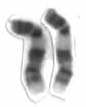
Tetrassomia 9p
📋 Origem dos dados
Esta página agrega dados de fontes públicas e oficiais. Dados sobre cobertura no SUS (PCDT, CEAF) são verificados ativamente por agente proativo (ver badge no infobox). Demais dados têm atribuição de fonte + data da última sincronização — clique para abrir o original.
- Doença rara (ontologia)
- fonte: Orphanet
- Identificador unificado
- fonte: MONDO
- Codificação WHO/SUS
- fonte: WHO ICD-10 / DATASUS
- CID-11 (futuro)
- fonte: WHO ICD-11
- NIH/GARD
- fonte: GARD (NIH)
- Indexação biomédica
- fonte: MeSH (NLM)
- Dado público estruturado
- fonte: Wikidata