
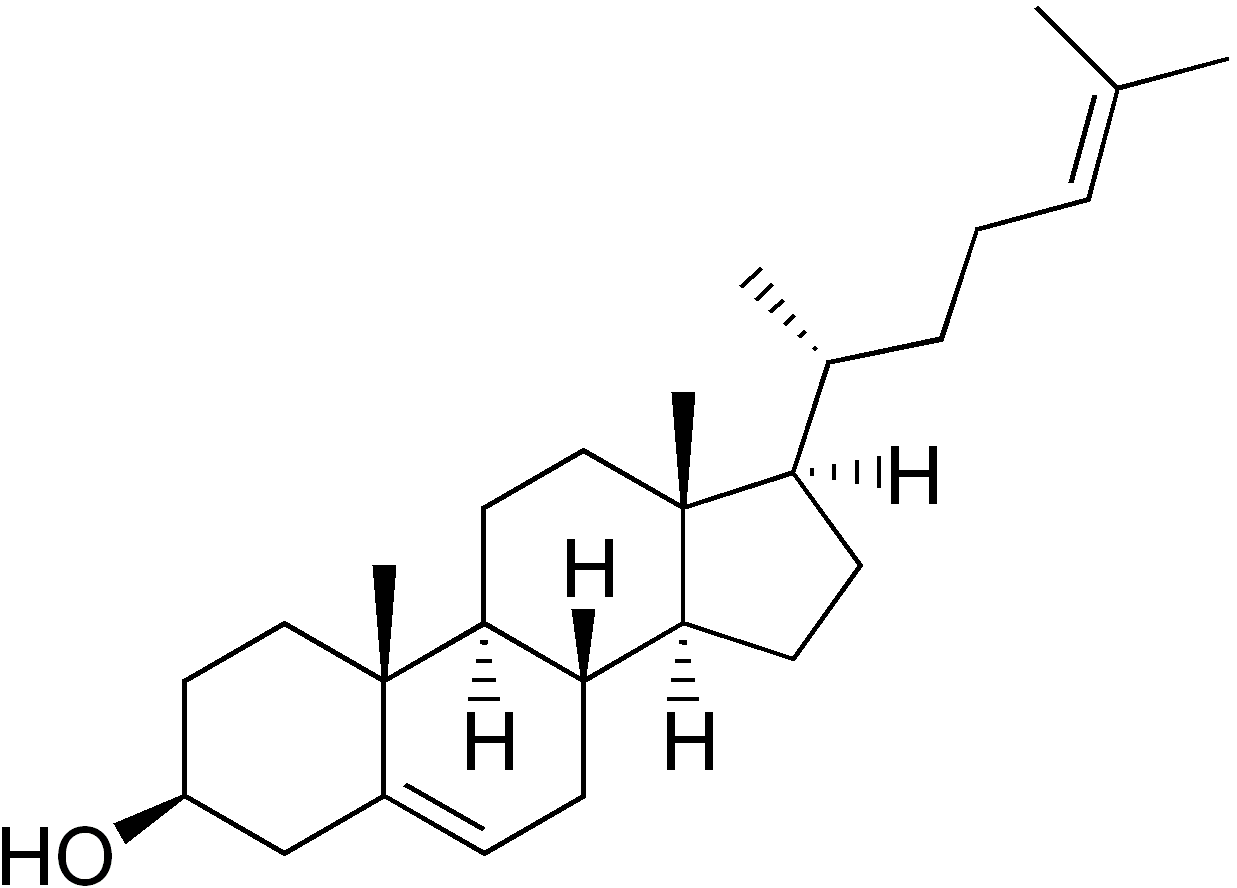
A desmosterolose é um distúrbio muito raro da biossíntese de esterol, caracterizado por múltiplas anomalias congênitas, retardo de crescimento e deficiência intelectual, com níveis elevados de desmosterol.
Introdução
O que você precisa saber de cara
A desmosterolose é um distúrbio muito raro da biossíntese de esterol, caracterizado por múltiplas anomalias congênitas, retardo de crescimento e deficiência intelectual, com níveis elevados de desmosterol.
Escala de raridade
<1/50kMuito rara
1/20kRara
1/10kPouco freq.
1/5kIncomum
1/2k
Encontrou um erro ou informação desatualizada? Sugira uma correção →
Entender a doença
Do básico ao detalhe, leia no seu ritmo
Preparando trilha educativa...
Sinais e sintomas
O que aparece no corpo e com que frequência cada sintoma acontece
Partes do corpo afetadas
+ 29 sintomas em outras categorias
Características mais comuns
Os sintomas variam de pessoa para pessoa. Abaixo estão as 84 características clínicas mais associadas, ordenadas por frequência.
Linha do tempo da pesquisa
Encontrou um erro ou informação desatualizada? Sugira uma correção →
Genética e causas
O que está alterado no DNA e como passa nas famílias
Genes associados
1 gene identificado com associação a esta condição. Padrão de herança: Autosomal recessive.
Curadoria gene-doença
fontes oficiaisCatalyzes the reduction of the delta-24 double bond of sterol intermediates during cholesterol biosynthesis (PubMed:11519011, PubMed:21671375, PubMed:22178193, PubMed:25637936). In addition to its cholesterol-synthesizing activity, can protect cells from oxidative stress by reducing caspase 3 activity during apoptosis induced by oxidative stress (PubMed:11007892, PubMed:22010141). Also protects against amyloid-beta peptide-induced apoptosis (PubMed:11007892)
Endoplasmic reticulum membraneGolgi apparatus membrane
Desmosterolosis
Rare autosomal recessive disorder characterized by multiple congenital anomalies and elevated levels of the cholesterol precursor desmosterol in plasma, tissue, and cultured cells.
Variantes genéticas (ClinVar)
31 variantes patogênicas registradas no ClinVar.
Classificação de variantes (ClinVar)
Distribuição de 108 variantes classificadas pelo ClinVar.
Vias biológicas (Reactome)
3 vias biológicas associadas aos genes desta condição.
Diagnóstico
Os sinais que médicos procuram e os exames que confirmam
Tratamento e manejo
Remédios, cuidados de apoio e o que precisa acompanhar
Onde tratar no SUS
Hospitais de referência no Brasil e o protocolo oficial do SUS (PCDT)
🇧🇷 Atendimento SUS — Desmosterolose
Selecione um estado ou use sua localização para ver resultados.
Dados de DATASUS/CNES, SBGM, ABNeuro e Ministério da Saúde. Sempre confirme a disponibilidade diretamente com o estabelecimento.
Pesquisa ativa
Ensaios clínicos abertos e novidades científicas recentes
Ensaios em destaque
🟢 Recrutando agora
1 pesquisa recrutando participantes. Converse com seu médico sobre a possibilidade de participar.
Outros ensaios clínicos
Publicações mais relevantes
DHCR24-related desmosterolosis in the first reported Turkish patient: Expanding the genotypic and phenotypic spectrum.
Desmosterolosis is a ultra-rare autosomal recessive disorder caused by biallelic variants in the DHCR24 gene, which encodes 3-beta-hydroxysterol delta-24-reductase-an enzyme involved in the final step of cholesterol biosynthesis. Here, we report a 3.5-year-old female with previously unreported compound heterozygous DHCR24 variants: c.1412A>G (p.Tyr471Cys), and c.275C>T (p.Thr92Met). The patient presented with agenesis of the corpus callosum, hypotonia, developmental delay, and dysmorphic facial features. Trio-clinical exome sequencing confirmed the trans configuration of the variants. Plasma desmosterol levels were elevated >50-fold (134 ng/L; reference ≤2.5 ng/L), supporting the diagnosis. In silico 3D protein modeling demonstrated structural alterations associated with both variants. A review of reported cases revealed consistent findings of corpus callosum agenesis, developmental delay, and ocular abnormalities. Our case contributes to the limited body of literature on DHCR24-related desmosterolosis and expands the variant spectrum, emphasizing the importance of integrating clinical, biochemical, and computational approaches in diagnosing rare metabolic disorders.
A sterol panel for rare lipid disorders: sitosterolemia, cerebrotendinous xanthomatosis and Smith-Lemli-Opitz syndrome.
Disease-specific sterols accumulate in the blood of patients with several rare lipid disorders. Biochemical measurement of these sterols is important for correct diagnosis and sometimes monitoring of treatment. Existing methods to measure sterols in blood, particularly plant sterols, are often laborious and time consuming. Partly as a result, clinical access to sterol measurements is limited in many parts of the world. A simple and rapid method to extract free sterols from human serum and quantitate their concentration using isotope-dilution liquid chromatography-tandem mass spectrometry (LC-MS/MS) without derivatization was developed. The method was designed to be compatible with routine workflows (e.g., 96-well format) in a clinical lab and extensively validated. Serum from at least 125 controls were analyzed and used to estimate the upper reference limits for sitosterol, campesterol, stigmasterol, desmosterol, 7-dehydrocholesterol (7DHC), lathosterol, and cholestanol. Serum from patients with the rare lipid disorders sitosterolemia (n = 7), Smith-Lemli-Opitz syndrome (SLOS; n = 1), and cerebrotendinous xanthomatosis (CTX; n = 1) were analyzed. All seven sitosterolemia patients had greatly elevated levels of free plant sterols (sitosterol, campesterol, and stigmasterol) compared to the controls. The SLOS serum contained massively increased concentrations of 7DHC. CTX serum contained greatly increased concentrations of cholestanol, as well as 7DHC and lathosterol. Spiking experiments indicated that the method is likely also useful for the diagnosis of desmosterolosis and lathosterolosis. The reported method is a relatively simple and fast LC-MS/MS method capable of quantitating diagnostically important sterols and differentiated patients with three rare lipid disorders from controls.
Supplementation of diet with Astaxanthin and DHA prevents gestational and lactational undernourishment-induced metabolic derangements in dams: a metabolomic approach.
Nutrition is the critical nongenetic factor that has a major influence on the health status of an organism. The nutritional status of the mother during gestation and lactation plays a vital role in defining the offspring's health. Undernutrition during these critical periods may induce chronic metabolic disorders like obesity and cardiovascular diseases in mothers as well as in offspring. The present study aims to evaluate the impact of undernutrition during gestational and lactational periods on the plasma metabolic profile of dams. Additionally, we investigated the potential synergistic mitigating effects of astaxanthin and docosahexaenoic acid (DHA) on dysregulated plasma metabolic profiles. Evaluation of plasma lipid profile revealed that undernourishment resulted in elevated levels of total cholesterol, triglycerides, low density and very low-density lipoproteins in dams. Liquid chromatography-tandem mass spectrometry (LC-MS/MS) based untargeted metabolomics illustrated that pathways related to lipid metabolism, such as cholesterol metabolism, steroid biosynthesis and metabolism of amine-derived hormones, were dysregulated by undernourishment. Additionally, pathway enrichment analysis predicted that there is a high incidence of development of desmosterolosis, hypercholesterolaemia, lysosomal acid lipase deficiency and Smith-Lemli-Opitz syndrome in the offspring, reflecting predisposition in mothers. However, synergistic supplementation of astaxanthin and DHA ameliorated these adverse effects by regulating a separate set of metabolic pathways associated with lipid metabolism. They included branched chain amino acid degradation such as valine, leucine and isoleucine, metabolism of alpha-linolenic acid, lipoic acid, lysine degradation, biosynthesis, elongation and degradation of fatty acids.
Exploiting in silico structural analysis to introduce emerging genotype-phenotype correlations in DHCR24-related sterol biosynthesis disorder: a case study.
Desmosterolosis is a rare sterol biosynthesis disorder characterized by multiple congenital anomalies, failure to thrive, severe developmental delay, progressive epileptic encephalopathy, and elevated levels of desmosterol caused by biallelic mutations of DHCR24 encoding 3-β-hydroxysterol Δ-24-reductase. DHCR24 is regarded as the key enzyme of cholesterol synthesis in the metabolism of brain cholesterol as it catalyzes the reduction of the Δ-24 double bond of sterol intermediates during cholesterol biosynthesis. To date, 15 DHCR24 variants, detected in 2 related and 14 unrelated patients, have been associated with the desmosterolosis disorder. Here, we describe a proband harboring the never-described DHCR24 homozygous missense variant NM_014762.4:c.506T>C, NP_055577.1:p.M169T, whose functional validation was confirmed through biochemical assay. By using molecular dynamics simulation techniques, we investigated the impact of this variant on the protein stability and interaction network with the flavin adenine dinucleotide cofactor, thereby providing a preliminary assessment of its mechanistic role in comparison to all known pathogenic variants, the wild-type protein, and a known benign DHCR24 variant. This report expands the clinical and molecular spectra of the DHCR24-related disorder, reports on a novel DHCR24 deleterious variant associated with desmosterolosis, and gives new insights into genotype-phenotype correlations.
Prenatal diagnosis of lanosterol synthase deficiency: Fetal ultrasound findings as a window on family genetics.
Cholesterol is essential in the brain from the earliest stages of embryonic development. Disruption of cholesterol synthesis pathways that leads to cholesterol deficiency underlies a few syndromes, including desmosterolosis and Smith-Lemli-Opitz syndrome. In both syndromes, brain anomalies can occur. The LSS gene encodes lanosterol synthase (LSS), an important enzyme in the cholesterol biosynthesis pathway. Biallelic pathogenic variants in this gene cause alopecia-intellectual disability type 4 syndrome (APMR4, MIM 618840), a rare autosomal recessive disorder. Here, we describe two new LSS variants (c.1016C > T; p. Ser339Leu and c.1522G > C; p. Gly508Arg) found in a compound heterozygous fetus diagnosed prenatally with brain abnormalities by ultrasound scanning. Two of his siblings from the same parents also harbored these variants. Both siblings had alopecia, mild intellectual disability, autism spectrum disorder, and cataracts. To the best of our knowledge, this case represents the first prenatal diagnosis of APMR4 first suspected by ultrasound. In addition, the phenotypic features of the siblings are extensive compared with those described in previous reports and include abnormal corpus callosum, cataracts, alopecia, and developmental delay.
Publicações recentes
DHCR24 in cholesterol metabolism and diseases of the nervous system.
DHCR24-related desmosterolosis in the first reported Turkish patient: Expanding the genotypic and phenotypic spectrum.
Supplementation of diet with Astaxanthin and DHA prevents gestational and lactational undernourishment-induced metabolic derangements in dams: a metabolomic approach.
A sterol panel for rare lipid disorders: sitosterolemia, cerebrotendinous xanthomatosis and Smith-Lemli-Opitz syndrome.
Exploiting in silico structural analysis to introduce emerging genotype-phenotype correlations in DHCR24-related sterol biosynthesis disorder: a case study.
📚 EuropePMC14 artigos no totalmostrando 12
DHCR24-related desmosterolosis in the first reported Turkish patient: Expanding the genotypic and phenotypic spectrum.
Journal of clinical lipidologySupplementation of diet with Astaxanthin and DHA prevents gestational and lactational undernourishment-induced metabolic derangements in dams: a metabolomic approach.
Journal of developmental origins of health and diseaseA sterol panel for rare lipid disorders: sitosterolemia, cerebrotendinous xanthomatosis and Smith-Lemli-Opitz syndrome.
Journal of lipid researchExploiting in silico structural analysis to introduce emerging genotype-phenotype correlations in DHCR24-related sterol biosynthesis disorder: a case study.
Frontiers in geneticsPrenatal diagnosis of lanosterol synthase deficiency: Fetal ultrasound findings as a window on family genetics.
European journal of medical geneticsFirst case of desmosterolosis diagnosed by prenatal whole exome sequencing.
American journal of medical genetics. Part AGeneration and validation of a conditional knockout mouse model for desmosterolosis.
Journal of lipid researchDesmosterolosis and desmosterol homeostasis in the developing mouse brain.
Journal of inherited metabolic diseaseSubcellular localization of sterol biosynthesis enzymes.
Journal of molecular histologyDesmosterolosis presenting with multiple congenital anomalies.
European journal of medical geneticsMeasuring Activity of Cholesterol Synthesis Enzymes Using Gas Chromatography/Mass Spectrometry.
Methods in molecular biology (Clifton, N.J.)Radiographic features of the skeleton in disorders of post-squalene cholesterol biosynthesis.
Pediatric radiologyAssociações
Organizações que acompanham esta doença — pra ter apoio e orientação
Ainda não temos associações cadastradas para Desmosterolose.
É de uma associação que acompanha esta doença? Fale com a gente →
Comunidades
Grupos ativos de quem convive com esta doença aqui no Raras
Ainda não existe comunidade no Raras para Desmosterolose
Pacientes, familiares e cuidadores se organizam em comunidades pra compartilhar experiências, fazer perguntas e se apoiar. Você pode ser o primeiro.
Tire suas dúvidas
Perguntas, dicas e experiências compartilhadas aqui na página
Participe da discussão
Faça login para postar dúvidas, compartilhar experiências e interagir com especialistas.
Fazer loginDoenças relacionadas
Doenças com sintomas parecidos — ajudam quem ainda está buscando diagnóstico
Referências e fontes
Bases de dados externas citadas neste artigo
Publicações científicas
Artigos indexados no PubMed ligados a esta doença no grafo RarasNet — título, periódico e PMID direto da fonte, sem intermediação de IA.
- DHCR24-related desmosterolosis in the first reported Turkish patient: Expanding the genotypic and phenotypic spectrum.
- A sterol panel for rare lipid disorders: sitosterolemia, cerebrotendinous xanthomatosis and Smith-Lemli-Opitz syndrome.
- Supplementation of diet with Astaxanthin and DHA prevents gestational and lactational undernourishment-induced metabolic derangements in dams: a metabolomic approach.
- Exploiting in silico structural analysis to introduce emerging genotype-phenotype correlations in DHCR24-related sterol biosynthesis disorder: a case study.
- Prenatal diagnosis of lanosterol synthase deficiency: Fetal ultrasound findings as a window on family genetics.
- DHCR24 in cholesterol metabolism and diseases of the nervous system.
Bases de dados e fontes oficiais
Identificadores e referências canônicas usadas para montar este verbete.
- ORPHA:35107(Orphanet)
- OMIM OMIM:602398(OMIM)
- MONDO:0011217(MONDO)
- GARD:10283(GARD (NIH))
- Variantes catalogadas(ClinVar)
- Busca completa no PubMed(PubMed)
- Q5264836(Wikidata)
Dados compilados pelo RarasNet a partir de fontes abertas (Orphanet, OMIM, MONDO, PubMed/EuropePMC, ClinicalTrials.gov, DATASUS, PCDT/MS). Este conteúdo é informativo e não substitui avaliação médica.
Conteúdo mantido por Agente Raras · Médicos e pesquisadores podem colaborar
Desmosterolose
📋 Origem dos dados
Esta página agrega dados de fontes públicas e oficiais. Dados sobre cobertura no SUS (PCDT, CEAF) são verificados ativamente por agente proativo (ver badge no infobox). Demais dados têm atribuição de fonte + data da última sincronização — clique para abrir o original.
- Doença rara (ontologia)
- fonte: Orphanet
- Identificador unificado
- fonte: MONDO
- Genética mendeliana
- fonte: OMIM
- Codificação WHO/SUS
- fonte: WHO ICD-10 / DATASUS
- CID-11 (futuro)
- fonte: WHO ICD-11
- NIH/GARD
- fonte: GARD (NIH)
- Indexação biomédica
- fonte: MeSH (NLM)
- Dado público estruturado
- fonte: Wikidata
- Ensaios clínicos
- fonte: ClinicalTrials.gov