
Doença rara do ciclo da gama-glutamil causa insuficiência respiratória, hipoglicemia, déficit de crescimento e microcefalia. Manifesta-se com hipotonia, hepatoesplenomegalia, psicose e degeneração espinocerebelar, associada a glutationa elevada e aminoacidúria.
Introdução
O que você precisa saber de cara
Visão geral
A Doença do ciclo da gama-glutamil é uma condição genética rara que afeta o metabolismo da glutationa, uma substância importante para proteger as células do organismo contra danos. Ela pode se manifestar desde o período neonatal (logo após o nascimento) até a infância, com uma ampla variedade de sintomas que envolvem principalmente o sistema nervoso, o sistema imunológico e o metabolismo.[1][3]
Sinais e sintomas
Os sinais e sintomas da doença podem incluir: insuficiência respiratória, hipoglicemia (baixo nível de açúcar no sangue), déficit de crescimento, microcefalia (cabeça menor que o esperado), macrocefalia pós-natal (crescimento excessivo da cabeça após o nascimento), atrofia cerebral, degeneração do trato espinocerebelar (parte do sistema nervoso que coordena movimentos), hipotonia do lactente (moleza muscular), espasticidade (rigidez muscular), neuropatia periférica (danos nos nervos das extremidades), atraso no desenvolvimento da fala e da linguagem, dislexia, psicose, sonolência diurna excessiva, dificuldades alimentares (inclusive na infância), hepatoesplenomegalia (aumento do fígado e do baço), icterícia (coloração amarelada da pele e olhos), nefrolitíase (pedras nos rins), aminoacidúria (excesso de aminoácidos na urina), concentração elevada de glutationa circulante, concentração reduzida de glutationa eritrocitária (nos glóbulos vermelhos), anormalidade da fisiologia do sistema imunológico e infecções bacterianas recorrentes.[1][3]
Causas genéticas
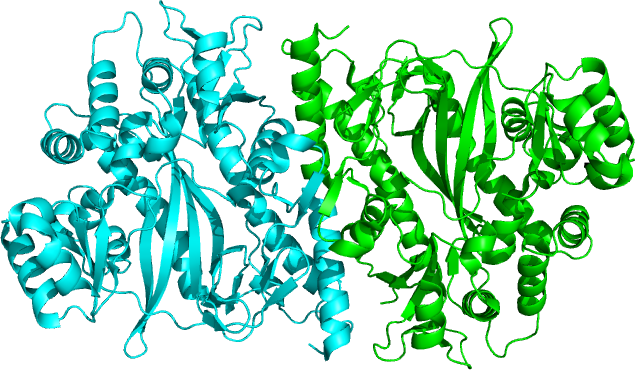
A doença é causada por alterações (mutações) em genes que participam do ciclo da gama-glutamil, essencial para a produção e reciclagem da glutationa. Os genes associados são: GGT1 (que produz a enzima Glutathione hydrolase 1 proenzyme), GPX4 (Phospholipid hydroperoxide glutathione peroxidase GPX4), OPLAH (5-oxoprolinase), GCLC (Glutamate--cysteine ligase catalytic subunit), GSR (Glutathione reductase, mitochondrial) e GSS (Glutathione synthetase). Mutações nesses genes podem levar ao acúmulo ou à deficiência de glutationa e de outras substâncias relacionadas, resultando nos sintomas observados.[1][4]
Diagnóstico
O diagnóstico é baseado na avaliação clínica dos sintomas e pode ser confirmado por meio de testes genéticos. Atualmente, existem 336 testes genéticos disponíveis para a doença, e 223 variantes genéticas já foram registradas no banco de dados ClinVar. O código da doença no banco de dados MONDO é MONDO:0019241.[1][4]
Tratamento e manejo
Não há informações disponíveis sobre tratamentos específicos ou medicamentos aprovados para a Doença do ciclo da gama-glutamil. O manejo é geralmente de suporte, focado nos sintomas apresentados por cada paciente, e deve ser coordenado por uma equipe multidisciplinar. No Brasil, a doença não possui cobertura pelo Sistema Único de Saúde (SUS) para procedimentos específicos.[1]
Prognóstico e qualidade de vida
Não há dados específicos sobre o prognóstico ou a expectativa de vida para esta condição. A qualidade de vida depende da gravidade dos sintomas e do acesso a cuidados de suporte adequados. O acompanhamento regular com médicos especialistas (como neurologistas, geneticistas e imunologistas) é importante para monitorar e tratar as complicações que possam surgir.[1][3]
Conteúdo informativo gerado e mantido automaticamente a partir de fontes oficiais (Orphanet, HPO, OMIM, SUS). Não substitui avaliação médica.
Doença rara do ciclo da gama-glutamil causa insuficiência respiratória, hipoglicemia, déficit de crescimento e microcefalia. Manifesta-se com hipotonia, hepatoesplenomegalia, psicose e degeneração espinocerebelar, associada a glutationa elevada e aminoacidúria.
Encontrou um erro ou informação desatualizada? Sugira uma correção →
Entender a doença
Do básico ao detalhe, leia no seu ritmo
Preparando trilha educativa...
Sinais e sintomas
O que aparece no corpo e com que frequência cada sintoma acontece
Visão geral
A Doença do ciclo da gama-glutamil é uma condição genética rara que afeta o metabolismo da glutationa, uma substância importante para proteger as células do organismo contra danos. Ela pode se manifestar desde o período neonatal (logo após o nascimento) até a infância, com uma ampla variedade de sintomas que envolvem principalmente o sistema nervoso, o sistema imunológico e o metabolismo.[1][3]
Sinais e sintomas
Os sinais e sintomas da doença podem incluir: insuficiência respiratória, hipoglicemia (baixo nível de açúcar no sangue), déficit de crescimento, microcefalia (cabeça menor que o esperado), macrocefalia pós-natal (crescimento excessivo da cabeça após o nascimento), atrofia cerebral, degeneração do trato espinocerebelar (parte do sistema nervoso que coordena movimentos), hipotonia do lactente (moleza muscular), espasticidade (rigidez muscular), neuropatia periférica (danos nos nervos das extremidades), atraso no desenvolvimento da fala e da linguagem, dislexia, psicose, sonolência diurna excessiva, dificuldades alimentares (inclusive na infância), hepatoesplenomegalia (aumento do fígado e do baço), icterícia (coloração amarelada da pele e olhos), nefrolitíase (pedras nos rins), aminoacidúria (excesso de aminoácidos na urina), concentração elevada de glutationa circulante, concentração reduzida de glutationa eritrocitária (nos glóbulos vermelhos), anormalidade da fisiologia do sistema imunológico e infecções bacterianas recorrentes.[1][3]
Causas genéticas
A doença é causada por alterações (mutações) em genes que participam do ciclo da gama-glutamil, essencial para a produção e reciclagem da glutationa. Os genes associados são: GGT1 (que produz a enzima Glutathione hydrolase 1 proenzyme), GPX4 (Phospholipid hydroperoxide glutathione peroxidase GPX4), OPLAH (5-oxoprolinase), GCLC (Glutamate--cysteine ligase catalytic subunit), GSR (Glutathione reductase, mitochondrial) e GSS (Glutathione synthetase). Mutações nesses genes podem levar ao acúmulo ou à deficiência de glutationa e de outras substâncias relacionadas, resultando nos sintomas observados.[1][4]
Diagnóstico
O diagnóstico é baseado na avaliação clínica dos sintomas e pode ser confirmado por meio de testes genéticos. Atualmente, existem 336 testes genéticos disponíveis para a doença, e 223 variantes genéticas já foram registradas no banco de dados ClinVar. O código da doença no banco de dados MONDO é MONDO:0019241.[1][4]
Tratamento e manejo
Não há informações disponíveis sobre tratamentos específicos ou medicamentos aprovados para a Doença do ciclo da gama-glutamil. O manejo é geralmente de suporte, focado nos sintomas apresentados por cada paciente, e deve ser coordenado por uma equipe multidisciplinar. No Brasil, a doença não possui cobertura pelo Sistema Único de Saúde (SUS) para procedimentos específicos.[1]
Prognóstico e qualidade de vida
Não há dados específicos sobre o prognóstico ou a expectativa de vida para esta condição. A qualidade de vida depende da gravidade dos sintomas e do acesso a cuidados de suporte adequados. O acompanhamento regular com médicos especialistas (como neurologistas, geneticistas e imunologistas) é importante para monitorar e tratar as complicações que possam surgir.[1][3]
Conteúdo informativo gerado e mantido automaticamente a partir de fontes oficiais (Orphanet, HPO, OMIM, SUS). Não substitui avaliação médica.
Partes do corpo afetadas
+ 51 sintomas em outras categorias
Características mais comuns
Os sintomas variam de pessoa para pessoa. Abaixo estão as 127 características clínicas mais associadas, ordenadas por frequência.
Linha do tempo da pesquisa
Encontrou um erro ou informação desatualizada? Sugira uma correção →
Genética e causas
O que está alterado no DNA e como passa nas famílias
Genes associados
6 genes identificados com associação a esta condição.
Cleaves the gamma-glutamyl bond of extracellular glutathione (gamma-Glu-Cys-Gly), glutathione conjugates (such as maresin conjugate (13R)-S-glutathionyl-(14S)-hydroxy-(4Z,7Z,9E,11E,16Z,19Z)-docosahexaenoate, MCTR1) and other gamma-glutamyl compounds (such as leukotriene C4, LTC4) (PubMed:17924658, PubMed:21447318, PubMed:27791009). The metabolism of glutathione by GGT1 releases free glutamate and the dipeptide cysteinyl-glycine, which is hydrolyzed to cysteine and glycine by dipeptidases (PubMed
Cell membrane
Glutathionuria
A very rare, autosomal recessive metabolic disorder characterized by the presence of glutathione in the urine, due to generalized gamma-glutamyl transpeptidase deficiency. Most patients manifest mild to moderate intellectual disability, and behavioral disturbance. Seizures, tremor, marfanoid features and strabismus are observed in some patients.
Essential antioxidant peroxidase that directly reduces phospholipid hydroperoxide even if they are incorporated in membranes and lipoproteins (PubMed:40281343). Can also reduce cholesterol hydroperoxide and thymine hydroperoxide (By similarity). Plays a key role in protecting cells from oxidative damage by preventing membrane lipid peroxidation (PubMed:40281343). Required to prevent cells from ferroptosis, a non-apoptotic cell death resulting from an iron-dependent accumulation of lipid reactive
MitochondrionCytoplasm
Spondylometaphyseal dysplasia, Sedaghatian type
A form of spondylometaphyseal dysplasia, a group of short stature disorders distinguished by abnormalities in the vertebrae and the metaphyses of the tubular bones. SMDS is a neonatal lethal form characterized by severe metaphyseal chondrodysplasia with mild limb shortening, platyspondyly, cardiac conduction defects, and central nervous system abnormalities.
Catalyzes the cleavage of 5-oxo-L-proline to form L-glutamate coupled to the hydrolysis of ATP to ADP and inorganic phosphate
Cytoplasm, cytosol
5-oxoprolinase deficiency
A disorder characterized by calcium oxalate/carbonate urolithiasis, and excessive urinary 5-oxo-L-proline. Affected individuals have recurrent episodes of vomiting, diarrhea, and abdominal pain.
Catalyzes the ATP-dependent ligation of L-glutamate and L-cysteine and participates in the first and rate-limiting step in glutathione biosynthesis
Anemia, congenital, non-spherocytic hemolytic, 7
An autosomal recessive disease characterized by hemolytic anemia, glutathione deficiency, myopathy, late-onset spinocerebellar degeneration, and peripheral neuropathy.
Catalyzes the reduction of glutathione disulfide (GSSG) to reduced glutathione (GSH). Constitutes the major mechanism to maintain a high GSH:GSSG ratio in the cytosol
MitochondrionCytoplasm
Anemia, congenital, non-spherocytic hemolytic, 10
An autosomal recessive disease characterized by hemolytic anemia and impaired activity of glutathione reductase. Patients experience hemolytic anemia in response to oxidative stress or ingestion of fava beans.
Catalyzes the production of glutathione from gamma-glutamylcysteine and glycine in an ATP-dependent manner (PubMed:7646467, PubMed:9215686). Glutathione (gamma-glutamylcysteinylglycine, GSH) is the most abundant intracellular thiol in living aerobic cells and is required for numerous processes including the protection of cells against oxidative damage, amino acid transport, the detoxification of foreign compounds, the maintenance of protein sulfhydryl groups in a reduced state and acts as a cofa
Glutathione synthetase deficiency
An autosomal recessive disorder characterized by massive urinary excretion of 5-oxoproline, metabolic acidosis, hemolytic anemia, and central nervous system damage.
Variantes genéticas (ClinVar)
223 variantes patogênicas registradas no ClinVar.
Vias biológicas (Reactome)
22 vias biológicas associadas aos genes desta condição.
Diagnóstico
Os sinais que médicos procuram e os exames que confirmam
Tratamento e manejo
Remédios, cuidados de apoio e o que precisa acompanhar
Onde tratar no SUS
Hospitais de referência no Brasil e o protocolo oficial do SUS (PCDT)
🇧🇷 Atendimento SUS — Doença do ciclo da gama-glutamil
Selecione um estado ou use sua localização para ver resultados.
Dados de DATASUS/CNES, SBGM, ABNeuro e Ministério da Saúde. Sempre confirme a disponibilidade diretamente com o estabelecimento.
Pesquisa ativa
Ensaios clínicos abertos e novidades científicas recentes
Pesquisa e ensaios clínicos
Nenhum ensaio clínico registrado para esta condição.
Publicações mais relevantes
Publicações recentes
5-Oxoprolinase Deficiency and Epilepsy: A Report of Four Cases with New Clinical Findings and Clinical Diversity Even in the Same Family.
5-Oxoprolinase deficiency: report of the first human OPLAH mutation.
Associações
Organizações que acompanham esta doença — pra ter apoio e orientação
Ainda não temos associações cadastradas para Doença do ciclo da gama-glutamil.
É de uma associação que acompanha esta doença? Fale com a gente →
Comunidades
Grupos ativos de quem convive com esta doença aqui no Raras
Ainda não existe comunidade no Raras para Doença do ciclo da gama-glutamil
Pacientes, familiares e cuidadores se organizam em comunidades pra compartilhar experiências, fazer perguntas e se apoiar. Você pode ser o primeiro.
Tire suas dúvidas
Perguntas, dicas e experiências compartilhadas aqui na página
Participe da discussão
Faça login para postar dúvidas, compartilhar experiências e interagir com especialistas.
Fazer loginDoenças relacionadas
Doenças com sintomas parecidos — ajudam quem ainda está buscando diagnóstico
Referências e fontes
Bases de dados externas citadas neste artigo
Publicações científicas
Artigos indexados no PubMed ligados a esta doença no grafo RarasNet — título, periódico e PMID direto da fonte, sem intermediação de IA.
Bases de dados e fontes oficiais
Identificadores e referências canônicas usadas para montar este verbete.
- ORPHA:79196(Orphanet)
- MONDO:0019241(MONDO)
- GARD:18970(GARD (NIH))
- Variantes catalogadas(ClinVar)
- Busca completa no PubMed(PubMed)
- Q55788562(Wikidata)
Dados compilados pelo RarasNet a partir de fontes abertas (Orphanet, OMIM, MONDO, PubMed/EuropePMC, ClinicalTrials.gov, DATASUS, PCDT/MS). Este conteúdo é informativo e não substitui avaliação médica.
Conteúdo mantido por Agente Raras · Médicos e pesquisadores podem colaborar
Doença do ciclo da gama-glutamil
📋 Origem dos dados
Esta página agrega dados de fontes públicas e oficiais. Dados sobre cobertura no SUS (PCDT, CEAF) são verificados ativamente por agente proativo (ver badge no infobox). Demais dados têm atribuição de fonte + data da última sincronização — clique para abrir o original.
- Doença rara (ontologia)
- fonte: Orphanet
- Identificador unificado
- fonte: MONDO
- CID-11 (futuro)
- fonte: WHO ICD-11
- NIH/GARD
- fonte: GARD (NIH)
- Dado público estruturado
- fonte: Wikidata