
A Displasia Dissegmentar, tipo Silverman-Handmaker, é uma condição genética rara que afeta principalmente o desenvolvimento dos ossos. É uma forma fatal de nanismo (baixa estatura) com braços e pernas curtos, que se manifesta desde o nascimento. É caracterizada por vértebras da coluna vertebral de tamanhos desiguais, baixa estatura grave, alargamento nas extremidades dos ossos longos e traços físicos incomuns e específicos, como: um rosto achatado, orelhas com formato diferente, pescoço curto e tórax estreito. Outras características que podem surgir incluem outros problemas nos ossos, como articulações com movimento limitado, braços e pernas arqueados e o pé torto congênito. Também podem ocorrer problemas nos órgãos urinários e genitais, e no coração e vasos sanguíneos.
Introdução
O que você precisa saber de cara
A Displasia Dissegmentar, tipo Silverman-Handmaker, é uma condição genética rara que afeta principalmente o desenvolvimento dos ossos. É uma forma fatal de nanismo (baixa estatura) com braços e pernas curtos, que se manifesta desde o nascimento. É caracterizada por vértebras da coluna vertebral de tamanhos desiguais, baixa estatura grave, alargamento nas extremidades dos ossos longos e traços físicos incomuns e específicos, como: um rosto achatado, orelhas com formato diferente, pescoço curto e tórax estreito. Outras características que podem surgir incluem outros problemas nos ossos, como articulações com movimento limitado, braços e pernas arqueados e o pé torto congênito. Também podem ocorrer problemas nos órgãos urinários e genitais, e no coração e vasos sanguíneos.
Escala de raridade
<1/50kMuito rara
1/20kRara
1/10kPouco freq.
1/5kIncomum
1/2k
Encontrou um erro ou informação desatualizada? Sugira uma correção →
Entender a doença
Do básico ao detalhe, leia no seu ritmo
Preparando trilha educativa...
Sinais e sintomas
O que aparece no corpo e com que frequência cada sintoma acontece
Partes do corpo afetadas
+ 19 sintomas em outras categorias
Características mais comuns
Os sintomas variam de pessoa para pessoa. Abaixo estão as 52 características clínicas mais associadas, ordenadas por frequência.
Linha do tempo da pesquisa
Encontrou um erro ou informação desatualizada? Sugira uma correção →
Genética e causas
O que está alterado no DNA e como passa nas famílias
Genes associados
1 gene identificado com associação a esta condição. Padrão de herança: Autosomal recessive.
Curadoria gene-doença
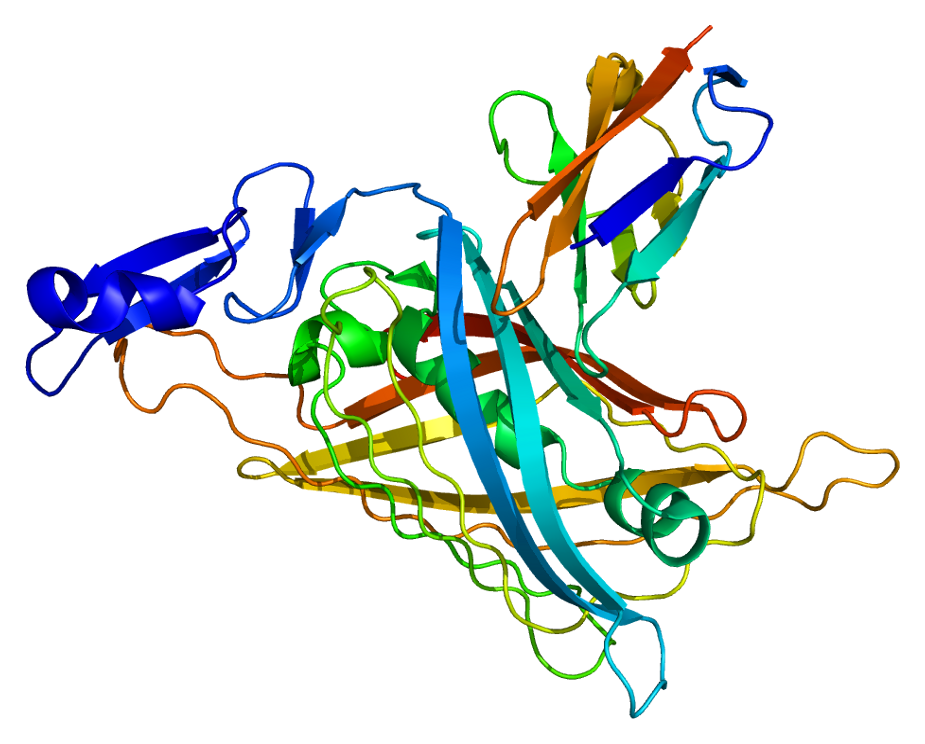
fontes oficiaisIntegral component of basement membranes. Component of the glomerular basement membrane (GBM), responsible for the fixed negative electrostatic membrane charge, and which provides a barrier which is both size- and charge-selective. It serves as an attachment substrate for cells. Plays essential roles in vascularization. Critical for normal heart development and for regulating the vascular response to injury. Also required for avascular cartilage development (PubMed:12435733, PubMed:15591058, Pub
Secreted, extracellular space, extracellular matrix, basement membraneSecreted
Schwartz-Jampel syndrome
Rare autosomal recessive disorder characterized by permanent myotonia (prolonged failure of muscle relaxation) and skeletal dysplasia, resulting in reduced stature, kyphoscoliosis, bowing of the diaphyses and irregular epiphyses.
Variantes genéticas (ClinVar)
377 variantes patogênicas registradas no ClinVar.
Vias biológicas (Reactome)
22 vias biológicas associadas aos genes desta condição.
Diagnóstico
Os sinais que médicos procuram e os exames que confirmam
Tratamento e manejo
Remédios, cuidados de apoio e o que precisa acompanhar
Onde tratar no SUS
Hospitais de referência no Brasil e o protocolo oficial do SUS (PCDT)
🇧🇷 Atendimento SUS — Displasia dissegmentar, tipo Silverman-Handmaker
Selecione um estado ou use sua localização para ver resultados.
Dados de DATASUS/CNES, SBGM, ABNeuro e Ministério da Saúde. Sempre confirme a disponibilidade diretamente com o estabelecimento.
Pesquisa ativa
Ensaios clínicos abertos e novidades científicas recentes
Pesquisa e ensaios clínicos
Nenhum ensaio clínico registrado para esta condição.
Publicações mais relevantes
Perlecan: a review of its role in neurologic and musculoskeletal disease.
Perlecan is a 500 kDa proteoglycan residing in the extracellular matrix of endothelial basement membranes with five distinct protein domains and three heparan sulfate chains. The complex structure of perlecan and the interaction it has with its local environment accounts for its various cellular and tissue-related effects, to include cartilage, bone, neural and cardiac development, angiogenesis, and blood brain barrier stability. As perlecan is a key contributor to extracellular matrix health involved in many tissues and processes throughout the body, dysregulation of perlecan has the potential to contribute to various neurological and musculoskeletal diseases. Here we review key findings associated with perlecan dysregulation in the context of disease. This is a narrative review article examining perlecan’s role in diseases of neural and musucloskeletal pathology and its potential as a therapeutic index. Literature searches were conducted on the PubMed database, and were focused on perlecan's impact in neurological disease, to include ischemic stroke, Alzheimer's Disease (AD) and brain arteriovenous malformation (BAVM), as well as musculoskeletal pathology, including Dyssegmental Dysplasia Silverman-Handmaker type (DDSH), Schwartz-Jampel syndrome (SJS), sarcopenia, and osteoarthritis (OA). PRISMA guidelines were utilized in the search and final selection of articles.Increased perlecan levels were associated with sarcopenia, OA, and BAVM, while decreased perlecan was associated with DDSH, and SJS. We also examined the therapeutic potential of perlecan signaling in ischemic stroke, AD, and osteoarthritic animal models. Perlecan experimentally improved outcomes in such models of ischemic stroke and AD, and we found that it may be a promising component of future therapeutics for such pathology. In treating the pathophysiology of sarcopenia, OA, and BAVM, inhibiting the effect of perlecan may be beneficial. As perlecan binds to both α-5 integrin and VEGFR2 receptors, tissue specific inhibitors of these proteins warrant further study. In addition, analysis of experimental data revealed promising insight into the potential uses of perlecan domain V as a broad treatment for ischemic stroke and AD. As these diseases have limited therapeutic options, further study into perlecan or its derivatives and its potential to be used as novel therapeutic for these and other diseases should be seriously considered.
Knockdown of hspg2 is associated with abnormal mandibular joint formation and neural crest cell dysfunction in zebrafish.
Heparan sulfate proteoglycan 2 (HSPG2) encodes for perlecan, a large proteoglycan that plays an important role in cartilage formation, cell adhesion, and basement membrane stability. Mutations in HSPG2 have been associated with Schwartz-Jampel Syndrome (SJS) and Dyssegmental Dysplasia Silverman-Handmaker Type (DDSH), two disorders characterized by skeletal abnormalities. These data indicate a function for HSPG2 in cartilage development/maintenance. However, the mechanisms in which HSPG2 regulates cartilage development are not completely understood. Here, we explored the relationship between this gene and craniofacial development through morpholino-mediated knockdown of hspg2 using zebrafish. Knockdown of hspg2 resulted in abnormal development of the mandibular jaw joint at 5 days post fertilization (DPF). We surmised that defects in mandible development were a consequence of neural crest cell (NCC) dysfunction, as these multipotent progenitors produce the cartilage of the head. Early NCC development was normal in morphant animals as measured by distal-less homeobox 2a (dlx2a) and SRY-box transcription factor 10 (sox10) expression at 1 DPF. However, subsequent analysis at later stages of development (4 DPF) revealed a decrease in the number of Sox10 + and Collagen, type II, alpha 1a (Col2a1a)+ cells within the mandibular jaw joint region of morphants relative to random control injected embryos. Concurrently, morphants showed a decreased expression of nkx3.2, a marker of jaw joint formation, at 4 DPF. Collectively, these data suggest a complex role for hspg2 in jaw joint formation and late stage NCC differentiation.
Modular Proteoglycan Perlecan/HSPG2: Mutations, Phenotypes, and Functions.
Heparan sulfate proteoglycan 2 (HSPG2) is an essential, highly conserved gene whose expression influences many developmental processes including the formation of the heart and brain. The gene is widely expressed throughout the musculoskeletal system including cartilage, bone marrow and skeletal muscle. The HSPG2 gene product, perlecan is a multifunctional proteoglycan that preserves the integrity of extracellular matrices, patrols tissue borders, and controls various signaling pathways affecting cellular phenotype. Given HSPG2's expression pattern and its role in so many fundamental processes, it is not surprising that relatively few gene mutations have been identified in viable organisms. Mutations to the perlecan gene are rare, with effects ranging from a relatively mild condition to a more severe and perinatally lethal form. This review will summarize the important studies characterizing mutations and variants of HSPG2 and discuss how these genomic modifications affect expression, function and phenotype. Additionally, this review will describe the clinical findings of reported HSPG2 mutations and their observed phenotypes. Finally, the evolutionary aspects that link gene integrity to function are discussed, including key findings from both in vivo animal studies and in vitro systems. We also hope to facilitate discussion about perlecan/HSPG2 and its role in normal physiology, to explain how mutation can lead to pathology, and to point out how this information can suggest pathways for future mechanistic studies.
Dyssegmental dysplasia, Silverman-Handmaker type: A challenging antenatal diagnosis in a dizygotic twin pregnancy.
Dyssegmental dysplasia Silverman-Handmaker (DDSH; MIM 224410) type is an extremely rare skeletal dysplasia caused by functional null mutations in the perlecan gene. Less than forty cases are reported in the literature, of which only four were prenatally detected. We report on a dizygotic twin pregnancy from consanguineous parents for which one of the twins presented prenatally with severe micromelia, limb bowing and scoliosis, and postnatally with clinical and radiological features compatible with a diagnosis of dyssegmental dysplasia. Molecular studies were undertaken to confirm the clinical diagnosis of DDSH. Molecular analysis results revealed a novel homozygous variant in the HSPG2 gene (MIM 142461), NM_005529.6(HSPG2):c.4029 + 1G>A, consistent with a diagnosis of DDSH. To the best of our knowledge, the current report is only the seventh molecularly confirmed case of DDSH.
Publicações recentes
Perlecan: a review of its role in neurologic and musculoskeletal disease.
Knockdown of hspg2 is associated with abnormal mandibular joint formation and neural crest cell dysfunction in zebrafish.
Modular Proteoglycan Perlecan/HSPG2: Mutations, Phenotypes, and Functions.
Dyssegmental dysplasia, Silverman-Handmaker type: A challenging antenatal diagnosis in a dizygotic twin pregnancy.
Deficiency in perlecan/HSPG2 during bone development enhances osteogenesis and decreases quality of adult bone in mice.
📚 EuropePMC6 artigos no totalmostrando 4
Perlecan: a review of its role in neurologic and musculoskeletal disease.
Frontiers in physiologyKnockdown of hspg2 is associated with abnormal mandibular joint formation and neural crest cell dysfunction in zebrafish.
BMC developmental biologyModular Proteoglycan Perlecan/HSPG2: Mutations, Phenotypes, and Functions.
GenesDyssegmental dysplasia, Silverman-Handmaker type: A challenging antenatal diagnosis in a dizygotic twin pregnancy.
Molecular genetics & genomic medicineAssociações
Organizações que acompanham esta doença — pra ter apoio e orientação
Ainda não temos associações cadastradas para Displasia dissegmentar, tipo Silverman-Handmaker.
É de uma associação que acompanha esta doença? Fale com a gente →
Comunidades
Grupos ativos de quem convive com esta doença aqui no Raras
Ainda não existe comunidade no Raras para Displasia dissegmentar, tipo Silverman-Handmaker
Pacientes, familiares e cuidadores se organizam em comunidades pra compartilhar experiências, fazer perguntas e se apoiar. Você pode ser o primeiro.
Tire suas dúvidas
Perguntas, dicas e experiências compartilhadas aqui na página
Participe da discussão
Faça login para postar dúvidas, compartilhar experiências e interagir com especialistas.
Fazer loginDoenças relacionadas
Doenças com sintomas parecidos — ajudam quem ainda está buscando diagnóstico
Referências e fontes
Bases de dados externas citadas neste artigo
Publicações científicas
Artigos indexados no PubMed ligados a esta doença no grafo RarasNet — título, periódico e PMID direto da fonte, sem intermediação de IA.
- Perlecan: a review of its role in neurologic and musculoskeletal disease.
- Knockdown of hspg2 is associated with abnormal mandibular joint formation and neural crest cell dysfunction in zebrafish.
- Modular Proteoglycan Perlecan/HSPG2: Mutations, Phenotypes, and Functions.
- Dyssegmental dysplasia, Silverman-Handmaker type: A challenging antenatal diagnosis in a dizygotic twin pregnancy.
- Deficiency in perlecan/HSPG2 during bone development enhances osteogenesis and decreases quality of adult bone in mice.
Bases de dados e fontes oficiais
Identificadores e referências canônicas usadas para montar este verbete.
- ORPHA:1865(Orphanet)
- OMIM OMIM:224410(OMIM)
- MONDO:0009140(MONDO)
- GARD:2026(GARD (NIH))
- Variantes catalogadas(ClinVar)
- Busca completa no PubMed(PubMed)
- Q30989968(Wikidata)
Dados compilados pelo RarasNet a partir de fontes abertas (Orphanet, OMIM, MONDO, PubMed/EuropePMC, ClinicalTrials.gov, DATASUS, PCDT/MS). Este conteúdo é informativo e não substitui avaliação médica.
Conteúdo mantido por Agente Raras · Médicos e pesquisadores podem colaborar
Displasia dissegmentar, tipo Silverman-Handmaker
📋 Origem dos dados
Esta página agrega dados de fontes públicas e oficiais. Dados sobre cobertura no SUS (PCDT, CEAF) são verificados ativamente por agente proativo (ver badge no infobox). Demais dados têm atribuição de fonte + data da última sincronização — clique para abrir o original.
- Doença rara (ontologia)
- fonte: Orphanet
- Identificador unificado
- fonte: MONDO
- Genética mendeliana
- fonte: OMIM
- Codificação WHO/SUS
- fonte: WHO ICD-10 / DATASUS
- CID-11 (futuro)
- fonte: WHO ICD-11
- NIH/GARD
- fonte: GARD (NIH)
- Indexação biomédica
- fonte: MeSH (NLM)
- Dado público estruturado
- fonte: Wikidata